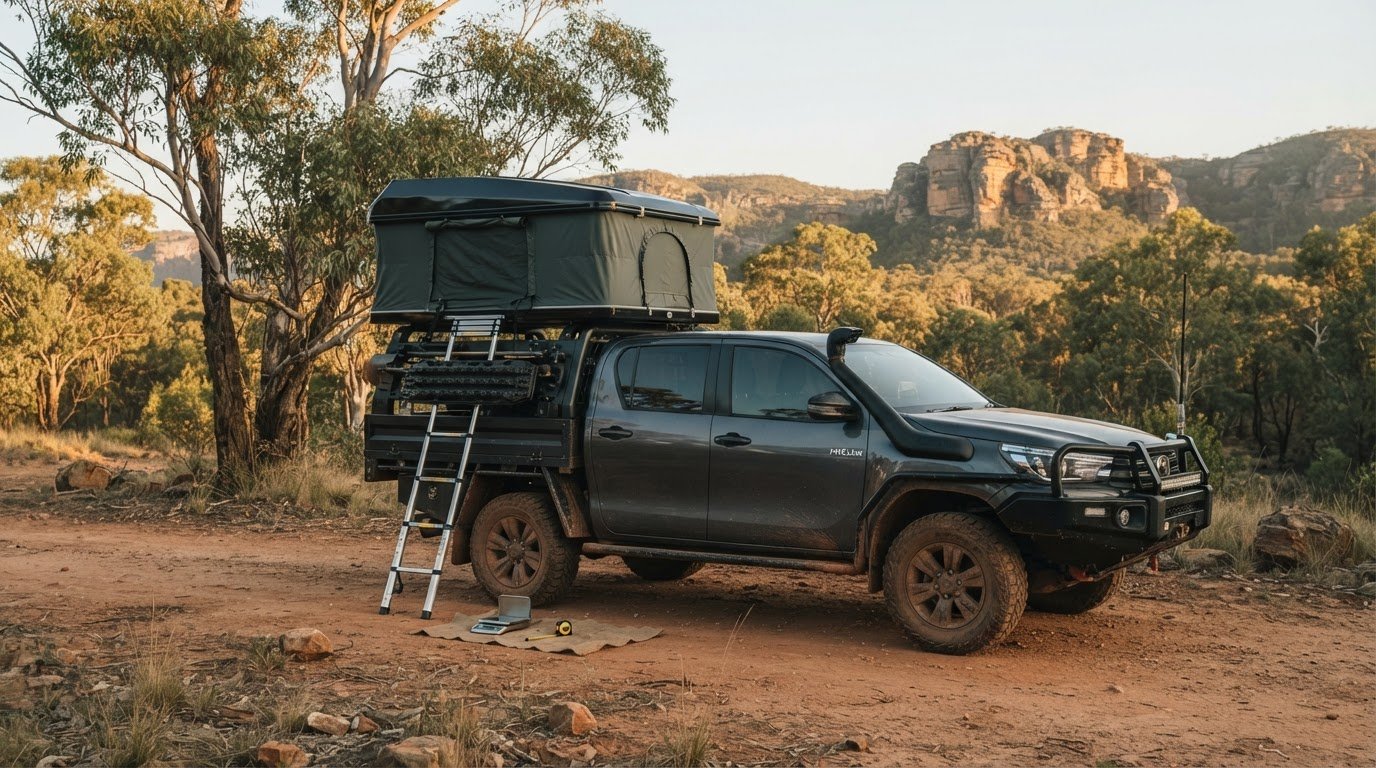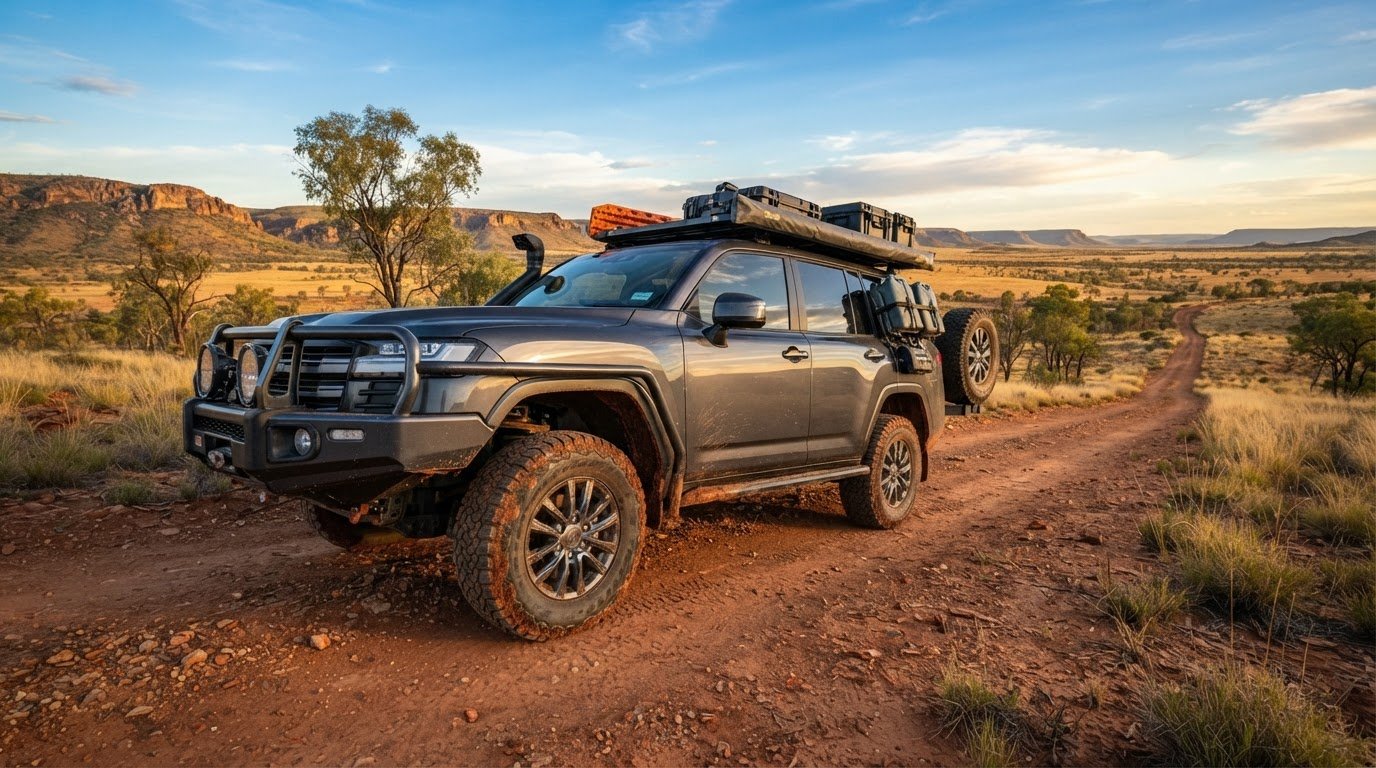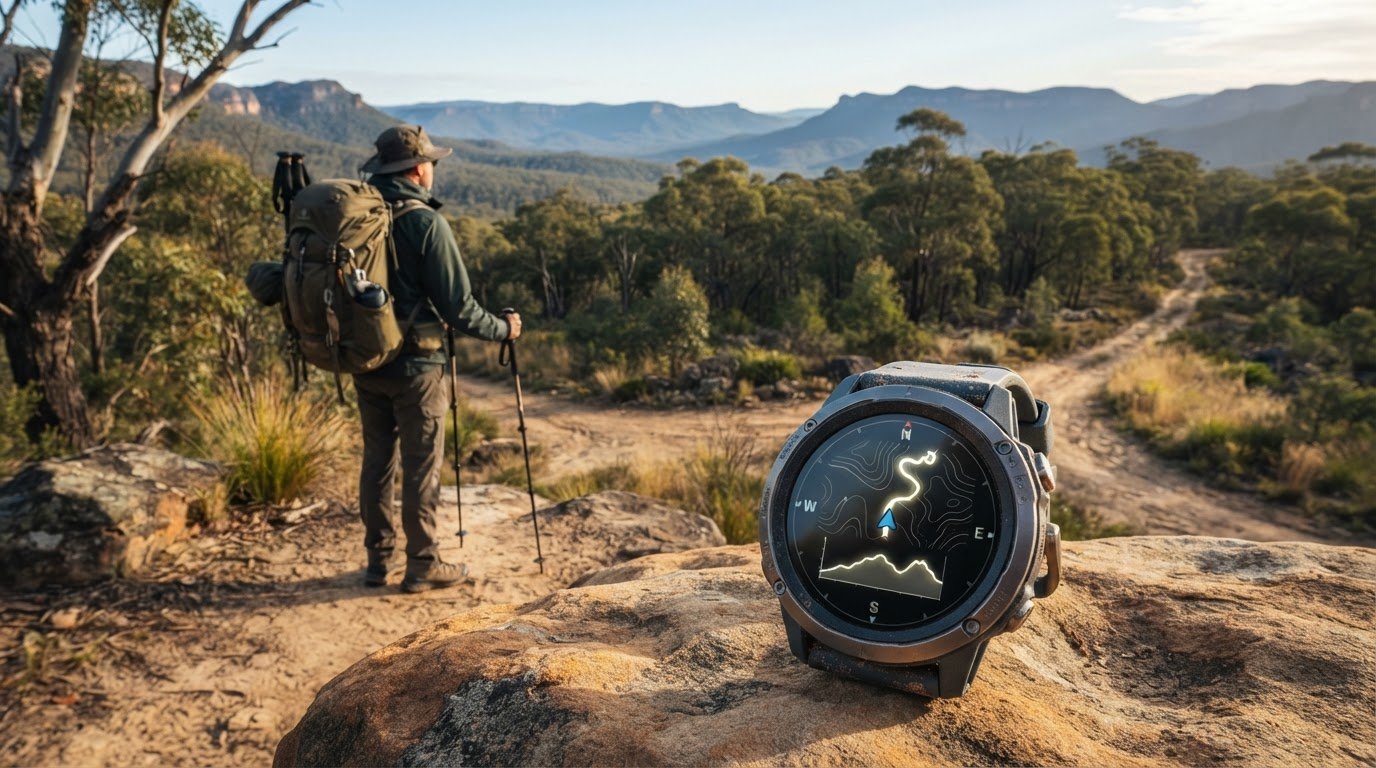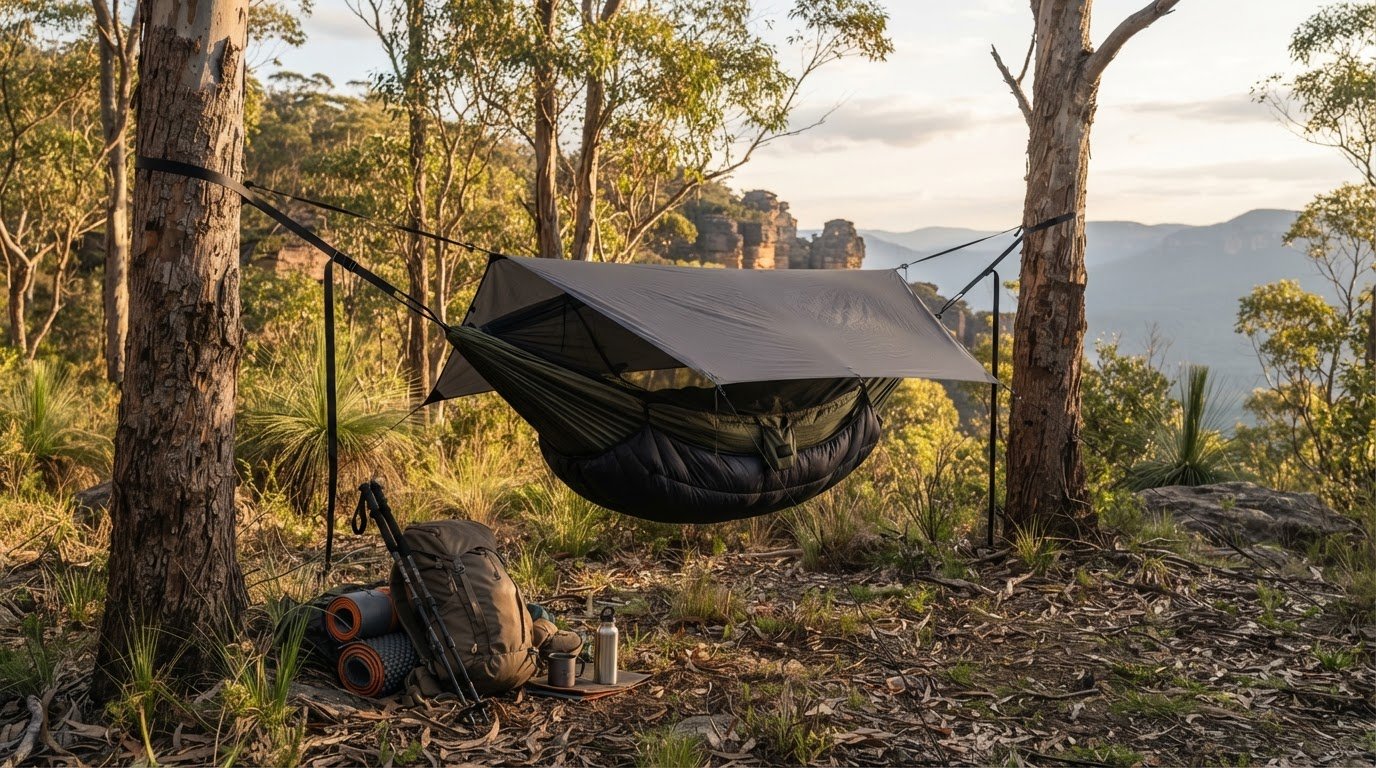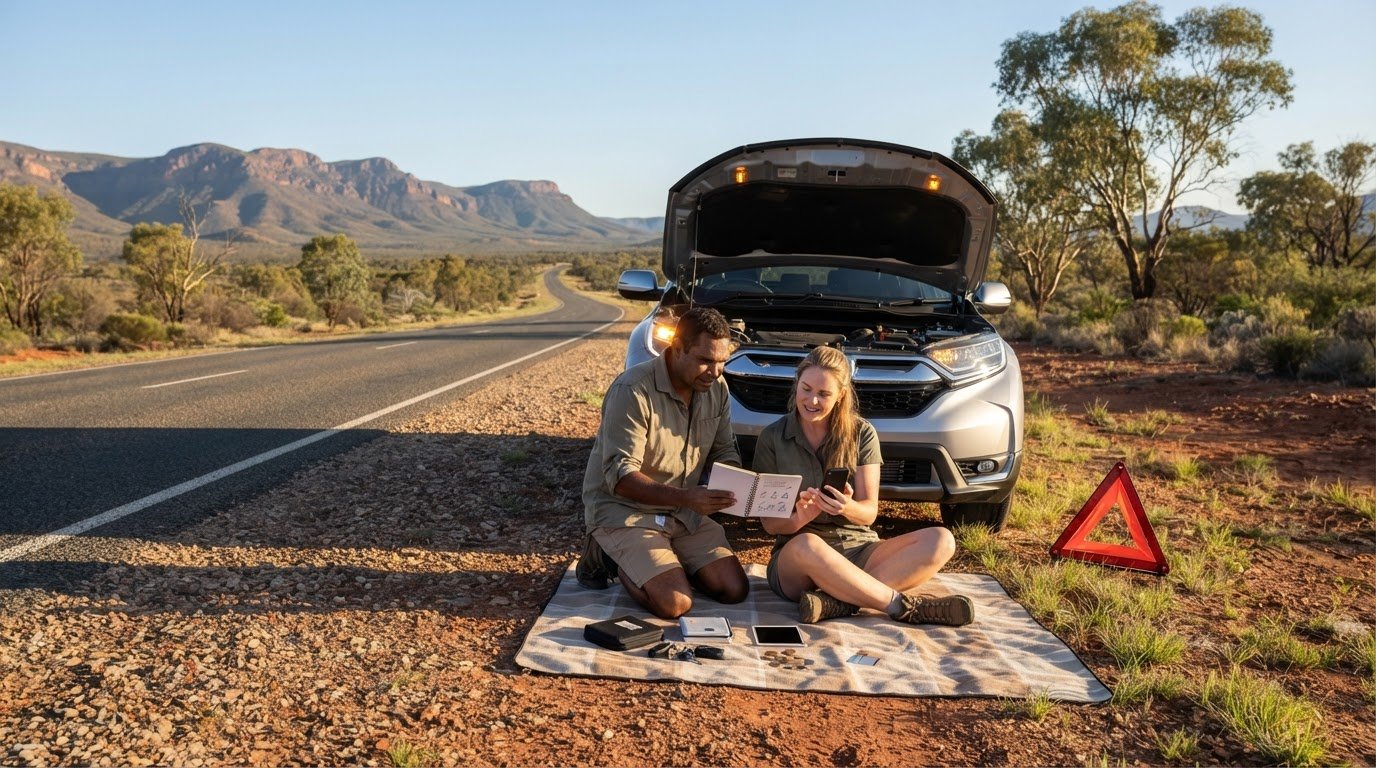
You are five hours into a technical scramble in the Flinders Ranges when a sudden slip sends your gear tumbling, or worse, you return to the 4WD only to find your frames warped by the 50 degree heat of the dashboard. For many of us, a pair of shades usually lasts just one season before fine red dust scratches the lenses beyond repair. We know the frustration of investing in equipment that cannot keep up with the rugged demands of the Australian bush. It is time to stop treating eyewear as a disposable accessory and start viewing it as a critical, indestructible piece of your kit.
In this guide, we help you track down the best hiking sunglasses Australia has to offer for 2026, ensuring every pair meets the mandatory AS/NZS 1067.1:2016 safety standard for UV400 protection. You will learn how to identify high-performance materials that survive high-intensity adventures while supporting sustainable brands that value our wild places. Whether you are eyeing the A$125 SunGod Classics or the professional grade A$399.95 Julbo Ultimate Covers, we show you how to reduce eye fatigue and protect your vision for years of remote travel. We are breaking down the technical lens categories and robust luxury designs that are keeping Adventurerz focused on the trail ahead!
Key Takeaways
- Understand why TR90 Grilamid is the gold standard for resisting thermal expansion and absorbing the constant vibrations of off-the-grid travel.
- Master Visible Light Transmission (VLT) to select the best hiking sunglasses Australia provides for your specific desert or coastal environment.
- Protect your vision by learning why lens darkness doesn’t equal UV safety and how to verify the mandatory AS/NZS 1067.1:2016 standard on every pair.
- Use our expert Torsion Test and Hinge Audit to spot potential failure points before they leave you stranded without eye protection in the remote bush.
- Discover the structural markers of a “forever” pair of shades, helping you make sustainable gear choices that last years of rugged exploration.
Table of Contents
- Why Standard Shades Fail: The Rugged Demands of the Australian Bush
- The Material Science of Resilience: Frames and Lens Tech for 2026
- Choosing the Right Lens for Your Specific Australian Adventure
- The Adventurerz Durability Checklist: Evaluation and Maintenance
- Investing in Quality: Finding Your Forever Pair
Why Standard Shades Fail: The Rugged Demands of the Australian Bush
Many of us have made the mistake of bringing “town” shades on a trek, only to see them fail before reaching the first campsite. In the Australian bush, durability isn’t just a marketing buzzword; it’s the difference between clear vision and a scratched, warped mess that ends up in a landfill. We define the best hiking sunglasses Australia offers as eyewear that maintains 100% optical clarity and structural integrity under extreme environmental stress. While fashion frames often rely on cellulose acetate, which can soften at temperatures as low as 60 degrees Celsius, true adventure gear uses high-grade polymers designed to survive the harshest conditions. At Adventurerz, we believe gear is a long-term investment in your safety and our planet’s health. Choosing high-quality equipment means fewer broken products polluting our beautiful national parks. We are all about exploring responsibly!
The Australian Factor: Salt, Red Dust, and 45-Degree Heat
The combination of salt air, fine red dust, and 45-degree heat creates a “perfect storm” for gear failure. If you are exploring the Ningaloo coast or the Great Ocean Road, salt air can quickly degrade standard metal hinges and erode non-marine lens coatings. Meanwhile, outback red dust acts like liquid sandpaper. This dust often contains high levels of silica, which easily gouges “soft” plastic lens surfaces during a simple wipe-down. Perhaps most dangerous is thermal expansion. A 4WD dashboard can reach 70 degrees Celsius on a summer day in the Northern Territory. This intense heat causes cheap frames to warp permanently or become dangerously brittle, leading to snapped arms when you least expect it. We need gear that can handle the heat without losing its shape.
Impact Resistance: Protection Beyond Just Light
True durability also means surviving the unexpected. We always look for the ANSI Z87.1 high-impact standard, which ensures your lenses won’t shatter into dangerous shards if hit by a flying pebble or during a tumble while rock scrambling. While there is often a trade-off between shatter-proof polycarbonate and scratch-resistant glass, modern lens and frame materials have bridged this gap significantly. Having impact-rated gear is vital for high-velocity activities like mountain biking or technical scrambles where a lens failure could lead to a serious eye injury. Protecting your vision requires more than just a dark tint; it requires a shield that won’t quit when the terrain gets tough. We want our gear to be as resilient as the Adventurerz who wear it!
The Material Science of Resilience: Frames and Lens Tech for 2026
Choosing the best hiking sunglasses Australia has to offer requires a deep dive into the materials that hold your gear together. While most people focus on the tint, the frame is actually the backbone of your optical protection. In 2026, TR90, also known as Grilamid, has become the undisputed champion for remote exploration. This thermoplastic is famous for its “memory” property. It can flex under extreme pressure and return to its original shape without snapping. This flexibility is essential for absorbing the constant, high-frequency vibrations of 4WD travel on corrugated outback roads. While aerospace-grade aluminium offers incredible crush resistance, it can become uncomfortably hot in the sun. Polycarbonate frames are lightweight, but they lack the long-term fatigue resistance of TR90 when exposed to years of UV radiation.
When we look at lenses, the debate usually sits between glass and polycarbonate. Glass provides unparalleled optical perfection and is naturally scratch-resistant, but it is heavy and can shatter upon impact. For high-intensity scrambles, we prefer high-index polycarbonate or Trivex. These materials are virtually indestructible and significantly lighter for all-day comfort. To keep your vision clear in the humid tropics of Queensland or during a sweaty ascent in the Blue Mountains, ensure your lenses feature oleophobic and hydrophobic coatings. These layers repel skin oils and water, meaning you spend less time cleaning and more time taking in the view!
Frame Engineering: Hinges, Grips, and Flex Zones
The smallest components often cause the biggest headaches in the bush. We always recommend barrel hinges over complex spring hinges. Barrel hinges are rugged and, most importantly, field-repairable with a basic multi-tool if a screw happens to rattle loose. To ensure your glasses stay on your face during high-activity moments, look for hydrophilic rubber on the nose pads and temples. This specialized material actually becomes grippier as you sweat! This secure fit is a game changer when you are busy setting up roof top tents or leaning over a rocky ledge to grab a photo. If you are looking to upgrade your entire kit, check out our latest guide on high-performance 4WD awnings to stay cool at camp.
Lens Coatings: The Invisible Shield Against the Outback
High-end adventure lenses use a multi-layering process that acts like a suit of armour for your eyes. A premium lens often features up to 10 individual layers, including:
- Hard-coating: A vacuum-bonded layer that resists fine silica sand scratches.
- Anti-reflective (AR) coating: Applied to the back of the lens to stop “bounce-back” glare from hitting your eyes.
- Infrared (IR) filters: These reduce the heat energy reaching your eyes, significantly cutting down on eye fatigue during 8-hour desert drives.
These technologies work together to ensure your investment lasts for years of rugged use rather than just one season.
Choosing the Right Lens for Your Specific Australian Adventure
Selecting the best hiking sunglasses Australia provides requires understanding Visible Light Transmission, or VLT. This percentage measures how much light actually reaches your eyes. For most Australian treks, we recommend Category 3 lenses, which offer a VLT between 8% and 18%. While some competitors suggest Category 4 lenses for extreme glare, we urge caution. Category 4 lenses allow less than 8% of light through, making them dangerous and often illegal for driving your 4WD between trailheads. Stick to Category 3 for a versatile balance that handles everything from the bright sands of Fraser Island to the dappled light of a rainforest canopy. Total sun management is a team effort, so we always pair our high-performance eyewear with 4WD awnings to create a complete UV-safe sanctuary at every campsite.
Don’t fall for the common myth that darker lenses provide better protection. UV protection is actually a clear chemical treatment, not a tint. A light-coloured lens can offer 100% UV400 protection while a pitch-black cheap pair might offer none. Instead, choose your tint based on where you explore. Copper and amber tints are fantastic for the red centre because they boost contrast, helping you spot ruts and rocks in flat light. Grey lenses are the gold standard for long desert drives as they maintain true colour perception, while green tints excel in high-glare coastal environments by reducing brightness without distorting the blues of the ocean.
Polarisation: Essential for Water and the Open Road
Polarised lenses are a non-negotiable safety feature for the Adventurerz community. They work by filtering out horizontal light waves, which are the primary cause of blinding glare off the road surface or water. This clarity allows you to see through the surface of a river crossing to check for submerged logs. There is one trade-off to consider. Polarisation can sometimes make digital 4WD gauges or smartphone screens appear black or distorted at certain angles. Before you head off-the-grid, perform a quick quality check: hold two pairs of polarised glasses at a 90-degree angle to each other. If the lenses turn completely black, the polarisation is high quality and ready for the bush!
Gear Compatibility: Helmets, Hats, and Comms
Your glasses need to play well with the rest of your kit. We prefer straight-temple designs because they slide easily under wide-brimmed hats and climbing helmets without creating painful pressure points. For coastal hiking, look for a high “wrap” angle. This curved design prevents light from leaking in through the sides, which is a major cause of eye fatigue. As you prepare for your next remote escape, use our Ultimate Adventure Travel Planner to ensure your eyewear, headwear, and safety gear are perfectly coordinated. We want you focused on the horizon, not fiddling with your frames!
The Adventurerz Durability Checklist: Evaluation and Maintenance
Finding the best hiking sunglasses Australia provides is only half the battle; keeping them trail-ready is where the real commitment begins. We recommend a three-step durability audit every time you return from the bush. First, perform the Torsion Test. Hold the frames by the temples and apply a gentle, opposing twist. A high-quality pair should flex and immediately return to its original alignment without any creaking or permanent deformation. Next, conduct a Hinge Audit. Inspect the join for any signs of metal-on-metal wear or white salt crusting. If the movement feels gritty, your hinges are trapping abrasive particulates that will eventually cause a failure. Finally, do an Optical Clarity Check. Look at a straight-lined grid through the lenses while moving them slowly. If the lines bend or warp at the edges, the lens is poorly cast and will cause headaches during long days on the trail. We always store our shades in a dedicated hard case rather than letting them rattle in a glovebox. It is the simplest way to ensure your investment survives for years!
Sustainable Care: Extending the Life of Your Gear
The “Buy It Once” Mentality
When you break down the cost-per-wear, the economics of quality gear become clear. A budget A$50 pair might last one rough season, while a premium A$300 investment can easily serve you for five years or more. That is just A$60 per year for superior eye protection and reduced fatigue. For Adventurerz heading on high-stakes remote trips, such as those embarking on Antarctica Flights, absolute gear reliability is a requirement, not a luxury. When you are hundreds of kilometres from the nearest shop, “good enough” simply isn’t an option. We prioritise equipment that we can trust with our safety and our vision. Check out our expert recommendations for roof top tents to ensure the rest of your kit is just as resilient as your eyewear!
Investing in Quality: Finding Your Forever Pair
When we talk about the best hiking sunglasses Australia offers, we are looking for more than just a frame that doesn’t break. A “forever” pair is defined by its ability to enhance your entire adventure experience. High-quality optics do more than protect your retinas; they significantly reduce cognitive fatigue. When your brain isn’t constantly working to filter out glare or correct for lens distortion, you arrive at camp with more mental energy for the fun stuff, like sharing stories around the fire. We’ve all felt that mid-afternoon “trail slump” that often stems from hours of squinting against the harsh Australian sun. Investing in professional-grade eyewear is a commitment to your long-term comfort and safety in the wild!
Why Warranty Matters More Than Price
A high price tag doesn’t always guarantee a lifetime of use, but a robust warranty usually does. We differentiate between standard 12-month manufacturing defect warranties and the “lifetime” crash replacement programs offered by brands like SunGod. In the rugged outback, accidents happen. You might drop your frames while climbing or sit on them in the 4WD. Brands that offer spare part availability are the true heroes of sustainable exploration. Being able to order a single replacement arm or a new set of lenses for your A$135 Renegades ensures your gear stays on your face and out of the bin. Always look for companies that stand by their products even when the “defect” was a clumsy moment on a rocky scramble!
Join the Adventurerz Community
We love seeing our community in action! There is no better way to test gear than by taking it into the heart of the Simpson Desert or along the rugged coast of Tassie. We encourage all Adventurerz to share their own “torture tests” and honest gear reviews with the tribe. Peer-to-peer advice is the backbone of responsible exploration, helping us all make better choices for our wallets and the environment. Whether you are rocking a pair of A$50 ARC Eyewear or A$399.95 Julbo Ultimates, your feedback helps the community find the perfect fit for their next mission. Ready to map out your next remote escape? Check out our Ultimate Adventure Travel Planner to start coordinating your 2026 gear list. We can’t wait to see you out there on the tracks!
Gear Up for Your Next Remote Mission
We are here to support your journey with expert reviews and community-tested gear advice that prioritises long-lasting performance. Whether you’re navigating the technical scrambles of the Flinders Ranges or cruising the coastline, the right pair of shades keeps you focused on the discovery ahead. It’s time to put your new knowledge into action and get back to what we love most: the great outdoors! Plan your next rugged escape with the Adventurerz Travel Planner and join a tribe that values resilience as much as you do. We’ll see you out there on the tracks!
Frequently Asked Questions
Are expensive sunglasses really more durable than budget ones?
Higher-priced eyewear typically uses premium materials like TR90 Grilamid that can withstand temperatures up to 100 degrees Celsius without warping. Budget pairs often rely on cheap plastics that become brittle after just one season in the Australian sun. When you invest in the best hiking sunglasses Australia provides, you are paying for frame memory and lens coatings that won’t peel after your first dusty trek.
Can I use polarised sunglasses for 4WD driving with digital screens?
You can certainly use them, though you might notice some “blackout” or rainbow effects on certain liquid crystal displays (LCD). If your 4WD gauges become hard to read, a simple 45-degree tilt of your head usually clears the image. Most modern 2026 digital vehicle cockpits are now designed to be “polarised-friendly” to ensure Adventurerz can maintain clear vision both on and off the road.
What is the best lens colour for hiking in the Australian bush?
Copper, rose, or amber tints are the superior choice for the bush because they significantly boost contrast and depth perception. These colours help you distinguish between shadows and obstacles like snakes or ruts against red outback soil. For long desert drives where true colour perception is vital, we recommend switching to a neutral grey lens to reduce overall brightness without distortion.
How do I fix a scratched lens on my adventure sunglasses?
True scratches cannot be buffed out without destroying the lens’s optical precision and its vital UV400 protective coating. We always suggest choosing modular brands that allow you to replace individual lenses rather than discarding the entire frame. This approach is much kinder to your wallet and ensures we keep unnecessary plastic out of our beautiful national parks.
Is glass or polycarbonate better for high-impact outdoor activities?
Polycarbonate is the safest choice for high-impact activities because it is virtually shatterproof and 50% lighter than glass. While glass offers slightly better scratch resistance, it can shatter into dangerous shards if hit by a stray pebble or during a fall. Most members of the Adventurerz community prefer Trivex or polycarbonate lenses to ensure total eye safety during technical scrambles.
What does the ANSI Z87.1 rating mean for my sunglasses?
The ANSI Z87.1 rating is a rigorous high-impact standard that ensures lenses can withstand a strike from a 6.35mm steel ball travelling at 150 kilometres per hour. While it originated as an American industrial standard, it has become a benchmark for the best hiking sunglasses Australia explorers use for mountain biking and rock scrambling. It provides peace of mind that your eyewear doubles as a protective shield.
How often should I replace my adventure sunglasses?
We recommend evaluating your shades every 2 to 3 years if you are a frequent traveler in high-UV areas. Over time, constant exposure to extreme radiation and thermal stress can slowly degrade the UV-absorbing properties of certain lens materials. If you notice the frames becoming chalky or the lenses developing a permanent “haze” that won’t wash off, it’s time to upgrade for the sake of your vision.
Will salt water ruin my polarised lens coatings?
Salt water itself won’t ruin the lenses, but allowing salt crystals to dry on the surface will cause the coatings to delaminate over time. These crystals act like tiny magnifying glasses that trap heat and can eventually cause the polarisation film to peel away from the lens. Always rinse your gear with fresh water after a coastal adventure to ensure your coatings stay intact for years of exploration.