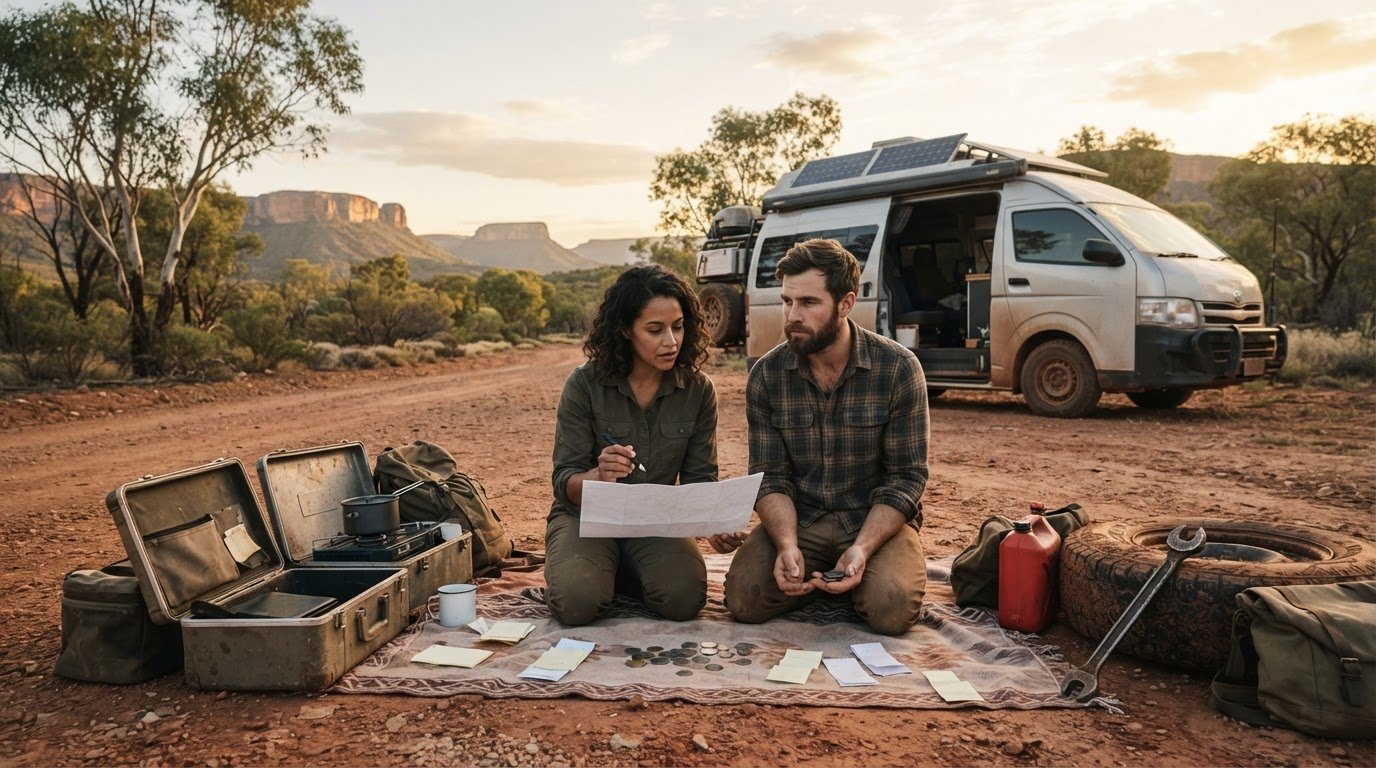
What if the biggest threat to your travel budget isn’t a campsite or a meal, but the costs you haven’t planned for yet? The hidden costs of full-time travel in Australia often sit beyond everyday essentials. A vehicle repair, a change of plans, park access fees or pricier supplies in remote areas can quickly reshape a carefully planned budget.
It’s easy to see the appeal of life on the road and harder to picture the day-to-day trade-offs. Fuel prices shift, equipment needs change, and the balance between comfort, adventure and spending looks different for every traveller. A generic daily estimate can be a useful starting point, but it won’t account for your vehicle, route, travel style or appetite for off-grid exploration.
In this guide, we’ll unpack the expenses that can catch long-term travellers off guard, from vehicle upkeep and accommodation to communications, insurance and park visits. You’ll learn how to build a flexible budget around your plans, leave room for uncertainty and make thoughtful choices that support both your journey and the places you explore.
Key Takeaways
- Map recurring, occasional and unexpected expenses so vehicle, overnight, food, communication and gear costs don’t disappear into one daily estimate.
- The hidden costs of full-time travel in Australia depend on how quickly you move, where you stay and what you carry. Compare the spending patterns behind each choice.
- Build your budget around your route and habits. Separate regular commitments, routine trip needs, irregular expenses and a contingency buffer.
- Review your equipment needs before setting off, and research gear carefully so you can choose what suits your setup rather than buy on impulse.
- Care for the equipment you take and avoid unnecessary purchases to support thoughtful preparation and responsible exploration.
Table of Contents
- Hidden Costs of Full-Time Travel in Australia: Look Beyond the Daily Budget
- The Hidden Expense Categories Full-Time Travellers Should Map
- How Travel Style Changes the Real Cost of Full-Time Travel
- Build a Flexible Full-Time Travel Budget Before You Set Off
- Make Your Australia Travel Plan More Resilient and Responsible
Hidden Costs of Full-Time Travel in Australia: Look Beyond the Daily Budget
Planning an extended trip around Australia brings plenty to look forward to: open roads, changing landscapes and the freedom to linger. It also raises a practical question: how do you budget for needs that may not happen on schedule? You can’t predict every turn, but you can identify where plans may change and leave room to respond.
Hidden travel costs are expenses that are easy to overlook, irregular in timing or shaped by changing circumstances. They sit alongside spending you can estimate more readily, such as meals or regular overnight stays. The hidden costs of full-time travel in Australia vary with your route, vehicle, accommodation choices and travel pace. Use examples as prompts for your own plan, not as a universal list of bills.
What counts as a hidden cost on a long trip?
An expense can be predictable in type but uncertain in timing or amount. You may know your vehicle will need upkeep without knowing when it will need attention or what the work will involve. The same goes for replacing worn gear or changing your overnight plans when the original option no longer suits.
Use possibilities like these to test your budget:
- Maintenance or repairs that arise during the journey.
- Replacing or caring for equipment you rely on outdoors.
- Changing overnight plans as your needs or circumstances shift.
These are planning prompts, not costs every traveller will face. Make your own list based on what you’re taking, how you’ll travel and what you’re comfortable adapting.
Why an idealised travel budget can miss the mark
A simple daily estimate can help you get started, but it can hide the uneven rhythm of a long trip. Your route may change, driving conditions may affect how far you travel, and a routine that works at the start may not suit you later. Weather can also influence where you stay or how you spend a day.
Rest matters, too. You might slow down after a demanding stretch or choose a different overnight setup to support recovery. Those decisions can shift spending between days and categories, even when your overall travel style stays the same.
Make uncertainty manageable by separating regular costs from expenses that could arrive irregularly. For each possible change, note what might trigger it and what alternatives you could choose. A flexible plan gives you room to respond without assuming the worst or treating one travel budget as right for everyone.
The Hidden Expense Categories Full-Time Travellers Should Map
A useful budget starts with categories, not a single daily figure. List the costs you expect to pay regularly, the needs that arise now and then, and the disruptions that are harder to schedule. This makes the hidden costs of full-time travel in Australia easier to assess against your vehicle, route and routines, rather than someone else’s travel style.
Irregular expenses deserve their own budget line because their timing can be uncertain even when the need itself is foreseeable. Use this checklist as a starting point, then add or remove items to suit your plans.
- Recurring: overnight stays, groceries, fuel, phone data, laundry and other regular travel-day needs.
- Occasional: servicing, consumables, equipment care, replacement gear and planned changes to accommodation.
- Unexpected: repairs, a weather-related change of plans or another unplanned need that affects your route or routine.
If your travel plans depend on ongoing work or income, consider whether a pause, schedule change or interruption could affect your cash flow. This is a planning prompt, not an assumption that every traveller works on the road. Keep work and income considerations separate from trip expenses so you can see how your personal circumstances shape the budget.
Vehicle, equipment, and travel-day expenses
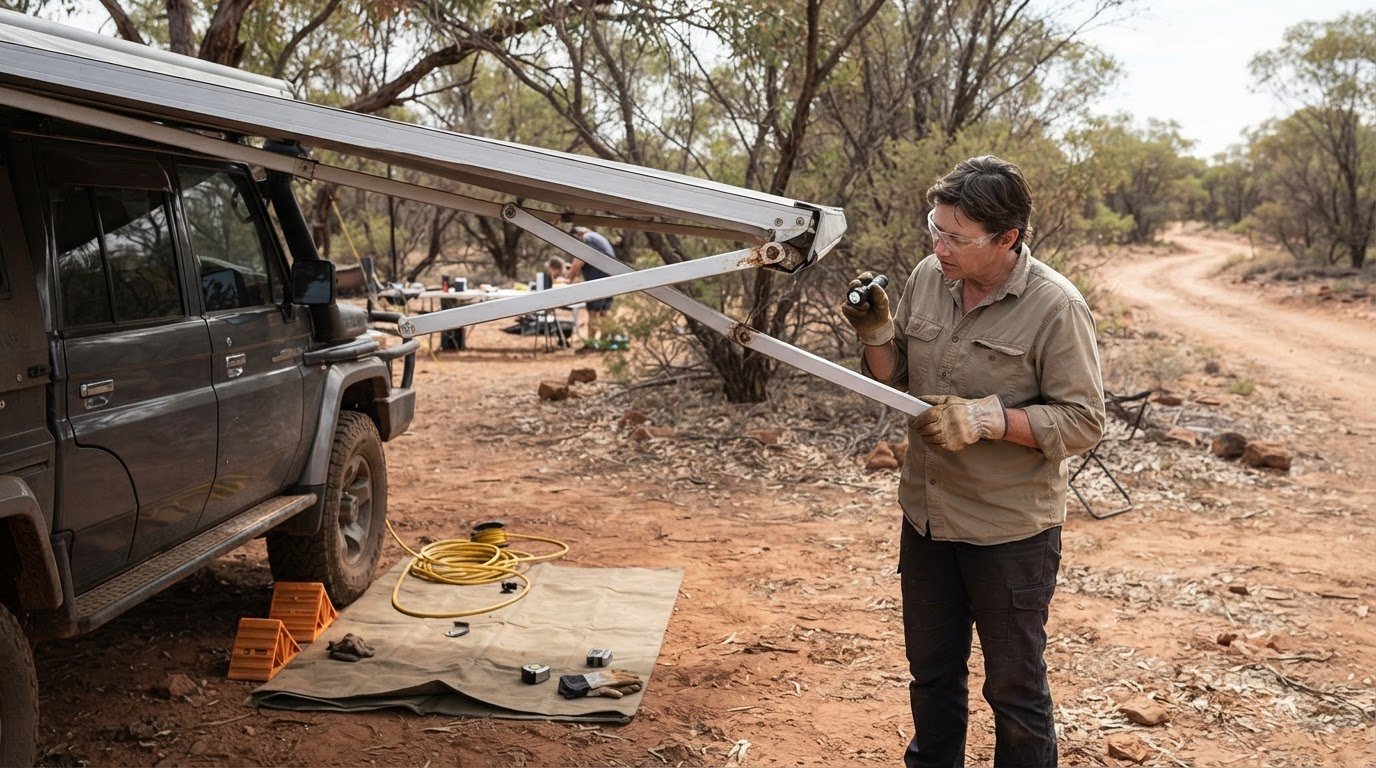
Build a list around your actual setup. Consider routine maintenance, repairs, tyres or other consumables, and parts that may need attention over a long journey. Distance travelled and vehicle condition affect what to plan for, so base your estimate on your vehicle and intended route rather than a generic figure.
Equipment needs attention beyond the initial decision to acquire it. Think about cleaning, storage, care and eventual replacement. If rooftop accommodation is part of your setup, rooftop tent reviews and recommendations can help you research options as part of your planning.
Overnight stays, daily needs, and unexpected changes
Account for your preferred mix of campsites, other overnight options and nights when plans change. Include food, drinking water, laundry, showers and basic supplies. Weather, access or a change in how you’re feeling may lead you to choose a different place to stay or adjust your routine.
To make the list personal, sketch a typical travel week. Note what you’d need on driving days, rest days and nights in different settings. Then mark which items are regular and which depend on conditions. A detailed cost of living breakdown for Australia can offer broad context on everyday categories such as food and transport, but it isn’t a substitute for estimates based on your own travel plans.
Record your assumptions beside each category: how often you expect the need, what could change it and what you might do instead. This turns a broad checklist into a working guide you can update as your route and routines take shape.
How Travel Style Changes the Real Cost of Full-Time Travel
There’s no single travel style that always costs less. The same choice can shift expenses between categories: a flexible route may mean changing overnight plans, while a fixed itinerary may require more advance coordination. To understand how the hidden costs of full-time travel in Australia might affect you, compare the patterns each option creates, including its demands on time, comfort and preparation.
Use this comparison to test different approaches against your priorities. It’s a planning tool, not a price ranking.
| Choice | Expense patterns and trade-offs |
|---|---|
| Slower pace | Fewer travel days in the routine, with more time to rest or explore. Longer stays may change accommodation and supply needs. |
| Faster pace | More frequent travel days can affect fuel planning and leave less time for work, rest or adapting plans. |
| Flexible route | Room to respond to conditions, alongside more decisions about where to go and stay. |
| Tightly scheduled route | Clearer timing, but changes may require rearranging planned stops and overnight arrangements. |
| Camping or equipped setup | May offer a different kind of comfort and independence, while requiring gear care and preparation. |
| Paid accommodation or simpler setup | Can reduce some equipment demands, but relies on choosing and organising overnight options. |
Travel pace, route changes, and time on the road
A changing route can alter how you plan fuel, where you sleep and how much time remains for work or rest. A flexible itinerary leaves options open, while a tightly scheduled one gives structure but may take more adjustment if conditions change. Neither guarantees savings. Before choosing a pace, weigh what matters most: unhurried time outdoors, fixed commitments, recovery or the freedom to change direction.
A remote Australia travel planner can help you think through route choices and the practical needs they create. Consider not just distance, but the rhythm of travel: how often you want to move, when you’ll pause and how much room you need to adapt.
Accommodation and equipment choices involve trade-offs
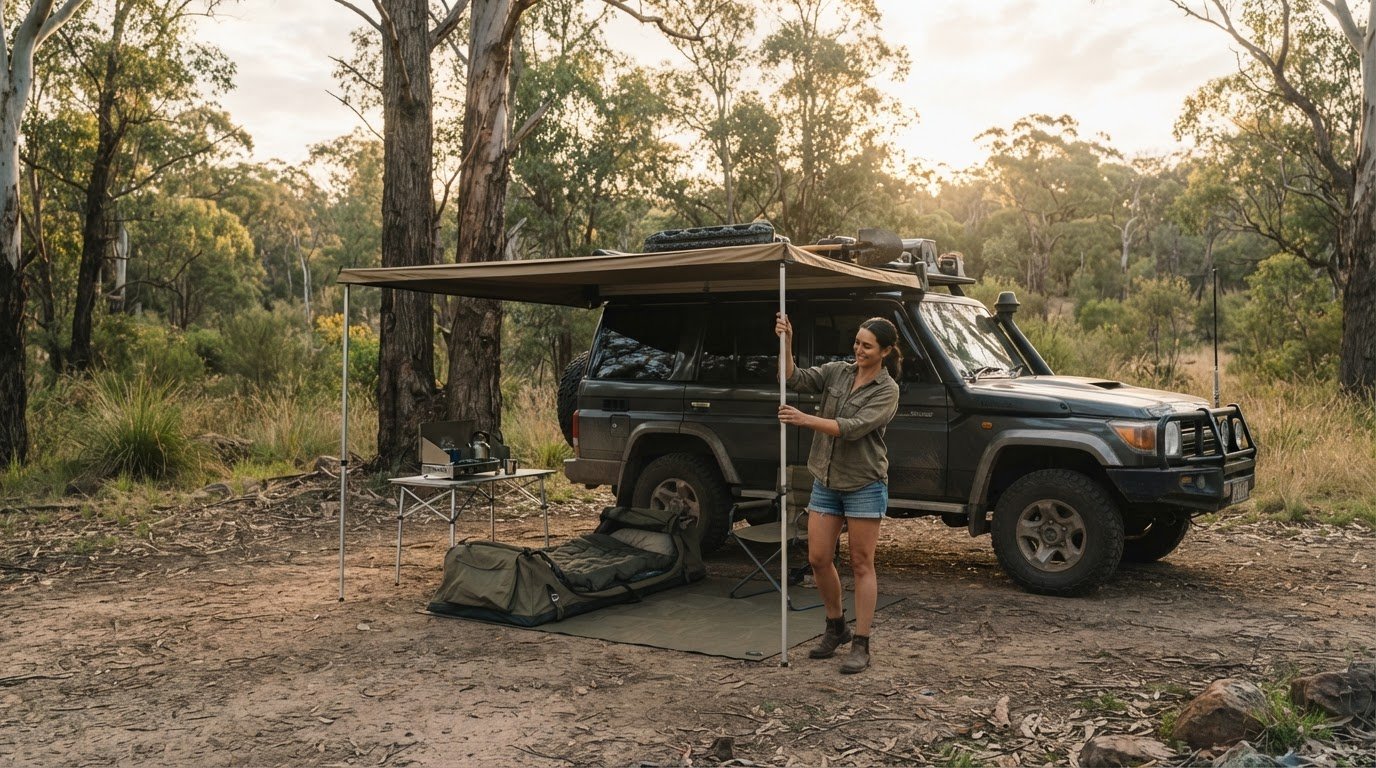
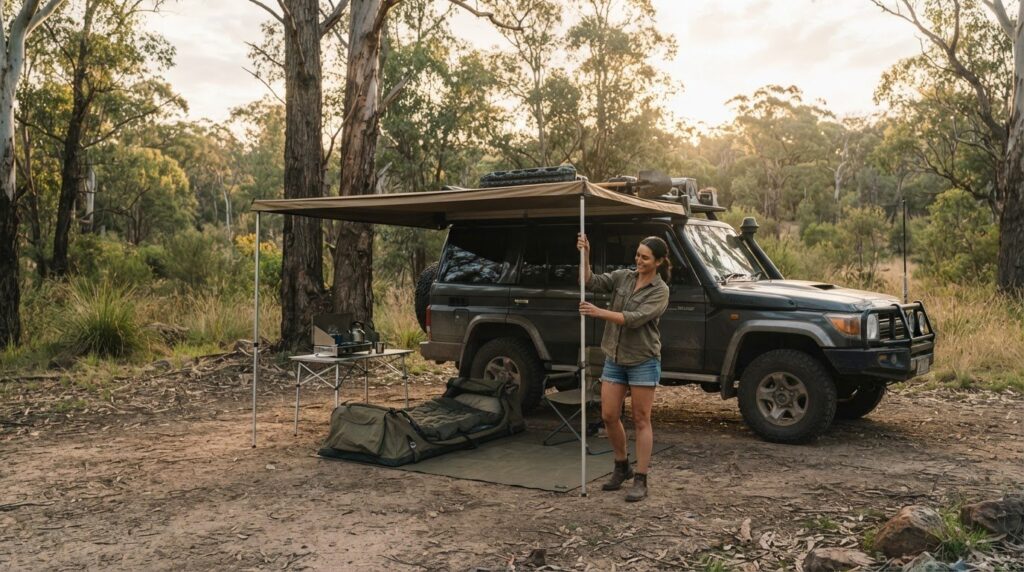
Camping and paid accommodation offer different balances of comfort, preparation and flexibility. Camping can involve setting up, packing down and caring for equipment; paid stays may call for more advance planning or changes to your route. Rooftop tents and 4WD awnings are equipment categories to research, not automatic solutions. Explore rooftop tent guidance and 4WD awning recommendations to compare considerations before deciding what suits your routine.
Make the comparison personal. Note which option fits your comfort needs, time, vehicle and approach to responsible travel. Choose a setup you can use and care for thoughtfully, rather than carrying extra equipment that doesn’t support the journey you want.
Build a Flexible Full-Time Travel Budget Before You Set Off
A useful budget is a working plan, not a promise that every week will look the same. Build it around your route, vehicle and travel routines, then leave room to update it as real conditions emerge. This turns the hidden costs of full-time travel in Australia into categories you can estimate and review, rather than a vague list of worries.
Budget for what you know, make space for what you can’t schedule, and revise the plan as your journey changes. Work through these steps using your own figures, and record estimates in Australian dollars so your costs stay on a consistent basis.
- Set out your travel assumptions. Sketch the route you’re considering, how often you expect to move, the vehicle you’ll use and your preferred overnight approach. Note everyday needs such as food, communications and laundry. Label each assumption as a current plan rather than a fixed fact, especially if your dates or route may change.
- List known recurring commitments. Separate expenses that continue whether you’re travelling that day or not from trip-related spending. Use your own records, current quotes and relevant provider information to estimate these commitments. Write down where each estimate came from and when you last checked it, so you can revisit it rather than rely on memory or an outdated figure.
- Estimate routine trip needs. Build a picture of an ordinary travel period based on your plans. Consider travel days, overnight choices, food and supplies, and how your routine changes between moving and resting. Use your own recent spending where relevant. If a cost depends on a particular place or booking, note that the estimate may need updating as your itinerary firms up.
- Give irregular costs and a buffer their own space. Set aside separate categories for vehicle repairs, equipment maintenance or replacement, and plans disrupted by changing conditions. Then create a contingency buffer for needs you haven’t been able to estimate confidently. Keep it distinct from everyday spending, so using it prompts a deliberate review instead of quietly becoming part of the routine.
- Review and adjust as you go. At a regular check-in, compare actual spending with your plan by category. Ask what caused the difference: a changed route, a new routine, an assumption that no longer fits or a one-off expense. Update the estimate and decide whether to adjust your pace, overnight approach or comfort choices. If work or income is part of your plan, review that assumption separately too.
Your first version doesn’t need perfect forecasts. It needs clear assumptions, sensible categories and enough flexibility to reflect your circumstances. For more ideas to support thoughtful trip preparation, explore Australian adventure planning resources as you shape a budget that suits your journey.
Make Your Australia Travel Plan More Resilient and Responsible
A well-prepared trip isn’t one where every variable is controlled. It’s one where we can adapt without losing sight of our budget, comfort or care for the places we visit. Understanding the hidden costs of full-time travel in Australia can help you make intentional choices: carry what you’ll use, look after the gear you rely on and leave room for plans to change.
Responsible preparation can support a more resilient journey, but it doesn’t guarantee lower costs or prevent unexpected expenses. The aim is to make informed decisions, avoid purchases that don’t suit your needs and travel in ways that respect local places and resources.
Reduce avoidable surprises without overplanning
Before changing your route or adding equipment, research the conditions and practical needs involved. Consider what the journey asks of your vehicle and setup, and whether a new item solves a real problem. Keep your itinerary flexible enough for rest and changing circumstances. Preparation gives you more context to respond, but it can’t remove every unknown from life on the road.
A few deliberate habits can help keep decisions grounded:
- Check the conditions relevant to your planned activities before committing to a route or overnight option.
- Care for and maintain the equipment you already use, and consider its condition before deciding whether to replace it.
- Leave room in your schedule to pause or adjust plans, rather than treating every planned stop as fixed.
- Respect the places you visit by following local guidance and considering how your choices affect the environment and shared resources.
These steps can’t guarantee the trip will go to plan. They help you think through trade-offs early, so a change can become a considered decision rather than an automatic purchase or rushed choice.
Use trusted guidance to prepare for the trip ahead
Good research can help you compare equipment categories against your actual travel needs. Reviews of camping fridges, for example, can help you consider whether that type of equipment suits your setup, while 4×4 awning guidance can support a closer look at shelter options. Treat reviews as one input alongside your route, vehicle and routine, not as a reason to acquire gear you may not need.
Adventurerz brings together Australian trip-planning inspiration and outdoor gear reviews and recommendations to support informed, responsible exploration. Use that guidance to shape a plan that fits your priorities, care for the equipment you take and make space for the unexpected. Plan your next outdoor adventure with Adventurerz.
Take the Next Step Toward Your Australian Adventure
A resilient budget isn’t a reason to hold back. It’s a tool that helps you decide what matters most, adapt when plans shift and make room for experiences that feel worthwhile. Keep your estimates personal, revisit them as your circumstances change, and let your travel choices reflect both your needs and your respect for the places you explore.
The hidden costs of full-time travel in Australia are easier to manage when planning stays connected to the journey you want to take. Research your route, think carefully about the gear your setup calls for, and choose a pace that leaves space to enjoy the outdoors rather than simply push through it.
For Australian trip-planning inspiration and gear reviews across camping and outdoor categories, explore Adventurerz’s focus on eco-friendly, responsible exploration. Plan your next outdoor adventure with Adventurerz, and set out ready to make thoughtful choices along the way.
Frequently Asked Questions
How much does it cost to travel full-time around Australia?
There’s no single reliable figure for everyone. The hidden costs of full-time travel in Australia depend on your route, vehicle, accommodation and day-to-day habits. To make an estimate useful, define who’s travelling and the period you’re planning for, then calculate expected spending against those plans. Keep one-off purchases separate from ongoing expenses, and compare the result with your current commitments to see what changes on the road.
What are the most commonly overlooked expenses on a long road trip?
Vehicle upkeep, gear replacement, laundry, communications and changing overnight arrangements are all worth considering. Some costs are easy to miss because they don’t happen every day, such as replacing a worn item or choosing a different kind of stay after plans change. Mark each category as relevant, possible or not applicable to your trip. That way, the checklist helps you make decisions instead of becoming a list of costs to assume.
Can you work while travelling full-time in Australia?
Some travellers plan work around their journeys, but it depends on the type of work and the requirements of the role. Before counting on income, consider whether your schedule needs fixed hours, reliable connectivity or time in particular places. Think about what you’d do if work hours changed or a trip disruption affected your availability. Track expected income separately from travel expenses so you can see how each affects your overall plan.
What happens if your vehicle breaks down during a long trip?
A breakdown may mean changing your route and arranging repairs, transport or somewhere to stay while plans are interrupted. The practical impact depends on the issue and your circumstances, so avoid planning around a fixed repair time or cost. Keep maintenance records and important vehicle details accessible, and think through how you’d handle essential travel needs if the vehicle couldn’t be used for a time.
Is full-time travel in Australia always cheaper than staying at home?
No, full-time travel doesn’t automatically cost less than staying home. The comparison depends on your existing commitments and travel routine. Some expenses may change or stop, while vehicle use, overnight stays and other travel needs take their place. Compare the costs you’d genuinely keep paying at home with the expenses tied to your intended trip. Include obligations that continue while you’re away, rather than comparing travel with an idealised version of home life.
How can I make a full-time travel budget more accurate?
Use recent records from your own spending to estimate familiar needs, then gather current information for costs tied to your planned route and setup. Record the source and date of each estimate so you know which figures may need updating. Once travelling, review transactions by category and note why spending differed from your forecast. That context helps you tell a one-off disruption from a routine that needs a lasting budget adjustment.