Did you know that by the end of 2026, the global rooftop tent market is projected to reach over $291 million? As more of us take to the tracks, we’re seeing a massive rise in common roof top tent mistakes that turn dream Australian adventures into expensive recovery missions. We understand that feeling of excitement when you first bolt that hard shell to your racks, but it’s easy to overlook the technical specs that keep you safe. Whether you’re worried about exceeding your roof’s dynamic load limit or just dreading the “wet tent” smell of mould, you aren’t alone in those pre-trip jitters.
We’ve all been there, staring at a setup in the rain and wondering if we’ve missed a crucial step. Our community thrives when we share our expertise to protect both our gear and the rugged environments we love to explore. We promise to help you master your elevated camping setup by avoiding the technical, safety, and environmental blunders that ruin remote adventures. We’re diving into the essential 2026 updates, from understanding the latest vehicle load ratings to the newest Leave No Trace stewardship principles. Let’s make sure your next trip is defined by the view, not the repairs.
Key Takeaways
- Understand the RTT learning curve to transition smoothly from ground camping to a fully integrated vehicle setup.
- Grasp the critical difference between static and dynamic load limits so we keep our vehicles stable and safe on every track.
- Protect your investment by learning to avoid common roof top tent mistakes like the “wet pack trap” and poor ventilation.
- Reduce our collective footprint by mastering site selection and managing high-profile light pollution in remote Australian landscapes.
- Ensure your setup lasts for years by matching expert gear recommendations for tents and racks to your specific 4WD requirements.
Table of Contents
- Beyond the Hype: Why Even Pro Campers Make Roof Top Tent Mistakes
- The Heavy Truth: Miscalculating Vehicle Load Ratings and Dynamics
- The Wet Pack Trap: Condensation and Maintenance Blunders
- The 'Invisible' Impact: Ethical and Environmental Camping Omissions
- Mastering the Setup: Choosing the Right Gear for Your Remote Escape
Beyond the Hype: Why Even Pro Campers Make Roof Top Tent Mistakes
We all remember the first time we saw a sleek hard shell perched atop a kitted-out 4WD. The appeal is absolutely incredible! It’s the ultimate symbol of freedom and off-grid readiness. However, making the jump from traditional ground camping to a vehicle-integrated system involves a steep RTT Learning Curve. It isn’t just about sleeping higher; it’s about fundamentally changing your vehicle’s physics and your campsite habits. This transition often leads to common roof top tent mistakes that even seasoned bush travelers make when they first ditch the swag for an elevated view.
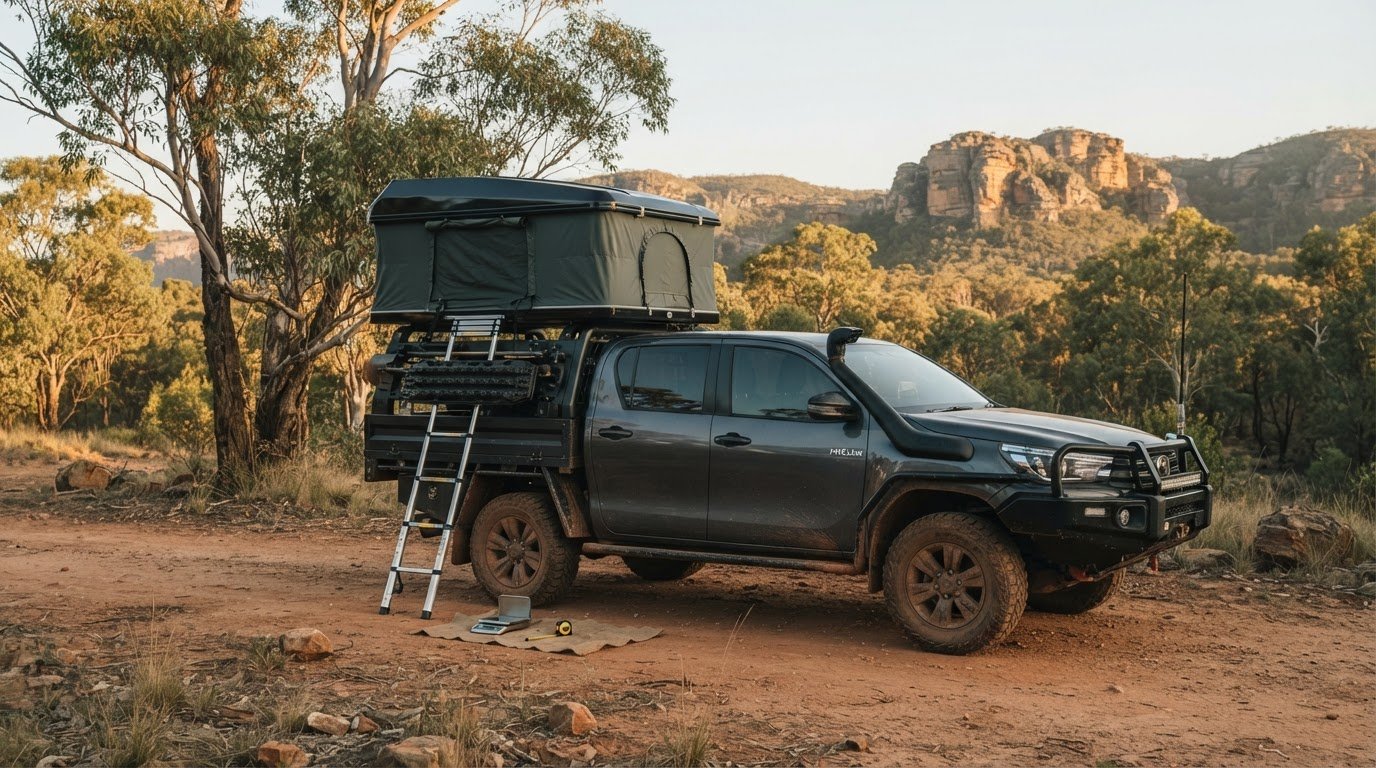
While the excitement of a 20-second setup is real, we have to acknowledge the unintended consequences of mounting 80kg or more of gear on your roof. As we embrace Overlanding, we must view our tents as technical modifications rather than simple accessories. At Adventurerz, we believe in a mentor-led approach where self-reliance is built on expert preparation. Most common roof top tent mistakes fall into three distinct buckets: safety, livability, and environmental impact. Understanding these categories is the first step toward mastering your remote setup.
The ‘Set and Forget’ Fallacy
Thinking your tent is a permanent, maintenance-free fixture is a total rookie error. We’ve seen it too many times! A brand-new setup hits the corrugated tracks of the Kimberley, and by day three, the mounting bolts have vibrated loose. You can’t just bolt it on and forget it. Regular inspections are vital for long-term durability. We recommend checking every nut, bolt, and bracket after every major off-road stint. This proactive, mentor-led mindset prevents expensive trailside repairs and keeps us all moving forward safely.
Ground vs. Roof: A Different Set of Rules
Ground tents offer incredible flexibility. If the ground is slightly sloped, you just shift your swag a meter to the left. With an RTT, you’re bound by where you can park your 4WD. This creates a “Level Ground” obsession. When you’re sleeping two meters in the air, even a three-degree tilt feels like you’re sliding off a cliff! Mastering vehicle positioning is a skill in itself. We’ve found that choosing the right roof top tent for your specific vehicle and rack setup is the first step in mitigating these early errors. It’s about finding that perfect balance between weight, height, and ease of use for the rugged Australian terrain.
The Heavy Truth: Miscalculating Vehicle Load Ratings and Dynamics
We often see shiny rigs with massive hard shells parked at the beach, but we rarely talk about the physics involved in getting them there. One of the most dangerous common roof top tent mistakes is ignoring how that weight affects your vehicle’s structural integrity and handling. Every car has a specific vehicle’s roof weight capacity, and exceeding it doesn’t just void your warranty; it puts your life at risk. We have to look at two different numbers: static and dynamic. While the 2026 Subaru Outback boasts a static rating of 800 pounds, its dynamic rating is only 220 pounds. If you mount a heavy tent and a set of recovery boards without doing the math, you’re already over the limit before you even hit the highway.
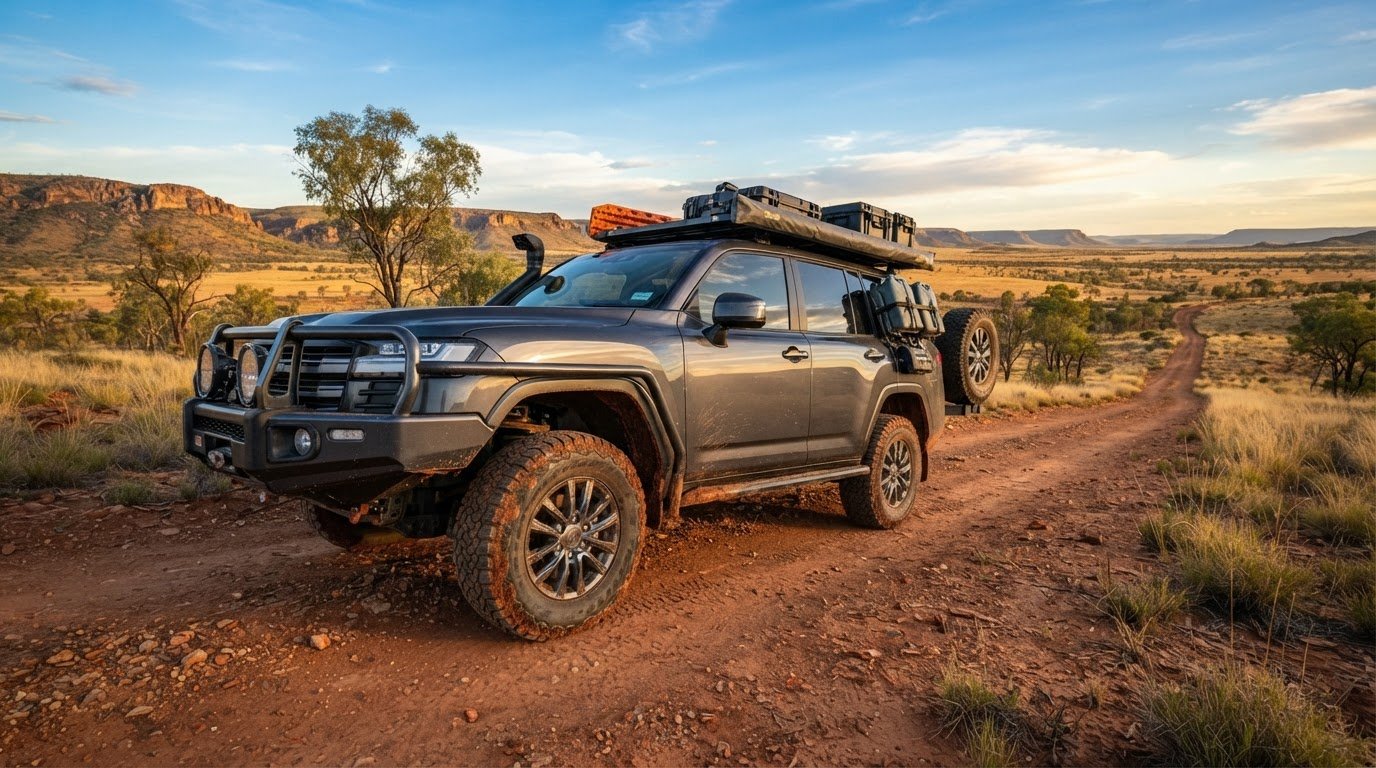
The “Off-Road Derating” error is where many of us get caught out. A 100kg rating for bitumen isn’t the same as a 100kg rating for the corrugated tracks of the Simpson Desert. Many rack manufacturers recommend “derating” your capacity by 50% for off-road travel to account for the intense upward and downward G-forces. If your rack is rated for 100kg, you really only have 50kg of safe “working weight” when you’re bouncing over washouts. This heavy weight also shifts your Center of Gravity (CoG) significantly higher. This change makes your 4WD much more prone to body roll during cornering and increases the risk of a rollover on off-camber tracks.
Understanding Dynamic Load Limits
Dynamic Load Rating is the maximum weight a vehicle roof can safely support during transit and maneuvers. We have to remember that this limit includes the weight of the roof racks themselves, not just the tent. If you have a 75kg hard shell and a 20kg heavy-duty rack system, you’re already at 95kg. For many mid-sized SUVs, that’s the absolute limit. Always check your owner’s manual; for instance, the 2026 Kia Tasman supports up to 100kg while driving, which gives you a bit more breathing room for accessories, but it’s still a tight margin once you add gear.
The Range Killer: Aerodynamics and Fuel Economy
We’ve found that mounting a tent too high or too far forward is one of the most frequent common roof top tent mistakes affecting long-distance travel. An RTT acts like a giant wind sail on top of your car. This massive increase in drag can slash your fuel range by 10% to 20%, which is a huge deal when you’re planning remote stretches between diesel stops. If you’re looking to round out your setup, checking out our reviews of the best 4WD awnings can help you find gear that mounts efficiently without adding unnecessary bulk. Positioning your tent as low as possible and using a wind deflector can help reclaim some of that lost efficiency and keep your adventure on budget.
The Wet Pack Trap: Condensation and Maintenance Blunders
Imagine returning from a breathtaking weekend in the High Country only to find your premium tent smelling like a damp swamp two weeks later. This is the “Wet Pack” trap, and it’s one of the most heartbreaking common roof top tent mistakes we see in the community. Packing up a damp tent is often unavoidable in the bush, but leaving it closed once you’re home is a choice that ruins gear. Within days, mould can take hold of the canvas and mattress, leading to permanent staining and health risks that are difficult to reverse.
We also need to talk about the physics of sleeping at height. When we hunker down for the night, two adults can exhale up to a litre of moisture. In a sealed RTT, this warm air hits the cold fabric or hard shell and condenses into a “rain” effect. If you don’t have a way for that air to escape, you’ll wake up in a puddle. The most vulnerable spot is actually underneath your mattress. Without airflow, moisture stays trapped against the base of the tent, creating a perfect breeding ground for spores and damaging the internal structure of your bed.
Beating the Condensation Cycle
Cross-ventilation is your best friend, even when the temperature drops. We always keep at least two windows cracked to encourage airflow and push that moist air out before it settles. Anti-condensation mats are a non-negotiable addition for any serious setup. These 3D mesh layers sit under the mattress and allow air to circulate, stopping moisture from pooling on the floor. For those of us heading into the humid tropics, a small 12V fan can make a world of difference in keeping the air moving and the interior dry.
The ‘Loose Bolt’ Audit
We recommend every new owner performs a “bolt audit” after their first 500km of travel. Don’t fall into the trap of over-confidence just because you’re using nyloc nuts. High-vibration tracks can still cause slight settling in the rack or tent base. We’ve developed a 5-minute pre-departure checklist to keep our community safe:
- Check all mounting bracket nuts for tension using the correct spanner.
- Inspect the rack-to-vehicle connection points for any signs of movement.
- Ensure the ladder hinges and locking pins are clear of red dust and debris.
- Verify that all internal bungees and fabric are tucked away from the weather seals.
Catching a loose nut early is much better than discovering a rattle 200km from the nearest hardware store. Self-reliance starts with these simple, methodical checks before we hit the dirt.
The ‘Invisible’ Impact: Ethical and Environmental Camping Omissions
We often talk about the technical specs of our rigs, but the ethics of our exploration matter just as much as our gear. One of the most persistent common roof top tent mistakes involves site selection. It’s easy to think that because we aren’t pitching a ground tent, we aren’t damaging the earth. In reality, the three-tonne vehicle carrying that tent is a heavy-duty compactor. When we drive over saltbushes or native grasses to find a level spot, we’re crushing sensitive vegetation that may take years to recover. Being “off the ground” doesn’t give us a pass to ignore the soil beneath our tyres.
Respecting the track is the hallmark of a true adventurer. We’ve seen a rise in campers driving off-trail to find that “perfect” Instagrammable RTT spot, creating new scars on the landscape. This behavior leads to track closures and ruins access for the rest of the community. We also need to be mindful of waste. Dropping grey water directly under the chassis is a bad habit we need to break. It attracts pests, changes soil pH, and can be eyesore for the next person who pulls into the site. True self-reliance means leaving a place exactly as we found it, or better.
Leave No Trace (Above the Ground)
Soil compaction is a silent killer of remote ecosystems. Because our 4WDs are heavy, we must stick to established tracks and durable surfaces. Creating a “new” camp spot just because the existing ones are occupied is a major fail. We encourage everyone in our community to use The Ultimate Adventure Travel Planner to find established, sustainable sites that are designed to handle heavy vehicle-integrated systems. Planning ahead ensures we don’t end up making desperate, damaging choices when the sun goes down.
The Good Neighbour Protocol
If you’re ready to upgrade your setup with gear that respects the environment, explore our latest roof top tent reviews and recommendations to find the perfect balance of comfort and accountability.
Mastering the Setup: Choosing the Right Gear for Your Remote Escape
Mastering your setup isn’t just about buying the most expensive gear; it’s about making sure every piece works in harmony. We’ve seen too many explorers fall into common roof top tent mistakes simply because they rushed the selection phase. One of the most critical errors is the “Cheap Rack” blunder. Your premium hard shell is only as secure as the bars it sits on. If you’re mounting a high-end aluminum tent on budget crossbars, you’re inviting structural failure on the first corrugated track you hit. We always recommend investing in a vehicle-specific rack system that matches your tent’s footprint and weight requirements. A solid foundation is the only way to ensure your setup survives the relentless vibrations of the Australian outback.
Integrating your accessories is the next step in building a professional-grade rig. We want our equipment to work together, not against each other. Avoiding the “cluttered roof” mistake starts with mapping your layout before you start drilling holes or tightening brackets. We need to ensure our solar panels, recovery boards, and shade systems don’t block the tent’s opening or create dangerous wind resistance. Planning your roof real estate carefully keeps your center of gravity low and your fuel economy as high as possible.
The Synergy of RTTs and Awnings
Awnings are the secret weapon for a livable RTT setup. If you position your awning to overlap the tent entrance, you create a dry zone for your ladder and your boots. This simple integration prevents mud from being tracked into your sleeping quarters and gives you a sheltered spot to transition during a downpour. Check out our latest reviews of the best 4WD awnings to find a model that fits your specific roof layout. A well-planned combination of shelter and sleep space makes all the difference when the weather turns sour.
Final Checklist for the Responsible Adventurer
Self-reliance is a skill we sharpen with every trip. Remote Australia travel planning requires a methodical approach to gear and safety. Every time we avoid common roof top tent mistakes, we protect our gear and the pristine environments we visit. Here is our final “Check Twice, Camp Once” checklist for the Adventurerz community:
- Re-torque all mounting bolts after every 500km of dirt travel.
- Verify your dynamic load limit includes the weight of the rack and all mounted accessories.
- Ensure all tent fabric is tucked away from weather seals to prevent water ingress during transit.
- Clear all red dust and debris from the ladder hinges and locking pins before folding.
- Confirm your site selection is on a durable, established surface to prevent soil compaction.
We are all on this path toward responsible exploration together. Join us in the Adventurerz community to share your latest trip photos and advice! Your experiences help the next person avoid a costly fail and keep our remote tracks open for years to come. Let’s get out there and explore this incredible country with confidence and care.
Ready to Master Your Remote Setup?
Mastering your elevated setup is a journey that transforms how we experience the wild. We’ve looked at the heavy truth of vehicle dynamics and the essential maintenance habits that keep our gear functioning on the roughest tracks. By prioritizing ethical site selection and understanding the RTT learning curve, we protect our vehicles and the fragile ecosystems we love to visit. Avoiding common roof top tent mistakes is ultimately about building self-reliance through expert preparation and community support.
At Adventurerz, we focus on sustainable exploration and providing community-driven advice for the unique Australian landscape. Our remote travel veterans have tested the gear so you don’t have to face a trailside disaster. If you’re looking for the best equipment to anchor your next escape, explore our expert Roof Top Tent reviews and recommendations. Let’s keep the spirit of responsible adventure alive on every track we tackle together!
Frequently Asked Questions
Can any car handle a roof top tent?
No. Every vehicle has a specific dynamic roof load rating that must be greater than the combined weight of your tent and rack system. Compact cars or those with glass panoramic roofs often lack the structural reinforcement required to carry these heavy loads. We always recommend checking your owner’s manual first to ensure your roof pillars can support the weight without buckling or compromising your safety on the road.
How much does a roof top tent affect fuel economy?
Expect your fuel economy to drop by 10% to 20% depending on your driving speed and the tent’s profile. Mounting an RTT creates significant aerodynamic drag; it’s effectively like driving with a giant sail on your roof. This is one of those common roof top tent mistakes people overlook when budgeting for long-distance Australian adventures where every liter of diesel is precious for reaching remote camps.
Is it safe to sleep in a roof top tent during a thunderstorm?
Yes, it’s generally safe as long as you aren’t the highest object in an open landscape. Your vehicle acts as a Faraday cage, but you should still avoid touching the metal frame or ladder during active lightning. If wind speeds become extreme, we suggest folding the tent down and seeking shelter inside the vehicle cabin until the storm passes to protect both yourself and your gear.
How do I stop my roof top tent from smelling like mould?
Prevention starts with never leaving your tent packed while it’s damp. We use anti-condensation mats under the mattress to prevent moisture traps and always open the tent to dry completely within 48 hours of returning from a trip. This routine stops the spores that cause that distinctive swampy smell and ensures your canvas lasts for years of rugged exploration across different climates.
Do I need to upgrade my car’s suspension for an RTT?
Many standard 4WD suspensions struggle with the constant weight of an RTT, leading to sagging and poor handling. We often suggest a GVM upgrade or at least heavy-duty springs to maintain proper ground clearance on corrugated tracks. Upgrading your suspension ensures your vehicle remains stable and responsive, especially when you’re navigating off-camber sections or carrying a full load of water and fuel.
What happens if I exceed my vehicle’s dynamic roof load rating?
Exceeding this limit puts you at risk of structural roof damage, rack failure, or even a vehicle rollover. The dynamic rating is much lower than the static rating because it accounts for the intense forces applied during cornering and braking. Overloading is a critical error that compromises your vehicle’s stability control systems and could potentially void your insurance if an accident occurs while you’re on the track.
Can I leave my bedding inside the roof top tent when I fold it?
This depends on your specific model’s internal clearance and the thickness of your gear. Most modern hard shells have enough room for a thin sleeping bag and pillows, but overstuffing the unit is one of the common roof top tent mistakes that leads to damaged hinges. If you find yourself forcing the latches closed, you’re putting too much strain on the weather seals and mounting hardware.
How do I level my car for a roof top tent on uneven ground?
We use heavy-duty leveling blocks or sturdy timber offcuts under the tires to create a flat sleeping surface. You can use a small spirit level or a smartphone app on the tent base to check your progress as you move the vehicle. Getting your rig level is crucial for a good night’s sleep and ensures that rain drains off the tent fly correctly rather than pooling.