What if the hardest part of reaching Australia’s northernmost point isn’t the waist-deep water crossings, but the weight of the footprint you leave behind? We know the feeling of staring at a map of the Peninsula, balancing the pure adrenaline of the Old Telegraph Track against the very real anxiety of a snapped axle or a missed permit. Planning a Cape York trip is a massive undertaking that tests your equipment and your ethics in equal measure.
We’re here to make sure you head north with total confidence and a deep respect for the country. This guide provides everything you need to master the 2026 season, from securing your $150 Jardine River Ferry pass to understanding the strict alcohol limits and National Park protocols. We’ll walk you through a definitive gear list for remote self-reliance and help you decide when to tackle the bypass roads versus the iconic river crossings of the OTT.
By the end of this article, you’ll have a clear timeline and the expert knowledge required to conquer the tip while protecting the rugged beauty of the Cape for generations to come. Let’s get your rig ready for the ultimate Australian adventure.
Key Takeaways
- Pinpoint the perfect 2026 travel window between June and August to maximize accessibility and avoid unpredictable shoulder season rains.
- Streamline your planning a Cape York trip by weighing the technical challenges of the Old Telegraph Track against the efficiency of the Peninsula Developmental Road.
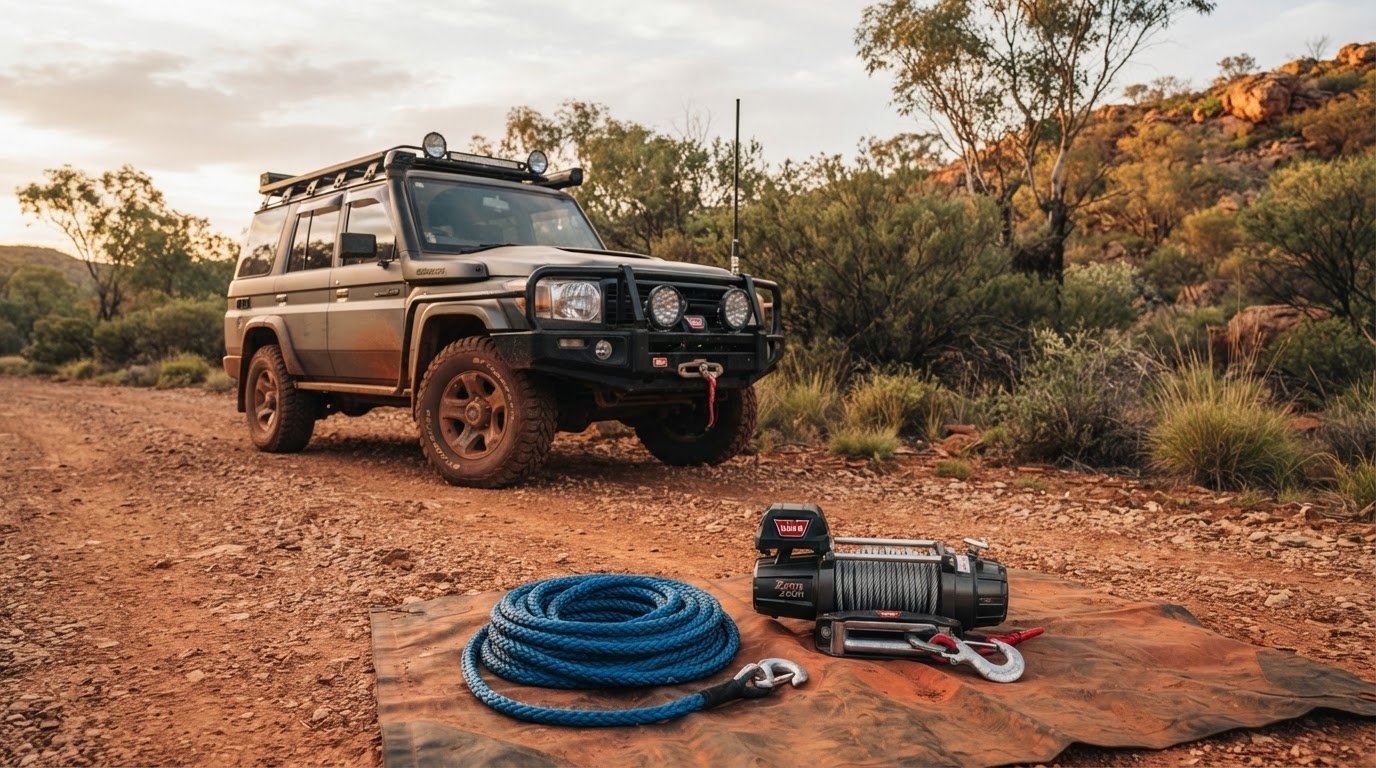
- Prepare your rig with essential mechanical upgrades and a specialized self-reliance kit designed to survive the Cape’s legendary corrugations.
- Secure your permits and map out critical fuel stops early to ensure a seamless journey through Traditional Owner lands and remote wilderness.
- Commit to the Adventurerz Code by mastering “Leave No Trace” principles and cultural protocols for a truly respectful expedition.
Table of Contents
The Best Time for a Cape York Expedition: 2026 Seasonality
Timing is everything when you’re planning a Cape York trip. We’ve seen plenty of eager adventurers get bogged down, literally, by pushing the season too early. For the 2026 season, the window from June to August remains the gold standard for accessibility. During these months, the humidity of the tropical north breaks, replaced by clear skies and manageable track conditions. If you aim for this period, you’ll find the major river crossings on the Old Telegraph Track are usually at their most predictable levels.
Venturing into the shoulder seasons carries distinct risks. May 2026 might still feel the lingering damp of the wet season, leaving tracks like the Cape York Peninsula developmental road greasy and prone to closures. Conversely, by late September, the heat intensifies. The tracks turn into a relentless sea of powdery bulldust that tests your air filtration systems and patience. We recommend a minimum of 14 to 21 days for your expedition. This timeframe allows you to soak in the remote waterfalls and coastal camps without feeling like you’re in a high-speed rally.
Weather Patterns and Track Conditions
The transition from the ‘Wet’ to the ‘Dry’ is a dynamic process. While road sealing efforts continue on the Peninsula Developmental Road (PDR), the unsealed sections still transform into a corrugated washboard as soon as the moisture evaporates. You’ll need to keep a close eye on the Jardine River Ferry schedule, which is your gateway to the final northern stretch. The ideal window for travel is the period between late June and early August when water levels have receded enough for safe crossings but the tracks haven’t yet turned into deep, powdery bulldust. We’ve found that this balance keeps your gear intact and your spirits high.
Crowd Management and Booking Windows
If you value solitude, avoid the June and July school holiday rush. This is when the popular campsites at Elliot Falls and Punsand Bay reach capacity. For a quieter experience, we suggest aiming for a mid-week arrival at the Tip. Standing at the northernmost point of Australia is a powerful moment; it’s much better when you aren’t queuing for a photo. You’ll need to book your 2026 National Park permits, which cost $7.50 per person per night, well in advance through the Queensland Parks online portal. Since the Jardine River Ferry fee of $150 (return) includes your entry permit to the Northern Peninsula Area, ensure your logistics are squared away at least three months before you depart.
Choosing Your Route: Coastal, Inland, or the Old Telegraph Track?
Deciding which path to take is the most critical decision you’ll face when planning a Cape York trip. We see it as a choice between efficiency and pure, unadulterated adventure. The Peninsula Developmental Road (PDR) acts as the spine of the region. While it’s the fastest way north, don’t let the term “road” fool you. Even with ongoing sealing projects, the unsealed sections are legendary for their bone-shaking corrugations. For those seeking a scenic detour, the coastal route through Cooktown provides a stunning backdrop of the Coral Sea, though it requires more time than the inland alternative.
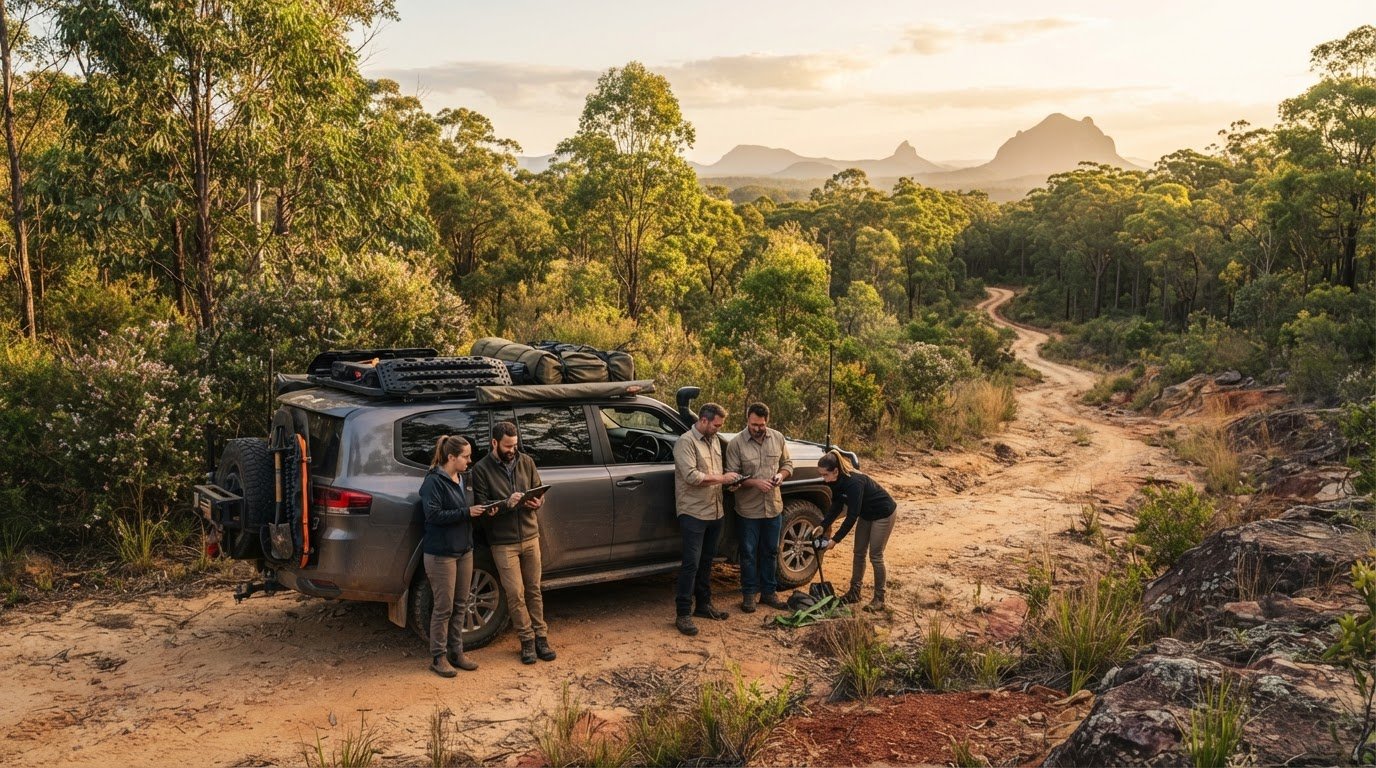
The Old Telegraph Track (OTT) is the holy grail for 4WD enthusiasts. It’s a rugged, narrow trail that follows the original telegraph line. If your vehicle isn’t prepared for technical wheeling, the bypass roads are your best friend. These allow us to skip the most punishing sections of the OTT while still reaching the same northern destinations. We recommend all Adventurerz monitor Cook Shire road conditions to ensure your chosen route hasn’t been cut off by localized weather events.
Route Difficulty and Vehicle Requirements
We divide the OTT into two distinct sections: the South and the North. The Southern OTT is a fantastic introduction, but the Northern OTT is where things get serious. You’ll face the infamous Gunshot Creek, a near-vertical drop that tests your departure angles and your nerves. Further north, Nolan’s Brook remains the most notorious vehicle-swallower due to its depth and soft, sandy bottom. Because of these water crossings, a high-quality snorkel is non-negotiable. We also strongly recommend GVM upgrades for anyone carrying a full expedition load; the extra weight of fuel, water, and spares can easily push a stock suspension past its breaking point.
Key Landmarks and Must-Stop Stations
Your journey is punctuated by iconic stations that offer more than just a place to rest. Musgrave Telegraph Station and the town of Coen are vital hubs for news and supplies. Bramwell Junction marks the start of the OTT and serves as a final staging point for the tough stuff ahead. Don’t rush past the natural wonders like Fruit Bat Falls and Eliot Falls; these crystal-clear swimming holes are the reward for miles of dust. To help you piece this all together, try integrating a remote Australia travel planning service into your itinerary to map out every stop with precision.
If you’re looking to upgrade your setup before hitting the dust, our reviews of the best roof top tents ensure you’ll have a comfortable place to crash after a long day on the tracks.
Preparing Your Rig: Essential Gear for Remote Survival
Your vehicle is more than just a mode of transport; it’s your lifeline in the wilderness. When planning a Cape York trip, we often see rigs overloaded with unnecessary accessories that fail at the first sign of a corrugated track. Success in the North depends on a balanced, durable machine. We recommend focusing your mechanical checklist on three pillars: cooling, suspension, and dust management. The tropical humidity and high ambient temperatures will find any weak spot in your cooling system. A full radiator flush and hose replacement are cheap insurance against a blown engine in the middle of the Rinyirru (Lakefield) National Park.
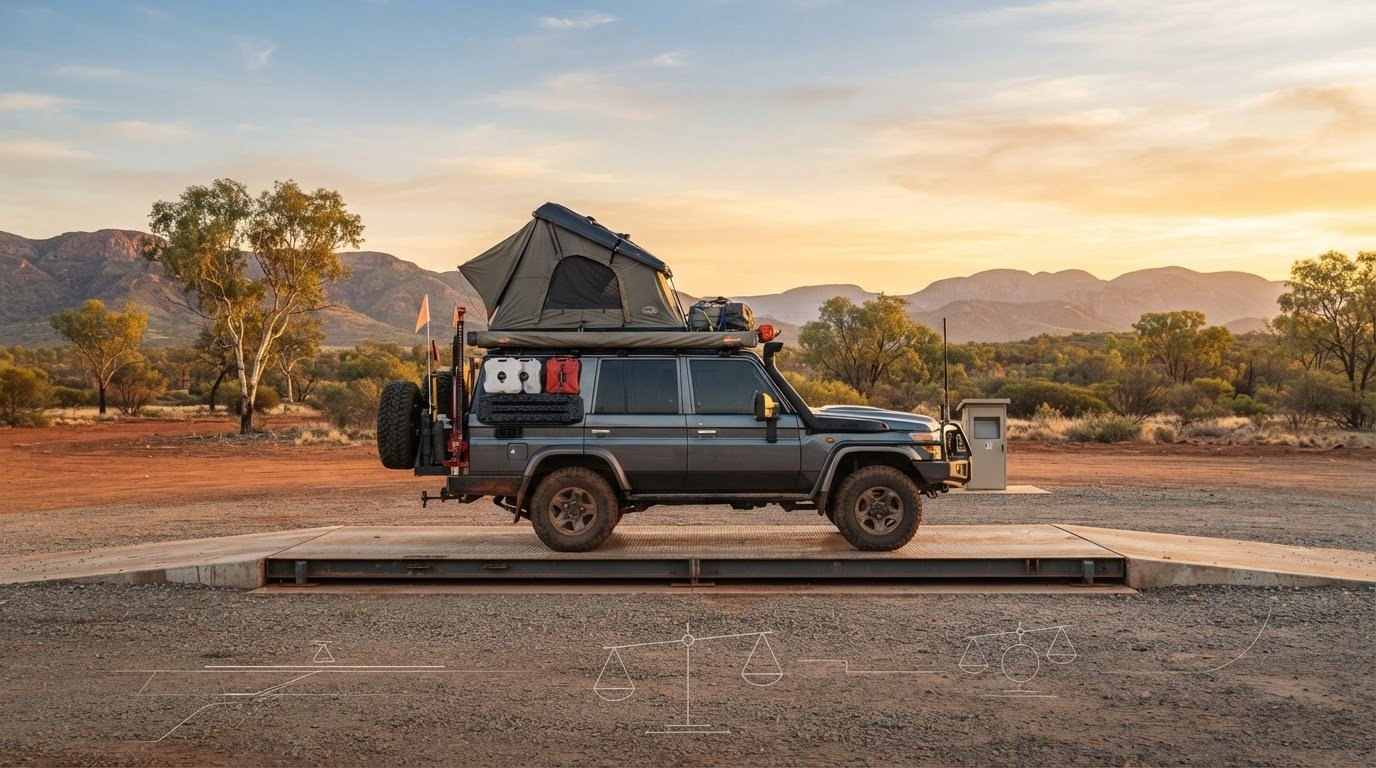
Managing weight is our top priority for vehicle longevity. Every extra kilogram of gear puts immense strain on your chassis and tires. We adopt a “less is more” philosophy, prioritizing high-quality, multi-purpose tools over bulky, single-use items. For a 7-day off-grid stint, we calculate a minimum of five liters of water per person per day, plus a 20% safety margin. Your power setup needs to be equally robust. A reliable dual-battery system with at least 100Ah of lithium capacity and portable solar blankets should keep your fridge running and your devices charged without draining your cranking battery.
Shelter and Shade: The Cape York Setup
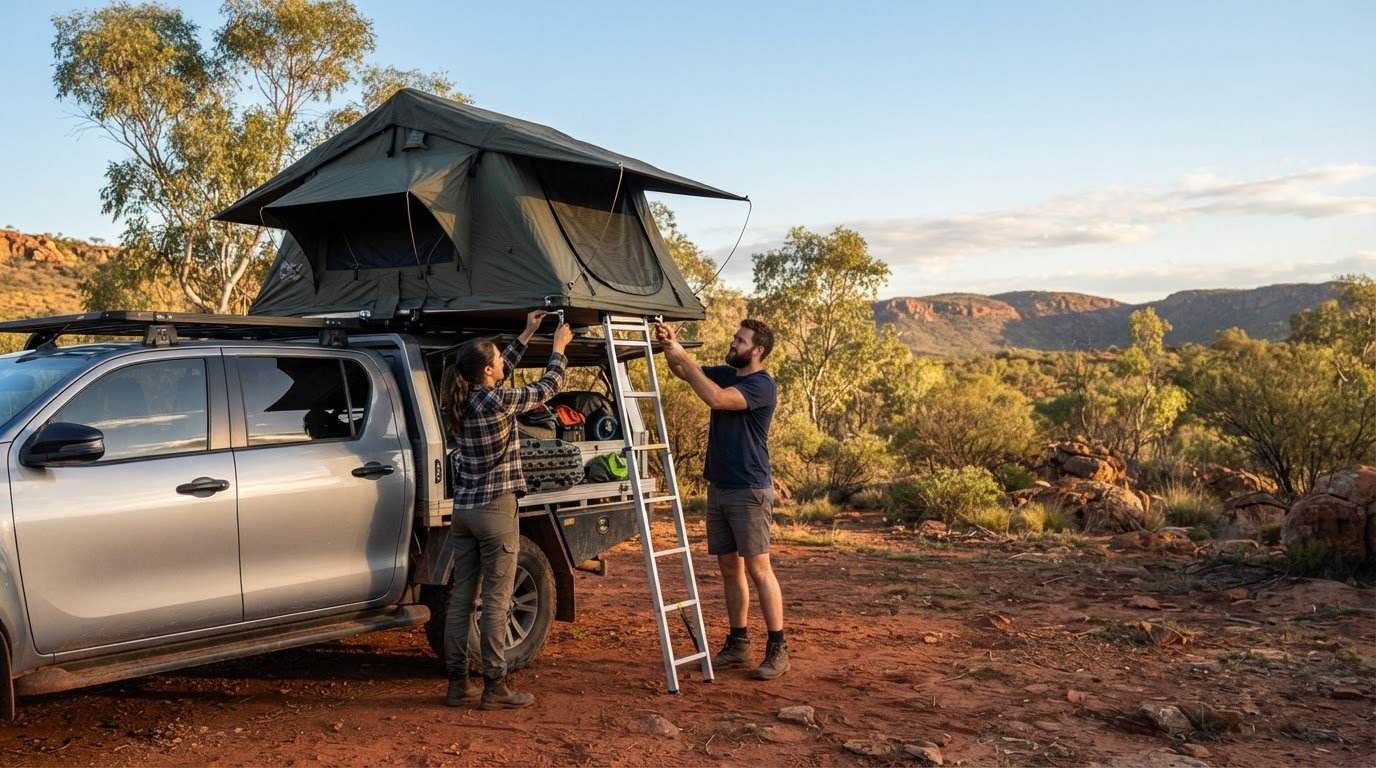
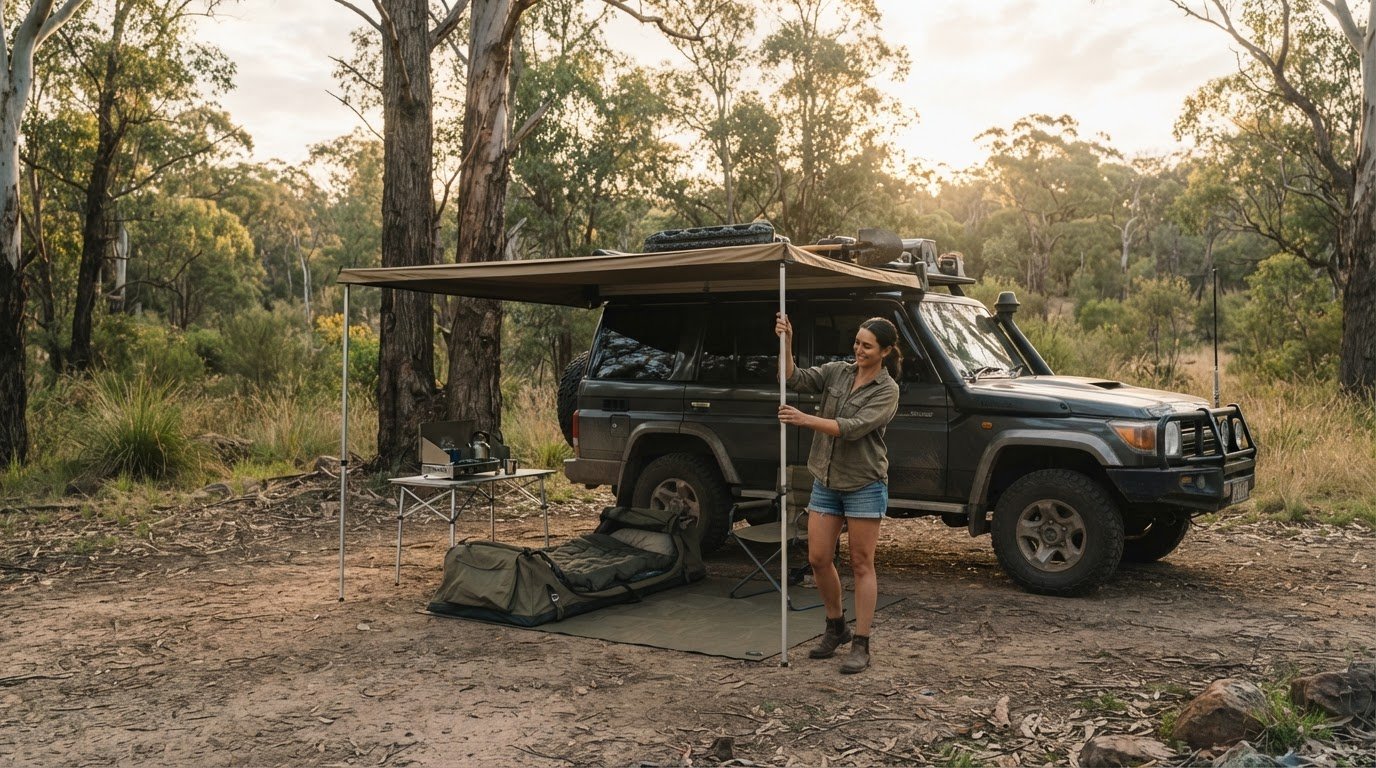
In the North, where saltwater crocodiles are a very real presence, we strongly believe that roof top tents are the preferred choice for safety and peace of mind. Getting yourself off the ground doesn’t just keep you away from local wildlife; it also offers better airflow during those humid tropical nights. To complete your camp, select 4WD awnings that feature heavy-duty mounting brackets and reinforced arms. The Cape is famous for sudden, high-intensity winds that can turn a flimsy shade structure into a kite in seconds. We generally prefer hard shell tents for this region because they shed heat more effectively and stand up better to the relentless pounding of dust and low-hanging branches.
Communication and Emergency Safety
Staying connected in the dead zones of the Peninsula has changed rapidly. While Starlink provides incredible data speeds for weather updates and planning, it shouldn’t replace a dedicated EPIRB or PLB for life-threatening emergencies. Your first aid kit needs to be tailored for remote rainforest and savannah environments, including plenty of pressure immobilisation bandages for snake bites and antiseptic for tropical ulcers. A reliable UHF radio is the single most important tool for managing convoy safety and alerting oncoming drivers of your position on blind corners. We always keep ours on Scan to stay informed of local track conditions and heavy vehicle movements.
Managing Logistics: Permits, Fuel, and Supplies
Logistics are the engine room of any successful expedition. When planning a Cape York trip, you aren’t just mapping a route; you’re managing a complex web of permits, fuel ranges, and strict community regulations. We’ve found that the most organized Adventurerz are those who treat their prep like a military operation. You’ll need to secure your Queensland National Park permits well in advance, especially for high-demand spots like Rinyirru. These currently sit at $7.50 per person, per night, or $30.00 for a family. Remember that these must be booked online before you lose signal in the remote sections.
The Jardine River Ferry is your final gateway to the northernmost point. For the 2026 season, the fee for a standard 4WD and driver is $150.00 for a return trip, while a vehicle towing a trailer or caravan increases to $225.00. This fee is crucial because it includes the permit required to access Aboriginal land as you approach the Tip. We recommend checking the Northern Peninsula Area Regional Council website for any last-minute protocol changes before you reach the river. Don’t forget that the ferry doesn’t run 24/7; check the current operating hours to avoid an unplanned night on the south bank.
Budgeting for the Tip
Your budget needs to be as hardy as your vehicle. Fuel is your biggest variable; prices climb significantly the further north you travel from Cairns. While Weipa offers a mid-trip reprieve with more competitive pricing, expect to pay a premium at remote stations like Archer River or Bamaga. We always advise keeping a $2,000 emergency buffer in your account. A remote recovery from a tricky section of the Old Telegraph Track can easily swallow that amount in a single afternoon. If you don’t use it, it becomes the start of your fund for the next adventure.
Food and Alcohol Regulations
Respecting local laws is a core part of the Adventurerz Code. The Northern Peninsula Area (NPA) has strict alcohol carriage limits to support community wellbeing. Each vehicle is limited to either two liters of unfortified wine and one 30-can carton of beer, or two liters of wine and one 24-can carton of pre-mixed spirits. Penalties for exceeding these limits are severe and enforcement is common. When packing your pantry, prioritize high-vibration resistant packaging. Ditch the glass jars for plastic or tinned goods to avoid a messy cleanup after 200 kilometers of relentless corrugations. If you’re still refining your camp kitchen setup, check out our guide on the best 4WD awnings to create a sheltered, dust-free prep area. For water, top up your main tanks in Weipa or Bamaga where the supply is treated and safe for consumption.
The Adventurerz Code: Responsible Exploration of the Tip
Reaching the northernmost point of Australia is a bucket-list milestone, but the true mark of an expert explorer is how they treat the land. When planning a Cape York trip, we must remember that we are guests on Traditional Owner lands. The Adventurerz Code isn’t just a set of suggestions; it’s a commitment to environmental stewardship and cultural respect. We believe that the “conquest” of the track is secondary to the preservation of the wilderness. This means adopting a total “Leave No Trace” philosophy, ensuring that the only thing we leave behind is our appreciation for this rugged landscape.
Living safely alongside the Cape’s unique wildlife is a core part of our mission. In croc-country, we never camp right on the water’s edge and always manage our food waste to avoid attracting predators. Similarly, if we’re lucky enough to spot a cassowary, we maintain a respectful distance to keep both ourselves and these magnificent birds safe. Beyond the environment, we cultivate a spirit of community through the “Wave Policy.” A simple hand off the wheel to every oncoming driver isn’t just a greeting; it’s a signal of fellowship and a promise that we’ve got each other’s backs in this remote corner of the world.
Minimizing Your Tyre Print
Proper track etiquette is vital for protecting the delicate Cape York ecosystem. We always stay on the designated paths; creating “chicken tracks” around difficult obstacles only serves to widen the damage and destroy native vegetation. Waste management is another non-negotiable. We pack out everything we pack in, and we often pick up extra rubbish left by less-informed travelers. When it’s time to wash off the dust, we keep soaps and detergents out of the pristine northern waterways. Even products labeled as “eco-friendly” can disrupt the fragile chemical balance of the creeks along the Old Telegraph Track, so we stick to plain water for our quick trail-side rinses.
Supporting Remote Communities
A responsible journey involves more than just self-reliance; it involves contributing to the local economy. When planning a Cape York trip, we make a point of provisioning at community stores and roadhouses. Whether it’s a burger at Musgrave or fresh supplies in Bamaga, our spend helps maintain the infrastructure that makes these expeditions possible. If you’re using one of our recommended roof top tents, you already have the perfect platform for a low-impact camp that keeps you safe and comfortable without scarring the ground. Ultimately, the legacy of your trip is defined by the respect you show to the Traditional Owners and the assistance you offer to fellow travelers. We explore to discover, but we stay to protect.
Gear Up for the Journey of a Lifetime
Planning a Cape York trip is more than just a 4WD journey; it’s a rite of passage that demands both mechanical readiness and a deep commitment to the land. We’ve explored the vital logistics of the 2026 season, from mastering the $150 Jardine River Ferry crossing to understanding the cultural protocols of Traditional Owner lands. By balancing your rig’s capabilities with the Adventurerz Code, you ensure that your expedition supports the local economy and preserves the North’s fragile beauty.
We’re here to support every stage of your preparation. Our platform offers expert gear reviews by remote travel veterans and community-led sustainable travel advice to help you minimize your footprint. With our comprehensive 2026 road condition updates, you can navigate the Peninsula with the confidence of a seasoned local. The Tip is calling, and now you have the blueprint to get there with respect and reliability.
Start planning your 2026 Cape York adventure with our expert guides and join a community dedicated to responsible exploration. We’ll see you on the tracks!
Frequently Asked Questions
Do I really need a snorkel for a Cape York trip?
Yes, we consider a snorkel essential if you intend to tackle the Old Telegraph Track or any deep water crossings like Nolan’s Brook. Even if you stick to the bypass roads, a snorkel helps filter out the heavy bulldust that can clog your air intake and starve your engine of oxygen. It’s a relatively small investment that provides vital insurance against catastrophic water ingestion during river crossings.
How much does the Jardine River Ferry cost in 2026?
The 2026 fee for a standard 4WD and driver is $150.00 for a return trip. If you are towing a trailer or caravan, the cost increases to $225.00 for the return journey. These fees are verified for the 2025-2026 season and include the necessary permit to access Aboriginal land for the final section of the journey to the northernmost point.
Is it safe to camp in a ground tent at Cape York?
We strongly recommend using a rooftop tent rather than a ground tent when camping in known crocodile habitats. While some inland campgrounds are safer, the risk of wildlife encounters is much higher on the ground in the Northern Peninsula Area. Staying elevated provides a physical barrier and peace of mind, allowing you to enjoy the remote environment without constant vigilance.
Can I take a standard SUV to the Tip, or is it 4WD only?
You need a high-clearance 4WD with low-range capabilities for a successful journey to the Tip. While road sealing projects are ongoing, the remaining unsealed sections of the Peninsula Developmental Road feature brutal corrugations that will quickly damage a standard SUV. When planning a Cape York trip, we prioritize vehicle durability to ensure you can navigate the technical terrain safely.
What permits are required for camping on the Cape York Peninsula?
You must secure a Queensland National Park camping permit, which costs $7.50 per person per night or $30.00 per family. Your Jardine River Ferry ticket covers your access to the Northern Peninsula Area, but other sections may require permission from individual community councils. We always book our National Park stays well in advance through the online portal before leaving areas with reliable mobile reception.
How long does it take to drive from Cairns to the Tip and back?
We recommend allowing a minimum of 14 to 21 days for a return trip to truly experience the region. While the drive itself could be completed faster, a rushed schedule increases the risk of vehicle fatigue and mechanical failure on the corrugated tracks. A three-week window gives us enough time to explore the Old Telegraph Track and enjoy the crystal-clear swimming holes along the way.
Is there mobile phone reception at the Tip of Cape York?
Mobile reception is extremely limited and generally only available near major hubs like Coen, Weipa, and Bamaga. You will not find a signal at the Tip itself or along most of the remote track sections. We suggest carrying a satellite communication device or an emergency beacon to stay safe in areas where your standard phone won’t work.
What is the most common mechanical failure on the Cape York tracks?
Suspension failure caused by relentless corrugations is the most frequent mechanical issue encountered on the Cape. Shock absorbers can overheat and leak, or mounting brackets can snap under the constant vibration. Proper preparation for planning a Cape York trip must include a professional suspension check and a commitment to adjusting your tire pressures to suit the changing track conditions.