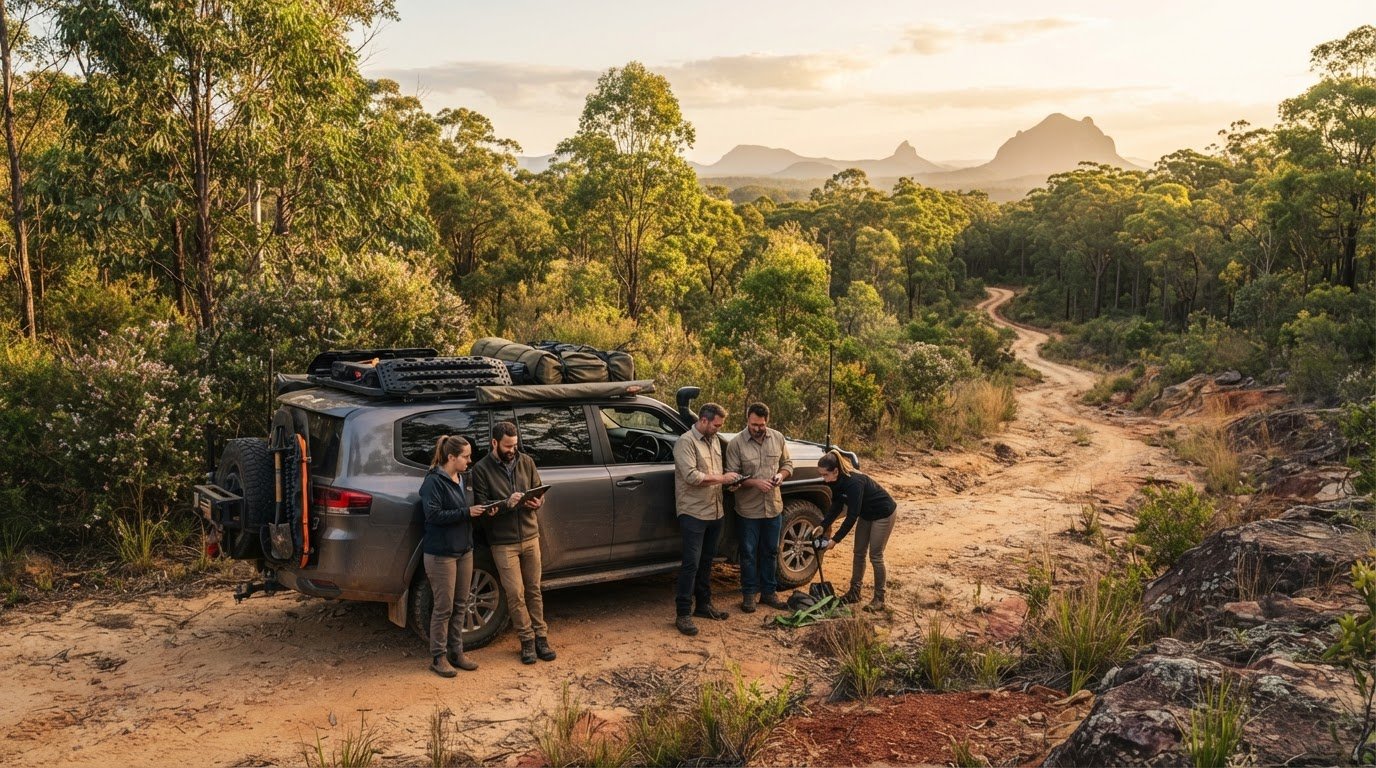
Picture this: you’ve just aired down your tyres at the Inskip Point bypass, the salt spray is hitting the windscreen, and you’re scouting for that perfect gutter before the tide turns. As Adventurerz, we’ve all been there, staring at a map of the coastline and wondering which tracks lead to a feed of flathead and which ones lead to a recovery strap. Finding the best 4wd beach fishing spots qld has to offer isn’t just about GPS coordinates; it’s about matching your vehicle’s capability with the right surf conditions and local regulations. We know the frustration of getting bogged in soft sand or realizing your A$59.30 Bribie permit doesn’t cover the next beach over.
We’ve built this guide to ensure your next coastal mission is legendary for the right reasons. You’ll discover the most productive stretches of sand for 2026, from the iconic dunes of K’gari to the hidden corners of the Cooloola Recreation Area. We’re breaking down the essential gear setups, from rooftop tent basecamps to the rigs needed for 35 cm tailor, while keeping you on the right side of the law with the latest permit prices and size limits. We’ll show you how to read the beach like a pro and explore these pristine environments with the respect they deserve. Let’s get your setup ready for the surf.
Key Takeaways
- Learn why a rooftop tent and 4WD awning setup creates the ultimate basecamp for catching the dawn bite without the stress of a long commute.
- Identify the best 4wd beach fishing spots qld offers for 2026, including specific locations on K’gari and Bribie Island that hold consistent tailor and flathead.
- Master the art of reading the surf from your driver’s seat to spot productive gutters and banks before you even cast a line.
- Adopt essential “Leave No Trace” practices to ensure our pristine Queensland coastlines remain open and healthy for future generations of Adventurerz.
- Streamline your preparation with a pre-trip checklist covering 2026 permit costs and the gear needed to handle soft sand and high tides safely.
Table of Contents
The Essentials: Preparing Your 4WD and Gear for the QLD Coast
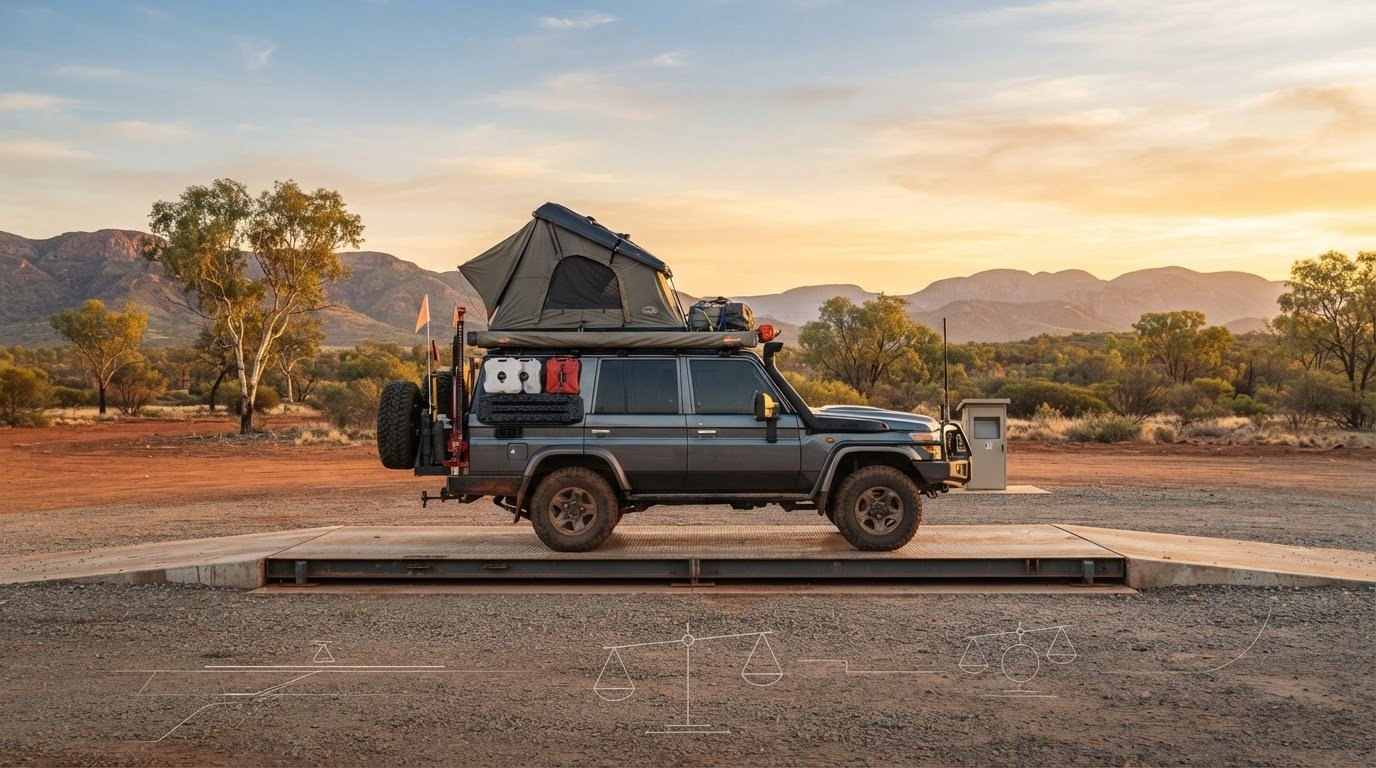
We define 4WD beach fishing as the strategic use of off-road capability to hunt down remote surf gutters that are inaccessible to the average sedan-bound angler. It’s the ultimate way to engage in recreational fishing, allowing us to bypass the crowded piers and find untouched schools of fish. To reach the best 4wd beach fishing spots qld has hidden away, your vehicle needs serious ground clearance. Navigating the deep, powdery ruts and soft exits common on many of QLD’s diverse beaches requires more than just 4WD; it requires a setup that won’t belly out when the sand gets hungry. A dedicated basecamp setup beats a day-trip every time. When we camp where we fish, we aren’t racing the tide or the sunset. We’re part of the environment, ready for the moment the fish start to run.
We never hit the sand without the holy trinity of beach recovery: a quality tyre pressure gauge, heavy-duty recovery tracks, and a long-handle shovel. Lowering your pressures to 15-18 psi is often the difference between a successful cast and a long, hot wait for a snatch strap. Being self-reliant is a core value for Adventurerz. It ensures we don’t leave deep ruts that ruin the track for the next person or risk getting caught by a rising tide while waiting for help.
To better understand how a well-prepped rig handles challenging coastal conditions, watch this helpful video:
Rooftop Tents: The Ultimate Beach Fishing Basecamp
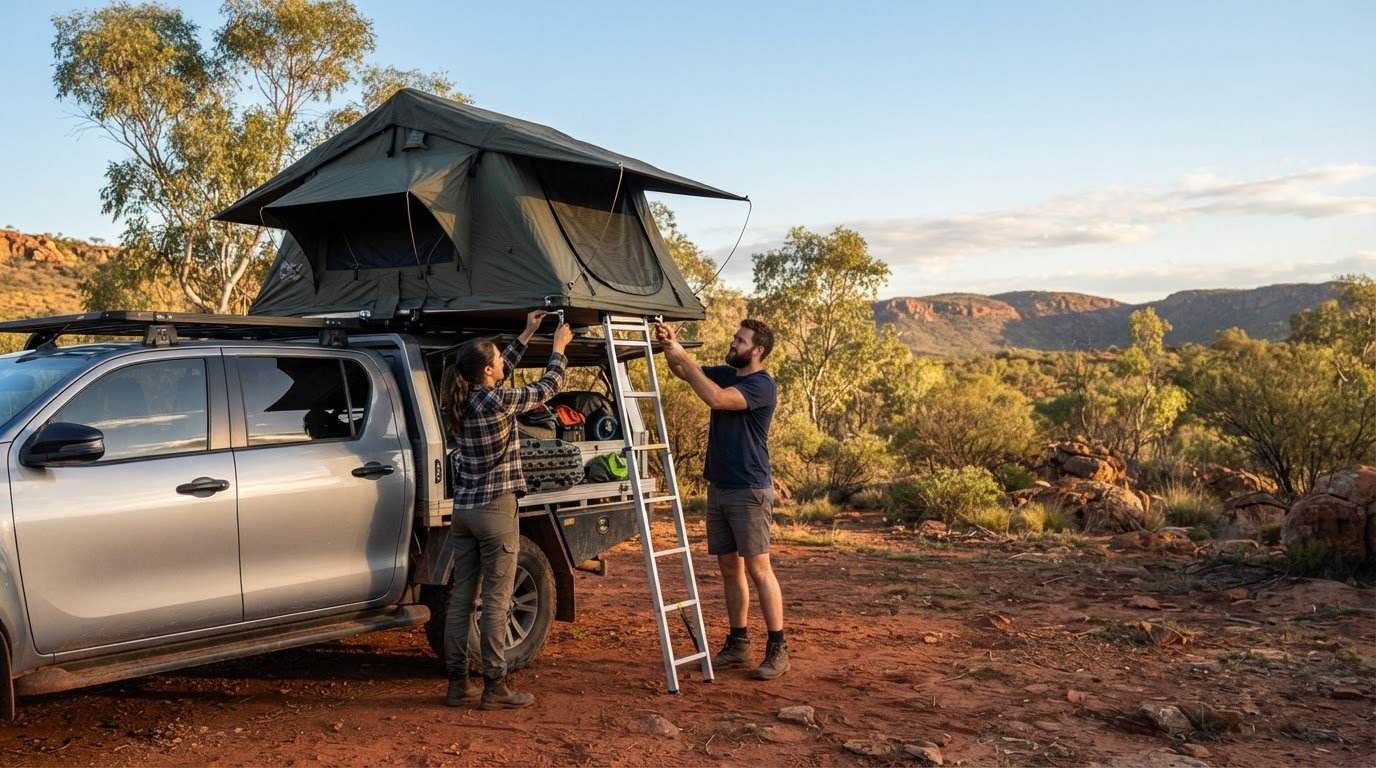
Staying overnight right on the dunes changes the game. A rooftop tent transforms your rig into a mobile command center, letting us stay on top of the “golden hour” bite at dawn and dusk without the exhausting drive back to a caravan park. You’re elevated above the salt-damp sand and away from the midges that haunt the water’s edge. This elevation also provides a better vantage point to spot gutters as the tide shifts. When a school of tailor moves three kilometers down the beach, we can pack up in minutes and follow the action. It’s about being nimble and staying where the fish are.
Awnings and Shelter for Long Casting Sessions
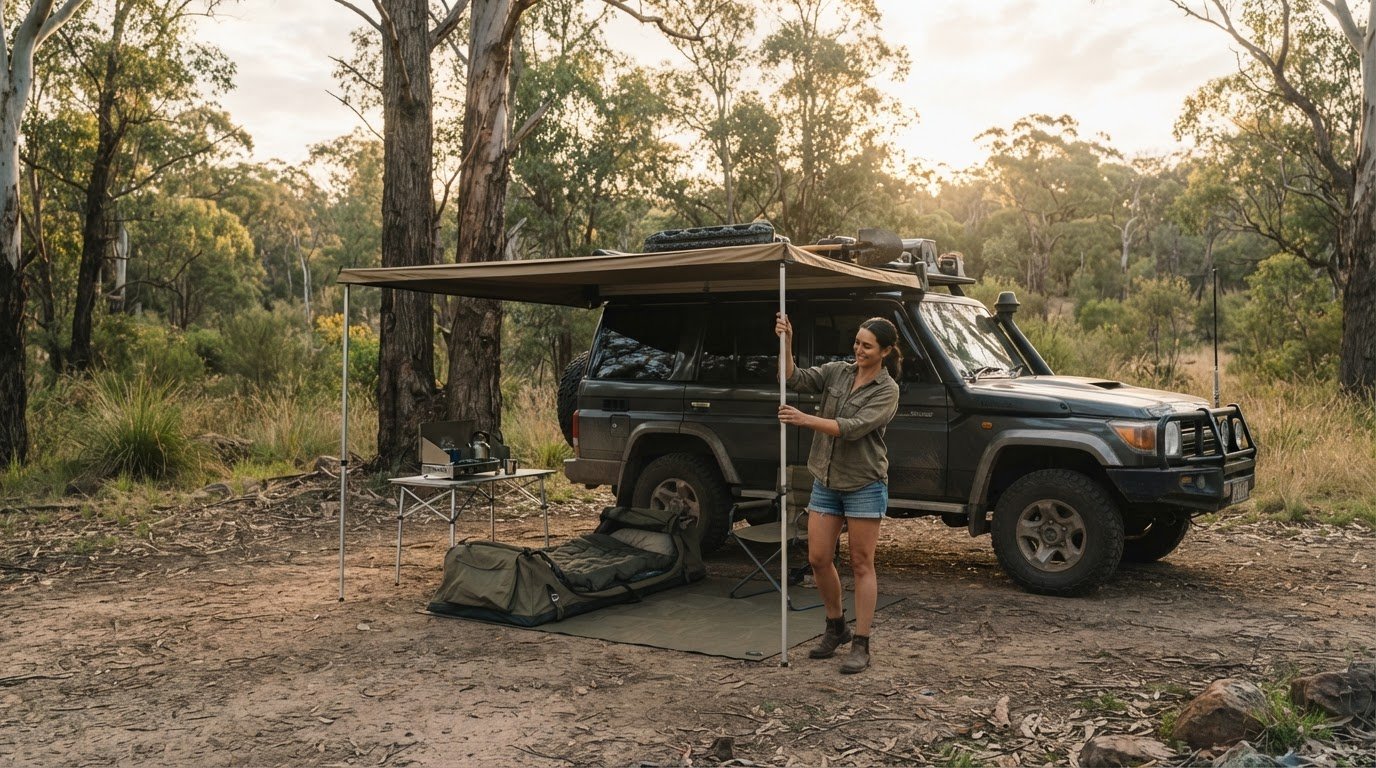
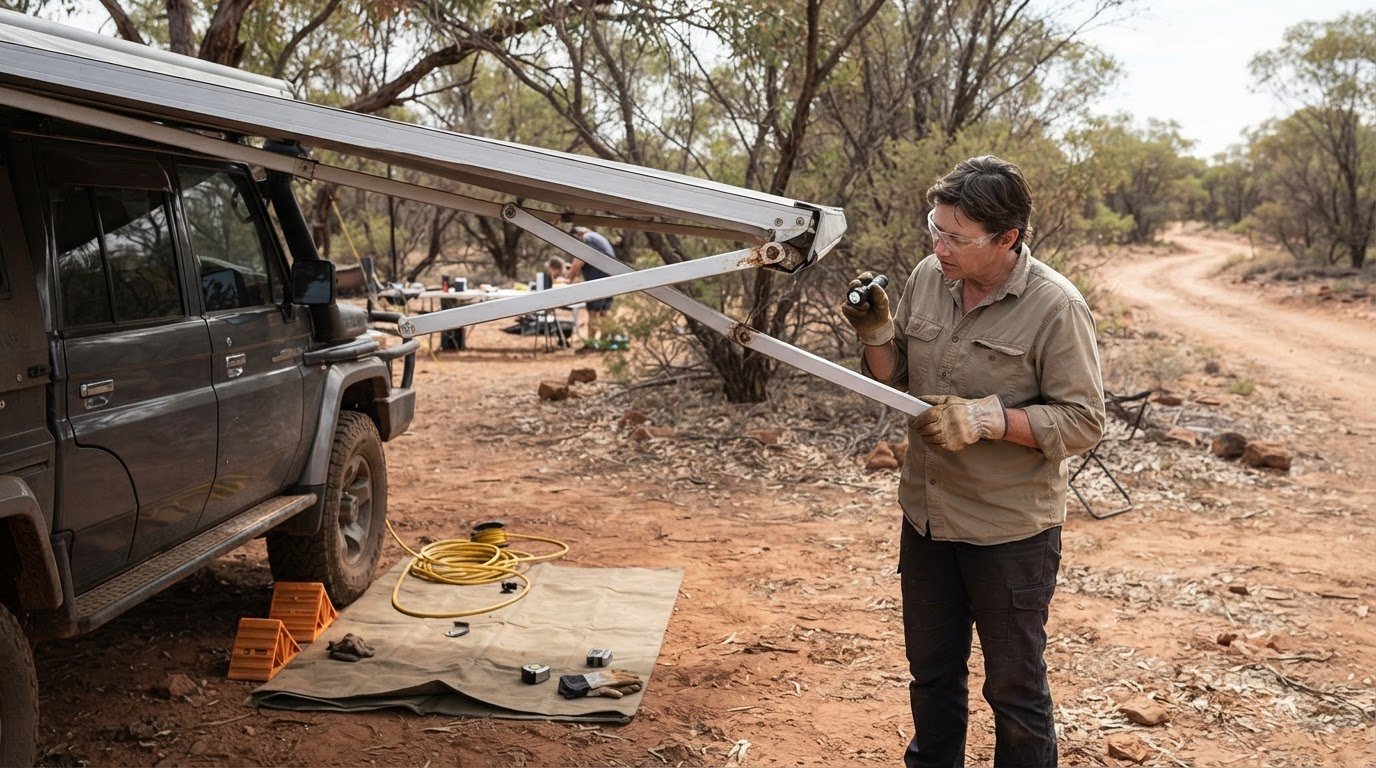
The Queensland sun is brutal during a six-hour session on the beach. We use high-quality 4WD awnings to create a dedicated tackle station and shaded retreat. It’s not just about comfort; it’s about gear management. Having a localized spot to re-rig, out of the direct wind and salt spray, keeps your reels and terminal tackle in peak condition. Side-wall attachments are a lifesaver when the afternoon southeasterly kicks up. They provide a windbreak that keeps your bait from drying out and your camp from turning into a sandpit. This setup allows us to stay focused on the rod tip rather than fighting the elements.
Top 4WD Beach Fishing Spots in QLD for 2026
Queensland’s coastline is a massive playground for those of us who prefer our fishing with a side of low-range gearing. From the cool, pounding surf of the southern islands to the humid, mangrove-lined tracks of the far north, we’re spoiled for choice. Finding the best 4wd beach fishing spots qld offers means understanding that every stretch of sand has a different rhythm. Beginners might stick to more accessible beaches with hard-packed sands, while seasoned Adventurerz push into the soft, technical crossings of the Cape. We always match our destination to our target species; whether it’s chasing the silver flash of tailor in the surf or stalking dusky flathead in the shallows. Our community thrives on these remote escapes, where vehicle capability meets local knowledge.
The Giants: K’gari (Fraser Island) and Moreton Island
K’gari (Fraser Island) remains the undisputed king of beach fishing. We head to the famous 75-Mile Beach during the winter tailor runs, where the gutters are often thick with fish. For 2026, a vehicle access permit for a month or less costs A$61.80. It’s a small price for access to world-class gutters. Moreton Island offers a different vibe; its western beaches provide calmer waters perfect for flicking plastics for flathead. Remember that these ecosystems are fragile. Check the Official Queensland fishing rules before you cast to ensure you’re sticking to the 35 cm minimum for tailor and the 40 cm minimum for dusky flathead. These islands require high-clearance vehicles and a methodical approach to tide times.
Central and Northern Gems: From Bangalee to Cape York
Bangalee Beach near Yeppoon is a central gem we often visit for dart and whiting. It’s generally accessible for most high-clearance 4WDs, making it a great spot to test your sand driving skills before heading further afield. As we move further north toward Cape York, the stakes get higher and the tracks become more technical. These are arguably the best 4wd beach fishing spots qld provides for those chasing true isolation and trophy barramundi. Safety takes on a new meaning here. We never clean fish at the water’s edge in the north because the local saltwater crocodiles are always watching. It’s a hardy environment that demands respect and self-reliance.
Having a solid basecamp like one of our recommended roof top tents makes these multi-day remote expeditions much more comfortable. Check out our latest adventure ideas in Australia to start planning your next coastal mission.
Reading the Beach: How to Find the Fish and Stay Safe
Have you ever pulled up to a vast stretch of sand and wondered exactly where the fish are hiding? Finding the best 4wd beach fishing spots qld provides is only half the battle. The real skill lies in reading the water before you even unstrap your rods. As Adventurerz, we prioritize observation over rapid casting. From the driver’s seat, we scan the surf for “gutters,” those deeper, darker channels of water running parallel to the shore. We also look for “holes,” which are localized deep spots where the water looks calmer and less turbulent. These are the natural highways and ambush points for predatory fish. The relationship between white water and fish activity is vital; white water provides cover and oxygen. If you see a break in the waves where the water remains dark and deep, you’ve found a prime target. We always wear polarized sunglasses to cut through the surface glare, allowing us to spot the subtle color changes that indicate deep channels and submerged banks.
The Tidal Dance: When to Drive and When to Cast
The ocean dictates our schedule, and we respect its power. We strictly follow the “Two-Hour Rule,” which means staying off the beach tracks two hours on either side of high tide. This ensures we don’t get trapped against coffee rocks or forced into the treacherous soft sand high up the dunes. For the fishing itself, a rising tide is almost always the prime window for most species. As the ocean pushes into the gutters, it carries baitfish and nutrients that trigger a feeding frenzy. By planning our vehicle movements around these cycles, we stay safe and keep our lines in the water when the fish are most active. It’s about being methodical, not just lucky. Setting up our 4WD awnings provides the perfect shaded spot to watch the tide turn while we prep our tackle for the next run.
Beach Driving Techniques for Anglers
Navigating the best 4wd beach fishing spots qld has to offer requires specific technical adjustments to your rig. We drop our tyre pressures to the 15-20 PSI range as soon as we hit the sand. This increased footprint is essential for floating over the powdery QLD dunes rather than digging into them. We choose a gear that maintains steady momentum; spinning the wheels is the fastest way to a recovery situation. When we pull up at a gutter, we park the vehicle on a slight downward angle facing the water. We never park parallel to the surf on a steep slope. Shifting sand under the tyres can cause the vehicle to tilt or slide toward the incoming tide, especially as the water begins to saturate the bank. Self-reliance and vehicle safety are what allow us to explore the most remote corners of the coast with confidence and peace of mind.
Sustainable Beach Fishing: Ethics and Environment
We’ve explored the tracks and found the gutters, but the longevity of the best 4wd beach fishing spots qld provides depends entirely on our collective footprint. Being part of the Adventurerz community means adopting a “Leave No Trace” philosophy every time we air down. This isn’t just about picking up your own rubbish; it’s about leaving the beach better than you found it. We’ve all seen discarded bait bags or tangled clumps of fishing line in the dunes. These are death traps for local birdlife and marine creatures. We always carry a dedicated trash tube or bag on our spare tyre to ensure every scrap of mono, braid, and plastic makes it back to a proper bin. Finding the best 4wd beach fishing spots qld has to offer is a privilege that requires active stewardship.
Staying on designated tracks is equally vital for coastal health. The dunes are fragile ecosystems that hold the coastline together. When we take shortcuts or create new tracks, we trigger erosion that can destroy the very habitats our target species rely on. Proper catch and release is another pillar of our ethics. If a dusky flathead is over the 75 cm maximum limit, we handle it with wet hands, keep it in the water as much as possible, and release it gently. This protects the large breeding females that keep the population healthy. Our goal is a sustainable harvest, not a cleared-out gutter. We want the fish to be there next season too.
2026 Permit and Regulation Update
Navigating the legal landscape is part of being a prepared angler. As of July 2026, vehicle access permits are mandatory for several of our favorite stretches. For Bribie Island, a permit for one week or less costs A$59.30. If you’re heading to the Cooloola Recreation Area, a week-long permit is A$39.25. We also need to be mindful of the 2026 size and possession limits. Sand whiting must be at least 23 cm, while bream have a minimum size of 25 cm. If you’re lucky enough to be in the far north, remember the East Coast barramundi closed season starts on November 1, 2026. Always check for “No Take” zones within marine parks to avoid heavy fines and protect biodiversity.
Community and Conservation
Our strength lies in our fellowship. We encourage every community member to report illegal dumping or significant track damage to the authorities. It’s also important to acknowledge the deep indigenous history of these lands. K’gari is the traditional home of the Butchella people, and Moreton Island holds massive significance for the Quandamooka people. Respecting cultural sites and middens is just as important as respecting the fish stocks. By blending modern specialized gear with ancient respect for the land, we ensure our adventures are truly meaningful. Ready for your next trip? Check out our latest adventure ideas in Australia to find your next remote basecamp.
Planning Your Next Beach Fishing Adventure
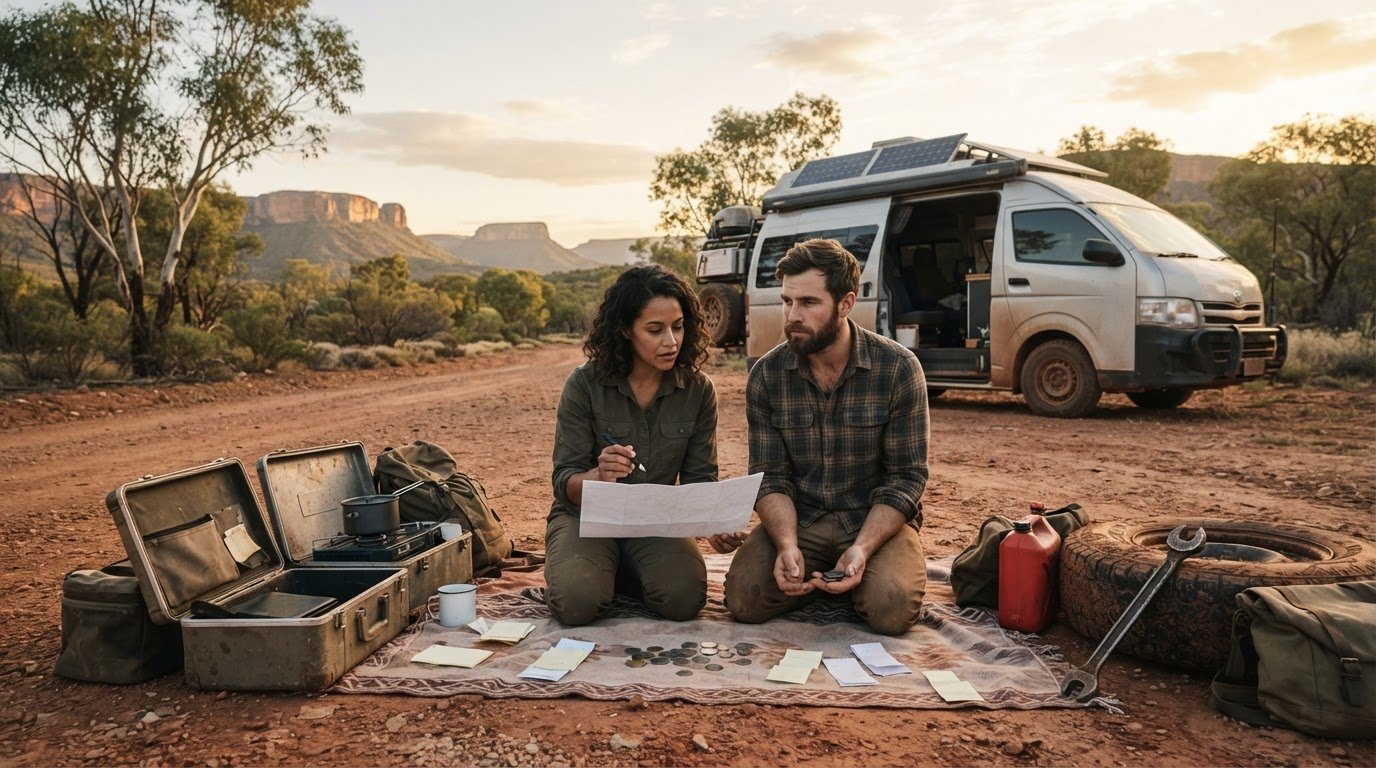
Preparation is the backbone of any successful remote mission. We don’t just wing it; we plan it. Before hitting the tracks to the best 4wd beach fishing spots qld provides, we run through a rigorous pre-trip checklist. This includes calculating fuel consumption for soft sand driving, ensuring we have at least five litres of fresh water per person per day, and double-checking that our digital permits are downloaded and ready for inspection. Having your tackle organized and your vehicle serviced ensures that once the tyres are aired down, your only focus is the rod tip.
To streamline your preparation, we recommend using our Travel Planner. It’s designed specifically for mapping out remote escapes where standard GPS might fail. Joining the Adventurerz community also gives you access to real-time trip reports from fellow explorers who have just returned from the dunes. This peer-to-peer knowledge is invaluable for understanding current track conditions or where the weed might be thick on the beach. Safety is our top priority. Before you head off-grid, tell someone your exact plan and expected return time. In remote spots like the northern tip of K’gari, a satellite communicator or PLB is a non-negotiable part of our kit.
The Ultimate Beach Fishing Kit
We tailor our tackle to the specific environment. For the heavy surf of the southern islands, a 12-foot surf rod is essential to cast past the first breaker into the deep gutters. If you’re exploring the calmer western estuaries of Moreton or Bribie, a lighter 7-foot spinning outfit is better for flicking lures. While fresh bait like pipis or beach worms is a classic choice, we always keep a few metal slugs in the bag for when a school of tailor starts busting the surface. Essential tools include long-nose pliers for safe hook removal, a durable measuring mat, and a high-quality ice box to keep your catch fresh in the QLD heat.
Next Steps for Your 2026 Expedition
Now is the time to review your setup. Is your gear up to the task of a multi-day beach mission? Check out our latest reviews on roof top tents and 4wd awnings to ensure your basecamp is as durable as your vehicle. We recommend booking your ferries and campsites months in advance for peak periods like the winter tailor season. Once you’re out there, we want to see your success! Share your catch photos with the Adventurerz community and let’s keep the spirit of responsible exploration alive. See you on the sand.
Gear Up for Your Next Coastal Expedition
Mastering the best 4wd beach fishing spots qld provides is a journey that rewards the prepared and the patient. We’ve seen how the right technical setup, from tyre pressures to rooftop tents, creates a mobile basecamp that lets us chase the bite wherever it moves. By learning to read the surf and respecting the tidal clock, you’ve gained the skills to find productive gutters while keeping your vehicle high and dry. Most importantly, our commitment to “Leave No Trace” ethics ensures these pristine coastlines remain open for everyone to enjoy.
We’re here to support every step of your journey with expert 4WD gear reviews and community-vetted locations that prioritize sustainable travel. Don’t let another season pass without experiencing the thrill of a dawn patrol on the dunes. Join the Adventurerz community and plan your 2026 escape! Our collective expertise is your greatest asset in the wild. We’ll see you out there on the sand, rod in hand and ready for the next run.
Frequently Asked Questions
Do I need a permit to drive on the beach in QLD?
Yes, you need a Vehicle Access Permit (VAP) for most managed recreation areas. Spots like K’gari, Bribie Island, and the Cooloola coast require these permits to be purchased online before you arrive. We always keep our digital or printed permits ready for inspection by rangers. Driving without one isn’t just illegal; it’s a risk to the funding that keeps these tracks maintained for our community.
What is the best time of year for beach fishing in Queensland?
Winter and spring are the prime seasons for exploring the best 4wd beach fishing spots qld has on offer. The iconic tailor run usually peaks between July and September, bringing massive schools to the gutters of K’gari and Moreton. If you’re chasing whiting or flathead, the warmer months from October to December are fantastic, provided you stay mindful of the northern cyclone season and local heat.
Can I use a soft-road SUV for 4WD beach fishing?
We generally recommend a true high-clearance 4WD for the best 4wd beach fishing spots qld provides. While some AWD SUVs can handle hard-packed sand at low tide, they often lack the ground clearance and low-range gearing needed for deep, soft ruts. Getting bogged in a soft-roader isn’t just a hassle; it can be dangerous if the tide is coming in. Self-reliance starts with having the right tool for the job.
How do I wash my 4WD after a day on the beach?
Thoroughly flush the chassis and underbody with fresh water immediately after your trip. Use a high-pressure hose to get salt and sand out of every nook, focusing on the brakes and suspension components. We avoid commercial car washes that recycle water, as they can spray salt back onto your vehicle. It’s the only way to ensure your rig stays rust-free and ready for the next remote expedition.
What are the best baits for QLD surf fishing?
Fresh, locally sourced bait like pipis and beach worms are the top performers for QLD surf fishing. Tailor love pilchards on a ganged hook rig, while flathead and whiting respond best to live worms or yabbies pumped from local sandbanks. We also keep metal slugs in our kit for surface-feeding schools. Using bait that matches the local ecosystem is a key part of our sustainable fishing approach.
Is beach camping allowed anywhere in QLD?
Camping is strictly restricted to designated areas within national parks and recreation areas. You must book a site and have a valid camping permit before setting up your basecamp. Random “wild” camping on the dunes is illegal and causes significant damage to fragile coastal vegetation. We always stick to the official sites to ensure we protect the environments we love to explore.
What should I do if I get bogged on the beach?
Stop spinning your wheels the moment you lose momentum. Digging a deeper hole only makes the recovery harder. Check your tyre pressures first and drop them to 12-15 PSI if needed. Use your shovel to clear the sand from under the chassis and place your recovery tracks firmly against the tyres. If you’re using a snatch strap, always use a dampener and keep everyone well away from the recovery zone.