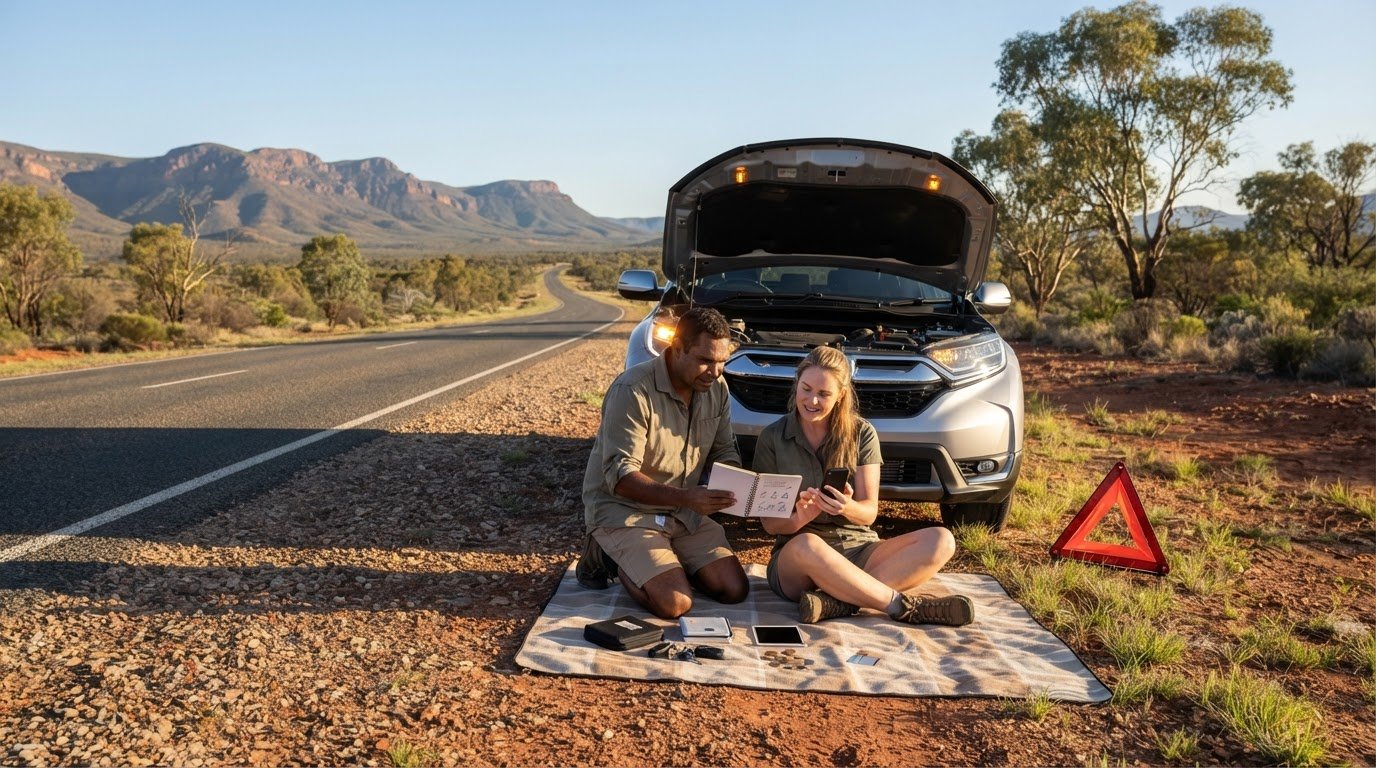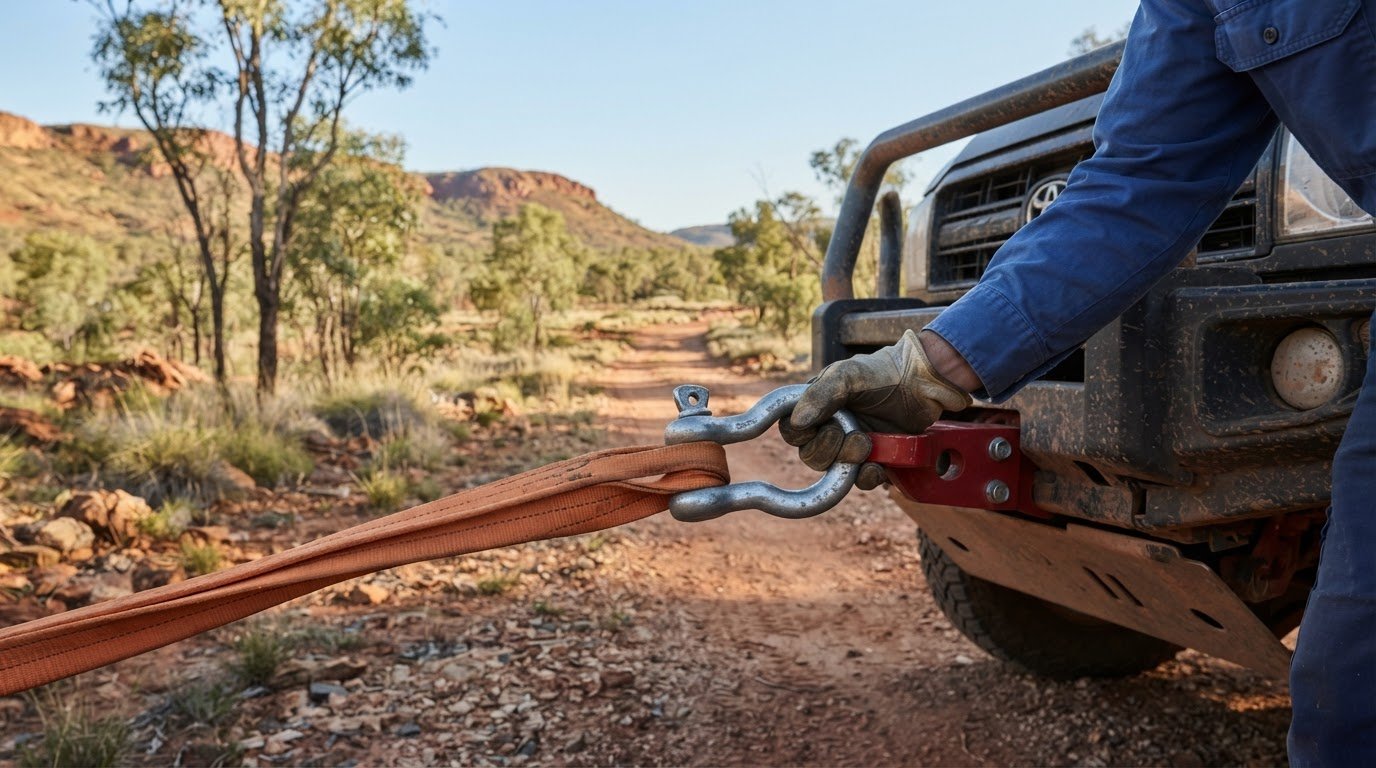
The most expensive satellite setup in the world won’t save you if you haven’t mastered the three-layer communication rule. We’ve all felt that sharp prickle of anxiety when the ‘No Service’ icon appears and the vast silence of the bush highlights our isolation. This is exactly why selecting the right outback communication options Australia provides is the most vital step in your trip planning. It’s about more than just checking weather updates; it’s about ensuring that you’re never truly alone, no matter how far off the grid you venture.
We’ve mapped out the essential layers of 2026 connectivity, from the social pulse of the UHF channels to the high-speed data of the Starlink constellation. By adopting a methodical, layered approach to our gear, we ensure that help is always within reach and our community stays connected across the most isolated tracks. Choosing the right outback communication options Australia has to offer is about more than just hardware; it’s a commitment to self-reliance and the safety of everyone in our convoy. We’ve shown you how to bridge the gap between technical overwhelm and total trail readiness, and for travelers who want a more premium, curated experience, you can discover more about Luxury Travel Consulting and Tour Commissions to help plan your next iconic journey.
We’re here to help you bridge the gap between technical overwhelm and total trail confidence. You’ll discover how to build a layered communication strategy that covers everything from casual chats on the road to life-saving emergency signals. We’ll dive into the 2026 standards for UHF radio channels, the reality of Starlink’s latest roaming speeds, and the essential steps for AMSA beacon registration. By the end of this guide, you’ll have a clear, failsafe plan to keep your data flowing and your help lines open across every rugged kilometre of our incredible backyard.
Key Takeaways
- Master our “Adventurerz Layered Approach” to ensure we’re never stranded without a lifeline when the 5G bars disappear.
- Learn to navigate the 80-channel CB network as your primary tool for road safety and community connection while exploring outback communication options Australia.
- Compare the latest 2026 satellite tech to keep our digital maps updated and our weather tracking live in the most remote corners.
- Identify when to trigger a one-way PLB rescue signal versus using two-way satellite messaging for non-life-threatening support.
- Follow our expert pre-trip checklist to test gear durability and signal strength before we leave the bitumen behind.
Table of Contents
Understanding the Outback Connectivity Gap in 2026
We love the freedom of the open road, but we should never confuse freedom with being unreachable. The “Outback Gap” isn’t just a lack of bars on our phone screens; it’s a harsh geographic reality of the Australian landscape. While major carriers boast about covering over 99% of the population, they only reach about 30% of our actual landmass. Once we push past the 20km radius of a regional outback town, we enter a zone where the standard outback communication options Australia travelers often take for granted simply cease to exist. Relying on a single smartphone in these areas is a high-risk strategy that leaves us vulnerable when things go sideways.
To explore responsibly, we view connectivity as a three-layered ecosystem. We don’t just hope for a signal; we build a redundant system that ensures we can talk to our convoy, check the horizon for incoming storms, and call for help if the worst happens. This layered approach includes the Social Layer (UHF), the Data Layer (Satellite), and the Life-Saving Layer (PLB). Each serves a specific purpose in keeping our community safe and connected under the vast southern stars.
Why Standard Mobile Phones Fail
Mobile towers are terrestrial. They rely on a clear line-of-sight to function. In the undulating dunes of the Simpson Desert or the deep, iron-rich gorges of the Kimberley, those signals simply can’t reach us. Even “Blue Tick” rated devices, which are specifically tested for superior fringe reception, eventually lose the battle against distance and terrain. We also can’t rely on carrier roaming in the deep desert. If the primary network isn’t available, there’s usually no competitor tower nearby to catch our signal. When the bitumen ends, the digital tether usually snaps right along with it.
The 2026 Landscape: LEO Satellites vs. Traditional Towers
The game changed completely with the rise of Low Earth Orbit (LEO) satellites. Unlike old geostationary satellites that sat 35,000km away and suffered from massive lag, LEO constellations orbit just 550km above us. This technological leap has shifted our mindset from “emergency only” communication to being “always on.” We can now access high-speed data for live weather updates and topographical maps in places that were once completely silent. This evolution mirrors the resilience of the Royal Flying Doctor Service, which has spent nearly a century proving that reliable communication is the true backbone of outback safety. Modern outback communication options Australia explorers use today allow us to maintain that same level of preparedness while minimizing our impact on these pristine environments.
UHF CB Radios: The Essential Social and Road Safety Layer
We consider the UHF radio the heartbeat of any outback convoy. It’s the primary tool for vehicle-to-vehicle talk that turns a lonely drive into a shared experience. Unlike satellite tech that connects us to the wider world, the 80-channel Citizen Band (CB) network connects us to the people right in front of us. When we explore the various outback communication options Australia offers, the UHF remains the most practical choice for instant, license-free coordination on the tracks. It allows us to warn others of oncoming traffic, share a laugh over a corrugated stretch, or coordinate a tricky river crossing without missing a beat.
Fixed-Mount vs. Handheld UHF
We always suggest starting with a 5-Watt fixed-mount radio. This power output is the legal maximum for CB radios in Australia and provides the range we need for long-distance highway travel. Handheld units are fantastic tools, but we use them primarily for spotting during recoveries or communicating while we’re outside the vehicle. A fixed-mount unit integrated into your 4WD dashboard ensures your mic is always within reach when a truckie calls out a hazard. If you’re looking for the best gear to round out your setup, check out our latest camping equipment recommendations for more trail-tested ideas.
Antennas and Gain: Maximising Your Range
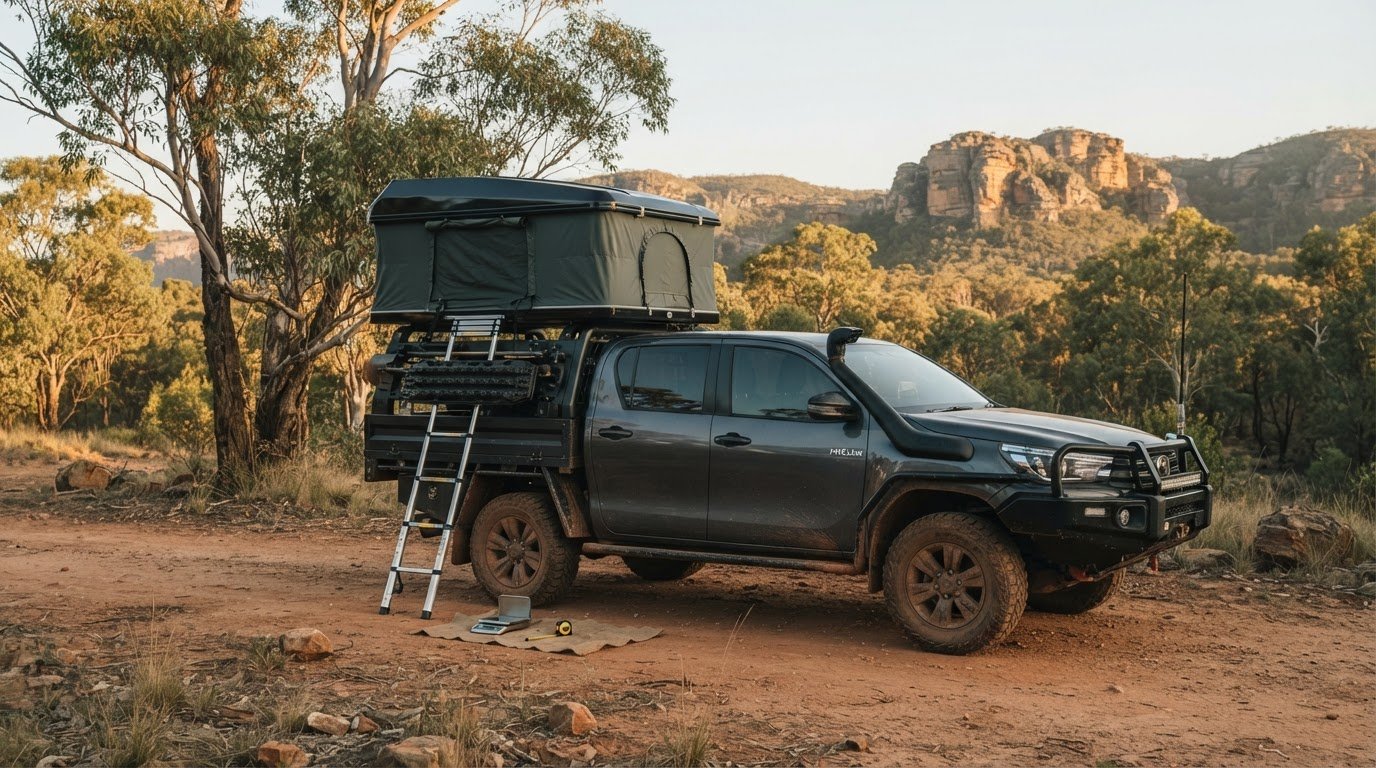
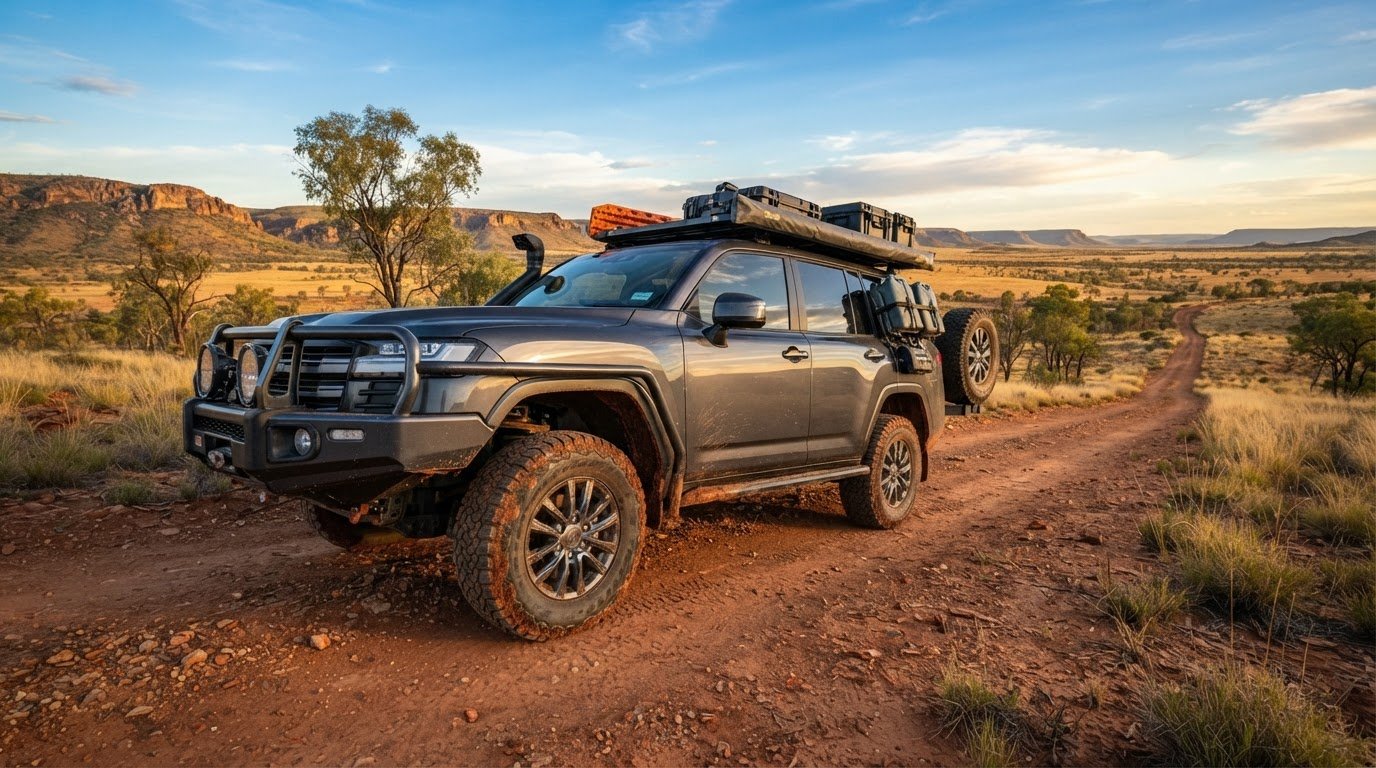
Your antenna choice is just as vital as the radio itself. We use dBi ratings to match our gear to the terrain. A high-gain antenna (6 to 9 dBi) is perfect for the flat expanses of the Nullarbor because it pushes the signal out toward the horizon. In hilly regions like the Victorian High Country, a lower gain antenna (2.1 dBi) works better because it radiates the signal in a wider, more vertical pattern. Be mindful of where you mount your whip. If you have bulky gear like roof top tents on your rack, you might create a “signal shadow” that blocks your transmissions. We prefer bullbar mounts to keep the antenna clear of the roofline and any potential interference.
Essential UHF Etiquette and Channels
The UHF network relies on community respect to function. We always keep a keen ear on Channel 40, which is the universal highway safety channel used by truck drivers. If you’re towing, Channel 18 is the dedicated space for caravanners and travellers. Most importantly, we never use Channels 5 or 35 for casual chat; these are legally reserved for emergencies only. While UHF is great for immediate road safety, it isn’t a substitute for a registered beacon. We always advise checking the latest Distress beacon registration and information to ensure your life-saving layer is ready before you hit the dirt.
Satellite Internet: Starlink and High-Speed Remote Data
The 2026 hardware lineup offers incredible flexibility for our community. For those of us who live on the road full-time, the Standard Actuated dish remains a powerhouse. However, the Starlink Mini has quickly become the preferred choice for many adventure rigs. We particularly value the data plan flexibility available today. With the ability to pause Roam subscriptions when we’re back in the city, we can manage our costs effectively while ensuring we have 100GB or even unlimited data whenever the red dirt calls.
Starlink Mini for 4WD Travellers
The Starlink Mini is a true game-changer for space-conscious setups. It’s compact enough to slip into a seat pocket, yet it delivers the same low-latency connection we expect from larger units. We often position our hardware near our best 4wd awnings to keep the dish in the shade while maintaining a clear, unobstructed view of the sky. Powering these units has also become more streamlined. While 240V inverters were once the standard, many of us now opt for direct 12V DC conversions. This bypasses the energy loss of an inverter, making our setups more efficient for long-term off-grid stays.
Managing Power and Heat in the Desert
We must be mindful of the environmental and technical costs of this connectivity. High-speed satellite hardware is power-hungry. Running a dish 24/7 can put a significant strain on a dual-battery system, often requiring us to carry more solar capacity. To stay ethically aligned with our goal of minimal impact, we recommend “data batching.” We turn the system on for a dedicated window in the morning and evening to sync maps and messages, then shut it down to conserve our precious battery reserves. Extreme heat in the interior also poses a risk. We protect our sensitive electronics by ensuring they have plenty of airflow and never leaving the hardware inside a locked vehicle during the peak of the day. This methodical care ensures our gear remains durable and reliable for years to come.
The Life-Saving Layer: PLBs vs. Satellite Messengers
We’ve covered the social side of the tracks and the high-speed data that keeps us informed, but now we must discuss the most critical part of our kit. When everything else fails, the life-saving layer is our final safety net. In our community, we never leave the bitumen without a dedicated emergency device. While smartphones are getting better, they simply don’t match the rugged reliability of a device designed for one purpose: keeping you alive. Choosing between the various outback communication options Australia offers for emergencies usually comes down to a choice between a PLB and a satellite messenger.
The Australian Maritime Safety Authority (AMSA) manages the search and rescue operations that these devices trigger. When we activate a distress signal, we’re initiating a complex, highly coordinated response that can involve helicopters, fixed-wing aircraft, and local police. Having a dedicated device ensures that this signal is prioritized and verified, giving us the best chance of a swift rescue in the most isolated corners of the continent.
PLB: The Ultimate Failsafe
A Personal Locator Beacon (PLB) is the “gold standard” for a reason. These devices are built to survive the harshest environments we can throw at them. They don’t require a monthly subscription, making them a fantastic “set and forget” investment for occasional adventurers. Once activated, a PLB sends a powerful 406 MHz distress signal directly to the COSPAS-SARSAT satellite system. We rely on these for life-and-death situations only.
- Battery Life: Most PLBs have a shelf life of 7 to 10 years without needing a charge, ensuring they’re ready when you need them most.
- Reliability: They work where others won’t, pushing a signal through heavy canopy or deep, rocky gorges.
- Registration: You must register your PLB with AMSA. It’s free, it’s legal, and it ensures rescuers know who you are and what vehicle you’re in before they launch.
Satellite Messengers: Beyond the SOS
If we want more than just a “help me” button, satellite messengers like the Garmin inReach or Zoleo are the answer. These tools allow for two-way communication, which changes the rescue game entirely. Instead of just signaling for help, we can text emergency services to explain exactly what’s wrong. Is it a snake bite or a broken axle? Knowing the difference helps rescuers prepare the right response. These devices also offer tracking features, letting our friends and family follow our “Big Lap” in real-time from the comfort of home.
Keep in mind that these messengers require a monthly subscription to stay active. We recommend choosing a plan that allows you to pause service during the months you aren’t travelling to keep costs down. If you’re looking for more ways to level up your remote travel setup, take a look at our expert adventure gear reviews to see how we rig our vehicles for the long haul. This methodical approach ensures that no matter what the outback throws at us, we have a clear path home.
Building Your Fail-Safe Communication Strategy
We don’t just view gear as a collection of gadgets; we see it as a cohesive lifeline. Having the best outback communication options Australia offers won’t help us if we haven’t integrated them into a functional, redundant system. Our “Adventurerz Layered Approach” ensures that if one piece of tech fails due to a flat battery or a dusty connection, we still have two other ways to reach the world. This methodical preparation is what separates a successful expedition from a dangerous situation. It’s about building a strategy that scales with the remoteness of our destination.
The Essential 4WD Comms Kit
We break our hardware down into three distinct tiers based on necessity and function. This helps us prioritize our budget and dashboard space effectively.
- Tier 1: Mandatory Safety. This is our foundation. A 5W fixed-mount UHF radio and a registered PLB are non-negotiable for every trip. They provide the Social and Life-Saving layers we need for basic survival and road coordination.
- Tier 2: Convenience and Connection. For those of us who want to keep family updated or need two-way emergency texting, a satellite messenger is the next step. It bridges the gap between a casual chat and a full-scale rescue.
- Tier 3: Remote Work and High-Data. If we’re chasing the “work from anywhere” dream or need live weather overlays, Starlink is the ultimate addition. It handles the heavy lifting of our Data Layer.
Maintenance and Field Readiness
Our gear is only as good as our last maintenance check. Before we hit the dirt, we always inspect our antenna connections. Corrugations and fine red dust can vibrate cables loose or cause signal interference over time. We also make it a habit to update the firmware on all our satellite devices while we still have a stable home Wi-Fi connection. There’s nothing more frustrating than trying to sync a messenger in the middle of the desert only to find it needs a mandatory update. Most importantly, we sit down with every passenger and teach them how to use the SOS features. Everyone in the vehicle should know exactly where the PLB is kept and how to trigger it if the driver is incapacitated.
Responsible exploration also means being mindful of our impact on the community. We turn off our satellite dish lights at night to preserve the incredible dark skies of the interior and keep our UHF chatter respectful. By integrating these outback communication options Australia provides into your Ultimate Adventure Travel Planner, you’re ensuring that your 2026 escape is as safe as it is spectacular. Let’s keep our connections strong and our footprints light as we head out into the great unknown.
Gear Up for the Great Unknown
We’ve mapped out the essential layers of 2026 connectivity, from the social pulse of the UHF channels to the high-speed data of the Starlink constellation. By adopting a methodical, layered approach to our gear, we ensure that help is always within reach and our community stays connected across the most isolated tracks. Choosing the right outback communication options Australia has to offer is about more than just hardware; it’s a commitment to self-reliance and the safety of everyone in our convoy. We’ve shown you how to bridge the gap between technical overwhelm and total trail readiness.
Our team brings deep knowledge of Australian remote tracks and expert 4WD gear reviews to every guide, always keeping environmental ethics at the core of our exploration. We’re here to help you navigate the technical jargon and find the durability you need for the deep desert. Plan your next remote escape with Adventurerz and step into your next adventure with confidence. The horizon is calling, and we’ve got the tools to help you answer it safely!
Frequently Asked Questions
Do I really need a satellite phone for the Outback?
No, you don’t necessarily need a dedicated satellite phone if you’ve built a layered system. In 2026, many of us find that a combination of a satellite messenger for texting and Starlink for data meets our needs perfectly. Sat phones are excellent for voice calls, but they’re often the most expensive outback communication options Australia travelers face. We prefer the flexibility of messaging and high-speed internet for most remote adventures.
What is the best UHF channel for general travel in Australia?
Channel 40 is the gold standard for road safety and truckies, while Channel 18 is the dedicated space for caravanners and campers. We always keep a dual-watch on these to stay informed about road hazards and convoy movements. It’s vital to stay off Channels 5 and 35, as these are legally reserved for emergency use only. Respecting these channels keeps the airwaves clear for everyone’s safety.
Can I use my mobile phone as a PLB?
No, a mobile phone is never a substitute for a dedicated Personal Locator Beacon (PLB). Even with 2026 satellite-to-cell technology, mobile phones lack the rugged durability, ten-year battery life, and powerful 406 MHz signal of a registered beacon. We treat our PLB as our final, failsafe lifeline. It’s designed to work in deep gorges and heavy cover where a standard smartphone signal simply can’t reach the satellites.
Is Starlink reliable enough for emergency use in the desert?
While Starlink provides incredible high-speed data, we don’t rely on it as our primary emergency tool. It requires significant power and a clear sky view, which might not be available in a vehicle rollover or gear failure. We use Starlink for weather updates and mapping, but we always carry a PLB for life-and-death situations. It’s about having the right tool for the specific job when seconds count.
What is the difference between a PLB and an EPIRB?
A PLB (Personal Locator Beacon) is a compact, portable unit designed for an individual to carry on a belt or in a pack. An EPIRB (Emergency Position Indicating Radio Beacon) is larger, floats upright, and is typically registered to a specific vessel or vehicle. Both devices must be registered with AMSA to ensure a rapid rescue response. We recommend a PLB for its versatility across hiking, 4WDing, and remote camping.
How much does a satellite messenger subscription cost in 2026?
Based on June 2025 Garmin data, basic month-to-month plans start at $13.50 AUD for an “Enabled” plan with unlimited SOS. More comprehensive plans like “Essential” or “Premium” vary based on your specific text and tracking needs. We love these flexible plans because we can pause them when we aren’t out on the tracks. This makes two-way satellite communication much more affordable for the occasional explorer or seasonal traveler.
Do I need a license to operate a UHF CB radio?
No, you don’t need an individual license or have to pay any fees to use a UHF CB radio in Australia. It operates under a “class license,” meaning anyone can use the 80 designated channels as long as they follow ACMA regulations. This makes it one of the most accessible outback communication options Australia has for convoy coordination. It’s a community-driven tool that relies on our collective respect for proper radio etiquette.
How do I boost my mobile signal in fringe areas?
We use high-gain external antennas and cellular boosters to pull in distant signals in fringe zones. These kits connect to your phone via a cradle or internal antenna to improve reception in “Blue Tick” coverage areas. They won’t work in the deep desert where there are no towers, but they’re brilliant for staying connected on the edges of regional towns. It’s a great way to extend your reach before switching to satellite.