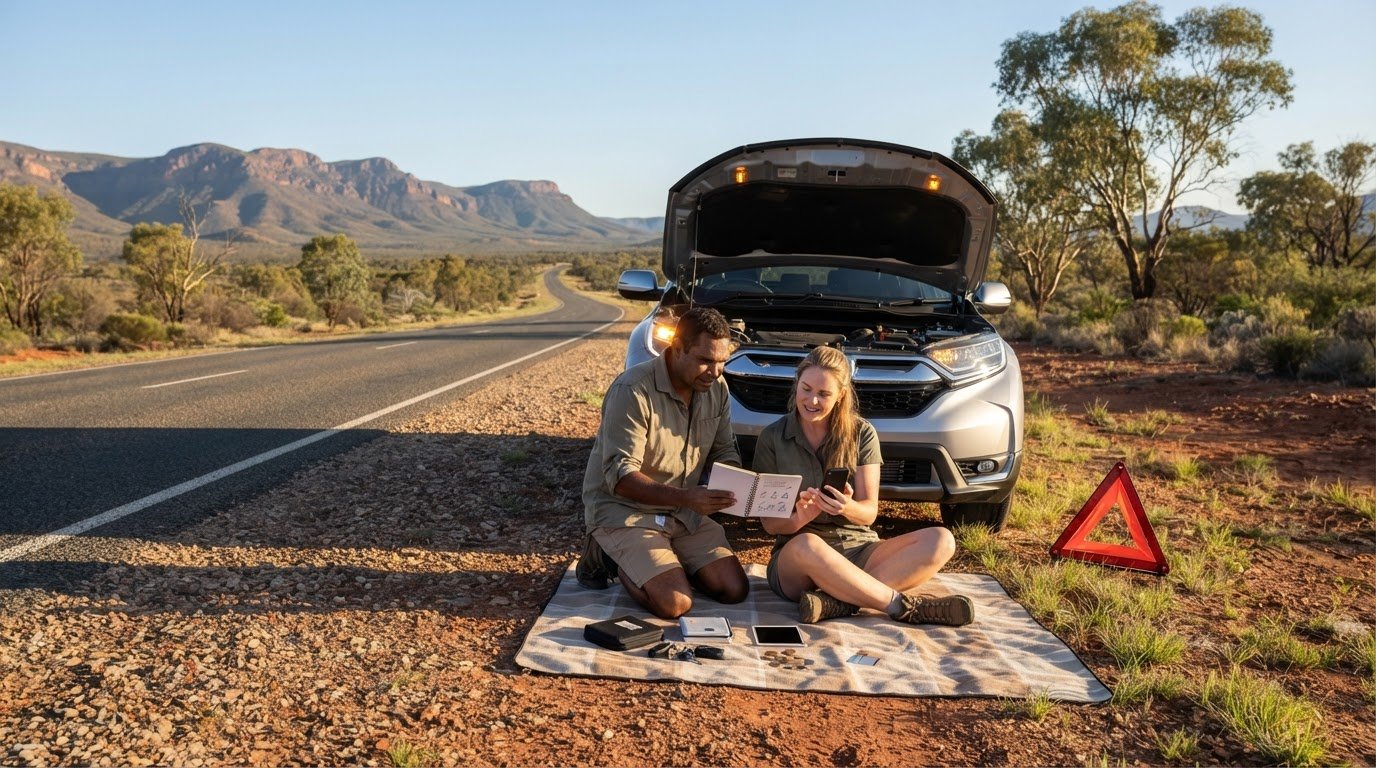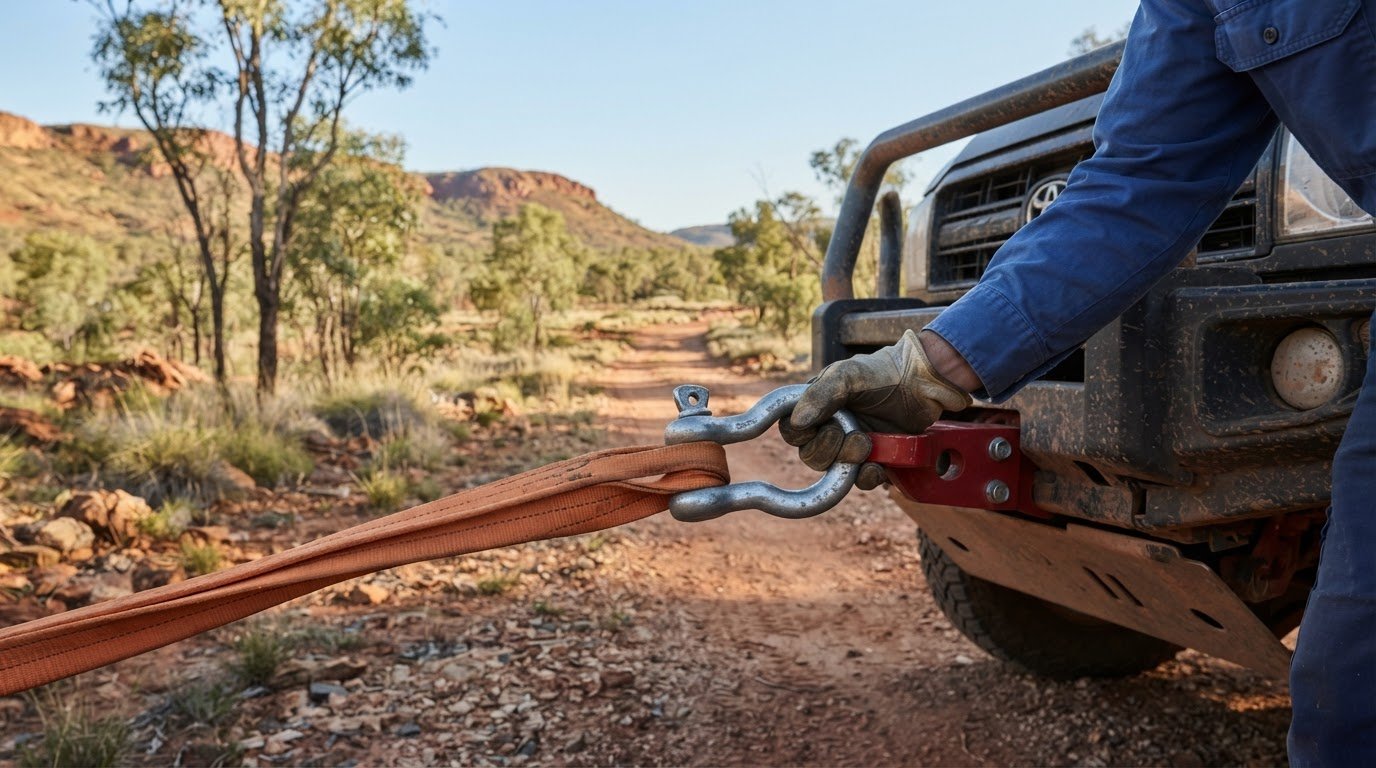
The dream of the Big Lap often hits a wall when you look at a bank balance and wonder if your family can actually afford to survive on the road without draining every cent of your savings. Most fellow Adventurerz we talk to are basing their dreams on pre-inflation blog posts that are years out of date. In reality, figuring out how much does a lap of Australia cost for a family in 2026 requires a hard look at $2.45 per litre diesel and grocery bills that often hit $400 a week for a family of four.
We understand the pressure of trying to balance the excitement of remote exploration with the stress of rising fuel and hidden maintenance fees. It’s a tough tightrope to walk; however, we’ve been there and done the math. This guide provides a comprehensive 2026 budget breakdown that moves past the guesswork. We’ll show you exactly what to expect for weekly expenses, how to choose gear like roof top tents and awnings that save you thousands in accommodation fees, and provide a realistic roadmap to get your crew on the road responsibly.
Key Takeaways
- Determine which travel style suits your crew by comparing the three distinct financial tiers—Minimalist, Mid-range, and Luxury—mapped for 2026 conditions.
- Gain clarity on how much does a lap of Australia cost for a family with a detailed breakdown of weekly fuel, grocery, and accommodation averages.
- Discover why high-quality gear like roof top tents and 4WD awnings provides a massive return on investment by enabling low-cost, off-grid exploration.
- Prepare for the often-overlooked expenses of life on the road, including vehicle maintenance schedules and distance education fees for traveling kids.
- Master the financial logistics of the Big Lap by creating a 12-month savings strategy and using specialized travel planners to target low-cost regions.
Table of Contents
The 2026 Big Lap Budget: Estimating the Grand Total
Planning a journey around Australia’s Highway 1 is a massive undertaking that requires more than just a sense of adventure. In 2026, the question of how much does a lap of Australia cost for a family isn’t just about a single total figure; it’s about how you choose to live on the track. We’ve seen fellow Adventurerz thrive on a shoestring by staying off-grid, while others prefer the amenities of high-end caravan parks. Total cost estimates are often misleading because they lump together your initial gear investment with your daily survival expenses, making the dream feel further away than it actually is.
To better understand this concept, watch this helpful video:
Projected Weekly Ranges for 2026
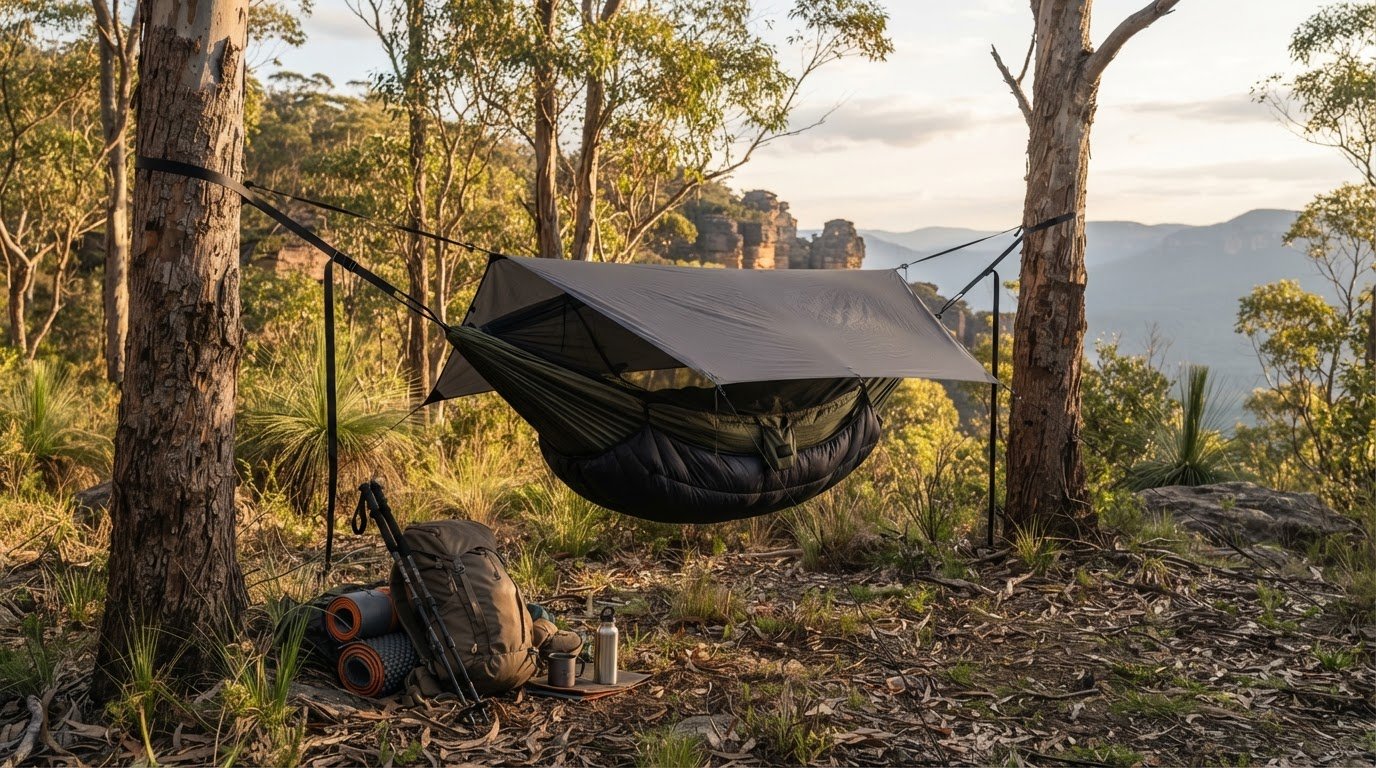
Our community data shows three distinct paths for families hitting the road this year. A Minimalist approach, focusing on off-grid self-reliance and remote camps, usually sits between $900 and $1,200 per week. A Standard budget, which mixes national parks with the occasional powered site, ranges from $1,500 to $1,900. For those seeking the Comfort tier with frequent caravan park stays and paid tours, expect to spend $2,500 or more every week. When calculating how much does a lap of Australia cost for a family, remember that your initial gear choices dictate your daily freedom.
The One-Off Investment vs. Recurring Expenses
We divide the budget into two clear buckets to keep things manageable. Setup costs include your vehicle, insurance, and durable gear like roof top tents or solar arrays. Travel costs are your “burn rate,” which includes fuel, food, and permits. In 2026, we’re seeing a shift where smart families spend more on setup to lower their daily burn. By investing in high-quality 4WD awnings and lithium power systems, you can avoid the $60 to $80 per night fees at commercial parks. Finally, always keep a 10% emergency fund untouched. This isn’t for souvenirs; it’s for the $1,500 remote recovery or the unexpected tire replacement that happens 500km from the nearest town.
Breaking Down the Big Three: Fuel, Food, and Accommodation
When we look at the core pillars of any expedition budget, three massive expenses dictate your daily freedom: fuel, food, and accommodation. These are the variables that fluctuate most based on where you are in the country and how fast you choose to travel. To get an accurate picture of how much does a lap of Australia cost for a family, you must look past the national averages and account for the 2026 economic landscape. We recommend checking out this 2026 Australia travel budget breakdown to see how these costs scale across different family sizes and travel styles.
Fuel Forecasting for 4WD Families
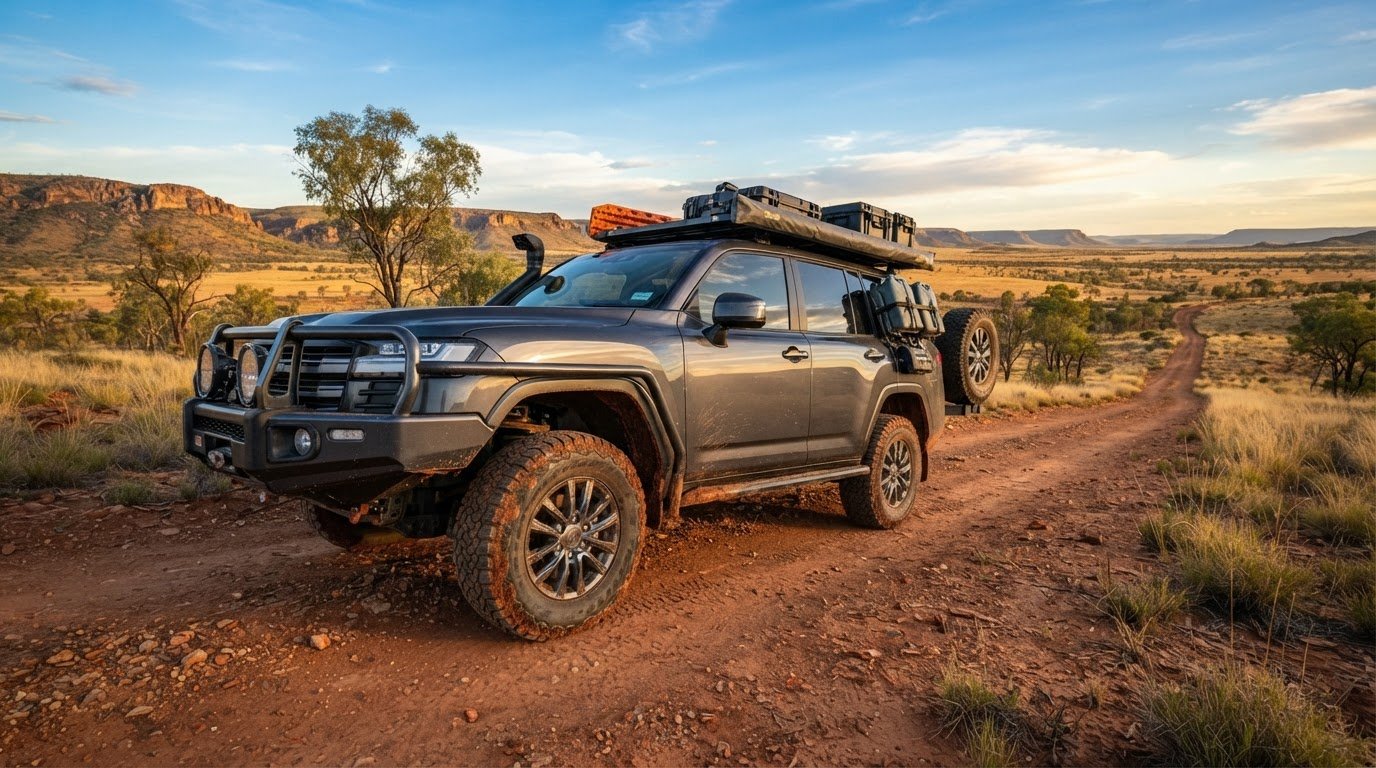
Fuel is often the single largest expense for any crew hitting the road. In 2026, we’re seeing diesel prices in Sydney average around $2.45 per litre, while remote areas in the Northern Territory can easily soar to $2.40 or higher. For a fully loaded 4WD towing a camper, your “burn rate” will likely sit between 15 and 22 litres per 100km depending on your setup. We suggest using real-time tracking apps to monitor national trends, but always budget for the “Remote Premium.” If you’re planning to cross the Nullarbor or head up the Oodnadatta Track, expect to pay significantly more than the capital city averages. Calculating your specific fuel consumption before you leave is the best way to avoid a mid-trip financial crisis.
The Real Cost of Family Groceries
Feeding a family of four on the road in 2026 typically costs between $240 and $400 per week. While this might seem comparable to your life at home, the logistics change once you leave the metro hubs. Regional supermarkets often carry a 20% to 30% price hike because of transport costs. We’ve found that the most successful Adventurerz mitigate this by bulk buying staples in major towns and supporting local farmers markets for fresh produce. It’s also vital to set a strict “Dining Out” limit. A casual mid-range meal for a family can quickly drain $150, so we treat restaurant visits as a rare reward rather than a nightly habit.
Accommodation costs are the final piece of the puzzle. While a powered caravan site averages between $35 and $65 per night, peak season in tourist hotspots can see those rates jump to $80 or more. We balance this by utilizing National Park campgrounds, which generally cost between $7 and $25 per night. These fees are essential for conservation and maintaining the rugged environments we love to explore. If you want to dive deeper into the gear that makes these low-cost camps more comfortable, take a look at our latest equipment reviews to see how we stay self-sufficient for longer.
Setup ROI: How Gear Choices Impact Your Daily Spend
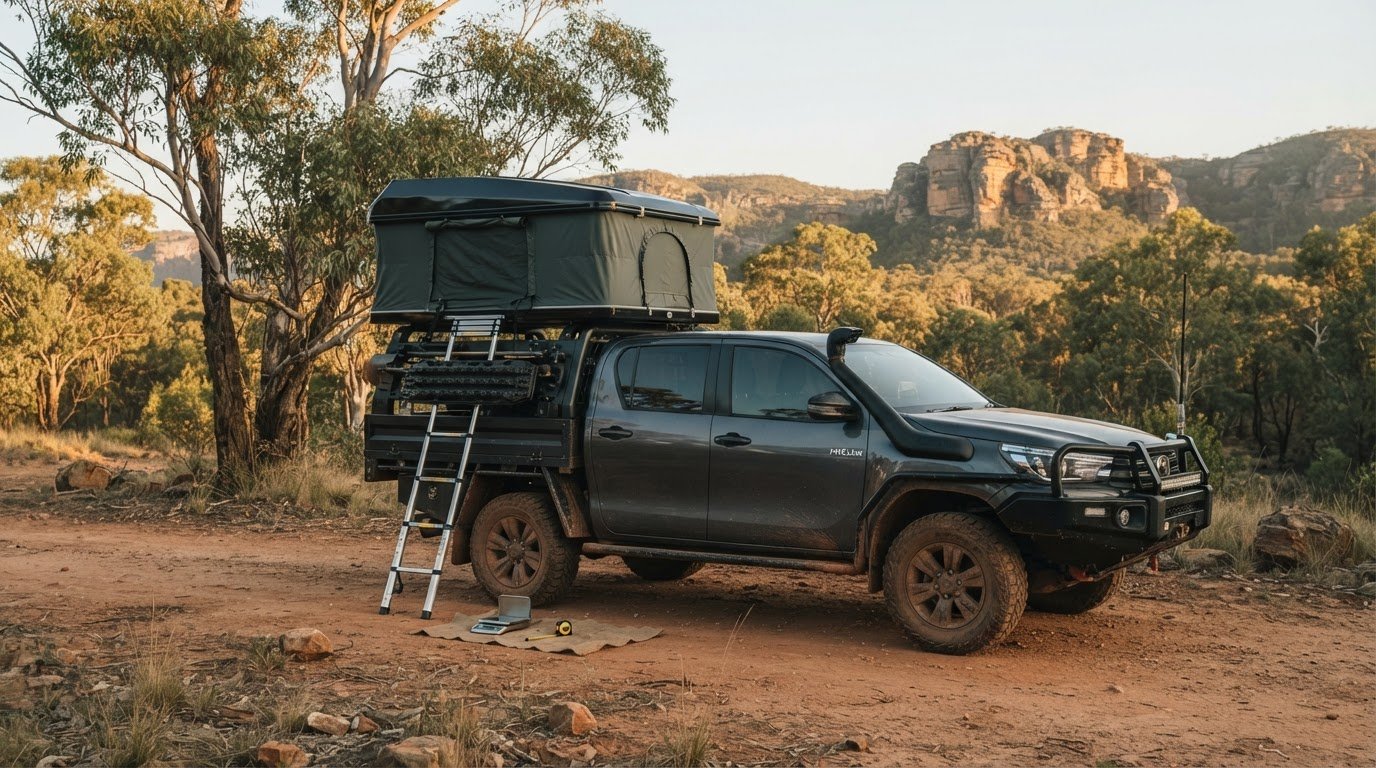
Choosing your equipment isn’t just about comfort; it’s a strategic financial decision that dictates your daily burn rate. When we sit down to calculate how much does a lap of Australia cost for a family, we look closely at the ‘Setup ROI’ rather than just the purchase price. While a caravan offers certain luxuries, the initial cost and ongoing fees can be a massive drain on your resources. We’ve found that investing in the best roof top tents often pays for itself within the first six months of travel. By bypassing the $50 per night powered sites for remote, free camps, you reclaim thousands of dollars that can be funneled back into your fuel tank.
High-quality 4WD awnings are another essential tool for the budget-conscious crew. They transform the side of your vehicle into a functional, protected kitchen and living area. This allows you to stay comfortable in the elements without needing to retreat to expensive communal camp kitchens. This shift toward off-grid living is supported by modern solar and lithium systems. While these setups require an upfront investment, they eliminate the daily $15 to $25 surcharge for power, giving you total independence in the bush. In the harsh outback, durability is your best friend. Choosing cheap gear often costs double when it fails 500km from the nearest town.
Roof Top Tents vs. Caravans: The Financial Comparison
The weight of a caravan significantly impacts your fuel consumption and your wallet. Dragging a three-tonne van can increase your fuel burn by 30% to 50% compared to a vehicle-only setup. A roof top tent is more aerodynamic and agile, saving you significant money at the pump. You’ll also avoid the extra registration, insurance, and the complex maintenance required for trailer bearings and brakes. Most importantly, you gain the flexibility to access secluded free camps that caravans simply cannot reach. This access is a major factor in reducing how much does a lap of Australia cost for a family over a full year.
Essential Gear for Budget Preservation
We prioritize gear that slashes daily operational costs and protects the environments we visit. A reliable portable refrigerator is a non-negotiable; it prevents food spoilage and allows you to buy in bulk in major towns. This saves you from the 20% to 30% “Remote Premium” prices at small outback stores. Similarly, quality water filtration removes the need to buy plastic-bottled water, which is both expensive and environmentally damaging. By pairing these with a robust 12V setup, your family can remain self-sufficient in the wild for weeks. This self-reliance is the secret to a long-term, sustainable adventure.
Hidden Family Expenses: Maintenance, Education, and Fun
Beyond the daily burn of diesel and groceries, several “silent” expenses can catch even the most prepared Adventurerz off guard. When calculating how much does a lap of Australia cost for a family in 2026, you must look beyond the horizon. We’ve seen many crews stall because they didn’t account for the specialized needs of a remote traveling classroom or the mechanical toll that 30,000 kilometers of corrugated tracks takes on a vehicle. These hidden costs often separate a stressful trip from a sustainable lifestyle.
Keeping the Rig Rolling
Your vehicle is your lifeline. Current estimates for annual maintenance and car ownership in Australia now range between $5,000 and $10,000. While a standard service might only cost $200 to $400 in a capital city, remote mechanics often charge a premium for labor and freighting parts into the outback. We live by the “Thousand Dollar Rule.” This means always having $1,000 liquid and ready for unexpected mechanical issues like a blown radiator or a snapped suspension component. Specialized 4WD tires are another significant investment; a full set can easily exceed $2,000, and you’ll likely need at least one replacement during the lap. Don’t forget comprehensive insurance premiums, which typically sit between $800 and $1,500 per year for long-term travelers.
Family Fun and Education
Education is a major consideration for traveling parents. While registering to homeschool is free across all states, the curriculum costs vary significantly. For example, the Brisbane School of Distance Education charges a compulsory fee of $1,738.80 for 2026 home-based enrollment. Alternatively, structured curriculum packages often cost between $400 and $950 per year. You also need to budget for reliable connectivity. Many families now opt for satellite internet systems like Starlink to ensure they can access lessons in remote camps, which adds a monthly subscription fee to the tally.
Then there’s the “Experience Fund.” National Park entry fees and camping permits, which average $7 to $25 per night, are essential for supporting conservation efforts. However, “bucket list” items like whale shark tours or scenic flights can cost $500 or more per person. We recommend prioritizing these once-in-a-lifetime experiences over expensive caravan park stays. To help you choose the right gear to survive these remote stretches, check out our expert 4WD awning recommendations to keep your family protected while you study or relax in the wild.
Planning Your 2026 Lap: Financial Next Steps
We’ve spent the previous sections dissecting the numbers, from diesel spikes to curriculum fees. Now, it’s time to turn that data into a concrete departure plan. Understanding how much does a lap of Australia cost for a family is only half the battle; the other half is building the financial stamina to see it through. We recommend starting a dedicated ‘Lap Fund’ at least 12 months before you turn the key. This lead time allows you to absorb the initial setup costs while gradually adjusting your lifestyle to the weekly budget you’ve targeted.
Using a travel planner is your best defense against budget creep. By mapping out low-cost zones and identifying where free camps are plentiful, you can offset the expensive stretches through the Red Centre or the Kimberley. We also suggest a ‘Trial Run’ weekend. Take your rig to a local national park and live strictly off your 12V system and water tanks. This tests your gear’s durability and reveals if your estimated daily spend matches reality before you’re thousands of kilometers from home.
The 6-Month Countdown
As departure day approaches, focus on automating your financial life. Set up automated bill payments and ensure your savings contributions are hands-off. This is also the time to finalize your equipment by reading our latest reviews on roof top tents and other essential items. While we’re all about the rugged life, every family needs a reset. We suggest researching the best resorts in Australia for a mid-trip break. A week of luxury every few months can prevent travel burnout and keep the kids excited about the journey ahead.
Final Budget Checklist
Before you pull out of the driveway, run through this final checklist to protect your hard-earned savings. These steps ensure you stay on track even when the road gets tough:
- Verify that your insurance policy specifically covers remote recovery and off-road tracks.
- Install fuel-tracking and grocery-comparison apps to find the best local deals in 2026.
- Perform a final audit of your off-grid capabilities to ensure you can truly achieve zero-fee nights.
- Set up a digital wallet for easy tracking of every dollar spent on the road.
Join our community of Adventurerz for real-time price updates from the road. Having a network of peers sharing the current cost of diesel or camp fees is the most valuable asset you can have. By planning carefully and investing in the right gear, you’ll find that how much does a lap of Australia cost for a family becomes a manageable figure rather than a mystery. Ready to hit the road? Let’s make it happen responsibly.
Ready to Turn the Key on Your 2026 Expedition?
Mapping out the financial landscape of a Big Lap is the first step toward making your family’s dream a sustainable reality. While the question of how much does a lap of Australia cost for a family in 2026 brings up higher fuel and grocery figures than previous years, it also highlights the power of smart preparation. We’ve seen that by focusing on high-ROI gear like off-grid power and durable shelters, you can slash your daily accommodation fees and reclaim your independence in the wild.
Success on the road comes down to balancing your initial setup with a realistic weekly burn rate. Remember to protect your journey with a solid emergency buffer and prioritize those once-in-a-lifetime experiences that make the miles worthwhile. We are here to support every step of your preparation with expert reviews of the latest 4WD gear and a deep commitment to responsible, sustainable travel. Trusted by thousands of Australian adventurers, our community is ready to welcome you to the track. Plan your 2026 adventure with our expert travel guides and hit the road with total confidence!
Frequently Asked Questions
Is $1,000 a week enough for a family of four to lap Australia in 2026?
$1,000 a week is the absolute minimum for a minimalist family of four in 2026. This budget requires staying almost exclusively in free camps and strictly limiting paid tours. With diesel at $2.45 per litre and groceries averaging $240 to $400, most of our community members find that $1,500 to $1,900 per week provides a much safer buffer for unexpected repairs and the occasional reward.
How can we reduce our fuel costs while towing a heavy setup?
Reducing your speed from 110km/h to 90km/h is the most effective way to slash fuel consumption when towing. We also recommend using real-time fuel apps to find the best prices before you hit remote stretches where the “Remote Premium” applies. Ensuring your 4WD and trailer tires are at optimal pressures for the terrain also prevents unnecessary drag and engine strain on your rig.
Are free campsites actually free, or are there hidden costs?
While the site itself costs nothing, free camping requires a significant upfront investment in self-containment gear. You’ll need robust solar systems, lithium batteries, and water storage to stay off-grid responsibly. Additionally, many free camps have strict time limits and require you to manage your own waste. We always budget a small amount for “sustainability fees” like dump point access or small community donations.
How much should we budget for vehicle maintenance on a 30,000km trip?
We recommend budgeting between $5,000 and $10,000 for total vehicle maintenance over a 30,000km lap. This covers regular logbook services, tire rotations, and the inevitable wear on brakes and suspension from corrugated tracks. Remote labor rates are often higher than city prices; therefore, having a “Thousand Dollar Rule” for emergency repairs ensures a mechanical hiccup doesn’t end your trip prematurely.
Does homeschooling on the road cost more than traditional schooling?
Homeschooling costs vary significantly depending on your chosen method. While state registration is free, 2026 distance education fees can hit $1,738 per child, and structured curriculum packages range from $400 to $950. Compared to traditional schooling, you’ll also need to factor in the cost of high-speed satellite data like Starlink to ensure your students can access remote learning portals reliably while in the bush.
Is it cheaper to use a roof top tent or a caravan for the Big Lap?
Using a roof top tent is significantly cheaper than towing a caravan. You’ll save roughly 30% to 50% on fuel costs and avoid extra registration and insurance for a trailer. A tent setup allows you to access remote free camps that are often inaccessible to caravans, drastically reducing how much does a lap of Australia cost for a family over a full year of travel.
How much does a National Park pass cost for all of Australia?
There is currently no single “All-Australia” National Park pass. Each state manages its own permit system, with costs ranging from $7 to $25 per night for basic sites. We suggest purchasing annual state passes for Western Australia, South Australia, and New South Wales if you plan to spend significant time in those regions, as they offer much better value for long-term travelers.
What is the best way to track our spending while in remote areas?
Digital wallets and dedicated expense-tracking apps are the most efficient tools for monitoring your budget in real-time. Since many remote areas lack mobile reception, we recommend using an app with offline capabilities or a simple spreadsheet to log fuel and grocery costs as they happen. This discipline helps you understand how much does a lap of Australia cost for a family as you move through different price zones.