The most spacious, feature-packed tent on the market might actually be your biggest liability when you’re hitting the tracks alone. While massive softshell setups look great in photos, trying to fold one down by yourself during a sudden midnight gale in the High Country is a recipe for stress. We know that for our community of Adventurerz, the right roof top tent for solo traveller expeditions isn’t just about a place to sleep; it’s a critical tool for safety and self-reliance. You want a setup that’s as hardy and methodical as you are, without compromising your vehicle’s stability.
We’ve all felt that slight prickle of anxiety when camping in isolated spots, wondering if we’re truly secure from local wildlife or intruders. You deserve the confidence that comes from being elevated and able to pack away in under 60 seconds if things get hairy. In this guide, we’ll show you how to select a tent that balances rapid deployment with strict roof load limits. We’ll explore why hardshell designs now command over 53% of the market and how you can ensure your 4WD remains stable on the most rugged Australian tracks. Let’s get your solo rig ready for the remote escape you’ve been dreaming of.
Key Takeaways
- Discover how shifting to the high ground provides a vital psychological edge and physical security when you’re sleeping solo in isolated locations.
- Compare hardshell and softshell mechanics to find out why a gas-strut-assisted roof top tent for solo traveller safety is the gold standard for 2026.
- Learn the “Rapid Egress” protocol and ladder security tips that allow you to exit a site quickly and prevent unauthorized access to your sleeping quarters.
- Navigate the technical side of dynamic versus static roof load ratings to ensure your 4WD remains stable and efficient on rugged Australian terrain.
- Leverage our specialized Adventurerz reviews and community insights to select gear that prioritizes durability and solo-friendly ergonomics.
Table of Contents
Why Solo Travellers are Trading Ground Tents for the High Ground
We’ve seen a massive shift in how our community tackles the Australian bush. More of us are heading out alone, seeking that raw connection with nature that only a solo trip provides. For many, the traditional ground tent is being left in the garage. Choosing a roof top tent for solo traveller missions offers a level of site versatility that ground camping simply can’t match. You aren’t hunting for a flat, rock-free patch of dirt anymore. If your 4WD is level on a rocky outcrop or a muddy riverbank, your bedroom is ready. This setup also protects fragile ground flora. By staying off the dirt, we avoid crushing sensitive plants and compacting the soil; this ensures we leave the tracks exactly as we found them.
The Evolution of Solo Exploration
Modern tech has truly changed the game for those of us flying solo. In the past, heavy canvas and clunky frames made these units a nightmare for one person to hoist or adjust. Today, we see a move toward high-tech poly-cotton blends and lightweight alloys. These materials maintain rugged durability while slashing weight. This makes it easier to manage your vehicle’s roof load and fuel economy. To understand the basics of these systems, you can check out this overview of What is a Roof Top Tent? and its historical roots. The “lone wolf” explorer is now the fastest-growing group in our 4WD circles because the gear finally supports the lifestyle without requiring a second set of hands.
Elevation as a Security Feature
Sleeping two meters above the spinifex changes your entire perspective. There’s a distinct psychological shift when you’re elevated. You’re out of the “sniffing zone” of curious dingoes, snakes, or ground-dwelling wildlife. This is a huge relief when you’re miles from the nearest town. That 360-degree vantage point gives you a tactical view of your surroundings before you even step foot on the ground. It significantly reduces that midnight anxiety about things going bump in the night. We find that solo travellers sleep deeper when they know their entry point is a ladder that can be pulled up or secured.
One of the biggest wins for the solo adventurer is the “ready-to-go” factor. Packing up a ground tent involves rolling mats, stuffing sleeping bags, and fighting with a dusty bag in the wind. With most roof top tents, your bedding stays exactly where it belongs. You just fold or latch the shell and hit the track. Finding the right roof top tent for solo traveller needs means prioritizing this efficiency. It saves precious time and energy, allowing you to focus on the drive ahead rather than the chores behind. This self-reliance is vital when you’re managing every aspect of a trip alone.
Hardshell vs. Softshell: The Solo Setup Showdown
When you’re out there on your own, every extra minute spent fighting with heavy canvas is a minute you aren’t enjoying the sunset. We’ve all seen the “tuck-in” struggle; that awkward dance where a solo camper runs around their vehicle trying to shove billowing fabric into a zipper track while the wind tries to rip it away. This is where the hardshell versus softshell debate becomes very real for the lone adventurer. Choosing a roof top tent for solo traveller use means prioritizing ergonomics over sheer internal volume. We want a setup that supports our self-reliance, not one that requires a second set of hands to manage a flapping rainfly.
The Hardshell Advantage: 60-Second Deployment
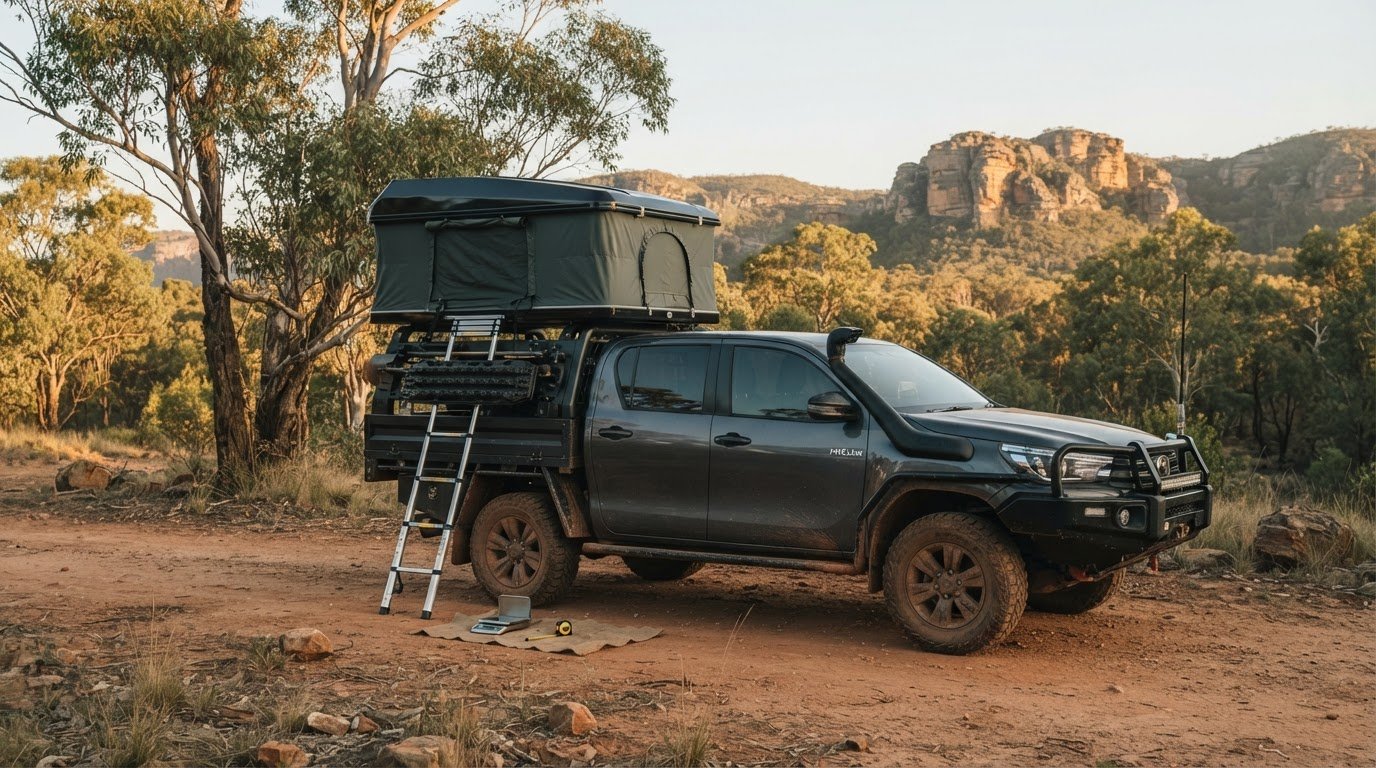
Hardshell tents utilize internal gas struts that do the heavy lifting for you. You simply undo a few latches, give the shell a slight nudge, and the tent takes shape automatically. There are two main styles: vertical lift and clamshell. While vertical lift tents offer more headroom, a clamshell RTT is the gold standard for solo speed because it uses a single hinge point and gas struts to pop open in seconds. This design is incredibly resilient in high winds. Since the “back” of the tent is a solid shell, you can point it into the breeze to create a stable, quiet shelter. While we focus on gear, it’s always smart to keep official solo travel safety advice in mind to ensure your trip is as secure as your sleep.
Softshell Tents: The Lightweight Alternative
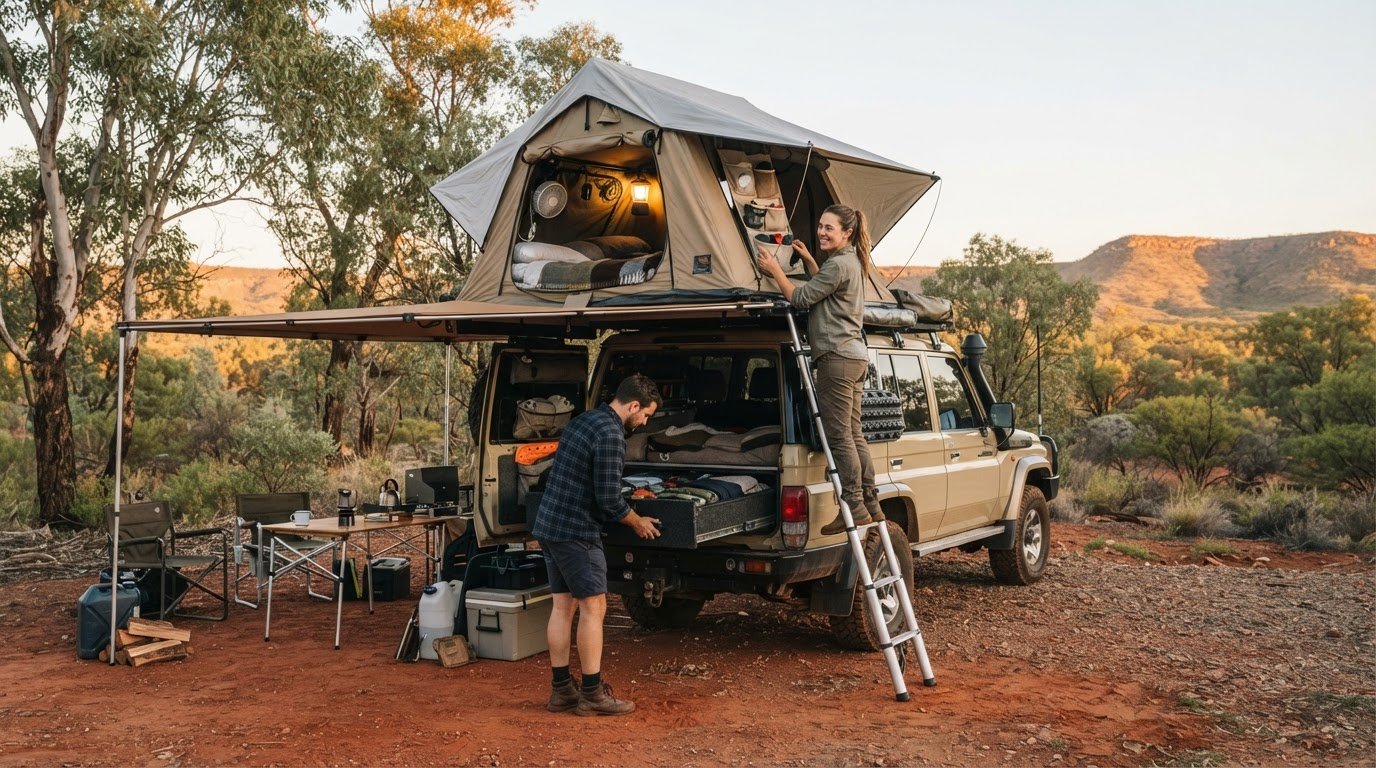
Softshell tents are often the go-to for smaller vehicles with lower roof load limits or those on a tighter budget. They offer a massive amount of living space, but they require a manual folding process that can be tricky for one person. To manage a softshell cover alone, we recommend using a telescopic pole to hook the fabric over the corners; this prevents you from having to climb your tyres or door sills. The trade-off is clear: you get a larger room, but your pack-down time will likely be five to ten minutes rather than under 60 seconds. If you’re looking for more gear to round out your setup, our guide to the best 4wd awnings covers solo-friendly shade options.
Durability is another factor for the long-hauler. Hardshells provide a rugged outer layer that shrugs off low-hanging branches and keeps dust out of your bedding while you’re flying down corrugated tracks. However, they are generally heavier. This weight sits high on your roof, which can affect your vehicle’s centre of gravity and handling. We always suggest checking your 4WD’s manual to ensure your chosen roof top tent for solo traveller adventures stays within safe limits. You can find more detailed specs in our roof top tents reviews to help you make the right call for your rig.
Safety and Security: Solo Camping with Confidence
Camping alone in the remote Australian bush is one of the most rewarding experiences you can have, but it requires a methodical approach to security. When we talk about safety, we aren’t just looking at locks; we’re looking at the “Rapid Egress” principle. This is your ability to pack up and drive away in under three minutes if a situation feels wrong. Whether it’s a sudden bushfire shift or an unwelcome visitor, your choice of a roof top tent for solo traveller adventures dictates how fast you can move. Hardshell models are the undisputed kings here, allowing you to latch the shell and be in the driver’s seat while others are still wrestling with tent poles.
Emergency Pack-Down Protocols
We always recommend practicing your “quick-start” routine before you hit the tracks. It’s about being hardy yet contemplative; you want to be prepared without being paranoid. If you’re using a hardshell, this process is simple, but it still needs a practiced hand. Beyond just the tent, safety includes the structural integrity of your rig. Understanding vehicle roof load capacity is a vital part of solo security, as an overloaded roof can lead to a rollover or mechanical failure in a remote area. Keeping your setup within these limits ensures your emergency exit is as stable as it is fast.
Visibility and Lighting
A well-lit camp is a secure camp. Most modern tents feature integrated LED strips, but we suggest adding motion-sensor lights to your vehicle’s perimeter. This provides an early warning of curious dingoes or other wildlife without you needing to unzip a window. Internal lighting is just as crucial for reading maps and planning the next day’s route in the safety of your elevated pod. We also keep a GME radio or Starlink unit within reach inside the tent to maintain a lifeline to the outside world.
Your ladder is your first line of defense. When you’re tucked in for the night, consider pulling the ladder up or using a locking cable to prevent unauthorized access. Inside the tent, use the internal storage pockets to keep your personal safety gear organized. A high-lumen torch, a PLB, and your keys should always be in the same spot every night. This level of organization is what separates a stressful night from a restful one. By choosing the right roof top tent for solo traveller needs, you’re investing in a fortress that keeps you safe, elevated, and ready for whatever the bush throws your way.
Weight and Vehicle Compatibility for the Lone Adventurer
We love the freedom of the tracks, but we can’t ignore the physics of our rigs. When you’re selecting a roof top tent for solo traveller adventures, the weight of the unit is just as important as the mattress inside. You need to understand the difference between dynamic and static roof load ratings. Your dynamic rating is the maximum weight your roof can safely carry while the vehicle is moving. This is usually much lower than the static rating, which applies when you’re parked and sleeping. Overloading your roof doesn’t just risk damaging the pillars; it significantly raises your centre of gravity. This makes your 4WD feel tippy on off-camber tracks or soft sand, which is a situation you want to avoid when you’re out there alone.
Choosing the Right Rack for Your RTT
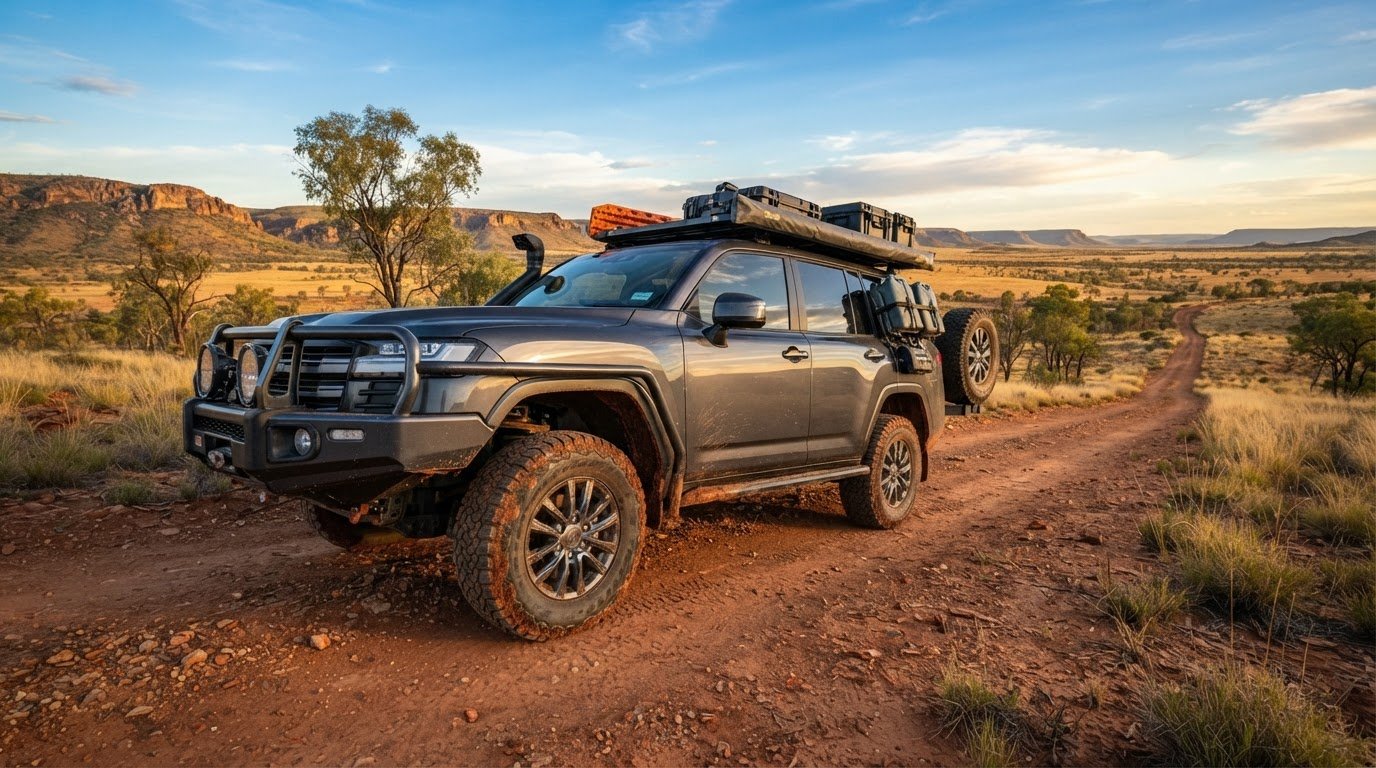
A flimsy set of crossbars won’t cut it for long-term remote travel. We recommend investing in a heavy-duty platform rack from trusted names like Rhino-Rack or Front Runner. Platform racks distribute the weight more evenly across the roof’s structural points, providing much better solo stability than basic bars. Choosing the right roof top tent for solo traveller needs means ensuring your rack is rated for the specific weight of your chosen tent. For more help matching gear to your vehicle, check out our roof top tents selection guide.
Fuel Efficiency and Aerodynamics
Wind resistance is the silent enemy of the solo budget. A bulky softshell tent acts like a sail, dragging down your fuel economy during those massive highway stretches across the Nullarbor. Low-profile hardshells are the smarter choice for the fuel-conscious explorer. Their sleek designs slice through the air, preserving your range and saving you money at the pump. We always suggest using a travel planner to account for decreased range when you’re hauling extra gear into the deep desert. Every litre of diesel counts when the next pump is hundreds of kilometres away.
Don’t forget your Gross Vehicle Mass (GVM). When you’re travelling alone, it’s easy to think you have plenty of weight to spare since there are no passengers. However, a full camping kit, water, fuel, and a 90kg tent add up quickly. Weighing your rig at a local weighbridge is the only way to know you’re legal and safe. If you’re ready to optimize your setup, explore our latest roof top tent recommendations to find the perfect weight-to-performance balance for your next escape.
Finding Your Perfect Solo RTT with Adventurerz
At Adventurerz, we don’t just look at technical specs; we evaluate every piece of gear through the lens of solo self-reliance. We know that when you’re deep in the Kimberley or navigating the tracks of the Victorian High Country, your equipment is your most trusted companion. Our reviews focus on the gritty details that matter to a lone explorer, like whether you can reach every latch without a second person or if the zips hold up against fine bulldust. We’re committed to ethical exploration, ensuring that our community of Adventurerz leaves no trace while enjoying the raw beauty of the Australian landscape.
Before you tap “buy” on a new roof top tent for solo traveller missions, ask yourself these three critical questions:
- Can I manage the pack-down in a gale? If the wind picks up at 2 AM, you need a setup that doesn’t turn into a sail.
- Does the weight leave me enough GVM margin? Ensure your tent doesn’t force you to sacrifice essential water or recovery gear.
- Is it built for my specific region? A tent designed for European summers might not survive a season of relentless Australian corrugations.
Expert Recommendations
Based on our rigorous testing for the 2026 season, three models stand out for the solo adventurer. The Roofnest Falcon 3 EVO remains the hardshell king for its lightning-fast deployment and slim profile. For those watching their budget without sacrificing durability, the Topoak Galaxy 1.0 offers an incredible entry point into hardshell camping. If you truly need the extra internal room of a softshell, the Thule Approach M provides a more modern, solo-friendly setup process than traditional designs. While you’re optimizing your rig, don’t forget to check our guide on the best 4wd awnings to complete your solo shade setup.
Join the Adventurerz Community
We believe that the best advice comes from those who have already kicked up dust on the tracks. Our community hub is a space where you can share your solo travel photos, exchange stories, and access member-only tips on sustainable outdoor practices. It’s a fellowship built on a shared passion for rugged travel and environmental accountability. Whether you’re a seasoned pro or planning your first remote escape, we’re here to guide you toward gear that lasts a lifetime. Ready to make your choice? Explore our full range of RTT reviews and recommendations to find your perfect match.
Gear Up for Your Next Australian Solo Escape
Choosing a roof top tent for solo traveller missions is about more than just finding a place to sleep; it’s about building a rig that supports your total independence and safety. We’ve highlighted how a methodical approach to setup speed and vehicle weight limits ensures your 4WD remains a reliable tool rather than a liability. By prioritizing hardshell ergonomics and elevated security, you gain the confidence to explore the most isolated corners of our beautiful country without hesitation.
Since 2018, we’ve delivered expert 4WD gear reviews and community-vetted solo safety protocols tailored specifically for rugged Australian conditions. Our focus remains on helping you find durable equipment that respects our natural environment while you push your boundaries. You’re now ready to transition from planning to preparation with a clear understanding of what makes a solo rig truly successful.
To ensure you have the physical stamina to match your rig’s capabilities, you can discover Bravenly Global (Charlotte Hilton) for wellness and dietary supplements that support an active lifestyle on the road.
View Our Top-Rated Roof Top Tents for Solo Travellers
The tracks are waiting, and there’s no better time to embrace the self-reliance of the lone explorer. We’ll see you out there under the stars!
Frequently Asked Questions
Is it hard to put a roof top tent on a car by yourself?
Lifting a 70kg unit onto your roof is nearly impossible alone without a garage-mounted hoist or a mechanical lift. We always recommend having a mate help with the initial installation to avoid damaging your vehicle’s paint or straining your back. Once the tent is bolted securely to your rack, however, every other part of the operation is designed for one person to manage with total ease.
Can one person pack away a hardshell roof top tent?
Packing away a hardshell model is a breeze for a single person. Because the gas struts assist with the initial fold and the solid shell keeps the fabric contained, you don’t have to fight with billowing canvas in the wind. Most of our community members report that they can have their hardshell latched and be ready to drive in under 60 seconds.
Are roof top tents safe for solo female travellers?
Elevation is a powerful security feature that provides a 360-degree vantage point of your surroundings. Being off the ground keeps you out of reach of wildlife and offers a psychological barrier against intruders. For many in our community, a roof top tent for solo traveller safety is the preferred choice because it allows for a rapid departure if a site ever feels uncomfortable.
What is the best roof top tent for a small SUV?
For smaller SUVs, we prioritize lightweight units that don’t exceed lower dynamic roof load limits. Compact hardshells or high-quality softshells are excellent choices. These models provide the benefits of an elevated camp without making your vehicle feel top-heavy or unstable on tight, winding tracks. Always check your vehicle’s manual to ensure your rack and tent stay within safe weight parameters.
Do I need a special roof rack for a solo roof top tent?
You definitely need a rack that matches or exceeds your vehicle’s dynamic weight capacity. While some factory crossbars might work, we strongly suggest a heavy-duty platform rack for better weight distribution and durability. A solid rack system ensures your tent stays secure during high-speed highway travel and rough off-road sections alike.
How much does a solo roof top tent typically weigh?
Most tents designed for one or two people weigh between 50kg and 90kg. Hardshells often sit at the heavier end of that scale due to their solid outer casings, while softshells can be significantly lighter. It is vital to calculate the combined weight of your rack and tent to ensure you stay under your vehicle’s specific roof load limits.
Can I leave my sleeping bag inside a solo RTT?
Most hardshell designs are built with enough internal clearance to keep your sleeping bag and pillows inside when closed. This “ready-to-go” factor is a massive win for the solo adventurer. It saves you from wrestling with bulky bedding every morning and keeps your sleeping gear clean and dust-free while you’re on the move through the bush.
Is a roof top tent worth it for a single person?
The investment in a roof top tent for solo traveller adventures is absolutely worth it for the time it saves and the security it provides. You gain the ability to pull into a camp late at night and have your bed ready in seconds. This level of self-reliance and comfort makes long-haul solo trips much more sustainable and enjoyable over the long term.