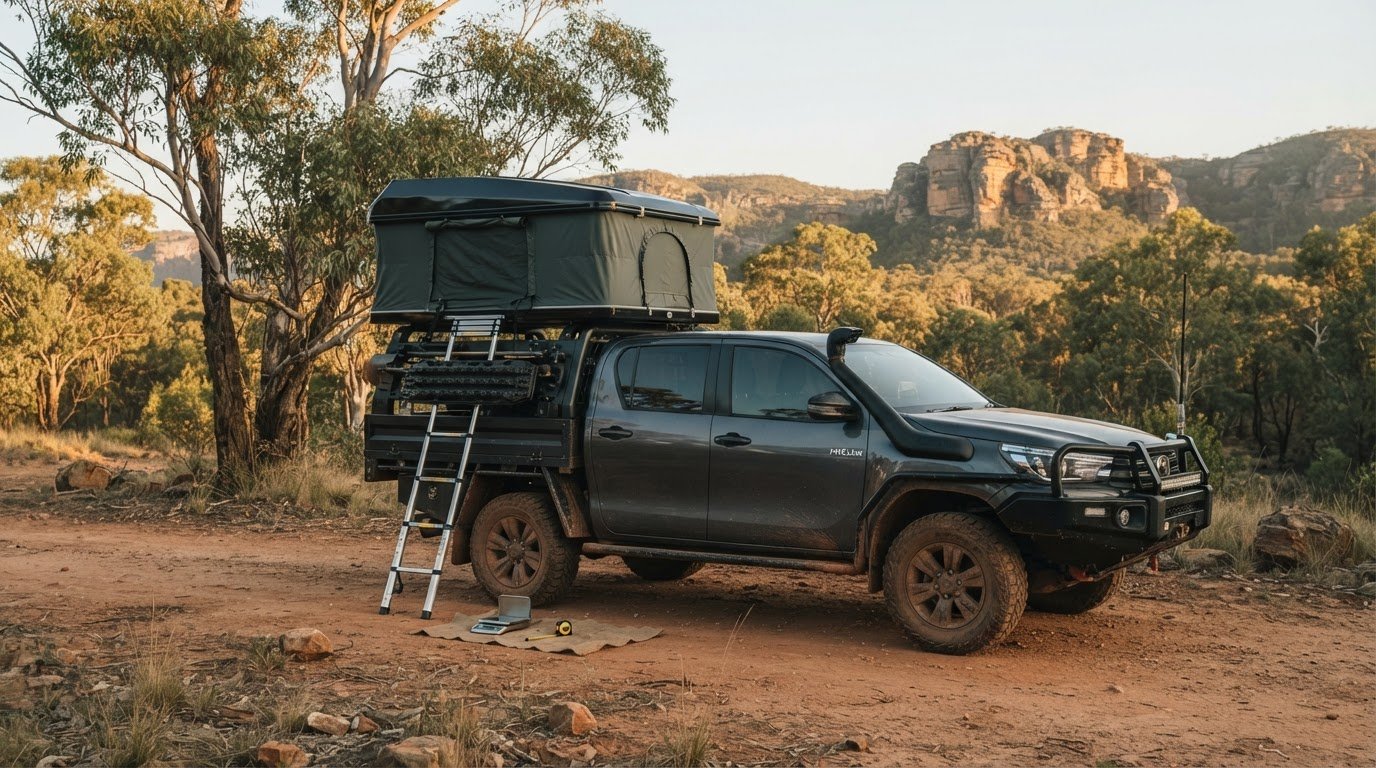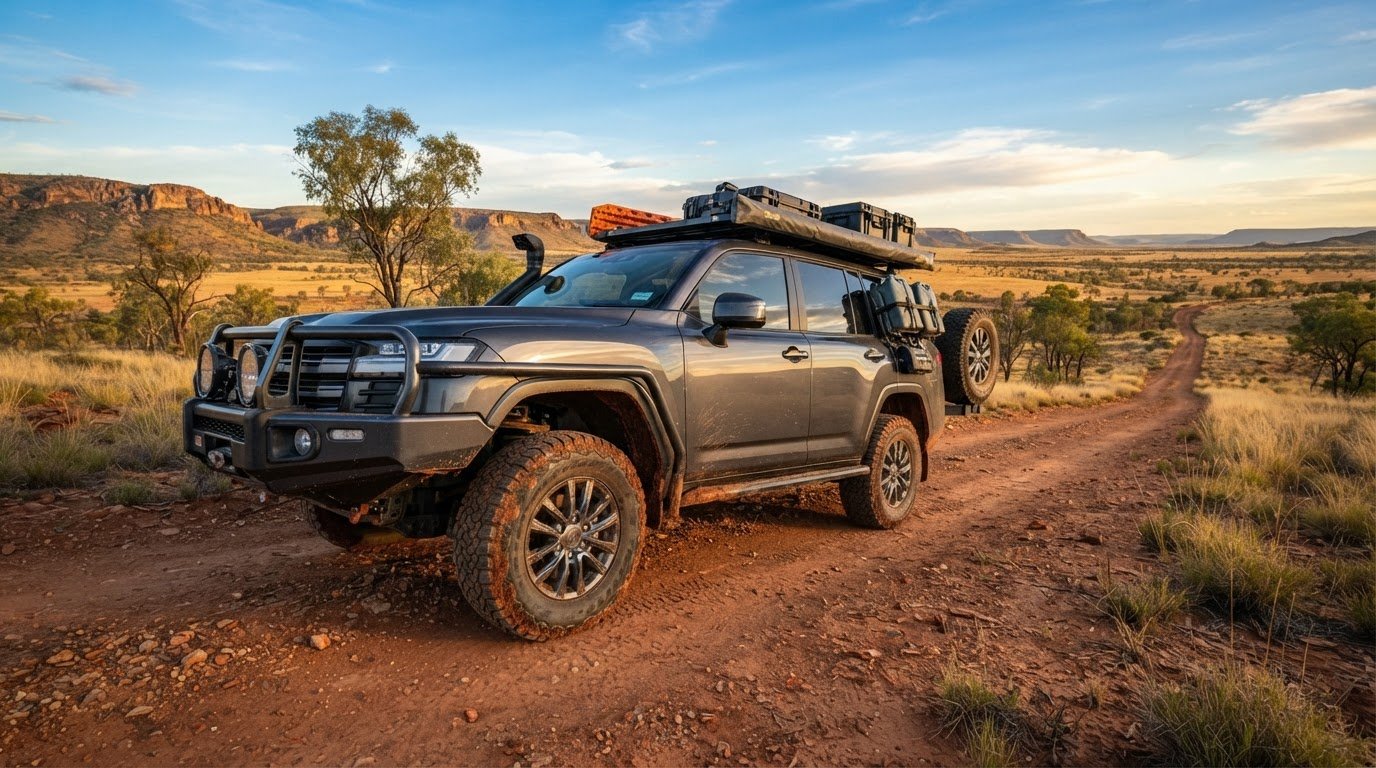
Have you ever spent a night listening to your canvas flap like a frantic bird while condensation rains down on your sleeping bag? It’s a common frustration for many of us in the community who push our rigs into the deep Australian bush. Finding a true all weather roof top tent shouldn’t feel like a gamble against the elements. We know the struggle of balancing summer heat with winter chills; we believe your gear should be as resilient as the landscapes you explore.
We’re here to help you move past the marketing buzzwords and understand the engineering that actually keeps you dry. You’ll gain the expertise to audit technical specs like GSM fabric weight and hydrostatic head ratings so you can camp with absolute confidence from the Victorian High Country to the Top End. We’re diving into the latest 2026 data, including why hard-shell tents now command a 53% market share, to ensure your next setup is a durable investment for a lifetime of adventure. Let’s look at what it takes to stay comfortable in the wild all year round.
Key Takeaways
- Identify the four essential pillars of year-round performance to ensure your gear stands up to the brutal Australian sun and sudden alpine storms.
- Master the technical specs of an all weather roof top tent by understanding how GSM fabric weight and Ripstop technology prevent leaks and tears during heavy monsoons.
- Compare setup speeds and wind resistance between hard and soft shell models to choose a shelter that won’t leave you struggling in the dark during a downpour.
- Learn how to calculate your vehicle’s dynamic roof load limits and audit hardware for marine-grade quality to ensure a safe, long-term investment.
- Discover the professional secrets to seasoning your canvas and maintaining UV protection so your equipment remains trail-ready for years of remote exploration.
Table of Contents
What Actually Defines an All-Weather Roof Top Tent?
We’ve all seen the flashy marketing stickers, but a true all weather roof top tent isn’t defined by a label. It’s defined by engineering that survives the reality of the bush. An all-weather RTT is a specialized shelter rated for 4-season use, including heavy snow loads and gale-force winds. To keep us safe and comfortable, a tent must master the four pillars of performance: Water, Wind, UV, and Thermal management. If a manufacturer misses even one of these, your weekend away can quickly turn into a survival exercise.
Standard summer tents often fail the moment the mercury drops or the wind picks up. These lightweight models usually rely on thin, single-layer fabrics that offer zero insulation, leaving you shivering as soon as the sun goes down. Their frames are built for gentle breezes, not the buffeting gusts of a coastal storm. We believe in a community-oriented approach to gear. We don’t just read the brochures; we listen to the collective experiences of fellow explorers who have spent nights high in the Snowy Mountains or out on the wind-swept Nullarbor. Understanding What is a Roof Top Tent? is the first step, but knowing which ones are built for the long haul is what sets a true adventurer apart.
Beyond the Marketing: Genuine Weatherproofing Standards
There’s a massive difference between “water-resistant” and “waterproof” gear. Water-resistant fabrics might bead rain for a few minutes, but they’ll eventually soak through in a proper downpour. We look for high hydrostatic head ratings that prove a fabric can withstand significant water pressure. By 2026, manufacturing standards have improved significantly, moving toward eco-friendly DWR coatings and heat-sealed seams that don’t perish after one season. We always recommend tents with integrated flysheets and dual-layer construction. This design creates a dead-air space between the layers, acting as a natural insulator that keeps you dry and warm. You can find these high-performance specs in our curated roof top tents reviews.
Why Australian Conditions Demand More from Your Gear
The Science of Staying Dry: Materials and Construction
Choosing an all weather roof top tent requires a deep dive into the technical specs that separate a rugged shelter from a basic sunshade. We start with the fabric weight, measured in Grams per Square Meter (GSM). While a lighter 200gsm canvas might be fine for a summer weekend, a true all-season rig usually sits between 280gsm and 380gsm. This heavier weave provides the thermal insulation needed for frosty alpine nights while remaining breathable enough to prevent you from sweltering in the humidity. We always look for Ripstop technology, which uses a cross-hatch reinforcement pattern. If a stray branch catches your tent in the bush, this grid prevents the damage from spreading into a trip-ending tear.
Your thermal comfort depends on the base plate material more than the roof itself. In the past, thin plywood or uninsulated alloy bases acted as a “cold bridge,” drawing heat away from your body. By 2026, advanced honeycomb alloy extrusions have become the gold standard. These bases are incredibly strong yet lightweight, reducing the strain on your vehicle’s suspension. They incorporate internal insulation that stops condensation from forming under your mattress. This engineering is what allows modern setups to remain comfortable in the wild without the excessive weight of traditional builds.
Hydrostatic Head and Seam Sealing Explained
Hydrostatic head measures the water pressure a fabric can withstand before leaking. While many manufacturers are advertising 5000mm waterproof ratings, testing shows that a 2000mm rating is already sufficient for heavy rain. However, a 3000mm rating provides a vital buffer for those high-pressure tropical monsoons we often face in northern Australia. We consider heat-sealed seams a non-negotiable feature. Unlike traditional stitching, which creates thousands of tiny holes for water to seep through, heat-sealing fuses the fabric layers together to create a permanent, watertight bond.
Wind Resistance and Structural Integrity
Structural integrity is what keeps us sleeping soundly when the wind begins to howl. Modern all-weather designs prioritize aerodynamic profiles to reduce fuel consumption and minimize that annoying wind whistle on the highway. We pay close attention to the hardware; high-quality gas struts and marine-grade stainless steel hinges are essential for long-term durability in salty coastal environments. You can see how these technical components perform in the field by checking out our latest roof top tents reviews and recommendations. If you’re planning your next remote expedition, finding a setup that prioritizes these materials will ensure you stay dry when the weather turns.
Hard Shell vs. Soft Shell: Which Survives the Storm?
Choosing between a hard shell and a soft shell is often the biggest hurdle for our community. If you’ve ever arrived at camp in a torrential downpour, you know that setup speed is a safety feature. A hard shell all weather roof top tent typically pops up in under 60 seconds. In contrast, a soft shell can take 10 minutes or more to fully deploy. That’s a long time to spend getting soaked while fumbling with elastic bungees and heavy PVC covers. When the weather turns nasty, every second saved is a win for your comfort and morale.
Beyond speed, the physical shape of your shelter dictates how it handles a storm. When oriented correctly, a hard shell acts as a natural wind deflector. It pushes the air up and over the vehicle rather than catching it like a sail. However, don’t dismiss soft shells just yet. Modern poly-cotton blends in high-end soft shells offer surprising insulation benefits that some thin-walled hard shells lack. They provide a cozy, cave-like feel that holds heat well during those crisp desert nights. We’ve found that the extra internal volume in a soft shell makes it much easier to change out of wet clothes without touching the damp outer walls.
We also need to talk about the “pack-away-wet” reality. In Australia, you’ll eventually have to break camp in the rain. Hard shells are generally more forgiving here; the wet fabric is contained within the shell, which helps keep your bedding drier during the drive. Soft shells require more care. The heavy outer cover can trap moisture against the tent fabric, leading to mold if you don’t dry it out quickly. Regardless of your choice, we always recommend checking our latest roof top tents reviews and recommendations to see which specific models handle these damp transitions best.
The Aerodynamic Edge of Hard Shells
Hard shells are the preferred choice for high-speed highway touring across the Nullarbor. Their slim profile reduces drag and wind noise, though you must manage the weight penalty. These units are often heavier, which raises your vehicle’s center of gravity and affects handling on technical tracks. When it comes to hail protection, Aluminium shells are the gold standard for durability. While ABS plastic is lighter and more affordable, it can become brittle over years of intense UV exposure in the Outback. We prefer Aluminium for its sheer resilience against falling branches and extreme weather.
Soft Shell Insulation and Condensation Management
The dreaded “internal rain” of condensation is a trip-killer. Soft shells often win here because their breathable fabrics allow moisture to escape more effectively than some sealed-up hard shells. We always suggest using 3D mesh anti-condensation mats under the mattress to promote airflow. In humid tropical storms, the multiple windows and large awnings of a soft shell provide superior ventilation. This keeps you cool while the rain lashes down outside. If you’re looking to expand your dry camp footprint, matching these with the best 4wd awnings creates a massive living area for the whole crew to escape the mud.
How to Evaluate an All-Weather RTT Before You Buy
We’ve explored the technical fabrics and shell designs; now it’s time to get practical. Auditing an all weather roof top tent requires a methodical approach before you part with your hard-earned cash. Your first move must be verifying your vehicle’s dynamic roof load limit. This is the maximum weight your roof can safely carry while the vehicle is moving. Don’t confuse this with the static load limit, which is much higher. If your tent and rack combo exceeds the dynamic limit, you risk structural damage or a dangerous rollover during emergency maneuvers. We always check the vehicle manufacturer’s manual rather than relying on the roof rack’s sticker.
Next, we audit the hardware. Look for marine-grade 316 stainless steel on every bolt, hinge, and latch. Cheap zinc-plated components will rust after a single trip to the coast, eventually seizing up when you need them most. For 2026, we also look for integrated “Blackout” fabric technology. This specialized coating blocks up to 90% of sunlight, which is a game-changer for managing the brutal Australian summer heat. It allows you to sleep in past dawn without your tent turning into a sauna. Don’t forget to unzip the mattress cover. A true all-season mattress needs high-density foam at least 50mm thick to provide both comfort and a thermal barrier against the cold base plate.
Finally, we scrutinize the warranty. We look for manufacturers who explicitly cover extreme weather usage and off-road travel. If a warranty is voided the moment you hit a corrugated track or face a high-wind event, it isn’t built for our community’s lifestyle. Before you commit, read our roof top tents reviews and recommendations to see which brands actually stand by their claims in the field.
Weight vs. Durability: Finding the Sweet Spot
The heaviest tent isn’t always the most resilient. In fact, excessive weight can be a liability on technical tracks. We’re seeing a massive shift in 2026 designs toward lightweight honeycombed panels. These internal structures provide incredible rigidity and hail protection without the massive weight penalty of solid alloy plates. This allows you to stay under your GVM while still enjoying a bombproof shelter. If you’re looking to maximize your camp comfort, explore our best 4wd awnings to create a lightweight, weather-protected living space alongside your RTT.
Ventilation: The Secret to Cold Weather Comfort
Airflow is just as critical in winter as it is in summer. Without it, your breath will turn into condensation that drips from the ceiling. We look for “protected” vents; these are cowled openings that stay open even during lashing rain and high winds. Sky-windows are another feature we love. They provide natural light during the day and help vent rising heat quickly in the evening. A well-ventilated tent ensures you wake up dry, even when it’s snowing outside. It’s all about managing the micro-climate inside your shelter to stay comfortable regardless of the external conditions.
Preparing for Your Next Remote Expedition
Before you head out with your new all weather roof top tent, you’ve got to season the canvas. This is a simple but vital step that most beginners skip. Set up your tent in the backyard and soak it thoroughly with a garden hose. As the fabric dries, the cotton fibers expand and seal the stitch holes. Repeat this process twice. This ensures that when the first real storm hits in the bush, you aren’t dealing with annoying drips on your bedding. It’s a small investment in time that pays off in total comfort during a midnight downpour.
We also recommend carrying a dedicated maintenance kit for every trip. This should include a high-quality seam sealer and a bottle of UV protectant spray. Even the best gear needs a little love after a few months of exposure to the relentless Australian sun. Applying UV protection every six months prevents the fabric from becoming brittle and losing its waterproof rating. Remember; your choice of awning can make or break the experience. A solid setup provides a dry transition area so you don’t bring mud and water into your sleeping space. We’ve reviewed the best 4wd awnings to help you create the perfect integrated campsite that keeps the whole crew dry.
Sustainable Camping with Your Roof Top Setup
We believe in leaving the bush better than we found it. Using an all weather roof top tent is inherently more sustainable than ground camping because it minimizes your footprint on delicate soil and local insect habitats. You aren’t crushing vegetation or creating new clearings for a flat tent site. However; we must still be diligent. Managing greywater and waste is crucial in remote environments. Always use a portable tub for dishwater and dispose of it at least 50 meters away from natural water sources. Staying on designated tracks is non-negotiable; straying off-path destroys local flora that can take decades to recover from a single set of tire tracks.
Planning Your 2026 Adventure
Planning is half the fun of any expedition. Use our community tools to find routes that are manageable in various conditions, ensuring you don’t get bogged in a seasonal swamp. We’ve put together The Ultimate Adventure Travel Planner to help you map out your next escape with precision. Join the Adventurerz community to share your own weather-testing stories and learn from fellow explorers who have faced the elements. Whether you’re chasing the snow in the high country or dodging monsoons in the north, we’re in this together. Let’s get out there and explore our backyard responsibly.
Ready for Your Next All-Season Adventure?
Choosing the right all weather roof top tent isn’t just about surviving a storm; it’s about thriving in the wild regardless of the season. We’ve explored how technical specs like GSM fabric weight and proper seam sealing create a reliable barrier against the elements. You now have the tools to audit hardware quality and manage vehicle load limits for a safer, more durable setup. Remember that a bit of proactive maintenance, like seasoning your canvas and applying UV protectant, ensures your gear remains trail-ready for years to come. For those seeking high-quality camping and bushcraft equipment to complete their outdoor setup, click here to visit Wood To Water Outdoors.
We’re passionate about helping you explore the Australian bush with confidence and a strong commitment to environmental ethics. Our expert-led gear testing is designed to cut through the marketing noise so you can invest in equipment that actually works. Whether you’re a seasoned traveler or just starting your journey, we invite you to join the Adventurerz community for more expert gear reviews! Connect with our active community of 4WD enthusiasts and share your own stories from the track. We’ll see you out there on the road less traveled.
Frequently Asked Questions
Is it safe to sleep in a roof top tent during a thunderstorm?
It’s generally safe to stay in your vehicle during a storm, but we recommend moving from the tent into the car’s cabin if lightning is striking nearby. While the rubber tires don’t ground the car, the metal shell can direct current around the occupants. Always avoid parking under tall, isolated trees during a thunderstorm to minimize the risk of falling branches or direct strikes.
How much wind can a typical all-weather roof top tent handle?
Most high-quality models can withstand wind gusts between 60km/h and 80km/h if they are oriented correctly. We always point the narrowest, most aerodynamic part of the shell into the wind to reduce drag. If you find yourself in gale-force winds exceeding these limits, it’s best to pack the tent down to prevent structural damage to the hinges or fabric.
Do all-weather roof top tents get too hot in the Australian summer?
They can get warm, but a true all weather roof top tent utilizes breathable poly-cotton canvas and Blackout technology to manage the heat. These materials block a significant amount of solar radiation compared to cheap synthetic fabrics. We suggest opening all protected vents and using a reflective flysheet to encourage airflow and keep the internal temperature manageable during a scorching 40-degree day.
Can I leave my bedding inside an all-weather RTT when I close it?
You can typically leave a thin sleeping bag and pillows inside most hard-shell models when they’re closed. Soft-shell tents often have less internal clearance, so you might need to remove bulkier doonas to ensure the cover zips shut without straining the seams. We recommend testing your specific all weather roof top tent setup at home first to see how much bedding can be comfortably compressed.
How do I prevent condensation inside my tent during winter camping?
Airflow is your best friend when fighting condensation. We always keep at least two windows cracked open, even in freezing temperatures, to allow moisture from your breath to escape. Using a 3D mesh anti-condensation mat under your mattress is also vital; it creates a gap that stops moisture from being trapped between the warm mattress and the cold tent base.
What is the lifespan of a high-quality all-weather roof top tent fabric?
You can expect a premium poly-cotton canvas tent to last between 10 and 15 years with proper maintenance. The lifespan depends heavily on how often you apply UV protectant and whether you allow the tent to dry completely before long-term storage. We’ve seen well-cared-for rigs from our community still going strong after a decade of traversing the corrugated tracks of the Kimberley.
Does an all-weather tent require special roof racks?
You don’t necessarily need special racks, but you must use a system that meets your vehicle’s dynamic load rating. Most all-weather tents are heavier due to their robust materials, so we recommend a high-quality platform or heavy-duty crossbars. Always check that your rack is rated for off-road use; the vibrations on corrugated roads can significantly reduce the effective weight capacity of standard components.
How do I clean and maintain the waterproofing on my tent?
Clean your tent using only fresh water and a soft brush to remove dust and salt. Avoid harsh detergents because they strip the factory-applied waterproof coatings. Once the fabric is clean and dry, we recommend applying a specialized re-proofing spray every 12 to 24 months. This maintains the hydrostatic head rating and ensures water continues to bead off the surface during heavy rain.