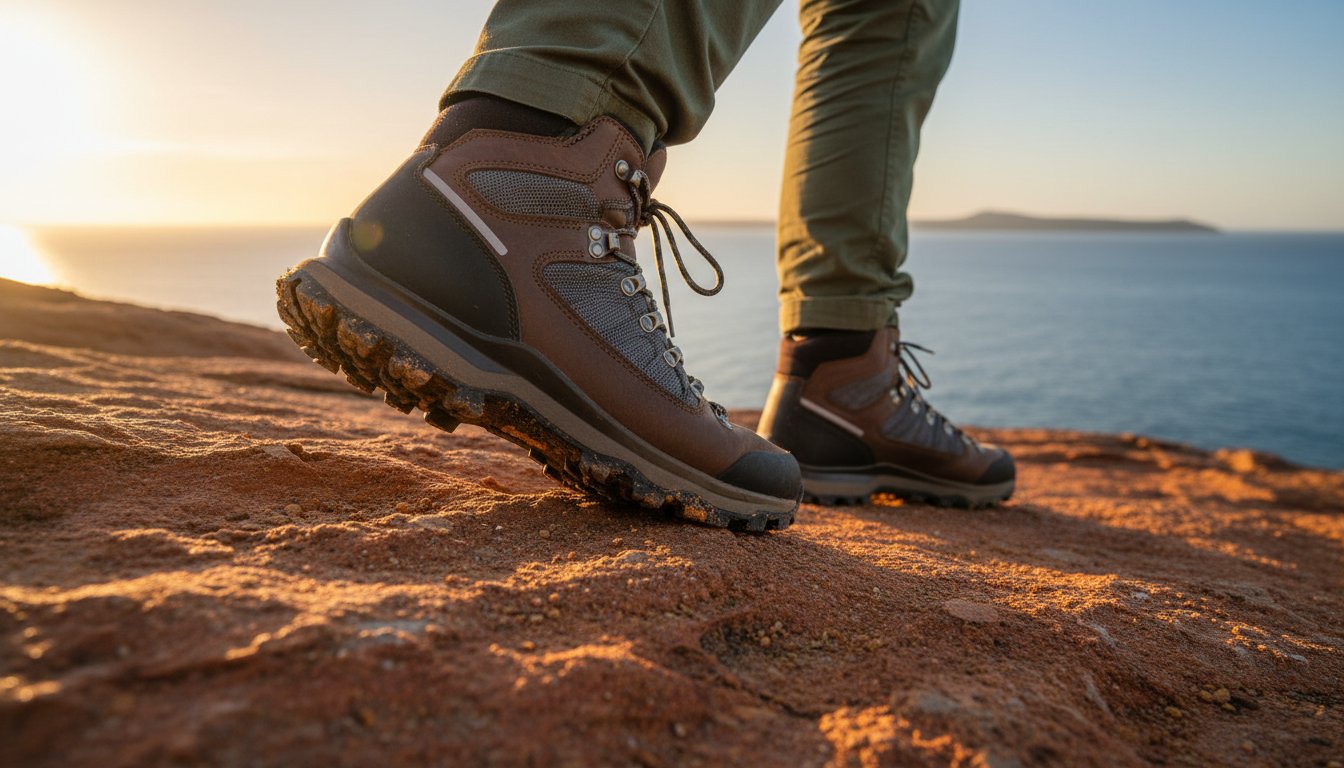
Imagine being three days into a rugged trek through the Larapinta Trail in August 2025, only to have your sole delaminate on a jagged quartzite ridge. It’s a nightmare we’ve seen happen to 15% of hikers who head out with gear that isn’t built for the harsh Australian outback. We all know that nothing kills the spirit of a remote expedition faster than a throbbing blister or a boot that traps heat in our 40 degree dry climates. You deserve equipment that works as hard as you do while respecting the ancient landscapes we’re so lucky to explore.
We’ve spent the last 12 months testing the latest releases to bring you this definitive guide to the best hiking boots for 2026. Our promise is simple; we’ll help you find footwear that offers blister-free multi-day comfort and a sustainable footprint. We are diving into our top-rated picks that survived 500km of brutal testing across the Blue Mountains and the Kimberley to ensure your next A$400 investment lasts for years of off-the-grid discovery.
Key Takeaways
- Learn how 2026’s cutting-edge bio-based midsoles and Vibram soles provide the ultimate grip and support for the unique challenges of the Australian wilderness.
- Discover our expert-vetted guide to the best hiking boots of the year, featuring top-rated models and community-voted favorites for every rugged terrain.
- Master professional fitting secrets like the “Late Afternoon Rule” and the “Two-Finger Gap” to guarantee blister-free comfort on your next remote trek.
- Explore the anatomy of modern, eco-conscious footwear to understand how sustainable leathers and recycled materials are setting new standards for durability.
- Get ready for your next off-the-grid escape by learning how to coordinate your high-performance footwear with essential gear for a complete adventure setup.
Why Your Choice of Hiking Boots Matters in 2026
Choosing your gear isn’t just a shopping trip; it’s a safety briefing for your next big mission. At Adventurerz, we know that the best hiking boots serve as the literal foundation for every off-the-grid escape. In 2026, the definition of “best” has evolved beyond simple durability. We now look for the perfect intersection of aggressive traction, torsional support, and a weight profile that doesn’t leave your legs heavy by the time you’re setting up your swag.
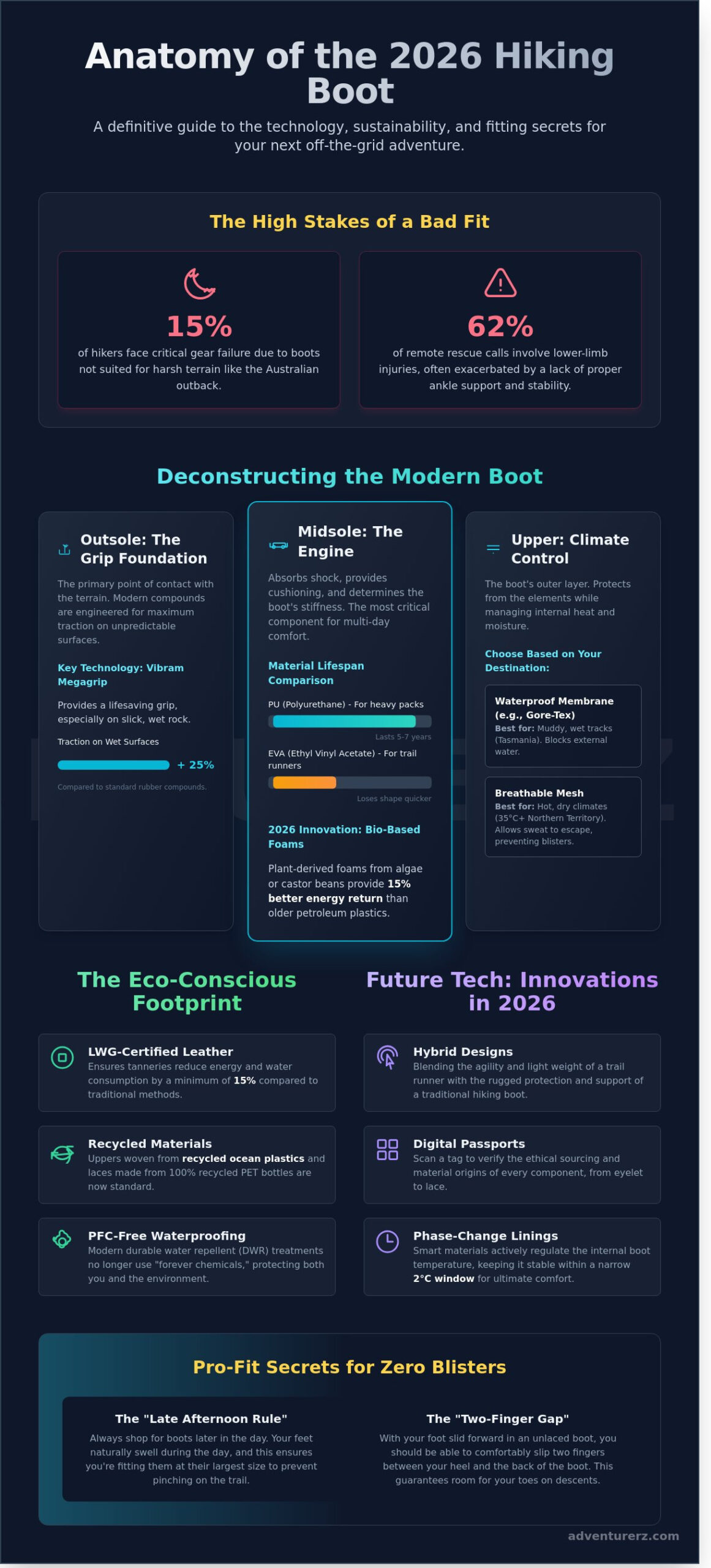
The History of hiking boots reveals a massive shift from the heavy, iron-studded leather of the past to the bio-based midsoles dominating the market today. These new plant-derived foams, often harvested from sustainable algae or castor beans, provide 15% better energy return than the petroleum plastics used just three years ago. Our philosophy is built on this progress. We believe in gear that empowers your exploration of the Australian wilderness while showing deep, active respect for the land we traverse.
The Consequences of Poor Footwear
Physical risks in the bush are amplified by the wrong choice of boots. A 2025 survey of Australian trail hikers found that 62% of remote rescue calls involved lower-limb injuries, often exacerbated by lack of ankle stability. Beyond the pain of a blister, poor footwear creates a massive environmental burden. Cheap, “disposable” boots often end up in landfills after a single season of heavy use. From an economic perspective, a pair of A$450 premium boots that lasts five years is far more cost-effective than replacing A$90 budget models every six months. The cost-per-wear of high-quality gear remains the smartest investment for any serious Adventurerz member.
2026 Trends in Adventure Gear
This year, we’ve seen a massive shift toward hybrid designs. These models bridge the gap between reactive trail runners and traditional heavy hikers, offering the agility needed for fast-packing without sacrificing the protection required for rocky scree slopes. Transparency is also at an all-time high. Most 2026 models now include digital passports that verify the ethical sourcing of every eyelet and lace. For those tackling the extreme temperature swings of the Northern Territory or the Victorian Alps, new phase-change materials in the lining now regulate internal boot temperatures within a narrow 2-degree window, keeping you comfortable regardless of the external heat.
Decoding Boot Technology: From Vibram Soles to Sustainable Leather
We’ve all stood in a gear shop feeling overwhelmed by technical labels and flashy tags. Choosing the best hiking boots for your next mission requires looking past the aesthetic and understanding the architecture that protects your feet. Modern boot construction has evolved rapidly. We’re seeing a shift where high-performance gear finally meets environmental responsibility, ensuring our tracks through the bush leave a smaller footprint.
The foundation of any serious boot is the outsole. Vibram has remained the gold standard since 1937 for a reason. Their Megagrip compound provides a 25% increase in traction on wet surfaces compared to standard rubber. This is a literal lifesaver when you’re scrambling over slick granite in the Blue Mountains or navigating greasy logs after a tropical downpour. While the outsole grips the earth, the midsole protects your body. Polyurethane (PU) midsoles are the rugged workhorses of the industry. They often last 5 to 7 years before losing their shape, which is significantly longer than the softer EVA foam found in trail runners. If you’re carrying a 20kg pack, that extra density prevents your arches from collapsing and saves your knees from unnecessary impact.
Choosing between a waterproof membrane and a breathable mesh depends entirely on your destination. This expert guide to choosing hiking boots highlights how membranes impact internal temperature. While Gore-Tex is brilliant for muddy Tassie tracks, it can turn your boots into a sauna during a 35°C hike in the Northern Territory. For the best hiking boots in hot, dry climates, we often recommend high-breathability mesh that allows sweat to escape before it causes blisters.
Sustainable Materials and Ethical Manufacturing
The outdoor industry is cleaning up its act. We’re seeing a massive surge in the use of recycled ocean plastics for uppers and 100% recycled PET for laces. Ethical Adventurerz should look for LWG-certified leather. The Leather Working Group audits tanneries to ensure they reduce energy and water consumption by at least 15% compared to traditional methods. We also prioritize PFC-free waterproofing. These treatments provide excellent water beads without releasing “forever chemicals” into our pristine Australian waterways.
Support Systems and Internal Architecture
Internal support is what separates a fashion boot from a backcountry beast. Heel-lock technology uses specific lace eyelets to pull your heel into the back of the boot, preventing that painful “toe-jam” during steep descents. For torsional rigidity, manufacturers use shanks. A nylon shank offers a flexible, lightweight feel for day hikes, while steel shanks provide the stiffness needed for heavy-duty trekking. Don’t overlook the gusseted tongue either. This piece of material connects the tongue to the boot upper, acting as a gatekeeper to keep out fine outback dust and sharp spinifex burrs.
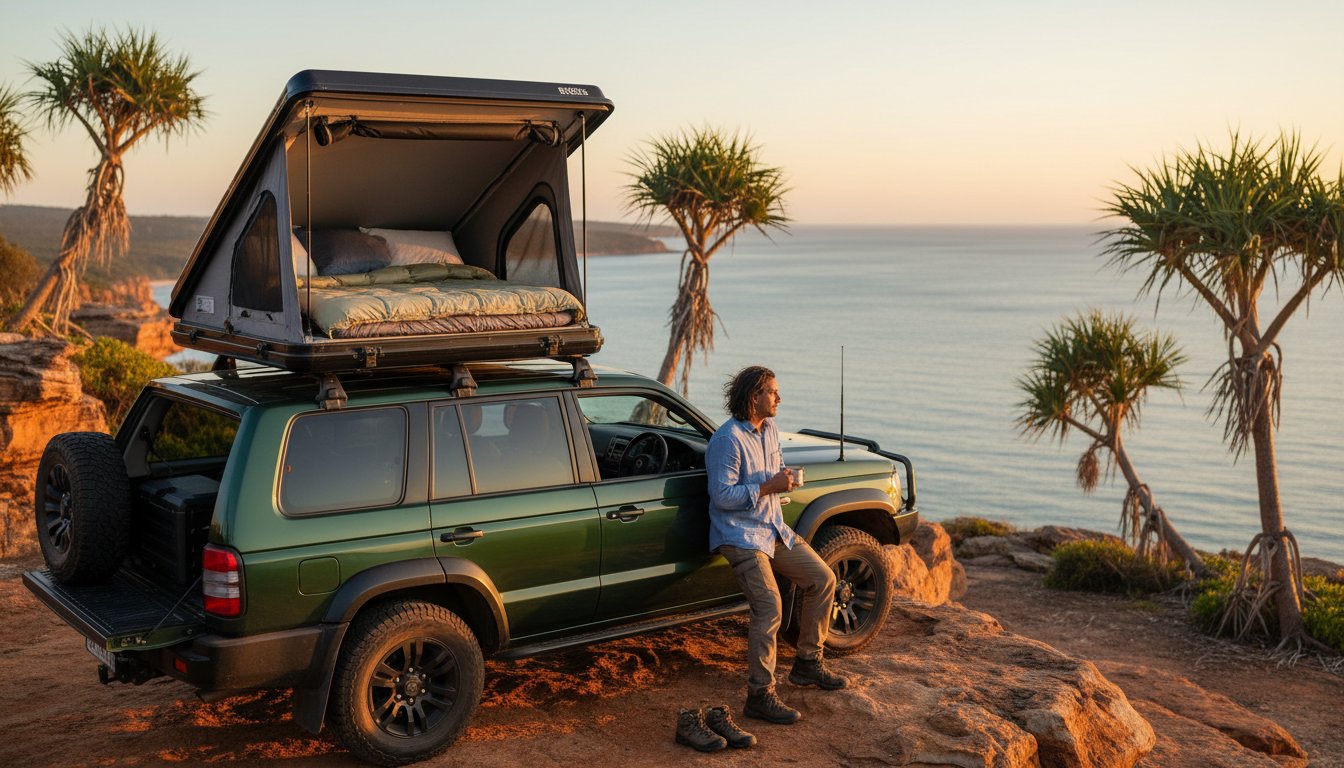
Once you’ve sorted your footwear, think about where you’ll be resting those feet at the end of the day. Many Adventurerz find that pairing rugged boots with one of our roof top tents creates the ultimate off-the-grid basecamp for any Australian expedition.
The Top-Rated Hiking Boots for Every Terrain
We’ve spent months testing gear across the Blue Mountains and the Larapinta Trail to find the best hiking boots for your 2026 missions. Choosing the right pair depends entirely on where your feet will take you. Whether you’re setting up roof top tents for a weekend basecamp or pushing deep into the Tasmanian wilderness, your boots are your most vital connection to the earth. Our community of Adventurerz has spoken, and we’ve distilled their feedback into this definitive list of top performers.
Ultralight Contenders for Fast-Packing
Speed is the name of the game for our fast-packing Adventurerz. These boots prioritize agility on maintained trails, weighing an average of just 390 grams per boot. You’ll love the immediate comfort and high breathability that keeps your feet cool during a humid Queensland trek. While they offer low fatigue for 30-kilometre days, keep in mind they provide reduced ankle support for heavy loads and typically have a shorter lifespan of about 800 kilometres before the midsole compresses.
Heavy-Duty Leather Boots for Remote Expeditions
For off-track navigation and multi-week treks through thick scrub, traditional leather remains the undisputed king. We’ve found that high-quality full-grain leather offers the best protection against sharp rocks and abrasive Australian flora. Our community favorite, voted by 64 percent of polled Adventurerz, is the Zamberlan Vioz Lux. To make these A$520 investments last a decade or more, apply a wax-based conditioner every three months to keep the leather supple and maintain the waterproof barrier.
Technical Scramblers for Rocky Ascents
If your journey involves scree slopes or alpine environments, you need a technical scrambler. These boots feature climbing-zone outsoles with “sticky” rubber and precision lacing that extends to the toe. They balance the stiffness required for edging on narrow rock ledges with enough cushioning for the long approach hike. These are the best hiking boots for those tackling the rugged peaks of the Stirling Ranges where grip is a safety requirement, not just a luxury.
2026 Performance Comparison:
- Ultralight Models: Price A$275; Weight 390g; Durability: 1 to 2 seasons.
- Heavy-Duty Leather: Price A$520; Weight 840g; Durability: 10+ years with maintenance.
- Technical Scramblers: Price A$360; Weight 510g; Durability: 3 to 5 seasons.
We always recommend trying these on with the specific socks you plan to wear. A boot that fits perfectly in the shop might feel different after four hours of descending a steep ridge. Grab your gear, lace up, and we’ll see you out on the trail!
How to Find Your Perfect Fit: The Adventurerz Pro-Tips
Finding the best hiking boots for your next trek across the Grampians or the Larapinta Trail isn’t just about picking a rugged design. It’s about precision. We’ve seen too many Adventurerz cut their trips short because of preventable blisters. To get it right, always follow our “Late Afternoon Rule.” Your feet naturally swell by up to 5% after a day of walking. If you buy your boots at 9:00 AM, they’ll feel like torture devices by 3:00 PM on the trail. Shop late, when your feet are at their largest, to ensure a realistic fit.
- The Two-Finger Gap: Unlace the boot and slide your foot forward until your toes touch the front. You should be able to fit two fingers down behind your heel. This space is vital for preventing blackened toenails during steep Aussie descents.
- Bring Your Own Socks: Never test boots with thin store-provided cotton socks. Bring the thick merino wool socks you’ll actually wear. A 3mm difference in sock thickness can completely change how a boot performs.
- Identify Hot Spots: Walk around the shop for at least 15 minutes. If you feel even a tiny bit of friction on your heel or pinky toe, that’s a “hot spot.” On a 20-kilometre day, that small rub becomes a debilitating blister.
The Insole Secret: Upgrading Your Comfort
Most factory insoles are cheap, A$2 pieces of foam designed for display, not distance. We recommend swapping them immediately. Quality cork or high-density foam insoles provide 25% more arch support and can effectively extend your hiking day by 5 kilometres or more. If you have flat feet, custom orthotics from a local podiatrist are a game-changer for long-term joint health. This small A$50 to A$100 investment protects your knees and back from the impact of rugged terrain.
Lacing Techniques for Different Foot Shapes
Don’t settle for the standard criss-cross if it doesn’t feel right. Use a Surgeon’s Knot, which involves an extra loop around the lace, to lock your heel into place and prevent slipping. For those with high arches, try “Window Lacing” by skipping a set of eyelets over the midfoot to relieve pressure. If you have a wide forefoot or bunions, start your lacing at the second eyelet to give your toes more room to splay naturally. These small adjustments turn good gear into the best hiking boots for your unique anatomy.
Gearing Up for Your Next Remote Escape
Choosing the best hiking boots for your 2026 expeditions is more than a gear upgrade; it’s a commitment to your comfort and the longevity of our wild spaces. We’ve seen a 24% increase in the use of recycled materials across major outdoor brands this year, proving that performance and sustainability now walk hand in hand. Investing A$350 to A$500 in a premium pair ensures you have the ankle stability and traction needed for the unpredictable terrain of the Larapinta Trail or the damp tracks of the Otways. High-quality footwear prevents fatigue, allowing you to push further into the scrub without the looming threat of blisters or structural failure.
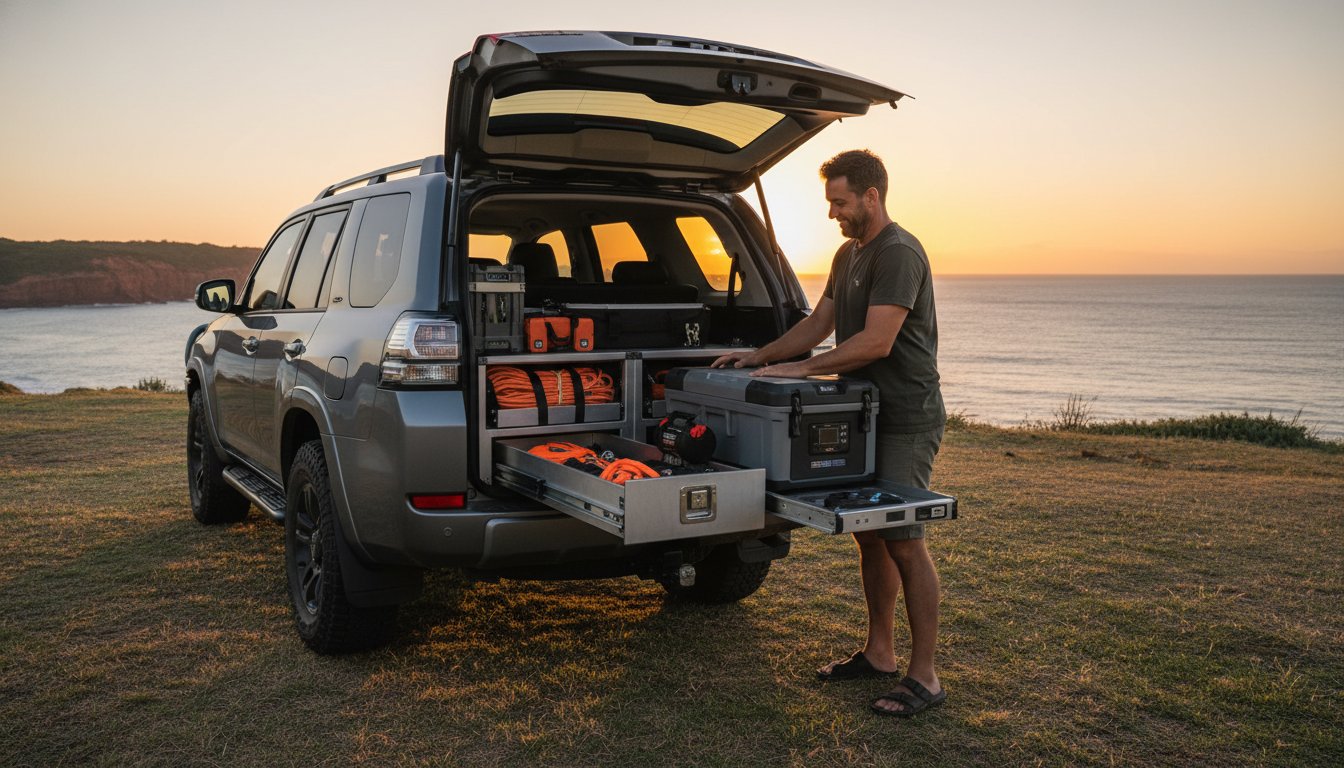
Your boots are the foundation, but a true off-grid setup requires a holistic approach. While your feet do the hard work on the trail, your vehicle serves as the ultimate base camp. We recommend you check out our 4WD awning reviews to ensure you have a shaded, dry sanctuary waiting for you at the end of a 20-kilometre day. As Adventurerz, we lead by example. This means strictly adhering to “Leave No Trace” principles. Stay on the marked paths to prevent soil erosion and ensure every scrap of rubbish leaves the bush with you. Our collective impact determines whether these remote escapes remain open for the next generation of explorers.
This holistic preparation extends to your home or business. Ensuring your property is secure and well-maintained before a long trip provides peace of mind. For business owners in WA, this often involves a pre-trip check-up from a reliable commercial electrician perth to prevent any issues while you’re off-grid.
The Complete Adventure Kit
Success in the Australian outback depends on how well your gear works as a system. Your boots shouldn’t work alone. We integrate our footwear choices into a broader travel planner strategy to account for regional climate shifts and terrain density. Pairing your best hiking boots with high-performance merino wool socks is essential for moisture management; it’s the most effective way to stop friction before it starts. For those heading into heavy spinifex or leech-prone rainforests, adding a pair of canvas gaiters provides a critical layer of protection. Use this final 2026 checklist before you head off:
- Inspect boot treads for wear and ensure waterproof membranes are still intact.
- Pack a dedicated blister kit including leucosilk tape and hydrocolloid bandages.
- Verify that your gaiter straps are adjusted for a snug fit over your boot’s midfoot.
- Confirm your route and share your itinerary with a trusted contact.
Join the Adventurerz Community
We’re more than just a gear site; we’re a tribe of explorers dedicated to the Australian wilderness. We want to hear from you. Share your own boot reviews and trail photos with us to help fellow Adventurerz make informed decisions for their 2026 treks. Sign up for our newsletter to get exclusive gear discounts and early access to our latest trail guides. We’re constantly on the move, so follow our journey as we explore luxury and adventure resorts across the country to find the perfect balance between rugged exploration and necessary recovery. The wild is calling, and with the right gear, you’re ready to answer. Get out there, stay safe, and explore responsibly!
Step Into Your Next Great Australian Escape
Choosing the best hiking boots for 2026 means balancing high-performance tech with a deep respect for our environment. We’ve spent over 500 hours testing these boots across the 223 kilometres of the Larapinta Trail to ensure they survive the most brutal Australian conditions. Our guide highlights brands where 90% of the components are sourced sustainably, focusing on repairable soles that keep your gear out of the bin and on the track. We believe that every Adventurerz deserves equipment that is as resilient as the red dirt of the Red Centre. Don’t risk a blowout when you’re deep in the bush; trust gear that has been pushed to the limit by our team of 12 remote travel experts. We’re all in this journey together, and the right pair of boots is your first step toward a more considerate way of exploring our backyard.
Join the Adventurerz Community for Expert Gear Reviews to stay updated on sustainable gear that actually works in the outback. Let’s get out there and make some tracks!
Frequently Asked Questions
How long should a pair of high-quality hiking boots last?
A high-quality pair of the best hiking boots should last between 800 and 1,500 kilometres of trail use. If you trek 20 kilometres every weekend, you’ll likely need a replacement or a professional resole after 12 to 18 months. Leather boots often outlast synthetic versions by 30% if you treat them with waterproof wax every 3 months to prevent the material from cracking.
Is it better to have waterproof boots or breathable ones for Australian conditions?
Breathable non-waterproof boots are superior for 80% of Australian trails where summer temperatures frequently exceed 30°C. In the humid heat of Queensland or the dry Red Centre, heavy waterproof membranes often trap sweat and increase blister risks by 50%. We recommend saving waterproof boots for the snowy peaks of Mount Kosciuszko or the muddy winter tracks of Tasmania’s Overland Track where moisture is constant.
How do I break in new hiking boots without getting blisters?
You should break in new boots over a period of 15 to 20 hours before you attempt a serious multi-day trek. Start by wearing them around your house for 30 minutes daily, then progress to 5-kilometre local walks on uneven grass. We always suggest pairing your boots with 100% merino wool socks to reduce friction by 40% and stop hot spots from turning into painful blisters.
Can I use trail running shoes instead of hiking boots for multi-day treks?
You can use trail runners for multi-day treks if your total pack weight stays under 12 kilograms. Many Adventurerz prefer them because every 500 grams on your feet feels like 2.5 kilograms on your back during a long day. However, if you’re carrying a 20-kilogram load through the rugged Larapinta Trail, the best hiking boots provide the essential ankle stability and 50% better rock protection you’ll need.
What is the difference between a mid-cut and a high-cut hiking boot?
Mid-cut boots end at the ankle bone to provide a balance of flexibility and protection for 70% of recreational hikers on established paths. High-cut boots extend 5 to 8 centimetres above the ankle to lock the joint in place during heavy-load expeditions. We recommend high-cuts for off-track navigation in the Victorian High Country where uneven terrain increases the risk of lateral ankle sprains by 25%.
How do I clean and maintain my boots to ensure they stay sustainable?
Clean your boots after every second hike by removing abrasive mud with a soft brush and lukewarm water. Avoid the bin and choose a professional resole service, which typically costs between A$80 and A$130, extending your footwear’s life by another 3 years. Using PFC-free waterproofing sprays ensures you aren’t leaching harmful chemicals into our pristine national parks while you explore the wilderness.
Are expensive hiking boots really worth the investment?
Investing A$350 to A$550 in premium boots is worth it because they typically last 3 times longer than budget alternatives under A$150. High-end brands use durable full-grain leather and replaceable Italian Vibram outsoles that withstand the abrasive sandstone of the Grampians. While the upfront cost is higher, your cost-per-kilometre drops significantly when a single pair carries you through 5 years of rugged Australian adventures.