Most hikers think they’ve seen the best of Queensland’s coastline, but the 94km Wangetti Trail is about to reset every expectation you have for tropical adventure. We all feel that same pull toward the wild, yet it’s natural to feel a bit of hesitation when you’re planning a trip through croc country or trying to figure out if the trail sections are officially open for your 2026 dates. As Adventurerz, we believe that being prepared is the first step toward a sustainable and epic journey through these ancient landscapes.
You want to experience the dual World Heritage areas of the Wet Tropics and the Great Barrier Reef without the stress of missing a permit or packing the wrong gear. We promise to give you the ultimate 2026 roadmap for this trek, covering every detail from seasonal stinger safety to the latest eco-accommodation options. We’ll walk you through the full route map, provide a specialized tropical packing list, and show you exactly how to book your A$7.25 camping permits so you can focus on the views instead of the logistics.
Key Takeaways
- Discover how to navigate the 94km dual-use route from Palm Cove to Port Douglas, including which stages are perfect for a quick day-trip “taster.”
- Get the inside scoop on technical gear selection specifically designed for the Wet Tropics to ensure you stay comfortable in Australia’s unique coastal conditions.
- Master the logistics of your expedition by learning how to secure QPWS permits and booking the latest 2026 eco-accommodation for a touch of luxury.
- Join us as we dive into the Wangetti Trail, uncovering the best ways to experience this world-class tropical expedition while honoring the Djabugay Traditional Owners.
- Learn the essential Leave No Trace principles required to minimize your footprint and protect the fragile ecosystem of the Macalister Range National Park.
What is the Wangetti Trail? Australia’s Premier Tropical Expedition
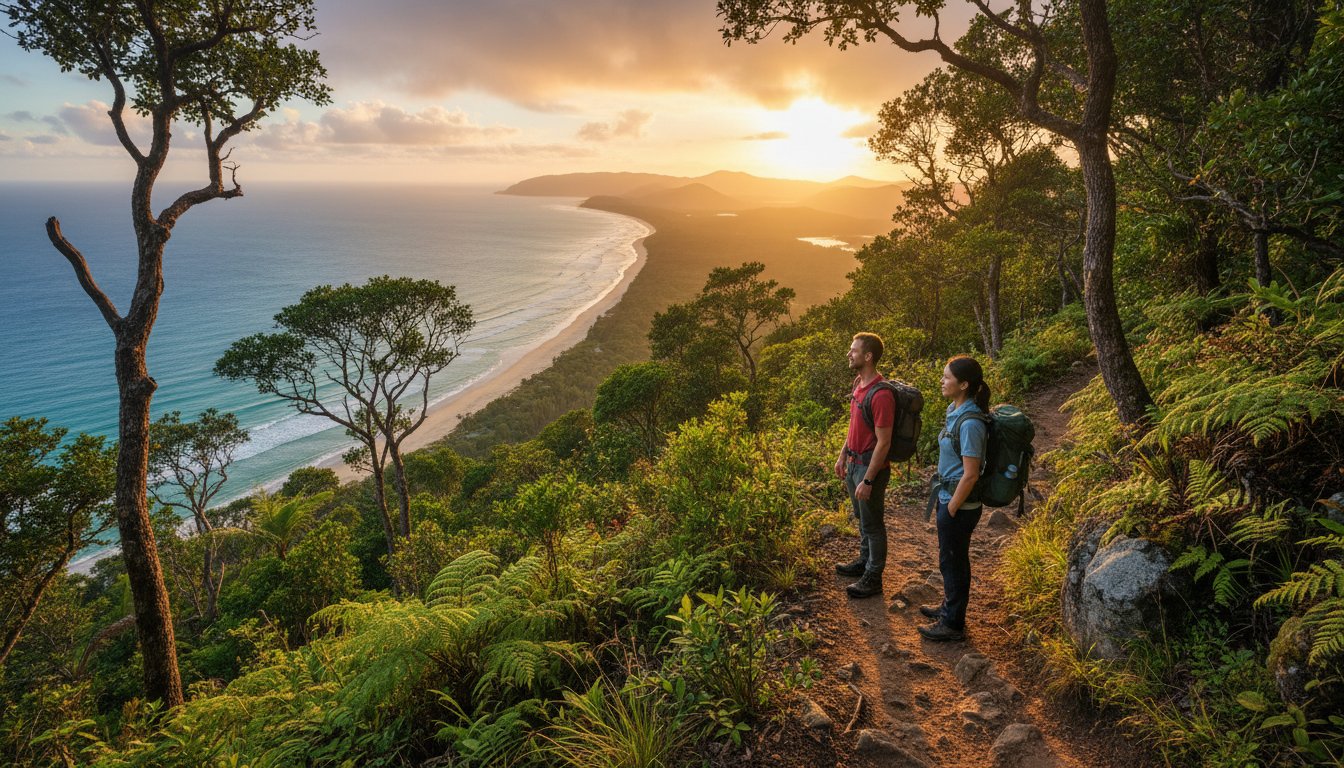
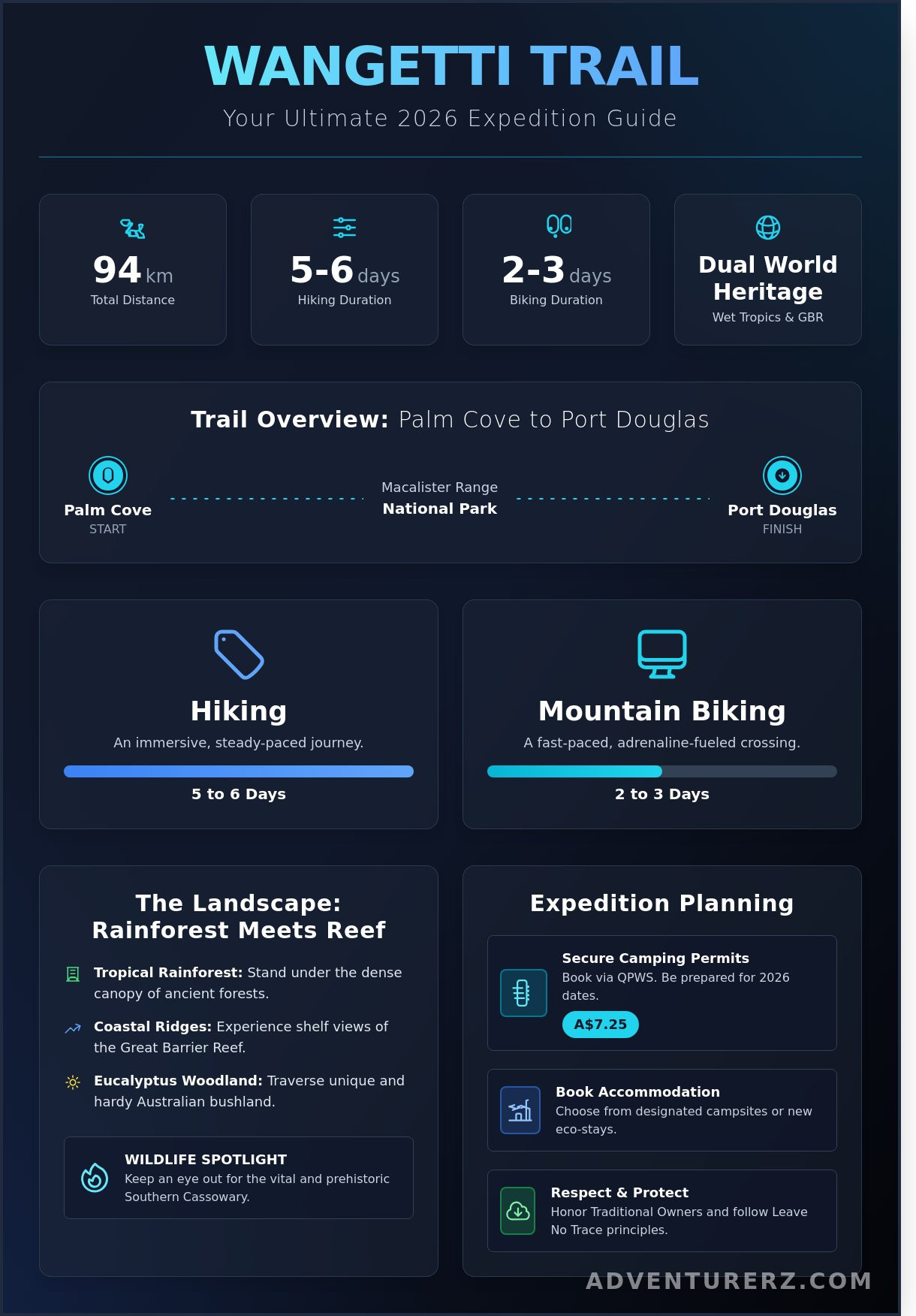
Get your gear ready, Adventurerz, because we’re looking at a total game-changer for the Tropical North. The Wangetti Trail isn’t just another track; it’s a 94km masterpiece connecting the palm-fringed sands of Palm Cove all the way to the iconic Port Douglas. It winds through the heart of the Macalister Range National Park and the legendary Wet Tropics World Heritage Area. This is the first purpose-built hiking and mountain biking trail of this magnitude ever constructed in a Queensland National Park. We’ve watched this project evolve since the 7.8km Stage 1 opened, and now in 2026, we finally have access to the full multi-day wilderness experience that we’ve been dreaming about for years.
The Landscape: Rainforest Meets the Reef
There’s nothing quite like the shelf views you’ll find along this route. You’re perched high enough to see the turquoise waters of the Great Barrier Reef crashing against the rugged coastline while standing under the dense canopy of ancient rainforest. It’s a rare geological and biological intersection that exists nowhere else on the planet. While you’re traversing the Wangetti region, keep your eyes peeled for the Southern Cassowary. These prehistoric birds are vital to the ecosystem, and seeing one in the wild is a bucket-list moment for any outdoor enthusiast. The 2026 season is the sweet spot for your first full thru-hike or ride because the newly completed sections have finally settled. We’re talking about pristine campsites and eco-conscious track design that protects this sensitive environment while letting us explore it responsibly.
A Trail of Two Disciplines: Hiking vs. Mountain Biking
The trail grade has been carefully managed to ensure it’s accessible for fit adventurers while still offering enough technicality to keep things interesting. If you’re planning to walk, set aside 5 to 6 days to soak in the atmosphere and handle the elevation changes. For the bikepackers among us, a 2 to 3-day mission is the sweet spot for a fast-paced, adrenaline-fueled crossing. This trail stands as a world-first for Queensland parks by integrating a high-spec, dual-use design that caters equally to mountain bikers and walkers over nearly 100 kilometres of rugged terrain. We love that the design minimizes erosion, ensuring our community can enjoy these tracks for decades to come. Here’s a quick breakdown of what to expect on your trip:
- Total Distance: 94km from Palm Cove to Port Douglas.
- Hiking Duration: 5 to 6 days for a steady, immersive pace.
- Biking Duration: 2 to 3 days for experienced off-road riders.
- Technical Grade: Moderate to difficult depending on the specific section and daily elevation gain.
- Environment: Tropical rainforest, coastal ridges, and eucalyptus woodland.
When we head out there, we’re not just looking for a workout; we’re looking for a deep connection to the land. The Wangetti Trail provides that in spades. Whether you’re hauling a lightweight swag or a high-end mountain bike, the sense of isolation and beauty is unmatched. The sense of self-sufficiency you feel when you’re 40km from the nearest road is exactly why we live for these moments. It’s about being considerate of the trail and each other. We share the track, we pack out every piece of rubbish we pack in, and we respect the traditional owners of this incredible country. This is world-class adventure right in our own backyard.
Traversing the 94km Route: Key Sections and Highlights
Tackling the full 94km Wangetti Trail is a serious undertaking that requires respect for the rugged Far North Queensland landscape. We recommend breaking this journey into manageable stages to truly soak in the biodiversity of the Wet Tropics. For experienced hikers, a six day itinerary allows for a steady pace, while mountain bikers usually crush the distance in two to three days. Planning your stops around the designated campsites is essential, as these hubs provide the only sustainable way to rest without impacting the sensitive ecosystem. We always encourage Adventurerz to pack out every scrap of waste to keep these ancient corridors pristine.
Palm Cove to Ellis Beach (The Gateway)
This 7.8km opening stretch serves as the perfect introduction for those testing their legs. Starting just north of Palm Cove, the trail is easily accessible via a dedicated pedestrian refuge across the Captain Cook Highway. You’ll find clear trailhead markers that signal the start of your climb. The path winds through coastal acacia and eucalypt woodland, offering immediate rewards. Keep your camera ready at the 3km mark; the elevated viewpoints provide a stunning 180 degree panorama of the Coral Sea. According to the Queensland Parks and Wildlife Service, this section was designed to showcase the unique transition from coastal dunes to littoral rainforest. It is a relatively easy grade, making it ideal for a morning “taster” hike before grabbing a coffee at Ellis Beach.
The Remote Interior: Macalister Range Deep-Dive
Once you push past the coastal fringe, the Wangetti Trail dives deep into the Macalister Range. This is where the real challenge begins. You will face significant elevation shifts as the track snakes through lush rainforest gullies and over ridgelines. The tropical humidity is your biggest hurdle here; temperatures often sit at 30 degrees Celsius with 85% humidity during the shoulder seasons. Drink plenty of water and monitor your pace. The reward for this sweat is total immersion in a landscape that feels unchanged for millennia. Look out for these specific highlights:
- Double Island Vistas: Several clearings on the lower slopes offer a bird’s eye view of the island and its surrounding reef patches.
- Secluded Creek Crossings: Crystal clear streams provide a natural soundtrack, though always check local alerts for seasonal flow levels.
- Towering Canopies: Walk beneath massive Bull Kauri pines and ancient ferns that block out the midday sun.
The northern sections heading toward Port Douglas are significantly more remote. You won’t find mobile reception in the deep gullies, so carrying a PLB is a non-negotiable safety step. We’ve found that the descent into the Mowbray Valley requires steady footwork, especially after a tropical downpour. Before you head into these isolated zones, make sure you’ve sorted your essential hydration and navigation kits to stay self-sufficient. This interior section is a testament to the resilience of the Australian bush. It demands preparation but offers a level of solitude that is becoming increasingly rare on the east coast. Respect the trail, watch the weather, and you’ll experience the very best of the North.
Gearing Up for the Wet Tropics: Essential Kit for Adventurerz
Preparing for the 94-kilometre Wangetti Trail requires a total shift in mindset compared to the dry tracks of the Red Centre or the frosty peaks of Tassie. In the Wet Tropics, you aren’t just fighting gravity; you’re managing a constant 90% humidity level that turns standard gear into a soggy liability. We’ve seen many hikers make the mistake of bringing heavy leather boots that soak up moisture and never dry. In this environment, your gear must breathe, drain, and resist the relentless tropical elements.
Footwear is your most critical decision. If you’re tackling the trail on two wheels, you need a hybrid shoe that offers a stiff sole for power transfer on the climbs but features a high-traction rubber compound for the inevitable “hike-a-bike” sections. For the trekkers among our Adventurerz tribe, lightweight trail runners with aggressive 5mm lugs are often superior to traditional boots. They allow water to exit quickly after creek crossings, which prevents the skin maceration that leads to nasty blisters.
Moisture management is the next hurdle. Forget heavy cotton; it’s a recipe for chafing and discomfort. We recommend “eco-friendly” technical fabrics like Tencel or recycled polyester blends that actively wick sweat away from the body. These materials dry significantly faster during your midday rest stops. Because the sun in Tropical North Queensland is fierce even under the canopy, choose long-sleeved shirts with a UPF 50+ rating to protect your skin without needing to reapply greasy sunscreen every hour.
Hydration strategies are life-and-death here. With temperatures often hovering around 31°C, you’ll likely sweat through 800ml of water every hour of movement. While the trail design includes designated campsites, some remote stretches between the Mowbray River and Ellis Beach require you to carry at least 4 litres of capacity. We suggest a combination of a 2-litre hydration bladder for constant sipping and two 1-litre hard bottles treated with electrolyte tabs to replace the salts you lose in the heat.
The Support Crew Setup
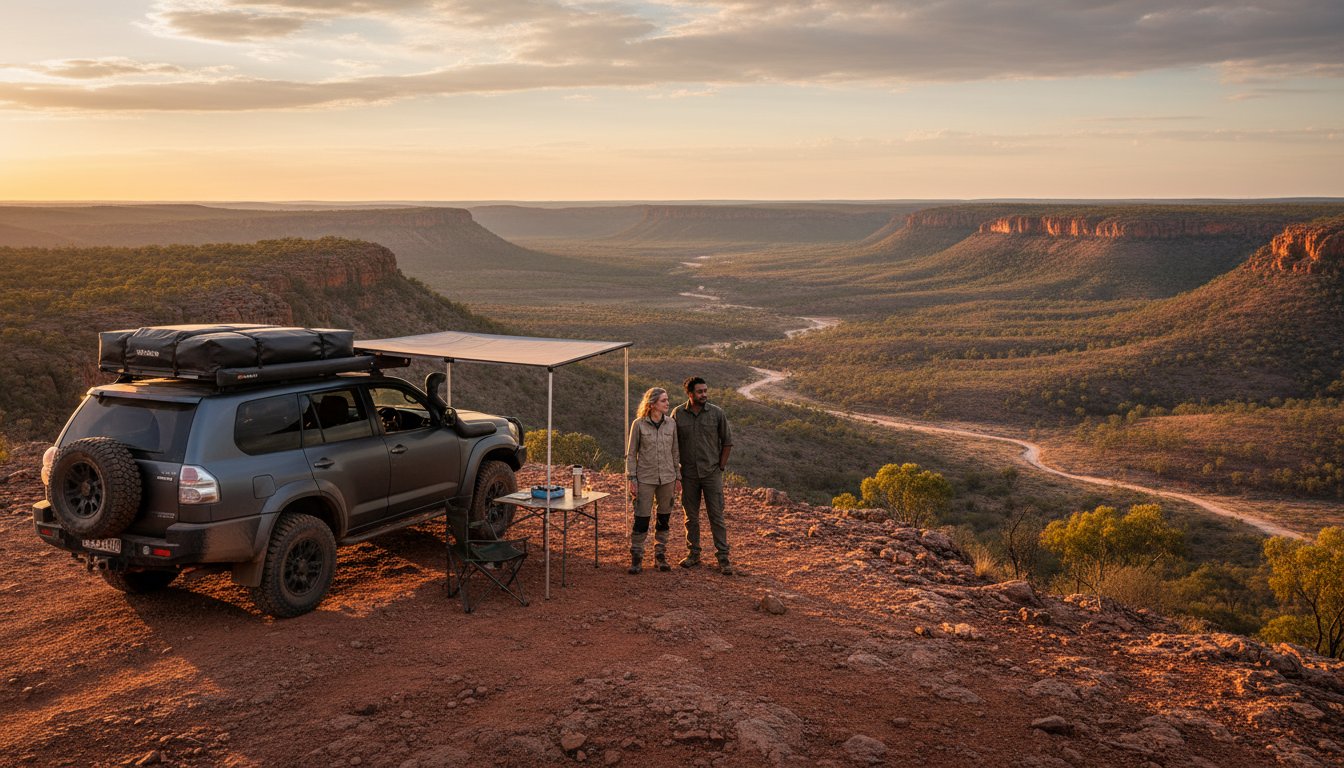
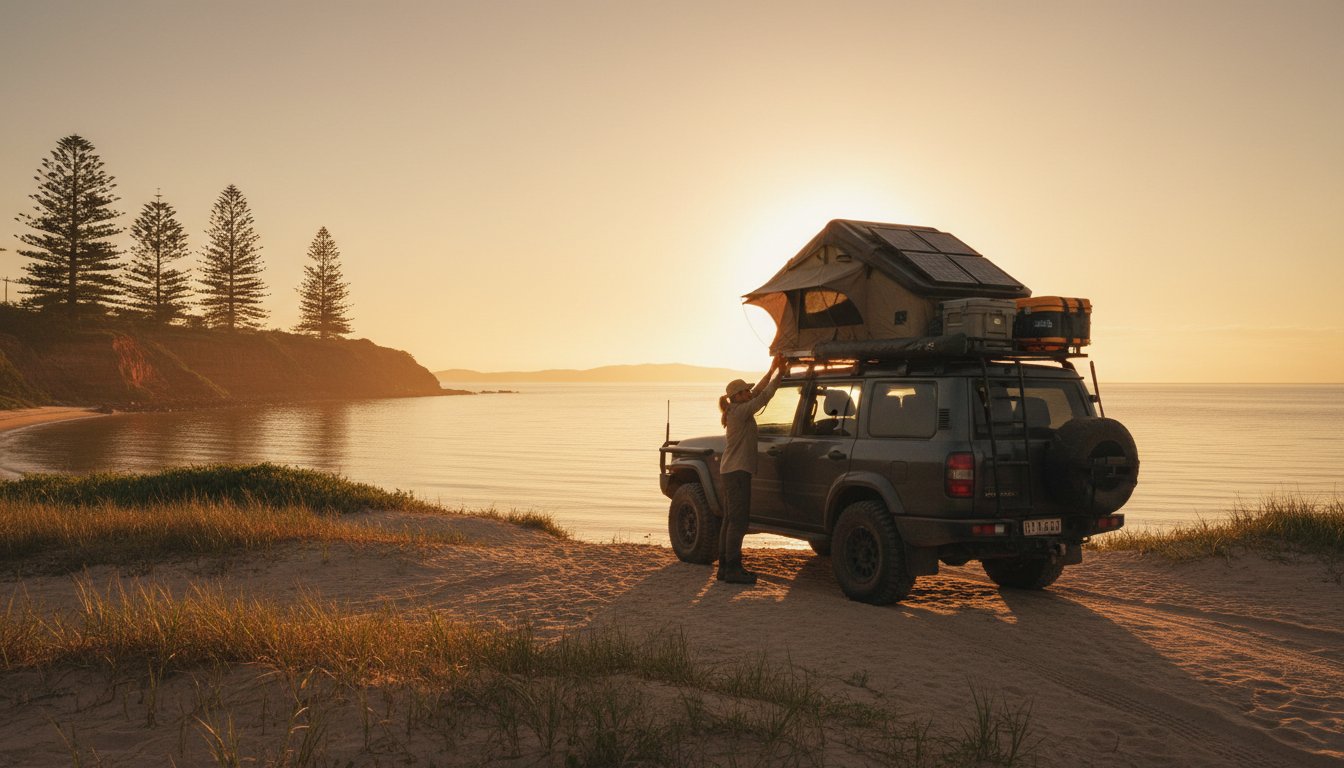
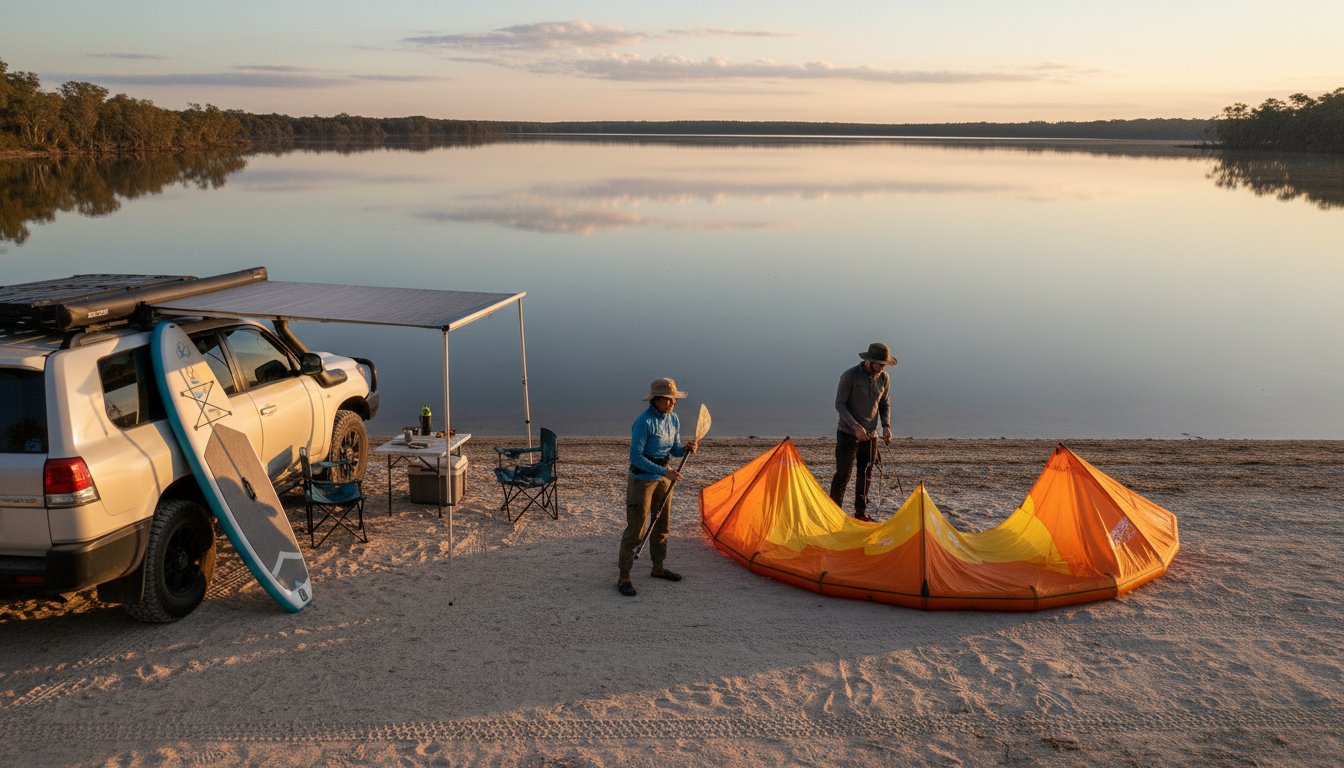
If you’ve got mates meeting you at the trail-head in a 4WD, ensure your best 4wd awnings are ready for basecamp. These provide a vital 2.5-metre escape from the midday sun or sudden tropical downpours while you prep your gear. Organizing vehicle drop-offs at key intersections like the Quaid Road junction allows for easy resupply of fresh food. Many of our community members prefer using a roof top tent for a comfortable night before and after the trail, as staying off the damp ground keeps your sleeping gear pristine and away from the local creepy-crawlies.
The Bikepacking Essentials
Bikepacking the Wangetti Trail demands a minimalist approach to weight. Use frame bags to keep your centre of gravity low for those technical descents through the Macalister Range. You’ll need a tropical-grade wet chain lube to handle the grit and moisture, plus a comprehensive tool kit including a chain breaker and spare derailleur hanger. Safety is paramount in this terrain. Carrying a PLB is a mandatory safety step because the Macalister Range has zero mobile reception and rugged 500-metre elevation gains that make self-extraction nearly impossible. Don’t forget a high-quality helmet and a basic first-aid kit stocked with compression bandages for peace of mind.
Planning Your Expedition: Camping, Eco-Stays, and Permits
We know that a successful trek on the Wangetti Trail starts long before you lace up your boots. The tropical climate of Far North Queensland demands respect, so you’ll want to aim for the “Dry Season” window between May and October. During these months, the humidity drops and the tracks stay firm, giving you the best chance to experience the 94km journey without battling monsoonal rains. Average daily temperatures during this peak window hover between 17°C and 26°C, providing the perfect climate for high-intensity movement through the rainforest and coastal ridges.
Securing your spot is non-negotiable for anyone hitting the track. Every independent trekker needs to book through the Queensland Parks and Wildlife Service (QPWS) online portal. For 2026, we expect public camping fees to sit around A$7.50 to A$8.00 per person per night. Commercial operators must hold a separate “Commercial Activity Permit” and maintain specific liability insurance. We believe in being prepared, and that means having your digital or printed permit ready for rangers at any point. If you’re planning a peak-season trip in July, we recommend booking at least six months in advance, as the limited capacity at public sites fills up fast.
Public Camping vs. Luxury Stays
The trail offers two very different worlds for those spending the night. Public campsites are designed for self-sufficiency, featuring raised timber platforms to keep your gear off the forest floor, composting toilets, and rainwater tanks. You’ll need to treat all water before drinking. In 2026, the new eco-accommodation sites introduce a high-end “glamping” tier. These sites provide permanent safari-style tents with solar-powered lighting, greywater recycling systems, and gourmet catering. Choosing between a 15kg pack with a portable stove or a supported luxury trek depends entirely on your fitness and your desire for a hot shower at the end of a 15km day.
Logistics and Transport
Organizing your movement between Palm Cove and Port Douglas requires precision. Shuttle services now operate specifically for Wangetti Trail users, with average costs around A$50 per person for a one-way transfer. If you’re bringing your own vehicle, secure 4WD parking is available at Port Douglas long-term facilities for approximately A$20 per day, which is a small price for peace of mind while you’re off-the-grid. Local Scarborough-based travel experts can help Adventurerz sync these transfers with flight arrivals into Cairns, ensuring no time is wasted. They can also facilitate bag transfers for those who want to tackle the trail with only a daypack.
Whether you’re roughing it under a lightweight tarp or relaxing in a luxury eco-tent, the key is to respect the environment you’re moving through. We always pack out what we pack in, ensuring the trail remains pristine for the next wave of explorers. Proper planning isn’t just about comfort; it’s about our shared responsibility to the land.
Responsible Exploration: Traditional Owners and Leave No Trace
We’ve reached the final stretch of our guide, but this is the most vital part of our journey. The Wangetti Trail represents a massive A$47 million investment in Queensland’s eco-tourism, stretching 94km through some of the most sensitive environments on Earth. As Adventurerz, we don’t just use these trails; we act as their guardians. Every decision we make, from where we step to how we handle our waste, determines if this World Heritage Area thrives for the next generation of explorers. Safety first, always.
Cultural Sensitivity on the Trail
The trail traverses the traditional lands of the Djabugay Nation Claim group. This land isn’t just a scenic backdrop; it’s a living library of cultural heritage and spiritual significance. We encourage every visitor to engage with the 13 planned interpretive nodes along the route. These stations provide direct insights into the Djabugay people’s connection to Country. Respecting “No Entry” signs for sacred sites ensures we keep this access open for everyone. Walking or riding here is a privilege granted through years of negotiation between the Queensland Government and Traditional Owners. Stay on the marked path to avoid encroaching on culturally sensitive zones that aren’t open to the public.
Tropical Safety Protocols
Safety in the Far North requires a different mindset than hiking in the southern states. Tropical weather is unpredictable. Rainfall can exceed 100mm in a single afternoon during the wet season, which changes the landscape instantly.
- Creek Crossings: Flash flooding is a real risk. A heavy downpour 10km inland can cause water levels to rise by 2 metres at your crossing within 30 minutes. If the water is moving fast or looks deep, we wait it out.
- Cassowary Etiquette: You’re entering the home of the Southern Cassowary. With fewer than 4,000 left in the wild, seeing one is a rare gift. If you encounter “forest royalty,” back away slowly. Keep a tree or your bike between you and the bird. Never offer food; it’s dangerous for them and carries a A$5,222 fine for you under the Nature Conservation Act 1992.
- Stinger Awareness: If your hike ends with a dip at Ellis Beach, remember that stinger season runs from November to May. Marine stingers like the Irukandji are nearly invisible. Only swim within the nets or wear a full-body Lycra suit to stay safe. This is croc country. Stay 5 metres back from the water’s edge at all creek mouths.
Your visit does more than just fill your camera roll. The Wangetti Trail is projected to support 150 local jobs and generate millions for the regional economy annually. By choosing local shuttle services and eco-certified accommodation, we ensure our money stays in the community. We practice a strict pack-it-in, pack-it-out policy. This means even biodegradable scraps like apple cores leave with us. Keeping the trail pristine helps maintain the delicate balance of the Wet Tropics, ensuring the 3,000 species of plants found here continue to flourish. Let’s leave the track better than we found it.
Claim Your Place on the Coast
The 94km trek from Palm Cove to Port Douglas is more than a hike; it’s a deep dive into the heart of the Wet Tropics. By 2026, the Wangetti Trail will stand as Australia’s premier coastal expedition, offering a 6 day journey through World Heritage landscapes. Success on this route demands more than just grit. You need gear that withstands 90% humidity and a mindset that respects the Kuku Yalanji and Yirrganydji Traditional Owners. We’ve spent years testing technical gear and lightweight kits specifically for these rugged QLD conditions so you don’t have to guess. Our tribe is built on expert local knowledge and a fierce commitment to leaving no trace. Whether you’re budgeting A$300 for community-tested hiking boots or mapping out eco-stays, we’re here to guide every step of your journey. We believe in sustainable exploration that honors the land and the Adventurerz who walk it. Let’s make sure your footprint is light and your impact is positive. Join the Adventurerz community to plan your 2026 QLD expedition! See you out there on the tracks!
Frequently Asked Questions
How long does it take to hike the full Wangetti Trail?
We recommend allowing 6 days to complete the full 94km Wangetti Trail journey from Palm Cove to Port Douglas. Most Adventurerz find a pace of 15 to 18 kilometres per day allows enough time to soak in the Wet Tropics scenery and set up camp before dark. If you’re pushing for a faster time, experienced hikers can tackle the distance in 4 or 5 days, but don’t rush the incredible coastal views!
Is the Wangetti Trail open for mountain bikes?
Yes, the Wangetti Trail is a world-class dual-use track designed specifically for both hikers and mountain bikers. We’ve built the trail to IMBA standards to ensure a flowy, sustainable ride through the rainforest. While some sections are technical, the majority of the 94km route provides an epic multi-day bikepacking experience that’s unlike anything else in Tropical North Queensland. It’s a rugged challenge that requires a reliable mountain bike and plenty of grit.
Do I need a permit to camp on the Wangetti Trail?
You must book a camping permit through the Queensland National Parks online portal before you head out. As of 2026, camping fees are approximately A$7.25 per person per night. We strictly enforce a leave no trace policy at all five designated campsites to protect our fragile ecosystem. Make sure you display your booking number on your swag tent or lightweight hiking shelter to avoid fines from park rangers who patrol the area regularly.
Are dogs allowed on the Wangetti Trail?
No, dogs and other domestic pets aren’t permitted on the trail. Because the track winds through sensitive National Park areas and Mowbray National Park, we must protect local wildlife like the endangered Southern Cassowary. Keeping our four-legged friends at home ensures we don’t disturb the native habitat or introduce foreign scents that could stress out the local fauna. It’s all about being responsible Adventurerz and preserving the wild character of the north.
What is the best time of year to walk the Wangetti Trail?
The best time to experience the Wangetti Trail is during the dry season between May and September. During these months, temperatures average a comfortable 25 degrees Celsius and humidity stays low, making the steep climbs much more manageable. Avoid the monsoon season from January to March, when heavy rainfall can cause track closures and 100 percent humidity levels make trekking through the rainforest quite exhausting. Plan for the cooler months to enjoy the clearest coastal vistas.
Is there drinking water available along the trail?
You’ll find water tanks at the designated campsites, but you must treat all water before drinking. We suggest using a high-quality filtration system or purification tablets to stay safe. During the drier months of August and September, some seasonal creeks might dry up completely. Always carry at least 3 to 4 litres of water per person to ensure you stay hydrated between the formal water points, especially when tackling the exposed ridgeline sections.
How difficult is the Wangetti Trail for beginners?
The trail is classified as a Grade 4 track, which means it’s best suited for hikers with some experience and a good level of fitness. You’ll encounter steep gradients and rough surfaces that require sturdy boots and reliable gear. If you’re a beginner, we recommend starting with shorter day-trip sections near Ellis Beach or Palm Cove before committing to the full 94km multi-day adventure. Preparation is key to enjoying the rugged terrain safely.
Are there crocodiles on the Wangetti Trail?
Yes, the trail passes through Estuarine Crocodile habitat, particularly near Mowbray River and coastal creek crossings. We urge all Adventurerz to stay Crocwise by keeping at least 5 metres back from the water’s edge and never camping within 50 metres of a riverbank. Signs are posted at high-risk locations, so pay attention to all warnings. Your safety depends on staying alert and respecting these ancient predators in their natural home throughout the tropical north.