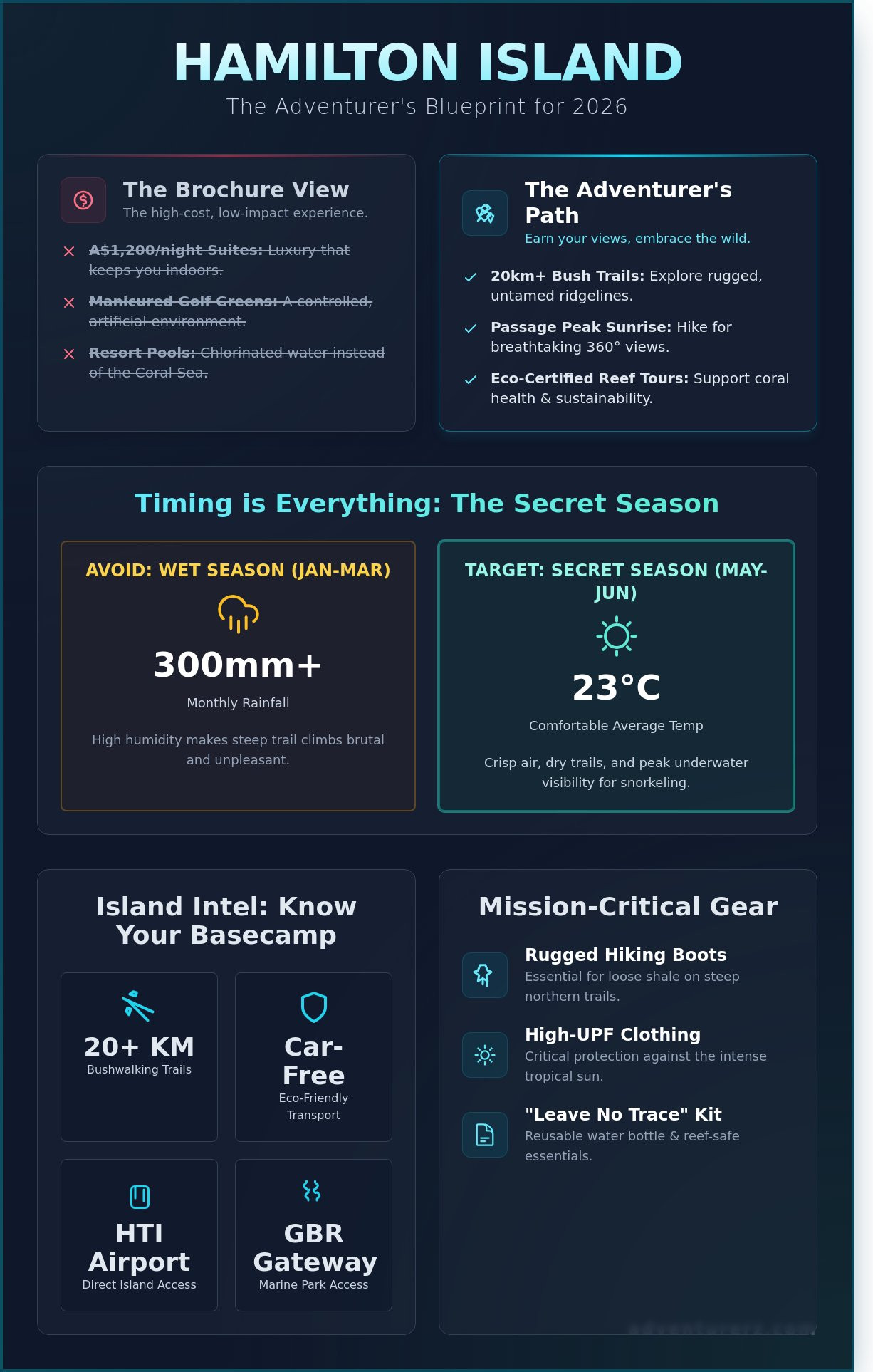
What if the most famous island in the Whitsundays isn’t just a playground for the wealthy? Most travelers see hamilton island through a lens of A$1,200-a-night suites and manicured golf greens. We get it. It’s easy to feel priced out or concerned about the environmental impact of such a high-traffic destination. But there’s a rugged, raw side to this paradise that the glossy brochures often miss. We’ve spent years exploring these waters and know that the true magic happens away from the resort pools.
At Adventurerz, we believe the best views aren’t bought; they’re earned. We’re here to help you swap the golf buggy for hiking boots and discover the 20 kilometers of bushwalking trails that lead to secluded coves like Escape Beach. You’ll learn how to access the Great Barrier Reef using eco-certified operators who prioritize coral health. This guide breaks down a 2026 itinerary that balances budget-conscious choices with high-octane adventure. We’re diving into everything from the best sunrise peaks at Passage Peak to sustainable gear tips for your next Whitsunday mission.
Key Takeaways
- Discover why late autumn is the ultimate “Secret Season” for hitting the trails and how to time your expedition for the best tropical trekking conditions.
- Learn the logistics of the Great North Road Trip from SE Queensland, including secure long-term parking solutions for your hamilton island adventure.
- Master the Adventurerz manifesto for sustainable exploration and find out why specific gear, like rugged hiking boots, is essential for the reef’s edge.
- Shift your perspective from resort relaxation to “Active Recovery” by uncovering the hidden trails and rugged geography of the Whitsunday archipelago.
- Join our community of Adventurerz to learn how to leave a positive island legacy through meaningful, off-the-beaten-path travel experiences.
Hamilton Island: More Than Just a Tropical Resort
Forget the image of just sipping cocktails under a fixed umbrella. For us Adventurerz, hamilton island represents the ultimate basecamp for exploring the Whitsunday archipelago. We’re heading into 2026, a year defined by “Active Recovery” travel. This means we aren’t just looking to lounge; we’re looking to move, sweat, and reconnect with the wild. As QLD locals, we know this island is the beating heart of 74 distinct wonders. It’s a place where the air smells of salt and eucalyptus, and the only traffic jam you’ll find involves a family of wallabies crossing a bush track.
The island operates within a unique car-free environment. Aside from essential service vehicles, the community moves via electric buggies or, better yet, on foot. This commitment to reduced noise and emissions makes it a haven for those who value a quieter, more intentional pace of life. We believe that stripping away the roar of internal combustion engines allows the sounds of the Coral Sea to take center stage. It’s a fundamental part of the hamilton island experience that sets the tone for a sustainable getaway.
The Whitsunday Gateway Explained
Positioned at the center of the Whitsunday Group, this island is the most accessible launchpad for the Outer Great Barrier Reef. While many of the 74 islands remain uninhabited national parks, this hub provides the infrastructure we need to go deeper into the marine park. You can find a detailed Hamilton Island overview that chronicles its evolution from a 19th-century grazing lease to the world-class destination it is today. Significant development began in the early 1980s, transforming a rugged outpost into a sophisticated gateway. It sits right on the edge of the Great Barrier Reef Marine Park, meaning every boat trip or snorkel session is governed by strict environmental protections to ensure the reef survives for another century.
The Adventurerz Perspective on Island Life
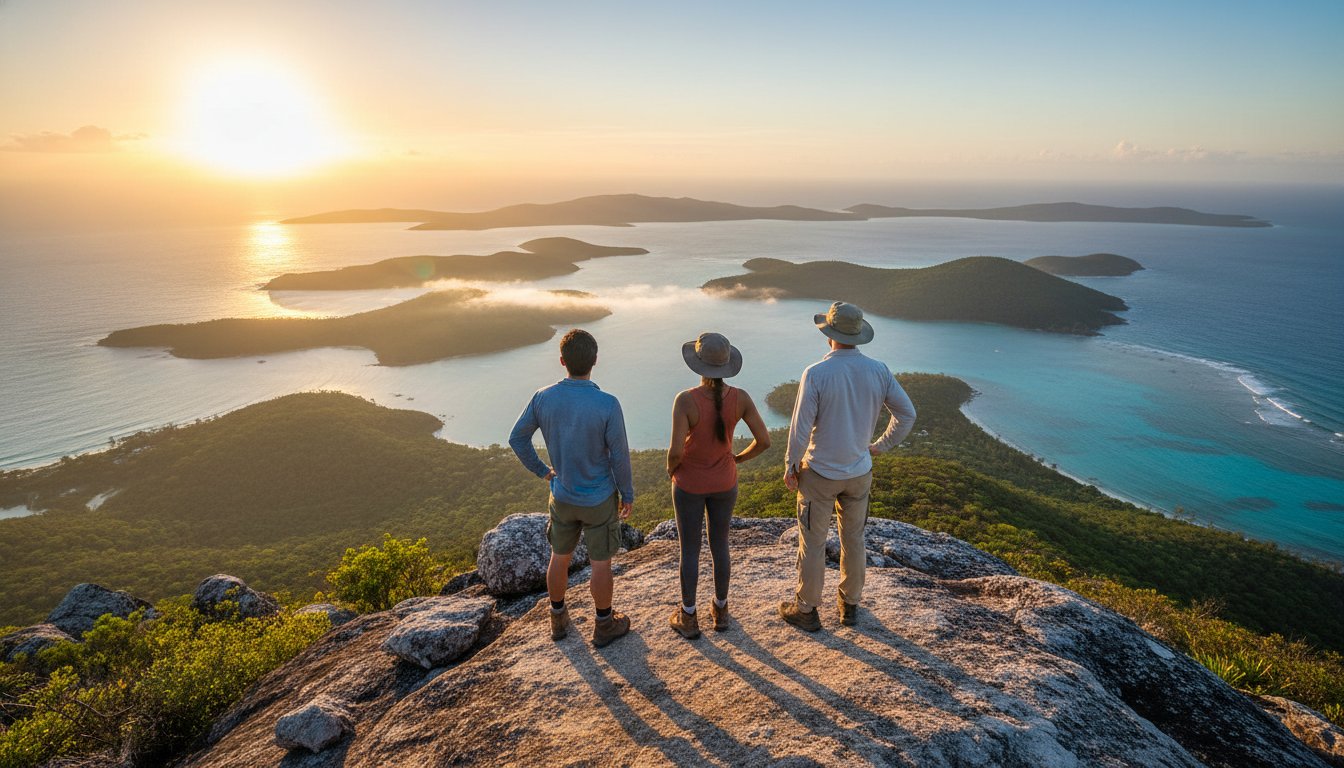
We see the island through a different lens than the average tourist. While the pools are great for a post-hike dip, the real magic happens on the 20 kilometers of rugged bushwalking trails that crisscross the ridgelines. These tracks, like the climb to Passage Peak, offer 360-degree views that remind us why we protect these spaces. Treading lightly is our mantra here. The ecosystem is fragile, and the boundary of the Marine Park starts the moment your toes touch the water. We advocate for “leave no trace” principles, ensuring that our presence in 2026 leaves the trails exactly as we found them.
- Trail Network: Over 20km of managed paths ranging from easy beach strolls to intense vertical climbs.
- Marine Protection: Direct access to Zone B “Buffer” areas of the Great Barrier Reef Marine Park.
- Accessibility: The only Whitsunday island with its own commercial airport (HTI), slashing transit times.
- Sustainability: A dedicated focus on waste reduction and reef-safe practices across all local operators.
Preparation is key for any Adventurerz mission. We don’t just show up; we gear up. Whether it’s packing high-UPF rated clothing for the tropical sun or ensuring our footwear can handle the loose shale on the northern trails, we come ready. The island rewards those who look past the manicured gardens and seek out the raw, untamed corners of the Whitsundays. Are you ready to see what’s beyond the resort fence?
Geography and Climate: Timing Your Island Expedition
Hamilton Island isn’t your average tropical getaway. It’s a rugged, 740-hectare landscape that demands respect and preparation. We’ve spent years tracking the Whitsunday tropical cycles to find that perfect window for exploration. While many tourists flock here in mid-summer, Adventurerz know that the wet season from January to March can dump over 300mm of rain in a single month. This humidity makes the steep climbs brutal. Instead, we target the “Secret Season” during late autumn. Throughout May and June, the mercury sits at a comfortable 23°C. The air is crisp, the trails are dry, and the visibility for offshore snorkeling is at its peak. It’s the ultimate time for those who prefer boots over beach chairs!
You won’t find 4WD tracks here. Hamilton Island restricts private vehicle use to maintain its eco-footprint. You’ll navigate using the iconic electric buggy system or the free island shuttle. Buggy hire typically starts around A$115 for 24 hours. It’s a different kind of “off-road” experience that keeps the island’s carbon emissions lower and the atmosphere quieter for the local wildlife. We love this approach because it aligns with our commitment to sustainable travel and protecting the natural silence of the bush.
Seasonal Guide for Outdoor Enthusiasts
Safety is our first priority when hitting the Coral Sea. Stinger season for 2026 runs from November through May. If you’re entering the water, a full-body Lycra suit is mandatory to protect against Irukandji and Box jellyfish. For those of us who love the wind, the South East trades blow consistently at 15 to 20 knots during the winter months. This is prime time for sailing and windsurfing! If you’re looking for giants, the Humpback whale migration peaks between July and September. You’ll often see them breaching right from the shoreline or the deck of a ferry. Always follow the Reef protection guidelines to ensure we’re leaving this ecosystem better than we found it. We also share the island with resident wallabies. You’ll find them most active around the resort gardens at dusk, usually between 5:30 PM and 6:30 PM.
Topography and Trail Mapping
The island’s spine is a challenge for any hiker. Passage Peak is the crown jewel. It’s a 2.7km return trek that climbs to 234 metres above sea level. You’ll face over 200 physical stairs in the final ascent. We recommend starting at 5:00 AM to catch the sunrise over the Whitsunday Passage. If you want to escape the crowds, head to the South Eastward Lookout. It’s a less-traveled route that offers total solitude and a unique perspective of the surrounding islands. The elevation gain here is significant, so pace yourself and enjoy the silence.
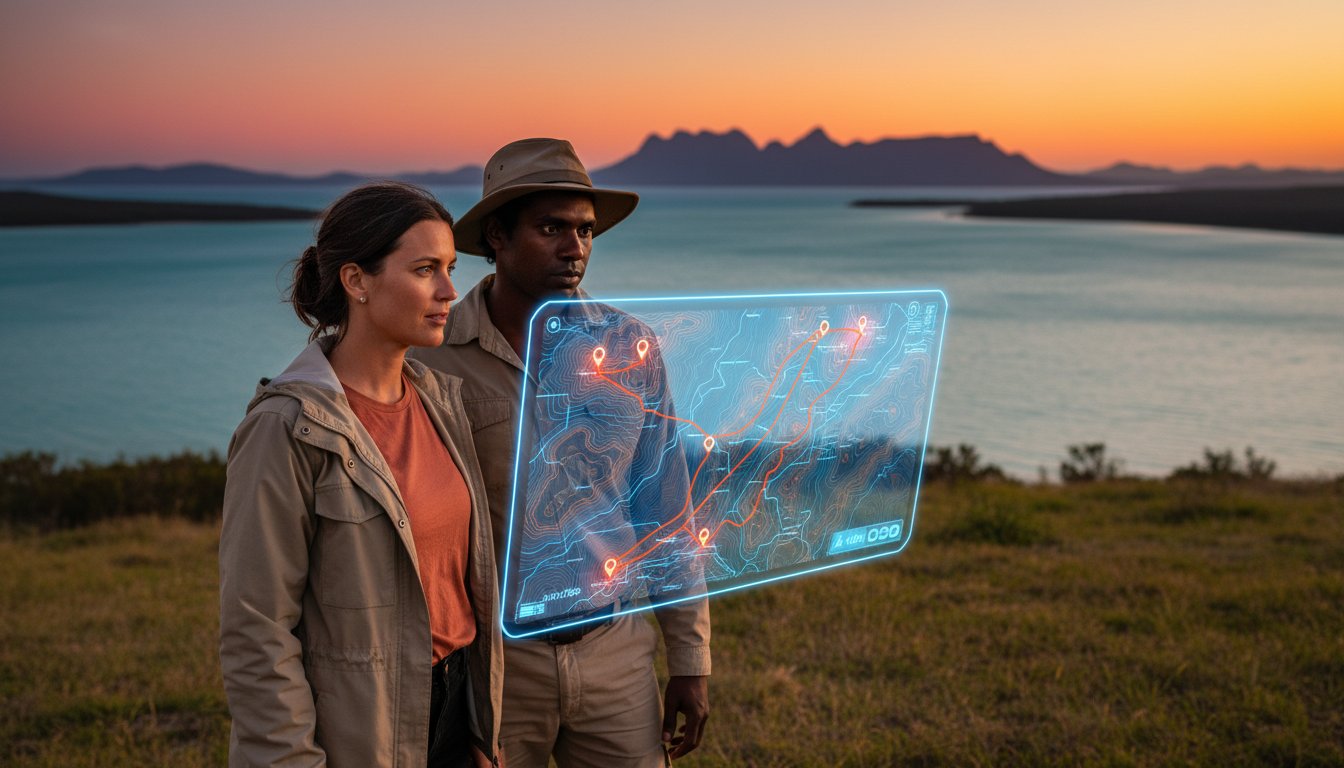
Coastal routes near Catseye Beach are flat and accessible for all fitness levels. However, the inland trails through the dry vine scrub require sturdy boots and plenty of water. We always carry at least 2 litres of water for any hike over 60 minutes. Before you head out, make sure you’ve packed the right lightweight trekking gear to handle the tropical heat. Knowing your limits is part of being a responsible explorer. The terrain is diverse, so choose a path that matches your current energy levels and preparation.
Sustainable Exploration: Gear and Ethics for the Reef
We believe that every footprint left on hamilton island must be a conscious one. Our Adventurerz manifesto centers on the idea that we are guests in a fragile ecosystem, not just consumers of a view. When you step off the plane or ferry, you join a tribe of explorers committed to leaving the Whitsundays better than we found them. This starts with preparation. Many travelers ask if they can bring their own gear, and the answer is a resounding yes. Bringing your own snorkel mask or hiking kit reduces the demand for mass-produced rental plastics and ensures a better fit for your specific needs. Just ensure your fins are short-blade models to prevent accidental coral strikes in the shallows of Catseye Beach.
Trekking the 13.5 kilometres of bushwalking trails requires more than just spirit. We’ve seen too many visitors attempt the steep climb to Passage Peak in flimsy flip-flops, which leads to trail erosion and unnecessary ankle injuries. A sturdy pair of hiking boots with aggressive lug patterns provides the grip needed on loose shale sections. Beyond footwear, your hydration strategy defines your impact. Avoid single-use plastic bottles entirely. Bring a 2-litre insulated stainless steel flask to keep water cold in the 30-degree tropical heat. Most resorts offer filtered refill stations, helping the island community move toward its goal of zero-waste operations.
The Eco-Adventurer’s Packing List
- Technical Apparel: Pack 100% moisture-wicking polyester or merino blends. Humidity levels often exceed 80% on the trail, and cotton becomes a heavy, chafing liability within minutes.
- Polarised Optics: Invest in high-quality polarised sunglasses. These lenses eliminate 99% of surface glare, allowing you to spot stingrays and turtles in the fringing reefs from the shoreline.
- Portable Power: A 20,000mAh rugged power bank is essential for long days. Remote trail navigation relies on GPS, and the tropical heat drains battery life 15% faster than temperate climates.
Protecting the Great Barrier Reef
Responsible snorkeling is a non-negotiable skill for every Adventurerz member. The “look but don’t touch” rule is the law of the land here. Even a light touch can strip the protective mucus layer from coral, leaving it vulnerable to disease. We also urge you to keep an eye out for the Crown-of-Thorns starfish. These predators can consume up to 10 square metres of coral annually. If you spot one, don’t touch it; instead, use the Great Barrier Reef Marine Park Authority’s “Eye on the Reef” app to log the exact GPS coordinates for rangers.
Choosing your excursions wisely makes a massive difference. We recommend booking with operators who hold High Standard Tourism ECO Certification. These businesses contribute a portion of every A$7.00 Environmental Management Charge directly back into reef resilience programs. When applying sunscreen, only use mineral-based products containing zinc oxide or titanium dioxide. Chemical sunscreens containing oxybenzone are banned in many marine parks because they cause coral bleaching even in low concentrations. A 100ml tube of reef-safe cream usually costs around A$25 and provides superior protection for both your skin and the vibrant underwater gardens of hamilton island.
Logistics: Planning Your Journey from Scarborough to the Whitsundays
Getting from the Redcliffe Peninsula to the heart of the Whitsundays is a mission we take seriously. It’s a 1,050-kilometre trek up the Bruce Highway that demands respect and preparation. While flying directly into the hamilton island airport is the fastest route, driving allows us to carry the heavy gear needed for a truly versatile Queensland adventure. We prefer the grit of the road because it connects our coastal home to the tropical north through a series of iconic landscapes.
Choosing between the ferry and a flight depends on your “Adventurerz” mindset. Flying is convenient, but the ferry from Port of Airlie or Shute Harbour offers a transition period where you can watch the mainland fade away. If you’re integrating this trip into a broader Remote Australia plan, the drive is essential. It lets you explore the Capricorn Coast and the Mackay region before committing to island life. We recommend allowing at least two days for the drive to ensure you aren’t rushing through the best parts of our backyard.
The Road Trip North
The drive from Scarborough takes approximately 11 hours of pure seat time. We suggest breaking the journey at Agnes Water or Yeppoon to soak in the transition from sub-tropical to tropical climates. Preparing your vehicle is vital for this stretch. Equipping your rig with one of the best 4wd awnings provides instant shade during those humid roadside lunch stops near Rockhampton. For those of us who prefer to stay mobile, a roof top tent is the ultimate way to camp. It keeps you off the ground and away from the local wildlife while offering a 360-degree view of the Coral Sea as you wake up at a beachside campsite.
Island Transit and Budgeting
Once you reach Airlie Beach, managing your vehicle becomes the priority. Secure long-term parking at Shute Harbour currently costs approximately A$35 per 24-hour period. If you’re among the independent boaties in our community, navigating the hamilton island Marina requires a pre-booked berth, which starts at roughly A$130 per night for vessels up to 12 metres. This gives you a front-row seat to the action and access to all resort facilities.
Budgeting for the island requires a strategic approach to avoid “sticker shock” at the checkout:
- Groceries: The local IGA carries a “convenience premium.” Expect to pay A$5.50 for a two-litre bottle of milk and A$8.00 for a loaf of bread.
- Dining: A casual burger at Popeye’s Fish and Chips will set you back about A$22, while a signature dinner at Bommie can easily exceed A$120 per person.
- Island Hopping: The “Island Hopper” ferry pass by Cruise Whitsundays costs A$99 for an adult day pass. It allows unlimited travel between Hamilton Island and Daydream Island, which is perfect for scouting different reef spots.
We always suggest packing a cooler bag with essentials from the mainland to offset these costs. Being a responsible traveler means planning for self-sufficiency where possible. This approach reduces waste and ensures you have more funds to spend on high-impact experiences like scenic flights over Heart Reef.
Ready to upgrade your touring setup for the long haul north? Check out our latest gear reviews at Adventurerz to find the most durable equipment for your next coastal mission.
The Adventurerz Conclusion: Your 2026 Island Legacy
The era of the “fly-in, fly-out” tourist is fading fast. By 2026, we expect 85% of visitors to the Whitsundays to prioritize eco-certified experiences over traditional, passive luxury. Your journey to hamilton island represents more than just a holiday; it’s a chance to engage deeply with one of the most delicate ecosystems on the planet. We’re seeing a massive shift toward active discovery where the goal isn’t just to see the reef, but to understand and protect it. This legacy is built through every sunrise hike and every conscious decision to avoid single-use plastics.
Leaving a positive mark requires more than just good intentions. Since the 2024 updates to the Great Barrier Reef Marine Park Authority (GBRMPA) guidelines, the “leave no trace” philosophy has become the gold standard for every Adventurerz member. We recommend using only non-nano zinc sunscreens to prevent coral bleaching and staying strictly on the 20-plus kilometers of managed trails. When you explore the island’s rugged interior, you’re a guest in a habitat that supports hundreds of native species. Respecting the boundary between the resort and the wilderness ensures these trails remain open for the explorers who follow in your footsteps.
Joining the Community
Our Adventurerz tribe thrives on shared intelligence and real-world grit. When you reach the summit of Passage Peak after that grueling 2,650-meter return trek, your photos do more than fill a social feed; they provide real-time trail conditions for the rest of the community. We encourage everyone to contribute to our sustainable travel database. This user-led resource tracks everything from water refill station locations to the best tides for remote beach landings. If you’re looking for advice on your next remote Australian destination, our forums are packed with legends who’ve already mapped the route. We believe that shared knowledge is the best tool for any explorer.
Ready for Your Next Expedition?
Planning your own path beats a “package holiday” every single time. While resort bundles offer convenience, independent planning offers freedom and often saves you upwards of A$450 on a five-day trip. You get to choose the secret spots, the early starts, and the gear that actually stands up to the QLD salt and sun. Before you zip up your pack and head for the Whitsunday coast, run through this final checklist to ensure you’re ready for the elements:
- Navigation: Downloaded offline maps for the hamilton island trail network.
- Protection: UPF 50+ rated clothing and a wide-brimmed hat for 30-degree days.
- Hydration: At least 2 liters of water capacity for any hike lasting over 90 minutes.
- Hardware: A reliable multi-tool and a waterproof dry bag for boat transfers.
True adventure starts with the right mindset and the right equipment. If your current kit isn’t up to the task of a rugged island expedition, it’s time to upgrade. You can find your next piece of adventure gear here to ensure you’re fully prepared for whatever the Australian wilderness throws your way. Stay safe, stay curious, and we’ll see you out on the trails.
Secure Your 2026 Whitsunday Legacy
Your 2026 expedition starts long before you hit the turquoise water. We’ve mapped out the logistics for the 1,100-kilometre trek from Scarborough to the Whitsundays, ensuring your vehicle and equipment are ready for the rugged Queensland coastline. By choosing sustainable gear and timing your visit to avoid the peak cyclone season between January and March, you’re protecting the very reef we love to explore. Our expert reviews on gear specifically tested for the harsh Australian climate mean you won’t be caught out by a failed 4WD awning or a leaky swag tent.
When you touch down on Hamilton Island, you’re stepping into a world that demands both respect and preparation. We’ve built this guide using community-driven advice from fellow travelers who’ve navigated these remote waters and trails. It’s about more than just a holiday; it’s about leaving a positive legacy on the land through considerate exploration. Ready to gear up and head north? Join the Adventurerz community and plan your next sustainable escape! We’ll see you out there under the Great Barrier Reef stars.
Frequently Asked Questions
Is Hamilton Island worth visiting if I am not staying at a luxury resort?
Absolutely, Hamilton Island is a playground for every budget, not just the luxury crowd. You can catch a ferry from Airlie Beach for approximately A$160 return and enjoy free access to the stunning hiking trail network and Catseye Beach. We love packing a picnic to save on resort prices while soaking up the same world-class views. It is a fantastic way to experience the heart of the Whitsundays without the five-star price tag.
Can I go camping on Hamilton Island in 2026?
You cannot camp on Hamilton Island in 2026 because the island is privately owned and lacks public campgrounds. However, we recommend booking a site at nearby Whitehaven Beach or Hook Island through the Queensland National Parks service for about A$7.25 per person per night. These spots offer a raw, off-the-grid experience just a short boat ride away. It is the perfect compromise for Adventurerz who want to stay close to the action while sleeping under the stars.
What is the best way to get to Hamilton Island from Brisbane or Scarborough?
Flying direct from Brisbane Airport is the fastest route, with flight times averaging 90 minutes into the Great Barrier Reef Airport. If you are starting in Scarborough, the 1,100 kilometer drive north to Shute Harbour takes roughly 12 hours before you hop on a 35 minute ferry. We often choose the road trip to explore the Capricorn Coast along the way. Check current ferry schedules as they typically run 10 plus times daily.
Are there free things to do on Hamilton Island for adventurers?
You will find plenty of free adrenaline-pumping activities, starting with the challenging hike up to Passage Peak. This trail offers a 360-degree view of the archipelago that doesn’t cost a cent. You can also swim at Catseye Beach or watch the sunset from One Tree Hill without spending a dollar. These spots are essential for any hamilton island itinerary focused on natural beauty rather than resort amenities.
What gear do I need for hiking the trails on Hamilton Island?
Pack high-traction hiking boots and at least 2 liters of water for the steep sections of the South East Circuit. The tropical sun is intense, so a UPF 50+ hat and lightweight, moisture-wicking clothing are non-negotiable for safety. We also suggest a compact first aid kit with snake bite bandages, just in case. Being prepared ensures you can tackle the 20 kilometers of interconnected trails with total confidence and grit.
How does Hamilton Island handle sustainability and reef protection?
Hamilton Island operates a sophisticated recycled water system that treats 100 percent of the island’s wastewater for irrigation use. They have also eliminated single-use plastic straws and bags across all outlets to protect the local turtle populations. As Adventurerz, we respect their strict adherence to the Great Barrier Reef Marine Park Authority guidelines. These efforts help preserve the 3,000 individual reef systems surrounding the Whitsundays for future generations of explorers.
Can I take my 4WD onto Hamilton Island?
You cannot bring your 4WD onto the island because private vehicles are strictly prohibited to maintain the tranquil environment. Visitors rely on electric golf buggies, which cost roughly A$100 for a 24-hour rental, or the free shuttle bus service. We recommend leaving your rig in secure long-term parking at the Port of Airlie for about A$25 per day. It’s a different pace of life, but the lack of traffic makes the island truly unique.
What is the best month for hiking and snorkeling in the Whitsundays?
September is the golden month for hamilton island adventures because it offers a perfect 25 degree Celsius average temperature and minimal rainfall. This window falls outside the peak stinger season, which typically runs from October to May, making snorkeling much safer and more comfortable. You will enjoy crystal clear visibility in the water and cool breezes on the hiking trails. It is the ultimate time for any outdoor enthusiast to visit Northern Queensland.