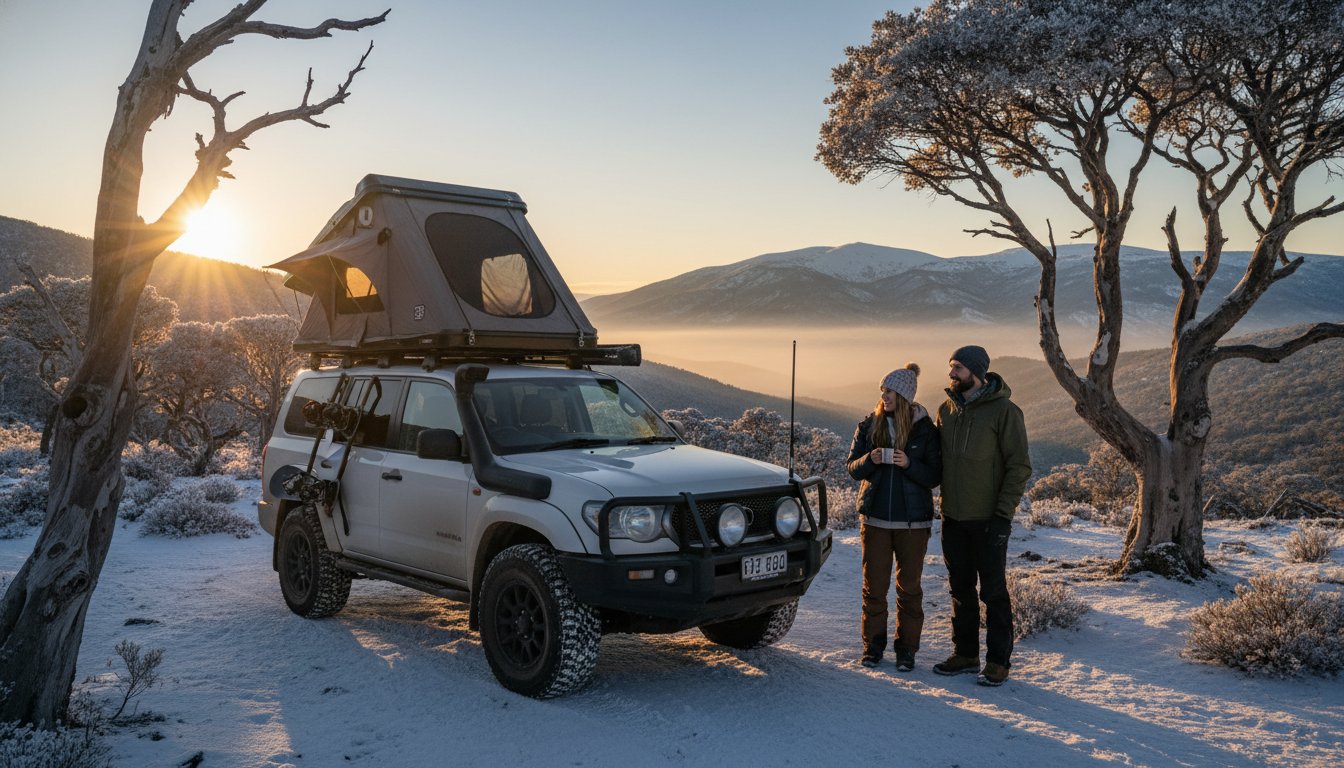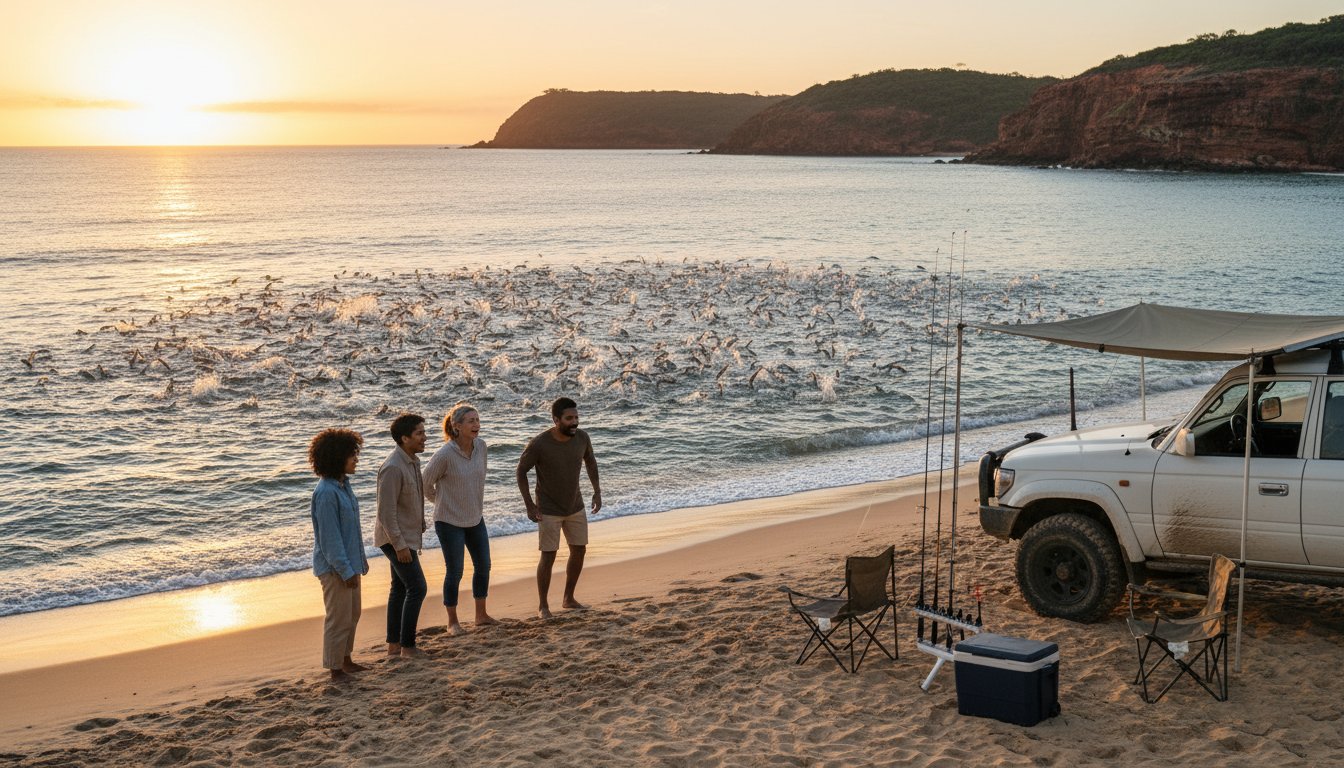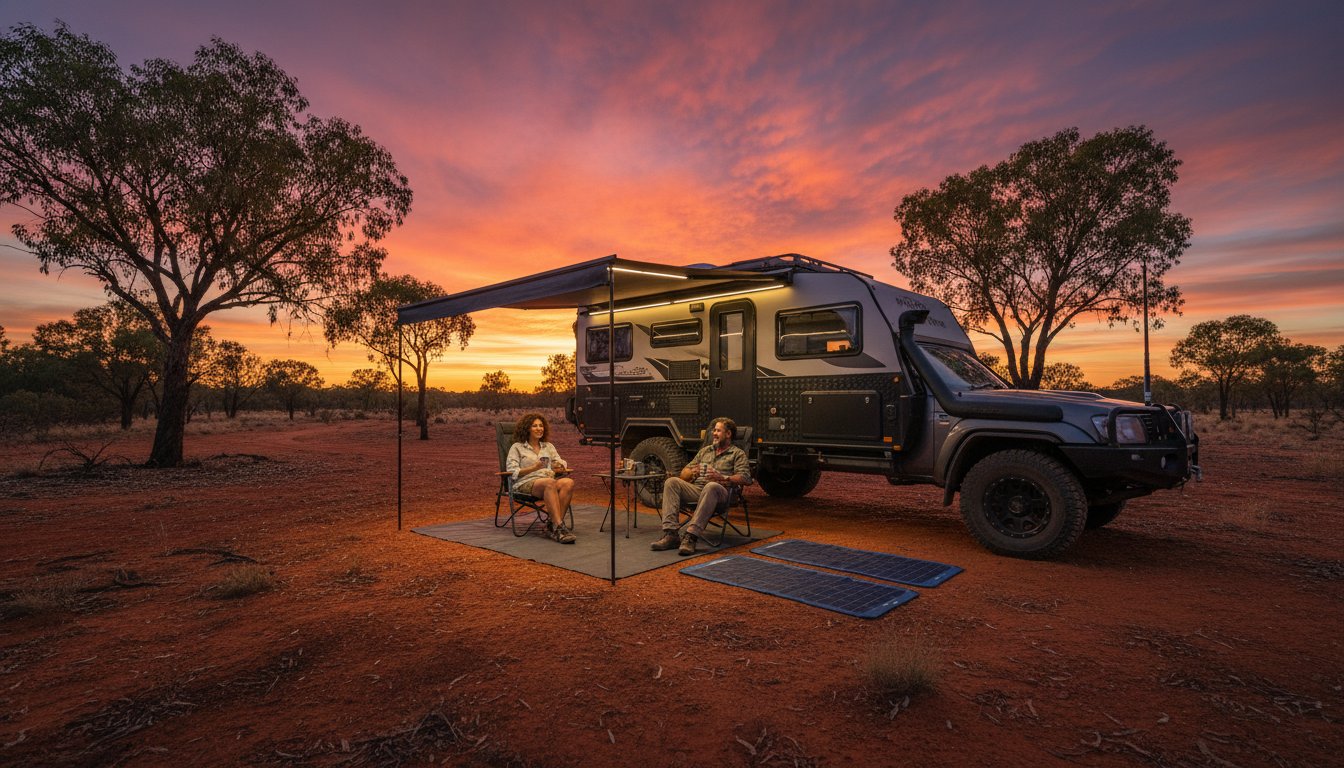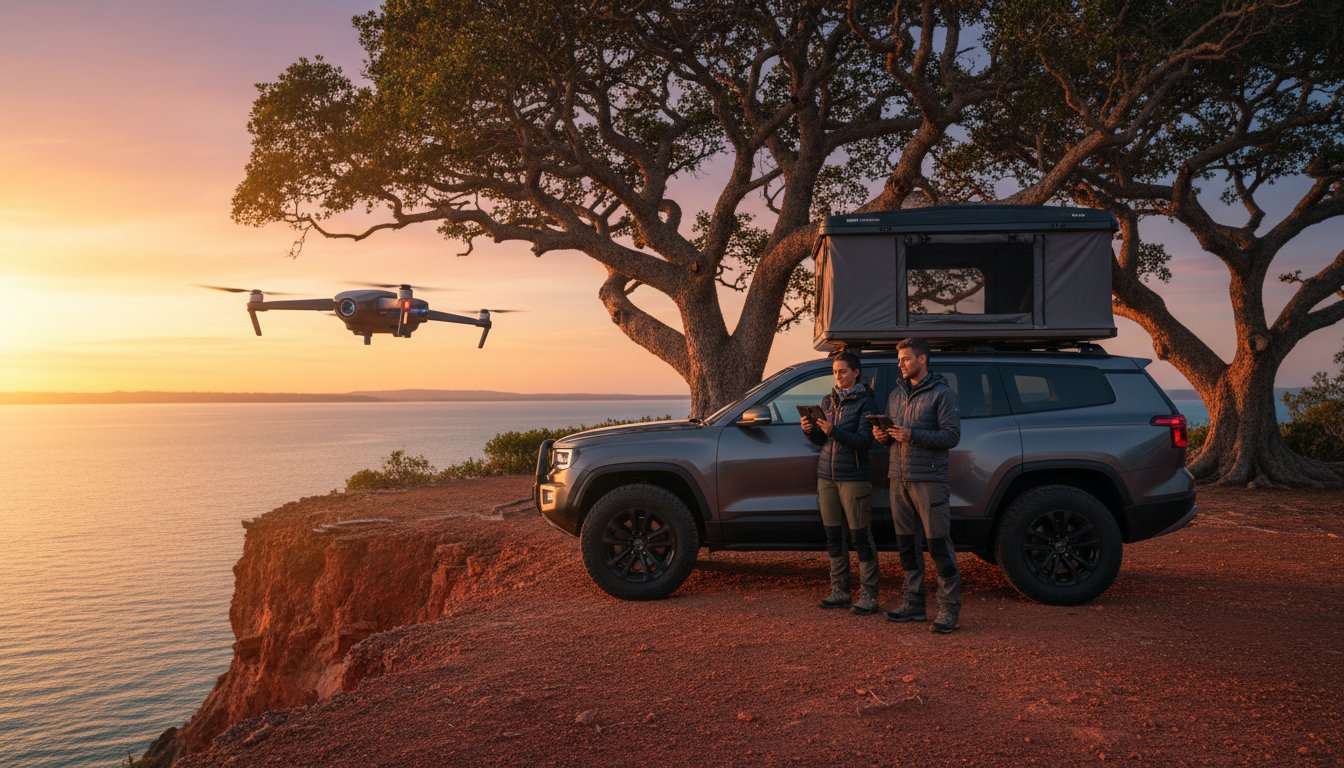
Feeling overwhelmed by the sheer number of white-sand beaches and national park turn-offs in Jervis Bay? We get it. It’s easy to follow the crowds and feel like you’ve missed the raw, untamed magic of this coastal paradise. You didn’t get all that gear just to sit on a crowded beach, right? You’re here for a real adventure, and the fear of missing out on those truly epic, hidden spots is real.
Before tackling remote tracks, ensuring your vehicle’s performance is optimized is just as important as having the right camping gear. For serious adventurers, professional Custom Vehicle Tuning can unlock the power and reliability needed to explore with confidence.
Well, pack the swag and fire up the rig, fellow Adventurerz, because this is your official mission plan for 2026! Forget the basic tourist guides. We’re handing you the keys to the kingdom: our definitive roadmap to the most secluded beaches, the best 4WD tracks with jaw-dropping views, and the secrets to booking those perfect, off-the-grid campsites. This is your guide to an unforgettable, responsible adventure that goes way beyond the postcard shot.
Key Takeaways
- Ditch the Hyams Beach crowds and discover the secluded, pristine coves and hidden gems that only true Adventurerz know about.
- Learn the local secrets for year-round wildlife encounters, including how to ethically see the resident dolphin pod in Jervis Bay.
- Secure your ultimate 4WD-friendly campsite by mastering the booking system-we show you how to plan months ahead to avoid missing out!
- Unlock the area’s full potential by exploring the “triple threat”: Booderee National Park, Jervis Bay National Park, and the Marine Park.
Why Jervis Bay is an Adventurer’s Paradise (Not Just a Pretty Beach)
Alright Adventurerz, let’s get one thing straight. Yes, the photos of Hyams Beach are epic, and the sand is as white as they say. But if you think that’s all there is to this slice of the NSW South Coast, you’re missing the real story! This place is a rugged, wild, and profoundly special destination that goes far beyond the postcard shots. We’re talking about a unique coastal wilderness that’s a triple threat of exploration.
What many don’t realise is that a significant part of the area is the Jervis Bay Territory, a distinct region managed by the Commonwealth. This isn’t just another beach town; it’s a hub of incredible biodiversity where bottlenose dolphins patrol the turquoise waters, migrating whales put on a show, and kangaroos casually sunbathe on the sand. Forget just relaxing-this is a place to get the 4WD dusty, the hiking boots muddy, and the kayak salty.
Understanding the Three Parks of Jervis Bay
The sheer scale of adventure waiting in Jervis Bay is managed across three distinct but interconnected parks. Knowing the difference is key to planning your ultimate trip:
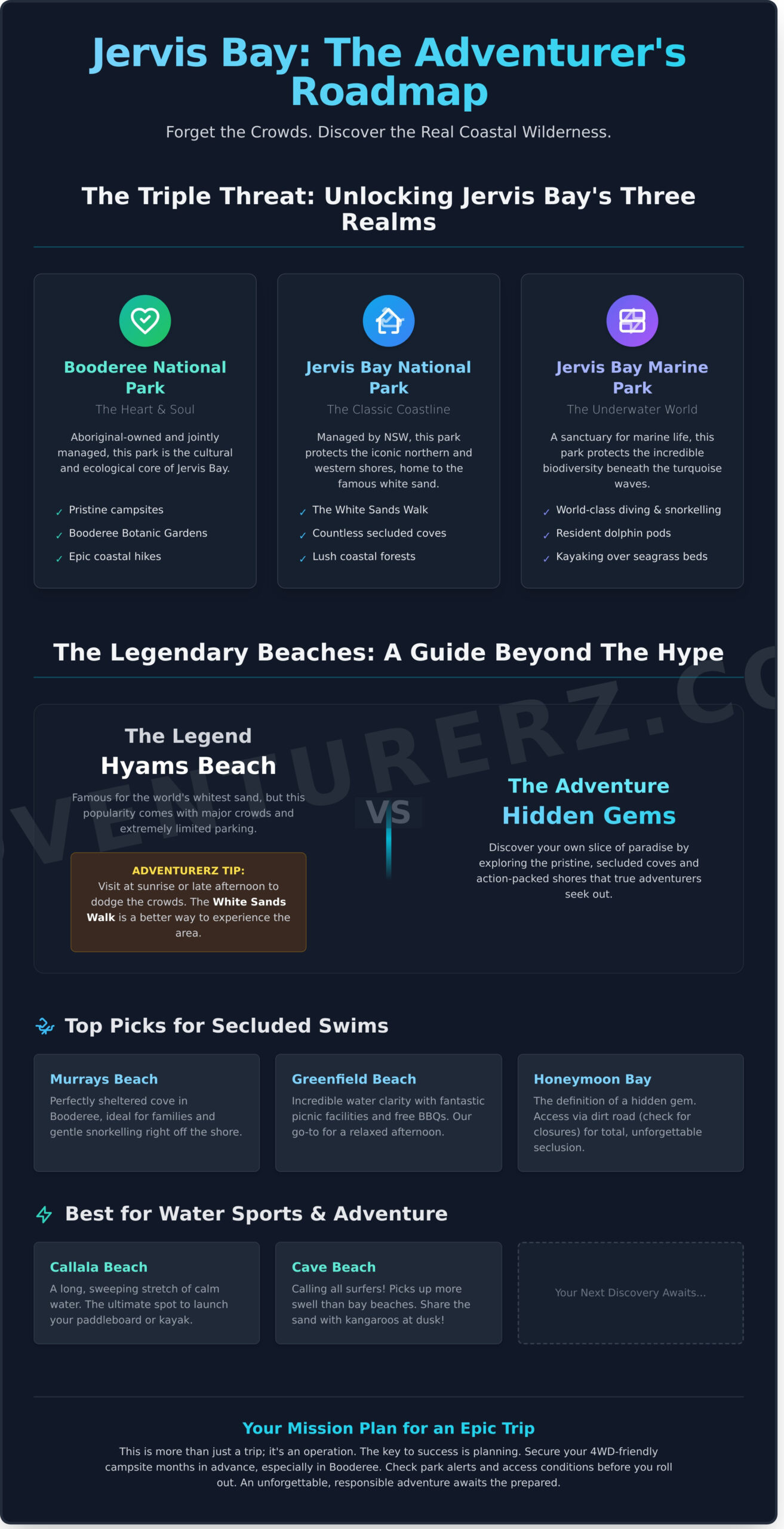
- Booderee National Park: This is the heart and soul of the region. It’s an Aboriginal-owned park, jointly managed with Parks Australia. Here you’ll find the stunning Booderee Botanic Gardens, epic hikes through coastal heath, and some of the most pristine campsites you’ll ever pitch a swag in.
- Jervis Bay National Park: Managed by NSW, this park protects the northern and western shores. It’s your go-to for the classic White Sands Walk and discovering countless secluded coves and beaches that you might just get all to yourself.
- Jervis Bay Marine Park: Get ready to explore what’s beneath the waves! This marine park is a sanctuary for marine life. It’s an absolute haven for diving, snorkelling amongst weedy sea dragons, and kayaking over crystal-clear seagrass beds.
Respecting the Land: The Wreck Bay Aboriginal Community
Exploring this incredible landscape comes with a responsibility to honour its history. Jervis Bay is the traditional country of the Yuin people, and Booderee National Park is owned by the Wreck Bay Aboriginal Community. This is a place of immense cultural significance. As visitors, we have a privilege and a duty to tread lightly and listen deeply. We encourage every Adventurer to engage respectfully, learn about the local culture, and support Indigenous-owned tour operators where possible. It’s about more than just seeing a place; it’s about understanding it.
The Legendary Beaches: A Guide Beyond the Hyams Beach Hype
Okay Adventurerz, let’s talk beaches. We all know the legend of Hyams Beach and its dazzlingly white sand. It’s a must-see, but a true Jervis Bay experience means venturing beyond the crowds to find your own slice of coastal paradise. We’re here to guide you to the hidden coves and sprawling shores where the real magic happens. Ready to dive in?
Hyams Beach & The White Sands Walk
If you’re set on seeing the world’s whitest sand, our strategy is simple: go at sunrise or late afternoon. You’ll dodge the peak crowds and secure one of the very limited parking spots. The real highlight, though, is the White Sands Walk. This easy 2.5km trail links Hyams to the equally stunning Chinamans and Seamans Beaches through lush coastal forest. It’s the best way to experience the area’s beauty without the parking chaos. Reward yourself with a post-walk coffee from the Hyams Beach Store and Cafe!
Our Top Picks for Secluded Swims
Ready to escape the hustle? Many of the bay’s most pristine spots are protected within the incredible Jervis Bay National Park and Booderee National Park, so always remember to tread lightly and leave no trace. Here are our favourites:
- Murrays Beach: Tucked away in Booderee, this perfectly sheltered cove is a family favourite. The water is calm, crystal-clear, and ideal for a gentle snorkel right off the shore.
- Greenfield Beach: Boasting incredible water clarity and fantastic picnic facilities with free BBQs, this is our go-to for a relaxed arvo with mates. Easy access and pure bliss!
- Honeymoon Bay: This tiny, almost-secret bay is the definition of a hidden gem. Access is via a dirt road and can be closed for naval exercises, so check ahead. The reward is total, unforgettable seclusion.
Best Beaches for Water Sports & Adventure
If sitting still isn’t your style, these action-packed shores are for you. Get the gear ready!
- Callala Beach: With its long, sweeping stretch of calm water, this is the ultimate spot to launch the paddleboard or kayak for a day on the water.
- Cave Beach: Calling all surfers! Located in Booderee National Park, this spot picks up more swell than the bay beaches. Plus, you’ll often be sharing the sand with the local kangaroo population at dusk!
- Scottish Rocks: A favourite among local divers and snorkellers. The rocky outcrops here are teeming with colourful fish and marine life, making it a fantastic underwater playground.
Up-Close with Wildlife: Your Guide to Jervis Bay’s Famous Residents
Alright Adventurerz, let’s talk wildlife! While the white sand beaches are legendary, the local residents are the real stars of Jervis Bay. This marine park is a bustling metropolis for incredible creatures all year round, offering encounters that will stick with you long after you’ve packed up the 4WD and headed back north. We’re not just talking about a fleeting glimpse-we’re talking about front-row seats to nature’s greatest shows.
Dolphin & Whale Watching Tours
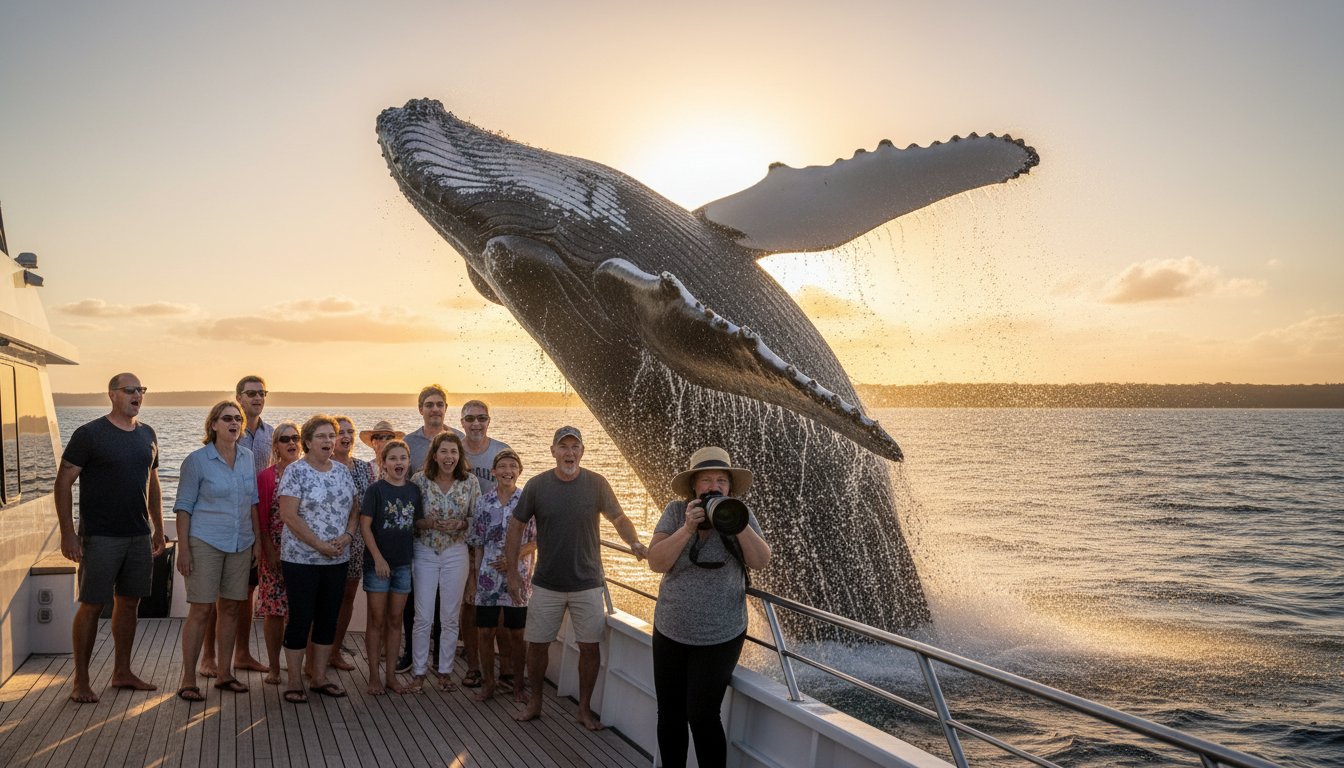
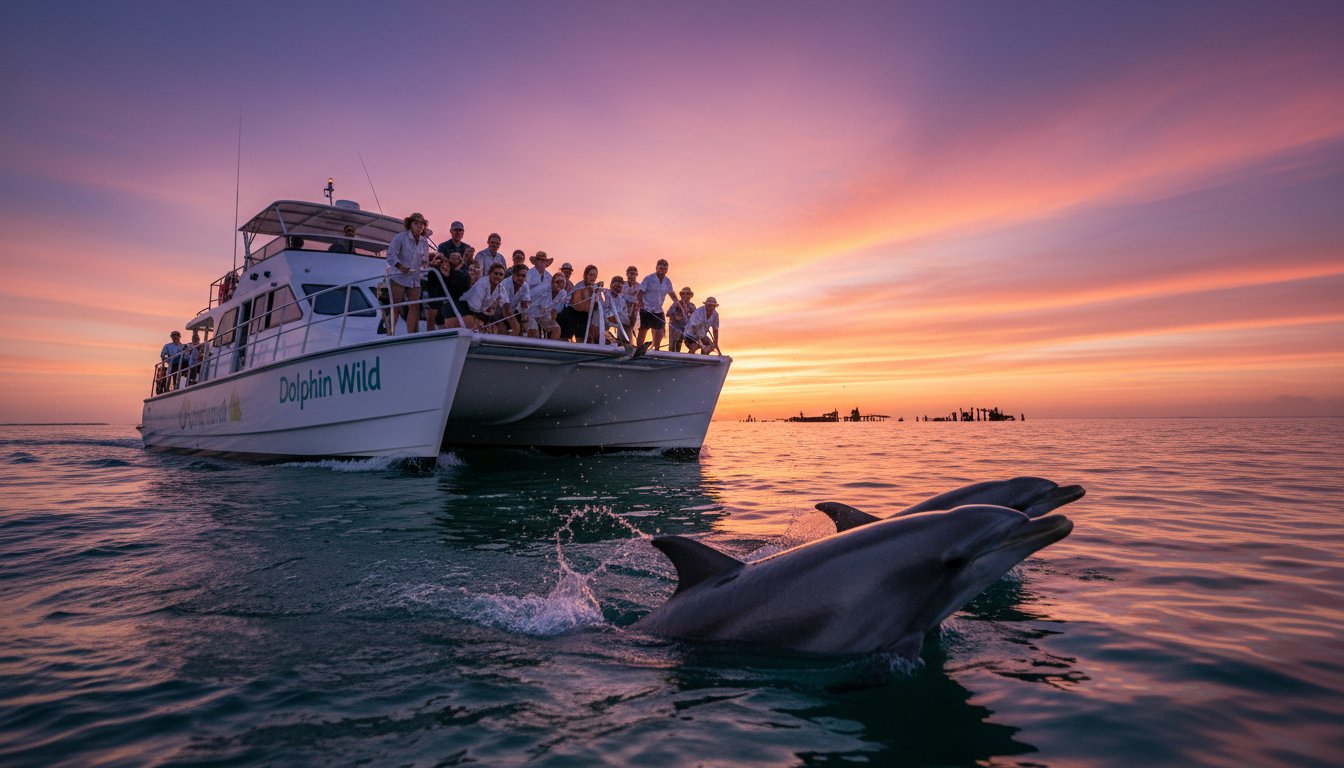
The best way to meet the locals is on the water. Jervis Bay is home to a massive pod of over 100 resident bottlenose dolphins, and a guided eco-cruise is your guaranteed ticket to see them playing in the bow waves. From May to November, the famous ‘Humpback Highway’ is in full swing, with majestic Humpback and Southern Right whales making their annual migration. The main operators depart from Huskisson, but our top tip? Book ahead! These tours fill up fast, especially during school holidays.
While guided tours are fantastic, skippering your own vessel offers a different kind of freedom to explore at your own pace. If this Jervis Bay adventure inspires you to take the helm on other coastal trips, looking into services like Boat4Hire in Melbourne can give you an idea of the types of self-drive boats available for hire.
Land-Based Lookouts and Encounters
You don’t need a boat to witness the magic. For some of the best shore-based whale watching, pack your binoculars and head to the ruins of Cape St George Lighthouse in Booderee National Park. And yes, the rumours are true! You can see kangaroos chilling on the sand. Head to Cave Beach or Pebbly Beach early in the morning or late afternoon for your best chance. For the birders in our crew, the wetlands and heathlands are teeming with life, including the rare Eastern Bristlebird.
Underwater Adventures: Snorkelling and Diving
Ready to get wet? The underwater world here is next level. The clear, protected waters of spots like Scottish Rocks and Murrays Beach are perfect for snorkelling, with vibrant fish and rays cruising the seagrass beds. For our certified divers, keep your eyes peeled for the elusive Weedy Seadragon-a truly unforgettable sight. Before you dive in, it’s a great idea to check conditions and find certified operators on the Jervis Bay official tourism site. Need gear? You’ll find plenty of rental shops in Huskisson and Vincentia to get you sorted.
Your Jervis Bay Basecamp: The Best Camping and 4WD Stays
Alright team, let’s talk about where you’ll be resting your head after a massive day of exploring. When it comes to camping, Jervis Bay is in a league of its own, offering some of Australia’s most breathtaking campsites. But here’s the critical bit of intel: you are not the only one who knows this! These spots are legendary, so booking months-sometimes even a year-in advance is non-negotiable, especially for peak seasons. Whether you’re after the full-service experience of a holiday park or the raw beauty of a national park, we’ve got you covered.
National Park Camping (Book Way Ahead!)
Booderee National Park is the crown jewel of camping in the region. These government-run sites get you right in the heart of the action, surrounded by bush and just steps from that iconic white sand. Remember to book via the Parks Australia website!
- Green Patch: The famous one! Expect impossibly turquoise water and daily visits from friendly kangaroos and rosellas. It’s an absolute stunner and perfect for families.
- Bristol Point: A fantastic, slightly quieter alternative to Green Patch. Many sites here are walk-in, making it ideal for those with a swag or tent setup who crave a bit more serenity.
- Cave Beach: Calling all Adventurerz! This one’s for the surfers and those who don’t mind a short walk from the car park to the campsite. The payoff is epic surf access and a more rugged vibe.
4WD Accessible & Remote Options
For those of us with a capable rig, the real magic happens when we leave the tarmac behind. While beach driving within Booderee National Park is restricted to protect the delicate environment, the surrounding state forests offer tracks that reward the prepared explorer. Always check with NSW National Parks or local authorities for the latest track conditions and permits before you head out. Getting off the grid means you can find your own slice of paradise. Make sure your rig is ready to create that perfect remote shelter with one of the best 4WD awnings on the market-it’s a game-changer for quick, comfortable setups.
A Note on Responsible Camping
We’re all part of the Adventurerz community, and that means we protect the places we love. Camping in a pristine environment like Jervis Bay comes with a responsibility to leave it better than we found it. Let’s make sure we’re all on the same page:
- Leave No Trace: If you pack it in, you pack it out. Simple as that.
- Pack Sustainably: The ‘leave no trace’ mindset starts before you even leave home. Choosing reusable gear over single-use items is a huge part of responsible travel. This can be as simple as your water bottle or your travel kit; for example, switching to an eco-friendly option like a Reset Razor helps cut down on plastic waste in these pristine places.
- Check Fire Bans: The South Coast is prone to total fire bans, especially in summer. Always check the RFS website and use designated fire pits where permitted.
- Respect the Locals: Feeding the wildlife might seem harmless, but it disrupts their natural behaviour and can make them sick. Keep your food secure and enjoy watching them from a distance.
Planning Your Ultimate Jervis Bay Adventure: A Practical Guide
Alright team, this is where the rubber meets the road! We’ve covered the what and the where, now let’s lock in the how. A successful trip is all in the planning, and we’re here to make sure your adventure is absolutely epic. Let’s get you prepped and ready to roll out.
The Best Time to Visit Jervis Bay
Honestly, there’s no bad time for a jervis bay trip; it just depends on your mission! Each season offers a completely different vibe for Adventurerz.
- Summer (Dec-Feb): Prime time for swimming and soaking up the sun. Expect big crowds and a buzzing atmosphere. You’ll need to book everything well in advance!
- Autumn (Mar-May): Our favourite! The water is still beautifully warm, the crowds have thinned, and the crisp air is perfect for those epic coastal hikes.
- Winter (Jun-Aug): The ultimate show! Humpback whales cruise past on their migration. It’s chilly, but perfect for rugged-up adventures and campfire stories.
- Spring (Sep-Nov): The landscape comes alive with wildflowers, and the tail end of the whale season offers a final chance to spot these gentle giants.
Getting There and Getting Around
For our fellow Queenslanders, you’ll likely be flying into Sydney or Canberra. From either city, it’s a cruisy 3-hour drive south. You absolutely need your own vehicle here; the stunning beaches and national parks are spread out. A 4WD opens up more options, but a 2WD will get you to all the main highlights. Remember to factor in the Booderee National Park entry fee, currently $13 per vehicle for a 48-hour pass.
A 3-Day Adventurer’s Itinerary
Here’s a solid plan to max out a long weekend. Feel free to tweak it to suit your own pace and style!
- Day 1: Booderee Immersion. Head straight into Booderee National Park. Discover the impossibly white sand of Murrays Beach, check out the Botanic Gardens, and end the day watching kangaroos at Green Patch as the sun goes down.
- Day 2: Water & Walking. Kick off with a morning dolphin-watching cruise from Huskisson. In the afternoon, tackle the famous White Sands Walk from Greenfield Beach to Hyams, then find a more challenging trail for a proper hike.
- Day 3: Sunrise & Send-off. Catch a spectacular sunrise from Point Perpendicular Lighthouse. Explore the laid-back town of Vincentia for a final coffee and have one last swim before hitting the road home, fully recharged.
Got your own Jervis Bay tips? Share them with the community over at adventurerz.com!
Jervis Bay: Your Adventure Is Just Beginning!
As we’ve shown, there’s so much more to this slice of paradise than just the famous white sands. From discovering secluded coves beyond the Hyams Beach hype to unforgettable wildlife encounters and setting up the ultimate 4WD basecamp, the real Jervis Bay is a true adventurer’s playground. It’s about getting the rig dusty, finding those secret spots, and connecting with nature on a whole new level.
Feeling fired up? That’s what we love to hear! Our community of Adventurerz is built on sharing exactly this kind of knowledge-real-world guides written by experienced Aussie adventurers who prioritise responsible, sustainable travel. We’ve got the community-tested gear recommendations and off-the-beaten-track intel to make your next trip unforgettable. Ready for your next trip? Join the Adventurerz community for more expert guides!
So get out there, explore considerately, and make some epic memories. The coast is calling!
Frequently Asked Questions about Your Jervis Bay Trip
Why is the sand at Jervis Bay so white?
That brilliant, squeaky-clean sand isn’t magic-it’s pure geology in action! The sand at famous spots like Hyams Beach is made of incredibly fine, granulated quartz. Over millennia, ocean currents have washed these quartz particles into the bay, creating some of the whitest sand in the world. It’s a stunning reward after a long drive and feels absolutely incredible underfoot as you scout for the perfect spot to relax and take in the view.
Can you swim in Jervis Bay year-round?
Absolutely, if you’re a true Adventurer! In summer (Dec-Feb), the water is a glorious 20-22°C, perfect for a refreshing dip. During the winter months, it gets a bit more invigorating, dropping to around 16-17°C. We recommend packing a good wetsuit if you plan on snorkelling or spending extended time in the water from June to August. The upside? Winter often brings crystal-clear visibility for diving!
Do you have to pay to enter Jervis Bay?
While the towns around the bay like Huskisson and Vincentia are free to access, the most pristine beaches and walking tracks are located within Booderee National Park. To enter the park, you’ll need a pass, which currently costs A$13 per vehicle and is valid for 48 hours. We see it as a small contribution to help preserve the incredible biodiversity and keep this slice of paradise pristine for all of us to enjoy responsibly.
What is the best month to visit Jervis Bay for good weather and fewer crowds?
For that perfect sweet spot, we always aim for the shoulder seasons. March-April and September-November offer the best of both worlds: beautiful, sunny days perfect for hiking and swimming, but without the peak summer holiday crowds. Spring is particularly special as it overlaps with the tail end of the whale migration season, giving you a fantastic chance to spot these gentle giants on their journey south. It’s the ideal time for a peaceful escape.
How many days are enough for a trip to Jervis Bay?
A long weekend of 3 to 4 days is fantastic for covering the highlights. This gives you enough time to explore Booderee National Park, relax on a few different beaches, and maybe even join a dolphin-watching cruise. However, if you’re bringing the 4WD and want to properly set up camp and explore the quieter tracks, we’d recommend giving yourself 5 to 7 days. This allows you to truly switch off and immerse yourself in the relaxed coastal vibe.
Is Jervis Bay better than the Whitsundays?
That’s the ultimate Aussie debate! Honestly, they offer completely different kinds of adventures. The Whitsundays deliver that classic tropical island, sailing, and Great Barrier Reef experience. Jervis Bay, on the other hand, is the quintessential South Coast adventure where rugged Aussie bushland meets serene coastal beauty. It’s perfect for camping, bushwalking, and enjoying wildlife in a stunning national park setting. It all depends on the type of getaway you’re chasing!
Are there sharks in Jervis Bay?
Yes, like any healthy marine environment in Australia, Jervis Bay has a resident shark population. It’s a thriving ecosystem, which is a great sign! However, negative encounters are incredibly rare. The area is a known habitat for generally placid species like Grey Nurse and Wobbegongs. As always, we practice smart water safety: swim between the flags at patrolled beaches, avoid swimming at dawn or dusk, and always head out with a mate.