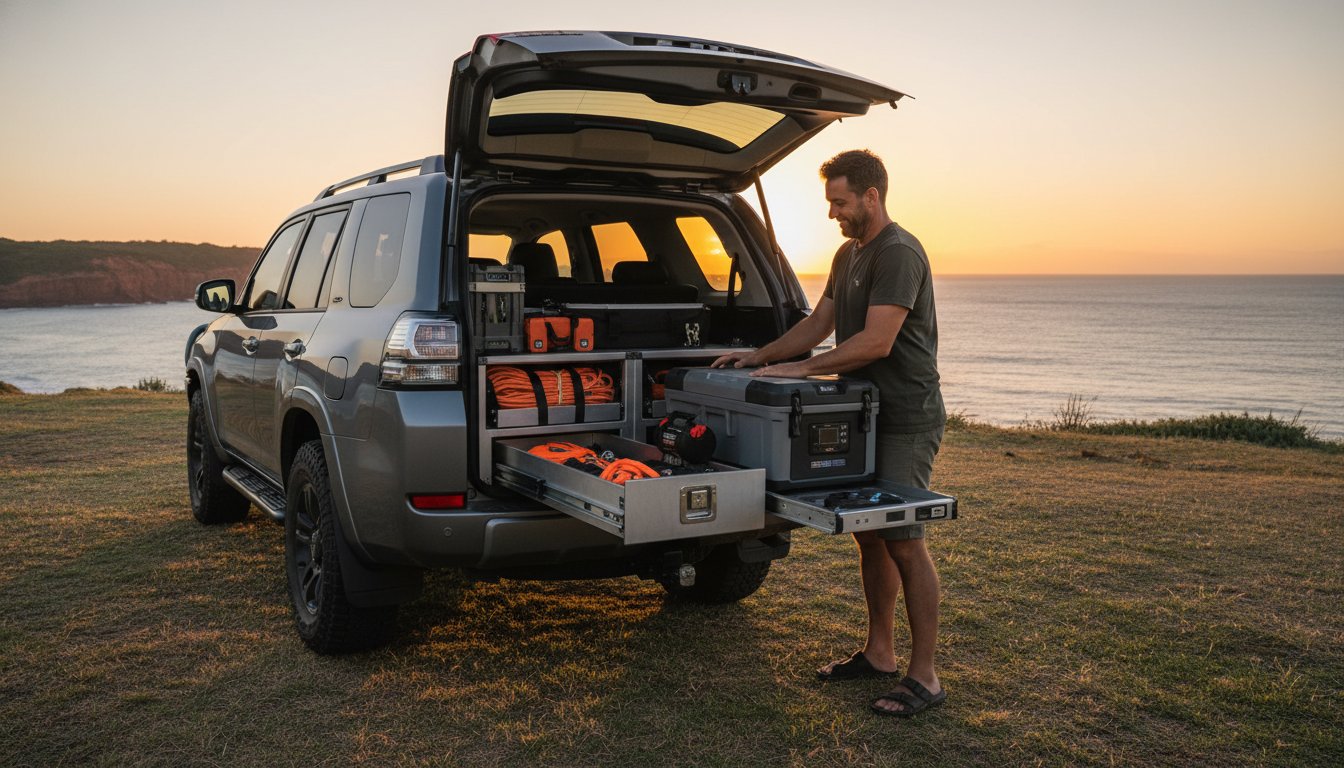
What if your next adventure took an unexpected turn, leaving you feeling unprepared and anxious? Many of us have been there, staring at a stuck vehicle and wondering how to execute effective 4WD winch recovery techniques. It’s a common fear that can leave even the most seasoned adventurers feeling hesitant and overwhelmed. But it doesn’t have to be that way! In this comprehensive guide, we’ll equip you with the essential skills and knowledge to tackle any recovery situation with confidence.
By diving into the world of winch recovery, you’ll learn not only the basics but also advanced techniques that can make all the difference in challenging scenarios. We’ll clarify the gear you need and share insights to ensure your equipment performs flawlessly when it matters most. Together, we’ll transform your uncertainties into expertise, empowering you to embrace the Australian wilderness with enthusiasm and assurance!
Key Takeaways
- Understand the essentials of winch recovery to enhance your 4WD adventures, including common scenarios where a winch is crucial.
- Learn step-by-step 4WD winch recovery techniques, from basic straight-line recoveries to advanced angle techniques using snatch blocks.
- Compare the pros and cons of different recovery gear, including steel cables versus synthetic ropes, to choose the best option for your needs.
- Prioritize safety and environmental responsibility in your recovery practices to protect both yourself and the Australian wilderness.
- Discover how the right gear and accessories can significantly enhance your overall 4WD experience and comfort on your journeys.
Understanding the Basics of 4WD Winch Recovery
Winch recovery is an essential skill for any 4WD enthusiast. It involves using a winch to pull a vehicle out of challenging situations, such as mud, sand, or steep inclines. Mastering 4WD winch recovery techniques can mean the difference between a thrilling adventure and a frustrating ordeal. Whether you’re tackling the Australian outback or navigating a rugged trail, knowing how to effectively use a winch enhances your safety and confidence on the road.
Common scenarios requiring winch use include:
- Getting stuck in deep mud or sand
- Recovering a vehicle that has rolled over
- Pulling a vehicle up a steep incline
- Assisting a fellow Adventurerz in distress
To effectively engage in winch recovery, it’s crucial to understand the basic components of a winch:
Essential Winch Components
The main parts of a winch include:
- Winch motor: The power source of the winch, typically either electric or hydraulic, determines the winch’s pulling capacity. A motor with a pulling capacity of at least 4,500 kg is advisable for most 4WD vehicles.
- Cable or rope: Winches can be equipped with either steel cables or synthetic ropes. While steel cables are durable, synthetic ropes are lighter and safer, reducing the risk of recoil injuries.
- Mounting systems: A secure mounting system is vital for effective winching. Ensure your winch is mounted to a sturdy frame to withstand the forces exerted during recovery.
Safety should always be your top priority when engaging in winch recovery. Here are some key considerations:
Safety First: Gear and Practices
Equipping yourself with the right safety gear can help prevent accidents during recovery operations:
- Mandatory safety gear: Always wear gloves to protect your hands, and consider using a winch damper to reduce cable recoil. Shackles are essential for connecting the winch to recovery points safely.
- Importance of a recovery buddy: Never attempt recovery alone. Having a recovery buddy not only provides assistance but also ensures someone can call for help if things go awry.
- Basic pre-recovery checks: Before starting, inspect the winch, cable, and mounting system for any wear or damage. Ensure the recovery point on your vehicle is rated for the load you plan to pull.
By understanding these fundamentals of 4WD winch recovery, you’re setting yourself up for safer, more successful adventures ahead!
Step-by-Step Guide to Basic and Advanced Winch Recovery Techniques
When it comes to mastering 4WD winch recovery techniques, understanding both basic and advanced methods is essential. Whether you’re helping a mate out of a sticky situation or facing your own recovery challenge, these techniques will empower you to tackle the terrain with confidence.
Conducting a Basic Straight-Line Recovery
A basic straight-line recovery is often the most straightforward approach. Here’s how to execute it:
- Evaluate terrain and anchor points: Before anything else, assess the surroundings. Find solid anchor points like trees or rocks that can withstand the pull. Ensure the ground is stable and free of debris.
- Secure the winch line and start recovery: Connect the winch line to your vehicle and the anchor point. Make sure the connection is secure before you begin winching.
- Monitor vehicle alignment and winch tension: As you start the recovery, keep an eye on your vehicle’s alignment. Adjust as necessary to prevent any strain on the winch line.
Advanced Techniques: Using Snatch Blocks and Extension Ropes
For more challenging recoveries, advanced techniques can significantly enhance your capabilities:
- Setup for angled recoveries with snatch blocks: Snatch blocks allow you to redirect the winch line, providing more pull angles and better positioning. Ensure your block is rated for the load you’re pulling.
- Benefits of extension ropes in difficult terrains: Extension ropes can increase your winch’s reach, making it easier to connect to a suitable anchor point without moving your vehicle. This is particularly useful in tight spots.
- Avoiding common mistakes with advanced setups: Always double-check your connections and ensure your snatch block is properly aligned. Misalignment can lead to a dangerous snap during recovery.
Executing a Double-Line Pull
A double-line pull can be a game changer, providing extra power when needed. Here’s how to set it up:
- Setup process for a double-line configuration: To execute this, thread the winch line through a snatch block and back to your vehicle. This effectively doubles the pulling capacity.
- Situational benefits of double-line pulls: Use this method when you’re stuck in particularly deep mud or sand, or when the recovery distance is greater than usual.
- Safety protocols to avoid line snapping: Always wear gloves and stand clear of the winch line. Inspect the line for wear and tear before use. If the line snaps, it can recoil with tremendous force.
Mastering these 4WD winch recovery techniques will prepare you for those challenging moments on your adventures. Remember, the key to effective recovery is preparation and safety. For more tips on enhancing your outdoor experiences, check out Adventurerz.
Comparing Essential Gear for Different Recovery Scenarios
When it comes to effective 4wd winch recovery techniques, having the right gear is crucial. Different recovery scenarios require specific tools, and knowing how to compare them can make a world of difference in both performance and safety. Let’s take a closer look at some essential gear: steel cable versus synthetic rope, snatch blocks versus winch rings, shackles, and the vital role of recovery dampers.
Steel Cable vs. Synthetic Rope: Making the Right Choice
Steel cable and synthetic rope are the two main options for winching. Steel cables are durable and resistant to abrasion, making them suitable for rugged conditions. However, they are heavier and can be more challenging to handle, especially if they become kinked or frayed. On the other hand, synthetic ropes are lighter and float on water, making them easier to manage. They provide better stretch under load, which can help absorb shock. That said, they require more care to prevent UV damage and abrasion.
- Durability: Steel cables last longer in harsh environments.
- Weight: Synthetic ropes are easier to transport.
- Maintenance: Steel needs regular checks for wear, while synthetic requires protection from UV exposure.
Choosing Between Snatch Blocks and Winch Rings
Snatch blocks and winch rings each have their place in recovery scenarios. Snatch blocks are versatile; they allow you to double the pulling power of your winch while redirecting the angle of the pull. They can be more complex to set up but are invaluable in tricky situations. Winch rings, meanwhile, offer a simpler solution for connecting ropes and can help reduce friction. They are easy to use and quick to set up, making them ideal for less complicated recoveries.
- Best Use: Snatch blocks are great for heavy pulls; winch rings excel in straightforward connections.
- Setup Time: Winch rings are faster to deploy.
- Cost: Snatch blocks tend to be pricier, while winch rings are generally affordable.
Shackles and Dampers: Key Components in Recovery
Shackles are vital in any recovery setup. You’ll typically choose between soft shackles and bow shackles. Soft shackles are lightweight and easier to handle, while bow shackles are stronger and provide a more secure connection due to their shape. Recovery dampers are often overlooked but are essential for safety, as they help prevent snapback during a recovery. Investing in high-quality dampers can significantly reduce the risk of injury.
- Types of Shackles: Soft shackles are lightweight; bow shackles offer strength.
- Role of Dampers: They absorb energy and prevent snapback.
- Quality Indicators: Look for reputable brands and materials that meet industry standards.
Understanding the differences between these tools will enhance your 4wd winch recovery techniques. Whether you’re navigating the rugged Australian outback or helping a mate out of a sticky situation, the right gear could be the difference between a smooth recovery and a stressful ordeal. Gear up, stay safe, and let’s hit the trails responsibly!
Emphasizing Safety and Environmental Responsibility in Winch Recovery
When we venture into the great outdoors with our 4WDs, safety and environmental responsibility should be at the forefront of our minds, especially when employing 4wd winch recovery techniques. Ensuring both our well-being and the preservation of nature is crucial to enjoying these adventures sustainably. This section outlines essential safety protocols, highlights eco-friendly practices, and discusses common mistakes to avoid during recovery.
Key Safety Protocols for Winch Recovery
Prioritizing safety is non-negotiable. Here are key protocols to follow:
- Regular equipment checks: Inspect your winch, cables, and recovery gear before every use. Look for signs of wear or damage to prevent failures during recovery.
- Clear communication plan: Establish signals and roles within your team to avoid confusion. This ensures that everyone knows what to do, especially in high-pressure situations.
- Anchor point selection: Choose solid, secure anchor points to avoid accidents. An improper selection could lead to a catastrophic failure, putting everyone at risk.
Eco-Friendly Practices During Recovery
Our love for adventure should not come at the cost of the environment. Incorporate these eco-friendly practices into your recovery routine:
- Tree trunk protectors: Use them to shield the trees you anchor to, minimizing damage to bark and promoting forest health.
- Minimize terrain impact: Plan your recovery paths wisely, avoiding sensitive areas like wetlands or fragile ecosystems.
- Educate your companions: Share knowledge on eco-friendly recovery techniques with your team, fostering a culture of responsibility.
Common Mistakes and How to Avoid Them
Awareness of common pitfalls can significantly enhance safety during recovery. Here are mistakes to watch for:
- Over-tensioning the winch line: Avoid excessive tension which can lead to line breakage. Always ensure you’re within the winch’s rated capacity.
- Preventing winch overheating: Take breaks during extended pulls to allow the winch motor to cool down, reducing the risk of overheating.
- Proper storage of recovery gear: After use, store your gear safely to prevent damage and ensure it remains ready for your next adventure.
By implementing these safety protocols and eco-friendly practices, we not only protect ourselves but also preserve the stunning landscapes we cherish. Let’s commit to being responsible Adventurerz. Ready to gear up for your next adventure? Check out more here!
Enhancing Your 4WD Experience with the Right Gear
Choosing the right gear for your 4WD setup is crucial for enhancing your off-road adventures. It not only maximizes your vehicle’s capabilities but also ensures safety and comfort during your trips. By investing in appropriate accessories and regularly maintaining your recovery kit, you can enjoy a more seamless and enjoyable experience on the rugged terrains of Australia.
Selecting Gear That Complements Your Vehicle
When it comes to gear selection, matching your winch capacity to your vehicle’s weight is essential. For instance, if your 4WD weighs 2,500 kg, opt for a winch with a capacity of at least 3,500 kg to ensure reliable performance during recovery situations. Additionally, consider incorporating a rooftop tent. These tents not only provide a comfortable sleeping arrangement but also enhance your off-road trips by allowing you to set up camp quickly and easily, no matter where you are. To elevate your camping experience, think about adding a high-quality awning to your setup. Check out the best 4WD awnings for your vehicle to provide shade and shelter from the elements.
Maintaining and Upgrading Your Recovery Kit
Routine checks of your recovery gear are vital for ensuring reliability when you need it most. Regularly inspect your winch, straps, and shackles for wear and tear, replacing any damaged components immediately. Upgrading your recovery kit can also prepare you for new challenges, such as different terrains or harsher weather conditions. For example, investing in a more versatile roof top tent can improve your overall camping experience and adaptability on the road.
Joining the Adventurerz Community
We encourage you to connect with fellow Adventurerz! Sharing your recovery experiences and learning from others can enhance your skills and confidence in off-road situations. By joining our community, you get access to exclusive gear reviews, tips, and advice tailored to the adventurous spirit. Engage in community challenges and events to further enrich your 4WD journey and discover innovative 4WD winch recovery techniques from experienced adventurers.
Gear Up for Your Next Adventure!
Mastering 4WD winch recovery techniques is essential for any adventurous spirit looking to explore the great Australian outdoors. By understanding the basics and honing your skills with both basic and advanced recovery methods, you’ll be well-prepared for any situation that arises on your journeys. Remember, the right gear not only enhances your experience but also ensures safety and environmental responsibility.
Join the Adventurerz community today for exclusive tips and expert gear reviews tailored to Aussie off-road conditions! Together, we can embrace the thrill of the wild while respecting our beautiful landscapes. Don’t miss out on the chance to elevate your 4WD adventures-join us now!
Frequently Asked Questions
What is a winch recovery and why is it important?
A winch recovery is a process used to extricate a stuck vehicle using a winch, an essential tool for 4WD enthusiasts. It’s important because it can safely pull vehicles out of difficult situations, like mud or sand, preventing damage to your vehicle and ensuring safety for everyone involved. Understanding winch recovery techniques can make your off-road adventures more enjoyable and less stressful.
How do I choose the right winch for my 4WD?
To choose the right winch for your 4WD, consider the vehicle’s weight and the winch’s pulling capacity. A winch should have a pulling capacity of at least 1.5 times your vehicle’s weight for effective recovery. For example, if your 4WD weighs 2,500 kg, look for a winch rated at around 3,750 kg or more. Additionally, evaluate features like line length, motor type, and whether you prefer synthetic rope or steel cable.
Are synthetic ropes better than steel cables for winching?
Synthetic ropes are generally considered better than steel cables for several reasons. They are lighter, easier to handle, and safer, as they don’t store energy like steel cables, which can snap and cause injury. For instance, a synthetic rope can float, making it ideal for water recoveries. However, steel cables are more durable for rugged terrains and are less prone to abrasion, so choose based on your specific needs.
What safety gear do I need for a winch recovery?
For a safe winch recovery, essential gear includes a winch damper, gloves, and a rated recovery strap. A winch damper helps absorb shock if the cable or rope breaks, reducing the risk of injury. Gloves protect your hands while handling the winch line. It’s also wise to have a first aid kit and a fire extinguisher nearby for emergencies, ensuring you’re fully prepared for any situation.
How can I perform an angled winch recovery?
To perform an angled winch recovery, position your vehicle at a 45-degree angle from the stuck vehicle. Attach the winch line to a strong anchor point, like a tree or a rock, using a tree trunk protector if necessary. Slowly engage the winch, ensuring the line remains taut and straight. This technique helps pull the vehicle out without putting excessive strain on the winch or risking damage to your 4WD.
What are tree trunk protectors and why are they used?
Tree trunk protectors are specialized straps designed to wrap around trees, providing a secure anchor point for winching. They help prevent damage to the tree’s bark, promoting environmental responsibility while using your winch. By using a tree trunk protector, we’re taking a step towards sustainable adventure, ensuring our natural landscapes remain intact for future generations of Adventurerz.
How do I maintain my winch and recovery gear?
Maintaining your winch and recovery gear involves regular inspection, cleaning, and lubrication. Check for wear and tear on cables or ropes, and clean off dirt and debris after each use. Lubricate moving parts according to the manufacturer’s guidelines and store your gear in a dry, protected place. Regular maintenance will extend the life of your equipment and ensure reliable performance when you need it most!