Most travelers treat the 18,600 hectares of Moreton Island as a simple weekend getaway, but the reality is that the shifting sands of 2026 demand more than just a 4WD and a sense of wonder. We all know the frustration of staring at a complex ferry booking screen or the genuine fear of burying an axle in the deep, soft tracks near Middle Road. It’s a common hurdle that stops many from reaching the truly secluded spots on Mulgumpin. You don’t have to let logistics dampen your spirit.
We believe every journey should be as stress-free as the sunset at the Tangalooma Wrecks! That’s why we’ve built this guide to give you total confidence in your gear and your skills. You’ll learn exactly how to manage the A$56.30 vehicle permits, master technical sand driving, and find the quietest campsites away from the crowds. We’re diving into the essential logistics and sustainable habits that define the Adventurerz lifestyle, ensuring your footprint is light but your memories are massive.
Key Takeaways
- Prepare for a true off-road challenge on Moreton Island by securing your MICAT ferry spot early and embracing the island’s unique 4WD-only terrain.
- Master sand recovery and vehicle setup with our expert tips on managing tyre pressure and carrying essential gear like MAXTRAX for a smooth journey.
- Map out your ultimate itinerary, featuring the best spots for snorkelling the iconic Tangalooma Wrecks and cooling off in the crystal-clear Blue Lagoon.
- Join the Adventurerz community in protecting this paradise by mastering “Leave No Trace” principles and managing your waste responsibly to ensure a sustainable future.
Welcome to Moreton Island (Mulgumpin): Queenslands 4WD Paradise
Pack your recovery boards and check your tyre pressures because we’re heading to one of the most iconic sand destinations on the planet. As the world’s third-largest sand island, Moreton Island (Mulgumpin) is a 186-square-kilometre playground of towering dunes, crystal lagoons, and rugged coastal tracks. Known as Mulgumpin to the Quandamooka people, which translates to “place of sandhills,” this island is a sacred landscape that demands respect and a high-clearance vehicle. We don’t just visit this place; we immerse ourselves in its raw, shifting beauty.
Forget about bitumen or sealed roads. Aside from a tiny patch of pavement within the Tangalooma Island Resort, every single inch of transit on the island happens on sand. This 4WD-only requirement keeps the crowds manageable and the atmosphere authentic. You’ll experience a stunning contrast between the western and eastern shores. The western side is home to the famous Tangalooma Wrecks, where 15 sunken vessels create a calm, turquoise sanctuary for snorkelling. Flip over to the eastern beach, and you’re met with 40 kilometres of uninterrupted surf and salt spray, perfect for those of us who crave a remote, off-the-grid experience.
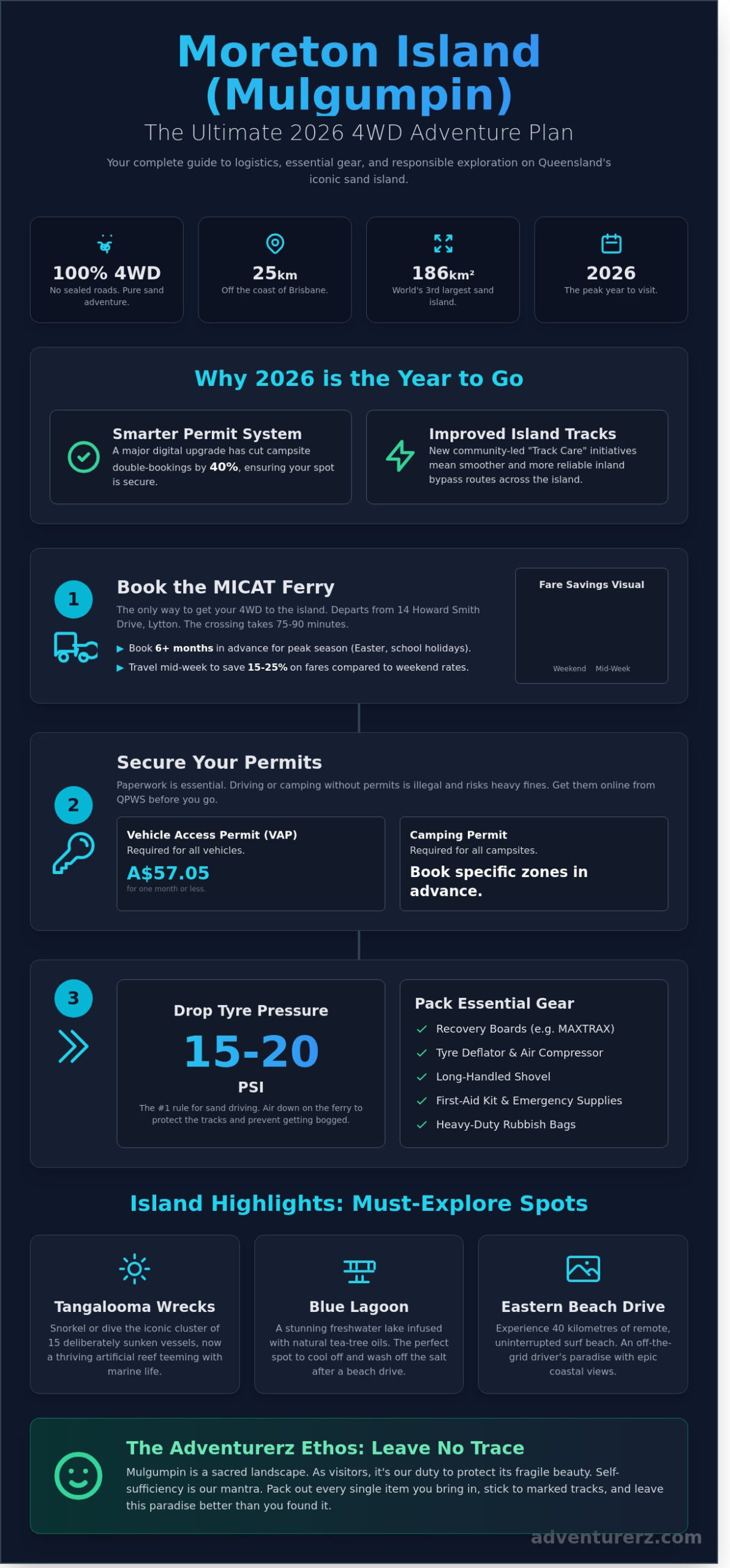
We believe 2026 is the absolute peak time to plan your journey. The Queensland Parks and Wildlife Service (QPWS) recently finalised a major overhaul of the digital permit system in late 2025, which has already reduced campsite double-bookings by 40 percent. This means more reliable access to your favourite spots. Additionally, new community-led “Track Care” initiatives launched this year have significantly improved the condition of the inland bypasses, making the trek to North Point smoother for everyone in the tribe.
Why Mulgumpin is Different from Fraser Island (K’gari)
While K’gari often steals the spotlight, Mulgumpin offers a more intimate escape for Brisbane locals. It’s located just 25 kilometres off the coast, yet it feels worlds away. We find that Moreton Island retains an “untouched” feel because it lacks the heavy commercial tour buses that often clog the tracks on K’gari. You’re part of the Moreton Bay Marine Park here, a vital sanctuary protecting 125,000 hectares of seagrass beds. This environmental significance means the water is often clearer and the wildlife encounters, like seeing dugongs or green sea turtles, feel much more personal.
The Adventurerz Mindset: Exploring Responsibly
Being an Adventurerz means more than just having the best gear; it’s about how we treat the land. These sand dunes are fragile ecosystems that shift with every tide. We always drop our pressures to 15-18 PSI before leaving the Micat ferry to protect the tracks from deep rutting. Self-sufficiency is our mantra. Whether you’re sleeping in swag tents or under 4WD awnings, you need to be prepared to pack out every gram of rubbish you bring in. Our community thrives because we take responsibility for these tracks, ensuring they remain open and pristine for the next generation of explorers. Get ready to test your skills and your rig in one of the most rewarding environments in Australia.
Logistics 101: Getting Your 4WD to Moreton Island
Getting your rig across the bay requires more than just a full tank of diesel and a sense of adventure. We’ve seen too many legends get caught out by lack of planning; so let’s get your strategy sorted before you hit the sand. Moreton Island is a wild paradise, but it’s also a logistical puzzle that demands respect and preparation. We treat every trip as a mission, ensuring our gear is tight and our permits are pinned to the dash.
Booking the MICAT Ferry
The MICAT ferry is the primary lifeline for Adventurerz heading to the island. It departs from 14 Howard Smith Drive, Lytton, which is roughly a 45-minute drive from the Redcliffe Peninsula. If you’re planning a trip for the 2026 Easter break or the September school holidays, you must book your spot at least 6 months in advance. Mid-week bookings are the secret to saving cash, often reducing vehicle transit costs by 15% to 25% compared to Friday afternoon departures.
When booking, you’ll need to select your vehicle category accurately. A standard 4WD under 5.1 meters is the baseline, but if you’ve added a rear-mounted spare or a bike rack, you might jump into the next price bracket. The 75-90 minute crossing is the perfect time to drop your tyre pressures. We recommend hitting 18-20 PSI before you even roll off the ramp onto the landing area at the Wrecks. Grab a coffee from the onboard cafe, check your off-the-grid power setup, and get ready for the shift into low range.
Permits and Paperwork
You cannot legally drive or camp on the island without the right paperwork. All vehicles must display a Vehicle Access Permit (VAP), which costs approximately A$57.05 for a month or less as of 2024. You can secure these through the Queensland National Parks booking service. For those staying overnight, camping permits are a separate requirement, currently priced at A$7.25 per person, per night. We always recommend booking specific sites like North Point or Blue Lagoon early, as these “established” areas offer more wind protection than the open “zone” camping areas.
The rangers at Gheebulum Kunungai (Moreton Island) National Park are active and dedicated to conservation. Failure to display a valid permit can result in an on-the-spot fine of A$154 or more. These funds go directly back into maintaining the tracks we love and protecting the delicate dune systems. Adventurerz lead by example; we always keep our digital permits saved offline on our phones because reception at the Comboyuro Point entry can be spotty.
Mastering the Tide Chart
The ocean is the boss here. On the eastern beach, the “two-hour rule” is the gold standard for safety. This means you should stay off the beach for two hours on either side of high tide. Driving on soft, upper-dune sand to avoid the rising tide destroys bird nesting sites and puts immense strain on your cooling system. In 2026, ensure you’ve downloaded the Moreton Bay tide table specifically for the Tangalooma or Bulwer regions.
- Cowan Cowan Bypass: You cannot drive in front of the houses at Cowan Cowan; use the inland bypass track regardless of the tide.
- The Rocks: Keep a sharp eye on the coffee rocks near Middle Canyon. These can be exposed overnight after a big swell, creating a narrow pinch point that’s impassable at high tide.
- Hard Sand: Aim to travel on the hard, wet sand left by the receding tide for the best fuel economy and stability.
Mastering these logistics ensures your Moreton Island experience is defined by the sunset over the Wrecks rather than a call to a recovery service. Preparation is the mark of a true explorer!
Essential Gear for Sand Island Camping
Success on the soft tracks of Moreton Island comes down to two non-negotiable variables: vehicle weight and tyre pressure. Every extra kilo you pack forces your engine to work harder, increasing the risk of digging in. We recommend dropping your tyre pressure to 18-20 PSI before you even roll off the Micat ferry. If the sand is particularly soft near the Kooringal bypass, you might need to go as low as 15 PSI to increase your footprint. Weight distribution is just as vital as the total load; keep heavy items like water and recovery gear low in the vehicle to maintain a stable centre of gravity on those sloping beach tracks.
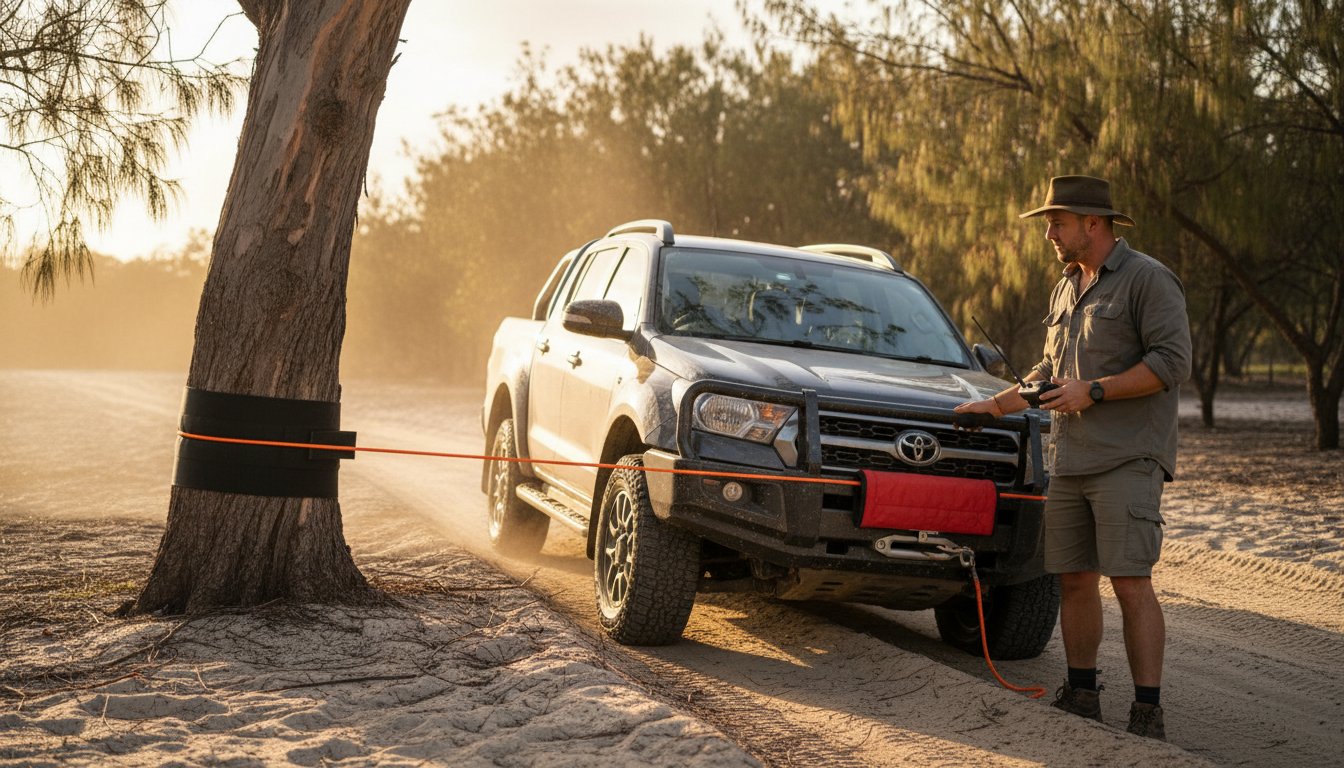
We never head into the dunes without a dedicated recovery kit. A pair of MAXTRAX is the gold standard for getting moving again without a snatch recovery. Pair these with a sturdy long-handle shovel to clear sand from under your chassis, and use a fast tyre deflator to ensure your pressures are spot-on every time. These tools turn a potential disaster into a five-minute delay, keeping the vibe positive for the whole crew.
Rooftop Tents vs. Ground Tents on Sand
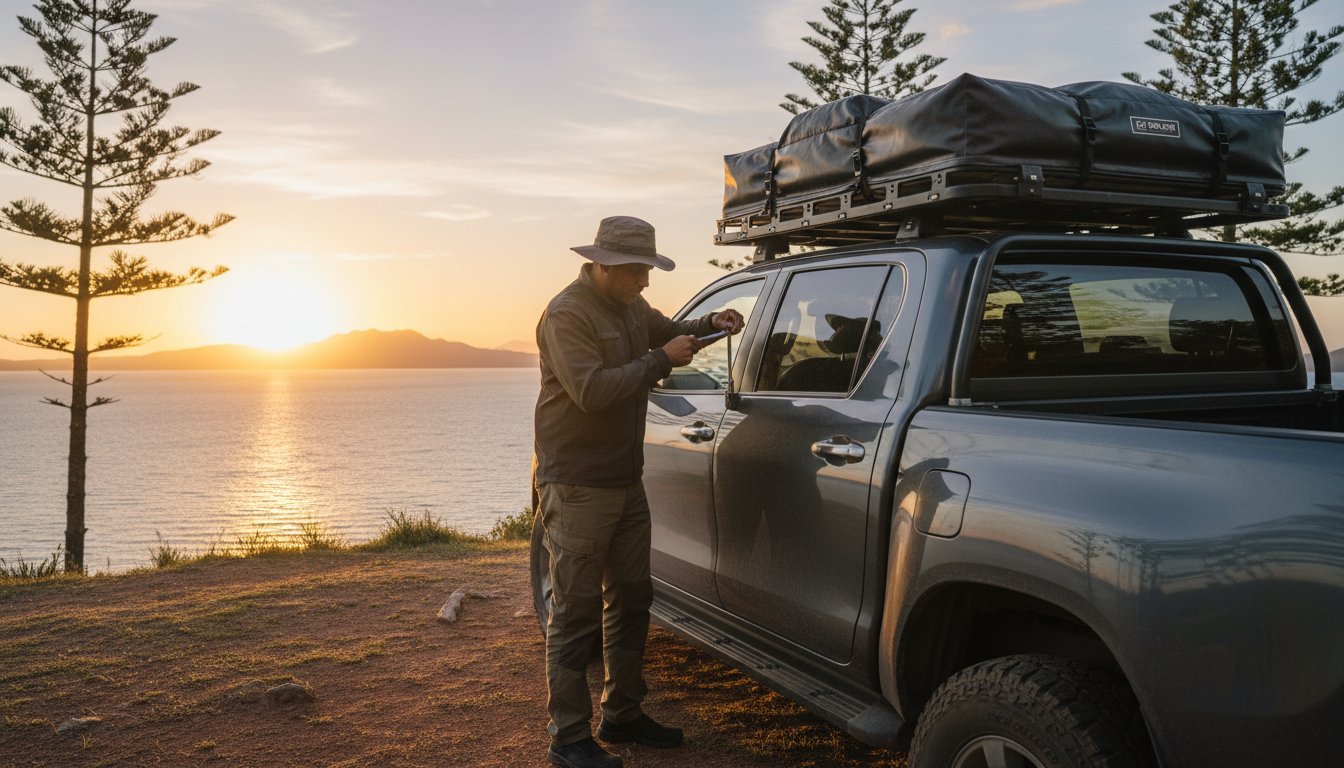
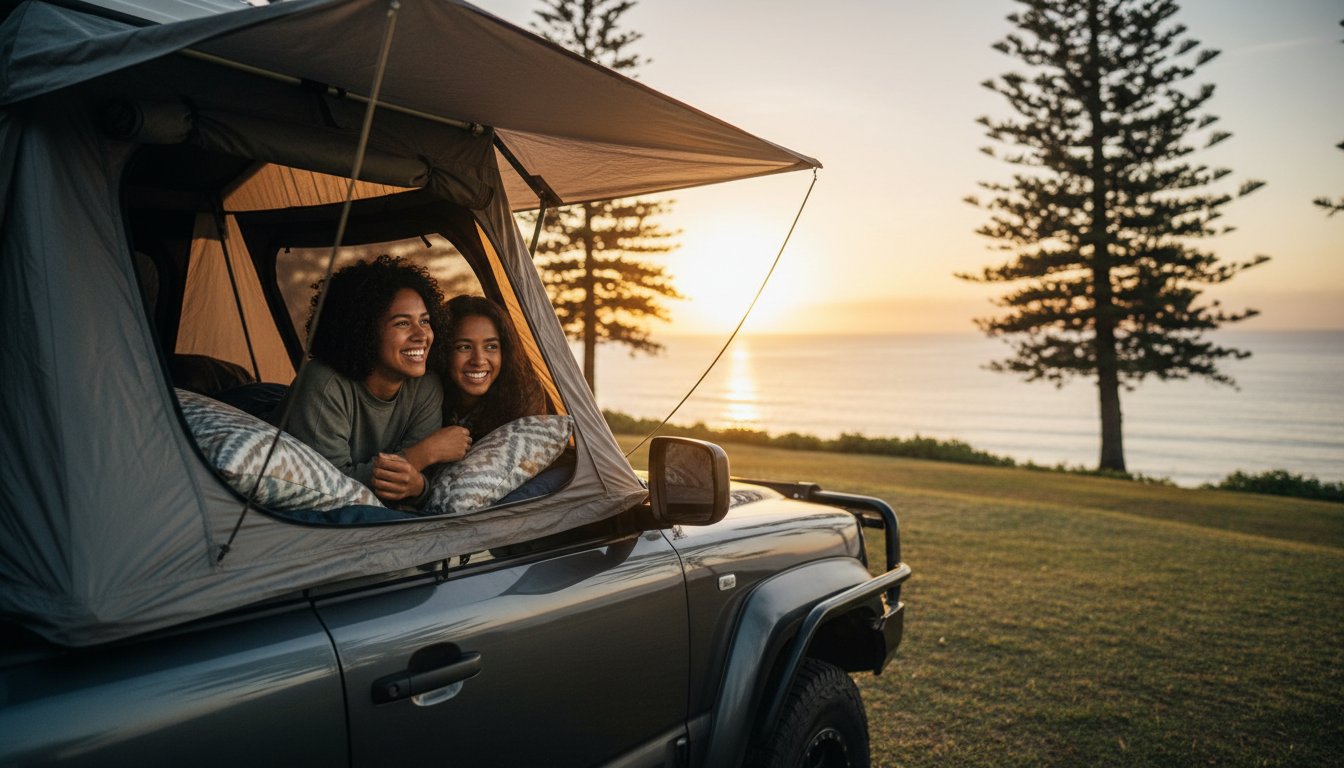
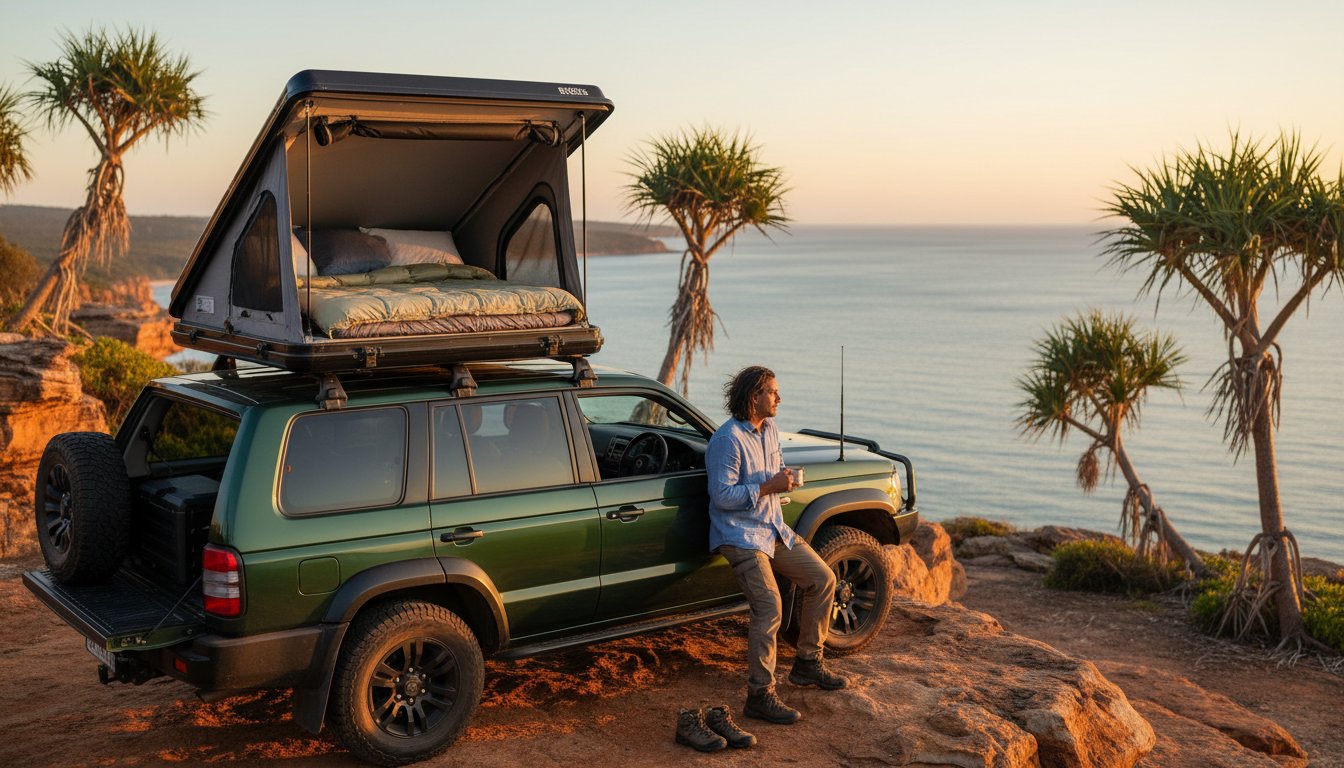
We love roof-top-tents because they solve the number one enemy of beach camping: sand ingress. Sleeping 1.5 metres off the ground means you aren’t dragging half the dunes into your bedding every time you climb inside. These setups also handle uneven ground much better than ground tents, as you don’t need a perfectly flat patch of sand. Hard-shell models offer superior wind resistance during 30-knot gusts on the eastern beach, while soft-shell versions provide more living space for larger families.
The Importance of a 270-Degree Awning
The sun on the eastern beach is relentless, and high-quality best-4wd-awnings provide the wrap-around shade you need to escape the UV. The “salt-crust” effect is a real challenge here; salt spray settles on everything and can corrode cheap zips and thin fabrics in days. We look for heavy-duty 280gsm poly-cotton ripstop canvas that stands up to the elements. Always secure your setup with 300mm sand pegs or deadman anchors, as standard pegs will pull right out of the soft Moreton Island surface. For more planning tips on where to set up your base, check out the official Moreton Island Visitor’s Guide.
12V Power and Off-Grid Essentials
Keeping your fridge icy at Blue Lagoon depends on a smart 12V strategy. Portable solar blankets beat fixed panels every time in these sandy environments because you can angle a 160W blanket directly at the sun while your vehicle stays tucked away in the shade. This setup easily supports a 50L fridge for multi-day stays without a worry. Remember that wild camping zones have no potable water. We pack a minimum of 5 litres per person daily to stay hydrated and handle cooking duties. For a three-day trip, a couple should have at least 30 to 40 litres of fresh water on board to be safe.
- Tyre Pressure: Aim for 18 PSI as a starting point for beach transit.
- Recovery: Always carry MAXTRAX and a long-handle shovel.
- Water: 5L per person, per day is the minimum requirement.
- Shade: Use 300mm sand pegs for all awnings and tents.
The Ultimate Moreton Island Itinerary: Top Spots to Explore
Pack your recovery boards and deflate those tyres to 18psi because we’re heading into the heart of the sand. Moreton Island is a 4WD playground that demands respect and rewards effort. Whether you’ve got three days or two weeks, your itinerary needs to balance high-energy tracks with the slow, rhythmic pace of island life. We’ve mapped out the essential stops that define the Adventurerz experience, from the rusted hulls of history to the highest peaks of the coastline.
The Tangalooma Wrecks are the island’s most famous landmark. These 15 vessels were deliberately scuttled between 1963 and 1984 to create a safe anchorage for small boats. Today, they’ve transformed into a thriving artificial reef. To get the most out of this spot, we recommend launching a glass-bottom kayak. It allows you to see the coral growth and the schools of Wobbegong sharks without getting wet, though nothing beats a sunset paddle when the light hits the rusted iron. If you’re staying on the beach, ensure your 4WD is parked well above the high-tide mark, as the narrow strip of sand near the wrecks disappears quickly when the tide pushes in.
For a change of pace, head inland to Blue Lagoon. This 42-hectare freshwater window lake is infused with natural tea tree oil, making it a soothing spot to wash off the salt. It’s a vital ecosystem for local frogs and birds, so we always use biodegradable sunscreen before diving in. After your soak, gear up for the Mount Tempest hike. At 285 metres above sea level, it’s officially the highest coastal sand dune in the world. The 2.5km return trek is a quad-burner, but the 360-degree views of the Glass House Mountains and the Pacific Ocean are worth every drop of sweat. We suggest hitting the trail at 5:00 AM to catch a sunrise that will leave you speechless.
The northern tip belongs to the Cape Moreton Lighthouse. Built in 1857 from local sandstone, it’s the oldest lighthouse in Queensland. This is the ultimate vantage point for wildlife spotting. Between June and November, you’ll see Humpback whales breaching in the deep water, while pods of dolphins and green sea turtles are visible in the shallows year-round. Don’t forget your binoculars; the height of the cliffs gives you a bird’s-eye view of the predator-prey dance in the clear water below.
North vs. South: Choosing Your Adventure
The Northern Loop is where the action happens. You’ll find the Champagne Pools, where the ocean crashes over volcanic rock to create a natural bubbling spa, and the sheltered waters of Honeymoon Bay. If you’re looking for solitude, head to the Southern Wilderness. The tracks down to Kooringal are less travelled and require more technical 4WD skill. This is where Adventurerz find the best “Gutter” fishing. Look for deep channels between the shore and the outer sandbar on the eastern beach; these are prime spots to pull in Tailor or Flathead during the winter months.
Snorkelling the Wrecks Safely
Safety is our priority when hitting the water. The current around the wrecks can reach speeds of 5 knots, which can easily sweep an unprepared swimmer out to sea. Always time your swim for the change of tide, specifically slack water, to avoid the heavy pull. We never head out without a bright surface marker buoy; it’s essential for visibility since boats frequently move through the area. Keep your gear simple with high-quality fins and a fog-free mask. Remember, this is a protected marine park. We follow a strict no-touch policy to ensure the delicate coral and 200 species of fish continue to thrive for the next generation of explorers.
Ready to tackle the dunes? Make sure you have the right 4WD recovery gear before you hit the sand tracks.
Sustainable Exploration: Protecting the Island for 2027 and Beyond
We don’t just visit the wild; we’re part of it. As Adventurerz, we carry the responsibility of ensuring Moreton Island remains a pristine 4WD paradise for the next generation of explorers. The “Leave No Trace” ethos isn’t just a catchy slogan here; it’s the baseline for survival of the local ecosystem. The island operates on a strict “Take Your Trash Home” policy. Because the Queensland Parks and Wildlife Service (QPWS) provides zero waste collection at remote campsites like those found in the North Point or Comboyuro Point zones, every single item you bring on the MICAT must return to the mainland with you. We recommend using heavy-duty, puncture-resistant rubbish bags and securing them to a rear-mounted spare wheel bin to keep your cabin fresh during the 75-minute ferry ride back to the Port of Brisbane.
Driving on sand is an incredible experience, but it requires technical discipline to prevent environmental damage. When we stray from designated tracks, we crush the fragile salt-tolerant grasses that bind the dunes together. Once these plants die, the wind strips the sand away, leading to massive erosion that can swallow entire campsites. To minimize your impact, always maintain a tyre pressure between 18 and 20 PSI. This lower pressure spreads the weight of your vehicle over a larger surface area, which prevents the deep, destructive churning of the sand that occurs with high-pressure tyres. Staying on the hard-packed sand between the low and high tide marks is the most sustainable way to navigate the coastline without scarring the landscape.
Dune Conservation and Wildlife
The eastern beach serves as a vital sanctuary for nesting shorebirds, including the Pied Oystercatcher and the Red-capped Plover. From August to March, these birds lay their eggs in shallow scrapes in the sand that are nearly impossible to see from the driver’s seat of a 4WD. Staying off the upper beach dunes is the only way to ensure these nests aren’t crushed. We also maintain a strict policy against feeding any wildlife, whether it’s the resident dingoes or the dolphins at Tangalooma. Human food disrupts their natural hunting instincts and can lead to aggressive behavior that puts both animals and Adventurerz at risk. Biosecurity on the island involves the rigorous cleaning of all vehicle undercarriages and camping gear before arrival to ensure no invasive seeds or pathogens enter this isolated sand environment.
Joining the Adventurerz Tribe
Your journey doesn’t have to end when you drive off the ferry. We invite you to join the Adventurerz community to share your high-resolution photos and detailed trip reports from the Big Sandhills or the Champagne Pools. Our platform is built on collective knowledge, where your experiences help others navigate the shifting tides and soft tracks safely. By contributing to our community-vetted gear reviews, you provide real-world data on how specific 12V setups or recovery tracks perform in the unique Australian heat and salt spray. This shared intelligence makes us all better, safer, and more respectful travelers.
It’s time to stop dreaming and start packing. Load the swag, check your recovery gear, and book your spot on the MICAT. We’ll see you on the tracks, keeping it wild and keeping it clean. Let’s head out and explore Moreton Island the right way.
Secure Your Spot on the Sand for 2026
Moreton Island isn’t just a destination; it’s a rite of passage for every Australian off-roader. We’ve broken down the 5 essential recovery items you need for the soft sand and the A$57.80 vehicle access permit fees required for the 2026 season. Success on Mulgumpin depends on your timing with the Micat ferry and your respect for the 60km/h beach speed limits that protect local wildlife. As Adventurerz, we know that true exploration means leaving zero trace across the 42km of eastern beach tracks. We’re committed to providing the rugged gear reviews and sustainability-focused advice you need to tackle the wild Queensland coast responsibly. Don’t wait until the best campsites are booked out six months in advance. Grab your recovery boards, check your tyre pressures, and join a tribe that values the journey as much as the destination. We’re ready to help you plan your next off-the-grid escape with confidence and care.
Join the Adventurerz community for more expert 4WD guides and gear reviews
We’ll see you out on the tracks!
Moreton Island Frequently Asked Questions
Do I really need a 4WD for Moreton Island?
Yes, you absolutely need a high-clearance 4WD to explore Moreton Island because there are zero sealed roads on the island. Every single track consists of deep, soft sand that will bog a 2WD vehicle within seconds of leaving the ferry. We always ensure our rigs have low-range capabilities to navigate the inland tracks safely. It’s about protecting the delicate coastal environment and ensuring you don’t block access for other travelers.
Can I take a camper trailer or caravan to Moreton Island?
You can bring an off-road camper trailer, but standard caravans are strictly prohibited due to the narrow, sandy tracks. We recommend only experienced towers attempt the trip with high-clearance, heavy-duty trailers equipped with independent suspension. The 42-kilometer trip from the ferry to the northern campsites requires constant momentum. Ensure your towing setup is robust enough to handle the 100% sand terrain without overheating your engine or damaging the tracks.
How much does the Moreton Island ferry cost in 2026?
Expect to pay approximately A$215 for a standard 4WD return trip on the Micat ferry during the 2026 season. Prices often peak at A$365 during the December school holiday period or over the Easter long weekend. We suggest booking your spot 6 months in advance to secure these rates. Remember that vehicle access permits are an additional cost, currently priced at A$56.40 for a month-long stay in the national park.
Are there dingoes on Moreton Island?
No, there are zero dingoes on Moreton Island, which makes the local ecosystem quite different from nearby K’gari. While you won’t see dingoes, you will encounter plenty of other native wildlife like lace monitors and over 180 species of birds. We still practice responsible camping by securing our food scraps and rubbish. This keeps the local goannas and crows from becoming scavengers, preserving the natural behavior of the island’s unique fauna.
Where is the best place to camp on Moreton Island for families?
Comboyuro Point is the best spot for families because it offers over 100 shaded campsites and calm, shallow waters perfect for swimming. The site features essential amenities like hybrid toilets and cold showers, which makes the transition to off-the-grid living easier for kids. We love this location for its proximity to the Bulwer shipwrecks. It’s a fantastic base for young Adventurerz to explore the shoreline without facing heavy surf or strong currents.
Can I buy fuel and groceries on Moreton Island?
Yes, you can find basic groceries and fuel at Bulwer and Kooringal, but prices are significantly higher than on the mainland. The Bulwer General Store stocks essential items like ice, bread, and milk, while the Gutter Bar at Kooringal is famous for fresh seafood. We always recommend packing 90% of your supplies before you leave Brisbane. Treat the island shops as a backup for emergencies rather than your primary source for a week-long mission.
What is the best tyre pressure for driving on Moreton Island sand?
Set your tyre pressure to 18 psi the moment you roll off the Micat ferry to ensure maximum traction on the soft sand. If the tracks are particularly dry or chopped up during the summer months, we often drop down to 15 psi to stay afloat. Carrying a high-quality 12V air compressor is a non-negotiable for every trip. This allows you to adjust your pressures as conditions change and reinflate before you board the ferry home.
Is Moreton Island dog-friendly?
No, dogs are strictly prohibited on Moreton Island because 98% of the land is designated as a National Park. This regulation is in place to protect the 180 bird species and other native wildlife that call the island home. We respect these rules to ensure the island remains a pristine wilderness for future generations. If you’re traveling with pets, you’ll need to arrange boarding on the mainland before starting your adventure in the national park.