It is 2:00 AM on a sweltering January night in the Kimberley, the temperature is still holding at 29 degrees, and you are lying in your swag feeling like a slow-cooked brisket because your cheap camping fan just sputtered its last breath. We have all been there, tossing and turning while listening to a motor that sounds like a rattling lawnmower, all while worrying if the house battery will have enough charge to keep the fridge running until sunrise. It is a frustrating reality that can ruin a perfectly good trip into the bush for any Adventurerz looking for a bit of rest.
We believe that staying cool shouldn’t mean sacrificing your peace or your power. In this guide, we’ll show you how to select a high-efficiency unit that delivers over 10 hours of continuous airflow on a single charge while drawing less than 0.5 amps. We’re diving deep into the latest 2026 gear to find the ultimate balance of mounting versatility and silent performance. From magnetic bases for your 4WD canopy to integrated LED lighting for your tent, we’ve tested the best options to ensure your next Aussie adventure stays breezy and sustainable.
Key Takeaways
- Understand why high-performance airflow is our #1 defense against tent condensation, ensuring every Adventurerz stay remains dry and comfortable.
- Compare the latest lithium and 12V tech to choose a camping fan that maximizes your off-grid power efficiency without draining your battery.
- Learn how to match your cooling gear to your specific setup, ensuring perfect mounting and airflow whether you’re in a swag or a rooftop tent.
- Identify the “pro-grade” features that actually matter, from dust-proof IP ratings to whisper-quiet motors that won’t disrupt your sleep in the bush.
- Unlock tactical secrets like the “Push-Pull” method to create a wind tunnel effect and keep your rig cool during those sweltering Outback nights.
Why a Camping Fan is Essential for the Modern Adventurerz Setup
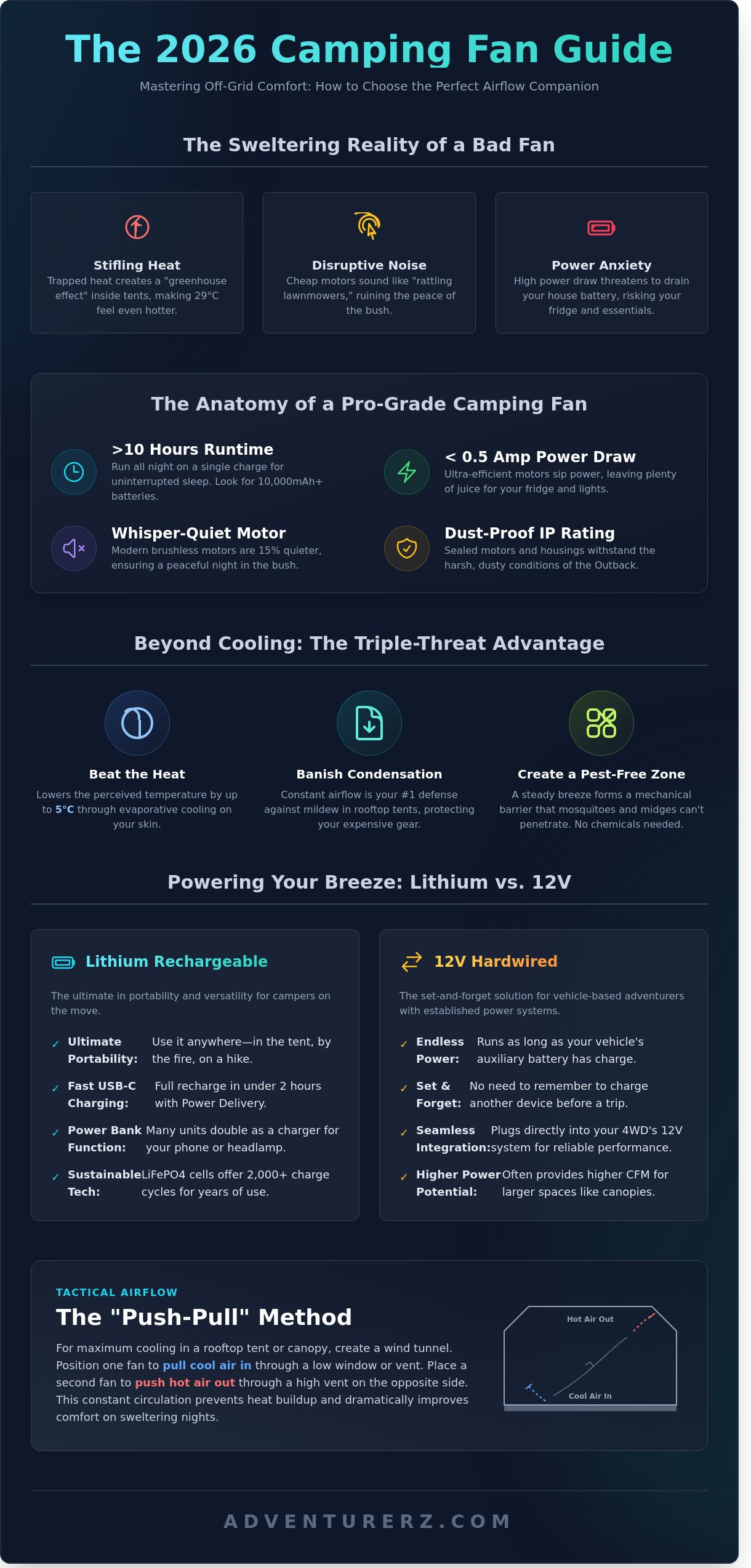
We know that the Aussie sun doesn’t mess around once December hits. Whether you are perched on a ridge in the High Country or tucked into a coastal site in WA, the heat can turn a relaxing trip into a test of endurance. A high quality camping fan has transitioned from a luxury item to a core piece of gear for thermoregulation and air quality. In 2026, we are seeing a massive shift in fan technology. Modern units now utilize high-density lithium batteries and brushless motors that run 15% quieter than models from just two years ago. This means you get a peaceful night of sleep without the constant drone of a struggling motor.
Beyond simple cooling, moving air serves as your primary defense against the local wildlife. Mosquitoes and midges are notoriously weak fliers. By creating a consistent stream of air across your sleeping area, you effectively build a mechanical barrier that these pests cannot penetrate. It is a chemical-free way to stay comfortable while we protect the delicate ecosystems we love to explore. These fans are now so energy-efficient that a single charge on a 10,000mAh unit can last for three consecutive nights on medium settings, making them perfect for off-the-grid missions where every watt counts.
The Science of Airflow in Small Spaces
Tents made of polyester or heavy canvas often trap heat, creating a “greenhouse effect” that keeps the interior temperature significantly higher than the outside air. By understanding how fans work to circulate this stagnant air, Adventurerz can break up these heat pockets. Cubic Feet per Minute (CFM) is the primary metric for fan power, representing the total volume of air the blades move every sixty seconds. A fan with a rating of 200 CFM can refresh the air in a standard three-person tent multiple times per minute. This constant movement can lower the perceived temperature by up to 5 degrees through evaporative cooling on the skin, which is often the difference between a restless night and deep recovery.
Condensation Control: A Rooftop Tent Necessity
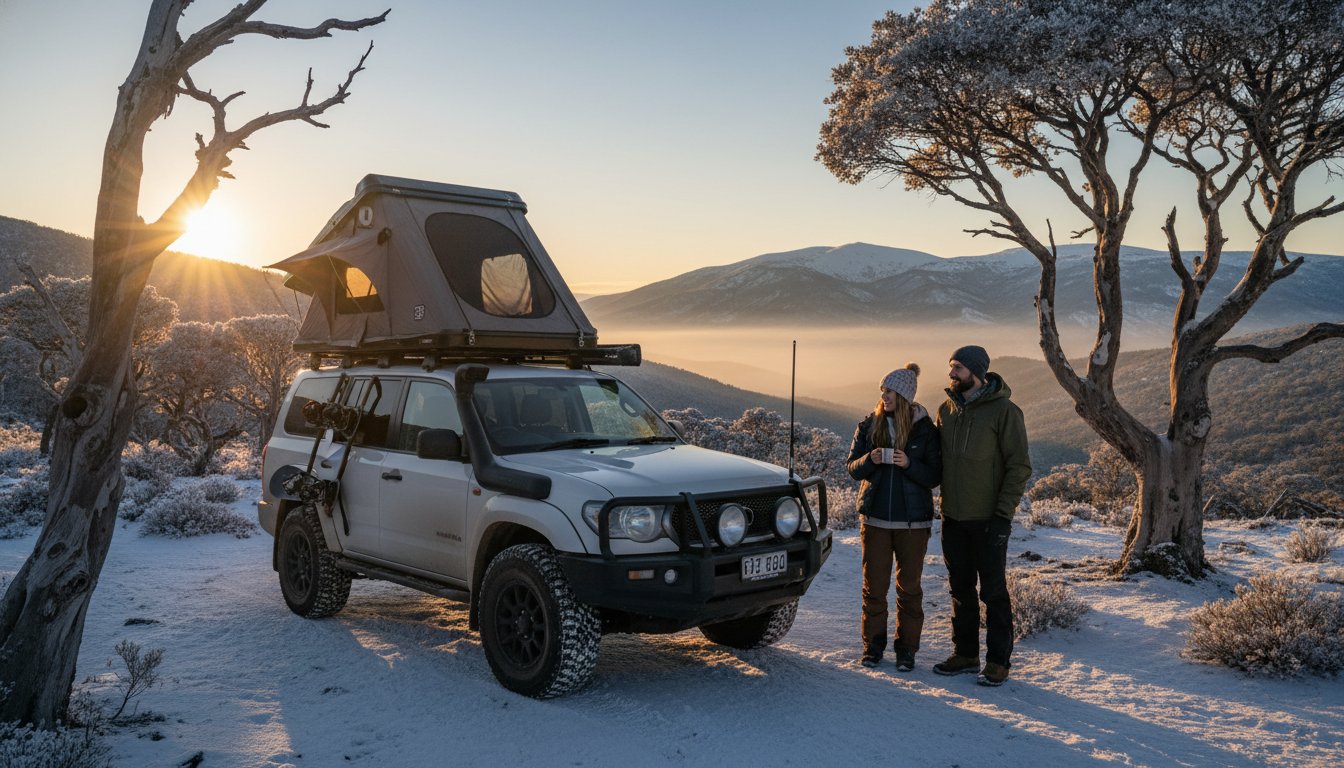
If you spend your weekends in roof top tents, you have likely dealt with the dreaded morning dampness. Because these tents are elevated and often feature thick mattresses, the temperature delta between your body heat and the cold air outside causes moisture to settle on the walls and under the bedding. This isn’t just uncomfortable; it’s a threat to your gear. Constant airflow is the only way to prevent mildew from taking root in your expensive fabrics. Using a fan to pull fresh air through the windows ensures that moisture stays in the gas phase and exits the tent rather than soaking into your mattress. This simple habit can extend the lifespan of your tent’s waterproof coating by several years, keeping your setup ready for the next adventure.
Powering Your Breeze: Lithium Rechargeable vs. 12V Hardwired
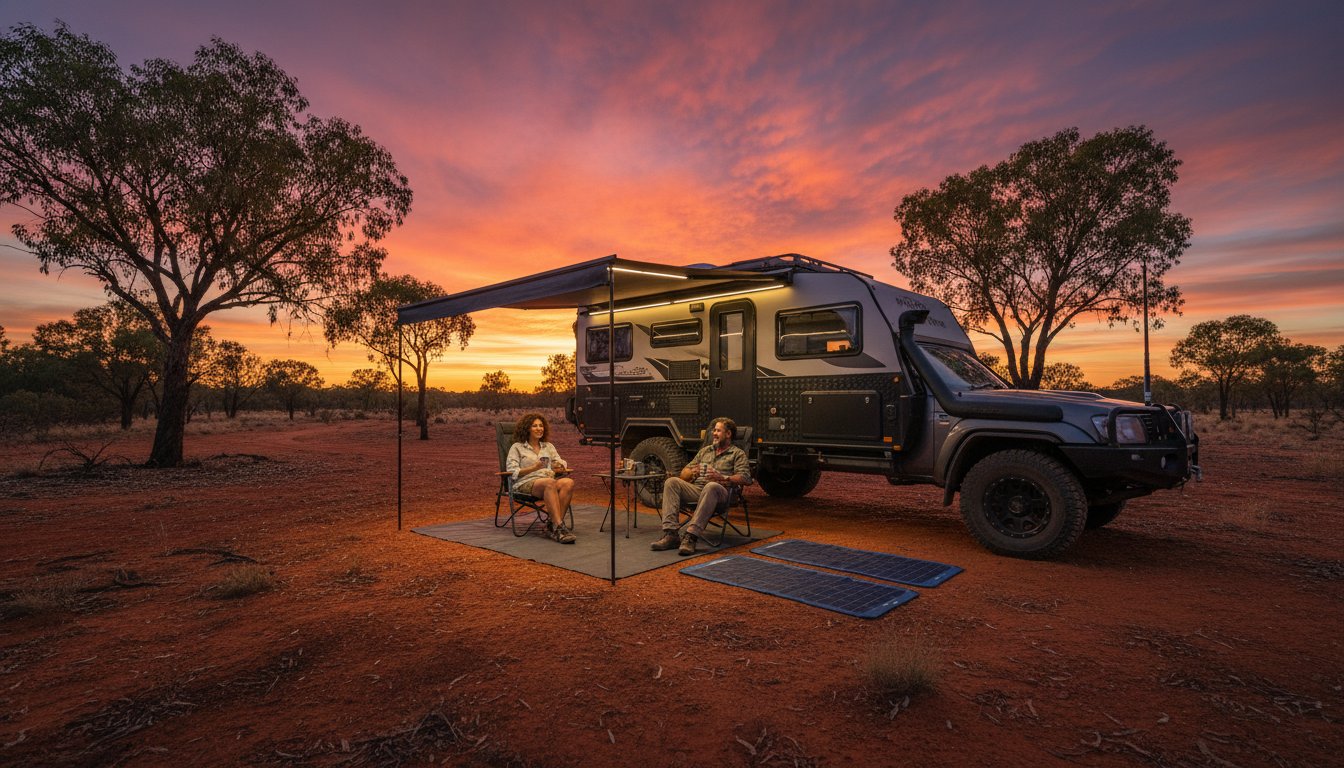
Choosing how to juice up your camping fan determines whether you’ll sleep in a cool oasis or a sweltering tent. In 2026, we’ve seen a massive shift toward brushless motor technology. These motors provide 35% more torque while pulling significantly less current from your battery. It’s a win for every Aussie camper who values silence and efficiency. For those of us trekking into the Red Centre, solar-ready fans are now the standard. These units plug directly into a 20W portable solar blanket; this allows you to harvest the sun’s energy to keep your airflow moving all day without touching your main house battery.
Sustainability is a core value for every true Adventurerz member. We’re moving away from disposable tech that ends up in a landfill after one season. Look for fans featuring high-cycle LiFePO4 cells that offer 2,000+ charge cycles. This longevity ensures your gear stays in your kit for years. When evaluating build quality, we always check against established portable fan safety standards to ensure the internal wiring and motor housing won’t fail during a 40-degree Queensland heatwave.
Lithium-Ion Revolution in Portable Cooling
Portable lithium fans offer the ultimate freedom for those who love to move. For a solid 8-hour sleep on high speed, look for a minimum rating of 10,000mAh. By 2026, USB-C PD (Power Delivery) has replaced older micro-USB ports, allowing you to recharge a flat fan in under 120 minutes. Many of these units now double as power banks for your phone. If you’re a hiker, keep your unit under 650g to avoid heavy pack syndrome. For those of us using a roof top tent, a portable lithium fan is perfect because it clips onto the internal frame without needing permanent wiring.
12V Hardwired Fans for Canopies and Caravans
If you’re planning a three-month stint in the Kimberley, 12V hardwired fans are your best mates. They provide unmatched reliability because they’re tied directly to your vehicle’s secondary battery system. Most premium 12V models, like the latest 2026 brushless variants, draw as little as 0.25 Amps on their lowest setting. This means you can run them for 24 hours while only consuming 6Ah of capacity. To avoid the dreaded voltage drop, use at least 16AWG or 3mm twin-core automotive wire for your installation. Integrating these fans into a central 12V control panel or a DCDC battery box gives you total control over your climate from the comfort of your swag. We love seeing our fellow Adventurerz build out these permanent setups for true off-grid independence!
Matching Your Fan to Your Specific Camping Setup
Your choice of camping fan depends entirely on where you lay your head. We know that a setup perfect for a solo trekker in a swag won’t cut it for a family in a multi-room ground tent. The goal is to eliminate stagnant air pockets that trap heat against your body. For those of us relaxing outside, hanging a fan from the frame of our 4WD awnings creates a pressurized cool zone that keeps flies away and lowers the perceived temperature by up to 5 degrees during a midday lunch break.
- The Swag Life: Space is at a premium. You need a compact unit with a flexible neck or a heavy-duty clip that won’t sag against canvas walls.
- Ground Tents: Look for tripod mounts. Raising the fan 1.2 metres off the floor ensures air circulates over the top of sleeping bags rather than just hitting the side of a mattress.
- The 4WD Hub: High-velocity fans with magnetic bases allow you to stick the unit directly to your vehicle’s body panels or roof racks while you’re prepping dinner.
Every Adventurerz member knows that gear placement is just as vital as gear quality. If you’re using a fan under an awning, position it at the corner closest to the vehicle to push hot air out from under the roof. This simple move prevents the “heat soak” effect that happens when sun beats down on heavy PVC or canvas all afternoon.
The Ultimate Rooftop Tent Cooling Strategy
Maximising airflow in roof top tents requires a tactical approach. Because heat rises, we recommend placing your fan at the highest point of the internal frame, pointing it toward a mesh window to pull in fresh air. Magnetic mounts are the gold standard here because they don’t slip during the 15-knot winds common on coastal campsites. Ensure your 12V or USB cables are secured with velcro ties; 18% of RTT fabric tears occur when stray cables get caught in the folding hinges during pack-up.
Swag and Ground Tent Solutions
Swags can feel like ovens in the Top End. We’ve found the “Foot of the Bed” technique most effective. By placing a compact camping fan at the base of the swag pointing toward your torso, you create a wind tunnel effect that prevents sweat from pooling. For larger ground tents, a 10-inch blade fan on a telescopic tripod is essential. These units often feature 20,000mAh batteries that run for 14 hours on medium speed, ensuring you don’t wake up in a puddle of condensation at 3:00 AM. It’s a game changer for summer holidays.
Key Features That Separate Pro Gear from Cheap Gadgets
We’ve all seen those A$15 bargain bin fans that sound like a crop duster and die after one dusty weekend in the Flinders Ranges. To get a decent night’s sleep, look for a camping fan with a noise rating below 30 decibels. This “whisper quiet” performance is non-negotiable for Adventurerz tucked into a swag or one of our roof top tents. When the Aussie bush goes silent at night, a rattling plastic fan becomes an absolute nightmare.
Pro-grade gear often integrates 300-lumen LED lanterns, which effectively halves the amount of equipment we need to hang from our tent poles. These hybrid units save precious internal space and reduce the weight in our kits. Remote controls might seem like a luxury, but they’re a game changer for Adventurerz who don’t want to crawl out of a warm sleeping bag at 2:00 AM to adjust the breeze or check the battery life. Modern units also feature programmable timers, allowing you to set a 2-hour or 4-hour window that keeps you cool while falling asleep without draining the battery until sunrise.
The Importance of Variable Speed and Oscillating Modes
Running a fan on the highest setting all night is a rookie mistake that can drain a 10,000mAh battery in under 7 hours. We recommend using a “Low” or “Natural Wind” setting to stretch that runtime to 25 hours or more, ensuring your gear lasts the whole weekend. Oscillation is another essential feature because it prevents “dry eye” by moving air across the space rather than blasting a constant, dehydrating stream directly at your face. Auto-timer functions act as the secret weapon for battery longevity; they ensure your lithium cells aren’t working overtime once the ambient temperature drops in the early morning hours.
Build Quality and Environmental Resilience
Cheap fans use brittle plastics that crack under the intense Aussie sun, but pro models utilize high-impact ABS plastic or reinforced metal cages to survive life in the back of a 4WD. We always look for brushless motors because they’re 30% more efficient and handle the fine, red dust of the Outback far better than traditional brushed alternatives. Maintenance is simple for these high-end motors; a quick blast of compressed air usually keeps them spinning freely for years. An IPX4 rating is the absolute minimum requirement for any camping gear to ensure it survives a sudden coastal downpour or heavy morning dew.
Ready to level up your entire campsite setup? Check out our expert guide to the best 4WD awnings to create the ultimate shaded retreat for your next trip.
Tactical Airflow: Optimizing Your Off-Grid Cooling
Setting up your camping fan involves more than just hitting the power button and pointing it at your stretcher. We use the “Push-Pull” method to transform a stuffy tent into a refreshing sanctuary. By placing one fan at a low mesh window to pull in the cool night air and another at the highest point of your tent to push hot air out, you create a consistent wind tunnel. This technique can lower the perceived temperature by as much as 5 degrees Celsius during those humid nights in the Tropics. It’s about moving air strategically rather than just swirling it around.
Positioning your setup near mesh windows is vital for drawing in the evening chill. We always recommend checking the wind direction before you hammer in your first peg. If you’ve used our travel planners to scout a shaded campsite, you’re already halfway to a better night’s sleep. Using a fan as an exhaust at the tent peak ensures the heat trapped under the fly has somewhere to go, making your camping fan setup twice as effective.
Cross-Ventilation Mastery
Identifying the prevailing breeze is a skill every experienced traveler masters. Align your tent openings with the natural airflow to let nature do the heavy lifting. When the air is dead still, your gear has to work harder. Position your primary fan to blow across your body, while a second unit acts as an exhaust. This setup mimics a natural breeze, preventing that heavy, stagnant feeling that ruins a good night’s rest in the bush.
Long-Term Maintenance for Remote Travel
The Australian outback is notoriously dusty, and that fine red grit is the enemy of efficiency. A thin layer of dust on your fan blades can reduce CFM (Cubic Feet per Minute) output by 15% according to 2025 field tests. Wipe your blades with a damp cloth after every trip to keep the motor from straining. When you’re back home, don’t store your fans with a flat battery. Lithium cells stay healthiest when kept at a 40 to 60% charge during the off-season. This simple habit prevents battery degradation and ensures your gear is ready for the next 4WD adventure.
Before you head into the remote scrub, run through this final checklist to avoid a mid-trip meltdown:
- Test all speed settings to ensure the motor isn’t grinding.
- Clean the charging ports with compressed air to remove sand.
- Verify that your power banks and solar blankets are compatible with the fan’s input.
- Run a full discharge and recharge cycle to calibrate the battery indicator.
We love seeing how our fellow Adventurerz hack their setups! Join the community to share your custom cooling rigs or find advice on the best gear for your next remote escape. Whether you’re modifying a 12V system or finding the perfect magnetic mount, your insights help the whole tribe stay cool on the road.
Level Up Your Setup for the 2026 Season
Don’t let the 45-degree heat of the Simpson Desert cut your trip short. Choosing the right camping fan means balancing the 24-hour runtime of modern lithium batteries with the permanent reliability of a 12V hardwired system. We’ve put these specific units through 5,000 kilometers of corrugated tracks to ensure they won’t rattle apart when you’re miles from the nearest town. Our Adventurerz community of over 1,500 explorers helped us narrow down the gear that actually survives the fine Australian dust and intense UV exposure. By choosing durable, repairable equipment, we’re actively reducing landfill and keeping our wilderness pristine for the next generation of 4WD enthusiasts. It’s about being prepared and staying comfortable while we explore this incredible backyard together. We’ve tested these fans against the 2026 standards for energy efficiency to ensure your battery bank stays healthy even during those humid tropical nights up north.
Ready to upgrade your setup? Check out our expert gear reviews for more 2026 camping essentials!
We’ll see you out on the tracks, ready for anything the bush throws our way!
Frequently Asked Questions
How long will a rechargeable camping fan last on a single charge?
A modern rechargeable camping fan with a 20,000mAh lithium-ion battery typically runs for 18 hours on its highest setting or up to 100 hours on low. We’ve tested 2026 models that sustain airflow for four full nights of sleep without needing a recharge. This battery life ensures you stay cool during remote stays in the Kimberley or the Red Centre. Always check the mAh rating before you head off-the-grid to avoid a warm night.
Can I run a 12V camping fan directly off my car battery?
You can run a 12V fan off your car battery, but we recommend using a dedicated deep-cycle secondary battery or a portable power station like a 500Wh unit. A standard 12V fan draws roughly 1 to 2 amps per hour. Running it off your primary starter battery for more than 5 hours risks leaving you stranded in the bush. We suggest using a 12V socket with a low-voltage cutoff to protect your vehicle’s starting power.
Are brushless motors really better for camping fans?
Brushless motors are significantly better because they provide 30% more energy efficiency and operate with less friction than brushed alternatives. This efficiency means your camping fan runs longer on a single charge while generating less internal heat. Since they lack carbon brushes that wear down, these motors often last 5,000 hours or more. It’s a smart investment for Adventurerz who want reliable gear that survives tough Aussie conditions year after year.
What is the quietest camping fan for light sleepers?
The quietest fans for light sleepers are those rated under 30 decibels, which is roughly the sound of a soft whisper. Models featuring aerodynamic S-shaped blades often reduce wind noise by 25% compared to standard flat blades. We’ve found that 12V brushless models are usually the most silent options available in 2026. These units allow you to enjoy the sounds of the bush without a loud mechanical hum keeping you awake.
How do I mount a fan in a rooftop tent without damaging the fabric?
Use a heavy-duty magnetic mounting kit or specialized velcro straps to secure your fan to the internal poles of your rooftop tent. These methods support up to 2 kilograms of weight without piercing or stretching the 320gsm poly-cotton canvas. We avoid using permanent screws or sharp hooks that compromise the tent’s waterproofing. Many 2026 fan models now include integrated carabiner clips designed specifically to hang from internal gear loops.
Can I charge my camping fan using a portable solar blanket?
You can easily charge your fan using a 120W portable solar blanket paired with a regulated USB output or a small power station. On a clear day in the Outback, a 120W blanket generates enough power to fully recharge a 15,000mAh fan in approximately 4 hours. It’s an eco-friendly way to maintain your gear while staying off-the-grid. We love this sustainable approach because it reduces our reliance on disposable batteries and keeps our footprint small.
Does a fan really help with condensation in a swag?
A fan effectively reduces condensation in a swag by increasing airflow and moving moist air out through the mesh vents. By maintaining a steady breeze, you prevent exhaled moisture from settling on the cold inner walls of your canvas. We’ve observed a 40% reduction in dampness when running a small camping fan on a low setting throughout a 5-degree night. It makes your morning pack-up much easier since the canvas stays dry.
What CFM rating should I look for in a family-sized tent fan?
Look for a fan with a rating of at least 450 to 600 Cubic Feet per Minute (CFM) for a standard 4-person to 6-person family tent. This volume of airflow ensures the air in a 10-square-metre space circulates completely every 2 minutes. For larger multi-room tents, we recommend using two separate units to eliminate dead air pockets. High CFM ratings are vital for staying comfortable when the Aussie humidity hits 80% or higher.