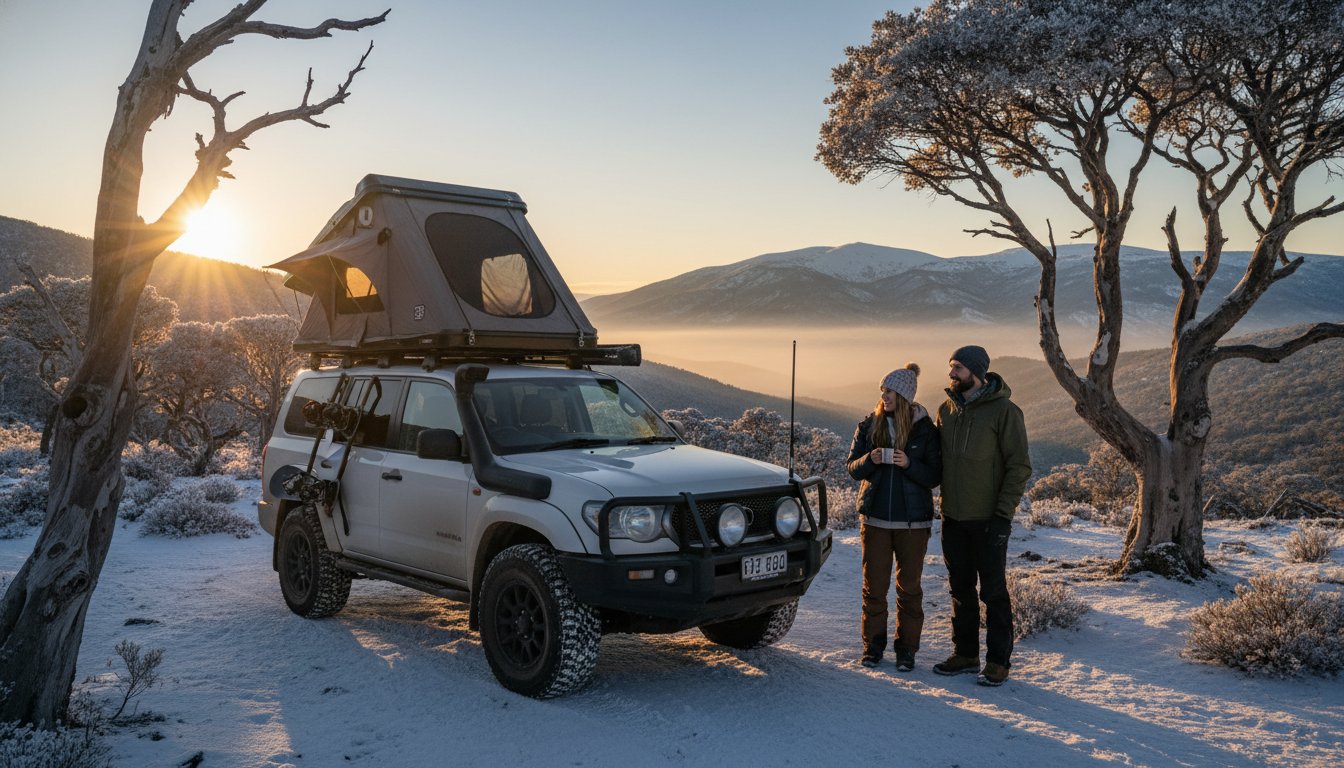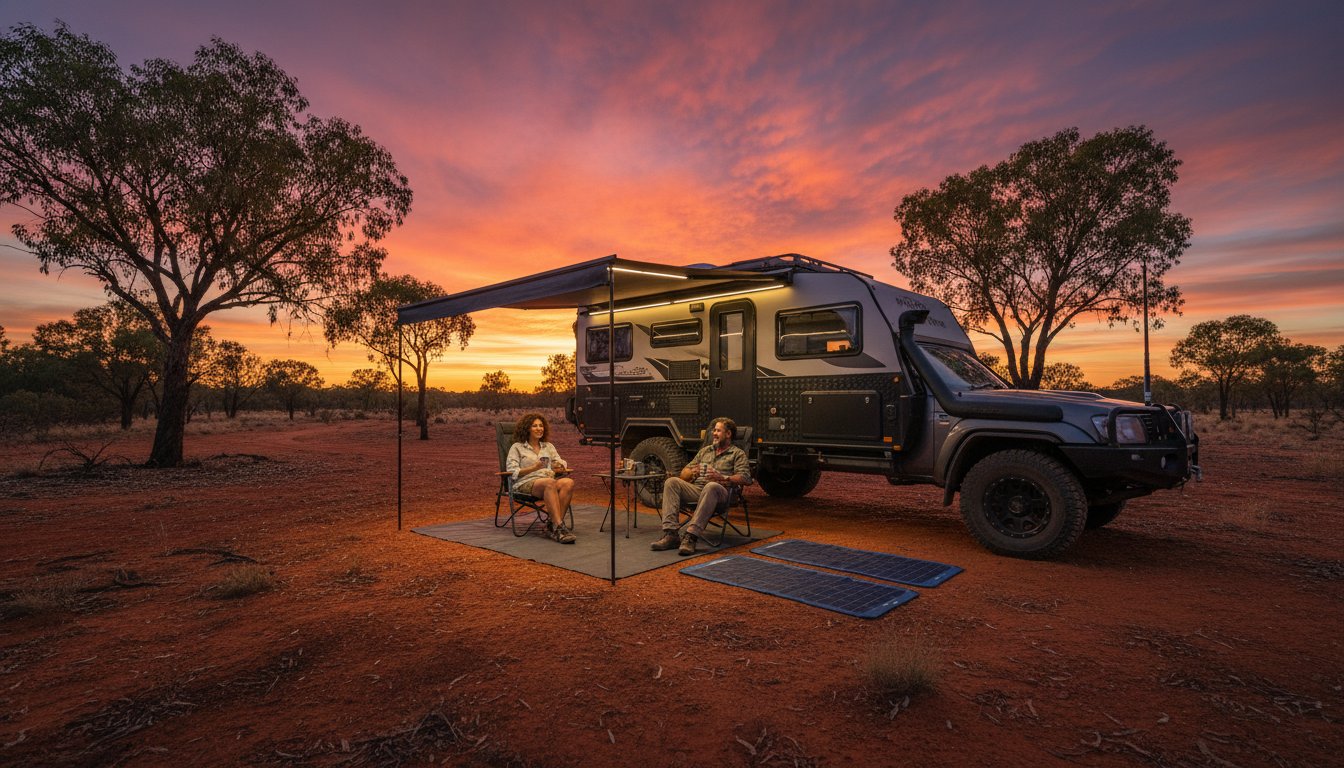
There’s nothing quite like the sound of rain on canvas during a remote getaway-unless it’s the dreaded *drip… drip… drip* from a leaking seam right above your camp chair. We’ve all seen it: the saggy water pooling after a sudden downpour, the flimsy poles bending in a coastal gale, and the post-trip battle against musty mildew. But that soggy saga doesn’t have to be your story! For every serious Adventurerz, investing in a genuinely waterproof 4wd awning is the ultimate game-changer, transforming unpredictable weather into just another part of the epic journey.
That’s exactly why we’ve created this guide for 2026. Forget the marketing jargon; we’re diving deep into the science of stay-dry shelter. You’ll discover the critical difference between ‘water-resistant’ and truly waterproof, learn how to spot bombproof seam sealing, and understand the fabric ratings that will survive the toughest Australian downpours, from a tropical Queensland deluge to a gusty Tassie southerly. Get ready to choose your next awning with total confidence and ensure your gear-and your spirits-stay dry on every single trip!
Key Takeaways
- Understand the crucial difference between ‘mist-proof’ and ‘storm-proof’ so you’re never caught out in a proper Aussie downpour again.
- Discover which fabric-classic canvas or modern synthetic-offers the best combination of breathability and rugged protection for your adventures.
- Master a simple setup technique that guarantees maximum water runoff, preventing the dreaded ‘water pool’ collapse in heavy rain.
- Get our expert picks for the ultimate waterproof 4wd awning, whether you’re tackling the remote outback or heading for a coastal weekend getaway.
What Defines a Truly Waterproof 4WD Awning?
Out on the tracks, the difference between ‘water-resistant’ and ‘waterproof’ isn’t just marketing jargon-it’s the difference between a comfortable night’s sleep and a soggy, trip-ending disaster. Many awnings are merely mist-proof, designed to shrug off a light shower. But when you’re deep in the bush, you need a shelter that’s genuinely storm-proof. A proper waterproof 4wd awning is your first line of defence against the elements, facing relentless UV exposure by day and torrential downpours by night.
That’s why we Adventurerz are setting a new benchmark. We call it the ‘Adventurerz Standard’ for 2026: a commitment to gear that offers uncompromising off-grid reliability, starting with true waterproof performance that won’t degrade after one summer under the Aussie sun. It all begins with understanding the numbers behind the fabric.
Understanding Hydrostatic Head (HH) Ratings
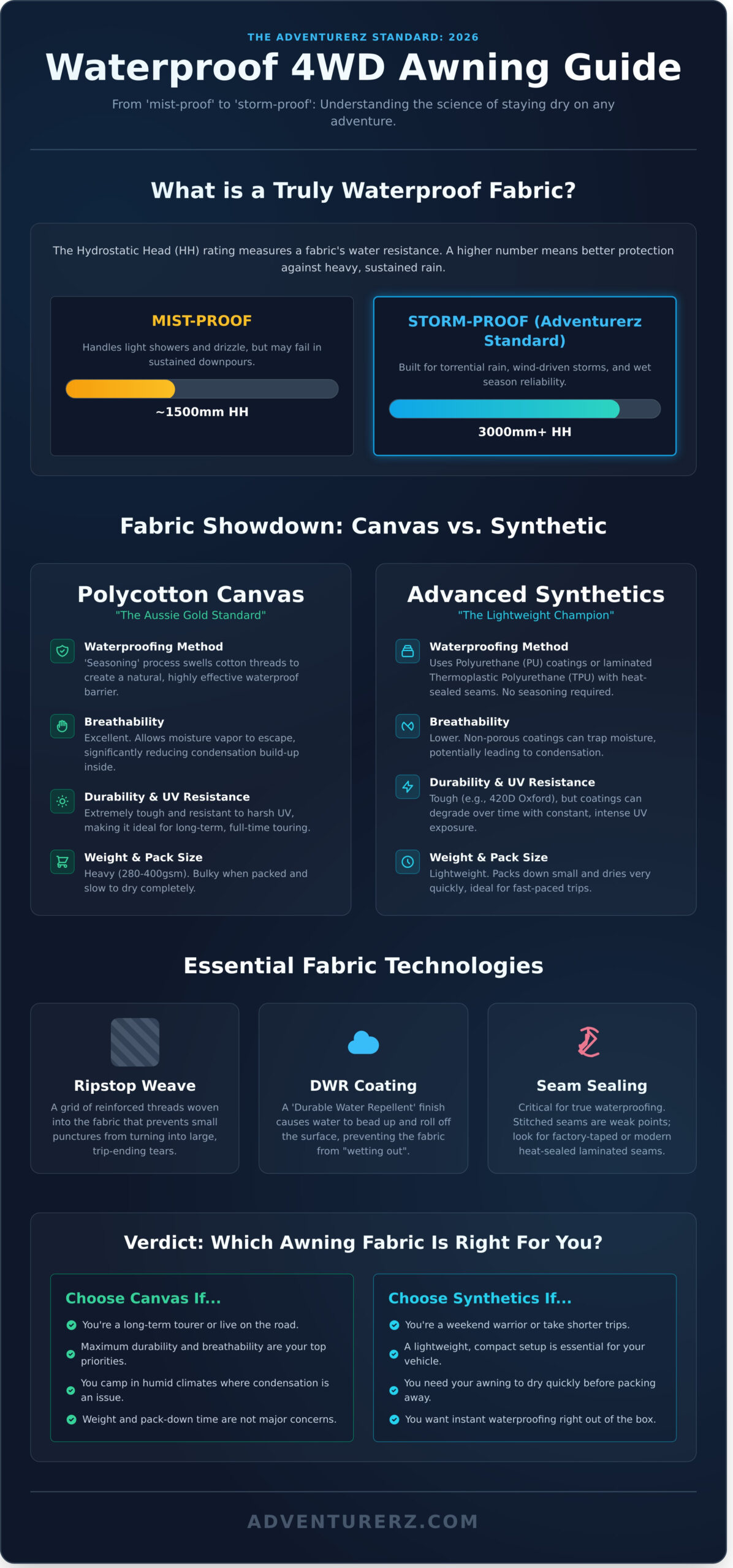
The Hydrostatic Head (HH) rating is the industry-standard measure of how waterproof a fabric is. In a lab, it measures how tall a column of water the fabric can hold before it leaks. While the science behind Waterproof fabrics is complex, the takeaway for us is simple: a higher number means better protection. A 1500mm rating might handle a quick drizzle, but for a Kimberley wet season downpour, we recommend a minimum of 3000mm. Remember, brutal UV rays can slash this rating over time, turning a once-reliable awning into a leaky sieve.
The ‘Wet Season’ Reality Check
A high HH rating is just the start. We’ve all seen it: wind-driven rain that seems to come in sideways, forcing its way through cheap seams and weak coatings. This is where real-world performance matters more than a lab test. The number one cause of catastrophic failure, however, is pooling water. The immense static pressure from a puddle of water on your awning fabric will find any weakness. When you check a spec sheet, look beyond the HH rating. Check for reinforced, seam-sealed stitching and a durable fabric weave that won’t stretch and sag under load.
Material Science: Canvas vs. Synthetic Fabrics
Alright Adventurerz, let’s get into the heart of what makes a truly waterproof 4wd awning tick: the fabric! The choice between traditional canvas and modern synthetics isn’t just about looks; it’s a fundamental decision that impacts breathability, durability, and even how you pack for a trip. A key feature we look for in both is a ‘Ripstop’ weave-a grid-like pattern of reinforced threads that stops a small tear from becoming a trip-ending disaster. Beyond the weave, coatings like Polyurethane (PU) add a waterproof layer, while silver linings are fantastic for reflecting that harsh Aussie sun, keeping you cooler underneath. As we become more considerate travellers, it’s also worth thinking about the environmental footprint of these fabric treatments, with many brands now shifting to PFC-free water repellents.
Polycotton Canvas: The Aussie Gold Standard
There’s a reason seasoned tourers swear by heavy-duty polycotton canvas. Its secret lies in its breathability and a unique waterproofing process called ‘seasoning’. Before your first big trip, you need to wet the canvas thoroughly and let it dry. This causes the cotton threads to swell and shrink, sealing the needle holes from stitching and creating a near-impenetrable barrier. We recommend a fabric weight between 280gsm and 400gsm for the perfect balance of toughness and manageability. Look for a high-quality DWR (Durable Water Repellent) finish, which beads water on the surface, and always be mindful of campfire safety. While not clothing, understanding benchmarks like the federal flammability standards for textiles gives you a solid appreciation for fabric safety.
Advanced Synthetics and TPU Laminates
On the other side, we have the lightweight champions: synthetics. The rise of tough, high-denier fabrics like 420D Oxford polyester is changing the game. These materials are lighter, pack down smaller, and dry much faster than canvas, making them a brilliant choice for weekend warriors. A key innovation is the move from traditionally stitched and seam-taped joins to heat-sealed TPU (Thermoplastic Polyurethane) laminated seams. This creates a single, bonded surface with no needle holes, offering incredible waterproofing right out of the box. The trade-off? Synthetics are generally less breathable than canvas, which can lead to condensation, and may not withstand the constant UV exposure of full-time life on the road quite as well as their canvas cousins.
Structural Design: Preventing the Dreaded Water Pool
We’ve all seen it: a 4WD awning sagging under the weight of a sudden downpour, looking more like a sad, giant water balloon than a shelter. The difference between a dry camp and a drenched disaster often comes down to smart structural engineering. The best waterproof 4wd awning isn’t just made of waterproof fabric; it’s designed to actively shed water before it has a chance to pool.
While a simple 180-degree awning has a straightforward runoff path, the complex geometry of a 270-degree model requires more thought. Premium designs incorporate a ‘built-in’ fall, a subtle, pre-engineered angle in the frame that directs water away from the vehicle, even without support poles. This is often supported by heavy-duty rafter arms and, in freestanding 270-degree models, robust truss systems that prevent the entire structure from flexing and sagging under load. It’s this combination of shape and strength that keeps you dry when the sky opens up.
Tensioning Systems and Rafter Support
A taut canvas is a dry canvas. Many high-end awnings use internal spring-loaded or tensioning rafters that automatically push the fabric drum-tight upon opening. This slick surface gives rain no place to settle. When fabric sags, it doesn’t just pool water; it puts immense stress on the seams, eventually leading to wicking and leaks. While integrated poles offer a clean look, having the option to deploy add-on poles is critical for stabilising your setup in high winds and torrential rain.
Seam Integrity and Reinforcement
Don’t be fooled by the “double-stitched” marketing line alone. Every stitch is a potential entry point for water. The non-negotiable feature here is factory-applied waterproof seam tape, which seals those tiny holes for good. Pay close attention to corners and where zippers meet the canvas, as these are major stress points. A simple but highly effective feature is a generous storm flap over the main bag zipper, providing a physical barrier that stops rain from seeping through the teeth.
Setup and Maintenance: Keeping Your Adventurerz Kit Dry
Owning a top-tier waterproof 4wd awning is one thing; keeping it in fighting-fit condition is the real mark of a true Adventurer! A little know-how in setup and maintenance goes a long way, ensuring your shelter stays bone-dry and free from the dreaded ‘black spot’ mildew for years of epic trips. Let’s dive into the simple routines that make all the difference out in the bush.
The Perfect Rain Setup Routine
When the heavens open up, you need a plan. The golden rule is the ‘One-Side Low’ technique. Simply adjust your awning poles so one corner is significantly lower than the others. This creates a natural valley, forcing rainwater to run off efficiently instead of pooling dangerously in the middle. For larger awnings, try the ‘Guy-Rope’ hack: tie a guy rope to the middle of the longest awning edge and peg it down to create an extra drainage point. And the most crucial rule? Never, ever pack away a damp awning for more than 24 hours. Get it home, open it up fully, and let it air-dry completely to prevent that mildew nightmare from taking hold.
Eco-Friendly Re-proofing and Repair
As Adventurerz, we have a responsibility to protect the incredible Aussie wilderness we explore. That means choosing our care products wisely. When it’s time for your annual re-proofing-or when you notice water is soaking in rather than beading off-reach for a PFAS-free waterproofing spray. These modern formulas provide excellent Durable Water Repellency (DWR) without the harmful ‘forever chemicals’.
- Sustainable Cleaning: Skip the harsh detergents! They strip your awning’s factory UV protection and waterproofing. A bucket of water with a specialised, biodegradable gear soap is all you need to clean off mud and dust without damaging the fabric.
- Bush Repairs: A small tube of seam sealer is a lightweight lifesaver. If you spot a tiny leak along a seam, a quick application in the field can get you through the trip dry and happy, ensuring your waterproof 4wd awning is always ready for action.
A well-maintained shelter is your best mate in the bush. Treat it right, and it’ll look after you for countless adventures to come. Need to stock up on eco-friendly care products? Check out our range at adventurerz.com!
The Best Waterproof 4WD Awnings for 2026
Alright team, let’s get down to it! After countless hours of testing in torrential rain and blistering sun, we’ve sorted the game-changers from the pretenders. Choosing the right shelter is one of the most critical gear decisions you’ll make. Whether you’re pushing deep into the outback, chasing waves along the coast, or integrating with a rooftop tent setup, the perfect waterproof 4wd awning is waiting. Here are our top picks for the 2026 season, designed to keep you dry, comfortable, and ready for anything the track throws at you.
Top Performance Picks: The Heavy Hitters
For those who demand uncompromising performance, the latest 270-degree freestanding models are absolute beasts. We’re seeing incredible 5000mm+ Hydrostatic Head ratings as standard on premium 2026 awnings, offering fortress-like protection. For brutal coastal conditions like those on Moreton Island, we strongly recommend Australian-tested brands that understand our unique weather. The trade-off? Freestanding models offer lightning-fast setup, but pole-supported variants provide superior stability when the wind really kicks up-a crucial consideration for exposed campsites.
For weekend warriors and those with smaller SUVs, you don’t need to spend a fortune to stay dry. Excellent options in the A$400-A$700 range offer fantastic waterproofing and durability for coastal getaways. Look for compact, lighter designs that integrate seamlessly with rooftop tents without adding excessive weight or wind resistance. These smart solutions prove that a reliable setup is accessible for every adventurer.
Investing in a quality awning now is a commitment to better, more sustainable adventures. A well-made shelter won’t fail you mid-storm, saving your trip from disaster. More importantly, it won’t end up in a landfill after one season. By choosing durable, repairable gear, we reduce our environmental footprint and ensure we can keep exploring this incredible country responsibly. It’s about buying once and buying right.
Join the Adventurerz Community
Got your rig dialled in? We want to see it! Share your setup photos with fellow Adventurerz on our forums to get feedback and inspire others. As part of the tribe, you’ll also get access to exclusive referral discounts on the gear we trust and review. Ready to find your perfect shelter? Let’s get you sorted for your next epic journey!
Explore our recommended 4WD Awnings and Gear Reviews here!
Gear Up for Any Weather: Your Adventure Awaits!
Choosing the right shelter is a massive step in preparing for your next off-road journey. We’ve covered the essentials: from understanding that a truly waterproof fabric needs a high hydrostatic head rating, to seeing how smart structural design prevents those dreaded water pools. Remember, whether you choose rugged canvas or a lightweight synthetic, correct setup is your best defence against a sudden downpour. Armed with this knowledge, you’re now ready to choose the perfect waterproof 4wd awning that will keep you dry through any storm.
But the journey doesn’t stop with the gear! Want access to our expert-led gear testing in harsh Australian conditions? Ready to connect with a thriving community of over 10,000 fellow remote travelers? Join the Adventurerz community for expert gear reviews and travel guides! We’re all about sharing knowledge for sustainable and responsible exploration.
Now get out there and make some memories. We’ll see you on the tracks!
Frequently Asked Questions About Waterproof 4WD Awnings
Is a 270-degree awning better for rain than a standard straight awning?
Absolutely, fellow Adventurerz! A 270-degree awning is a total game-changer in a downpour. It wraps around your vehicle, providing massive shelter that protects both the side and rear of your rig. This means more dry space for cooking and keeping your gear out of the mud. While a straight awning is a trusty classic, the 270 offers superior protection from wind-driven rain, making it the ultimate choice for unpredictable Aussie weather and maximising your campsite comfort zone!
What does a 3000mm waterproof rating actually mean for camping?
Great question! A 3000mm waterproof rating means the awning fabric can withstand a 3-metre column of water before a single drop seeps through. For us on the tracks, this translates to serious, reliable protection against the elements. It’s more than enough to handle a torrential downpour in the Top End or a persistent drizzle in the Tassie highlands. It’s the kind of technical spec that gives you peace of mind, knowing your shelter will hold strong when the weather turns.
How do I stop water from pooling on my 4WD awning?
Pooling water is the enemy of a long-lasting awning! The key is creating tension and a good runoff angle. Always set one corner or side of your awning slightly lower than the other to create a natural slope for water to escape. If your model has telescopic poles, simply adjusting their height is the easiest way to achieve this. For larger awnings, an anti-pooling rafter pole is a brilliant investment to keep the canvas taut and prevent sagging during heavy rain. Stay dry out there!
Can I leave my awning out in heavy wind and rain?
Look, we all love a tough bit of kit, but even the best waterproof 4wd awning has its limits. In heavy, driving rain and especially high winds, the safest bet is to pack it away. The immense force of wind can bend poles, tear fabric, and even damage your vehicle’s roof rack. For light to moderate conditions, ensure it’s pegged down securely with quality guy ropes to give it the best fighting chance, but always prioritise safety and protecting your gear.
How often should I re-waterproof my canvas awning?
Keeping your canvas in top nick is a core part of being a responsible Adventurer! As a general rule, we recommend re-seasoning or re-waterproofing your canvas awning every 1-2 years, depending on how often you use it. An easy test is to spray it with a hose; if the water beads and rolls off, you’re golden! If it starts to soak in, it’s time for a treatment. A good quality waterproofing spray will keep it performing like new for years of adventure.
Will a waterproof awning protect me from UV rays as well?
You bet it will! Beating the harsh Aussie sun is just as important as staying dry. Most quality awnings are made from materials with an excellent Ultraviolet Protection Factor (UPF) rating, often UPF50+, which is the highest possible. This means it blocks over 98% of harmful UVA and UVB rays. So, your awning isn’t just a rain shelter; it’s your personal shade station, creating a safe, cool oasis on those scorching days in the outback. Stay sun-smart, team!
What should I do if my awning gets moldy?
Don’t panic, mold happens-usually when an awning is packed away damp. The golden rule is to never pack up a wet awning! If you must, open it up to dry completely at the very first opportunity. To treat existing mold, use a specialized canvas cleaner or a simple solution of diluted white vinegar and water. Gently scrub the area, rinse thoroughly, and let it dry completely in the sun. This will get your gear back in prime condition for the next trip. For stubborn cases, especially if mold has spread to other gear or inside your vehicle, professional services like ABC Mould Cleaning Solutions can ensure it’s completely eradicated.
Do I need a professional to install a heavy-duty 4WD awning?
For most standard awnings, it’s a straightforward DIY job for anyone who’s handy with a spanner. However, for the big, heavy-duty 270-degree models, getting a professional installer or at least a knowledgeable mate to help is a wise move. These units can be heavy and awkward, and correct mounting is crucial for safety on corrugated roads. A pro install might cost between A$150-A$300 but provides ultimate peace of mind on the tracks, ensuring your rig is ready for anything.
Seeking professional guidance is key for complex tasks, whether it’s mounting heavy gear or navigating significant life investments. In the highly specialized field of senior care properties, for instance, a brokerage like the Assisted Living Real Estate Group offers expert resources for those buying or selling facilities.