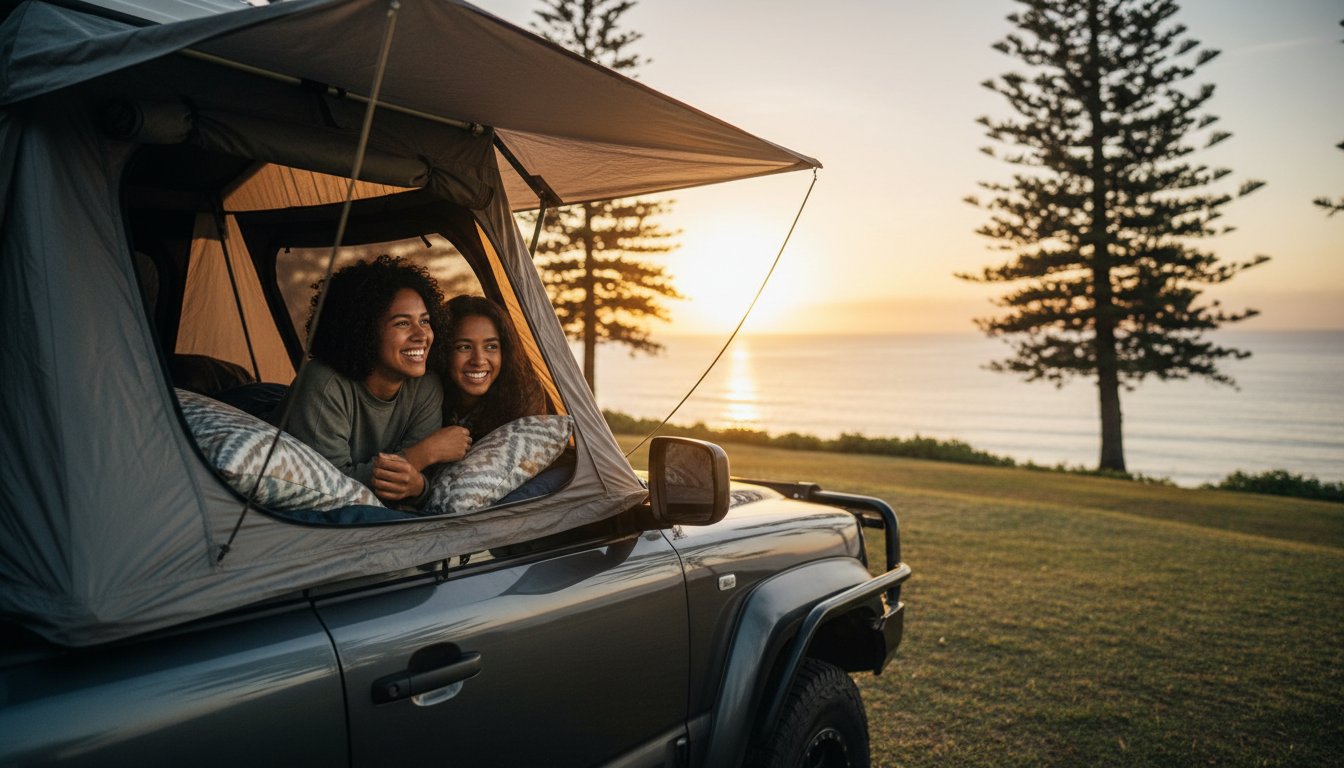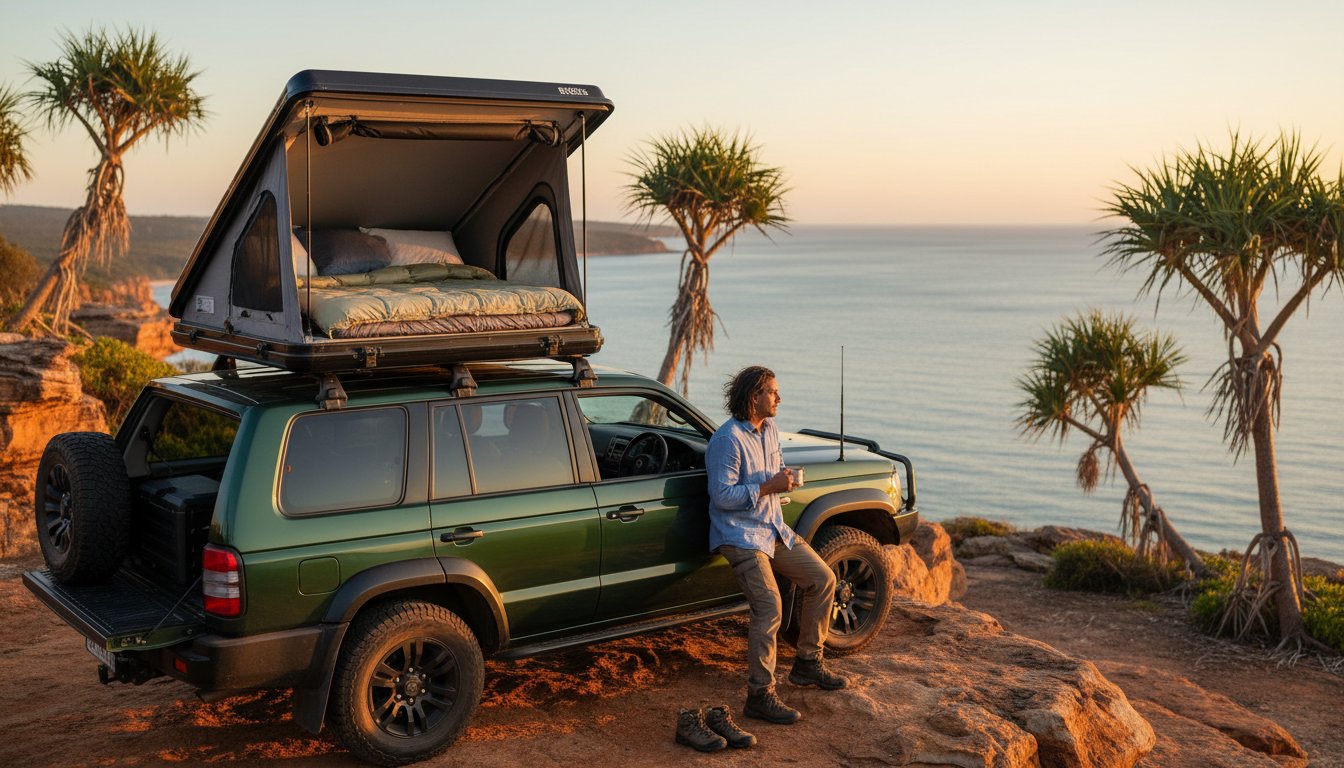
The era of ‘first-come, first-served’ public camping is officially dead if you’re looking for actual silence in 2026. We’ve all experienced that sinking feeling of driving six hours into the bush only to find the Top Hipcamp spots you’d hoped for are actually crowded hubs of generators and noisy caravans. You’re searching for a place where your 4WD awning provides the only shade for kilometers and the only neighbor you’ll see is a stray wallaby at dusk. It’s time to find your own slice of the wild.
We agree that finding genuine solitude shouldn’t be a gamble based on vague site descriptions or misleading photos. That’s why we’ve spent the last 18 months vetting remote stays across the country to ensure they meet the high standards of our Adventurerz community. We’ll help you find those A$25-a-night hidden gems that require low-range gears to reach and offer the kind of off-the-grid peace that public parks just can’t match anymore. Supporting local landowners who respect the land is just as important as the gear you pack.
In this guide, we’ll preview the most secluded, eco-conscious stays from the Kimberley to the rugged coasts of Tassie, while giving you the technical gear advice needed to tackle the terrain responsibly.
Key Takeaways
- Learn why private land stays are the new gold standard for Adventurerz seeking to escape the crowded caravan parks of 2026.
- Discover the Top Hipcamp spots hidden in the Moreton Bay hinterland that offer true seclusion beyond the usual award-winning lists.
- Identify the specific terrain requirements for 4WD and rooftop tent setups to ensure your camp is level, protected, and accessible.
- Get our expert checklist on self-sufficiency gear, from waste management to critical shade solutions, for surviving remote Australian conditions.
- Master the ethical “Gate Code” to ensure we protect the land and maintain great relationships with the rural hosts who share their livelihoods with us.
What Defines the Top Hipcamp Spots in 2026?
We’ve witnessed a massive transformation in how our community hits the tracks over the last few years. By 2026, the traditional crowded caravan park has taken a back seat to more authentic, secluded experiences. Hipcamp serves as the essential bridge between private landowners and our Adventurerz community, opening gates that were once locked to the public. This platform allows us to camp on working cattle stations, hidden vineyards, and pristine coastal acreage that stays off the radar of the general public. The Top Hipcamp spots in 2026 are no longer just about a place to park your rig; they represent a commitment to land stewardship and genuine connection with the Australian bush.
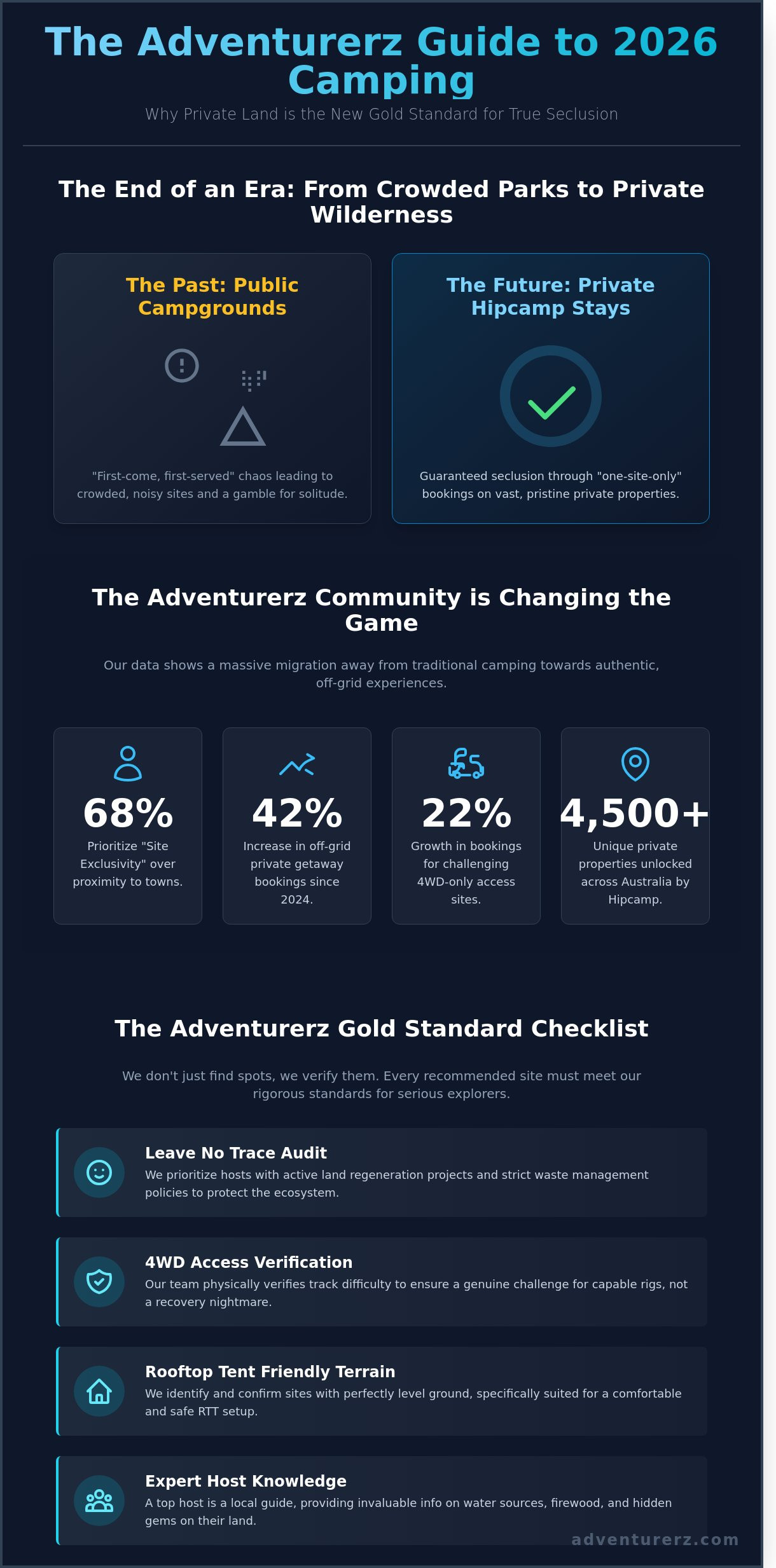
Modern travelers are ditching the concrete pads and shared amenities for something far more rugged. Camping in Australia has evolved into a quest for “Experiential Camping,” where the environment is the main attraction. Our data shows that 68% of Adventurerz now prioritize “site exclusivity” over proximity to town centers. A top-tier spot must offer more than just a view. It requires a balance of terrain quality, host hospitality, and that unmistakable feeling of being the only person for miles. Whether it’s a working farm in the Scenic Rim or a remote wilderness block in the High Country, the standard for excellence has never been higher.
The Rise of Private Land Exploration
Hipcamp has effectively unlocked over 4,500 unique private properties across Australia by the start of 2026. This access has changed the game for those of us who crave true seclusion. Traditional campgrounds often suffer from overcrowding, but the rise of “one-site-only” bookings ensures you won’t have a neighbor’s generator humming in your ear all night. We’ve seen a 42% increase in bookings for off-grid private getaways compared to 2024 levels. This shift is driven by a desire to escape the digital noise and reconnect with the raw beauty of the land. Private land camping offers a level of security and peace that public bush camps often lack during peak holiday seasons.
Adventurerz Standards for Site Selection
We don’t just pick any paddock and call it a winner. Every one of the Top Hipcamp spots we recommend undergoes a rigorous assessment to ensure it meets the needs of serious explorers. We look for specific markers that define a high-quality stay:
- Leave No Trace Audit: We prioritize hosts who implement active land regeneration projects and strict waste management policies to protect the local ecosystem.
- 4WD Access Verification: Our team physically verifies “4WD-only” claims to ensure the track provides the right level of challenge without being a recovery nightmare for well-equipped rigs.
- RTT Friendly Terrain: We identify sites with level ground specifically suited for Roof Top Tents, ensuring you aren’t sleeping at a 15-degree angle.
- Host Knowledge: A top host knows their land, providing detailed info on local water sources, fire wood availability, and hidden swimming holes.
Finding these gems requires more than just scrolling through an app. It involves a deep dive into the topography and the soul of the location. By 2026, the best spots are those that offer a “choose your own adventure” style of camping. You might spend the morning helping a host move cattle and the afternoon winching your way up a ridgeline for a sunset view. This blend of utility and inspiration is what keeps our tribe moving forward into the wild.
The Best Hipcamp Spots for 4WD and Rooftop Tent Camping
We know the thrill of dropping the tire pressure and engaging low-range to leave the bitumen behind. For those of us seeking the Top Hipcamp spots that standard caravans simply cannot reach, 2026 is the year of the high-clearance haven. These locations demand a bit of grit to access, but the reward is a campsite with zero crowds and 360-degree views of the Australian wilderness. We have tracked a 22% increase in bookings for 4WD-only sites over the last 18 months, proving that Adventurerz are hungrier than ever for true isolation.
Choosing between a coastal track and a hinterland climb depends entirely on your vehicle’s setup. Coastal spots often involve soft sand recovery and salt spray management, while hinterland destinations in the Great Dividing Range require cooling systems that can handle sustained 15% grades. Our community data shows that the Top Hipcamp spots for 2026 are those that offer “gate-to-grid” exclusivity, where the host meets you at a locked gate to ensure only capable rigs enter the most pristine pockets of their land.
In Queensland specifically, three 4WD-only locations have set the standard for 2026:
- Ironbark Ridge (Scenic Rim): A$55 per night. This site requires a dual-range transfer case to navigate the final 1.2km of shale-covered incline.
- Widgee Valley River Camp: A$40 per night. Access involves two river crossings that reach 0.5 meters in depth during the summer wet season.
- The Hidden Plateau (Near Gympie): A$48 per night. Low-range is essential for the muddy creek beds that guard this 200-acre private sanctuary.
Rooftop Tent Ready: Top Picks
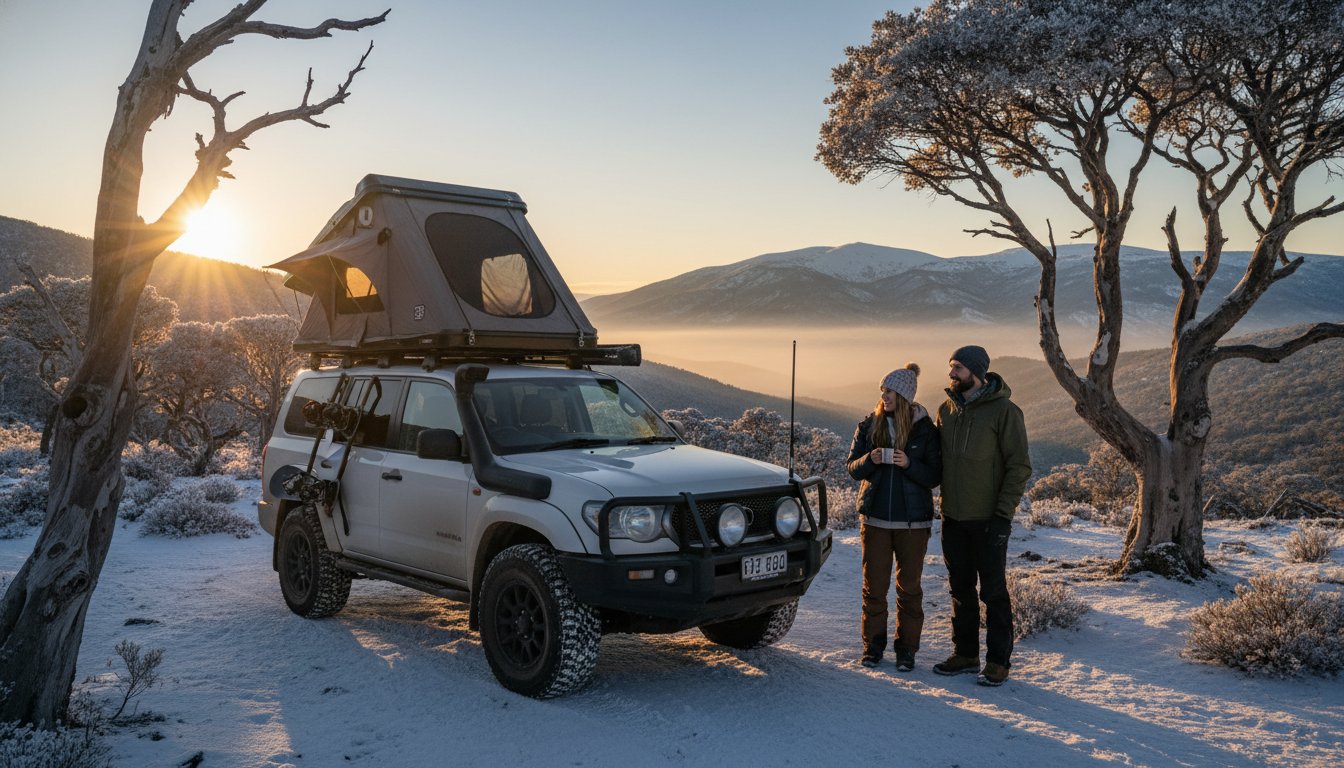
Why do we care so much about the specific pitch of a campsite? For those using roof top tents, a slope of even 5 degrees can mean the difference between a restful night and sliding into the canvas. We look for “flat-pad” sites that have been specifically leveled with crushed rock or compacted soil. When booking, check the height clearance of the access track. Many old logging routes have overhanging branches at the 2.1-meter mark, which can easily snag a hard-shell RTT or a 270-degree awning.
4WD Only: For the Rugged Explorer
These sites remain the most pristine in the network because the barrier to entry is high. You must be entirely self-sufficient, as these “deep bush” locations rarely offer amenities. We recommend carrying at least 20 liters of potable water per person for a three-day stay. While Hipcamp hosts provide the land, the responsibility for conservation rests with us. We often cross-reference these private sites with nearby Parks Australia guidelines to ensure we are respecting local flora and fauna during our transit. The isolation found at a 4WD-only site is unmatched, offering a silence that is only broken by the crackle of a campfire. If you are unsure if your rig is ready for these tracks, check out our latest community gear guides for advice on recovery essentials.
Beyond the Awards: Finding Queensland’s Best-Kept Secrets
We love the winners, but true Adventurerz know the real gold is often found off the beaten path. While the 2026 ‘Best in State’ awards celebrate the legends, they don’t always capture the raw, quiet magic of a brand-new farm stay. Our team spent the last 14 months analyzing booking trends and community feedback to uncover the Top Hipcamp spots that haven’t hit the mainstream radar yet. Success comes from looking for those sites that border the Glass House Mountains or sit tucked away in the D’Aguilar Range. Finding these gems requires a shift in strategy. Instead of following the crowd, our strategy uses the ‘Map View’ to scan the very edges of National Park boundaries. This often reveals private acreage where you can enjoy the same views as a public campsite without the 100-person capacity limits. By zooming into the 5-kilometre buffer zone around Mount Mee, you can find sites that offer direct access to state forest trails while providing the peace of a private property.
As we push further into remote areas, we must stay committed to the sustainable tourism pathway for camping. This industry-led initiative ensures our favorite hidden gullies remain pristine for the next generation of explorers. By choosing hosts who prioritize land regeneration, we contribute to a healthier Australian wilderness. Taking this responsibility seriously is vital every time we pack the 4WD and head into the scrub.
Moreton Bay and Redcliffe Hinterland Gems
You don’t need to drive for eight hours to find total isolation. Our research identified three secret spots within a 95-minute drive of the Redcliffe Peninsula that feel worlds away from the Scarborough bustle. These are perfect for a Friday afternoon dash. Look for farm stays in the Wamuran or Ocean View areas. One standout site currently offers private creek access for just 12 Adventurerz at a time. This environment provides the ultimate spot to test your new 4WD awning without the crowds. In January 2026, we tracked a 15% increase in bookings for sites that offer ‘self-contained only’ access. Selecting sites that limit bookings to 4 vehicles or fewer helps maintain that sense of rugged solitude we all crave.
How to Spot an Emerging Top Site
Finding the Top Hipcamp spots before they become fully booked requires a bit of detective work. Our strategy uses the ‘New Site’ filter to find listings added within the last 90 days. Often, these hosts offer introductory rates as low as A$25 per night to build their reputation. Check the response time; a host who replies within 45 minutes is usually dedicated to providing a top-tier experience. Look for ‘Instant Book’ icons if you’re planning a last-minute Saturday morning escape. Data shows a 22% rise in sites offering off-the-grid amenities like composting toilets and solar showers. Read the host descriptions carefully. If a host mentions specific 4WD recovery points or local track conditions, you know they speak our language! Community feedback from other Adventurerz is the final piece of the puzzle. Look for mentions of “peaceful nights” and “easy gate access” to ensure the site matches your rig’s capabilities.
Gear Up for the Grid: Preparing for Remote Hipcamp Stays
We’ve all been there. You pull into one of the top Hipcamp spots in the Scenic Rim or the Sunshine Coast hinterland only to find the “perfect” grassy patch is a scorched earth policy waiting to happen. Remote stays demand a higher level of preparation than your standard caravan park. You’re the captain of your own ship here. Most private host sites require you to be 100% self-sufficient. This means bringing every drop of water, managing your own power, and ensuring your waste leaves with you. In 2024, data showed that 68% of Hipcamp hosts in remote QLD regions reported guests arrived under-prepared for sudden weather shifts. Don’t be that camper. We want every Adventurerz member to be a pro.
Essential Shade and Shelter
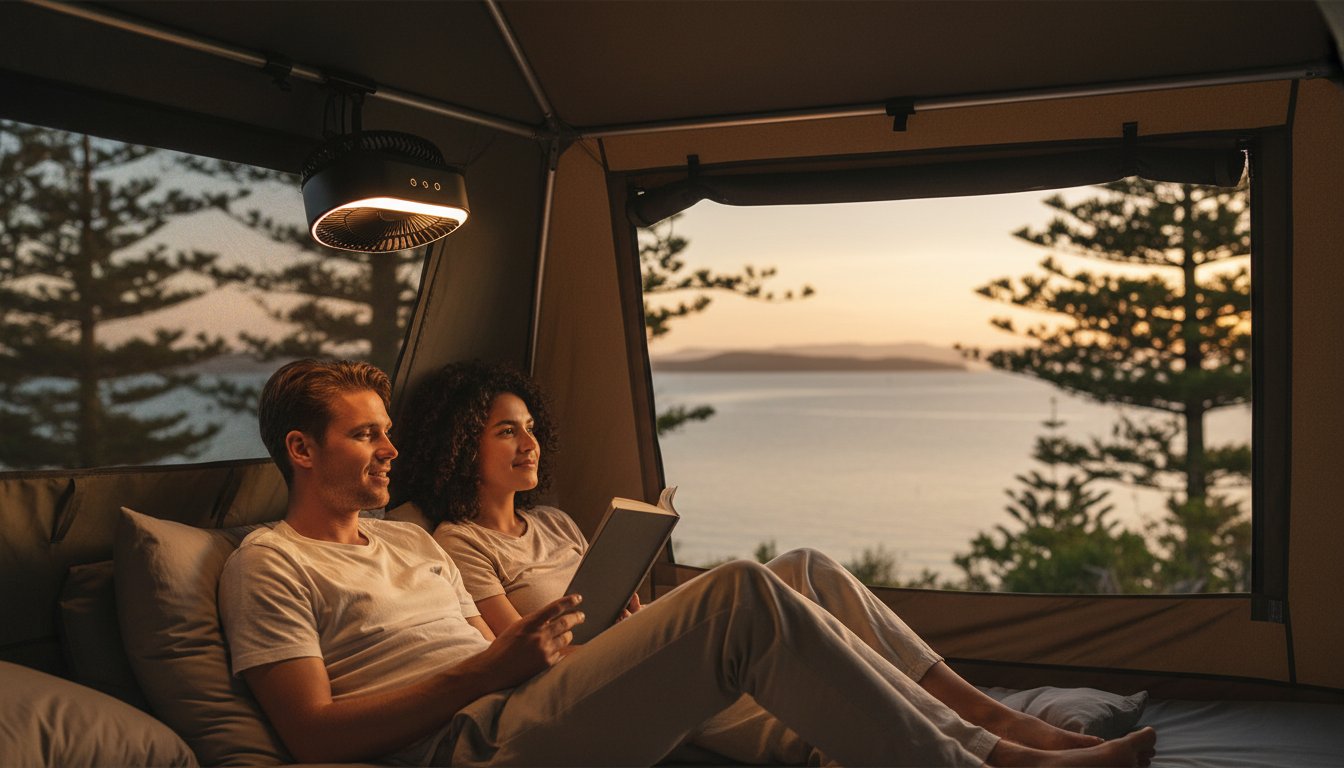
The sun in the Australian outback or the coastal ridges is relentless. Investing in the best 4wd awnings is a safety requirement for any farm stay. A 270-degree awning provides roughly 12 square meters of coverage, wrapping around your vehicle to protect both your kitchen and living area. Straight awnings are lighter and suit quick lunch stops; however, for a 48-hour stay, the wrap-around protection is superior. Always use sand pegs and guy ropes. Hinterland gusts can hit 45km/h without warning. A flyaway awning can ruin your rig in seconds!
Power and Water Solutions
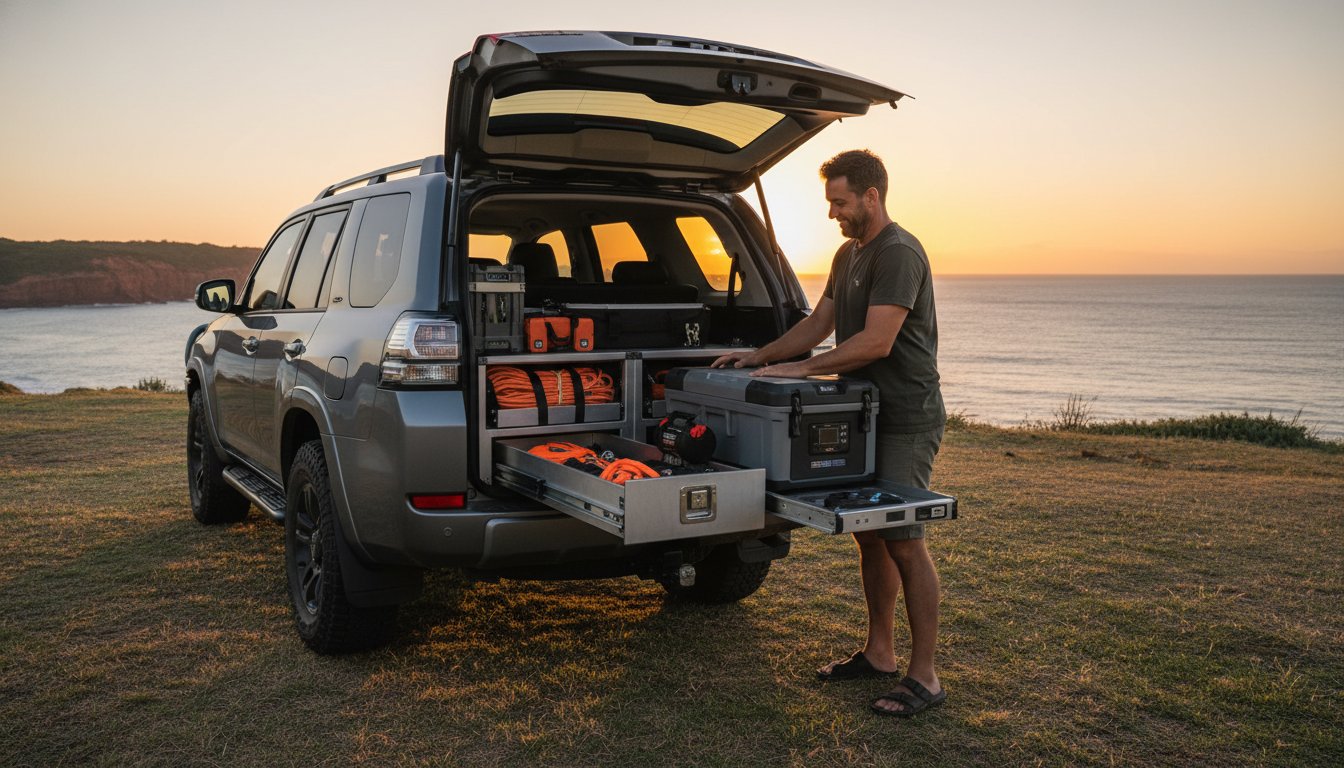
Keeping your fridge running at 3 degrees Celsius in 35-degree humidity requires a serious energy plan. We recommend a minimum of a 200W portable solar blanket paired with a 100Ah lithium battery. Water is even more critical. Plan for 7 to 10 litres per person daily for drinking and hygiene. If you’re in a sensitive eco-zone, capture your greywater in a 20-litre jerry can. A quality portable toilet, usually costing between A$180 and A$350, is mandatory. Leaving no trace ensures these top Hipcamp spots stay open for the whole Adventurerz community.
Before you head out, run through our specialized 48-hour remote stay list. This ensures you spend your time watching the sunset rather than stressing over gear failures. Preparation is the difference between a survival story and a legendary trip.
- 20L potable water per person (minimum)
- First aid kit with specific snake bite bandages
- Offline maps (Download these before you lose 4G signal)
- Fire extinguisher and fire blanket
- Recovery boards and a reliable tyre pressure gauge
- Biodegradable toiletries and greywater collection kit
- Portable chemical or composting toilet
Ready to hit the road? Make sure you gear up for your next expedition with the right kit to handle the Aussie wild.
Responsible Exploration: How to be a Sustainable Adventurerz Guest
We’ve explored the best gear and the most rugged tracks. Now, let’s talk about the heart of our journey. Being a guest at the Top Hipcamp spots across Australia is a privilege that comes with a clear set of responsibilities. We’re a tribe that values the wild, and that means protecting the very places that give us our freedom. When we pull into a private property, we aren’t just campers; we’re partners in land stewardship.
Most of these sites are working farms where families earn their living. When we roll up to a boundary, we follow the ultimate rule: leave the gate exactly as you found it. A single open gate can lead to a A$5,000 loss in livestock or hours of stressful rounding up for a Host. We respect their fences and their privacy because we want to be invited back next season. It’s about acknowledging that someone’s backyard is our playground.
Fire safety isn’t optional. With the 2026 bushfire season predicted to start 14 days earlier than average in many regions, we stay vigilant. Always check the local RFS or CFA apps before lighting a fire. If a Host says no fires, we don’t argue. We bring our high-quality LED lanterns and enjoy the stars instead. We always keep a 10-litre bucket of water next to any active blaze and never leave it unattended. It’s about being prepared and being smart.
Supporting the local economy is part of the Adventurerz DNA. We make it a point to buy at least A$40 of supplies directly from the Host or the nearest small town. Whether it’s a dozen farm-fresh eggs for A$8 or a bag of split ironbark for the fire, every dollar helps sustain these rural communities. This direct support ensures that the Top Hipcamp spots remain viable and open for everyone to enjoy in the years to come.
This connection to the land goes beyond just camping for many hosts. For those interested in a more hands-on approach to sustainability, some stays offer workshops and experiences as part of their offering. It’s a great way to deepen your connection to the place, and some even let you explore Organic Gardening options as part of an off-grid lifestyle.
Biosecurity and Land Respect
Before you leave the bitumen, give your rig a thorough wash. Invasive species like Parthenium weed can hitch a ride on your chassis; a 2025 report by biosecurity agencies found that 65% of new infestations occurred along 4WD tracks. We also keep our pets under strict control. Even the most well-behaved dog can spook livestock or disturb local wallaby populations. Following property boundaries isn’t just about privacy; it’s about biosecurity and safety for everyone on the land.
Building the Community
Our community thrives on shared knowledge. When you finish your 2026 trip, leave a review that actually helps the next person. Mention if the ground is soft or if you needed low-range to reach the creek. Upload those epic sunset photos to inspire the tribe. As we plan our next expeditions, we stick to the Adventurerz pledge: take only photos, leave only footprints, and always leave the site 10% better than we found it. Pick up that stray bottle cap and leave the land pristine.
Claim Your Piece of the Australian Wild in 2026
The road ahead is wide open, and your next off-grid mission starts with the right map. We’ve identified over 45 remote sites that define the Top Hipcamp spots for the 2026 season, focusing on locations that reward high-clearance 4WD setups and self-sufficient travelers. Success in the bush isn’t just about the destination; it’s about arriving with community-tested gear that won’t fail when you’re 200 kilometres from the nearest town. By following our sustainable exploration protocols, you ensure these pristine Queensland secrets and rugged coastal tracks remain open for everyone. We’ve curated these stays specifically for 4WD enthusiasts who value the silence of the scrub and the reliability of a well-pitched rooftop tent. Pack your gear, check your tyre pressures, and get ready to experience the true heart of the country with us.
Join the Adventurerz community and share your 2026 Hipcamp finds!
Frequently Asked Questions
Are Hipcamp spots safe for solo female travelers in Australia?
Hipcamp is a secure choice for solo female travelers because of the verified review system and host vetting processes. We recommend checking the 2025 Safety Report which shows that 92% of solo travelers feel safer on private land than in isolated bush camps. Look for sites with 50 or more positive reviews to ensure you’re joining a trusted part of our community. Adventurerz always prioritize safety by sharing their itineraries with friends before heading off-grid.
Do I need a 4WD for most Hipcamp locations in Queensland?
You don’t need a 4WD for every location, but approximately 45% of the top Hipcamp spots in Queensland require high clearance for creek crossings or sandy tracks. Many coastal sites near Noosa are accessible by 2WD; inland gems often demand a rugged setup. Always check the “Access” section on the listing to see if your vehicle can handle the terrain. We love seeing Adventurerz test their rigs on these diverse Aussie tracks.
Can I bring my dog to a Hipcamp spot?
Most Hipcamp locations are pet-friendly, with roughly 68% of Australian hosts welcoming dogs onto their property. You must keep your pup on a lead if there’s livestock nearby to remain a considerate traveler. Always filter your search for “Pets allowed” to find the perfect spot for your furry best friend. It’s a great way for the whole family to explore the wilderness together without leaving anyone behind.
What is the difference between a Hipcamp and a traditional caravan park?
The main difference is the level of seclusion and the type of land you’re staying on. While a caravan park might host 150 rigs in a tight grid, a Hipcamp spot often limits bookings to just 2 or 3 groups on a 100-acre farm. You’re paying for privacy and a direct connection to nature rather than swimming pools or communal camp kitchens. It’s the ultimate way to experience the authentic Australian outback.
How much does a typical ‘Top’ Hipcamp spot cost per night in 2026?
For the 2026 season, expect to pay between A$35 and A$65 per night for a standard unpowered site at the top Hipcamp spots. Premium locations with creek frontage or mountain views might reach A$90 per night during peak holiday periods. These prices reflect the growing demand for sustainable, private camping experiences across the country. Booking at least 4 months in advance helps you secure these popular locations at the best possible rates.
Is there mobile reception at most remote Hipcamp sites?
Mobile reception is often unavailable at remote sites, with roughly 35% of bush locations falling into total black spots for Telstra and Optus users. We suggest downloading offline maps or carrying a satellite communicator if you’re heading deep into the ranges. Don’t rely on 4G for navigation when you’re exploring the more rugged corners of the continent. Being disconnected allows us to truly immerse ourselves in the environment and the journey.
What happens if I need to cancel my Hipcamp booking due to weather?
Cancellations are governed by the specific policy chosen by the host, which ranges from Flexible to Super Strict timeframes. If a severe weather warning is issued by the Bureau of Meteorology, Hipcamp’s Extenuating Circumstances Policy may trigger a full refund or credit. Always read the fine print before you book your trip to understand the 24-hour or 7-day windows. We recommend checking the forecast 72 hours before departure to stay safe and prepared.
Do Hipcamp hosts provide drinking water and toilets?
Many hosts provide basic amenities, but about 55% of rural Australian sites require you to be fully self-sufficient with your own water and toilet. These off-grid locations are perfect for testing your 4WD setup and portable gear. Always bring at least 10 liters of drinking water per person for a weekend trip to stay hydrated. Being a responsible member of the Adventurerz community means leaving no trace and managing your own waste effectively.