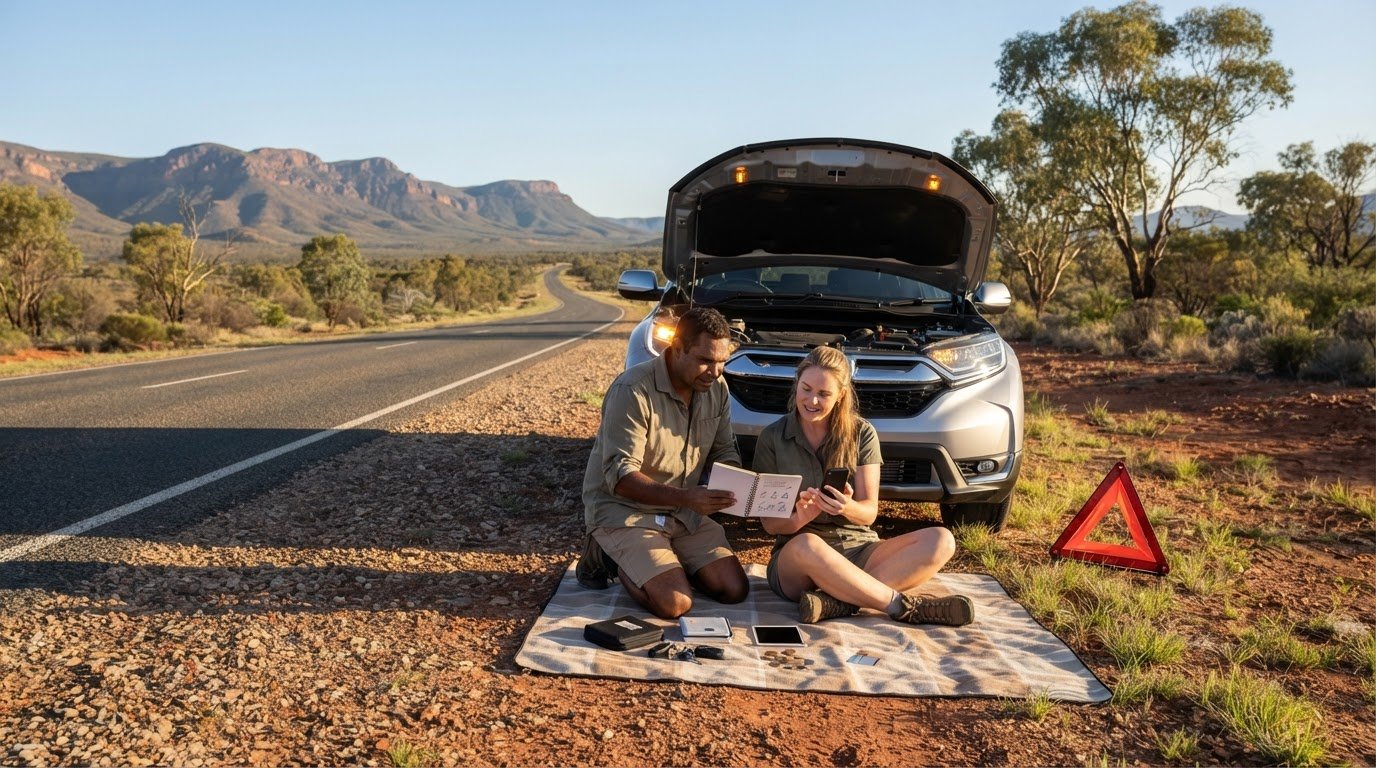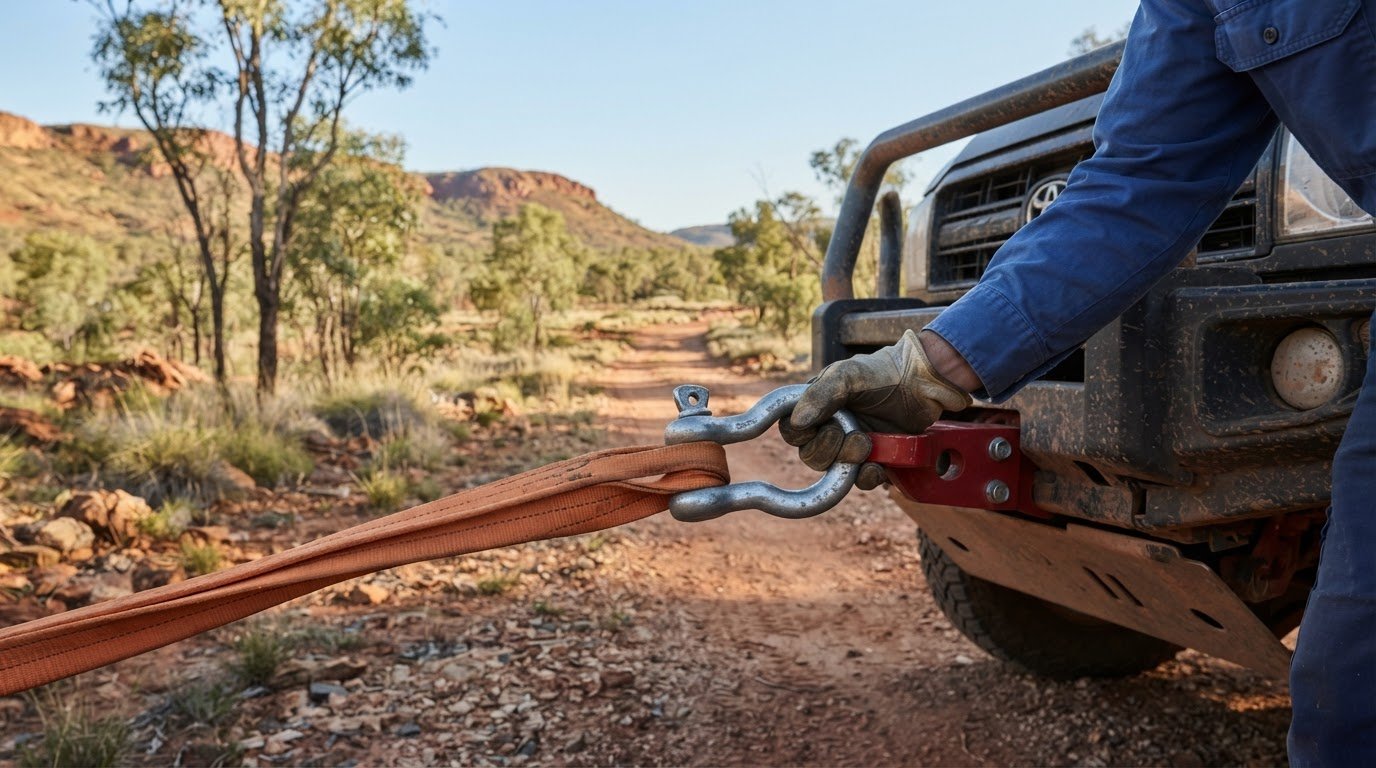
What if the hardest part of conquering the Sunshine Coast hinterland isn’t the vertical scramble, but knowing which trail actually matches your gear and grit? We’ve all stood at the base of Mount Ngungun or Beerwah feeling that mix of adrenaline and uncertainty, wondering if our preparation meets the demands of these 25 million year old volcanic peaks. It’s easy to feel overwhelmed by shifting trail grades or the fear of losing the track as the afternoon light fades. Finding the best Glasshouse Mountains Hikes shouldn’t feel like a guessing game that ends in a stressful call to local emergency services.
We’re here to make sure you step onto the dirt with total confidence. This 2026 trail edition is your blueprint for a successful summit, offering expert insights on technical terrain, essential gear lists, and the deep cultural significance held by the Jinibara and Kabi Kabi Traditional Owners. We’ll show you how to respect the landscape while pushing your physical limits. From choosing the perfect 4WD basecamp spot to mastering sustainable, eco-friendly hiking practices, we are covering everything you need to explore like a true Adventurerz. Let’s get your pack ready for an unforgettable journey through the heart of the rugged Australian wilderness.
Key Takeaways
- Discover the best Glasshouse Mountains Hikes for your fitness level, from the iconic sunset views on Mount Ngungun to the vertical challenge of Mount Beerburrum.
- Learn how to respect the deep cultural heritage of the Gubbi Gubbi people while exploring the unique geological history of these 11 ancient volcanic peaks.
- Upgrade your kit with expert advice on why specialized footwear is non-negotiable for safely navigating the unique rhyolite rock surfaces of the range.
- Protect our fragile Australian wilderness by mastering “Leave No Trace” principles designed to prevent erosion and preserve the peaks for future Adventurerz.
- Sync up with our community hub to access real-time trail updates and use our digital travel planner to map out your ultimate multi-day expedition.
Understanding the Glass House Mountains: A National Treasure
We’ve all seen them from the Bruce Highway; those 11 jagged silhouettes rising abruptly from the Sunshine Coast hinterland aren’t just hills. They’re ancient volcanic plugs that define the skyline. For us Adventurerz, tackling Glasshouse Mountains Hikes is a rite of passage. These peaks formed 26 to 27 million years ago when magma cooled inside the vents of extinct volcanoes. Over millennia, the softer surrounding rock eroded away, leaving these dramatic stone pillars behind. It is a landscape that feels prehistoric because, geologically speaking, it is.
In 2026, we’re seeing a massive shift toward sustainable trail management. The Queensland Parks and Wildlife Service has implemented stricter group size limits and seasonal closures to protect the fragile rhyolite and trachyte ecosystems. We’ve embraced these changes because they ensure the trails remain open for the long haul. Being a responsible explorer means checking the latest park alerts before you even pack your kit.
The Landscape and Its History
These “plugs” are essentially the hardened hearts of ancient volcanoes. Imagine liquid fire turning to solid rock deep underground, then being revealed as the earth around it washed away. In 2026, we’re seeing more “Leave No Trace” initiatives than ever before. It’s about keeping these trails pristine for the next generation of Adventurerz. The range was added to the National Heritage List in 2006, recognizing its unique geology and cultural importance.
Why This Range Challenges Even Experienced Hikers
Don’t let the modest elevation fool you. Mount Beerwah and Mount Tibrogargan offer verticality that rivals much higher ranges in the Blue Mountains or the Alps. We’re talking about technical scrambling where you’ll need three points of contact at all times. Mobile reception is notoriously patchy in the deep gullies between peaks. We always recommend carrying a PLB (Personal Locator Beacon) because emergency access is restricted by the sheer terrain and dense scrub.
Choosing Your Peak: A Breakdown of the Best Trails
Ready to lace up? We’ve spent countless weekends exploring these ancient volcanic plugs to bring you the best Glasshouse Mountains Hikes for your 2026 adventures. Whether you’re a sunrise photographer or a weekend warrior looking to test your grit, there’s a summit waiting for you. We believe every trail is a chance to connect with the land and our community of fellow explorers.
Beginner-Friendly Paths and Lookouts
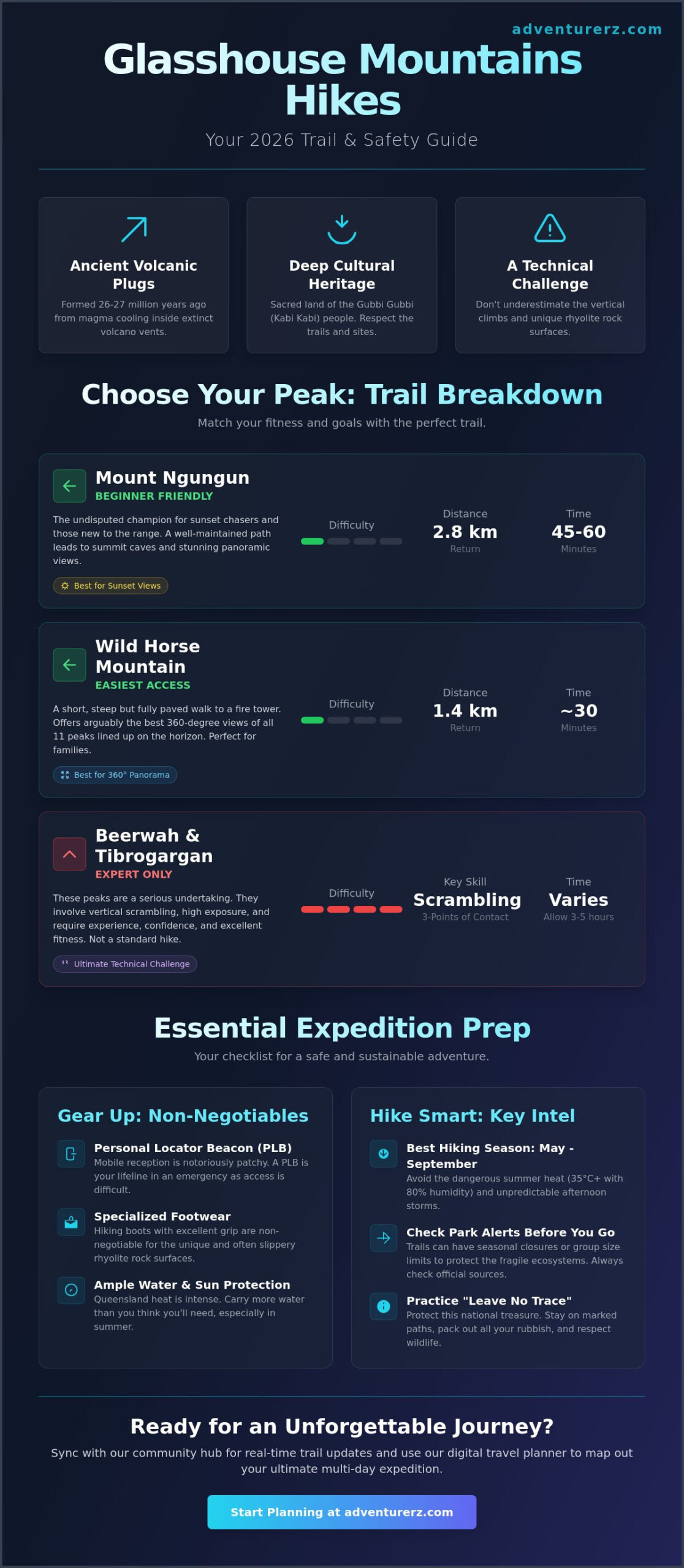
Mount Ngungun remains the undisputed champion for sunset chasers. It’s a 2.8km return track that most Adventurerz can conquer in about 45 to 60 minutes. The path is well-maintained, but the real magic happens at the summit caves. These dramatic rock overhangs provide a prehistoric backdrop that’s perfect for a quick breather before the final push to the top. It’s easily the best “bang-for-your-buck” hike in the region.
If you’re looking for a quick burn to start your day, Wild Horse Mountain is your best bet. It’s a short 1.4km return walk on a fully paved path. While the incline is steady, the 360-degree views from the fire tower at the top are unmatched. You can see all the major peaks lined up like sentinels against the horizon. Families with younger Adventurerz find these two peaks the safest and most rewarding entry points for a weekend of discovery.
Intermediate to Advanced Scrambles
For those who want to test their lung capacity, Mount Beerburrum is a relentless 3.5km return challenge. The path is paved, but don’t let that fool you; the gradient is incredibly steep. It’s a fantastic training ground for those preparing for bigger expeditions. For the latest track conditions and safety alerts, we always recommend consulting the Official Glass House Mountains National Park guide before you head out.
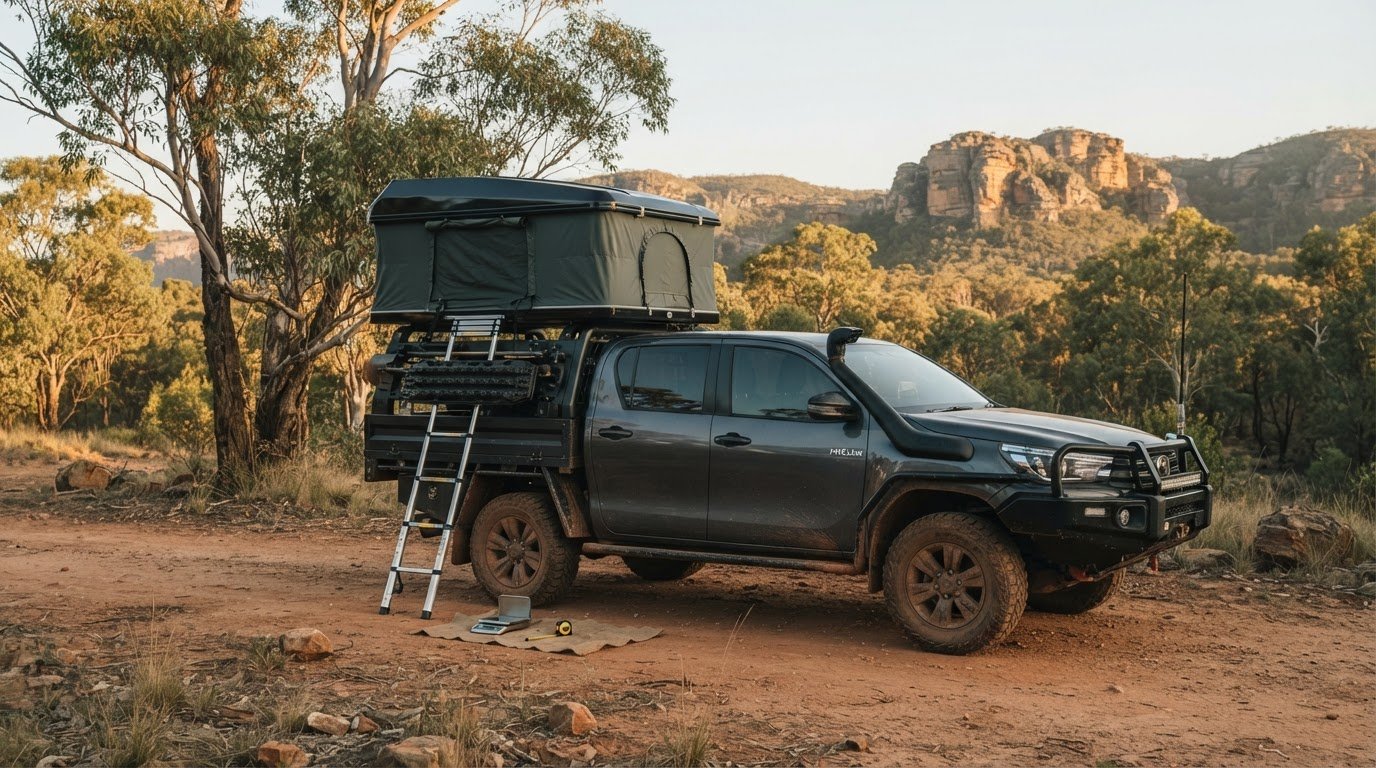
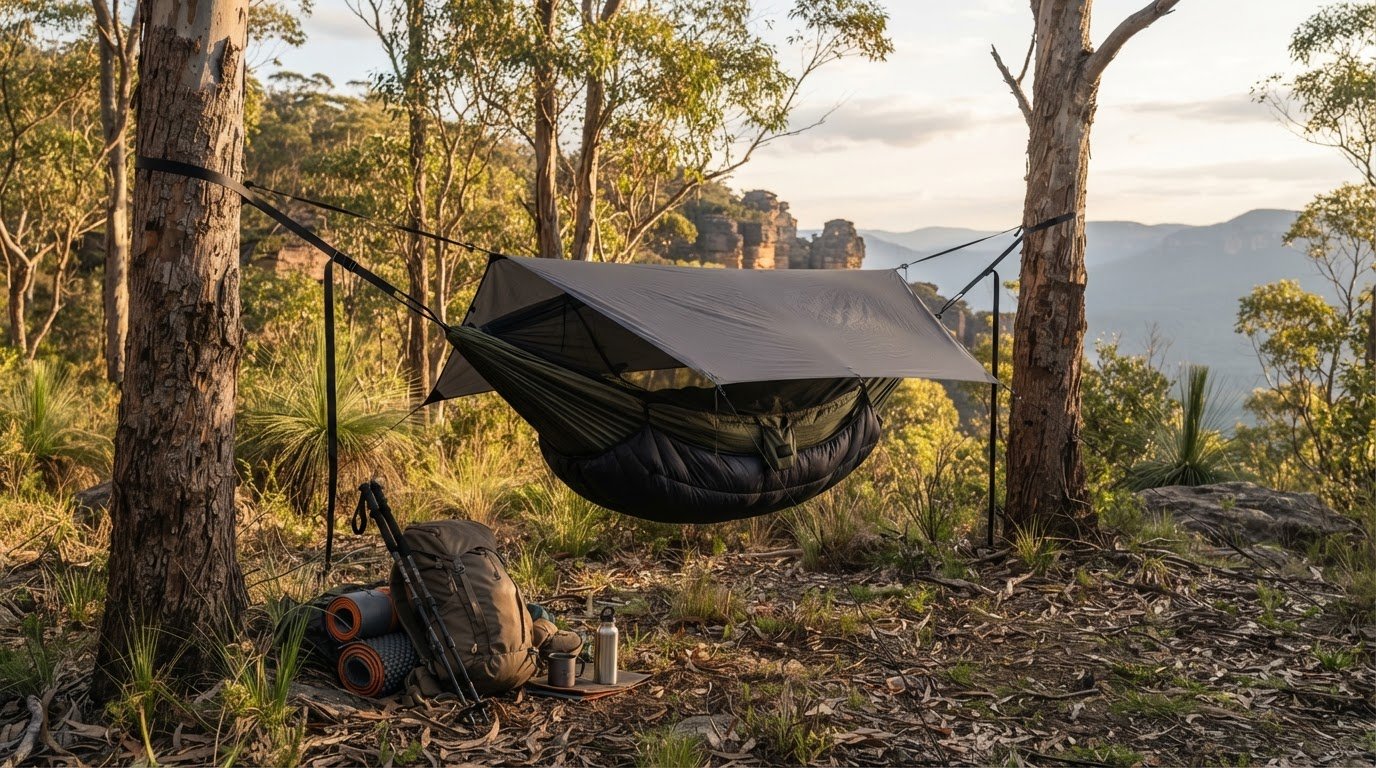
Seeking solitude and a more technical experience? The Yul-yan-man track is a 9km circuit that connects the Trachyte circuit to the Mount Beerburrum trailhead. It doesn’t summit a peak, but it offers plenty of rugged rock hopping and technical sections that require focus. If you’re planning an overnight stay nearby to hit these trails at first light, checking out our recommendations for the best roof top tents can help you turn your 4WD into the ultimate base camp.
We must include a serious safety warning for Mount Beerwah and Mount Tibrogargan. These are not standard Glasshouse Mountains Hikes. They are vertical rock scrambles that require expert-level skills, high-grip footwear, and a calm head for heights. In the 2024 and 2025 seasons, emergency services saw a 15 percent increase in rescues on these peaks due to hikers being under-prepared. If you’re not an experienced rock scrambler, stick to the lower trails and enjoy the view from the base. Stay safe and respect the mountain!
The Adventurerz Gear Checklist: Preparing for the Peaks
We’ve all seen it: a day-tripper tackling Mt Ngungun in worn-out tennis shoes. On the Glasshouse Mountains Hikes, that’s a recipe for a twisted ankle. The rhyolite rock surfaces are ancient volcanic plugs. They’re incredibly abrasive when dry but can become slick as ice with a light dusting of morning dew or high humidity. Standard sneakers lack the multidirectional lug depth needed to bite into this specific volcanic texture. You need gear that respects the terrain.
A high-quality daypack is your next essential. Don’t rely on a single-shoulder bag or a flimsy drawstring sack. You need a harness system with a chest strap and hip belt to shift the load. This keeps your center of gravity stable during those near-vertical scrambles on Mt Tibrogargan. When your pack weight stays centered, you’re less likely to lose balance on exposed ledges.
Footwear and Apparel for Volcanic Rock
Choosing between hiking shoes and boots depends on your ankle strength. Boots offer superior protection against rolling on uneven scree slopes. Shoes provide better agility for technical rock hopping. Either way, look for Vibram soles or similar high-traction compounds. Your apparel should follow these rules:
- Moisture-wicking fabrics: Synthetic blends or lightweight merino wool are best. Cotton is a trap; it stays wet, gets heavy, and causes painful chafing in the humid hinterland.
- Sun protection: A broad-brimmed hat is mandatory. In 2026, we’re seeing higher UV ratings earlier in the day, so UPF 50+ clothing is a smart investment for every Adventurerz member.
- Long socks: These protect your ankles from sharp brush and biting insects often found on the lower trail sections.
4WD Setup and Basecamp Recovery
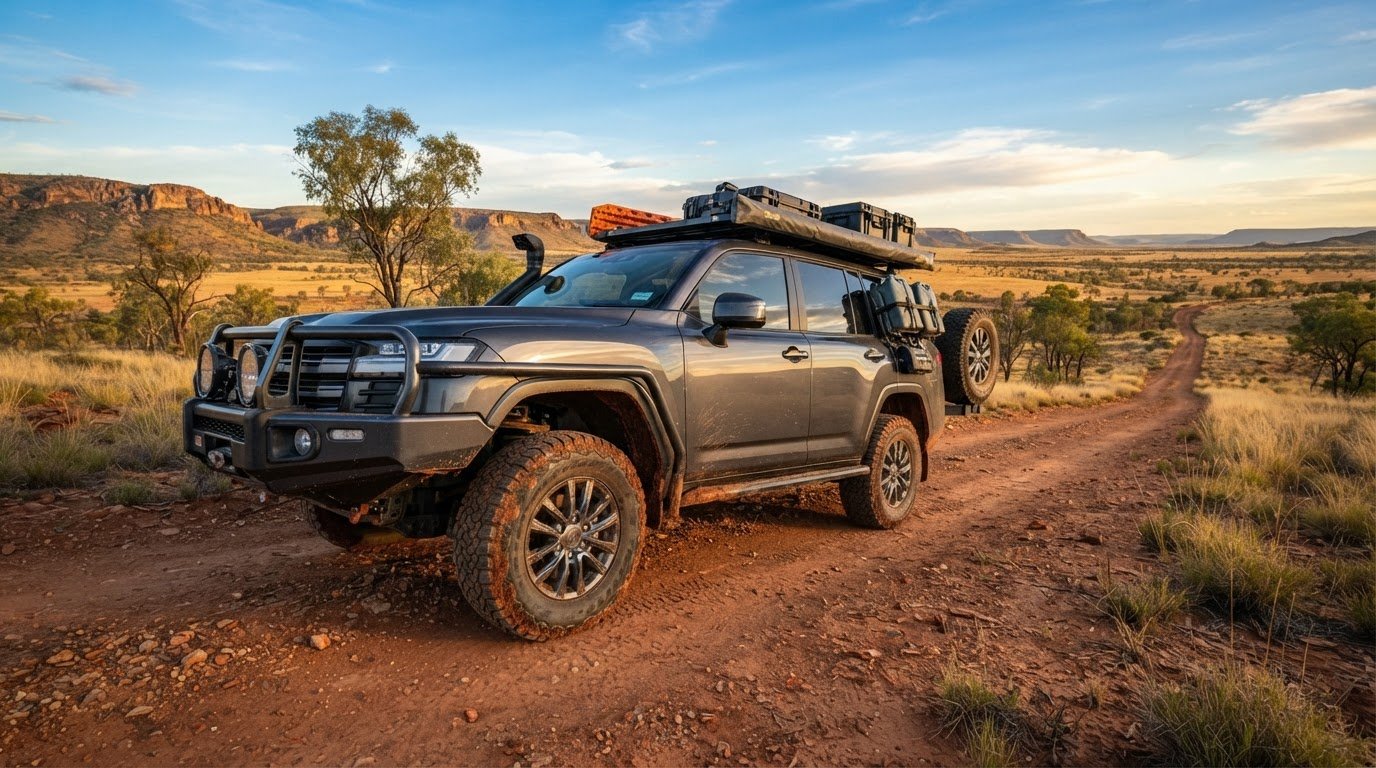
The adventure doesn’t end at the summit. Coming back to a scorching hot car is a vibe killer. We love using the best 4wd awnings to create a localized microclimate at the trailhead car parks. It gives us a spot to peel off sweaty boots in the shade while we rehydrate. If you’re chasing a 4:30 AM sunrise start, roof top tents are the preferred way to stay nearby. You’ll wake up at the base of the mountains rather than driving two hours from the city in the dark.
Sustainable Exploration: Leaving No Trace
We believe every journey into the wild should leave the land exactly as we found it. When tackling Glasshouse Mountains Hikes, the fragile volcanic soil, which dates back over 25 million years, requires our utmost respect. This soil erodes easily under heavy foot traffic. We must stay on marked trails to prevent “braiding,” where multiple paths destroy the surrounding vegetation. Every step off the path compacts the earth and kills the delicate mosses and ferns that hold the slopes together. We’re here to protect the trail, not just walk it.
One trend we need to stop immediately is “summit rock stacking.” While it might look like a photo opportunity, it’s actually harmful to the local ecosystem. Moving rocks disturbs the micro-habitats of local skinks and invertebrates that rely on those stones for protection from the sun. It also alters the natural and cultural landscape of these sacred sites. Our rule is simple: leave the rocks where they lie. When it comes to waste, remember that remote trailheads like the one at Mt Tibrogargan don’t have rubbish bins. We pack it in and we pack it out. This includes organic waste like orange peels or apple cores, which can take up to 2 years to decompose in this environment and often attract invasive species.
Respecting Cultural Heritage
The Glass House Mountains are deeply spiritual places for the Jinibara and Kabi Kabi people. These peaks aren’t just rocks; they’re ancestral figures with complex stories. We encourage all Adventurerz to photograph the landscape with humility. Avoid climbing on areas marked as culturally sensitive. Occasionally, Queensland Parks and Wildlife Service (QPWS) closes certain peaks for environmental recovery or cultural reasons, such as the 2019 closure of Mt Beerwah. We respect these closures without question to ensure the mountains heal properly.
Wildlife and Flora Protection
The cliffs of Mt Beerwah and Mt Tibrogargan are vital nesting grounds for the peregrine falcon. These birds are incredibly sensitive to noise and drones during their nesting season between August and December. We also share these trails with lace monitors and various snake species. Never feed the wildlife. Feeding leads to aggressive behavior in birds like the Australian brush turkey and disrupts their natural diet. If you spot trail damage or illegal clearing, report it directly to the QPWS on 13 74 68. Let’s keep our playground pristine!
Planning Your Expedition with the Adventurerz Community
Planning your Glasshouse Mountains Hikes isn’t just about packing a bag; it’s about joining a movement of like-minded explorers who value the dirt beneath their boots. Our community hub serves as a living breathing resource where Adventurerz share real-time trail conditions. Whether a recent storm has made the Ngungun track slippery or a new 2026 conservation closure is in effect, you’ll find the latest updates from fellow travelers who were on the ground just days ago. We believe that shared knowledge keeps our community safe and our trails pristine.
For those looking to extend their stay beyond a day trip, using a travel planner is the best way to coordinate multi-day logistics. Mapping out your campsites, water refill stations, and 4WD access points ensures you spend less time stressing and more time soaking in the volcanic vistas. We also highly recommend connecting with local eco-tours. These guides provide a deeper understanding of the First Nations history and the unique geology of the range, transforming a simple walk into a profound cultural experience.
- Minimum 3 litres of water per person for summer scrambles.
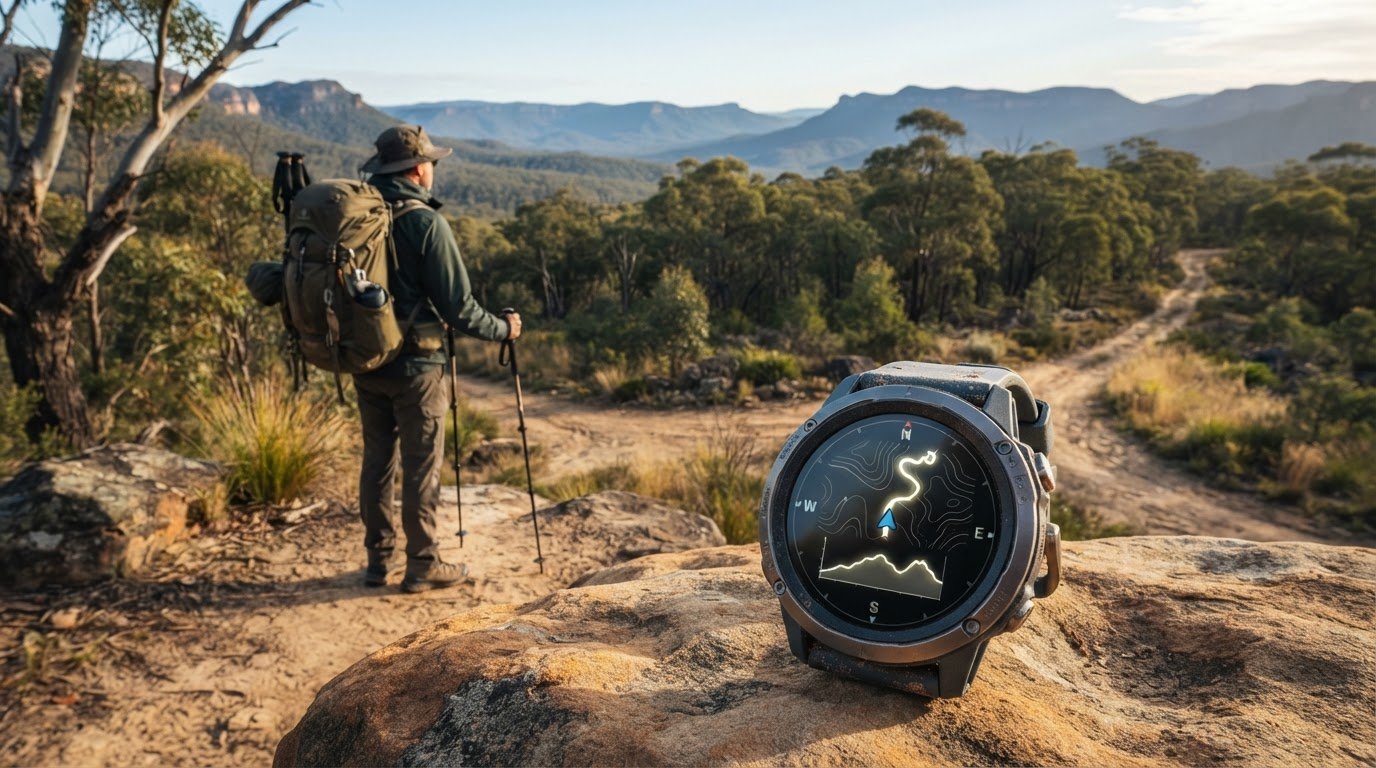
- Offline maps downloaded (reception is spotty in the gullies).
- A registered PLB or satellite communicator for remote sections.
- High-grip footwear specifically rated for volcanic rhyolite.
- Check the Queensland Parks and Wildlife Service (QPWS) alerts.
Mapping Your 2026 Adventure
Don’t stop at the hinterland. Many Adventurerz combine their Glasshouse Mountains Hikes with other rugged QLD destinations like the Bunya Mountains or the Great Sandy National Park. You can contribute to the tribe by uploading your 2026 summit photos and track reviews directly to our platform. Your insights help the next explorer choose the right gear for the season. The Adventurerz Spirit is a commitment to rugged, responsible travel.
Final Tips for a Successful Summit
Photography enthusiasts should aim for the golden hour. The low sun hits the face of Mount Tibrogargan around 5:30 PM in summer, creating deep shadows and brilliant orange hues that are perfect for wide-angle shots. Always remember the buddy system. These peaks involve serious rock scrambles where a simple slip can become a major incident. Never scramble alone; always have a mate to spot your foot placement. Join the community and share your Glass House story today!
Grab Your Swag and Hit the Peaks
The Glass House Mountains offer more than just a physical challenge; they’re a vital connection to Queensland’s ancient landscape. By 2026, shifting trail conditions demand the right preparation and a deep respect for the terrain. We’ve explored how expert gear choices and a strict Leave No Trace mindset ensure these 11 volcanic peaks remain pristine for every hiker who follows. Your next journey through the Glasshouse Mountains Hikes should be defined by both safety and environmental responsibility. At Adventurerz, we provide gear reviews trusted by over 5,000 fellow explorers to keep you moving confidently through the Australian bush. Our community-driven insights go far beyond standard travel brochures because they’re built on real-world testing and shared trail knowledge. We’re 100% committed to sustainable exploration that protects our national treasures. Whether you’re tackling the technical scrambles of Mount Tibrogargan or the scenic winding tracks of Mount Ngungun, we’re with you for every vertical metre. It’s time to turn these trail maps into your next great story.
Start planning your next remote escape with our Ultimate Adventure Travel Planner!
Frequently Asked Questions
What is the easiest hike in the Glass House Mountains for beginners?
Mount Ngungun is the most accessible choice for beginner Adventurerz looking to experience Glasshouse Mountains Hikes without intense rock scrambling. This 2.8km return trail features a well-maintained path that we’ve seen families with children as young as 5 years old complete comfortably. You’ll gain 253 metres in elevation, offering a 360-degree view that rewards your effort without requiring specialized climbing gear or advanced technical skills.
Can I hike the Glass House Mountains in the rain?
We strongly advise against hiking the steeper peaks like Mount Tibrogargan or Mount Beerwah during or immediately after rainfall. The rhyolite rock surfaces become incredibly slick when wet, increasing the risk of falls by over 50 percent according to local rescue statistics. If you’re caught in a light drizzle, stick to the lower forest circuits like the 4.1km Trachyte Circuit where the sandy soil provides much better traction.
Are dogs allowed on the walking trails in the national park?
No, dogs are strictly prohibited within the Glass House Mountains National Park to protect 170 species of native birds and sensitive ground-dwelling mammals. We love our furry mates, but pet scents can disrupt local wildlife for up to 48 hours after a visit. If you want a hike with your pup, head to the nearby Glass House Mountains Lookout or Wild Horse Mountain which sits outside the core national park boundaries.
How much water should I carry for the Mount Ngungun summit?
You should carry a minimum of 2 litres of water per person for the Mount Ngungun summit hike. Even though it’s a shorter trail, Queensland’s humidity often sits above 70 percent, causing rapid dehydration during the 2-hour return journey. We always pack an extra 500ml in our vehicle for when we return to the trailhead. Never rely on finding drinkable water sources along the track because none exist.
What is the best time of year to visit the Glass House Mountains?
The optimal time for Glasshouse Mountains Hikes is between June and September when daily temperatures average a comfortable 21 degrees Celsius. During these winter months, the 15 percent lower humidity levels make the steep climbs much safer and more enjoyable. We recommend starting your trek by 7:00 AM to catch the clearest views and avoid the midday sun which remains intense even in the cooler seasons.
Do I need a permit to hike or camp in the Glass House Mountains National Park?
You don’t need a permit for day hiking on any of the established trails, but camping requires a Queensland National Parks permit. These permits cost A$7.25 per person per night and must be booked online before you arrive. We always check the Department of Environment and Science website for any total fire bans or track closures that might affect 100 percent of the park area before heading out.
Is there mobile phone reception on the summit of Mount Beerburrum?
Yes, you’ll find reliable mobile phone reception at the summit of Mount Beerburrum thanks to its 280-metre elevation and proximity to local infrastructure. Most major Australian carriers provide 4G or 5G coverage throughout the climb. We still recommend downloading offline maps on your device because signal strength can drop to zero in the deep gullies between the peaks where the massive rock walls block transmissions.
What should I do if I encounter a snake on the trail?
Freeze immediately and back away slowly if you spot a snake on the trail. Most encounters involve the Eastern Brown or Red-bellied Black snake, and 90 percent of bites occur when people try to move or harm the animal. We suggest wearing gaiters and carrying a compression bandage in your first aid kit. Give the snake at least 5 metres of space and wait for it to move off naturally.