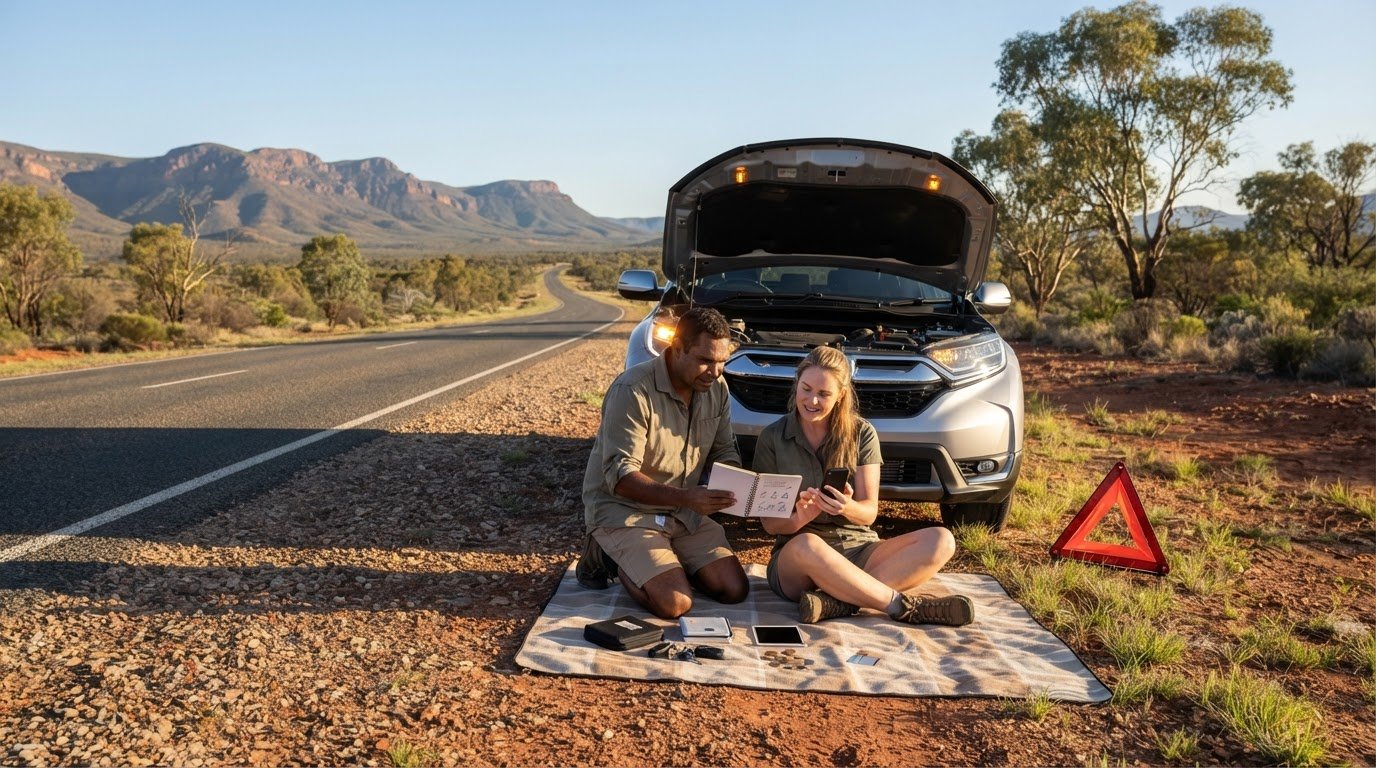
What if the biggest obstacle to your next off-the-grid expedition isn’t the red dust of the Kimberley, but the 8 different state and territory permit systems currently standing in your way? We know the frustration of staring at a map of Australia’s 600+ National Parks and feeling more overwhelmed by vehicle requirements and fragile ecosystem warnings than excited for the trail ahead. It’s a common hurdle for every member of our Adventurerz community who wants to explore responsibly without getting bogged down in bureaucracy—and for those handling international travel or business documents, Insta Notary Services is a vital resource for clearing legal hurdles before hitting the road.
We’ve built this definitive 2026 guide to help you master the wild heart of our continent with absolute confidence. You’ll gain a clear understanding of park diversity, a bulletproof gear list for remote camping, and the sustainable techniques needed to leave zero trace. From decoding the latest 4WD vehicle standards to providing a unified national roadmap, we’re covering everything you need to transition from a confused planner to a prepared explorer. Let’s dive into the essential gear and ethical strategies that will define your next great Australian journey.
Key Takeaways
- Discover why Australia’s 500+ National Parks are the ultimate sanctuary for both biodiversity and your next off-the-grid adventure.
- Conquer the “tyranny of distance” with our expert strategies for managing fuel, supplies, and remote logistics across the Red Centre.
- Gear up like a true Adventurerz pro using our 2026 checklist that prioritizes both your comfort and the latest “Leave No Trace” equipment standards.
- Learn to navigate the unique environmental demands of Australia’s diverse biomes, from tropical coastal fringes to rugged alpine heights.
- Master the art of sustainable exploration by adopting ethical wildlife interaction techniques that keep our wild heart pristine for future journeys.
The Grand Tour: Why National Parks Define the Australian Identity
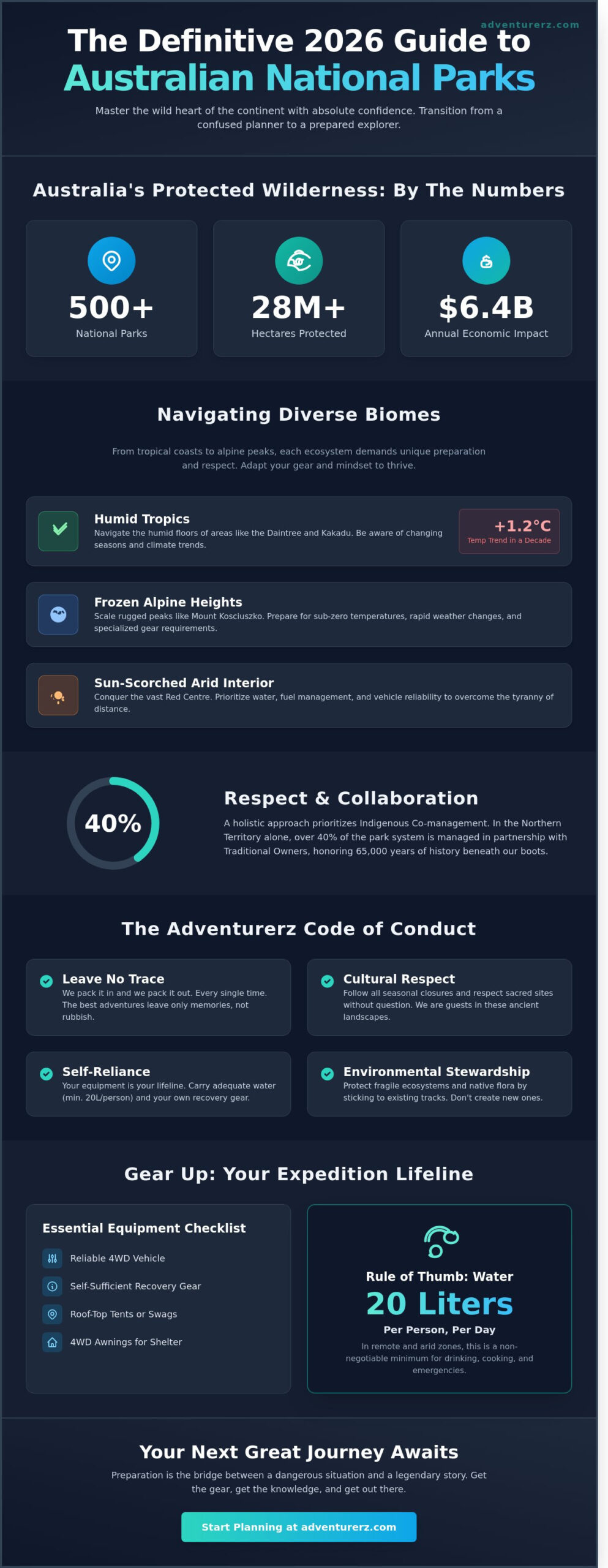
Australia is a continent defined by its rugged edges and its wild heart. We don’t just visit these places; we live them. With over 500 protected areas spanning more than 28 million hectares, Australia’s national parks represent the very soul of our landscape. These aren’t just patches of green on a map; they are complex ecosystems where we balance the critical need for biodiversity conservation with our deep-seated hunger for raw, unscripted adventure. The economic impact is massive, with these lands contributing over $6.4 billion to the national economy annually through tourism and ecosystem services. But for us, the real value is spiritual. It’s the silence of the outback at 3:00 AM and the salt spray on a remote Kimberley beach that truly defines who we are. For those who want to deepen this spiritual connection, Tribu Spirit provides resources for bridging ancient indigenous wisdom with modern holistic healing practices.
The Evolution of Protected Wilderness
The journey started in 1879 with the creation of Royal National Park, which established Australia as a global pioneer in conservation. By 2026, our standards have shifted toward a more holistic approach that prioritizes Indigenous Co-management. Today, over 40% of the Northern Territory’s park system is managed in partnership with Traditional Owners. This collaboration ensures that as we explore these final frontiers, we do so with an understanding of the 65,000 years of history beneath our boots. These areas remain the ultimate testing ground for our resilience and our gear. To learn about preparing your body for these challenges with high-quality combat and training gear, read more at The Fight Club.
The Adventurerz Code of Conduct
Being one of the Adventurerz means more than just snapping a photo at a lookout. It’s about the distinction between a tourist and a true explorer. Tourists wait for the bus; Adventurerz pack the 4WD and head off-the-grid. This lifestyle demands total self-sufficiency. Whether you’re deploying 4WD awnings in the dusty Red Centre or setting up roof-top tents in the high country, your equipment is your lifeline. We prioritize these core values:
- Leave No Trace: We pack it in and pack it out. Every single time.
- Cultural Respect: We follow all seasonal closures and respect sacred sites without question.
- Self-Reliance: We carry 20 liters of water per person and maintain our own recovery gear.
- Environmental Stewardship: We stick to existing tracks to protect fragile soil crusts and native flora.
We treat the wilderness with the respect it deserves because we want these tracks to stay open for the next generation of explorers. Preparation is the bridge between a dangerous situation and a legendary story. As we move into the specifics of planning your 2026 expeditions, remember that the best adventures are the ones where you come home with a clean campsite and a dusty rig.
Ecosystem Diversity: From Coastal Fringes to the Red Centre
Australia’s National Parks are a masterclass in environmental contrast. In 2026, we are seeing a distinct shift in how these biomes behave. Average temperatures in the tropical north have trended 1.2 degrees higher over the last decade; this effectively pushes the start of the safe trekking season in places like Kakadu from May into early June. Adventurerz need to adapt to these changing rhythms. Whether you are scaling the 2,228-meter peak of Mount Kosciuszko or navigating the humid floor of the Daintree, the gear and mindset required are worlds apart. We categorize these spaces into three distinct zones: the humid tropics, the frozen alpine heights, and the vast, sun-scorched arid interior.
The heavy hitters of the Australian wilderness remain essential for any serious explorer. Parks Australia oversees legends like Uluru-Kata Tjuta and Kakadu, where management plans now prioritize Indigenous-led conservation. These sites aren’t just photo opportunities; they are living cultural landscapes. In the Great Barrier Reef marine parks, 2026 data shows a 15 percent increase in protected “green zones,” which means our snorkeling and diving must be more considerate than ever to protect the 1,500 species of fish calling the reef home.
Coastal and Marine Sanctuaries
The Arid Heart and Rugged Ranges
The desert parks are beautiful but unforgiving. Temperature swings are violent; it’s common to see a 40-degree drop between noon and midnight. Water security is your primary mission here. In 2026, remote bore water reliability has decreased by 10 percent in some regions, so we carry 7 liters of fresh water per person, per day. The ancient mountain ranges, some dating back over 300 million years, offer a rugged backdrop for those who enjoy off-the-grid living. Staying elevated and insulated is a game changer in these environments. You might find that roof top tents offer the perfect blend of safety from ground-dwelling critters and insulation against the desert chill.
Overcoming the Barriers: Safety, Distance, and Remote Logistics
We often hear the primary objection from aspiring explorers: “Is it actually safe for me out there?” The answer is a resounding yes, but it demands we trade complacency for rigorous preparation. Exploring National Parks isn’t about conquering nature; it’s about joining the landscape with the right mindset and equipment. Safety in the bush is a result of deliberate choices we make before we even turn the ignition.
This disciplined approach to preparation and navigation is a hallmark of all great explorers, whether they are crossing the Simpson Desert or navigating international flight paths. To see how these skills can lead to a professional career in the cockpit, you can explore FAA Professional Pilot Program and start your journey with 2FLY Airborne.
The “tyranny of distance” remains a defining factor of the Australian experience. In remote regions like the Pilbara or the Red Centre, fuel stops can be separated by 400 to 600 kilometers of punishing, corrugated track. We must calculate our fuel consumption based on heavy loads and low tire pressures, which can increase fuel burn by up to 25 percent compared to highway driving. Mapping these supply points is the first step in any successful expedition, and for professionals who need to maintain tax-compliant records, using IRS mileage log software ensures that every one of those remote kilometers is precisely documented. To ensure your long-term financial goals remain as secure as your vehicle’s recovery gear, Timothy Roberts & Associates, LLC offers expert wealth management and tax preparation services for explorers who value professional oversight.
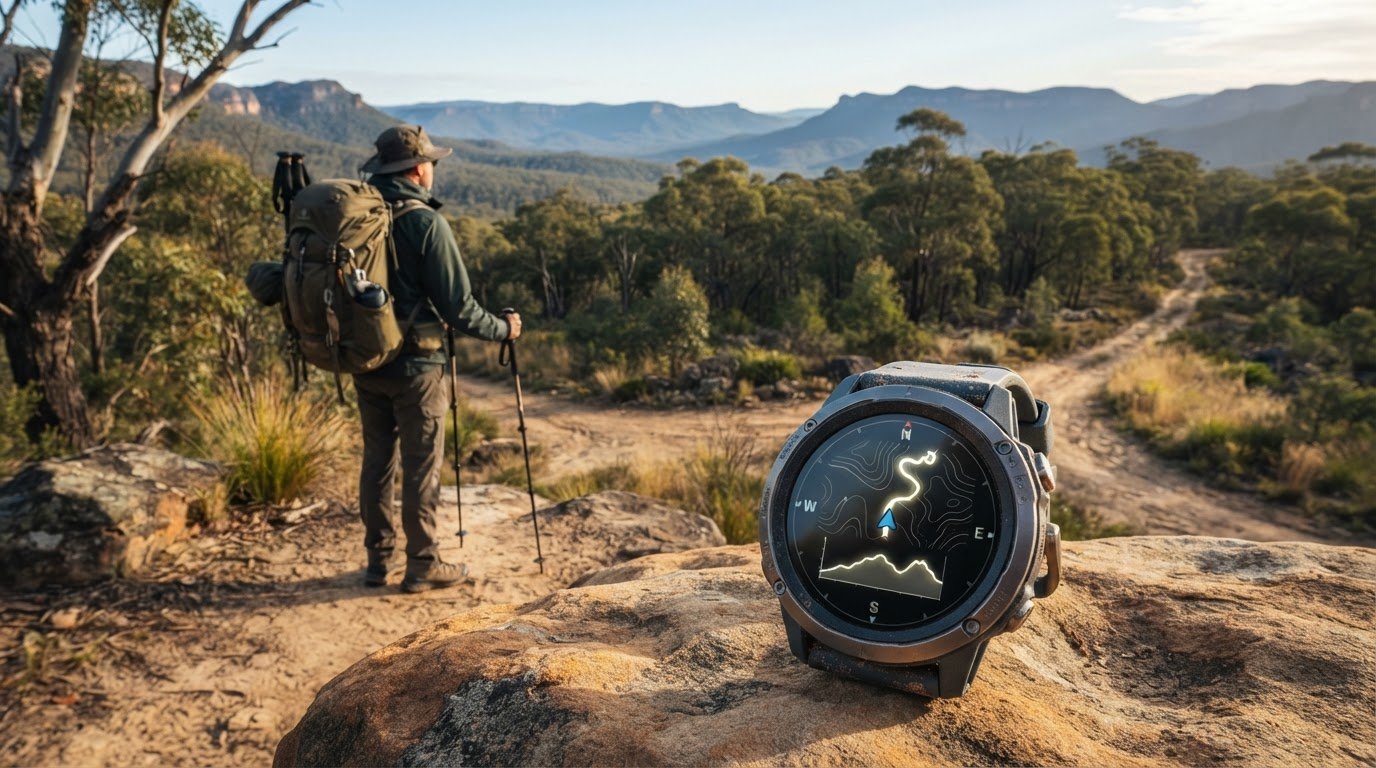
Communication is our lifeline. Mobile “black spots” cover roughly 70 percent of the Australian landmass, meaning your smartphone becomes a glorified camera once you leave the main highway. We recommend every Adventurerz team carries a satellite communicator or a Personal Locator Beacon (PLB). For those requiring more robust infrastructure, Mobile Systems provides specialized mobile communication solutions that ensure reliable connectivity in challenging environments. These devices ensure that even in the deepest canyons, help is only a button-press away. You can find detailed safety requirements and regional alerts on the Parks Australia official website, which serves as our go-to resource for federal land management data.
The Remote Travel Mindset
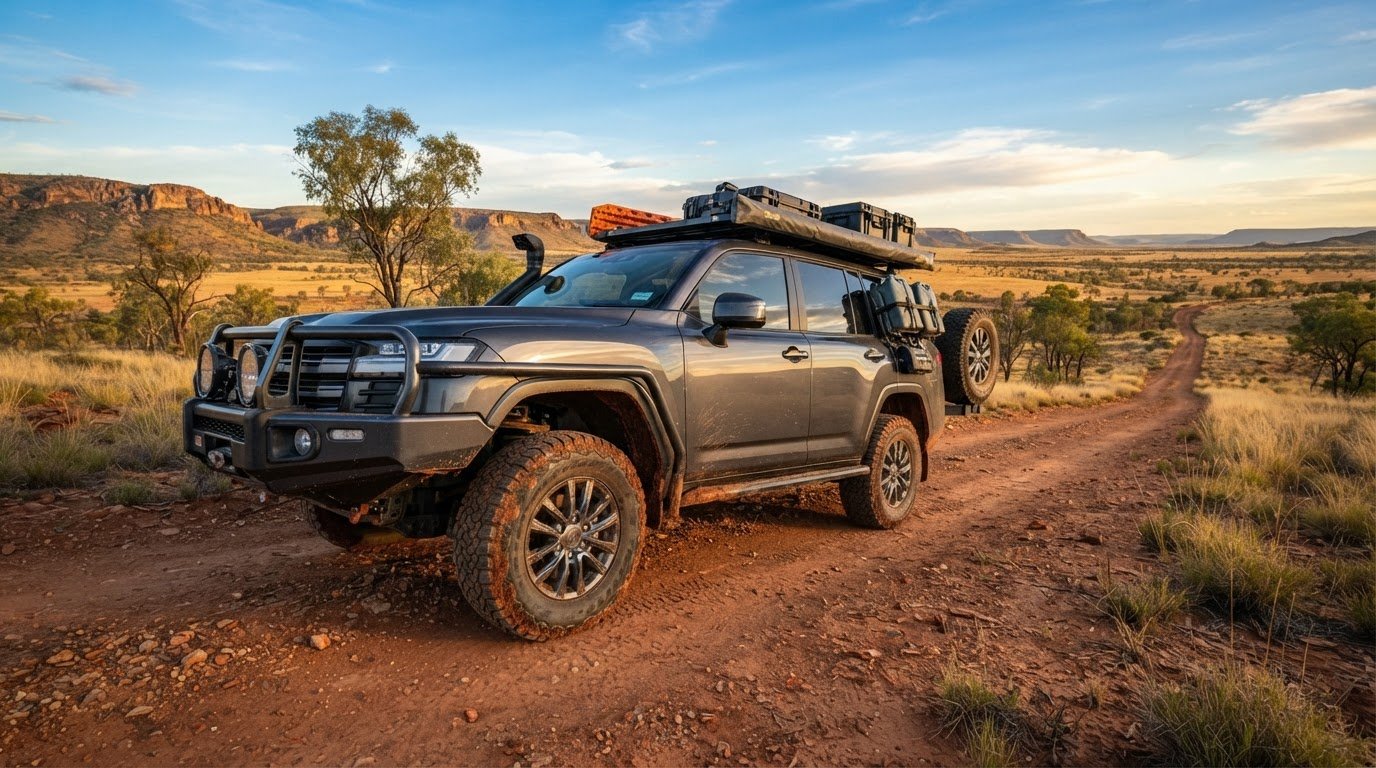
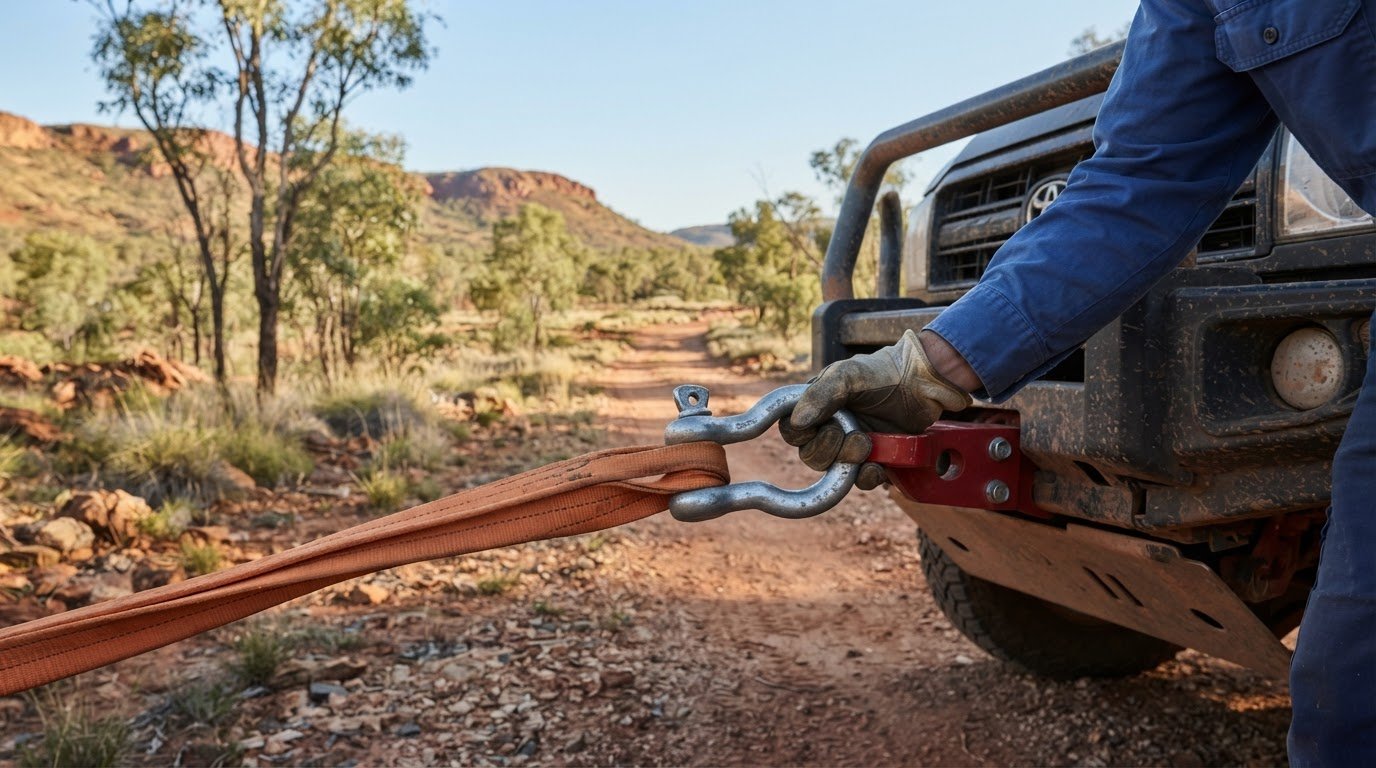
Before heading off-the-grid, we must honestly assess our vehicle’s capability. This includes checking Gross Vehicle Mass (GVM) and ensuring our suspension can handle the extra weight of gear like roof top tents and water supplies. For explorers operating in high-heat regions, professional window film from dadautozcare.com is a vital addition for cabin temperature control and UV protection. For organizations managing a professional vehicle lineup, Alliance Fleet Solutions provides expert fleet leasing and management services to ensure operational readiness in any terrain. Practicing “Mechanical Sympathy” is the secret to longevity; it means slowing down on corrugations to protect your chassis and tires from heat buildup and vibration. Remote Readiness is the intersection of gear, skill, and local knowledge.
Part of this readiness is anticipating technical failures, such as lost or damaged car keys. While Prestige Mobile Locksmith specializes in mobile locksmith services and key replacements for travelers in their service area, remote explorers should always carry a programmed spare to avoid being stranded in the bush.
Navigating the Permit Maze
The Adventurerz Gear Checklist: Essential Equipment for Park Camping
Your gear choice isn’t just about comfort; it’s our primary tool for preserving the wild. In 2026, we’ve seen a 40% increase in visitors to Australia’s National Parks compared to 2021, making our environmental footprint more critical than ever. Choosing the right kit means we can push further into the outback while leaving the tracks exactly as we found them. Weight distribution is a safety essential for any 4WD trek. Keeping heavy recovery gear and water low in the chassis prevents rollovers on those tricky Grade 4 park tracks where off-camber sections are common.
- Durability: We prioritize gear with 10-year warranties to keep waste out of landfills.
- Weight: Every kilogram added to the roof rack increases fuel consumption by roughly 1% per 50kg.
- Impact: Low-impact gear ensures that we protect fragile ecosystems for the next generation of explorers.
Elevated Living: The Case for Rooftop Tents
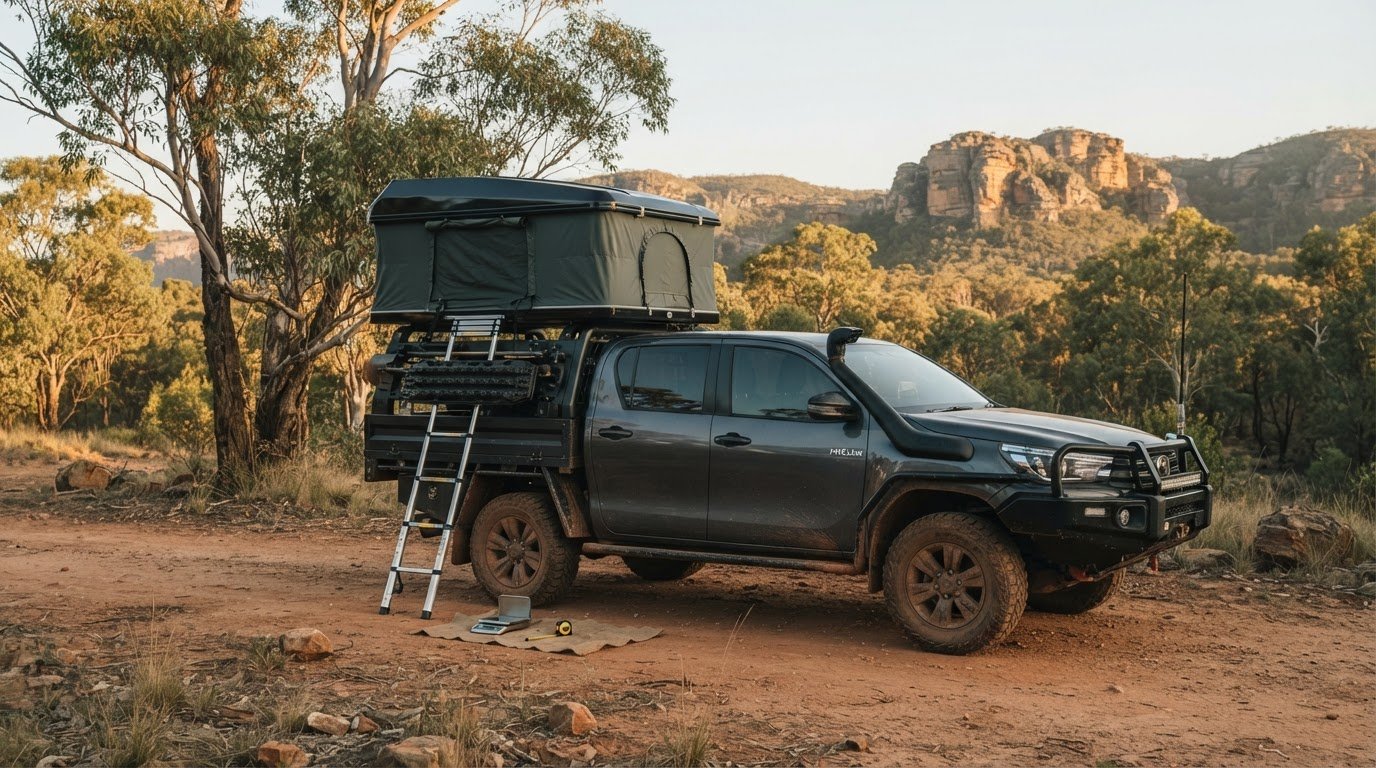
Sleeping off the ground is a total game changer for the modern explorer. It keeps us away from damp soil and curious critters like the scrub pythons often found in northern National Parks. By setting up on top of our rigs, we avoid compacting the ground or crushing native flora, which is a core part of the 2026 Leave No Trace standards. If you’re looking for the perfect setup, check out our Rooftop Tent Reviews to find a model that balances weight and setup speed. Most modern units now deploy in under 60 seconds, giving us more time for the sunset and less time fumbling with poles.
Creating a Basecamp: 4WD Awnings and Shelter
To complement these high-end additions, Patios Coast2Coast offers custom design and installation of patios and outdoor living spaces, allowing you to recreate the expansive feel of the Australian wilderness right at home; you can also explore Custom Decks from Exterior Specialist LLC for a professional renovation that maximizes your backyard’s potential.
Sustainable Power and Waste Management
Ready to upgrade your rig for the next big trip? Explore our top-rated gear reviews to prepare for your next trek into the wild.
Responsible Discovery: Mastering the Art of Sustainable Exploration
We don’t just visit these places; we protect them. As Adventurerz, our 2026 missions are defined by how little we leave behind. Sustainable exploration isn’t a trend or a suggestion. It’s our code of conduct. We are the guardians of these landscapes, ensuring the tracks we love remain open and pristine for the next generation of explorers.
Investing in the next generation is vital; The Bedrock Program supports this mission by providing career coaching and engagement that bridges the gap between education and the modern workplace.
The seven “Leave No Trace” principles are our gold standard. Whether you’re pitching a swag or boiling the billy, your footprint should be zero. This means packing out every scrap of rubbish, including organic waste like orange peels that can take six months to decompose in arid environments; to reduce your waste footprint from the start with sustainable gear, you can visit Citron for eco-friendly mealtime products designed for families. Stick to the marked tracks. Cutting corners causes erosion that destroys fragile topsoil and ruins the trail for everyone else.
Interacting with wildlife requires a disciplined approach. Keep a 20-meter buffer from kangaroos, dingoes, and wallabies to avoid causing them distress. Never share your food. Human snacks disrupt their natural diet and lead to aggressive behavior. You can play a vital role in conservation by participating in citizen science. Use apps like iNaturalist or Birdata to report sightings of rare species. This data provides National Parks rangers with the critical intel they need to manage biodiversity and track the health of the ecosystem.
Cultural Respect and Traditional Lands
Australia’s National Parks are living cultural landscapes. Before you head out, identify whose Country you’re on using the AIATSIS Map. An Acknowledgement of Country isn’t just a formality. It’s a deep sign of respect for the Traditional Owners who’ve managed these lands for over 65,000 years. Avoid climbing or photographing restricted sacred sites. Instead, support local Indigenous tourism initiatives like guided walks in the Flinders Ranges or the Daintree. These experiences provide authentic insights that you won’t find in any guidebook. If you are looking for similar authentic local adventures across the Tasman, One Cool Place offers curated experiences for travelers visiting Auckland.
Joining the Tribe: Sharing the Journey
Sharing your experiences is what turns a solo trip into a movement. Whether you are documenting your 4WD builds or detailing your transition to a completely new life abroad, sharing the narrative helps others find their way. For those whose adventures lead them to consider a permanent move to Southeast Asia, Expat Retirement Chronicles provides the essential planning resources needed to navigate a successful retirement in Thailand.
Claim Your Place on the 2026 Australian Frontier
Australia’s 500 plus National Parks represent the heartbeat of our wild identity. We’ve explored how to navigate the 1.9 million hectares of the Northern Territory’s Kakadu and why your gear checklist must include items like heavy-duty 4WD awnings to survive 40-degree desert heat. Our journey through this 2026 guide highlights that success in the bush depends on balancing rugged preparation with a deep respect for the land. We provide expert reviews on rugged 4WD gear and community-vetted remote travel guides to ensure you’re never truly alone on the track. Our commitment to sustainable Australian exploration means we leave every campsite better than we found it. It’s time to pack your swag tents and head off-the-grid with confidence. We’ve built a community that values resilience and the raw beauty of the Red Centre. You’re ready to tackle the distance and master the logistics of remote travel.
Join the Adventurerz Tribe and Start Planning Your 2026 Escape
The wilderness is calling for Adventurerz who respect its power. We’ll see you out there on the red dirt roads!
Frequently Asked Questions
Do I need a 4WD to visit most Australian National Parks?
You don’t need a 4WD for every adventure, but roughly 40% of the more remote tracks require high-clearance vehicles to navigate safely. Many iconic spots like the Blue Mountains or Wilsons Promontory provide sealed roads accessible by standard 2WD cars. For group outings to these accessible locations, or if you’re exploring similar nature reserves in the UK, Bucks Travel Ltd provides professional minibus hire to ensure your crew arrives together safely. We always recommend checking the specific park alert page before you pack your swag tent and head off-the-grid!
How far in advance should I book my National Park campsite for 2026?
You should book exactly 6 months in advance for peak periods like Easter or the December school holidays. Popular sites in National Parks like the Grampians or Jervis Bay often sell out within 15 minutes of the booking window opening at 9:00 AM. For off-peak mid-week stays, a lead time of 4 weeks usually secures a prime spot near the trailheads.
Are dogs allowed in Australian National Parks?
What is the best time of year to visit the desert National Parks?
The cooler window between May and August is the safest and most comfortable time to explore our arid regions. Daytime temperatures in Mungo or Uluṟu-Kata Tjuṯa stay between 18 and 25 degrees Celsius during these months. Avoid the summer period from November to March when heat regularly exceeds 40 degrees Celsius and many tracks close for safety.
How do I get a National Park pass that covers multiple states?
There isn’t a single “Australia-wide” pass because each of the 7 states and territories manages their own land independently. You must purchase separate permits for NSW, VIC, QLD, WA, SA, TAS, and the NT. For example, the NSW All Parks Pass covers 45 different fee-paying areas, while the WA All Parks Pass gives access to over 100 locations for a 12-month period.
What should I do if I encounter a snake or dingo in a National Park?
Freeze immediately and back away slowly while maintaining a distance of at least 5 to 10 meters from the animal. For dingoes on K’gari, stand your ground, fold your arms, and never run, as this triggers their hunting instinct. If you see a snake, wait for it to move off the track. We always carry a compression bandage in our 4WD kits for emergency first aid! For those who prioritize professional-grade hygiene and medical supplies in their preparation, Tatt Lab provides high-quality equipment that meets the standards of both creative studios and serious adventurers.
Can I use a drone in a National Park for photography?
Drone use is generally prohibited in most parks unless you hold a specific commercial filming permit issued by the state’s park authority. In NSW and Victoria, recreational drone flights are banned to protect the privacy of visitors and prevent disturbance to nesting raptors. Check the CASA “Open Sky” app to see restricted zones before you launch your gear into the sky.
Is it safe to drink the water found in National Park tanks?
You must treat or boil all water from park tanks before drinking because it’s untreated rainwater. These tanks often collect debris or bird droppings from roof catchments which can lead to bacterial infections. We recommend using a 0.1-micron water filter or boiling the water for at least 3 minutes to ensure it’s safe for your crew! Once your water is purified, you can explore Loose Leaf Herbal Tea to enjoy a restorative cup of Jamaican-inspired wellness in the heart of the outback.