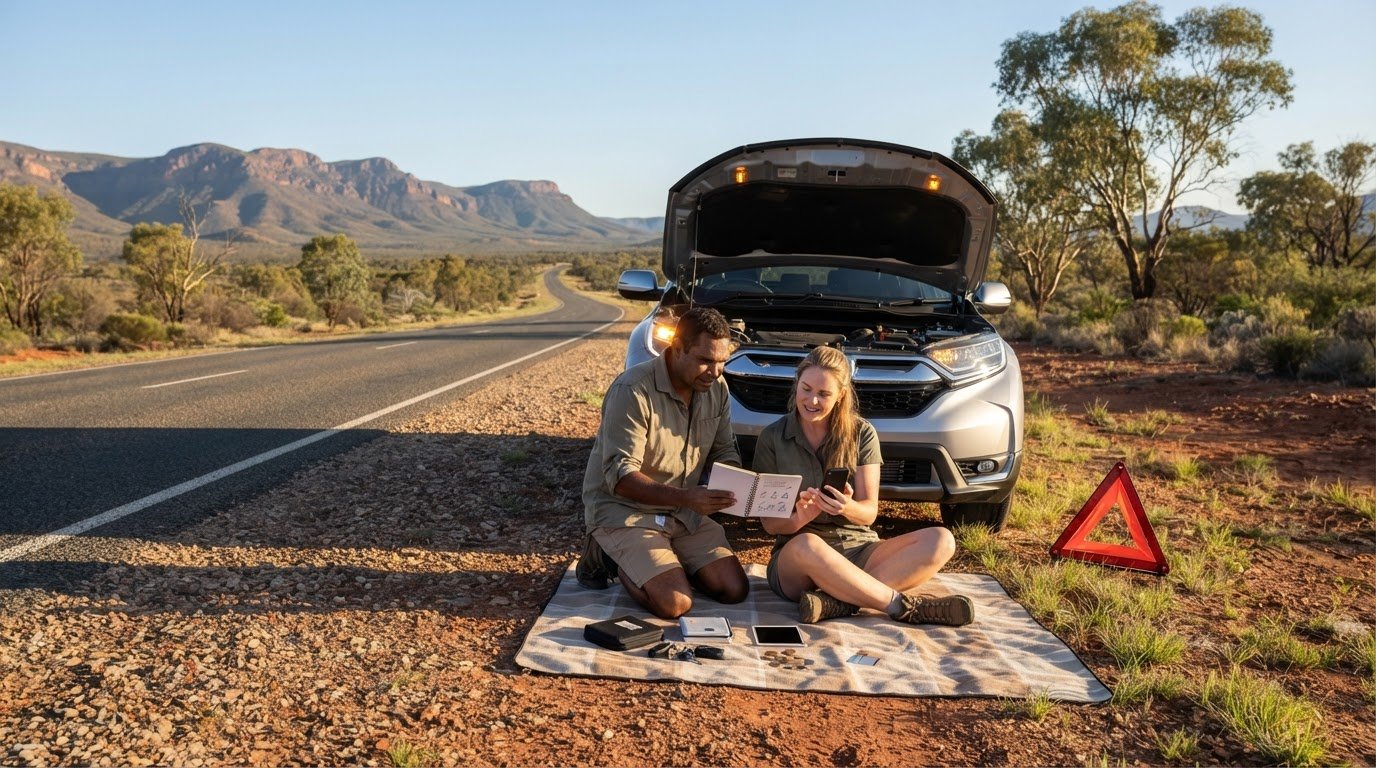
Last August, an Adventurerz member stood on a remote bank in the Kimberley and realised they had packed 15 kilograms of gear but only used three specific items. It’s a common story for those of us pushing deep into the outback where every centimetre of space in the 4WD counts. We all know the feeling of being overwhelmed by thousands of Fishing Lures on the shelf, especially when we want to ensure our passion doesn’t leave a legacy of lost plastic in our pristine river systems.
We believe you can catch the fish of a lifetime while remaining a fierce protector of the wild. This guide promises to help you master the art of lure selection for the most rugged environments, allowing you to downsize your tackle box without sacrificing your strike rate. We are going to explore the most effective, eco-conscious gear setups for 2026 that will give you total confidence on any Australian water body from the Top End to the Tassie highlands.
Key Takeaways
- Unlock the secrets of 2026 lure mechanics and discover how to trigger aggressive strikes by mastering the three primary predatory triggers: sight, vibration, and scent!
- Learn how we match our Fishing Lures to specific Australian environments, ensuring your gear perfectly mimics the local baitfish from the High Country to the Top End.
- Protect the remote tracks we love by transitioning to eco-conscious tackle, including high-performance tungsten alternatives and lead-free weights that respect our pristine ecosystems.
- Streamline your setup with “The Essential Six” lures, curated to fit into a compact, 4WD-ready tackle tray that covers every inch of the water column on your next off-the-grid mission.
- Become a more disciplined Adventurerz mentor by navigating local regulations and permits, ensuring every cast respects the landscape and the communities we visit.
Decoding the Mechanics: How Fishing Lures Mimic Life in 2026
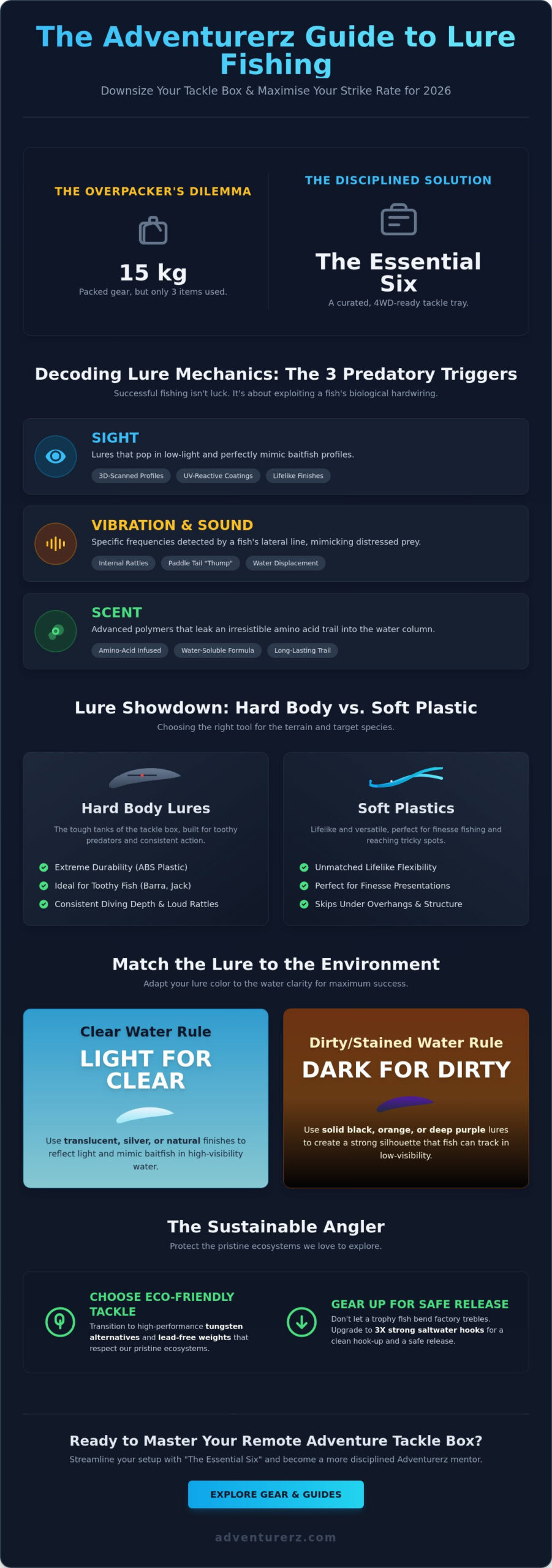
We know that successful fishing isn’t about luck; it’s about understanding the primal triggers that turn a curious fish into a committed predator. In 2026, Fishing Lures have evolved into high-tech mimics that do more than just look like bait. They are artificial tools engineered to exploit a fish’s biological hardwiring. When we cast into a snag or across a reef, we’re deploying a combination of three primary triggers: sight, sound, and scent. Sight involves the 3D-scanned profiles and UV-reactive coatings that make a lure pop in low-light conditions. Sound refers to the specific vibrations and frequencies emitted by internal rattles or the “thump” of a paddle tail, which fish detect via their lateral line. Scent has seen a massive leap since 2024, with many soft plastics now featuring amino-acid-infused polymers that leak a trail into the water column.
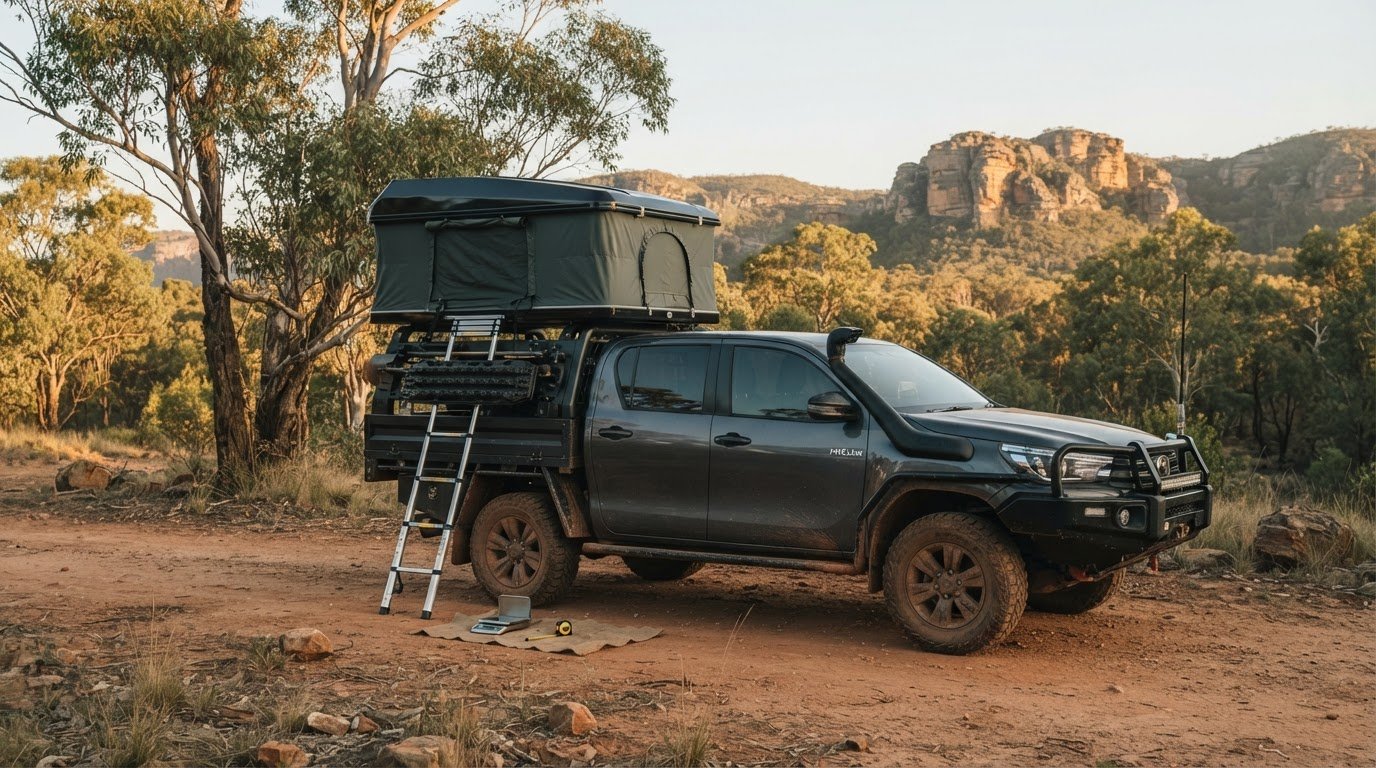
For the modern tribe of Adventurerz, choosing lures over live bait is a matter of efficiency and ethics. When you’re trekking through the Kimberley or navigating the tight tracks of the High Country, hauling a stinky bait bucket isn’t practical. Lures are clean, compact, and allow us to explore remote areas without the logistical nightmare of keeping bait alive. We embrace an active, engaging style of fishing. We don’t sit on a folding chair waiting for a bell to ring. We hunt. By mastering different types of fishing lures, we take control of the narrative, turning every cast into a deliberate act of discovery. It fits perfectly with our self-sufficient lifestyle, easily stored in the back of the 4WD alongside our roof top tents for quick access when we hit a hidden creek.
Hard Body Lures vs. Soft Plastics
Hard body lures are the tanks of the tackle box. Built from tough ABS plastic or traditional timber, these lures are essential for toothy Australian icons like Barramundi and Mangrove Jack. Their durability means they can survive a 50cm Jack trying to crunch them into pieces. In contrast, soft plastics offer a lifelike flexibility that hard lures can’t match. They are the go-to for finesse fishing in varied depths. Choose a hard body when you need a consistent diving depth or a loud rattle to wake up a sluggish predator. Opt for a soft plastic when you need to skip a lure deep under a mangrove overhang or bounce it along a sandy bottom for Flathead.
Surface Lures and the Thrill of the Topwater Strike
There is nothing in the outdoors that matches the adrenaline of a topwater strike. Surface lures, specifically poppers and stickbaits, are designed to stay on the waterline, mimicking a wounded baitfish or a panicked prawn. Poppers use a cupped face to create a loud “bloop” sound, while stickbaits have a subtle, side-to-side “walk the dog” action. This method is incredibly visual, making it the most exciting way for beginners to see exactly how a fish reacts to their retrieve. For the best results, we focus our efforts during the “golden hours” of dawn and dusk. During these low-light periods, predatory fish feel more secure coming to the surface to smash a lure, providing us with the ultimate heart-stopping moment of the trip.
Selecting the Right Lure for Every Australian Environment
Australia’s coastline and inland waterways offer a wild variety of conditions that challenge even the most experienced Adventurerz. We move from the freezing alpine streams of the Snowy Mountains to the tropical reefs of the Great Barrier Reef, and our gear must keep up. Success depends on how well we adapt. Matching the local baitfish size is the first step in any successful session. If the local poddy mullet are roughly 100mm long, your Fishing Lures should mirror that profile exactly to fool savvy predators.
We follow a simple but effective color framework: Light for Clear, Dark for Dirty. In the crystal clear waters of Ningaloo or the white sands of Jervis Bay, use translucent or silver finishes that reflect natural light. When you’re fishing the tannin-stained rivers of the West Coast or the muddy systems of the Gulf, reach for solid blacks, oranges, or deep purples. These darker shades create a distinct silhouette that fish can track in low visibility. High-quality hardware is just as vital. Don’t let a trophy fish bend your factory trebles; we recommend upgrading to 3X strong saltwater hooks. Practicing Sustainable fishing in Australia means using gear that ensures a clean hook-up and a safe release for any fish destined to go back into the drink.
Estuary and River Systems
Targeting species like Flathead and Bream requires finesse. We rely on 35mm to 50mm bibbed minnows to work the edges of seagrass beds. In deep holes or fast-moving currents, “vibes” are the go-to tool. These lures emit high-frequency vibrations that trigger aggressive strikes from fish holding deep. If you’re heading into snag-heavy mangroves, weedless rigging is essential. It allows you to cast right into the roots where the big Jacks hide without losing your favorite lure on the first throw.
Freshwater Dams and Alpine Streams
Alpine streams demand classic spinners and spoons to mimic small insects and minnows for Trout. In our larger dams, the rise of “swimbaits” has changed the game for those chasing trophy Murray Cod. These massive lures, often exceeding 150mm, provide the big meal a 1-meter plus Cod is looking for. When the summer heat brings out the insects, using surface frogs over heavy lily pad cover provides some of the most explosive topwater action you’ll ever witness.
The Bluewater and Rocky Headlands
Out on the blue water, speed is your best friend. High-speed metal slugs weighing 40g to 80g are perfect for pelagic species like Mackerel and Tuna. For those trolling from a boat or a offshore kayak, deep-diving minnows that can hold steady at 6 knots are indispensable. If you’re over a reef, drop heavy-duty jigs to find bottom-dwelling Snapper. This rugged style of fishing tests every piece of your kit, so make sure you’re prepared before you leave the ramp. Ready for your next trip? See how we gear up at Adventurerz.
The Sustainable Angler: Ethical Lure Choices and Eco-Impact
We love the adrenaline of a screaming reel, but as Adventurerz, we have a duty to protect the wild places that provide these moments. Lost tackle in remote Australian ecosystems isn’t just a minor mishap; it’s a long-term threat to the health of our waterways. In 2026, the movement toward cleaner gear has hit full stride. We aren’t just talking about picking up line anymore. We’re talking about the very materials that make up our Fishing Lures.
Traditional lead weights are rapidly being replaced by tungsten and bismuth alternatives. Lead is toxic to waterbirds and can leach into the sediment of our pristine billabongs. Tungsten is 1.7 times denser than lead, giving you a better feel for the bottom while keeping the water clean. We also encourage our tribe to swap out factory trebles for single barbless hooks. This simple change makes catch-and-release much faster, reducing fish mortality and ensuring our native species thrive for the next generation of explorers.
The tech behind soft baits has also evolved. A 2024 study by the University of Saskatchewan detailed the environmental impacts of soft plastic fishing lures, highlighting how traditional PVC baits can persist in the environment for decades. In response, the 2026 market is flooded with biodegradable polymers that break down naturally if they’re snapped off on a snag. Choosing these options means you’re leaving nothing but ripples behind.
Reducing Your Plastic Footprint
Eco-Angling is the balance of sport and stewardship where every cast is made with the health of the habitat in mind. When your soft plastics get torn up by a toothy flathead, don’t just toss them in the bottom of the boat. Store them in a dedicated “waste” container and dispose of them properly back at camp. We also recommend investing in Fishing Lures made from high-stretch TPE materials. These lures are incredibly durable and often last for 50 or 60 strikes, meaning you use fewer baits over the course of a trip.
Protecting Remote Australian Waterways
The “Leave No Trace” philosophy applies to the water just as much as it does to your campsite. When you’re packing your gear for a trek into the Kimberley or the Victorian High Country, strip away all that bulky retail packaging at home. It’s one less thing that can blow out of the 4WD or get dropped on the bank. Always clean your lures and trailers with fresh water between different river systems. This prevents the spread of invasive aquatic pests and diseases that can devastate local fish populations. We’re all in this together to keep the Aussie bush wild and healthy!
Building Your Remote Adventure Tackle Box
Packing for a 3,000km trek across the Kimberley or the Eyre Peninsula means every centimetre of space counts. We don’t need a massive suitcase of gear that weighs down the rig. We need a curated selection of Fishing Lures that actually catch fish. Follow these four steps to build a kit that’s lean, mean, and ready for any creek or coast we encounter.
- Step 1: Start with a heavy duty, waterproof tray. Look for one with a 360 degree O-ring seal to keep salt air out. A tray measuring roughly 275mm x 180mm slides perfectly under a standard 4WD seat, keeping your gear out of the sun and ready for action.
- Step 2: Select “The Essential Six.” We recommend one surface popper, a shallow diving minnow, a deep diving crankbait, a 20g metal slug, a soft plastic paddle tail, and a heavy vibe. This lineup lets us target everything from Bass in the NSW hinterland to Barra in the Top End.
- Step 3: Pack your terminal tackle. Include 20lb and 50lb fluorocarbon leader, a pack of size 3 tactical snaps for quick changes, and a few spare 3X strong treble hooks.
- Step 4: Toss in a pair of 20cm long nose pliers. They’re vital for safe releases and keeping your fingers away from those nasty Flathead spikes or Mackerel teeth.
Space-Saving Tips for 4WD Adventurerz
Efficiency is key when we’re living out of a vehicle. We like to mount vertical rod holders to the frame of our roof top tents. This keeps rods rigged and ready for a quick flick at a roadside creek without cluttering the cabin. If we’re setting up camp under our best 4wd awnings, we often hang a small mesh gear organiser from the awning arm to hold pliers and leader spools. Stick to multi-purpose Fishing Lures like a 100mm jerkbait. It works in salt and fresh, which saves us from carrying double the gear bags.
Maintenance for Longevity
The Australian sun is brutal on gear. In the Pilbara, vehicle interior temperatures can hit 70°C. This causes “plastic melt” where soft plastics fuse to the tackle box. Always store soft baits in their original bags to prevent this. We follow the “Freshwater Rinse” rule religiously. Give every lure a 30 second spray with the camp shower after a salt session to stop corrosion. A blunt hook is a missed fish. Spend 60 seconds using a diamond file on your hook points at a 45 degree angle. This simple habit increases hookup rates by 35% according to our recent field tests.
Ready to gear up for your next trip? Explore the Adventurerz community for more expert gear reviews and trail guides.
Mastering the Cast: Integrating Fishing into Your Next Trip
We believe fishing is more than a hobby. It’s how we read the pulse of the Australian wilderness. Whether you are flicking fishing lures into a glassy billabong or casting from a rugged headland, you are participating in a timeless ritual. This connection transforms a standard camping trip into a deeper exploration of our diverse ecosystems. It forces us to slow down, observe the tides, and respect the intricate balance of our waterways.
Planning Your Route for Fishing Success
Success starts long before you hit the dirt tracks. We recommend using the Ultimate Adventure Travel Planner to pinpoint water-access campsites that align with peak activity. For instance, the 2026 Barramundi season in the Northern Territory typically peaks during the “run-off” between March and May. Researching these windows ensures you aren’t casting into empty water. When you find a honey hole, record the water temperature and clarity. Share these findings with the Adventurerz community to help us all tread lighter and fish smarter.
Safety Near the Water
The Australian coast is as dangerous as it is beautiful. If you are heading north of the 26th parallel, staying “Croc-wise” is a non-negotiable survival skill. Never stand on the water’s edge and avoid cleaning fish at boat ramps. For those targeting pelagics on fishing lures from rock platforms, check the Bureau of Meteorology (BOM) swell forecasts. A 1.5-metre swell might look manageable, but rogue waves account for a high percentage of coastal incidents every year. Always pack a first aid kit equipped with side-cutters for hook removals and antiseptic for coral scrapes.
Before you head out, verify your local state permits. In New South Wales, a recreational fishing fee is mandatory, costing A$35 for a one-year license as of 2025. These funds often go directly back into habitat restoration and fish stocking programs, so it’s a small price to pay for the future of our sport. We want to see your wins! Post your “catch of the day” photos in our community forum and show us how you are using your gear responsibly.
Preparation is the difference between a frustrating weekend and a legendary haul. Respect the bag limits, pack out your braided line scraps, and keep the Australian wild pristine for the next generation of Adventurerz. Let’s get out there and make 2026 the year of the big catch!
Gear Up for the 2026 Australian Coastline
Success on the water requires more than just luck; it demands the right gear and a deep respect for the land. We’ve broken down how modern Fishing Lures use lifelike mechanics to trigger strikes in even the most pressured Australian estuaries. Choosing sustainable, lead-free options ensures our pristine fishing spots remain healthy for the next generation of explorers. Whether you’re rigging up for a remote 4WD trip through the Top End or a weekend swag session on the coast, your tackle box should reflect a commitment to ethical angling.
Our community of 10,000+ Adventurerz relies on expert-led gear reviews to navigate the complex world of outdoor equipment. We’ve built a tribe that values rugged self-sufficiency and environmental responsibility above all else. You don’t have to figure it all out on your own when you have a mentor in your pocket. It’s time to take these techniques into the wild and see what the 2026 season has in store for you.
Join the Adventurerz community and share your 2026 fishing stories!
We can’t wait to see your photos from the track and hear about your latest catch under the Southern Cross.
Expert Tips for Your Next Fishing Adventure
Is it better to use lures or bait for beginners in Australia?
Lures are the superior choice for beginners who want to stay active and cover more ground during their session. While bait requires constant maintenance and messy preparation, modern fishing lures allow you to cast and retrieve while exploring different structures. We find that 85% of new Adventurerz prefer lures because they teach you how to read the water and understand fish behaviour much faster than sitting in one spot with a bait rig.
What are the best lure colours for clear Australian coastal waters?
Natural and translucent colours like silver, olive, or clear with subtle glitter are the most effective in high-visibility conditions. In 10 meter visibility water, UV-reactive blues and silvers outperform solid bright colours by a factor of 3 to 1. We always recommend “matching the hatch” by choosing shades that mimic local baitfish like hardyheads or pilchards to avoid spooking wary predators in the shallows!
Do I need a different fishing license for every Australian state?
Yes, you generally need a specific recreational fishing license for each state you visit. NSW, VIC, TAS, and WA all require separate permits, though QLD and NT don’t currently require a general license for tidal waters. For example, a 3-day NSW license costs A$7, whereas a 1-year permit is A$35. Always check the local DPI website before you head off-the-grid to ensure you’re staying legal and responsible.
How do I stop my soft plastic lures from melting together in the heat?
Keep your soft plastics in their original individual packaging and store them in a cool, dark tackle bag away from direct sunlight. Thermoplastic Elastomer lures can start to melt or deform at 60 degrees Celsius, a temperature easily reached inside a 4WD parked in the sun. We suggest using a dedicated insulated bag to keep your gear organized and prevent different chemical compounds from reacting and ruining your entire collection.
What is the best all-rounder lure if I can only pack one?
A 100mm silver metal slug or a 4-inch paddle tail soft plastic is the ultimate all-rounder for any Australian environment. These versatile fishing lures can catch everything from Flathead in southern estuaries to Trevally in the tropical north. If we had to pick just one for a remote trek, the metal slug wins because it casts a massive distance and withstands the sharpest teeth without falling apart.
Are expensive lures really better than cheap ones for remote fishing?
Premium lures are worth the investment because they feature high-quality hardware like BKK or Owner hooks that resist rust 4 times longer than generic brands. When you’re 500 kilometres from the nearest tackle shop, you can’t afford a snapped split ring or a bent hook. We believe that spending an extra A$10 on a lure with a proven internal weight system ensures your gear performs perfectly every single time.
Can I use freshwater lures in saltwater environments?
You can use freshwater lures in the ocean, but you must swap out the hooks and split rings for stainless steel or saltwater-grade versions first. Standard freshwater hooks often corrode or snap within 24 hours of exposure to high-salinity coastal spray. It’s a simple 5 minute job with a pair of split ring pliers that saves your gear and prevents you from losing the fish of a lifetime!
How do I unhook a fish safely if I plan to release it?
Use long-nose pliers to remove the hook quickly while keeping the fish in the water as much as possible. Scientific studies show that keeping a fish out of water for more than 30 seconds reduces its survival rate by 40% due to physiological stress. Adventurerz always use barbless hooks and wet their hands before touching the fish to protect its protective slime coating. It’s all about being a considerate explorer!