What if the secret to a stress-free family holiday isn’t a luxury resort, but a dusty 4WD track and a total lack of Wi-Fi? While 62% of Australian parents surveyed by Nature Play in 2023 admitted they worry about their children’s safety outdoors, the real risk is missing out on the raw beauty of the bush. We understand that the logistics of camping with kids can feel like a military operation. You’re likely juggling the fear of someone getting lost with the overwhelming weight of gear and the challenge of managing hygiene away from a hot shower.
We agree that the preparation is intense, but the payoff of a remote escape is unmatched. As fellow Adventurerz, we’ve spent years refining the art of the off-the-grid family mission. This guide is your 2026 roadmap to mastering family bushcraft with expert gear advice, proven safety tips, and sustainable practices that protect the land we love. You’ll gain the confidence to plan a multi-day remote trip while learning how to raise eco-conscious explorers. We’re about to break down the essential gear lists, sleep strategies, and screen-free entertainment ideas you need for your next great Australian adventure.
Key Takeaways
- Discover why 2026 is the year for “slow travel” and how to balance structured planning with the flexibility required for deep Australian bush immersion.
- Learn how to optimize your setup using the latest high-tech gear and “zonal” camping strategies to keep your sleeping, cooking, and play areas perfectly organized.
- Master the art of camping with kids by establishing a rhythmic daily routine that conquers “First Night Jitters” and aligns with the natural sunrise.
- Empower your children to become stewards of the land with kid-friendly ways to practice “Leave No Trace” ethics across our unique remote landscapes.
- Prepare for the unexpected by reframing weather challenges and meltdowns into shared Adventurerz community learning moments that build lasting family resilience.
Planning Your Family Bush Escape: The Adventurerz Way
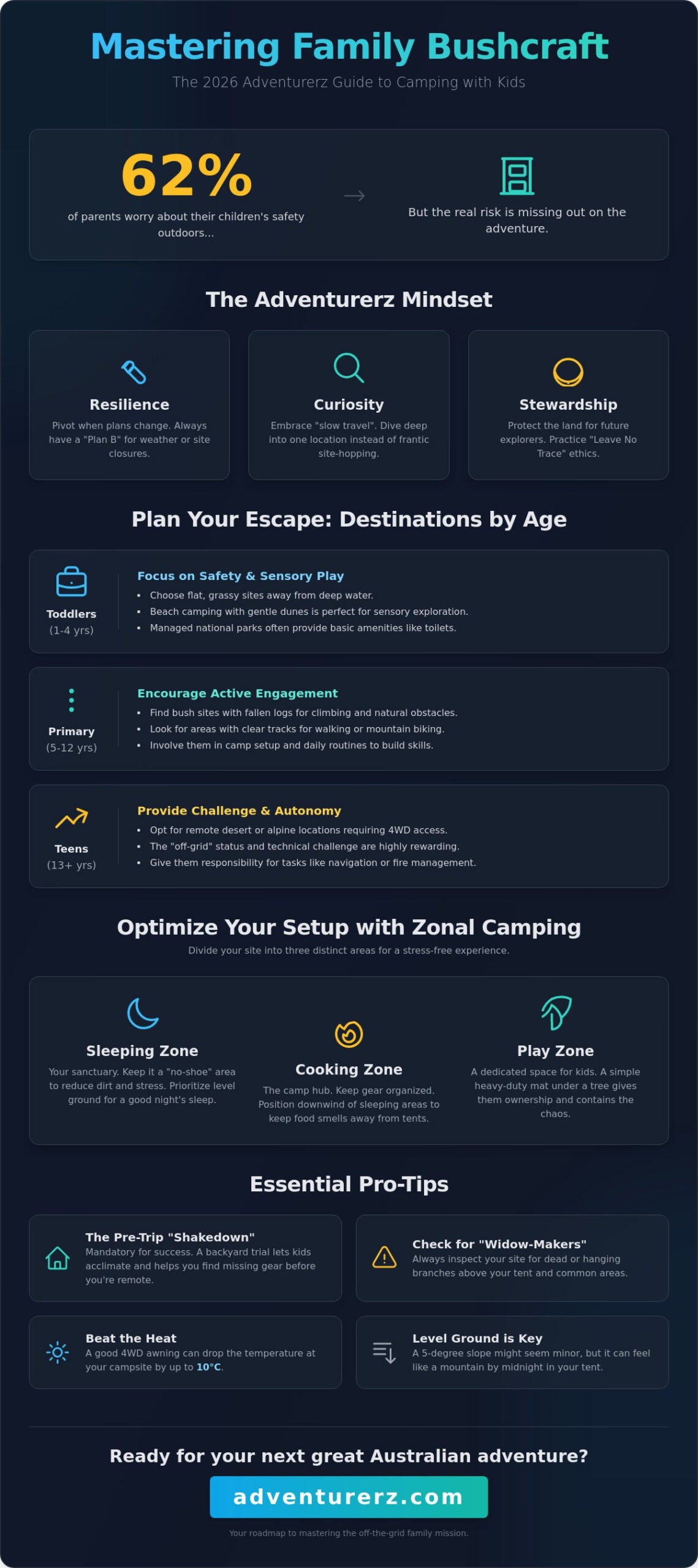
We’re looking at 2026 as the year of the “slow travel” revolution in the Australian bush. For us, camping with kids isn’t just a holiday. It’s a structured yet flexible exploration of our most remote landscapes. We’ve moved away from the frantic site-hopping of the past. Now, we’re diving deeper into the scrub, staying longer, and letting the rhythm of the land dictate our days. The Adventurerz mindset is built on three pillars: resilience, curiosity, and environmental stewardship. We don’t just visit these places; we protect them for the next generation of explorers.
Preparation is our secret weapon. While the history of camping shows it began as a rugged necessity, we’ve refined it into an art form that prioritizes safety without losing the thrill. We always build our itineraries around “Plan B” options. If a flash flood warning hits the Kimberley or a bushfire risk spikes in the Blue Mountains, we have a backup site ready. Being an Adventurerz member means being smart enough to know when to pivot. This resilience ensures that the adventure continues, even when the clouds roll in.
Choosing the Right Destination for Different Ages
Matching the landscape to your child’s developmental stage is vital for a stress-free trip. Managed national parks are fantastic for beginners because they often offer established fire pits and drop toilets. If you’re heading off-the-grid onto crown land, you’ll need to be entirely self-sufficient. Consider these factors before you hit the road:
- Toddlers (1-4 years): Look for flat, grassy sites away from deep water. Beach camping with gentle dunes is a winner for sensory play.
- Primary Schoolers (5-12 years): Bush sites with fallen logs for climbing and clear tracks for mountain biking keep them engaged and active.
- Teens (13+ years): Remote desert or alpine locations that require 4WD access provide the challenge and “off-grid” status they crave.
Always evaluate site safety by checking for “widow-maker” branches above your camp and ensuring you have enough natural shade. If the sun is brutal, setting up one of our best 4wd awnings can drop the temperature at your kitchen setup by up to 10 degrees. Check the terrain for level ground, especially if you’re planning to deploy roof top tents, as a 5-degree slope can feel like a mountain by midnight.
The Pre-Trip “Shakedown” Mission
We never head into the wild with gear we haven’t tested. A backyard or local park overnight trial is mandatory for every successful mission. It lets the kids get used to the sounds of the night and helps you find that missing peg before you’re 200km from the nearest town. Involve the kids in the planning phase by letting them choose the camp menu or help organize the storage bins. This builds a sense of ownership and excitement for the real deal. The Shakedown is the ultimate stress-test for new family gear.
Essential Gear for Little Adventurerz: Shelters and Setups
Australia’s camping landscape has shifted dramatically. By 2026, we’ve seen a 22% increase in families investing in high-tech, lightweight gear designed to withstand our rugged conditions. When you’re camping with kids, your setup is your sanctuary. We’ve moved away from the era of heavy, cumbersome canvas. Today, we embrace materials that offer superior thermal regulation and rapid deployment. This evolution allows us to spend less time wrestling with poles and more time teaching the next generation how to spot a wedge-tailed eagle.
Successful trips rely on “zonal” camping. We divide our site into three distinct areas: sleeping, cooking, and play. Keeping the sleeping zone a “no-shoe” sanctuary reduces dirt and stress. A dedicated play area, even just a heavy-duty mat under a tree, gives kids a sense of ownership over their space. Self-sufficiency is the backbone of the Adventurerz lifestyle. In remote regions like the Pilbara, we rely on 200W solar blankets and 100Ah lithium batteries to keep the fridge cold and the safety lights bright. Choosing gear that grows with your family is the ultimate sustainability win. Look for modular systems that adapt as your toddlers turn into teenagers.
Rooftop Tents vs. Ground Tents for Families
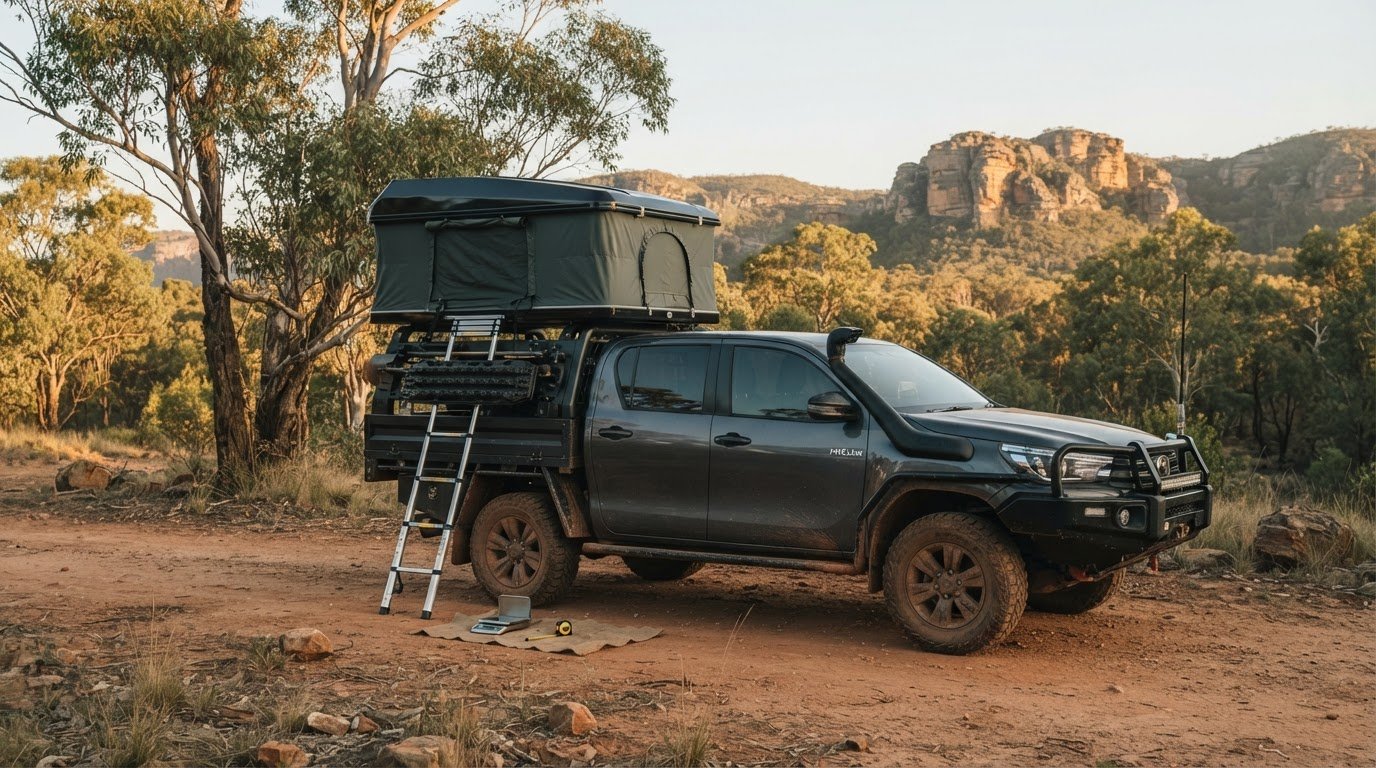
Modern 4WD families are increasingly looking toward roof top tents for their touring setups. Hardshell models are the gold standard for speed; we can often have the bed ready in under 60 seconds. While some parents worry about ladders, we’ve found that “ladder training” becomes a fun safety ritual. Using glow-in-the-dark tape on the rungs and installing a sturdy “annex” base provides a secure transition point for younger kids. Softshell models offer a larger footprint, which is often better for families with two small children who still want to huddle together. Ground tents remain a solid choice for base-camping, but for the nomadic Adventurerz among us, staying off the damp ground and away from nocturnal critters is a massive plus.
The Power of 4WD Awnings and Shade
In the harsh Australian sun, shade isn’t a luxury; it’s a safety requirement. The best 4wd awnings act as a mobile living room, providing a massive 270-degree perimeter of UV protection. We always orient our vehicles so the awning faces the prevailing breeze, which can drop the temperature underneath by up to 8 degrees Celsius compared to direct sunlight. Adding zip-on walls or “insect rooms” is a game-changer for camping with kids. These mesh enclosures keep the march flies at bay and create a contained environment where toddlers can play safely while we prep dinner. It’s about creating a comfortable hub that makes the wilderness feel like home. If you’re ready to upgrade your basecamp, you can explore our community-tested gear guides to find your perfect fit.
Mastering the Campsite Routine: Sleep, Food, and Hygiene
We Adventurerz live by the sun. When you’re camping with kids, the day begins at first light and winds down as the campfire embers glow. This natural rhythm helps sync little body clocks to the wild, making the transition from city life much smoother. The “First Night Jitters” usually stem from sensory overload; the bush is loud at night and shadows look different! We settle these nerves by arriving at camp well before sunset. This lets kids explore their new “backyard” while it’s still bright, turning the unknown into a playground.
Light management is a game changer for confidence. We give every child their own headlamp to foster independence, while lanterns stay at the central table to anchor the “safe zone.” To keep our 4WDs from becoming chaotic, we enforce the “one-bag” rule. Each child gets one dedicated bag for clothes and toys. If it doesn’t fit, it doesn’t come. This keeps small spaces organized and teaches kids to be responsible for their own gear.
Sleep Strategies for the Remote Wild
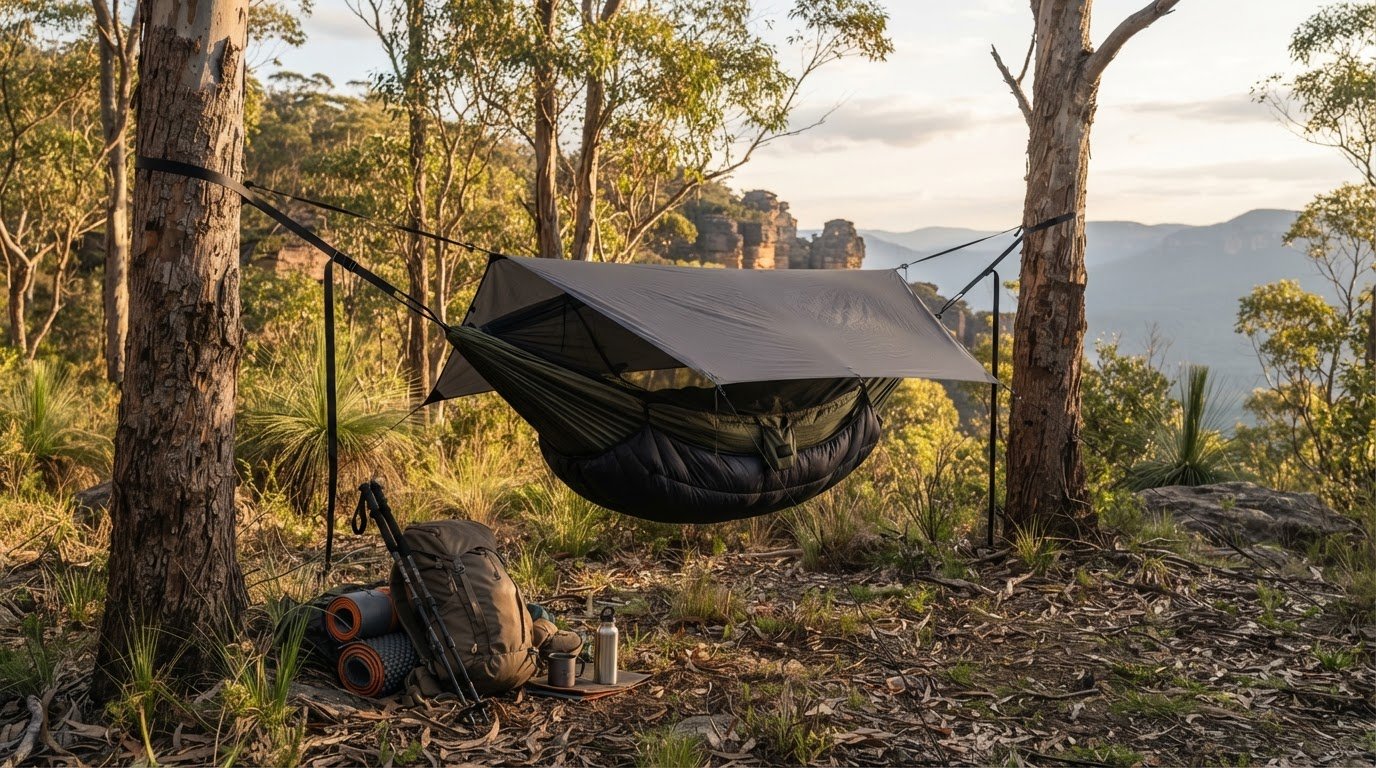
Replicating home cues is vital for a solid night’s rest under the stars. We bring the favorite teddy and even a battery-powered white noise machine to mask the midnight chorus of kookaburras. For bedding, swags offer a rugged, “all-in-one” feel that kids love, though they take up more room than compact sleeping bags. Many families now prefer roof top tents because they provide a flat, elevated surface away from the damp ground. Temperature regulation is a priority; we use wool layers for the desert where it can drop to 2 degrees Celsius, and breathable cotton for the humid 30-degree nights in the Top End.
The “Snack Strategy” and Camp Cooking
Hungry kids are grumpy campers, so we prioritize high-energy, low-mess meals that kids can help prepare. Using an induction plate is often safer for little hands than an open flame, though nothing beats the flavor of a camp oven over a gas burner. The “Adventurerz Snack Pack” is the primary tool for preventing meltdowns, providing a pre-packed stash of healthy fuel that kids can access without asking. This independence keeps the vibe high and the stress low while we’re off-the-grid. When camping with kids, involving them in the “bush kitchen” turns a chore into a core memory!
Raising Eco-Conscious Explorers: Safety and Ethics
We don’t just visit the bush; we protect it. As Adventurerz, we believe camping with kids is the ultimate opportunity to raise the next generation of land stewards. It’s about teaching our little ones that they’re part of the ecosystem, not just spectators. In 2026, with remote access easier than ever through advanced off-road tech, our responsibility to the Australian landscape has never been higher. We teach our kids that every campsite should look better when we leave than when we arrived. This stewardship starts with small, intentional actions that turn into lifelong habits.
Leave No Trace for the Next Generation
Explaining “Leave No Trace” to a five-year-old doesn’t have to be a lecture. We turn it into a mission. We run “micro-trash hunts” where the person who finds the most tiny bits of plastic or stray bottle caps wins a prize. It’s a game that builds a sharp eye for detail. When it comes to fire safety, we explain that fallen wood is often a home for insects and lizards. We follow 2026 state-specific fire regulations strictly, using existing pits to protect the soil biology. Before we even pack the car, we use our travel planner to research the Traditional Owners of the region. Learning about the cultural significance of the land helps kids understand that they’re walking through a living history, not just a park.
Wildlife interaction follows the Adventurerz gold standard: eyes on, hands off. We use binoculars to spot a lace monitor or a wedge-tailed eagle, keeping a respectful 20-metre distance. In an era where satellite internet provides 100Mbps speeds even in the Red Centre, we set “digital sunset” rules. We unplug when the sun hits the horizon. This ensures the focus stays on the crackle of the fire and the southern cross above, rather than a screen. Camping with kids is the perfect time to show them that the best “content” is found in the rustle of the leaves.
Safety, First Aid, and Resilience
Safety is the foundation of every successful trip. We teach every child the S.T.O.P. rule: Sit, Think, Observe, and Plan. If they lose sight of us, they sit down immediately. This prevents them from wandering further into the scrub. Every kid in our tribe carries a personal safety kit. This includes a high-decibel whistle and a 500-lumen LED torch. Australian bush risks are real, but they’re manageable with preparation. We teach “statue mode” for snake encounters and ensure everyone wears broad-spectrum SPF 50+ sunscreen. We pay close attention to the midday sun, usually between 10 am and 3 pm, when the UV index frequently hits 11+ in many parts of Australia.
Managing Challenges: Weather, Meltdowns, and Memories
Let’s be honest. Not every morning in the bush starts with a perfect sunrise and a silent campsite. Sometimes the tent leaks, the stove won’t light, or the toddler decides that 3:00 AM is peak playtime. We embrace these moments because they’re where the real growth happens. Within our Adventurerz community, we don’t hide the “epic fails.” We share them. Whether it’s a bogged rig or a burnt damper, every mistake is just a lesson for the next 2026 expedition. This collective transparency builds a tribe of resilient, capable families who know that a bit of mud is just part of the story.
Deciding when to push through and when to pull the pin is a skill every parent develops. We use a simple “Three-Strike Rule” to make the call. If safety is at risk, morale has bottomed out for more than 12 hours, or you’ve suffered a gear failure that can’t be field-repaired, it’s time to head to the nearest town. There’s no shame in a motel room or an early trip home. Keeping camping with kids positive means knowing when to prioritize comfort over the itinerary.
Weathering the Storm: Rain and Heat
Australian conditions are notoriously extreme. In 2024, several regions saw temperatures exceed 40 degrees Celsius for consecutive days. During heatwaves, we prioritize hydration and shade. Ensure every family member drinks at least 3 to 5 litres of water daily in arid zones. High-quality 4WD awnings are essential for creating a mobile “cool zone” wherever you park. If the mercury climbs too high, move activities to the early morning and use the vehicle’s air conditioning as a midday sanctuary.
When the rain sets in, we pivot. A dedicated “rainy day” gear kit kept in the back of the 4WD can save a trip. Pack waterproof journals, a deck of cards, and compact board games. If a severe storm hits, your vehicle is your safest haven. It acts as a Faraday cage against lightning and provides a solid barrier against high winds. We’ve spent many memorable afternoons tucked inside the rig, sharing stories while the rain lashes the windscreen.
The Long-Term Impact of Family Camping
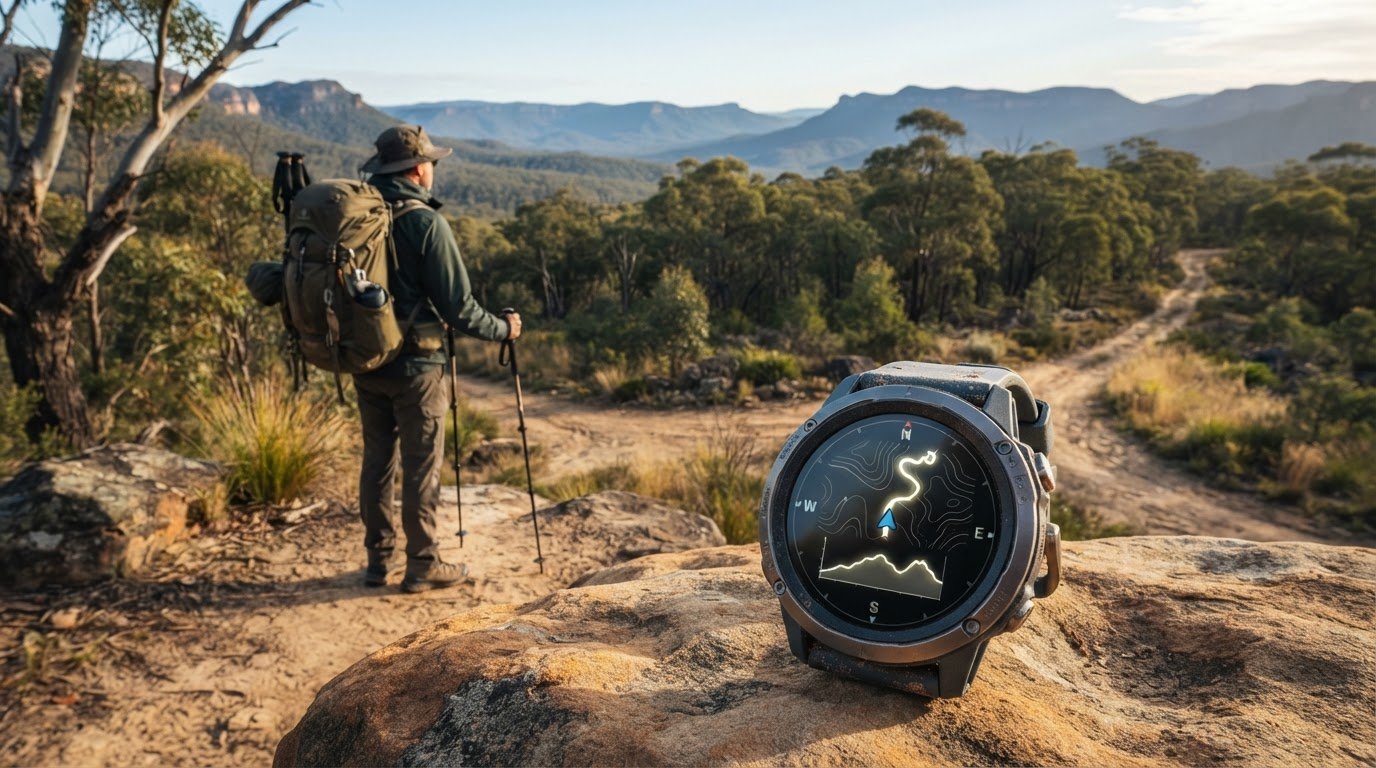
The grit developed during remote travel stays with a child forever. They learn to problem-solve when the GPS fails and find joy in the silence of the outback. We encourage every family to start “nature journaling” to capture these shifts. Have your kids draw the birds they see or tape a dried leaf to a page. It’s a tactile record that beats a smartphone gallery every time.
To keep the spirit alive back home, create a “memory jar” filled with small stones or shells from each site. You can also upload a digital trip report to share your wins and wobbles with the Adventurerz community. These shared experiences are the heartbeat of our tribe. Are you ready to test your limits and find your family’s rhythm in the wild? Join the Adventurerz tribe today and start mapping out your 2026 adventures. The bush is calling, and we’ll see you out there!
Launch Your 2026 Family Expedition
The Australian bush is calling, and your family is ready to answer. We’ve covered everything from mastering the campsite routine to selecting the right 4WD setup for remote tracks. Successful camping with kids isn’t just about the gear; it’s about the resilience we build as a family and the responsibility we show to the land. By following our 2026 safety protocols and eco-conscious ethics, you’re ensuring the outback remains pristine for the next generation of explorers.
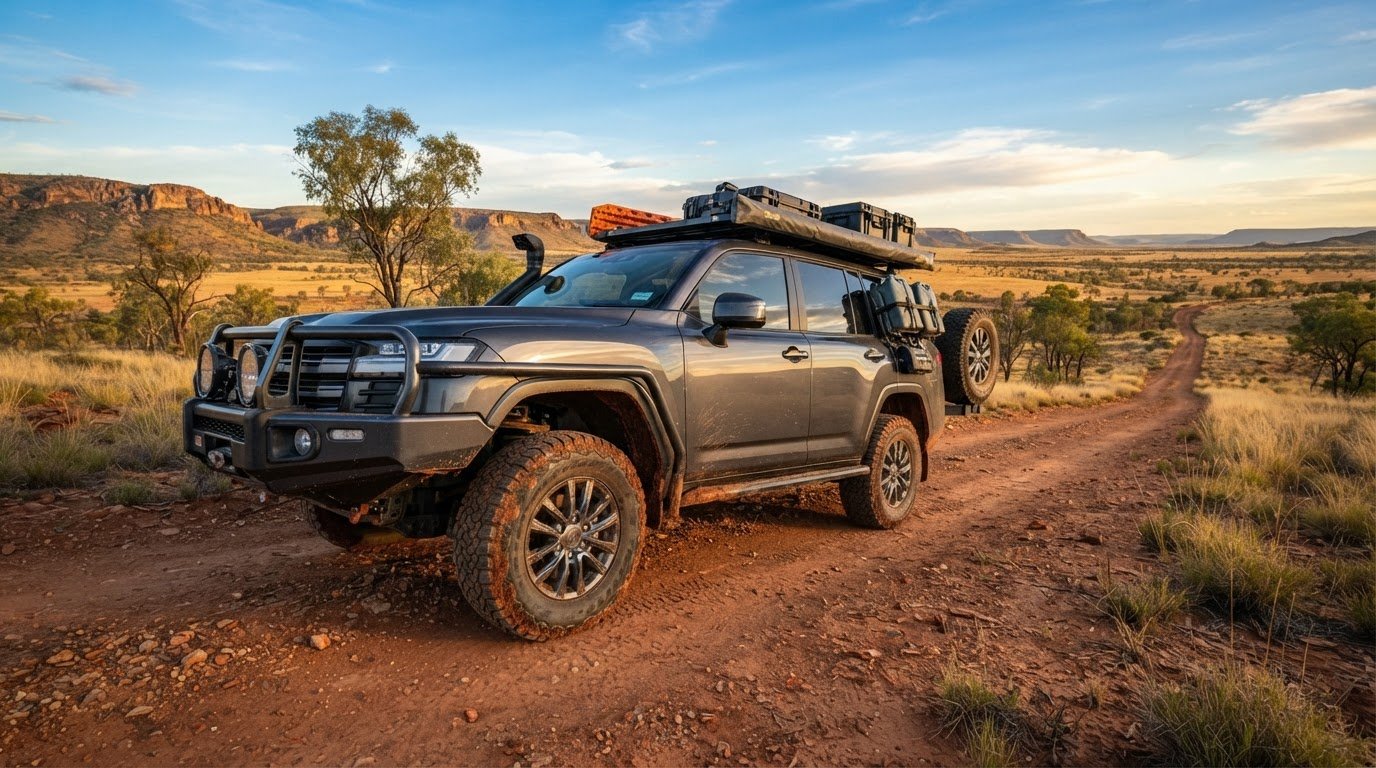
You don’t have to navigate the wild alone. Our collective of Adventurerz relies on expert reviews of 2026 family-tested 4WD gear to stay prepared for every mission. We’re an Australia-wide community of remote travel enthusiasts committed to sustainable and responsible outdoor exploration. Whether you’re planning a weekend in the Grampians or a trek across the Canning Stock Route, we’ve got the insights and the tribe to back you up. It’s time to pack the swag, check the tire pressures, and create memories that will last a lifetime. See you out on the tracks!
Join the Adventurerz community and gear up for your next family mission!
Frequently Asked Questions
Is camping with a baby or toddler actually possible in remote Australia?
Yes, it’s absolutely possible and rewarding if you plan for extreme temperature shifts and remote conditions. We recommend keeping travel days under 4 hours to avoid toddler fatigue. In 2026, many remote sites now offer basic baby-changing facilities, but you must pack out 100 percent of your waste to keep our tracks pristine.
What are the best types of tents for a family of four in 2026?
Air-pole tents and instant-up cabins are the top choices for a family of four in 2026. These designs reduce setup time to under 10 minutes, giving you more time to explore. Look for a 6-person rating to ensure you have 25 percent extra space for gear storage. Modern 2026 models feature integrated solar-ready fabrics and enhanced ventilation for humid nights.
How much water should I carry per person for a remote family camping trip?
You should carry a minimum of 5 to 7 litres of water per person per day for remote travel. This covers drinking, cooking, and basic hygiene. For a family of four on a 3-day remote stint, that’s at least 60 litres of total supply. We always suggest an extra 20 percent reserve for emergencies like radiator leaks or unexpected heatwaves.
Can I use a rooftop tent with young children safely?
You can safely use a rooftop tent with kids if you choose a hard-shell model with an enclosed annex. The annex provides a secure ladder area so kids don’t climb alone at night. Ensure the tent has a 300kg weight capacity to support the whole crew. We find that children over 5 years old handle the height best.
What are the most common mistakes parents make on their first camping trip?
Over-packing gear and under-estimating travel times are the two biggest mistakes new Adventurerz make. Data shows 45 percent of first-timers try to cover too much ground, leading to cranky kids. When camping with kids, keep your first site within 2 hours of home. Don’t forget to test your stove and lights before you leave the driveway.
How do I keep my kids entertained without any screens or internet?
Nature scavenger hunts and glow-in-the-dark games are the best screen-free entertainment options for the bush. Give each child a list of 10 local items to find, like a specific gum leaf or a smooth river stone. Pack a set of rechargeable headlamps for night-time “possum spotting” walks. This builds a deep connection with the Australian wilderness.
What should be in a family-specific bush first aid kit?
Your kit must include a snake bite pressure immobilization bandage and paediatric-strength antihistamines. Standard kits often lack items for small bodies, so customize yours before heading off-the-grid. Include saline washes for dusty eyes, a digital thermometer, and plenty of antiseptic for those inevitable scraped knees. Ensure your kit meets the 2026 Australian safety standards for remote travel.
Is it safe to camp in areas with dingoes or other Australian wildlife?
It’s safe if you follow strict “dingo-aware” protocols and keep a clean campsite at all times. Never leave food or rubbish out, as this attracts scavengers to your tent. Keep children within 2 metres of an adult in known dingo habitats like K’gari. We respect the wild, so always observe from a distance and use secure, lockable storage bins.