Have you ever pulled into a remote camp after ten hours on the tracks only to find your “refreshing” rinse is a pathetic trickle that barely moves the red dust? We’ve all stood there with soap in our eyes, frustrated by gear that can’t handle the rigors of the bush. Finding the best shower camping setup is a challenge of balancing high-pressure comfort with the strict water conservation required for long-range travel. As dedicated Dirt-Trackers, we know that every centimeter of space in the rig is vital and every liter of water in the tank is gold.
We agree that a hot rinse shouldn’t be a luxury you leave at home. Since 68.3% of US National Parks lack any shower facilities, a reality often mirrored in our own remote regions, self-reliance is the only way to stay fresh. This guide will help you choose a system that survives corrugated roads and delivers a reliable spray without draining your supply. We’ll preview the top performers for 2026, including the 22-liter Nemo Helio LX which provides up to ten minutes of continuous pressure. You’ll gain the expertise needed to stay clean while maintaining the environmental ethics, like the 200-foot runoff rule, that keep our wilderness pristine. It’s time to gear up for a more refreshing way to explore the outback.
Key Takeaways
- Understand why a dedicated rinse prevents skin issues like heat rash while using far less water than a standard home tap.
- Learn how to choose the best shower camping setup by comparing the simplicity of gravity bags with the consistent flow of pressurized pump systems.
- Discover how to tailor your gear to your specific travel style, whether you’re a minimalist solo hiker or a beach-bound family in a kitted-out rig.
- Master the essential “Leave No Trace” protocols to protect our waterways by managing greywater and keeping soaps 50 metres from any creek line.
- Build a complete outdoor bathroom with expert tips on privacy en-suites and essential accessories for night-time rinsing.
Table of Contents
Why a Dedicated Camping Shower is a Game-Changer for Remote Travel
Beyond comfort, hygiene is a functional requirement for self-reliance. In the humid climates of the Top End or the sweaty coastal tracks of Queensland, sweat and dust combine to create a breeding ground for bacteria. This often leads to painful heat rashes or skin infections that can cut a trip short. We use our showers to rinse off the day’s grime, but also to clean our four-legged companions and muddy recovery gear. By keeping the grit outside, we preserve the longevity of our equipment and stay focused on the horizon ahead. Pairing your setup with one of our best 4wd awnings recommendations can even provide the perfect mounting point for a private ensuite, turning a dusty clearing into a functional bathroom.
The “Baby Wipe” Myth vs. Real Hygiene
Many travelers rely on a “wet wipe bath,” but this often does more harm than good. Most wipes leave behind a sticky chemical residue that actually attracts more dust once you’re dry. From an environmental perspective, the cost is even higher. Most wipes are made of synthetic fibers that don’t break down, creating a massive waste problem in pristine areas. We’ve found that a micro-shower using as little as two liters of pressurized water cleans more effectively than a whole pack of wipes. It allows you to follow Leave No Trace principles by ensuring you aren’t leaving behind non-biodegradable trash while getting a much deeper, more refreshing clean.
Water Conservation as a Primary Metric
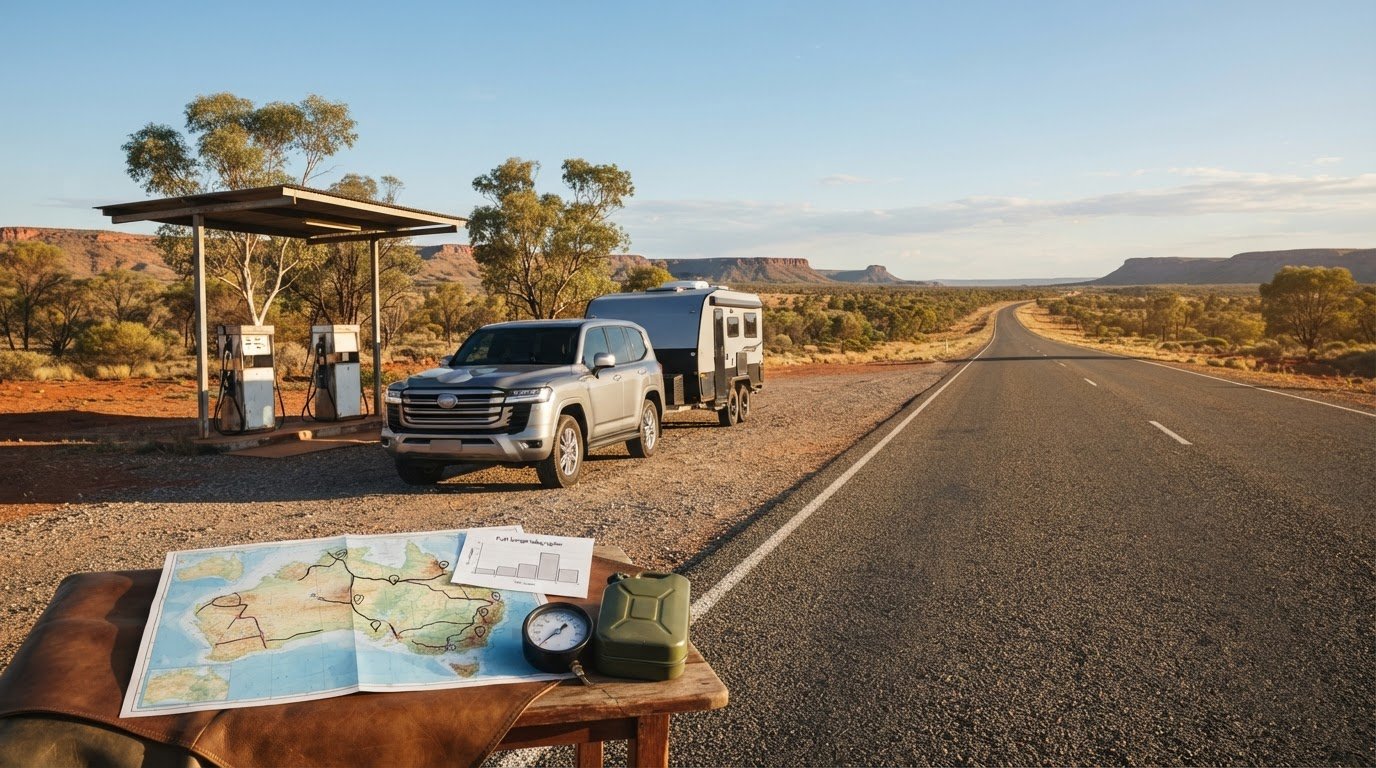
When we’re deep in the bush, water is our most precious resource. A standard household showerhead blasts out about nine liters per minute, which would empty a standard 4WD water tank in moments. The sweet spot for off-grid travel is a flow rate of two to three liters per minute. This provides enough pressure to rinse away soap without draining your payload. For a seven-day remote adventure, budgeting three liters per person for a daily rinse means you only need to carry 21 liters per head for hygiene. We focus on the “rinse and scrub” method: get wet, turn the water off to lather, and then use a quick blast to finish. This methodical approach ensures we stay fresh without compromising our range.
Decoding the Tech: Gravity, Pressure, and Pump Systems
Choosing the right technology is what separates a frustrating drip from a revitalizing soak. In our community, we know that the best shower camping setup depends entirely on how you travel. Gravity showers remain the benchmark for simplicity. Models like the Sea to Summit Pocket Shower hold 10 liters of water and provide about a seven-minute shower. They are incredibly light and pack down to nothing, making them a favorite for those who value space above all else. However, they require a sturdy branch or a roof rack to hang from, which isn’t always available in the scrub.
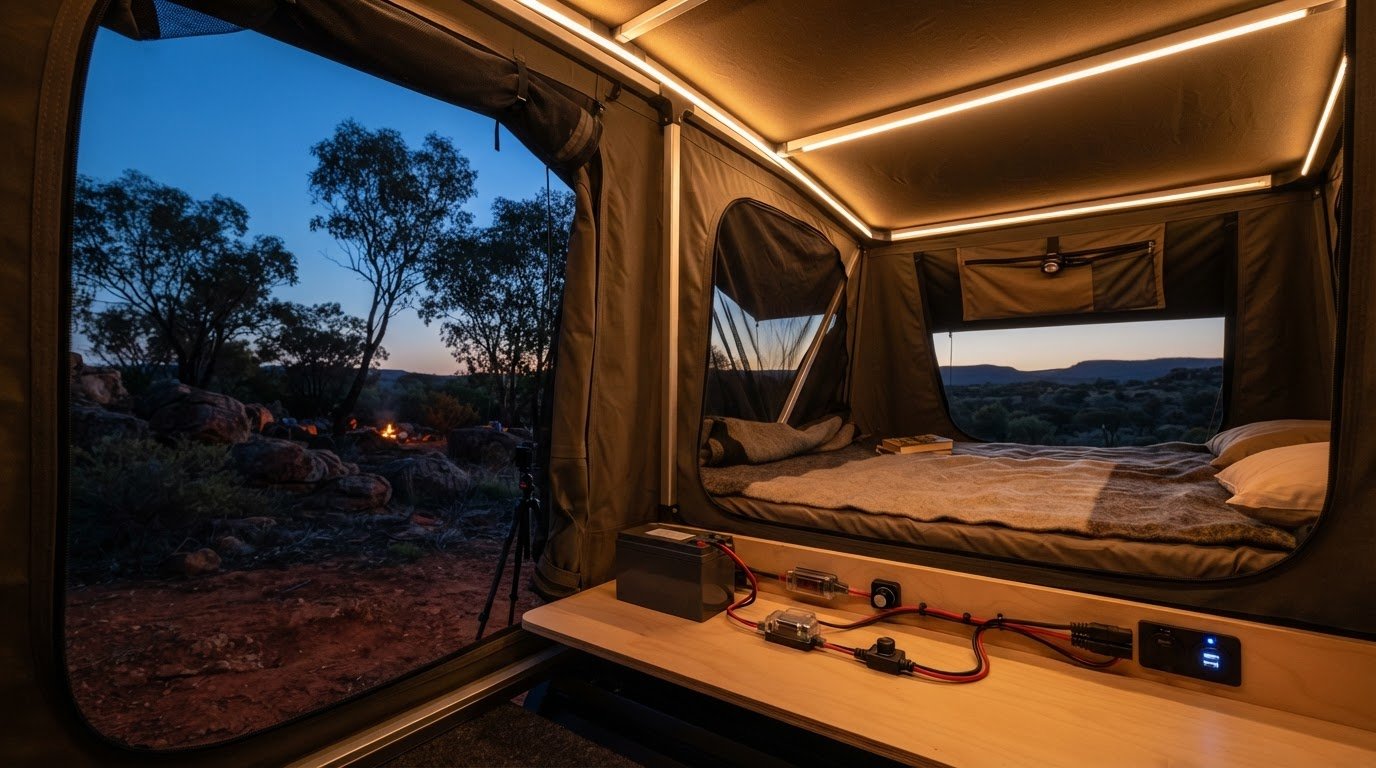
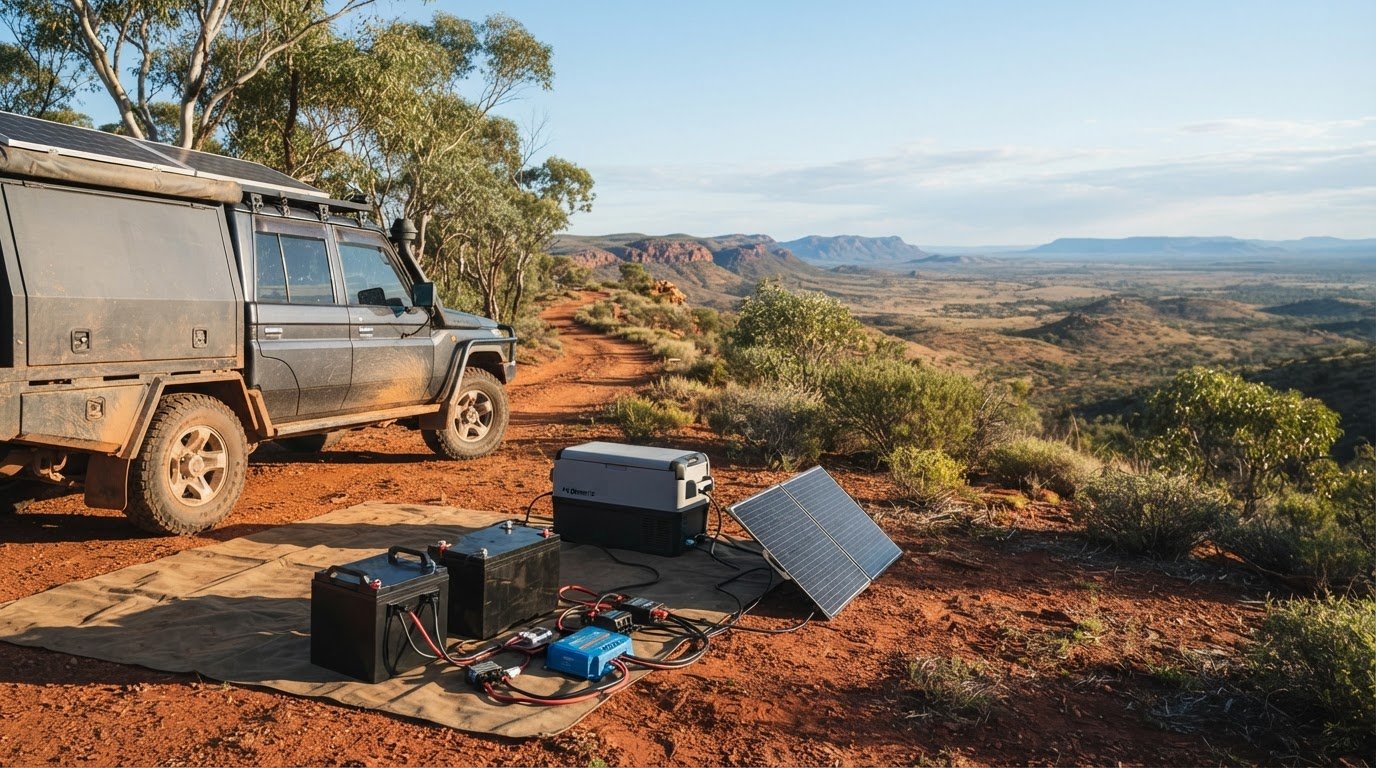
If you want a “home-like” experience, pressurized systems are the modern standard. The Nemo Helio LX is a standout here, using a foot pump to create consistent pressure without the need for electricity. Its 22-liter capacity provides between 7 and 10 minutes of continuous spray, which is perfect for rinsing out thick shampoo or cleaning off a sandy surfboard. For vehicle-based explorers, electric 12V pumps offer the ultimate convenience. These units drop directly into a jerry can or bucket, delivering a steady stream at the flick of a switch. They do require a reliable power source, but for most of us with dual-battery setups, this is rarely an issue. If you’re still refining your rig’s layout, take a look at our camping equipment reviews to see how these systems integrate with different setups.
Manual vs. Electric: Which is More Reliable?
Reliability is everything when you’re three days’ drive from the nearest town. Manual foot pumps have fewer fail points because they don’t rely on seals, wires, or batteries. They thrive in the dusty, vibrating environment of a 4WD canopy. Electric pumps provide higher PSI, which is essential for effective hair washing, but they can be finicky if grit enters the intake. We recommend always carrying a simple gravity bag as a backup if you choose a high-tech electric system. It’s the best way to ensure you aren’t left high and dry if a fuse blows.
Heating Mechanisms: From Sun to Gas
Getting your water to a comfortable temperature is the next hurdle. Solar bags, such as the Advanced Elements Summer Shower, are the most eco-friendly choice. To get the best results, lay them on a dark surface and angle them toward the midday sun. For instant results, portable gas hot water units are popular but bulky, requiring an LPG bottle. Many of us prefer the middle ground: heat exchangers. These clever systems use your vehicle’s engine heat to warm the water as it passes through a coil. It’s a brilliant way to use existing energy while keeping your gear footprint small and your environmental impact low.
Matching Your Shower to Your Rig and Adventure Style
Your choice of the best shower camping gear depends entirely on how you move through the landscape. A minimalist hiker needs a setup that disappears into a pack, while a 4WD tourer has the luxury of weight but the challenge of vibration. We believe the right equipment should feel like a natural extension of your rig, not a bulky afterthought. For the solo hiker, every gram is a burden. We recommend dual-purpose dry bags that serve as a waterproof gear stowed during the day and a gravity shower at dusk. These systems are light, effective, and embody the self-reliance we value on the trail.
Weekend beach campers face a different battle: sand. It gets everywhere. For these trips, we prioritize high-volume pressure systems that can blast sand off feet, surfboards, and kids before they step near the bedding. If you are traveling as a family, capacity becomes the primary metric. You’ll want a system that holds at least 20 liters to avoid constant refills. Pairing a high-capacity pump with a dedicated privacy shelter ensures everyone gets a hot rinse without the logistical headache of heating multiple small batches of water. It’s about creating a functional outdoor bathroom that keeps morale high and the interior of your rig clean.
4WD Integrated Solutions
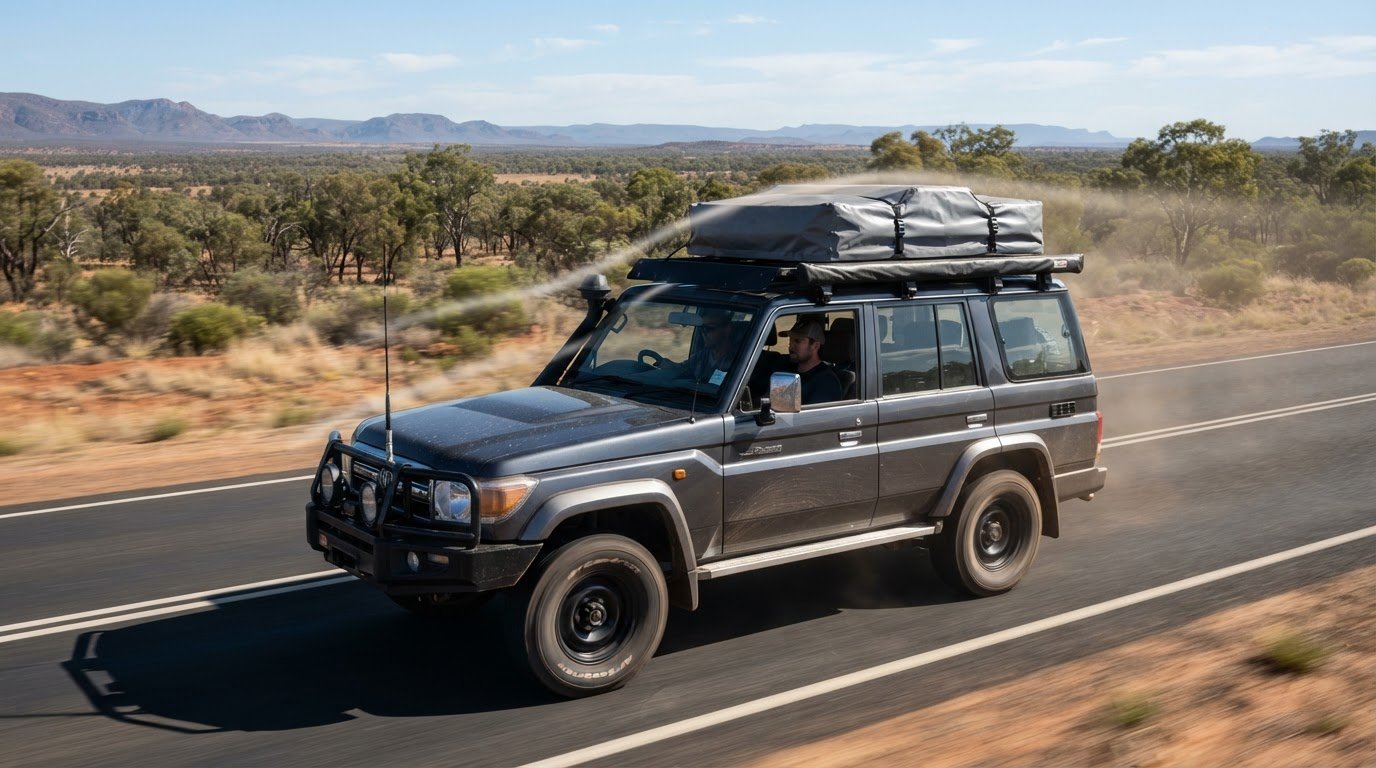
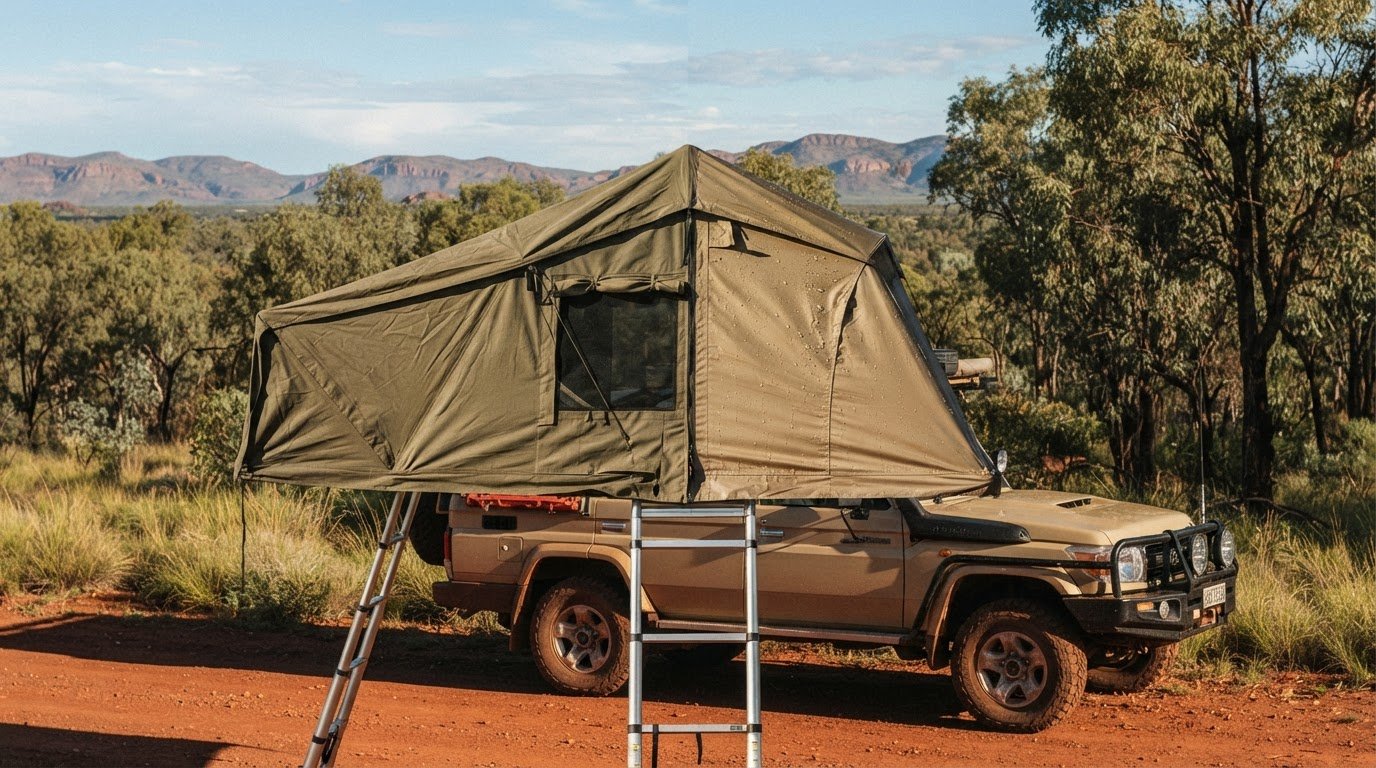
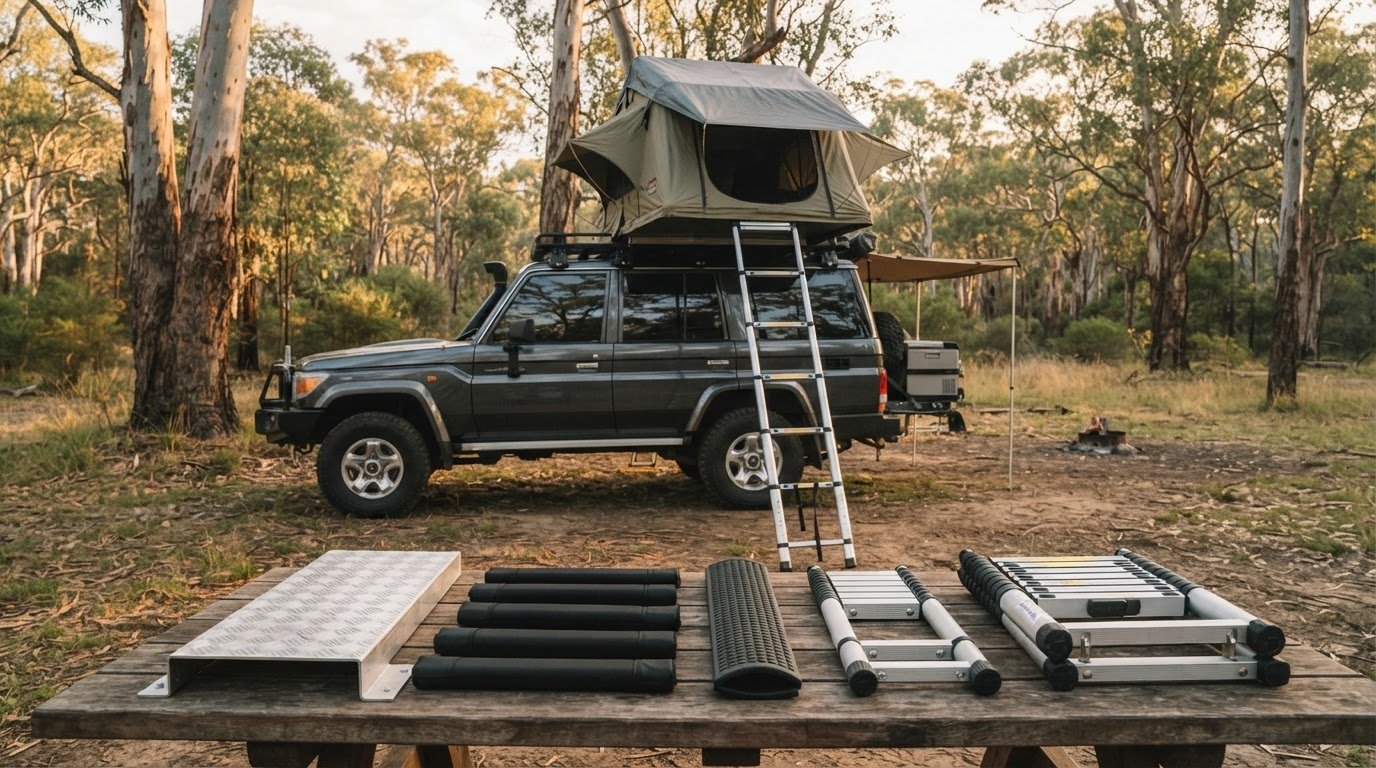
For the long-haul tourer, integration is the key to efficiency. Many in our community are moving toward roof-mounted pressurized tubes. These are simple black PVC or aluminum pipes that use solar energy to heat the water and a standard air compressor to provide pressure. They are durable, space-saving, and always ready. We’ve found that our 4WD awnings provide the perfect mounting point for shower arms or ensuite tents. You can even use your roof top tent ladder as a temporary towel rack or gear organizer while you rinse. This level of integration turns a standard vehicle into a fully-functional off-grid home.
Portable vs. Fixed Installations
Choosing between a portable kit and a fixed installation is a matter of flexibility. Portable kits are excellent for “walk-in” campsites where you can’t park your vehicle right at the tent. They allow you to carry your water to the best drainage spot, which is vital for responsible greywater management. Fixed 12V systems are the “set and forget” approach. Once wired into your canopy and plumbed to a chassis-mounted tank, they offer unmatched convenience. Just remember to keep your portable components in a dust-proof case; there is nothing worse than a shower head clogged with bulldust after a day on the tracks.
The Sustainable Shower: Leave No Trace in the Bush
We believe that exploring the outback is a privilege that comes with a heavy dose of responsibility. While we all want the best shower camping experience possible, our desire for a hot rinse should never compromise the health of the land we love. In the arid environments of the Australian bush, water is life. Every drop we use and every bit of soap we introduce has an impact. Responsible hygiene starts with understanding that “biodegradable” doesn’t mean “instant.” Even the most eco-friendly soaps require soil bacteria to break down effectively. If that soapy runoff reaches a creek or billabong, it can disrupt the delicate pH balance and harm aquatic life.
To protect our waterways, we always follow the 50-metre rule. This means setting up your shower at least 50 metres (roughly 165 feet) away from any natural water source. Some international standards, like those from the U.S. National Park Service, even suggest a distance of 200 feet to be safe. This distance allows the soil to act as a natural filter, trapping phosphates and surfactants before they can migrate into the groundwater. We also practice the “Military Shower” technique to minimize waste: a quick 30-second blast to get wet, turning the water off to lather up, and a final 60-second rinse. This method ensures you stay fresh while keeping your total water use under five liters.
Managing Drainage and Mud
Creating a stagnant mud pit in the middle of a campsite is a surefire way to ruin a spot for the next traveler. We use a recycled plastic shower mat or a wooden duckboard to keep our feet out of the grime and prevent soil erosion. Once you’re finished, don’t let the water pool. We disperse the greywater over a wide, flat area of thirsty vegetation. This prevents the formation of “blackwater” puddles that attract insects and smell. If you’re looking for more ways to camp responsibly, check out our latest adventure ideas in Australia for tips on low-impact exploration.
Temperature and Environment
It’s easy to overlook, but the temperature of your runoff matters. Scalding water can shock or kill local flora and small soil organisms. We recommend using a digital thermometer to ensure your solar-heated water is a safe 38 to 40 degrees Celsius. This is comfortable for your skin and gentle on the environment. A Leave No Trace shower in 2026 is a brief, low-impact rinse that leaves the ground as dry and undisturbed as we found it. By following these protocols, we ensure that the tracks we travel stay pristine for the next generation of explorers.
Building Your Ultimate Outdoor Bathroom Setup
Creating the best shower camping experience requires more than just a high-pressure pump and a bucket of water. It is about the entire ritual. We’ve all had those awkward moments trying to balance on one foot while pulling on dry clothes in the dirt. To avoid the “bush-bash” shuffle, we recommend thinking of your setup as a complete outdoor bathroom system. This means integrating privacy, lighting, and storage into your rig’s layout. When you have a dedicated space to rinse and change, the psychological benefits of off-grid hygiene are doubled. You’ll feel truly restored rather than just slightly less dusty.
A high-quality privacy shelter is the foundation of this setup. For those of us who move camp every morning, an awning-mounted ensuite is the gold standard for speed. These units bolt directly to your rack and deploy in seconds, providing a floorless area that drains naturally. If you’re setting up a basecamp for a few days, a standalone pop-up tent offers more flexibility. We often prefer double-room ensuite tents. These provide a “wet” zone for showering and a “dry” zone for your clothes and towel. This simple separation keeps your clean gear away from the mud and makes the whole process feel much more civilized.
Privacy and Comfort Upgrades
Visibility is often an afterthought until you’re trying to find your soap in the dark. We use solar-powered LED strips or rechargeable lanterns hung from the shelter frame to create a safe evening environment. Good lighting prevents trips and ensures you aren’t leaving any gear behind in the scrub. For more advice on how to organize your remote setup, read our Ultimate Adventure Travel Planner for deeper gear integration tips. These small upgrades turn a basic rinse into a highlight of the day.
Post-Shower Gear Management
Maintenance is what keeps your gear alive through multiple seasons. After every trip, we make it a priority to descale our pumps using a mild vinegar solution. This prevents mineral buildup from hard outback water. Storing your hoses is equally vital. Always drain them completely and leave them to air-dry before packing them away to prevent mould. We’ve found that quick-dry microfibre towels are a space-saving essential, though they need a good shake to remove any trapped sand. To avoid that “musty tent” smell, never pack your shower ensuite away while it’s still damp. If you have to break camp in the rain, make sure to hang the tent up as soon as you get home.
The Final Off-Grid Rinse Checklist:
- Check water levels and fuel/battery status before starting.
- Set up the drainage mat and ensuite at least 50 metres from water.
- Lay out dry clothes and towel in the “dry zone.”
- Verify water temperature with a thermometer.
- Execute the “Military Shower” (Wet, Lather, Rinse).
- Air-dry the tent and hoses before final storage.
Gear Up for Your Next Remote Rinse
We’ve explored the tech and the tactics. Now it’s your turn to hit the tracks with confidence. Choosing the best shower camping gear is about more than simple comfort; it’s about self-reliance and respecting the land we love. From mastering the 50-metre rule to descaling your pumps for longevity, every step you take counts toward a more sustainable journey. Our guides are always expert-tested in remote Australian conditions and focused on ethical outdoor practices. We value community-driven gear recommendations because we know that real-world testing is the only way to find equipment that survives the corrugations.
We’re all on this shared path toward responsible exploration. Join the Adventurerz community for more expert gear reviews to stay ahead of the curve with the latest off-grid hygiene innovations. Let’s keep the red dust on the tracks and the wilderness pristine for the next generation of explorers. We’ll see you out there under the stars!
Frequently Asked Questions
Can I use a camping shower in a national park?
You can usually use a camping shower in national parks, but you must follow strict environmental protocols. Most parks require you to set up at least 50 metres away from any natural water source to protect the ecosystem. Always check local regulations before you arrive; some specific locations prohibit outdoor showering entirely to prevent soil contamination or overcrowding in sensitive areas.
How much water does a typical camping shower use per minute?
A typical setup uses between two and three litres of water per minute. This flow rate is the gold standard for balancing a refreshing rinse with the strict conservation needed for off-grid travel. By using a trigger nozzle or a foot pump, you can control the output and ensure your limited supply lasts for the duration of your remote adventure.
Is biodegradable soap safe to use in the bush?
Biodegradable soap is only safe when it is filtered through soil. Even the most eco-friendly products can damage aquatic life if they enter a creek directly. We always recommend showering at least 50 metres from water sources so the earth can naturally break down the surfactants. This practice keeps our pristine swimming holes healthy for everyone.
How do I keep my camping shower water warm in winter?
Keeping your water warm in the colder months requires insulation and timing. We suggest wrapping your shower bag in a neoprene sleeve or a heavy towel to trap heat after it has been warmed by the sun. If you are using a 12V system, heating the water just before use and keeping the reservoir inside your vehicle canopy helps maintain a comfortable temperature.
What is the best way to get high water pressure while camping?
The most effective way to achieve high water pressure is through a dedicated pressurized tank or a high-flow 12V pump. These systems move beyond the limitations of gravity bags to deliver a stream that can actually rinse out thick soap. For the best shower camping experience, look for pumps rated for at least 35 PSI to get that home-like feel on the tracks.
Do I need a privacy tent for my camping shower?
You don’t strictly need a privacy tent, but we highly recommend one for etiquette and comfort. A dedicated ensuite keeps the wind off your skin and provides a clean place to change. In busy camps or popular coastal spots, using a shelter is a respectful way to maintain community standards while you freshen up after a day of exploring.
How do I prevent my 12V shower pump from burning out?
To prevent your 12V shower pump from burning out, never run it dry. These pumps rely on the water flow to cool the internal motor. We also suggest checking your intake filters regularly for grit or sand. A small blockage can cause the motor to overwork, leading to premature failure when you are far from a replacement.
Can I use salt water in a portable camping shower?
You can use salt water in some portable showers, but it is generally hard on the equipment. Salt leads to rapid corrosion of internal seals and can clog your spray head over time. If you must use sea water for a quick rinse, we recommend flushing the entire system with fresh water as soon as possible to preserve its lifespan.