What if the most liberating way to see the world is actually more affordable than your monthly rent? We have all seen those million-dollar rigs on social media and felt the sting of July 2026 fuel prices at $3.83 per gallon. It makes us wonder: is overlanding a cheap way to travel, or is it just a luxury hobby for the elite? We hear you. Between the rising cost of groceries and the pressure to buy every shiny piece of gear, the financial barrier can feel like a mountain you cannot climb.
We are here to tell you that responsible exploration does not have to break the bank if you are methodical about your setup. You will discover the honest breakdown of overlanding costs, from the $5,000 budget build to the daily “burn rate” of life on the road. We will show you how to distinguish essential safety gear from expensive fluff and share practical tips to keep your expenses low. By the end, our crew of Wild-Hearts will have a clear framework to decide if this investment aligns with your budget and your thirst for adventure.
Key Takeaways
- Learn to prioritize essential recovery gear and safety equipment over luxury “Instagram” builds to keep your initial setup costs manageable.
- Discover why is overlanding a cheap way to travel depends on your “burn rate” and how slow travel significantly reduces your daily fuel and food expenses.
- Compare the long-term value of a 4WD asset against the sunk costs of traditional travel like flights and hotels to see the real return on investment.
- Master the art of “bush cooking” and local permit navigation to slash your recurring costs while exploring Australia’s most remote and beautiful regions.
- Build your self-reliance with a framework for DIY maintenance that keeps your rig trail-ready without relying on expensive remote-area mechanics.
Table of Contents
What is Overlanding and Why Does Its Cost Vary?
Before we dive into the spreadsheets, we need to be clear about what we are actually doing out there. Overlanding is not just a weekend camping trip or a standard road trip where you hop between motels. It is defined as self-reliant, long-distance travel where the journey itself is the primary goal. To get a deeper sense of the history and global scope of this lifestyle, you can explore the origins of What is Overlanding. For us, it is about the intersection of technical skill, environmental stewardship, and the resilience to handle whatever the track throws at our community of Wild-Hearts.
The question of whether is overlanding a cheap way to travel depends entirely on your “Daily Burn Rate.” This is the metric we use to measure success. It is the total cost of keeping your tires turning and your belly full every single day. While a weekend warrior might focus on the price of a new cooler, an overlander looks at the total cost of ownership over months or years. We view our rigs as mobile basecamps that eliminate the need for expensive flights and hotel bills, but that freedom requires a strategic upfront investment.
The Overlanding Spectrum: Budget vs. Luxury
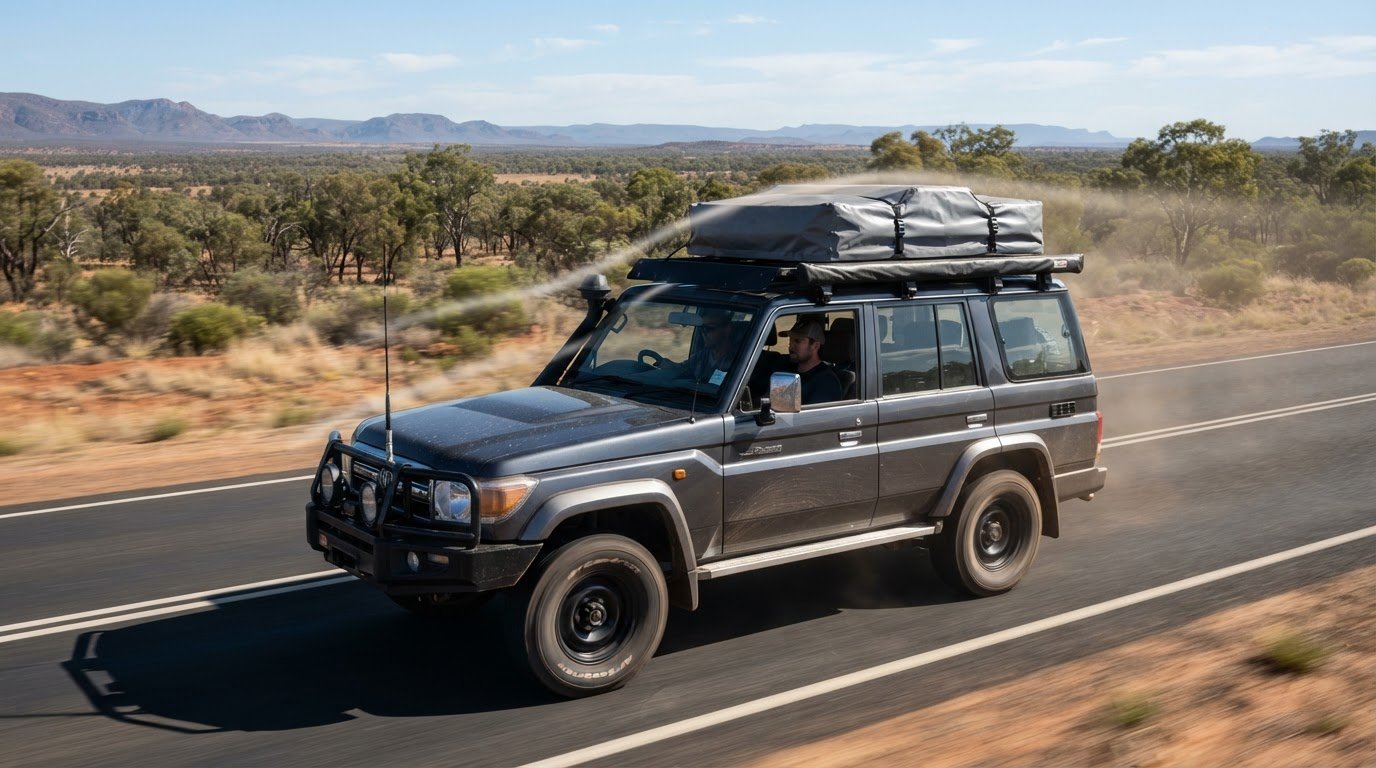
We see three distinct paths on the trail. Minimalist setups often rely on capable second-hand vehicles and simple ground tents. These rigs prioritize experience over equipment and are the fastest way to get remote without a massive debt. Mid-range builds are where most of us land. These involve reliable 4WDs equipped with essential upgrades like quality 4wd awnings and durable roof top tents to ensure comfort during long-term travel. Finally, high-end expedition rigs, like a 2026 Lexus GX 550 Overtrail starting at $72,975, offer full off-grid capabilities with lithium power systems and internal heating. These are incredible machines, but they aren’t a requirement for responsible exploration.
Why ‘Cheap’ is a Relative Term in 2026
When you compare a 14-day resort holiday to a 14-day overland trek, the resort often looks cheaper on paper. However, the math changes when you extend your timeline. In July 2026, with gasoline averaging $3.83 per gallon, your biggest recurring expense is fuel. If you stay in one place longer, your burn rate drops significantly. We find that the longer you stay on the road, the more the high upfront costs of your 4WD and recovery gear are “diluted” across your total travel days. The break-even point occurs when the savings on daily accommodation and dining outweigh the initial capital investment of your vehicle and gear setup.
The Upfront Investment: Vehicle, Gear, and Setup
We have all seen the social media posts featuring six-figure builds that make us question our bank accounts. It leads many to ask: is overlanding a cheap way to travel or just a playground for the wealthy? The truth lies in how you prioritize your capital. Your vehicle is your single biggest expense. In 2026, a new Toyota 4Runner TRD Off-Road has an MSRP of $44,405, while a Jeep Wrangler Rubicon starts at $44,695. These are capable machines, but our community knows that a well-maintained used 4WD is often the smarter entry point for responsible exploration. We focus on modularity; buy the gear that matches your current skill level and let your rig grow as you do.
Safety is the one area where we never cut corners. A beginner overlanding kit focused on reliability can be assembled for under $1,200. We recommend starting with high-quality recovery gear like an ARB Weekender Recovery Kit for $146.95 and a portable 12v air compressor for $468.95. These tools ensure you can handle basic trail challenges without needing a professional recovery. Beyond the vehicle, a budget build for accessories typically ranges from $5,000 to $12,000. While the initial setup isn’t free, discovering if is overlanding a cheap way to travel often comes down to how many years you use your equipment before upgrading.
Shelter and Comfort: Tents and Awnings
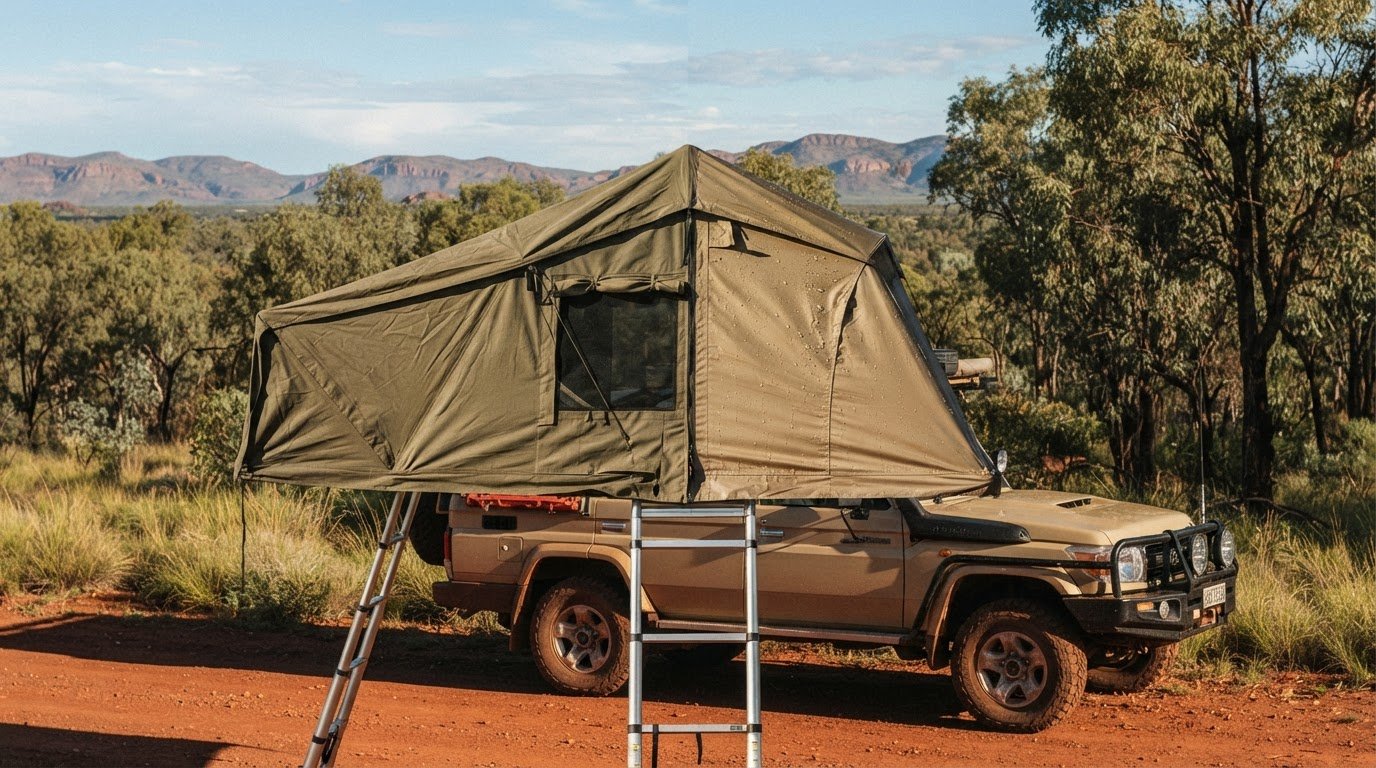
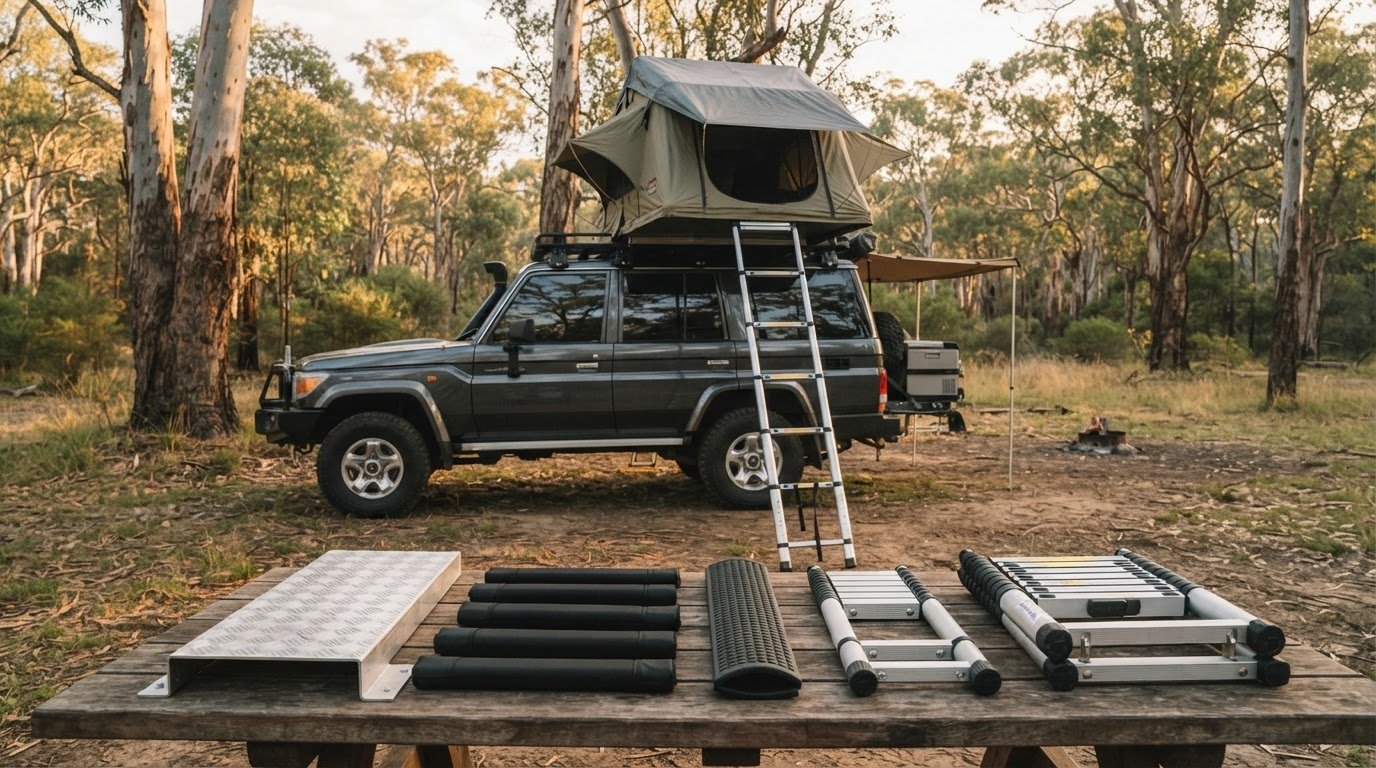
Your choice of shelter dictates your daily rhythm. While ground tents are budget-friendly, many in our community view roof top tents as a vital long-term investment. They offer superior sleep quality and speed up your morning pack-down. To complement your sleeping quarters, 4wd awnings are essential for creating a functional living room in the bush. They provide critical sun protection and a dry space to cook. Check our recommendations for the best 4wd awnings to find a balance between durability and price.
Mechanical Reliability vs. Aesthetic Upgrades
We suggest prioritizing mechanical reliability over aesthetic “Instagram” upgrades. A GVM (Gross Vehicle Mass) upgrade or a suspension kit designed for heavy loads is far more valuable than a fancy paint job. Don’t forget the hidden costs of remote readiness. Full coverage insurance for a high-value off-road vehicle can exceed $800 annually. Investing in mechanical health prevents expensive remote recoveries that can end your trip early. We believe in being hardy and methodical; build a rig that lasts, not just one that looks good on a screen.
Daily Running Costs: Fuel, Food, and Permits
Once your rig is ready and the recovery gear is packed, the focus shifts to the daily rhythm of the track. This is where we truly discover if is overlanding a cheap way to travel. While your mortgage or rent might be gone, it is replaced by the “burn rate” of fuel, food, and access fees. In July 2026, with average fuel prices sitting at $3.83 per gallon, every kilometer through soft sand or deep mud demands a higher price from your wallet. We look at these costs as the price of admission to the world’s most pristine environments, but managing them requires a methodical approach to logistics.
The Fuel Factor in Remote Australia
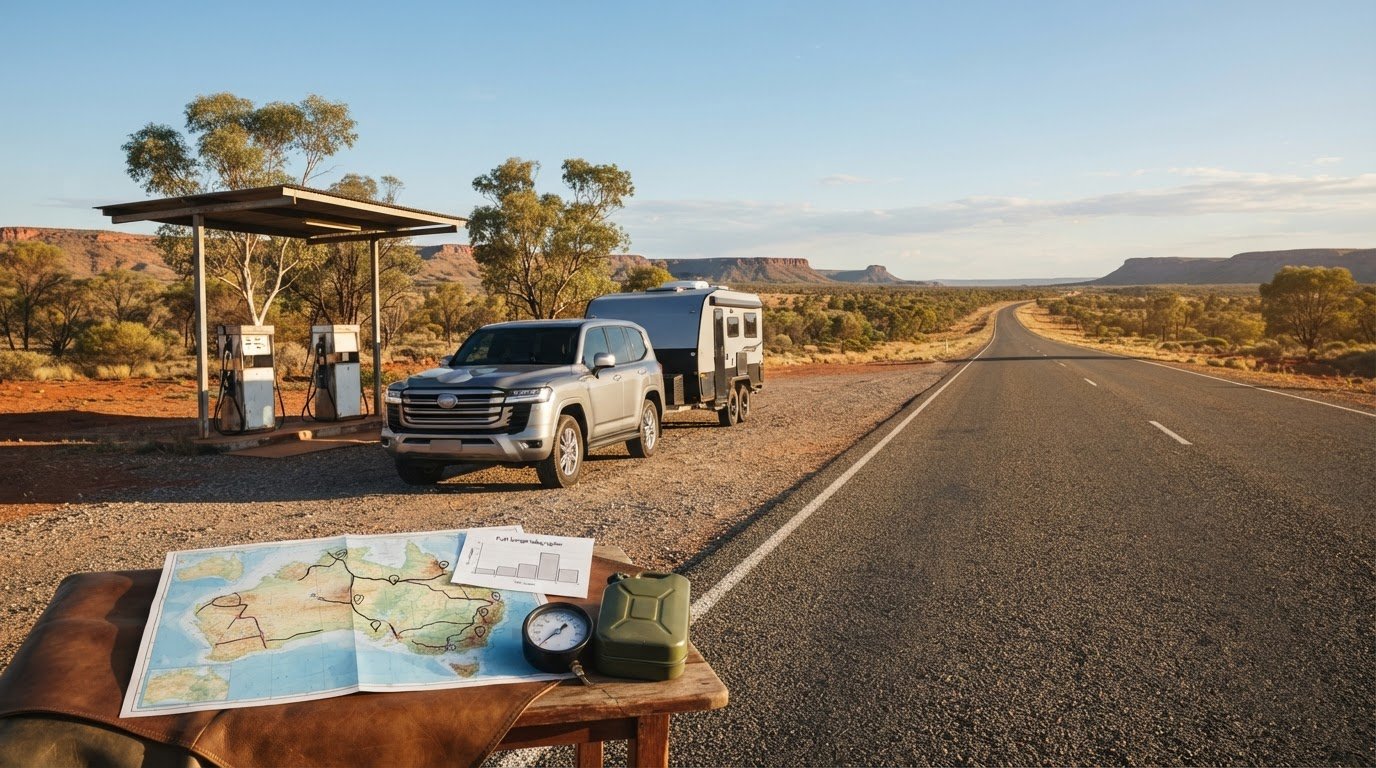
Calculating your fuel logistics is a vital skill for any Wild-Heart planning a crossing of the Nullarbor or a trek through the Red Centre. Remote fuel stations often charge a significant premium over city prices, sometimes doubling the cost of a tank. We carry extra jerry cans not just for safety, but as a budget strategy to bypass the most expensive outback pumps. Every extra kilogram of gear or water you bolt onto your chassis directly increases your fuel consumption and raises the total cost of your journey. Monitoring your consumption in different terrains ensures you don’t overspend on the most expensive liters of the trip.
Food and water costs can vary wildly depending on your self-reliance. Relying on remote general stores for every meal is a quick way to blow your budget, as these small businesses face massive freight costs to stock their shelves. We prioritize “bush cooking” using bulk-bought staples and vacuum-sealed meats prepared at home. This approach isn’t just about saving money; it’s about the joy of preparing a meal under your 4wd awning while the sun sets over the desert. Being self-contained allows us to stay out longer without needing to “resupply” at high-cost tourist hubs.
Ethical Exploration and Permit Fees
Ethical exploration requires its own line item in your budget. We choose to invest in high-quality, reusable gear rather than cheap, disposable alternatives that end up in landfill. This “Leave No Trace” mindset includes budgeting for sustainable solutions like portable toilets and greywater management systems. Responsible travel also means supporting the traditional owners and local communities whose land we visit. Permit fees and National Park charges, such as the $15 to $60 nightly fees seen in many developed campgrounds, are essential contributions to the conservation of the tracks we love. By paying these fees, we ensure these remote locations remain accessible and protected for the next generation of explorers.
Overlanding vs. Traditional Travel: A Cost Comparison
We often look at our bank accounts after a month on the road and wonder if the math truly adds up. When you ask is overlanding a cheap way to travel, you have to look beyond the immediate expenses. A hotel receipt is a dead end; it is money gone forever in exchange for a bed and a roof. In contrast, your 4WD and gear represent an asset that retains value. We view our rigs as a mobile investment that grants us access to natural wonders that traditional tourists simply cannot reach without paying for expensive guided tours.
The “Experience Dividend” is a core part of our philosophy. While a traditional traveler pays for flights, car rentals, and overpriced airport meals, we rely on our self-reliance. This freedom allows us to bypass the tourist traps and find solitude in Australia’s most remote corners. However, we must be honest about the hidden costs. Dust, vibrations, and rough tracks take a toll on your vehicle. We budget for increased maintenance intervals, including more frequent oil changes and tire rotations, to ensure our community stays safe and mobile in the bush.
The 30-Day Budget Breakdown
Let’s look at the numbers. A 30-day traditional trip with hotels averaging $150 per night costs $4,500 just for accommodation. Overlanders can often find dispersed camping for free or pay between $15 and $30 for developed sites, bringing the monthly total down to under $900. When it comes to food, we save by shopping at local supermarkets and cooking our own meals under our 4wd awnings. Traditional travelers often spend $50 to $100 per day on cafes and restaurants. By choosing the trail, we redirect that money into fuel and future gear upgrades.
Depreciation and Resale Value
Quality gear holds its value remarkably well in the Australian market. A well-maintained 4WD, like a Toyota 4Runner or a Jeep Wrangler, remains a hot commodity on the secondary market. The same applies to premium accessories. High-quality roof top tents often sell for a significant portion of their original price if they have been cared for properly. We believe in buying the best gear once rather than replacing cheap equipment every season. This strategy ensures that when you eventually decide to sell your setup, you get a solid return on your initial investment. Check out our reviews of the latest roof top tents to see which models offer the best durability and resale potential for your next escape.
Strategies for Budget-Friendly Overlanding
We have broken down the big-ticket items and the daily burn rate, but the final verdict on whether is overlanding a cheap way to travel often comes down to your personal strategy on the trail. It is entirely possible to see the most remote parts of Australia without a massive bank balance if you are willing to trade speed for self-reliance. By shifting our mindset from “tourist” to “explorer,” we can slash our ongoing expenses and extend our time in the wild. Our community of Wild-Hearts knows that the best views don’t always come with a price tag; they just require a bit of methodical planning.
The Power of Slow Travel
The most effective way to lower your costs is simply to slow down. Reducing your daily mileage drastically cuts your fuel consumption, which is a major win when prices are sitting at $3.83 per gallon. Moving slowly also puts less stress on your vehicle’s components, meaning you spend less on maintenance and repairs over time. Beyond the financial benefits, staying in one spot for three or four days instead of moving every morning deepens your connection to the land. We use community-driven apps to find low-cost or free dispersed camping sites on BLM or National Forest land, where stays of up to 14 days are often free. This allows us to keep our accommodation budget near zero while enjoying premium natural wonders.
We also recommend exploring during the off-season. Avoiding the “tourist tax” of peak holiday periods means lower permit fees and more availability at developed campgrounds, which can range from $15 to $30 a night. Buying second-hand gear from within the Adventurerz community is another brilliant way to save. Many members upgrade their setups and sell high-quality, durable equipment like roof top tents or 4wd awnings at a fraction of the original cost. This circular economy keeps gear out of landfills and money in your pocket.
Building Your Skills to Save Money
Self-reliance is the ultimate budget tool. Every repair you can perform yourself is money you don’t have to pay to a remote mechanic with high labor rates. We encourage every traveler to learn basic 4WD maintenance, such as changing oil, replacing air filters, and patching tires. Carrying a dedicated tool kit and knowing how to use it can prevent a minor mechanical issue from turning into a $2,000 tow truck bill. When we are hardy and prepared, the question of whether is overlanding a cheap way to travel becomes a resounding yes. Ultimately, overlanding is an investment in your soul that pays lifelong dividends in memories and personal growth.
Chart Your Course for the Great Escape
We have peeled back the curtain on the real costs of life on the trail. While the upfront investment in a capable 4WD and quality recovery gear can feel steep, the long-term rewards are undeniable. You have seen how slow travel and self-reliance can slash your daily expenses compared to the high-cost treadmill of traditional tourism. Deciding if is overlanding a cheap way to travel ultimately depends on your commitment to the journey over the destination. By choosing durable assets and embracing a “Leave No Trace” mindset, you are investing in a lifestyle that values experiences over hotel receipts.
Our crew of Wild-Hearts is here to help you navigate every kilometer of your preparation. We provide expert reviews on essential 4wd awnings and roof top tents specifically tested for rugged Australian conditions. We focus on sustainable, responsible remote travel so you can explore with a clear conscience. Join the Adventurerz community to find the best gear for your budget! Whether you are planning a weekend in the bush or a multi-year expedition, we are ready to guide you toward a life of self-reliant adventure. See you on the tracks!
Frequently Asked Questions
Is overlanding cheaper than van life?
Overlanding and van life share similar daily expenses, but our 4WD rigs often face higher fuel and maintenance costs due to the rugged terrain we tackle. While a van might save you money on paved highways, our community rigs gain access to free, remote campsites that vans simply cannot reach. This ability to camp for free in isolated locations often offsets the higher mechanical costs of a capable off-road build.
How much should I budget for a 12-month overland trip in Australia?
We recommend a daily “burn rate” of $80 to $120 for a solo traveler, which totals approximately $30,000 to $45,000 for a full year. This budget covers July 2026 fuel prices, bush cooking staples, and necessary permits for traditional lands. Your total will vary based on how often you utilize free dispersed camping versus developed sites that can cost up to $60 per night for a group.
Can I overland in a 2WD vehicle to save money?
You can certainly explore many regions in a 2WD, but it severely limits your access to the remote tracks that define the overlanding experience. Self-reliance in the outback often requires the clearance and traction of a 4WD to navigate soft sand or mud safely. If you are wondering is overlanding a cheap way to travel, starting with a capable used 4WD is a smarter investment than risking an expensive remote recovery in an unsuitable vehicle.
What is the biggest hidden cost of overlanding?
The “remote area premium” on fuel and food is the most significant hidden expense we encounter. In the Red Centre or across the Nullarbor, you might pay nearly double the city price for a liter of diesel or basic groceries. We also find that constant vibrations on corrugated tracks lead to more frequent suspension and tire replacements compared to traditional road trips.
Is it cheaper to buy a new 4WD or build up a used one?
Building up a well-maintained used 4WD is the most cost-effective path for most explorers. With a 2026 Jeep Wrangler Rubicon starting at $44,695, a used rig allows you to redirect those savings into high-quality recovery gear and long-term travel funds. We prioritize mechanical reliability and durability over the “new car smell” to ensure our community stays mobile in isolated areas.
How do I save money on fuel while overlanding?
Slow travel is the single most effective strategy for reducing your fuel bill. By keeping your speed down and reducing the weight of your gear, you can significantly lower your consumption in a heavy, loaded vehicle. We also suggest carrying jerry cans to bypass the most expensive outback pumps and using community apps to find the best local prices.
Are rooftop tents worth the high initial price tag?
We believe rooftop tents are a vital investment for long-term comfort and setup speed. They provide a consistent, flat sleeping surface away from damp ground and local wildlife, which is essential for maintaining your energy on the trail. These tents also retain a high resale value in Australia, making them a smart financial choice if you eventually decide to upgrade your rig.
Do I need expensive lithium batteries to overland on a budget?
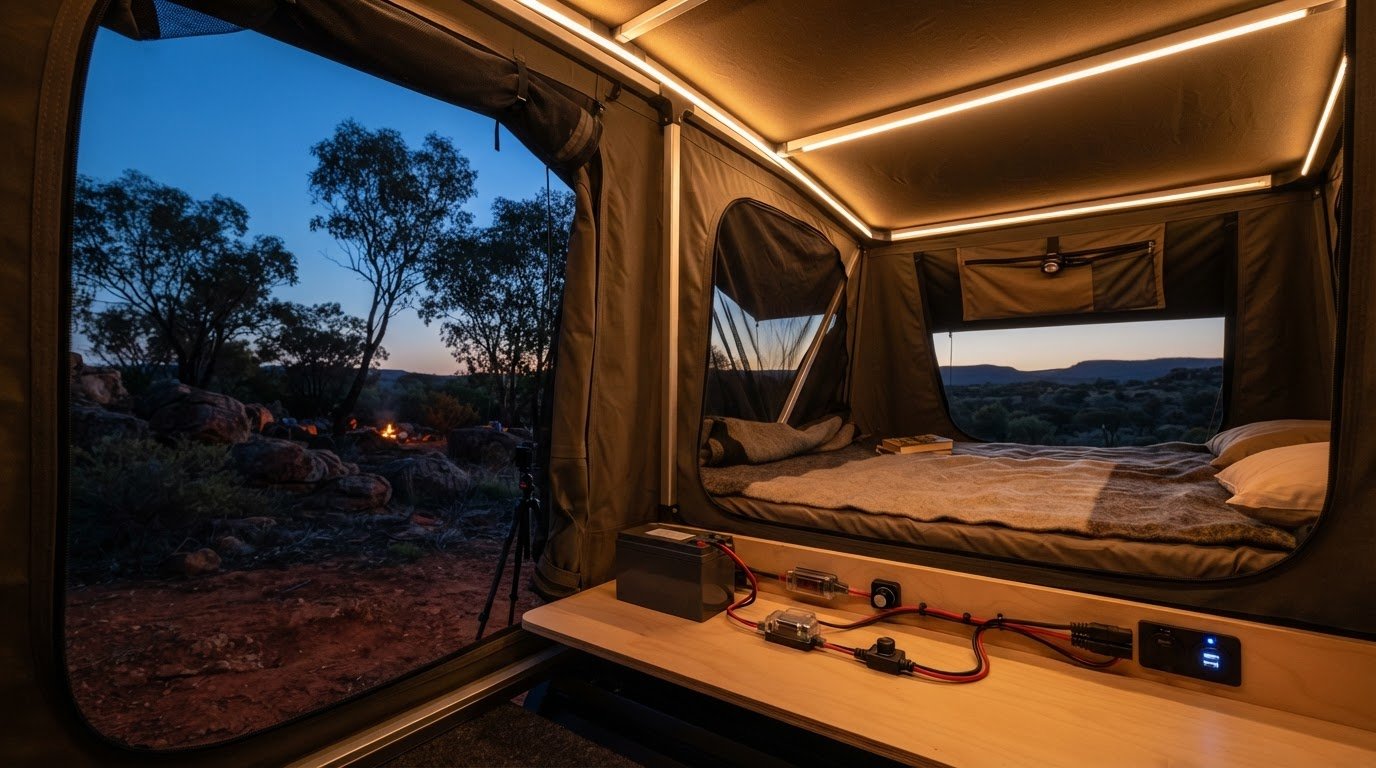
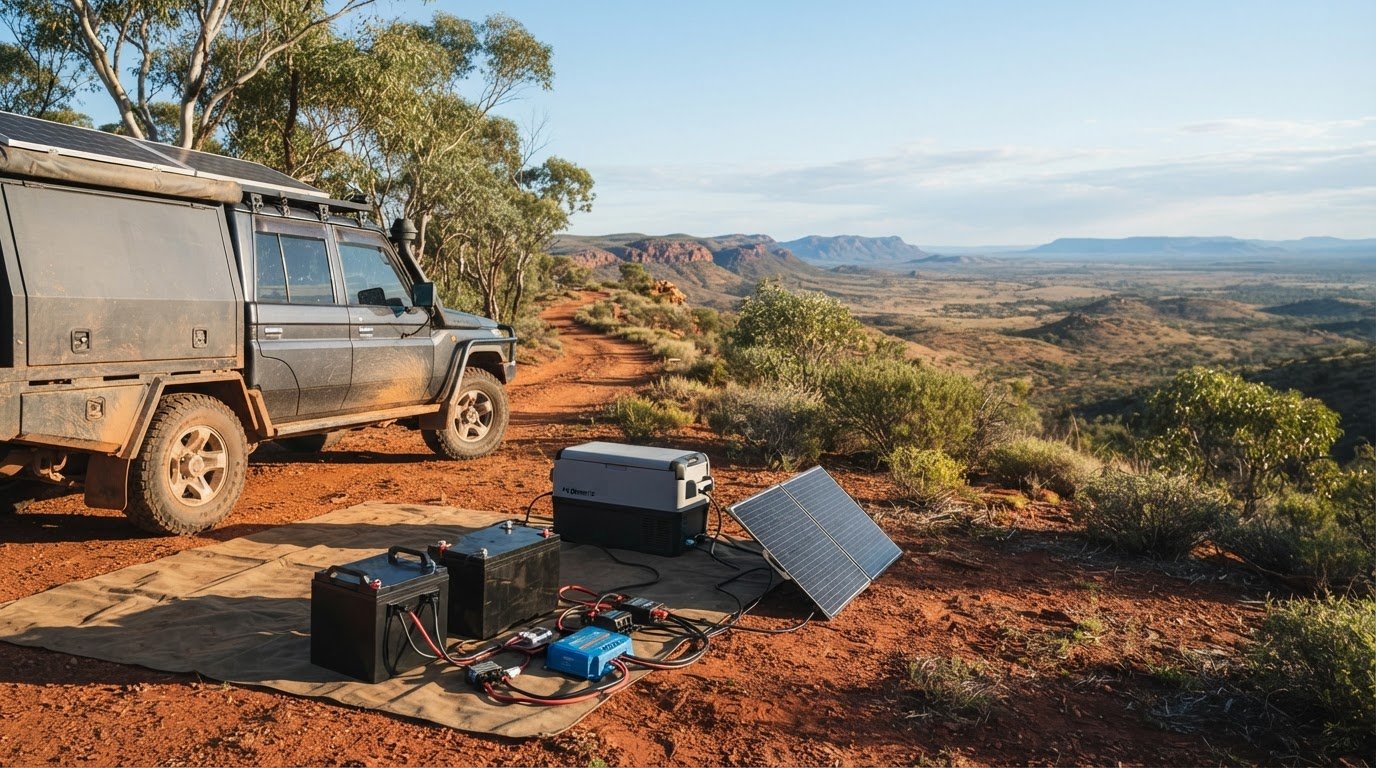
You do not need a high-end lithium system to start your journey responsibly. Traditional AGM batteries are a hardy and methodical choice for those just entering the community. While lithium offers weight savings and faster charging, a simple dual-battery AGM setup is more than capable of powering your fridge and basic camp lights while you are off-grid.