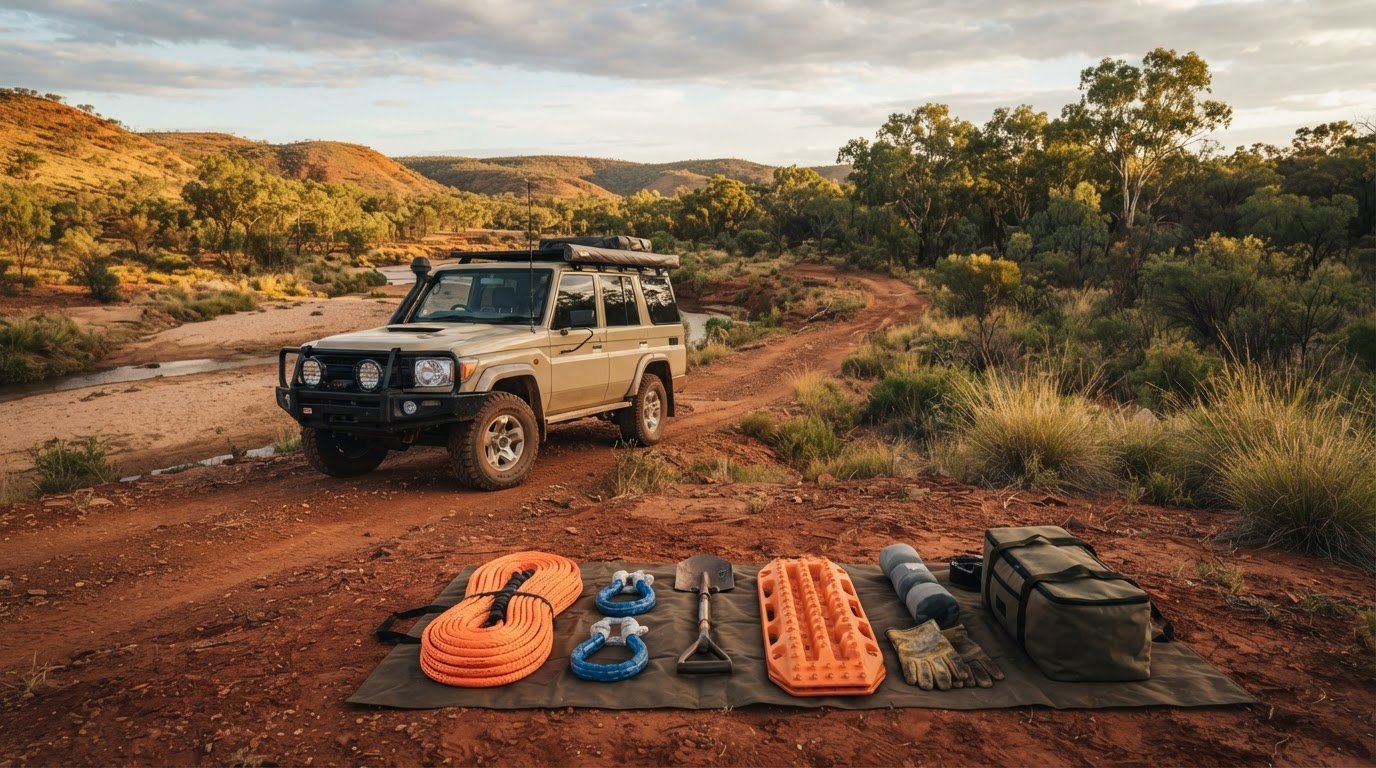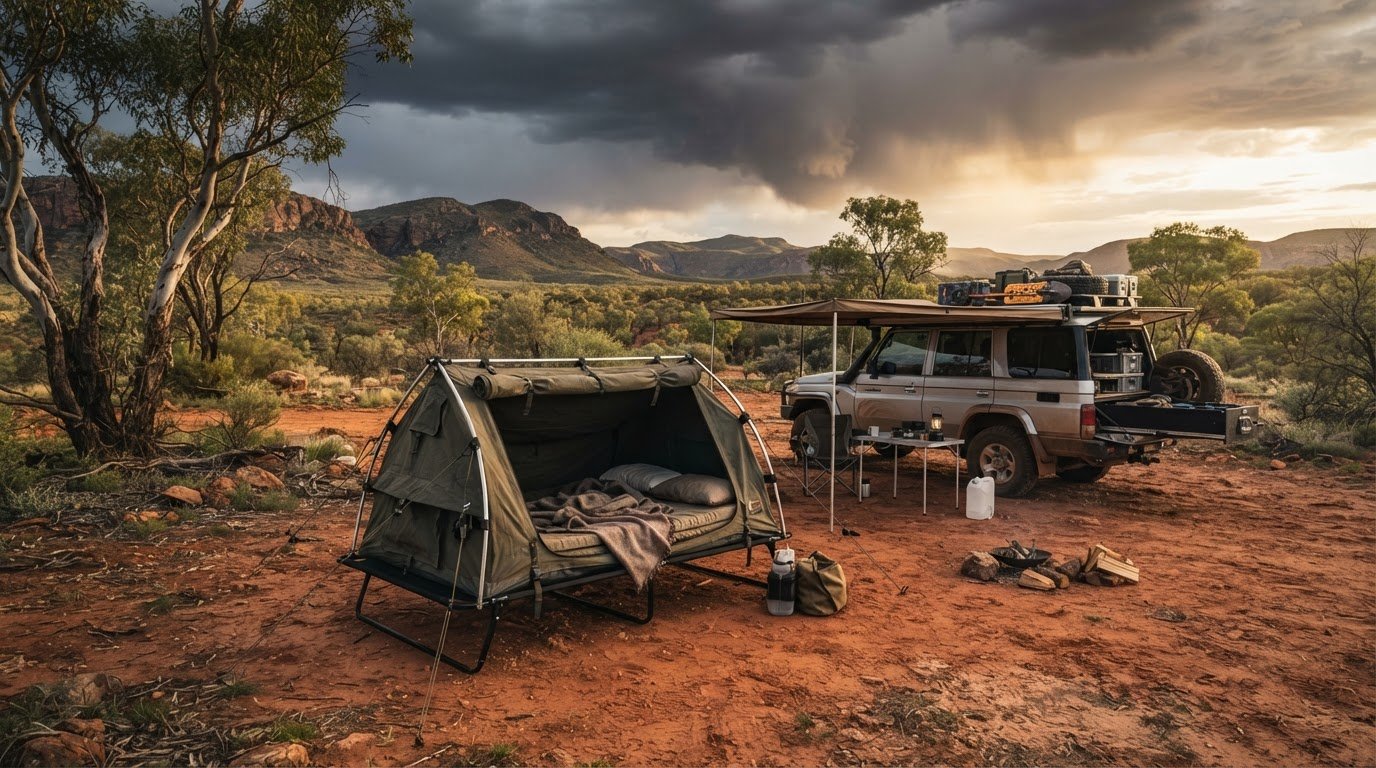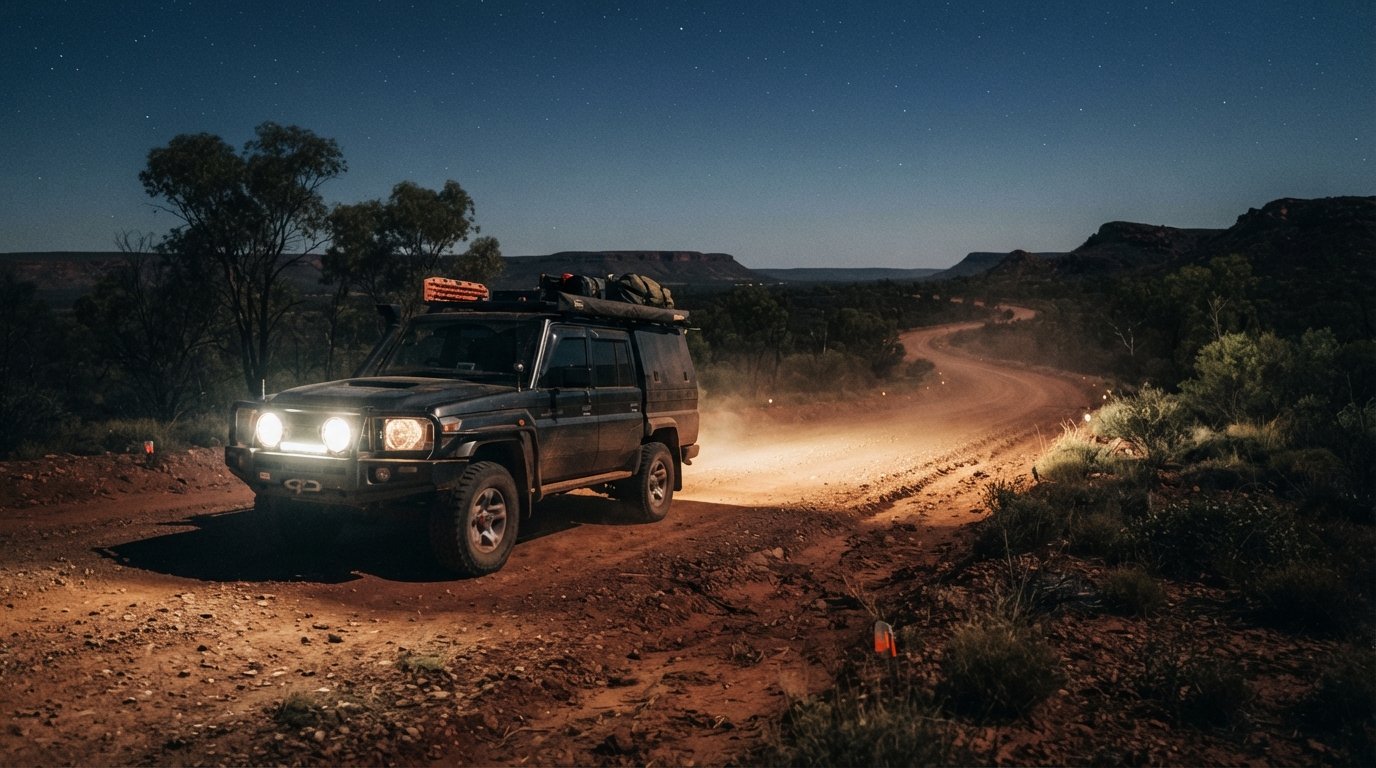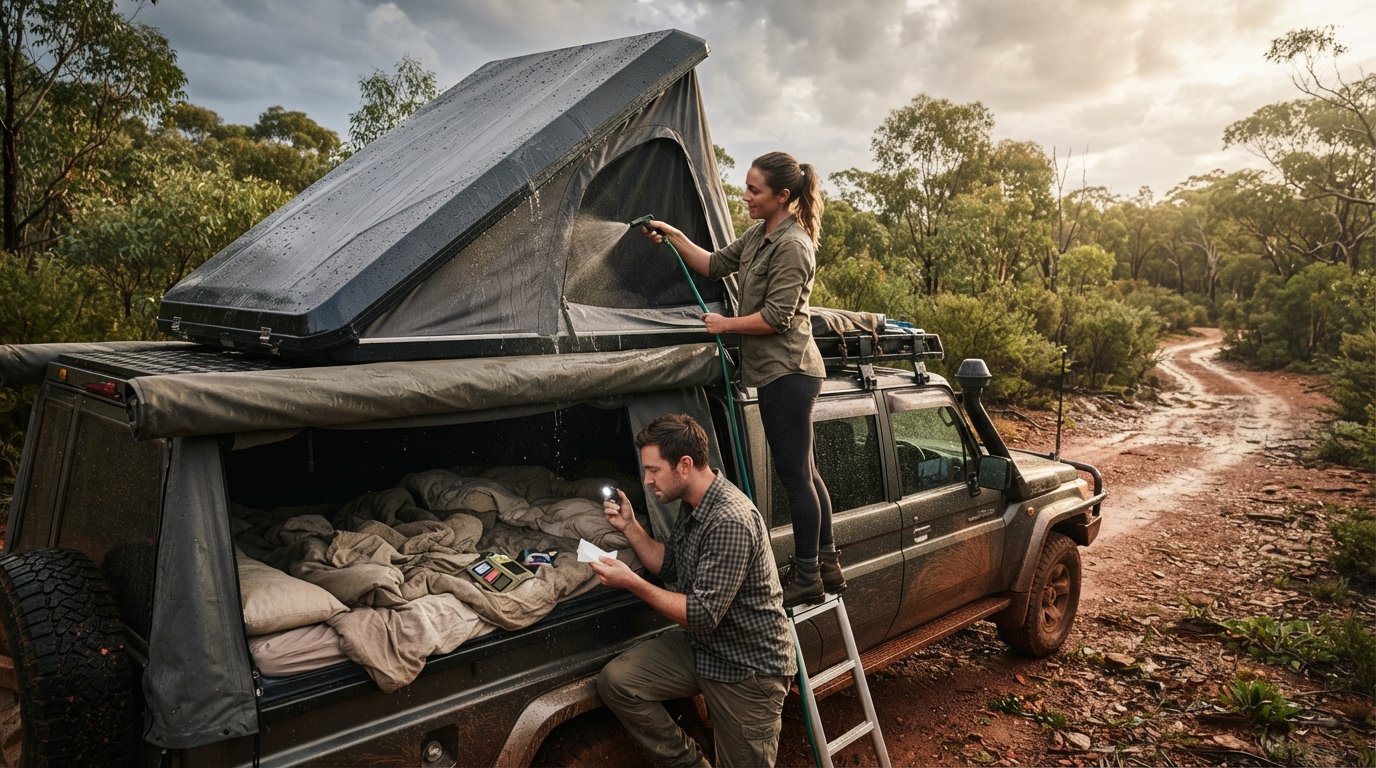
What if the secret to a record-breaking Barramundi catch isn’t the lure you’re using, but the 4WD track you took to get there? We’ve all felt that sinking feeling when a “secluded” beach turns out to be a crowded parking lot, or when gear that looked great in the showroom fails against the harsh salt spray of the North Queensland coast. Finding the best camping spots near fishing locations Queensland shouldn’t be a gamble against the crowds or the elements. We understand that for our community of Adventurerz, a successful trip requires a perfect balance between a high fish yield and a campsite that respects the rugged, natural landscape.
In this 2026 guide, we promise to lead you to the ultimate destinations where world-class fishing meets pristine camping, paired with expert reviews on the rooftop tents and 4WD awnings you need to stay protected. We’ll navigate the latest 2026 regulations together, including the $7.75 nightly national park fees and the $13.60 weekly Stocked Impoundment Permits. You’ll get a full breakdown of secluded coastal tracks, inland dam secrets, and the ethical practices that keep our wild places beautiful for the next generation of explorers. It’s time to pack the rods and prep the rig for a truly remote escape.
Key Takeaways
- Pinpoint the best camping spots near fishing locations Queensland offers in 2026, from the sandy tracks of Inskip Peninsula to the Barramundi-rich waters of Danbulla National Park.
- Understand why rooftop tents and robust 4WD awnings provide the ultimate advantage for beach-side setups, offering protection from salt spray and the tropical sun.
- Gain expert insights into chasing freshwater giants like Murray Cod and Golden Perch in Western Queensland’s rugged river systems.
- Navigate the latest 2026 permit costs and bag limits to ensure your trip is both legal and ethically sound.
- Learn how to build a self-reliant adventure rig that allows us to explore isolated spots without leaving a trace on the environment.
Table of Contents
- Why Queensland Offers Australia's Ultimate Fishing and Camping Synergy
- Top Coastal Camping Sites for Beach and Estuary Fishing
- Best Freshwater and Inland Dam Camping for Keen Anglers
- Gear Essentials: Optimising Your 4WD Setup for Remote Fishing Trips
- Ethical Angling and Sustainable Camping in Queensland’s Wilderness
Why Queensland Offers Australia’s Ultimate Fishing and Camping Synergy
Queensland isn’t just a state; it’s a sprawling playground for those of us who live for the tug on the line and the crackle of a campfire. With almost 7,000 kilometers of coastline and over 300 days of sunshine annually, we’re spoiled for choice. We’ve seen a massive shift in how we access these spots. In 2026, improved 4WD suspension systems and lighter, more durable power solutions mean we can push further into the wild than ever before. Whether you’re chasing Giant Trevally on the reef or setting up a base camp to find the best camping spots near fishing locations Queensland has tucked away in its red-dirt interior, the synergy here is unmatched. From the tropical reef systems of the north to the 60 plus stocked dams in the Stocked Impoundment Permit Scheme (SIPS), the variety of environments keeps our community coming back season after season.
At Adventurerz, we believe that self-reliance is the backbone of a great trip. It isn’t just about having the flashiest rig; it’s about knowing how to use your gear to minimize your footprint. We’re here to guide you through the seasonal shifts, like the Barramundi closure from November to February, ensuring we protect the stocks we love to catch. Our approach merges specialized outdoor expertise with a deep respect for the rugged terrain we call home.
Mapping Your 2026 Remote Escape
Planning a trip in 2026 requires more than just a paper map and a prayer. We recommend using a travel planner to meticulously sync your arrival with tides and moon phases. For example, hitting Moreton Island National Park during a new moon can drastically change your success rate in the surf. We distinguish between “accessible” sites, which often have basic facilities, and “remote” locations where you’re entirely on your own. Safety is paramount. If you’re heading out solo, satellite communication isn’t optional; it’s a lifeline. We always prioritize preparation to ensure the only surprises are the ones at the end of your hook.
The Emotional Connection to the Land and Sea
We don’t go out there to conquer the bush. We go to reconnect. Using high-quality gear like roof top tents allows us to stay elevated and comfortable, turning a grueling trip into a contemplative experience. When we’re shielded from the elements by reliable 4wd awnings, we have the headspace to focus on the environment around us. It’s about building a legacy. By practicing sustainable angling today, we ensure that the next generation of our community can experience the same thrill of the catch in a pristine wilderness.
Top Coastal Camping Sites for Beach and Estuary Fishing
The Great Sandy Region: K’gari and Inskip
Targeting Tailor during the winter run on K’gari is a rite of passage for our community. We look for the deep, dark gutters that form along the eastern beach, usually between July and October. Accessing these remote beach camps requires a capable 4WD and a keen eye on the tides to avoid getting caught out by the rising surf. These high-exposure zones are notoriously brutal on equipment. We’ve found that roof top tents are the gold standard here because they keep your sleeping quarters elevated away from the heavy salt spray and blowing sand. To stay comfortable during those long days of beach casting, a high-quality 4wd awning is essential for creating a shaded sanctuary where you can prep your tackle and escape the midday glare.
Estuary Havens: Bribie and Southern QLD
Bribie Island National Park serves as the perfect testing ground for those of us refining our remote setups. The island offers a mix of beach fishing and calm estuary waters, making it a prime spot for chasing Bream and Flathead. We often target Whiting on the shallow flats during an incoming tide, using light gear for maximum sport. It’s critical to stay updated on the latest Queensland recreational fishing rules, as bag limits and size requirements are strictly enforced to protect these vital nurseries. Reaching the more secluded creek mouths at the northern end of the island involves navigating soft sand sections that can catch out the unprepared. Always drop your tire pressure before hitting the tracks to ensure you don’t spend your fishing time digging out your wheels. You can find more tips on prepping your rig at Adventurerz to ensure your next coastal escape is a success.
- Inskip Peninsula: Best for beach fishing and easy access to the barge.
- K’gari (Fraser Island): The world’s premier destination for the winter Tailor run.
- Bribie Island: Ideal for estuary fishing and testing new 4WD setups.
- Cooloola Recreation Area: Famous for deep gutters and pristine river systems.
Best Freshwater and Inland Dam Camping for Keen Anglers
While the coast offers endless surf, the red-dirt interior holds some of the best camping spots near fishing locations Queensland boasts for freshwater fans. Moving away from the salt spray means trading beach gutters for sunken timber and lily pads. Inland camping shifts our focus. We swap tide charts for barometer readings and salt-wash for dust-proofing. For those of us chasing the legendary “one-meter club” Barramundi, the journey inevitably leads to the Atherton Tablelands. The diversity here is staggering. You can spend one morning casting into a glassy dam and the next navigating a remote river bend in the Murray-Darling headwaters.
Freshwater success in 2026 relies heavily on the Stocked Impoundment Permit Scheme (SIPS). With over 60 stocked dams and weirs across the state, your $13.60 weekly permit directly funds the fingerlings we love to catch. These inland spots often provide more sheltered camping than the exposed coast, but they demand a different level of self-reliance. We prioritize gear that handles fine bulldust and intense radiant heat. While coastal camping is about fighting corrosion, inland exploration is about managing temperature and staying off the ground.
Lake Tinaroo: The Barramundi Capital
Nestled in Danbulla National Park, Lake Tinaroo is a pilgrimage site for serious anglers. We recommend camping at Kauri Creek. It puts you right on the doorstep of the dam’s most productive weed beds. Barramundi here grow to monstrous sizes because they don’t have to fight tides or currents. Whether you’re twitching hard-body lures or suspending live bait, the “big one” is always a possibility. The tropical sun can be brutal on the Tablelands. We find that high-quality 4wd awnings are non-negotiable for creating a cool workspace to rig up your gear. Staying elevated in roof top tents also keeps us away from the damp lakeside grass and local wildlife.
Riverine Secrets: The Murray-Darling Headwaters
For a truly peaceful experience, head west to the river systems of the Murray-Darling Basin. We’re talking about the hunt for Golden Perch and the mighty Murray Cod. These remote western campsites require absolute self-sufficiency. You won’t find a corner store out here. It’s vital to respect private property and pastoral land boundaries, as many prime river bends border working stations. Always leave gates as you find them. This responsible approach ensures our community maintains access to these hidden gems. Pack plenty of water and ensure your 4WD is prepped for long stretches of corrugated gravel.
- Lake Tinaroo: Year-round Barramundi fishing (no closed season in the dam).
- Somerset Dam: The premier spot for big Australian Bass near Brisbane.
- Wivenhoe Dam: Excellent family-friendly camping with a focus on peace and quiet.
- Western Rivers: The ultimate challenge for Murray Cod enthusiasts.
Gear Essentials: Optimising Your 4WD Setup for Remote Fishing Trips
Finding the best camping spots near fishing locations Queensland offers is only half the battle. We’ve all seen rigs struggle against a 30-knot coastal breeze or watched a weekend’s worth of bait spoil in a cheap cooler. A remote escape demands a methodical approach to gear. Your 4WD setup isn’t just a vehicle; it’s your base of operations. To get the most out of isolated spots like the ones we’ve covered, we need to balance durability with efficiency. We prioritize equipment that stands up to salt, sand, and the relentless tropical sun while keeping us ready for action when the tide turns.
Rooftop Tents: Elevation and Efficiency
We consider roof top tents the gold standard for beach-side camps. When you’re parked on the dunes of K’gari or Inskip, sand is your constant companion. Staying off the ground means your sleeping area stays grit-free and away from the high-tide line. Hardshell models generally handle Queensland’s unpredictable coastal winds better than softshell versions. They’re quieter and quicker to pack down when the bite moves further up the beach. This efficiency allows us to transition from a sleeping setup to a mobile fishing base in minutes. It’s about maximizing time with your line in the water, not wrestling with tent poles.
Maximising Shade with 4WD Awnings
The midday lull is a reality of Queensland fishing. When the sun is at its peak and the fish go deep, a reliable 4wd awning becomes your best friend. A 270-degree awning is a total game-changer. It wraps around the side and rear of your vehicle, providing a massive shaded area for prepping tackle or cleaning a catch right at the tailgate. UV protection is vital under the harsh Australian sun. We always ensure our awnings are secured with heavy-duty pegs and guy ropes. High-wind coastal environments can turn a loose awning into a sail. Being methodical with your tie-downs ensures your shelter stays put while you focus on the surf.
Storage and Power Solutions
Rod storage is another critical factor. While external racks are convenient for quick moves between gutters, internal racks protect your high-end reels from salt spray and dust during long transits. For multi-day remote trips, portable power is the heartbeat of the camp. We rely on lithium battery systems to keep our refrigeration running. There’s nothing worse than a warm beer or, more importantly, spoiled fillets. Invest in a setup that allows you to be self-reliant for days at a time. If you’re ready to level up your rig, check out our latest gear reviews at Adventurerz to find the perfect components for your next mission.
- Lithium Power: Essential for running 12V fridges in remote locations.
- Hardshell Tents: Superior wind resistance for coastal camping.
- 270-Degree Awnings: Maximum shade coverage for tailgate tackle prep.
- Internal Rod Racks: Protection for expensive gear against salt and dust.
Ethical Angling and Sustainable Camping in Queensland’s Wilderness
We’ve explored the rugged tracks and the technical gear needed to access the best camping spots near fishing locations Queensland has to offer. Now, we need to talk about the responsibility that comes with visiting these wild places. Sustainable exploration isn’t just a buzzword; it’s the code that keeps our community thriving. When we push into remote estuaries or set up camp on a fragile coastline, we’re guests in a complex ecosystem. Our goal is to leave every site better than we found it. This ensures the fish stocks and natural beauty remain intact for the next generation of our community.
Protecting Our Waterways
Protecting our waterways starts with the small things. Discarded fishing line and tackle are lethal to marine life; we always pack out every centimeter of monofilament. In the camp kitchen, we stick to eco-friendly, biodegradable cleaning products to prevent chemical runoff into pristine rivers. We also respect the dunes. Driving on sensitive vegetation destroys the natural barriers that protect our coastlines from erosion. Stick to the designated tracks. It’s about self-discipline and respecting the environment that provides us with so much adventure. We don’t just pass through these places; we protect them.
Ethical angling means understanding the 2026 size and bag limits before you cast your first line. These regulations protect Queensland’s unique biodiversity, especially during vulnerable periods like the Barramundi season closure from November to February. If you’re practicing catch and release, use best practices to maximize survival rates. Keep fish in the water as much as possible. Use wet hands or a soft mesh net, and avoid lifting heavy fish by the jaw. A quick photo is a great memory, but the health of the fish is always our priority.
Contributing to the Community
Being part of our community means sharing your wins responsibly. When you post that trophy catch on social media, consider the impact of geo-tagging sensitive or over-pressured spots. We encourage our fellow explorers to lead by example and mentor the next generation. Show them how to rig a line, but also show them how to pick up litter that isn’t theirs. Together, we can build a legacy of responsible outdoor exploration. If you’re ready to plan your next trip beyond the water, Explore more 2026 adventure guides to find your next great Australian escape.
- Pack it out: Take all rubbish, including bait bags and line, with you.
- Mind the banks: Avoid trampling riverbank vegetation to prevent siltation.
- Know the rules: Check the latest 2026 bag limits before every trip.
- Safe release: Use barbless hooks where possible to minimize injury.
Ready for Your Next Remote Mission?
Queensland’s diverse landscape is waiting for us. We’ve mapped out the coastal gutters of K’gari and the Barramundi-rich weed beds of Lake Tinaroo. Success in 2026 is about more than just finding the best camping spots near fishing locations Queensland offers; it’s about the technical gear and ethical mindset you bring to the track. By matching your rig to the environment and respecting the latest bag limits, you’re ensuring these wild places stay pristine for the next generation of our community.
Our team at Adventurerz provides community-focused sustainable travel guides and in-depth remote Australia planning expertise to help you explore with confidence. We focus on expertly vetted 4WD gear recommendations that stand up to the harsh Australian elements. Before you hit the sand, Check out our expert reviews on the best 4WD awnings for your next trip to ensure your setup is ready for anything. We’ll see you out there on the tracks, rods ready and rig prepped for adventure!
Frequently Asked Questions
Do I need a permit for beach camping in Queensland in 2026?
Yes, you must secure a vehicle access permit and a camping permit before arriving at any national park or protected beach. As of July 2026, camping fees are set at $7.75 per person per night. We always book our spots online through the national parks portal well in advance, as popular areas like K’gari and Bribie Island have a 12-month booking horizon and fill up quickly during peak fishing seasons.
What is the best 4WD setup for a solo fishing trip?
Efficiency and self-reliance are your priorities when heading out alone to the best camping spots near fishing locations Queensland offers. We recommend a hardshell rooftop tent for 30-second setups and a 270-degree awning to maximize your shaded workspace for tackle prep. Integrating a lithium battery system is vital for keeping your fridge running solo without the risk of draining your starter battery in a remote location.
Are there any seasonal closures for Barramundi fishing in QLD?
Barramundi fishing is subject to a strict season closure from November to February each year to protect spawning stocks. While wild river systems are off-limits during this window, many of the 60 plus stocked dams remain open for those of us with a valid permit. Always verify the current bag limits for 2026 before you head out, as these regulations are critical for maintaining the health of our tropical fisheries.
Can I use a rooftop tent at all national park campsites?
You can use a rooftop tent at almost all vehicle-based national park campsites, but some specific “tent-only” or “hike-in” areas are restricted. We always look for the “4WD” or “vehicle-based camping” icons when booking our sites online. Staying elevated is a massive advantage in sandy coastal environments, as it keeps your sleeping quarters grit-free and away from the salt spray that can settle on ground-level gear.
What are the essential safety items for remote fishing in Western Queensland?
Remote western river systems demand a higher level of preparation than coastal trips. You must carry a Personal Locator Beacon (PLB) or satellite communicator, at least 20 liters of emergency water, and a comprehensive first aid kit specifically equipped for snake bites. Dust-proofing your storage is also essential, as the fine bulldust on western tracks can penetrate even the tightest seals and ruin your expensive reels.
How do I manage waste and greywater when camping near fishing spots?
We follow a strict “Pack it out” policy for all waste, including greywater in sensitive environments. Use a portable greywater bladder if you’re camping close to riverbanks to prevent soaps and oils from entering the fish nurseries. Never dispose of fish offal near your campsite or in stagnant water. Use biodegradable, eco-friendly cleaning products to ensure we leave these pristine environments exactly as we found them.
Which Queensland dams require a Stocked Impoundment Permit (SIP)?
A Stocked Impoundment Permit (SIPS) is required for anyone 18 years or older fishing with a line in any of the 60 plus designated dams and weirs. This includes favorites like Lake Tinaroo, Somerset, and Wivenhoe. For 2026, a weekly permit costs $13.60, while an annual permit is $64.58. These fees are vital because they directly fund the fingerling stocking programs that make these the best camping spots near fishing locations Queensland interior provides.
Is it safe to camp near the water in North Queensland due to crocodiles?
Safety in North Queensland requires us to be “Croc-wise” at all times. We never set up camp closer than 5 meters from the water’s edge and we avoid cleaning fish or disposing of scraps near our camping area. Using a rooftop tent provides an extra layer of security and peace of mind when camping in known crocodile habitats. Stay alert, stay elevated, and never assume a waterway is clear just because you can’t see a slide.