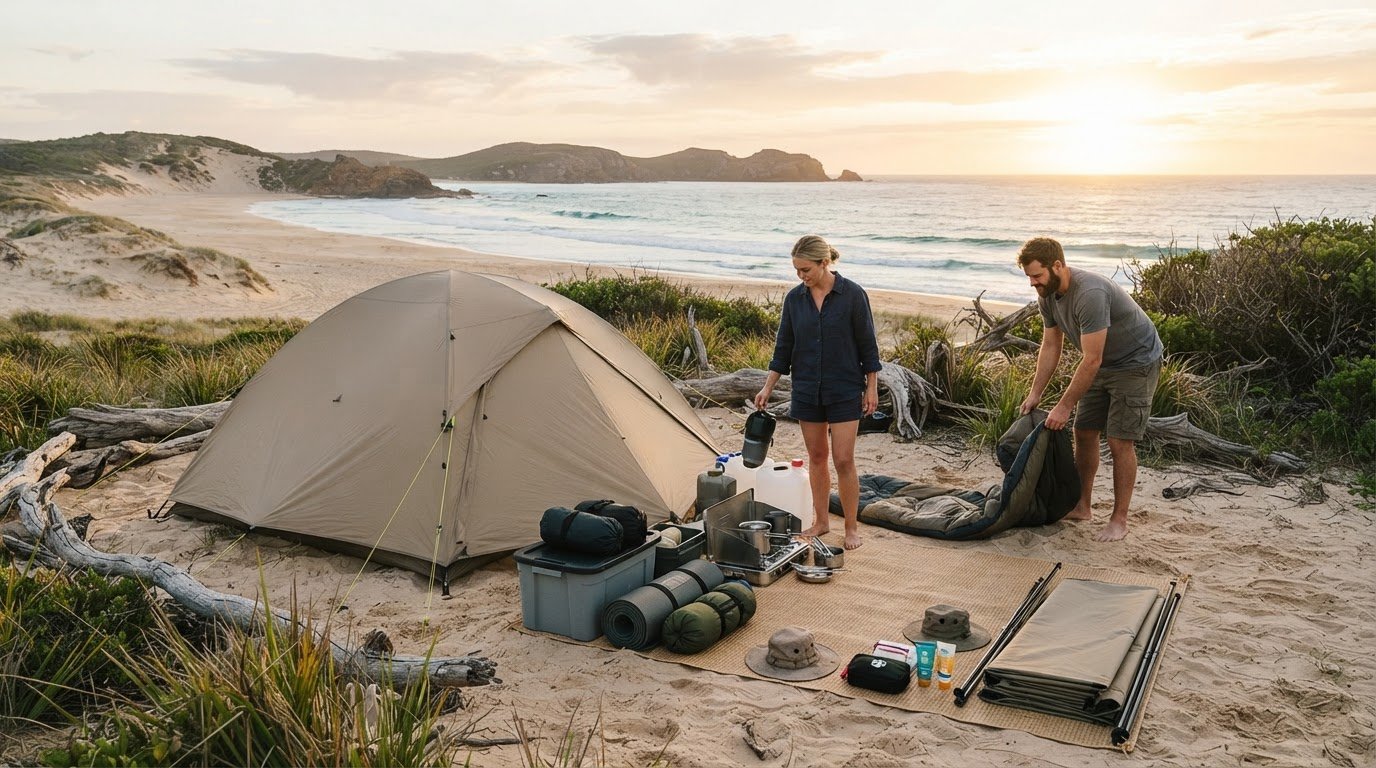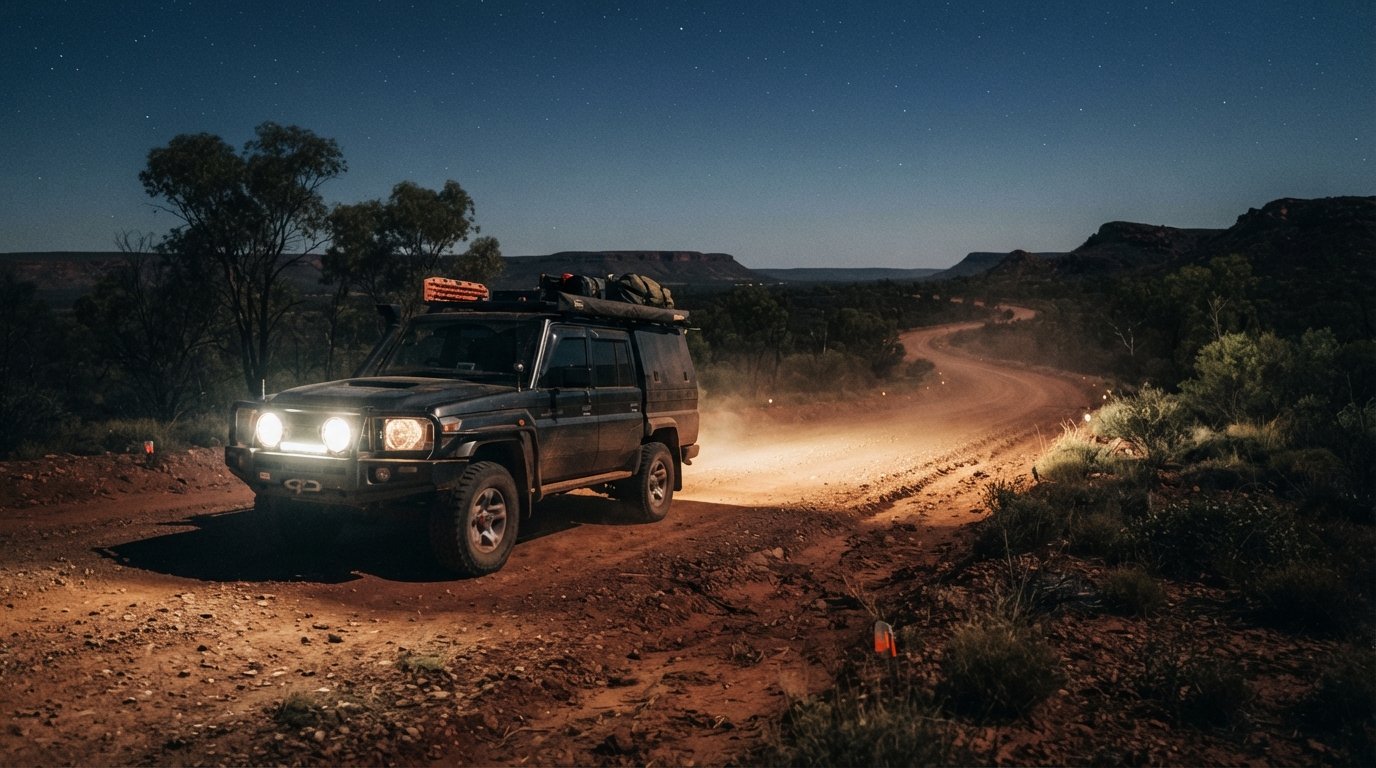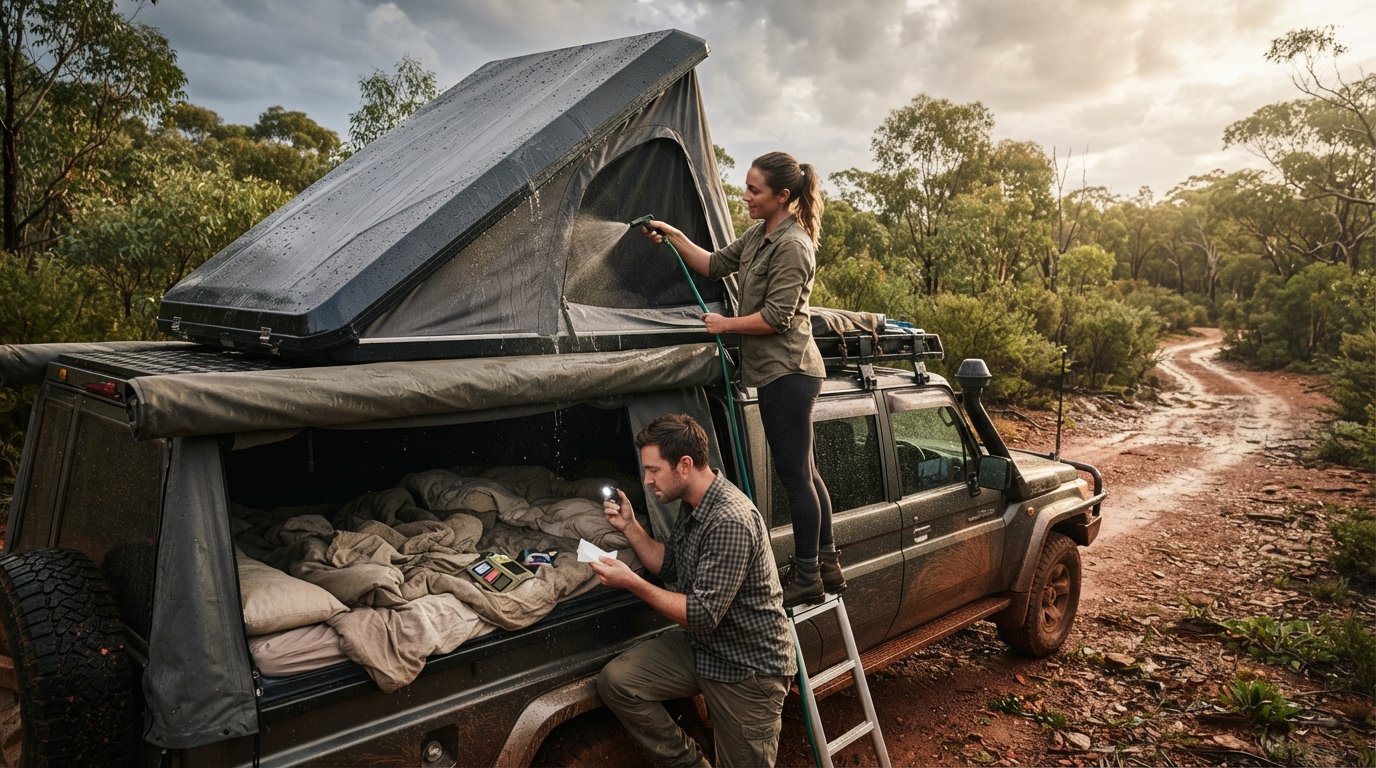
The best beach-camping kit starts with the campsite, not the gear. Australia’s coast can test equipment with shifting sand, salty air, strong wind and changing weather. A useful beach camping essentials australia checklist helps you focus on what will keep camp comfortable, protect your gear and suit the conditions you’re actually heading into.
You don’t need to bring everything you own to enjoy a night by the water. You do need to think beyond a standard camping list: choose shelter suited to exposed conditions, plan how to secure and care for equipment, and leave the coast as you found it.
This 2026 guide helps you sort must-haves from optional extras and choose practical gear for your campsite, forecast and trip. It covers shelter, sleep systems, clothing, food, safety and low-impact essentials, with tips for keeping sand and salt from taking over.
Key Takeaways
- Use access, campsite facilities, weather and trip length to decide what belongs on your beach-camping checklist.
- Compare ground tents, rooftop tents and shade structures by setup needs and vehicle dependence before choosing shelter.
- Plan cooking, drinking water and food storage around campsite facilities and permitted cooking methods.
- Build your beach camping essentials australia list around practical gear for coastal conditions and ways to minimise your impact.
- Check shelter, sleep, clothing, safety and clean-up items before departure, and monitor official alerts before and during your trip.
Table of Contents
- Beach camping essentials in Australia: start with your campsite and conditions
- Shelter, sleep and sun protection for beach camping
- Cooking, water and beach-ready gear: what is worth packing?
- Beach-camping safety essentials and responsible coastal habits
- A practical Australian beach-camping packing checklist and final checks
Beach camping essentials Australia: start with your campsite and conditions
Your beach camping essentials in Australia depend on how you’ll reach camp, what facilities are available, the forecast and how long you’re staying. A remote site without potable water needs a different loadout from a booked campground with amenities. A beach-camping kit should meet your actual needs, so pack for your site, conditions and group rather than following a one-size-fits-all list.
Start with the basics, then decide whether comfort upgrades or activity-specific gear justify the extra space. This approach helps you prepare without hauling equipment you won’t use.
For practical ideas on camping more comfortably on the beach, watch this video:
What should you check before packing for an Australian beach camp?
Check the Bureau of Meteorology forecast and warnings close to departure, then keep monitoring conditions as your trip approaches. Confirm access, facilities, closures, bookings and permit requirements with the land manager. Rules differ between places, so this overview of bush camping regulations in Australia is a useful starting point, not a substitute for local advice. Check tide information if it affects your route, activities or planned campsite.
Build a core checklist before adding extras
Group your essentials so you can spot gaps before leaving. Use this core beach-camping checklist as a starting point:
- Shelter: Tent or other suitable shelter, pegs and mallet.
- Sleep: Sleeping bags, sleeping mats and pillows.
- Food and water: Cooking basics, food storage and drinking water.
- Safety: First-aid supplies and a charged communication device.
- Clothing: Sun protection and layers for changing conditions.
- Clean-up: Rubbish bags and reusable tableware.
Separate must-haves from comfort upgrades, such as extra seating, and activity-specific items you’ll need only for planned outings. Scale quantities to your group and trip length. If potable water isn’t available, plan how much drinking water you’ll need and how you’ll carry it. Add gear when it meets a real need at your campsite.
Shelter, sleep and sun protection for beach camping
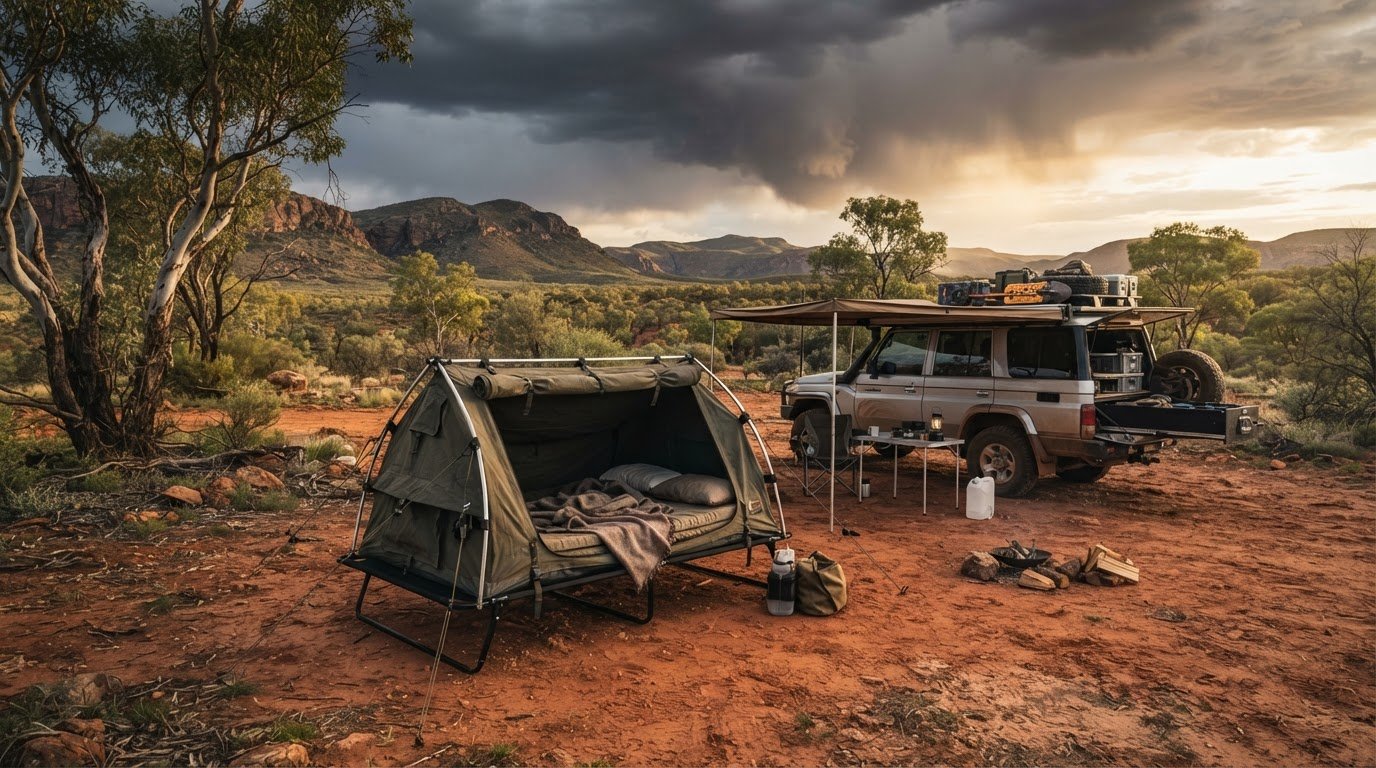
Choose shelter for the site you’re allowed to use, the conditions you’re likely to face and how you’ll get there. A ground tent is a flexible option that doesn’t depend on a vehicle, but it needs suitable ground and secure pitching. A rooftop tent keeps you off the ground and can suit vehicle-based trips, but it requires a compatible vehicle and limits where you can camp. Compare setup and vehicle requirements in this rooftop tent guide to see whether that option suits your trip.
Wind exposure matters. Follow the shelter’s recommended pitching method, secure it properly and choose a permitted site away from fragile dunes or other restricted areas. Site rules can also affect where you pitch and which structures are allowed. Check current information from the relevant park authority before planning a stay.
Which shelter setup suits your beach-camping trip?
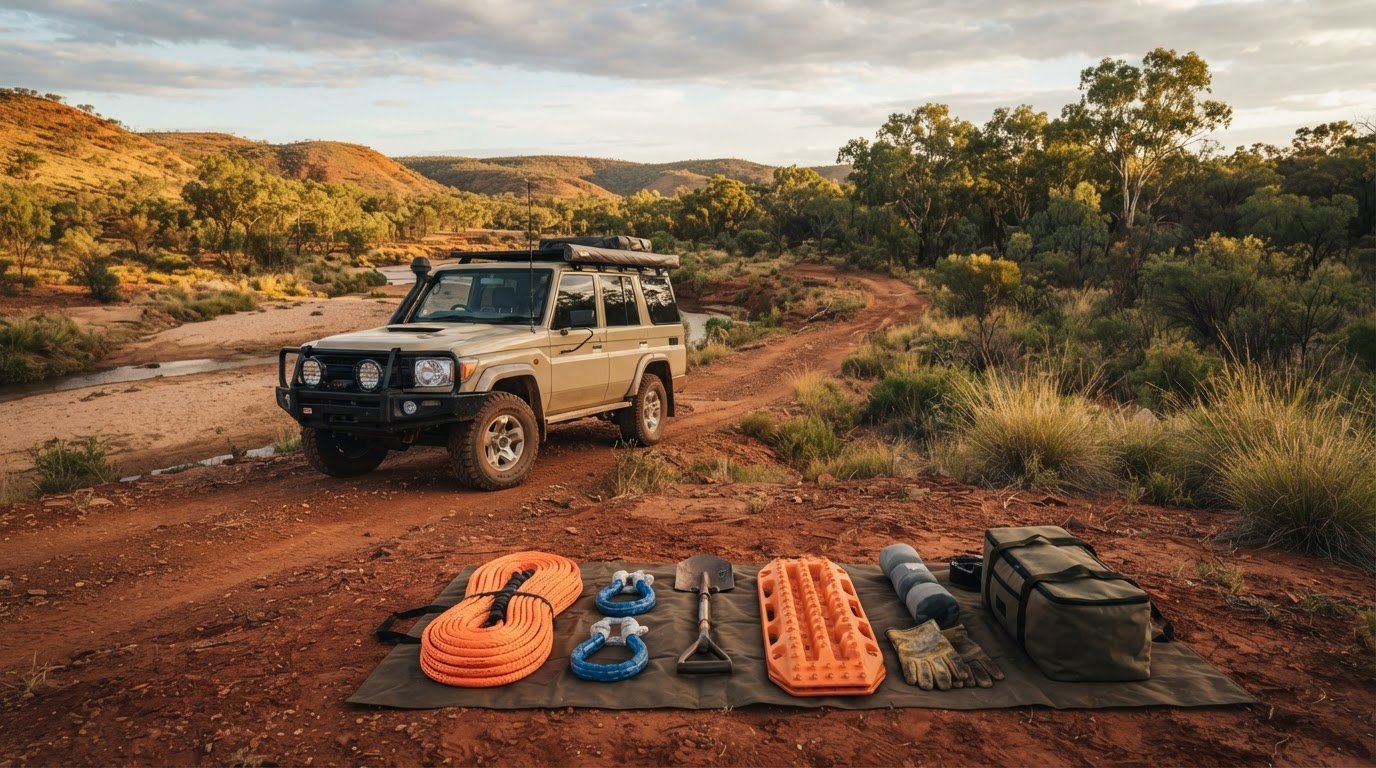
Think of an awning as shade, not an enclosed shelter. It won’t replace a tent when you need protection for sleeping or changing conditions. A 4WD awning can create a shaded area beside your vehicle, but its suitability depends on vehicle access, exposure and site rules. Check setup and care requirements before packing one, and don’t rely on shade gear as your only shelter.
How do you sleep comfortably and manage sun exposure?
Build your sleep system around the forecast and your comfort needs. Pack a sleeping bag or suitable bedding, a mat to separate you from the ground, and a pillow if it helps you rest. Consider whether your setup will remain comfortable if conditions turn cooler or damp overnight. Keep sleep gear protected from sand and moisture.
For daytime, plan more than a patch of shade. Pack a broad-brimmed hat, sun-protective clothing and sunscreen, and use a suitable shade structure where permitted. Australia’s sun-protective clothing standard is AS/NZS 4399:2020. For a beach shelter’s UPF rating, look for supporting test information from a NATA-accredited laboratory. Shade reduces direct exposure, but it doesn’t replace other sun-protection measures.
Salt, sand and moisture can be hard on equipment. Follow each item’s care instructions after your trip, and clean and dry gear as directed before storing it. Choosing durable equipment and caring for it helps you get more use from what you pack while reducing avoidable waste.
Cooking, water and beach-ready gear: what is worth packing?
Keep this part of your kit simple and matched to your campsite. A fully equipped campground may have facilities that make some cooking gear unnecessary, while a remote site can require you to bring everything, including drinking water. The best beach camping essentials australia list leaves room for what your trip genuinely needs, not duplicate equipment that adds bulk.
Your water and food plan should reflect the facilities available and how long you’ll be away. Check whether potable water is available, then plan what you’ll carry and how you’ll store it. Reusable bottles and tableware help reduce disposable waste. A secure rubbish container keeps scraps and packaging contained until you can dispose of them appropriately.
What cooking and food-storage essentials should you bring?
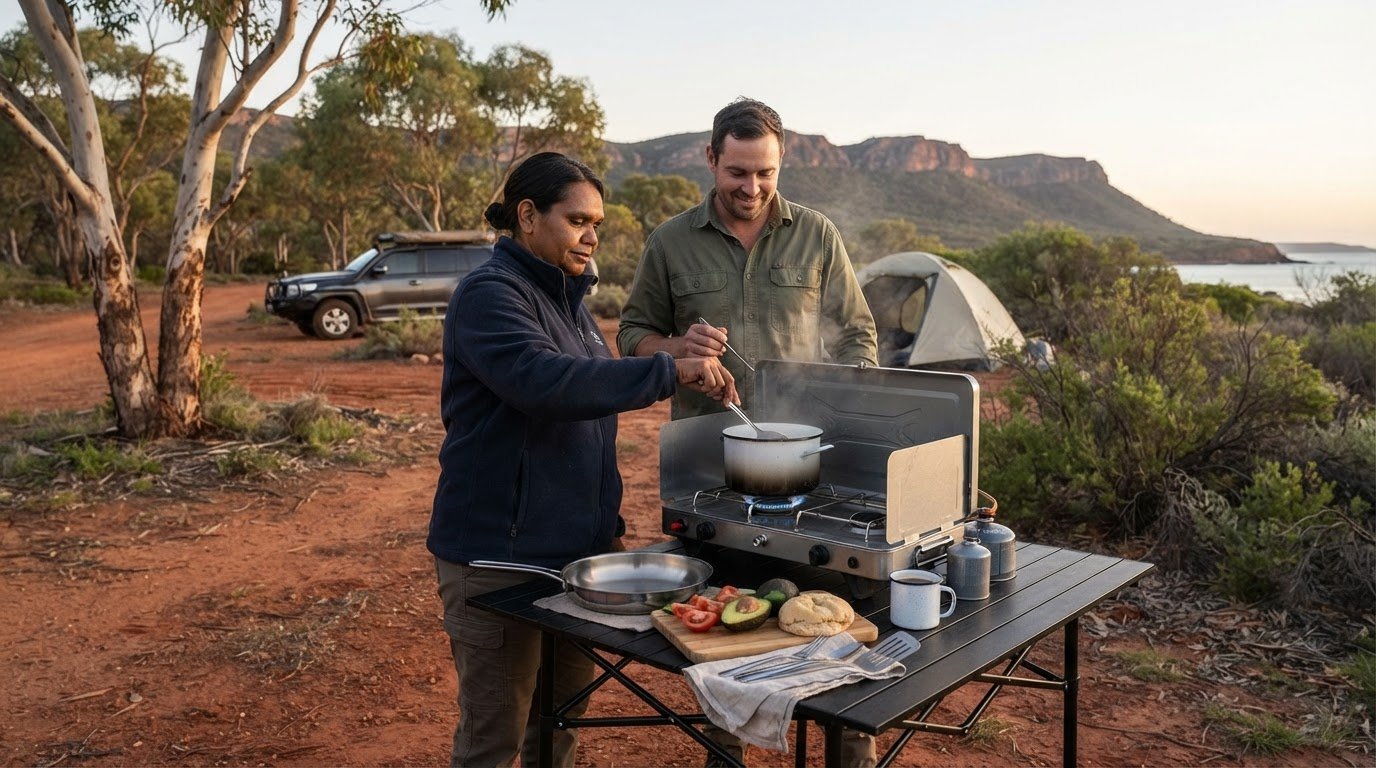
First, confirm which cooking methods and equipment the land manager permits. Fires or particular stoves may be restricted, so don’t assume you can cook the same way at every beach camp. If a portable stove suits the site, pack compatible fuel, cookware, utensils and cleaning items. If the campsite provides suitable cooking equipment, you may be able to leave some of your own at home.
Plan meals before packing. A short trip with simple meals may need only a compact cooking setup, while a longer stay calls for enough fuel and food-storage capacity for the group. Keep food and rubbish secured according to site guidance to avoid attracting wildlife. Bring the cookware and utensils you’ll use; spare sets for every contingency can take up valuable space.
Which small items help protect gear from sand and salt?
Small protective items can make camp easier to organise. Dry bags or sealed containers help separate clean clothing and protect electronics or important items from sand and moisture. Pack a brush for dry sand, a cloth for wiping surfaces, and a separate place for damp or sandy gear on the journey home.
- Protect: Store electronics and essentials in sealed containers or dry bags.
- Contain: Keep sandy or damp items apart from clean gear.
- Clean: Brush off grit, then follow each item’s manufacturer care instructions.
Salt residue and trapped moisture can affect equipment over time, so don’t put wet gear away for long-term storage. Clean and dry items as directed by the manufacturer. Care helps equipment stay useful, while keeping food and rubbish contained helps keep the coast cleaner for the next campers.
Beach-camping safety essentials and responsible coastal habits
A well-packed beach camping essentials australia kit should help you respond to changing conditions and leave the coast in good shape. Safety planning starts before departure: check official weather, fire, marine and campsite alerts, then keep checking them during your trip. Conditions and access can change, so don’t rely on an old forecast or assume a familiar site has the same rules each time.
What safety items belong in a beach-camping kit?
Carry a stocked first-aid kit and any personal medicines your group may need. Check the contents before leaving and make sure someone knows where the kit is packed. Add a charged phone and a reliable way to keep it powered, but don’t assume you’ll have mobile coverage everywhere. Look into communication options and emergency response arrangements that suit the site’s coverage, remoteness and vehicle access.
Before setting out, note relevant emergency contacts and share your itinerary with someone who isn’t travelling with you. Check official warnings and follow advice from local authorities or site staff. General packing guidance can’t account for every hazard, access restriction or emergency plan at a particular beach.
How can campers reduce their impact on coastal places?
Pack reusable items where practical, keep rubbish contained throughout the trip and take it with you if there’s no suitable disposal facility. Secure food and waste rather than leaving them exposed. Loose scraps and packaging can quickly become litter or attract wildlife.
Use marked access routes and camp only where the land manager permits. Coastal environments can include sensitive areas, and rules for camping, vehicle access, fires and wildlife vary by location. Confirm current requirements with the relevant authority instead of assuming a rule applies everywhere. If a track or area is closed, respect the restriction and choose an approved alternative.
- Before leaving: Check current alerts, site instructions and access conditions.
- At camp: Keep food and rubbish secure, and stay within permitted areas.
- Before departing: Collect all rubbish and check the site for anything left behind.
Responsible preparation also includes choosing gear you can manage safely, keeping essential items accessible and following care guidance so equipment stays useful. For more Australian camping ideas and equipment guidance, browse Adventurerz outdoor-adventure guides.
A practical Australian beach-camping packing checklist and final checks
Use this beach camping essentials australia checklist as a working template, not a fixed loadout. Remove anything your campsite provides, then add trip-specific gear after checking facilities, access and conditions. Scale food, water, clothing and other supplies to your group and the time you’ll be away.
How do you adapt the checklist to your trip?
Follow this pack-and-check sequence before departure. Add activity gear when it suits the forecast and site requirements, and check current access information again just before you leave.
- 1. Shelter: Pack your chosen tent or shelter, pegs and any setup tools you need.
- 2. Sleep: Add bedding, sleeping mats and pillows suited to your comfort and expected conditions.
- 3. Cooking: Bring permitted cooking equipment, fuel if needed, cookware, utensils and cleaning items. Pack food and drinking water based on trip length and available facilities.
- 4. Clothing: Include a hat, sun-protective clothing, sunscreen and layers suited to the forecast.
- 5. Safety: Check your first-aid kit and personal medicines, charge communication devices, and note relevant emergency contacts.
- 6. Clean-up: Pack reusable tableware, rubbish bags and containers to keep food and waste secure.
Compare the list with what’s provided onsite. Avoid duplicating cookware or other equipment if the campsite supplies it, but confirm with the land manager rather than assuming a facility is available. Adjust quantities for the number of campers and nights away, and account for limited access to potable water. Check the forecast, alerts, permits and access conditions again before setting out.
What should you do before leaving the campsite?
Do a final sweep of your camp area. Collect rubbish, check for forgotten belongings and leave the site without disturbing the surrounding area. Before storing equipment, remove sand and clean and dry items as appropriate, following the manufacturer’s care instructions. That small reset helps protect your gear and makes the next trip easier to prepare for.
For camping information and gear recommendations, Adventurerz also offers outdoor gear guides.
Pack thoughtfully, then enjoy the coast
The best beach camping essentials australia checklist starts with your campsite, access, facilities and forecast. Choose shelter and bedding to suit the conditions, then tailor food, water and cooking gear to the length of your stay and what’s available onsite. A final check of alerts, permits and local instructions helps you head out prepared.
Keep your kit useful, not excessive. Protect gear from sand and salt, pack out rubbish, and leave your campsite clean for the next visitors. Considered choices can make camp more comfortable while helping you care for the coastal places you’ve come to enjoy.
Adventurerz shares Australian-focused outdoor gear reviews and recommendations, alongside ideas for responsible adventures. Explore Adventurerz camping and outdoor gear guides to research options for your next trip.
Frequently Asked Questions
What are the essential items for beach camping in Australia?
Start with shelter, bedding, drinking water, food, suitable cooking gear, weather-appropriate clothing, sun protection, a first-aid kit and rubbish bags. A useful beach camping essentials australia kit also includes a charged communication device and containers to protect important belongings from sand and moisture. Check what your campsite provides, then adjust quantities for your group, trip length, access to potable water and expected conditions.
Is beach camping safe in Australia?
Preparation can help you manage risks, but coastal conditions and hazards vary by location. Check official weather, fire, marine and campsite alerts before travelling and during your stay. Pack a stocked first-aid kit, personal medicines and charged communication devices, and plan for limited phone coverage where relevant. Follow local safety advice, stay within permitted camping areas and don’t treat a general checklist as a substitute for site-specific guidance.
Can you camp directly on an Australian beach?
Only camp on a beach where the relevant land manager or authority permits it. Rules vary between locations, and restrictions may cover camping areas, vehicle access, fires, bookings or permits. Don’t assume an open stretch of sand is an approved campsite. Before you go, check current information with the park authority, council or other land manager, including closures and access conditions, and follow signs and site instructions once you arrive.
What should I pack to protect camping gear from sand and salt?
Use dry bags or sealed containers to keep clothing, electronics and important items away from sand and moisture. A small brush and cloth are useful for removing grit and wiping equipment, while a separate bag or container can hold damp or sandy gear. After the trip, clean and dry items as directed by their manufacturers before storing them. Avoid putting wet equipment away for long periods, as moisture and salt residue can damage gear.
Do I need a special tent for beach camping?
Not necessarily. Choose a tent suitable for the conditions and permitted at your campsite, then follow its setup instructions and secure it appropriately for exposure. A ground tent doesn’t depend on a vehicle, while a rooftop tent requires a suitable vehicle setup. Awnings provide shade but aren’t enclosed sleeping shelters. Check site rules before choosing where to pitch, and consider wind exposure, the ground surface and the shelter’s care requirements.
How do I check tides and weather before a beach-camping trip?
Check the Bureau of Meteorology forecast and warnings close to departure, then monitor updates as your trip approaches and while travelling. Use reliable tide information for the specific coast and date, especially if tides affect beach access, your route or planned activities. Confirm campsite access, closures and local alerts with the land manager as well. Conditions can change, so reassess your plans if updated forecasts or site advice indicate a risk.
What food and water should I bring for beach camping?
Bring enough drinking water for your group and trip, based on whether potable water is available at the campsite. Plan simple meals around permitted cooking methods and the facilities provided, and carry only the cookware and fuel you need. Store food securely to help prevent wildlife access, and keep rubbish contained until it can be disposed of properly. Reusable bottles and tableware can also help reduce single-use waste during your stay.