You can have the most expensive cookware in the world, but if your burner cuts out the moment a coastal gust hits your site, you are just eating cold beans in the dark. We have all been there, shielding a flickering flame with our hands while the wind howls across a remote ridge. Finding the best camping stove australia offers isn’t just about boiling water in sixty seconds. It’s about choosing a tool that handles our unique conditions, respects our environment, and keeps the coffee flowing when the temperature drops.
We know the confusion surrounding the mandatory LCC27 gas fittings and the stress of trying to simmer a delicate sauce on a burner that only has two settings: “off” and “blowtorch.” This field guide simplifies your search by focusing on what actually matters when you are off the grid. We will show you how to navigate strict Total Fire Ban regulations while camping remotely and compare the latest stoves for fuel efficiency and wind resistance. Whether you are a solo hiker or a family touring the bush, we are here to ensure your outdoor kitchen is as reliable as your sense of adventure.
Key Takeaways
- Learn why integrated wind protection is more critical than raw burner power for reliable cooking in unpredictable Australian weather.
- We break down the differences between LPG and butane to help you find the best camping stove australia for your next remote trek.
- Stay ahead of the latest LCC27 gas safety mandates and fire ban rules to ensure your camp stays compliant and safe.
- Discover how to balance burner performance with vehicle storage space to create a highly efficient mobile kitchen setup.
- Find out how to organize a bush kitchen that follows Leave No Trace principles while making outdoor gourmet cooking effortless.
Table of Contents
- What Makes the Best Camping Stove for Australian Conditions?
- Comparing Camp Stove Fuel Types: LPG, Butane, and Canister Gas
- The Best Camping Stove Styles for Australian Outdoor Cooking
- Australian Gas Regulations, LCC27 Fittings, and Fire Bans
- Setting Up an Efficient and Sustainable Bush Camp Kitchen
What Makes the Best Camping Stove for Australian Conditions?
We’ve all seen lab results that claim a stove boils water in three minutes, but those tests don’t happen on a gusty coastal beach or a dusty outback ridge. The best camping stove australia needs to offer more than just raw power; it requires the stamina to survive corrugated tracks and the engineering to keep a flame alive when the wind picks up. A quality portable stove must withstand constant dust ingress and sustained remote use while remaining fuel-efficient enough for long-range touring. Thermal efficiency in the Australian open air is the ratio of heat actually transferred to the cookware versus the total energy consumed, heavily influenced by ambient wind speed and vessel conductivity.
To better understand how these designs perform in the field, check out this comparative review:
Heat Output Versus Fuel Consumption: Demystifying BTUs
High BTU (British Thermal Unit) ratings look impressive on a box, but they can be misleading. If a burner puts out 15,000 BTUs but lacks a windscreen, you’ll burn through a 220g butane canister in under 90 minutes without even reaching a rolling boil. We look for stoves that balance high output with precision simmer control. Being able to drop the flame to a low flicker is what separates a gourmet bush meal from a scorched pot. For a typical three-day remote trip, we calculate roughly 150g to 200g of gas per person for three meals a day, assuming moderate wind protection.
Wind Resistance and Physical Burner Architecture
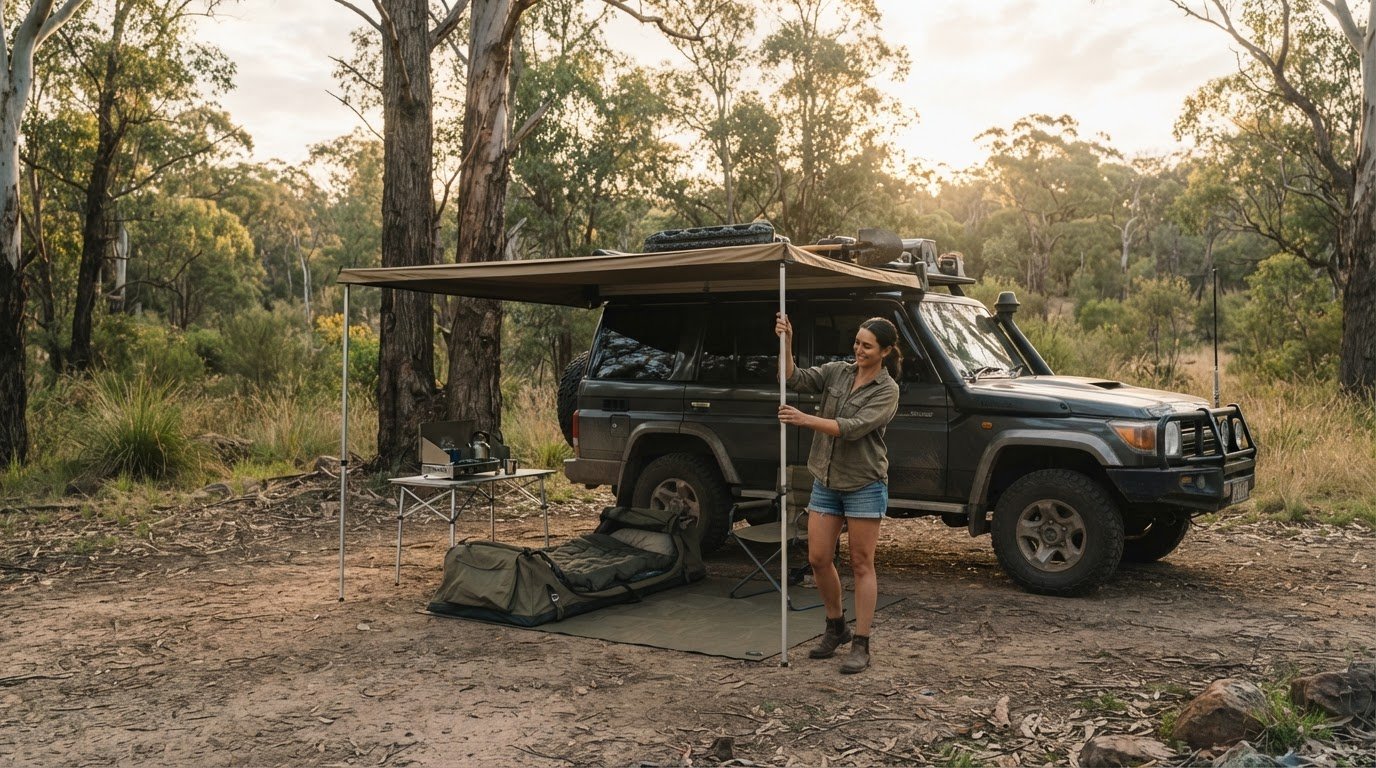
Wind is the ultimate fuel thief. We’ve found that recessed burner heads and raised wind rings perform significantly better than flat-top designs. While a three-sided lid shield provides a decent baseline, standalone wraparound aluminium baffles offer superior protection in crosswinds. Research shows that even a moderate breeze can double your boiling time, which drains your fuel reserves twice as fast. If you’re pairing your setup with one of our recommended best 4wd awnings, you’ll have a much easier time managing the elements and keeping your stove efficient.
Build Materials and Outback Durability
Durability isn’t just about weight; it’s about material choice. Pressed steel bodies are light but can warp under the heat of a heavy cast iron camp oven. We prefer powder-coated steel or, ideally, marine-grade stainless steel for longevity. Look closely at the internals; brass valve stems and control knobs are far more resistant to the fine bulldust found on outback tracks compared to plastic alternatives. Cast iron trivets provide the best stability for heavy cookware, ensuring your dinner doesn’t end up in the dirt if the camp table gets a bump.
Comparing Camp Stove Fuel Types: LPG, Butane, and Canister Gas
We often focus on burner output, but your fuel choice dictates your range, reliability, and total kit weight. Selecting the right system impacts your operating costs and determines whether you can find a refill at a remote roadhouse or a tiny general store. The best camping stove australia explorers use is one that matches the specific climate and duration of their trip. We’ve found that what works for a weekend coastal getaway often fails during a month-long trek through the Red Centre.
Refillable LPG Bottles: Companion and POL Standards
For long-haul touring, refillable LPG is the undisputed champion of economy. A 4.5kg bottle is the classic choice for family camps, but many of us prefer the compact 2kg Companion-style cylinders with a 3/8-inch BSP thread to save precious cargo space. Since October 2021, all new cylinders must feature the LCC27 valve. Following Australian gas safety regulations is vital here; older POL connectors still work on new valves, but you cannot use an adaptor to connect a new LCC27 appliance to an old POL cylinder. Because one volume of liquid LPG expands to 270 times its volume as a gas, we always secure bottles in external vehicle mounts to ensure any leaks dissipate safely.
Portable Butane Cartridges and Bayonet Systems
Aerosol-style butane cartridges are the most affordable entry point for casual campers. These lunchbox-style cookers are incredibly simple to use for a quick roadside coffee. However, straight butane has a major weakness: it hates the cold. As the liquid turns to gas, it cools the canister; on a frosty morning, the pressure can drop so sharply that your flame barely flickers. A standard 220g canister typically lasts between 1.5 and 3 hours depending on your heat settings. Always ensure your stove carries the AGA certification, which guarantees it includes a mandatory safety release mechanism to prevent canister overpressure if things get too hot.
Backpacking Screw-On Isobutane Canisters
When we’re heading into the backcountry, every gram counts. Screw-top isobutane canisters use a Lindal valve and a propane blend that performs significantly better in near-freezing temperatures than standard butane. These systems offer unmatched weight savings for hikers, though pot stability can be a challenge on tiny micro-burners. We recommend using a canister stand or a remote-canister stove for better balance on uneven ground. To stay true to our environmental ethics, we always use a venting tool to safely puncture empty canisters before placing them in recycling bins. If you’re looking to upgrade your entire remote living setup, take a look at our independent reviews of the best roof top tents for your next adventure.
The Best Camping Stove Styles for Australian Outdoor Cooking
We’ve spent years testing gear across the continent to understand that the best camping stove australia provides is entirely dependent on how you travel. A solo trekker needs speed and minimalist weight, while a touring family needs the stability to hold a heavy cast iron pan. We suggest matching your stove style to your vehicle’s storage capacity and your typical group size. Before you head out, cross-reference your kitchen layout with our ultimate adventure travel planner to ensure every piece of gear has its place.
Dual-Burner Tabletop Stoves for Touring Setups
These folding units are the backbone of the Australian touring scene. We look for wide-chassis cookers that can comfortably accommodate a 25cm frypan and a large pot simultaneously without crowding the burners. While built-in piezo igniters offer convenience, we always pack a manual striker for those cold, damp mornings when electronics fail. Look for deep, removable drip trays; they make the difference between a five-minute cleanup and a greasy mess that attracts unwanted wildlife to your campsite. If you’ve already sorted your sleeping arrangements with one of the best roof top tents, your next step is ensuring your kitchen style matches your touring pace.
Heavy-Duty Freestanding Gas Burners and Boiling Rings
When we’re hosting a large basecamp, we reach for heavy-duty cast iron burners. These high-output rings excel at managing massive stockpots or large woks that would crush a standard tabletop unit. They typically operate on high-pressure gas, so you’ll need a dedicated adjustable regulator to manage the flow safely. While they take up more room in the back of the 4WD, their sheer cooking volume is unmatched for community-style bush meals. Just remember that even these powerful units must comply with local Total Fire Ban rules during the dry season.
Ultralight Canister and Liquid Fuel Stoves for Hikers
For those of us moving under our own power, integrated heat exchanger pot systems are a game changer. They trap heat and maximise fuel efficiency, which is vital when you’re carrying every gram of gas on your back. If your mission takes you deep into remote areas where canister gas is impossible to find, a multi-fuel expedition stove running on shellite or unleaded petrol is your most reliable bet. We always pack our cooking gear into the centre of our rucksacks, surrounded by soft clothing, to protect the delicate burner valves from impacts on the trail.
Australian Gas Regulations, LCC27 Fittings, and Fire Bans
We often talk about burner power, but staying safe and legal is what keeps our favorite tracks open. Choosing the best camping stove australia has to offer means picking a unit that meets strict Australian Gas Association (AGA) standards. We’ve seen a massive shift in how we connect our gear recently, and understanding these changes is vital for every modern tourer. It’s about protecting the environments we love while keeping our camps secure. When we follow these protocols, we ensure that accidental ignitions, which account for approximately 35% of fires across the country, don’t start at our doorstep.
Understanding the LCC27 Gas Fitting Transition
The national transition to LCC27 fittings is the biggest safety upgrade for campers in decades. As of October 1, 2021, all new portable LPG cylinders must feature this valve, which includes an internal thermal shut-off to prevent catastrophic leaks in a fire. We love that LCC27 cylinder valves are backwards compatible with your existing POL appliances, meaning your old gear isn’t obsolete. However, since April 1, 2022, new appliances come with the LCC27 connector and will not fit old POL bottles. We must stress that using adapters to force a new LCC27 appliance onto an old POL cylinder is strictly prohibited and dangerous, as it bypasses critical safety features.
Cooking Responsibly During Declared Total Fire Bans
Total Fire Bans (TFB) don’t always mean a cold dinner, but the rules are strict. In most jurisdictions, you can still use a gas stove for meal prep if you follow specific safety mandates. We always maintain a clear four-metre radius of flammable material around our cookers; this includes clearing dry grass, leaves, and twigs. Packing compact cutting gear from bakyard.com.au makes it easy to clear deadwood and maintain a safe buffer zone around your setup. You must have an immediate and continuous supply of water on hand, such as a dedicated 10-litre bucket or a connected hose. An adult must remain in control of the burner at all times. Rules vary between states, so we recommend checking local fire authority sites before you strike a light.
Field Safety Protocols and Gas Leak Testing
Before we light up, we perform a simple soapy water leak check on every threaded connection. If you see bubbles forming around the regulator or hose fitting, shut the gas off immediately; it’s a sign of a loose seal or a perished O-ring. We never operate gas stoves inside enclosed touring swags or tents due to the extreme risk of carbon monoxide poisoning. If you are cooking beneath one of our recommended best 4wd awnings, ensure you have plenty of cross-ventilation to prevent gas buildup. Stay informed on the latest bush safety standards by visiting our comprehensive remote touring guides for your next expedition.
Setting Up an Efficient and Sustainable Bush Camp Kitchen
We believe a well-ordered kitchen is the heartbeat of a great camp. It’s not just about having the best camping stove australia can provide; it’s about how you integrate that tool into your daily touring rhythm. An organized setup reduces prep time and prevents the kind of campsite accidents that end trips early. By pairing your cooking station with durable 4WD awnings, you gain complete weather protection, ensuring a sudden downpour doesn’t mean a cold dinner. We often design our vehicle layouts to connect tailgate stoves with roof top tents, creating a streamlined flow between sleeping and eating zones that makes remote travel feel effortless.
Campsite Ergonomics and Wind Shielding Strategies
We always position our cooking station downwind of sleeping zones and vehicle access points. This prevents cooking smells from lingering in your bedding and keeps exhaust gases from entering the vehicle. Securing a stable, level surface is non-negotiable; a slight tilt can lead to dangerous spills of boiling water or hot oil. While we use vehicle panels as natural windbreaks, we make sure there’s enough clearance to avoid trapping heat or carbon monoxide. A well-placed shield not only saves fuel but keeps your flame consistent for better simmer control, which we’ve found is essential for gourmet bush meals—such as pan-searing fresh catches by the river. For anglers who combine camping with fishing, using fishingstat.com to log catches and gear can help track patterns across different remote waterways.
Eco-Friendly Cookware Care and Grease Management
Responsible exploration means leaving the bush exactly as we found it. We never dump cooking grease into campfires or onto the ground, as this attracts wildlife and disrupts local ecosystems. Instead, we collect oils in sealed containers to pack out. When it’s time to wash up, we scrape every bit of food residue into the bin before using biodegradable camp wash. We always perform our cleaning at least 50 metres away from waterways to protect fragile aquatic life. Keeping food scraps secured in airtight vehicle storage ensures that curious dingoes or possums don’t become dependent on human food scraps.
Stove Maintenance and Jet Cleaning in the Bush
Even the most rugged gear needs a little love after a week on the tracks. Fine outback dust or small spiders often find their way into brass burner jets, causing a weak or yellow flame. We carry a small wire tool to clear these blockages and restore full power. Routine inspections of rubber O-rings, hoses, and brass threads help us spot cracking or wear before a leak occurs. To protect control spindles and delicate valves from the constant vibration of corrugations, we always store our stoves in padded transit bags. This simple step ensures your gear is ready to perform the moment you pull into camp.
Master Your Bush Kitchen and Hit the Tracks
We’ve shown you why wind resistance and fuel compliance are non-negotiable for the Australian outback. From navigating the LCC27 fitting transition to mastering the ergonomics of a sustainable camp, your choice in gear defines your touring experience. We’ve spent years testing these units against real remote Australian corrugated tracks and coastal winds to ensure they don’t let you down. Our evaluations remain completely independent, prioritizing your safety and durability above all else. Selecting the best camping stove australia requires a balance of raw power and field-proven reliability. We’re committed to self-reliance and ethical Leave No Trace camping, ensuring our wild places stay pristine for every explorer who follows. Are you ready to refine your remote setup? Join our Adventurerz community and explore our field-tested gear guides to stay prepared for your next escape. We’ll see you out there on the ridge!
Frequently Asked Questions
Can I legally use a gas camping stove during a Total Fire Ban in Australia?
You can use a gas cooker during a Total Fire Ban if you meet specific state requirements. In Victoria, your stove must be commercially manufactured and placed in a stable position with a three-metre clearance of flammable material. You also need an adult present and at least 10 litres of water nearby. In New South Wales, rules are stricter, often requiring you to be within 20 metres of a permanent dwelling.
What is the main difference between new LCC27 gas fittings and older POL fittings?
The LCC27 fitting is the new national standard designed to improve connection safety. Unlike the older POL valves, LCC27 valves feature an internal thermal shut-off that prevents gas flow if a fire occurs. While you can use your old POL appliances on new LCC27 cylinders, new appliances with LCC27 connectors won’t fit older POL bottles. This makes it easier to find the best camping stove australia for safe touring.
Why do portable butane canister stoves perform poorly in cold morning weather?
Butane remains liquid at temperatures near zero degrees Celsius. When you use the stove, the canister cools down as the liquid turns to gas. On a cold morning, the lack of ambient heat prevents the fuel from vaporizing effectively, causing the pressure to drop and the flame to flicker. We recommend keeping canisters inside your vehicle overnight to maintain a functional temperature for a reliable breakfast at camp.
How much gas does a standard two-burner camping stove use per hour?
Fuel consumption depends on your burner’s heat output and the wind conditions at your site. A standard 220g butane canister typically provides between 1.5 and 3 hours of burn time. For larger two-burner LPG stoves, you might use roughly 150g to 200g of gas per person for a full day of meals. Choosing the best camping stove australia for fuel efficiency helps extend your remote stays without frequent refills.
Is an integrated piezo ignition reliable on remote Australian 4WD trips?
Piezo igniters are handy but often struggle with the fine bulldust and heavy vibrations found on remote tracks. These mechanical components can easily jam or lose their spark after a few days of corrugated travel. We always treat them as a secondary option. Carrying a dependable manual striker or a waterproof match kit ensures you aren’t left hungry when the electronics fail in the middle of the bush.
What happens if I use an uncertified gas stove or adapter in Australia?
Using uncertified gear or prohibited adapters is a significant safety risk that can lead to gas leaks or fires. The use of adapters to connect new LCC27 appliances to old POL cylinders is strictly prohibited because it prevents safety features from functioning. All gas appliances sold in Australia must be approved by a recognized body to ensure they meet mandatory safety release standards, protecting both you and the environment.
Can I safely cook with a camping stove inside a vehicle awning or annex?
You should only cook under an awning or in an annex if there is significant cross-ventilation to prevent carbon monoxide buildup. Never operate a stove inside a fully enclosed tent or swag, as this creates a lethal environment very quickly. We suggest setting up your kitchen at the edge of your awning to allow gases to dissipate while still providing protection from the rain, keeping your camp kitchen safe.