What if a breakdown costs more than the repair itself? On an Australian road trip, a vehicle problem can also mean recovery, an extra night’s accommodation or a change to your onward plans. It’s understandable that working out how to budget for unexpected vehicle repairs on the road feels difficult when both the fault and the final bill are unknown.
A practical plan can make decisions calmer. This guide explains how to set a repair reserve based on your vehicle, its condition and your trip, then prepare a backup plan for costs your savings may not cover. It also covers what to check with roadside assistance and insurance providers before you leave, since limits, exclusions and benefits vary between policies.
You’ll find steps for building your reserve, preparing your vehicle and responding if something goes wrong, from reaching a safe stopping place to weighing up repair options. Preparation can help you travel more confidently and make responsible choices when plans change.
How to budget for unexpected vehicle repairs on the road
Key Takeaways
- Set a repair reserve by weighing your vehicle’s condition, route, existing cover and personal finances.
- Factor in more than the repair bill. Remote travel can bring recovery costs, accommodation needs and changes to onward plans.
- Understand the different roles of savings, roadside assistance and insurance, then check provider limits and exclusions before departure.
- Use a calm breakdown plan that puts safety first, confirms available assistance and options, and separates urgent work from decisions you can consider carefully.
- Bring vehicle readiness and financial preparation together with a pre-trip checklist, including a qualified inspection if you have concerns about your vehicle.
Table of Contents
- Why budget for unexpected vehicle repairs before an Australian road trip?
- How to estimate a vehicle repair reserve without guessing
- Roadside assistance, insurance, or savings: what covers what?
- What to do when a breakdown threatens your road-trip budget
- Prepare your vehicle and budget before heading out
Why budget for unexpected vehicle repairs before an Australian road trip?
A repair budget is more than money set aside for a mechanic. It combines accessible funds with practical backup arrangements, helping you manage an unplanned vehicle problem without letting it dictate every decision on the trip. Planning matters especially when your itinerary includes long distances between services, because a fault may also affect where you stay and how you continue travelling.
A road-trip repair contingency budget is money and practical backup arrangements reserved for unexpected vehicle faults and the travel disruption they may cause. There’s no universal amount that suits every traveller. The right plan depends on your vehicle, route, existing cover and what you can reasonably set aside.
For a basic overview of how Roadside assistance works, see this reference. It’s one possible part of a wider plan, not a substitute for checking what your provider will actually cover.
For another perspective on preparing for an unexpected repair, watch:
What counts as an unexpected vehicle repair on the road?
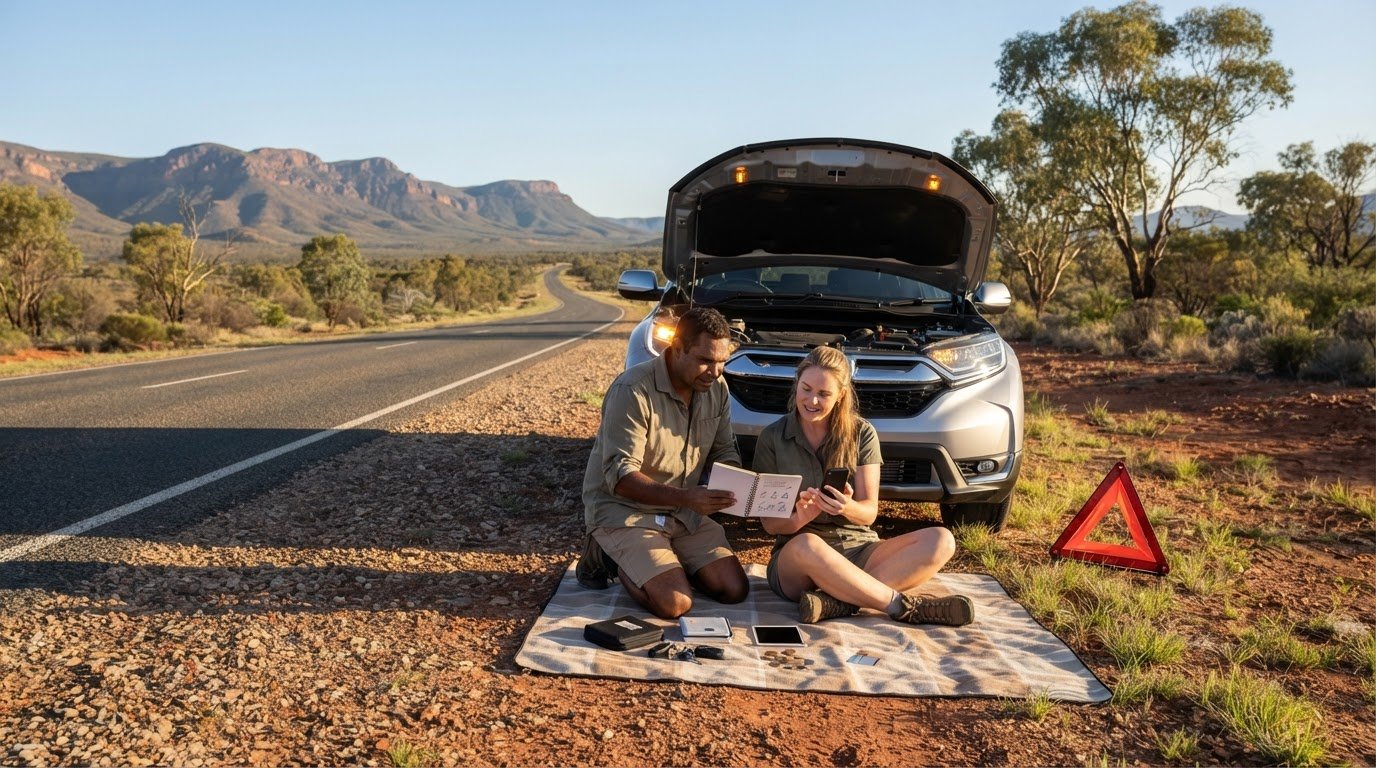
A dashboard warning light, a puncture or an unexpected mechanical fault can interrupt a drive. The repair is only one possible expense. Depending on the situation and your cover, you may also need to budget for towing or recovery, somewhere to stay while the vehicle is assessed, or onward transport if you can’t continue in it.
These are possibilities, not a forecast of what your trip will cost. Likely needs depend on the vehicle, the fault, your route and the options available nearby.
Why can remote travel change the financial risk?
Being farther from repair services can make recovery and arranging repairs more involved. A delay may also affect accommodation bookings or the next leg of your journey. Before setting out, check what repair services and assistance options are accessible along your intended route. Consider how you’d adjust your plans if the vehicle needed attention.
Keep planned maintenance and wear separate from your unexpected-repair reserve. Servicing, tyres and components that are due for attention are predictable trip-preparation costs; a new fault is not. Address known concerns before departure, then use your contingency plan to support calm, responsible choices if something unexpected happens.
How to estimate a vehicle repair reserve without guessing
There’s no single reserve that fits every vehicle or Australian itinerary. Build a useful estimate by checking what your car may need, what the journey could demand and what backup you already have. Your repair reserve should reflect your vehicle’s condition and your journey’s logistics, not a one-size-fits-all figure.
Use this sequence to make a grounded estimate:
- Review vehicle condition: Check recent service records for overdue work, recurring faults or parts a mechanic has flagged for attention. If warning lights, unusual noises or gaps in service history concern you, ask a qualified mechanic to inspect the vehicle before departure.
- Map the itinerary: Consider trip length, driving distance, road conditions and how far you may be from repair services. Think about passenger needs and whether you could pause, reroute or delay travel if a repair takes time.
- Check existing cover: Note what your roadside assistance or insurance may contribute, and identify any limits or exclusions. Confirm the details directly with each provider rather than relying on cover you haven’t verified.
- Choose a realistic savings amount: Review your available savings and regular expenses to decide what you can set aside without compromising essential costs.
Which factors should shape your repair budget?
Vehicle age can be one clue, but it doesn’t tell the whole story. Maintenance history, known issues and how the vehicle is loaded or used also matter. A longer trip, passengers who need accessible onward transport, or limited flexibility to change plans may call for a stronger backup plan than a short journey close to services.
For possible repairs, seek current quotes relevant to your vehicle and intended route rather than relying on unverified averages. A pre-trip inspection can help distinguish known maintenance needs from faults you can’t predict. The pre-trip vehicle maintenance checklist is another useful reference as you assess readiness.
How can you build the reserve into your finances?
If it suits your circumstances, keep repair savings in a separate, accessible category so they’re easy to identify when planning a trip. Build the balance gradually, then review it before each major journey as your vehicle’s condition, itinerary or cover changes. There’s no need to force a target that makes everyday finances harder to manage.
Credit may be one option in some situations, but relying on it as your only contingency can leave you with fewer choices if a repair and travel disruption happen together. Pair a realistic savings plan with verified assistance, vehicle checks and a flexible itinerary. That’s a more resilient approach to planning for unexpected repair costs on the road.
Roadside assistance, insurance, or savings: what covers what?
These three safeguards serve different purposes. Savings give you money to use where needed; roadside assistance may provide specific support if your vehicle becomes disabled; insurance responds to events and losses described in your policy. None automatically pays every repair or travel cost, so treat each as a possible layer of support, not a guarantee.
As you work out how to budget for unexpected vehicle repairs on the road, compare the details rather than relying on a policy name or general description. Ask providers to confirm current terms for your vehicle and planned journey. The Australian Government’s car ownership costs guide can also help you consider routine motoring expenses separately from an emergency reserve.
| Option | Purpose | Questions to ask | Potential gaps |
|---|---|---|---|
| Savings | Flexible funds for expenses you need to manage yourself. | How much can I access quickly without disrupting essential spending? | Your balance may not cover every repair or added travel cost. |
| Roadside assistance | Defined services for eligible breakdown situations. | Which vehicles, locations, call-outs and towing distances are included? | Limits, exclusions or service availability may leave costs to you. |
| Vehicle insurance | Cover for specified insured events under the policy. | What excess applies? Do I need approval before arranging repairs? | A mechanical fault or alternative transport may not be covered. |
What should you check in roadside-assistance terms?
Read the current terms for eligible vehicles, service area, call-out conditions, towing limits and exclusions. Check whether the plan applies to the exact vehicle you’ll take and the route you intend to travel. Ask what happens if the nearest suitable repairer is beyond a stated towing limit, or if you need help more than once. Provider rules and service availability differ, so confirm before departure rather than assuming assistance will be available everywhere.
How is insurance different from roadside assistance?
Insurance applies to specified insured events and is subject to policy conditions. Roadside assistance is a separate service with its own eligibility and limits. Check your policy wording for exclusions, the excess, repair authorisation steps and any alternative-transport or accommodation provisions. Don’t approve work expecting reimbursement until you’ve checked what your insurer requires.
Insurance types also differ. In Australia, Compulsory Third Party (CTP) cover relates to injuries to people in an accident, not repairs to your vehicle. Check your policy and provider for the cover relevant to your situation. If a repair dispute raises questions about consumer rights, verify current Australian Consumer Law and state or territory details with an authoritative source before relying on a legal interpretation.
What to do when a breakdown threatens your road-trip budget
A breakdown can make every decision feel urgent. Where you can, slow the process down: prioritise safety, contact the right assistance provider, understand your options, then approve work. A repair plan is useful, but it never takes priority over getting people out of danger.
What should you do first if your vehicle breaks down?
Move to a safe place if possible and follow official road-safety guidance for your circumstances. If anyone is in immediate danger, contact emergency services. Don’t attempt mechanical repairs unless you’re confident they’re safe and within your skills.
Once it’s safe, contact your roadside-assistance provider or the appropriate service. Give accurate details about the vehicle, its location, what has happened and any warning signs. Ask what help may be available and what costs or limits could apply before relying on a particular service.
How can you keep repair decisions clear under pressure?
Before agreeing to non-urgent work, ask the repairer for a written diagnosis and itemised quote. Ask which work is needed to make the vehicle safe, what can reasonably wait, and whether delaying it could create further risk. Confirm who must authorise repairs and what your insurer or assistance provider requires. Don’t assume a call or claim means a repair has been approved.
Keep a simple record as you go. Note the time and details of provider calls, names or reference numbers where available, quotes, approvals, policy information and receipts. Track repair expenses separately from extra travel costs, such as accommodation or onward transport. Check whether your policy or assistance plan may contribute before committing to those expenses.
Use this quick backup checklist:
- Confirm how you and your passengers could continue the journey if the vehicle can’t be driven.
- Check accommodation options if a repair delay means you can’t reach your planned stop.
- Tell travel companions what has happened, what decisions are pending and how you’ll stay in touch.
- Keep receipts and records for extra transport or lodging, even if you’re not sure whether they’ll be covered.
Separate immediate safety needs from choices you have time to assess. That’s how to put your repair budget into practice: understand what you’re agreeing to, document the costs and use your backup plan if the trip needs to change.
For more ideas to plan a considered Australian adventure, explore Australian travel inspiration.
Prepare your vehicle and budget before heading out
A solid pre-departure check brings your vehicle, finances and route plan together. That’s the practical side of budgeting for unexpected repairs on the road: reduce avoidable risks, know what support you can access and decide how you’ll respond if plans change. Preparation isn’t about buying more gear or expecting trouble. It’s about setting out with a clear, responsible plan.
What belongs on a pre-departure vehicle and finance checklist?
Work through these checks before a major trip, and get a qualified inspection if the vehicle’s condition, warning lights or service history raise concerns. Follow the vehicle manufacturer’s guidance for vehicle-specific requirements.
- Review service records and address overdue maintenance or known concerns.
- Check tyre condition and pressure, and confirm the spare wheel and required changing equipment are ready for use.
- Investigate warning lights or unusual changes in how the vehicle runs. Don’t assume they’ll resolve themselves on the road.
- Save roadside-assistance and insurance contacts, policy details and essential vehicle documents somewhere you can access them if your phone or connection is limited.
- Confirm your repair reserve is available and suits the vehicle, itinerary and practical options if travel is delayed.
A checklist can help make the inspection systematic. This vehicle maintenance checklist offers another reference for getting ready to drive.
How can you make a backup plan that fits your trip?
Consider what you’d do if a repair delayed departure or changed your route. Identify how you’ll contact assistance, where you could stay if needed and what onward transport might be realistic. Save important numbers and details offline, and make sure travel companions know how you’ll share updates and handle decisions about unexpected expenses.
Keep the plan flexible. A short delay may call for adjusting the day’s driving, while a longer repair could mean changing accommodation or arranging another way to continue. The right response depends on the fault, available services, provider terms and your group’s needs, so avoid relying on one assumed solution.
Responsible travel starts with understanding both the vehicle and the journey ahead. Adventurerz shares Australian adventure inspiration alongside reviews and recommendations for outdoor gear, including rooftop tents and 4WD awnings. Explore remote-travel and adventure planning resources as you prepare for your trip.
Set out with a plan you can rely on
A resilient road-trip budget brings together three things: a reserve shaped by your vehicle and itinerary, assistance and insurance terms you’ve checked directly with providers, and a clear response plan if a breakdown disrupts travel. Reviewing maintenance records and addressing known concerns before departure can also help you distinguish planned vehicle costs from unexpected faults.
That’s the practical heart of how to budget for unexpected vehicle repairs on the road. You don’t need to predict every problem. You do need to know what funds and support you can access, what gaps may remain, and how you’ll make safe, considered choices if plans change.
Ready to plan your next trip? Explore Adventurerz for Australian adventure-planning resources, outdoor gear reviews and recommendations, and ideas for responsible travel.
Frequently Asked Questions
How much should I budget for unexpected vehicle repairs on a road trip?
There’s no single amount that suits every road trip. Set a reserve based on your vehicle’s condition, service history, route, trip length, existing cover and finances. Use a qualified mechanic’s inspection and relevant repair quotes to identify likely costs, then consider possible recovery or travel-disruption expenses. Review the reserve before each major journey, and don’t treat an industry average as a guarantee of what your repair will cost.
Does roadside assistance cover vehicle repairs while travelling in Australia?
Roadside assistance may provide defined services, but it doesn’t necessarily pay for the repair itself. Benefits and limits depend on the provider and plan, including eligible vehicles, call-out conditions, service areas and towing limits. Before departure, ask your provider what applies to your specific vehicle and itinerary, and whether extra costs could arise. Check current terms directly rather than assuming a breakdown or tow will be covered.
Will car insurance pay for mechanical breakdowns on a road trip?
Not necessarily. Car insurance generally responds to specified insured events under the policy, and a mechanical fault may not qualify. Cover depends on your policy wording, exclusions and circumstances. Check whether the event is insured, what excess applies, whether repairs need prior authorisation, and whether alternative transport or accommodation is included. Contact your insurer before approving work where possible, and don’t assume roadside assistance and insurance provide the same benefits.
How can I reduce the chance of unexpected repair expenses on the road?
Reduce avoidable surprises by reviewing service records and addressing known concerns before departure. Check tyres, the spare wheel, warning lights and vehicle-specific requirements, and arrange a qualified inspection if the vehicle’s condition or history raises concerns. Plan access to services along your intended route, and confirm assistance and insurance details. Maintenance can’t prevent every fault, but combining vehicle readiness with a realistic reserve can make disruptions easier to manage.
What should I do if my car breaks down in a remote area?
Prioritise people’s safety first. Move to a safe place if possible and follow official road-safety guidance for your situation. Contact emergency services if anyone is in immediate danger; otherwise, call your roadside-assistance provider or the appropriate service and share accurate vehicle and location details. Confirm available options before agreeing to costs. Keep a record of calls, quotes and receipts, and update travel companions as plans change.
Should I use savings or a credit card for an unexpected repair?
If you have accessible savings set aside for emergencies, they may help you avoid relying entirely on borrowed money, but the best choice depends on your circumstances and the repair options available. Ask for a written diagnosis and itemised quote, then check any provider or insurer requirements before authorising work. If considering credit, review repayment terms and costs carefully. Build a reserve over time so credit isn’t your only backup plan.