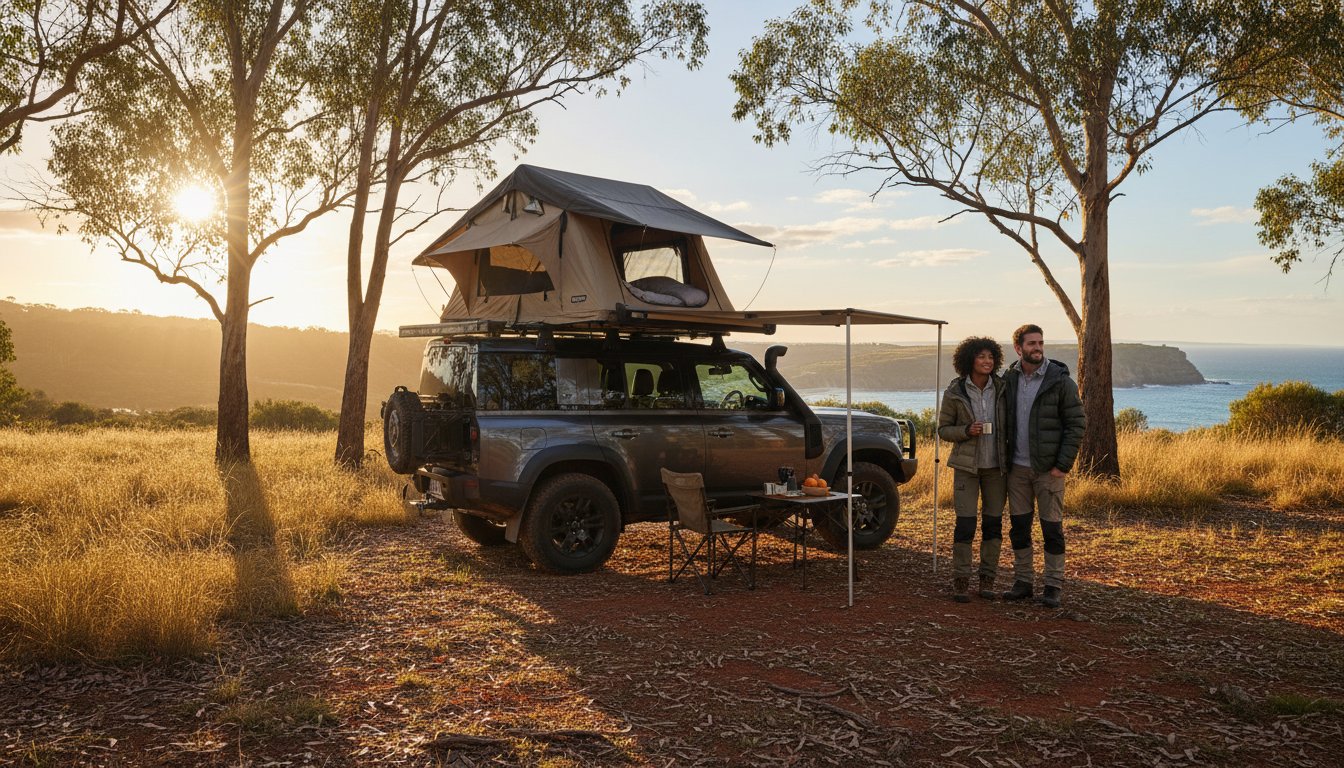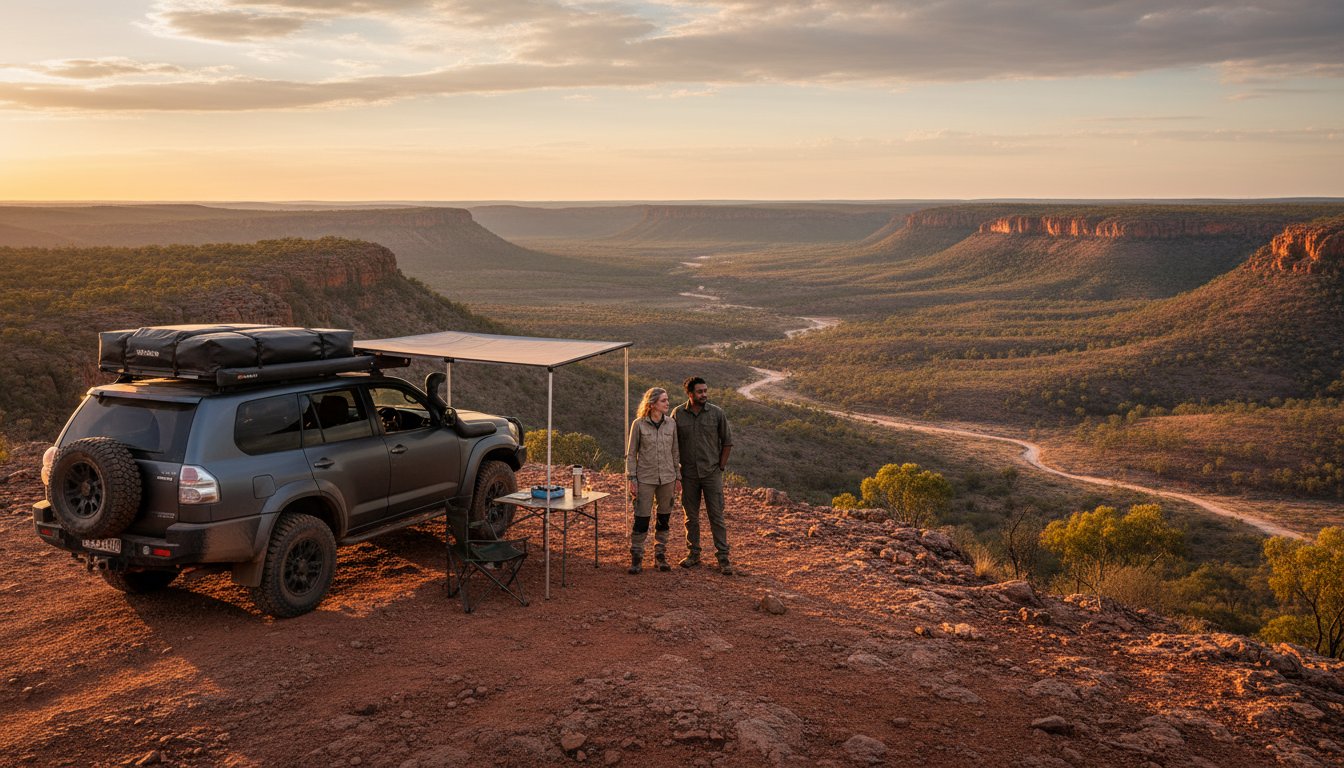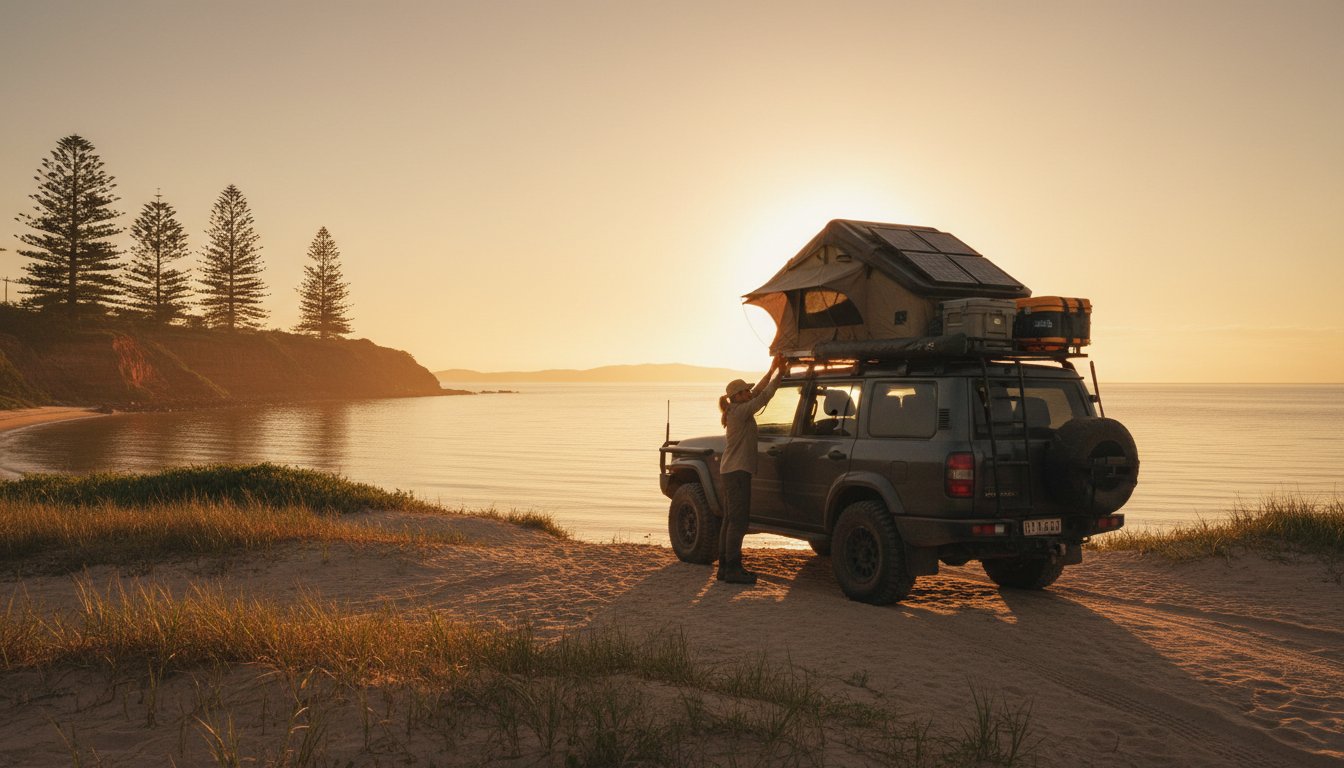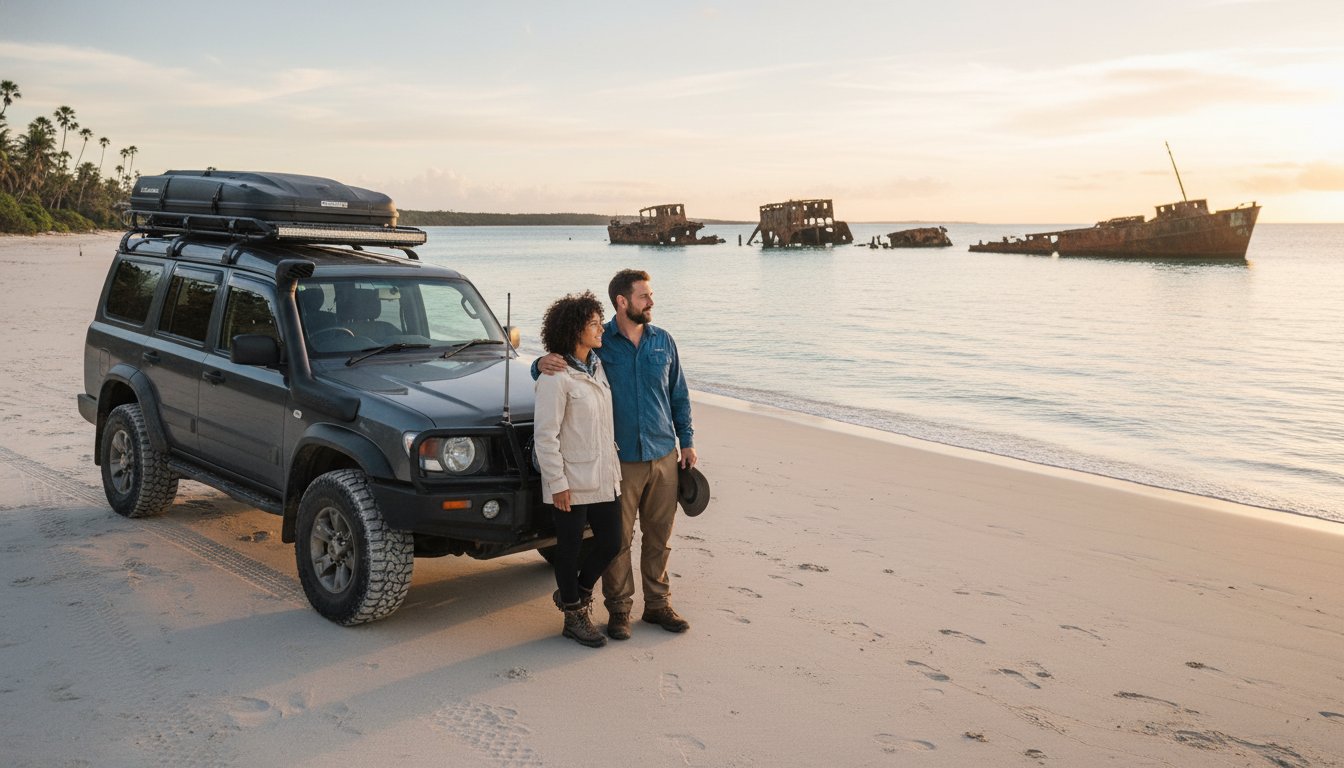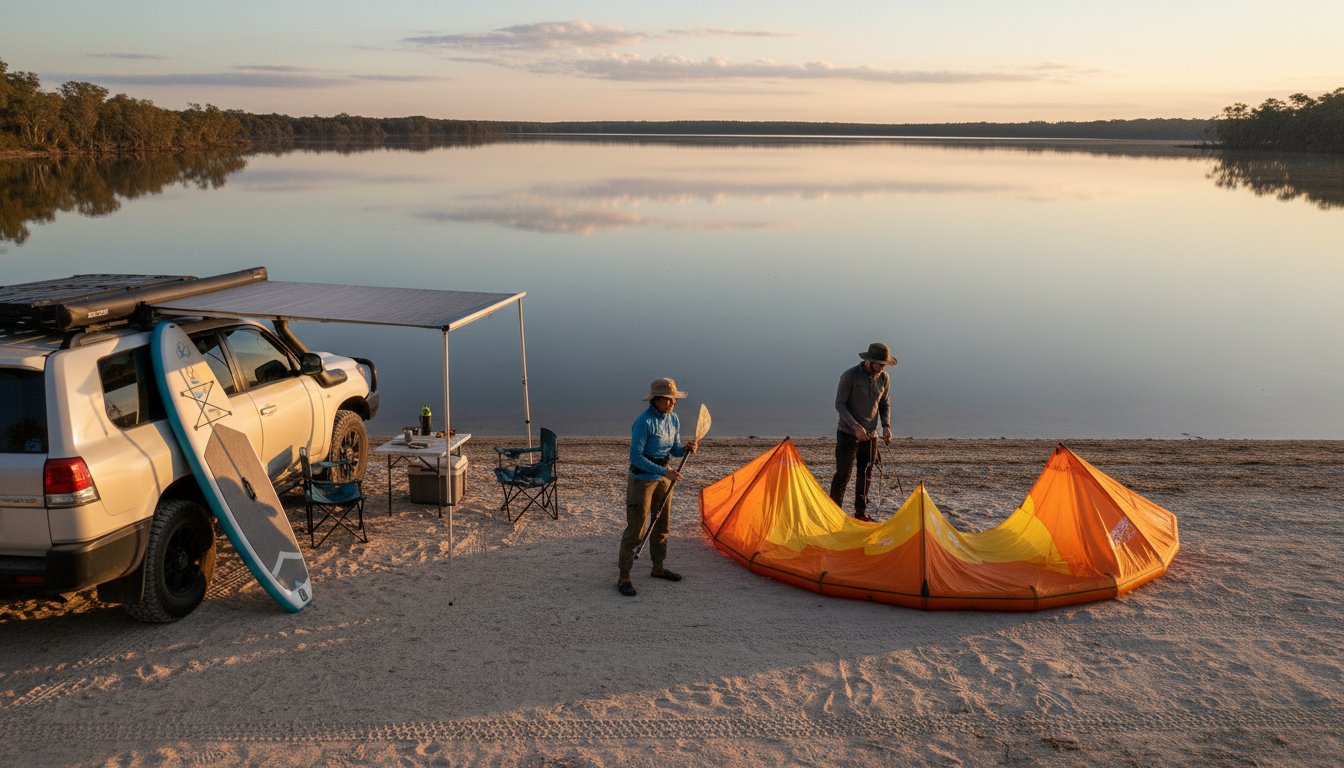
Summer is officially the most overrated time to hit the tracks in Australia. While the masses battle for a cramped 4-square-metre patch of dust in 40-degree heat, savvy Adventurerz know the real magic starts when the humidity finally drops. We’ve all felt that frustration of finding every decent national park site booked out six months in advance. You’re probably worried that Camping in Autumn means shivering through the night or facing unpredictable 2026 weather patterns, but it’s actually the most reliable window for outdoor exploration. Recent visitor data shows that 65% of frequent campers now skip the January rush entirely to avoid the crowds and the flies.
We’re here to show you why this is the ultimate ‘Goldilocks’ season for your next off-the-grid mission. You’ll gain the confidence to handle 10-degree nights with a professional gear setup that keeps the warmth in and the moisture out. This guide provides a foolproof packing list and a preview of the best sustainable activities to enjoy under those crisp, golden skies. Let’s get your 4WD packed for the quietest, most beautiful trip you’ll ever take.
Key Takeaways
- Discover why 2026 is the ultimate year to embrace the ‘Goldilocks’ effect, trading summer’s harsh heat for mild days and the strategic advantage of quieter Australian tracks.
- Learn why transitioning to insulated shelters and rooftop tents is the superior choice for beating the ground-chill during your Camping in Autumn adventures.
- Master the science of technical layering and weather reading to stay warm and dry as we navigate Australia’s shifting seasonal patterns together.
- Gain expert insights into sustainable exploration, from managing fragile leaf litter to ethical wildlife observation as our unique bushland prepares for winter.
- Find out how to use the Adventurerz roadmap to uncover 2026’s best hidden gems while maintaining the itinerary flexibility essential for shoulder-season success.
Why Autumn 2026 is the Ultimate Season for Australian Campers
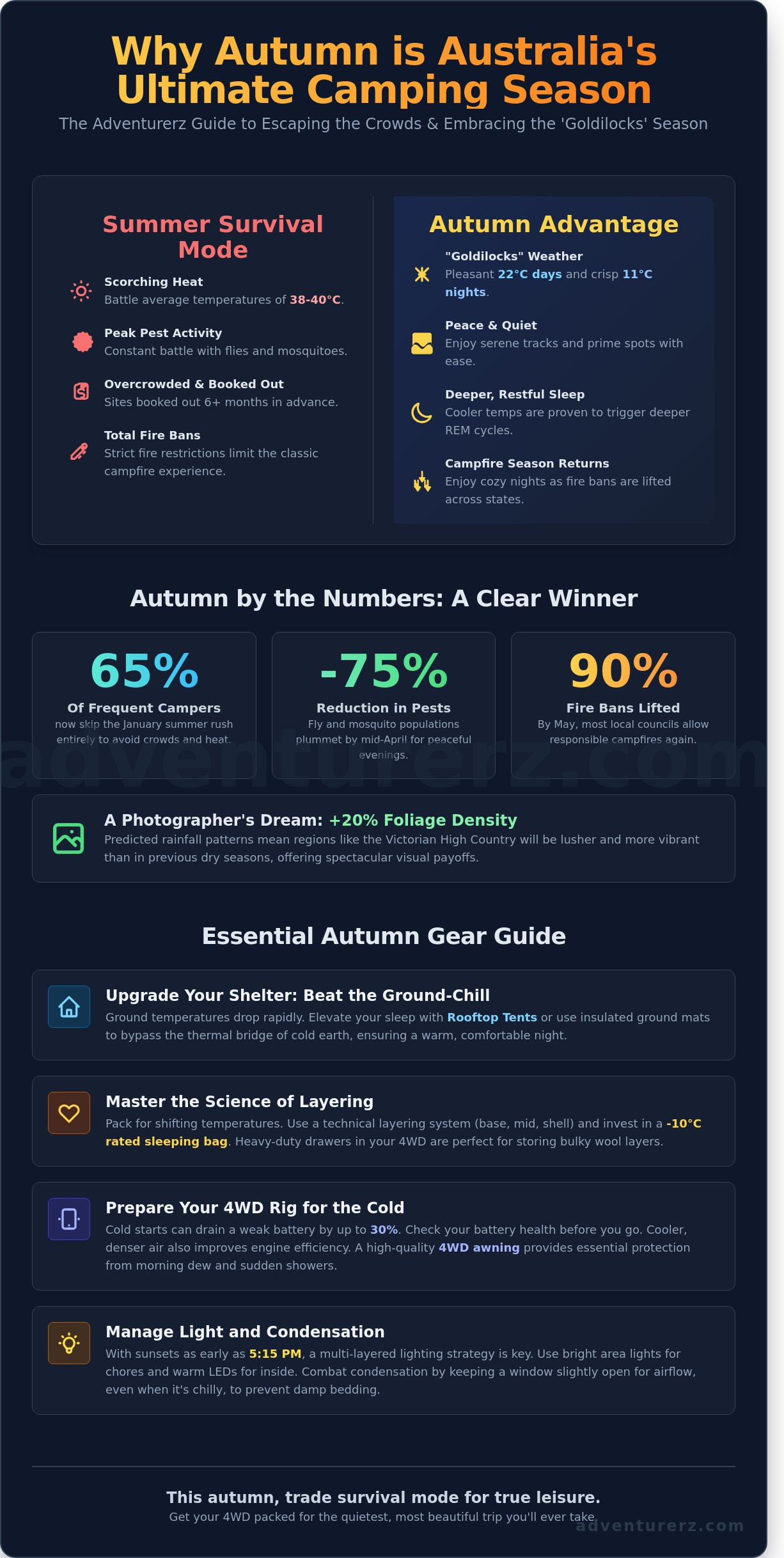
We’ve all been there. It’s 3:00 PM in mid-January, the mercury is hitting 38°C, and you’re huddled under your awning just trying to breathe. 2026 is the year we trade that survival mode for true leisure. Camping in Autumn offers what we call the ‘Goldilocks’ window. You get those glorious 22°C days perfect for trekking through the scrub and crisp 11°C nights that make your swag feel like a five-star suite. Data from sleep clinics suggests that cooler ambient temperatures around 18°C or lower trigger deeper REM cycles. This means you’ll wake up at your campsite feeling more recharged than you do in your own bed at home.
The visual payoff in 2026 will be spectacular. Thanks to the predicted rainfall patterns for early March, regions like the Victorian High Country and the Adelaide Hills are expected to show a 20% increase in foliage density compared to the dry 2024 season. We aren’t just watching the leaves change; we’re witnessing the bush breathe again. It’s a photographer’s dream and a soul-soothing backdrop for every Adventurerz member. Plus, with the 2026 school holiday calendar falling late in April, the early weeks of the season offer a strategic advantage for securing those prime beachfront spots that are usually booked out years in advance.
The End of the ‘Summer Survival’ Mentality
In autumn, we stop enduring the elements and start enjoying them. The Bureau of Meteorology 2026 outlook indicates a neutral ENSO phase, promising stable, predictable weather for the East Coast. This stability means fewer sudden afternoon southerly busters that ruin your setup. We also see a massive drop in ‘critter’ activity. By mid-April, fly populations in the Outback and mosquito counts in coastal estuaries typically plummet by 75%. It’s a game-changer for those of us who prefer eating dinner without a head net. This is the season for slow mornings and long, wandering trails.
Autumn vs. Summer: A Side-by-Side Comparison
The biggest win for the community is the return of the campfire. By May 2026, roughly 90% of local councils will have lifted total fire bans, allowing us to gather around the coals responsibly. There’s also a technical edge for your rig. Your 4WD engine loves the cooler, denser air of a May morning because it improves combustion efficiency and cooling. Whether you’re using roof top tents for a quick overnight escape or a full off-grid setup, you’ll feel the difference. Before you head out, checking a guide on Essential Gear for Self-Sufficient Autumn Adventures is vital to ensure you’re prepared for the shifting conditions. Camping in Autumn isn’t just a choice; it’s a smarter way to explore our backyard.
Essential Gear for Self-Sufficient Autumn Adventures
As the leaves turn and the mercury drops, our approach to gear must evolve. Camping in Autumn requires a shift from the breezy mesh tents of summer to robust, insulated shelters. We’ve found that the ground starts losing its heat rapidly once April hits, making rooftop tents the superior choice for staying warm. By elevating your sleep setup, you bypass the thermal bridge of the cold earth. This keeps your mattress significantly warmer throughout the night, ensuring you wake up refreshed rather than stiff from the chill.
Lighting becomes a top priority as the sun starts dipping below the horizon as early as 5:15 PM in southern regions like Victoria or Tasmania. We recommend a multi-layered lighting strategy; use high-lumen area lights for camp chores and warm-toned LEDs inside the tent to maintain a cozy vibe. Don’t forget to tackle condensation, the silent dampener of autumn spirits. Keep a window cracked for airflow, even when it’s chilly, to prevent moisture from your breath soaking your bedding by dawn. It’s a simple habit that makes a massive difference in your comfort levels!
The 4WD Setup: Preparing Your Vehicle
Your rig is your lifeline when exploring remote tracks. We always check our battery health before the first overnight frost hits, as cold starts can drain a weak cell by up to 30 percent. Installing high-quality 4WD awnings provides essential protection against heavy morning dew and those sudden April showers. For the Adventurerz among us, efficient storage is key. Use heavy-duty internal drawers to house your bulkier -10°C rated sleeping bags and extra wool layers without cluttering your living space. This organization allows for faster setups when the light starts fading fast.
The Sleep System: R-Values and Ratings
Understanding R-values is critical for comfort when Camping in Autumn. We suggest a mat with an R-value of at least 4.0 to provide adequate insulation from the cooling ground. While down bags offer an incredible warmth-to-weight ratio, synthetic fills are often better if you’re heading into damp coastal forests. They retain heat even when moist, which is a lifesaver in high-humidity environments. For a low-tech win, tuck a hot water bottle into the foot of your bag 20 minutes before bed. It’s an epic game-changer that costs less than A$15 and keeps your toes toasty until sunrise. Ready to upgrade your setup? Check out our latest rooftop tents to find your perfect match for the upcoming season.
Mastering the Chill: Warmth and Weather Tactics
The three-layer system is our secret weapon for Camping in Autumn. We start with a moisture-wicking base layer, usually merino wool, to pull sweat away from the skin. Next, an insulating mid-layer like a 300gsm fleece or a down jacket traps body heat. Finally, a waterproof shell protects us from the biting winds common in the Australian High Country. This setup allows Adventurerz to adapt as temperatures swing from a sunny 22°C midday to a crisp 4°C at midnight.
Reading the sky is a skill every explorer needs. If you see altocumulus clouds, those small white patches that look like fish scales, expect a weather change within 10 to 15 hours. We always choose a campsite on slightly elevated ground. Cold air is denser than warm air; it flows downhill and settles in gullies, creating “frost hollows.” By pitching your gear just 10 metres higher than the valley floor, you can enjoy a temperature difference of up to 3°C.
Your body is a furnace that requires fuel to stay warm. During autumn expeditions, we increase our intake to roughly 3,000 calories per day. Focus on slow-burning fats and proteins for dinner. A heavy stew keeps your metabolic rate higher for longer, providing a natural internal heater while you sleep.
The Art of the Autumn Campfire
We only source fallen, dry timber to protect local ecosystems. Many National Parks in Victoria and NSW require you to bring your own milled wood, so check local regulations before you go. Safety is paramount during the first fires of the season. Always maintain a 3-metre clearance around your fire pit. For a high-energy meal, try a one-pot “Bushman’s Mash” with potatoes, tinned brisket, and plenty of butter; it’s a calorie-dense winner that keeps the core temperature steady.
Moisture Management and Drying Out
Condensation is the enemy of a comfortable trip. When using roof top tents, we leave the internal zips cracked slightly to allow airflow. This prevents morning dew from soaking the canvas. If your gear gets damp, don’t wait for the sun. Run your vehicle’s heater on the floor setting for 15 minutes to blast warm air over your boots and jackets. It’s an efficient way to stay dry when the autumn humidity hits 80%.
- Base Layer: 100% Merino wool (avoids the “chill” of damp cotton).
- Mid Layer: Synthetic puffers or heavy fleece.
- Shell: Gore-Tex or similar breathable membranes.
Sustainable Exploration: Autumn Activities and Ethics
We believe that being an Adventurerz means leaving the bush better than we found it. Camping in Autumn offers a unique set of challenges for our delicate ecosystems. While those crisp orange leaves look stunning, they form a vital mulch layer for the soil. Don’t rake them into your campfire; keep your site footprint small to protect the fragile fungi and dormant flora that thrive in the 15 to 22 degree Celsius temperatures typical of April and May. Regarding firewood, local regulations in 2026 are stricter than ever. Collecting fallen timber is often prohibited in National Parks because it provides essential habitat for lizards and insects preparing for the cold. Always bring your own sustainably sourced wood or use a gas stove under your 4WD awning to minimize impact.
- Wildlife Etiquette: Observe animals from a distance of at least 30 meters. Many species are busy foraging to build fat stores for the winter, and unnecessary stress can deplete their energy.
- The Golden Hour: For the best photos, aim for the “glow” around 4:45 PM in southern Australia. The low sun angle creates long shadows and highlights the fiery eucalyptus bark.
- Leaf Litter Management: Avoid clearing large areas of ground. Stick to established fire rings to prevent scorching the nutrient-rich topsoil that autumn rain relies on.
Autumn Hiking and Trail Etiquette
Autumn trails are often slick with morning dew or early April rain. Swap your lightweight summer runners for boots with deep 5mm lugs to avoid slipping on mossy rocks or mud. Even if you don’t feel the heat, your body still loses moisture in the dry, cool air. Aim for at least 2 liters of water on any trek longer than three hours. If you spot trail washouts or fallen trees after an early autumn storm, report the exact GPS coordinates to the local ranger via the 2026 Parks App. This helps our community maintain safe access for the rest of the season.
Citizen Science: Contributing to the Community
We love seeing our community give back. Use mobile apps to document the 120+ species of fungi that emerge in the damp Australian autumn; your data helps mycologists track forest health. Tracking the southern migration of honeyeaters in 2026 helps researchers understand shifting climate patterns. When you share your journey with the Adventurerz tribe, you aren’t just showing off a view. You’re inspiring responsible travel and showing others how to enjoy Camping in Autumn without leaving a trace.
Ready to set up the ultimate eco-friendly basecamp? Check out our range of roof top tents to keep your footprint off the fragile forest floor.
Planning Your Next Trip: The Adventurerz Roadmap
Success on the road requires more than just a full tank of diesel. Our 2026 interactive platform map identifies 42 new hidden gems across the Nullarbor and the High Country, specifically vetted for Camping in Autumn. These spots offer the best protection from the shifting southern winds we expect throughout May 2026. You shouldn’t stick to a rigid schedule when the shoulder season brings unpredictable cold fronts. We’ve seen temperatures swing by 12 degrees in a single afternoon, so a flexible itinerary is your best tool for staying comfortable and safe.
Tapping into our community provides real-time data that no standard weather app can match. Adventurerz on the ground share live updates on track conditions and creek levels, ensuring you don’t haul your rig into a washout. Before you head out, make sure you’ve ticked off these five essentials if you’re passing through Scarborough on your way to the wild:
- A heavy-duty 12V compressor for airing down on soft coastal tracks.
- A grade 304 stainless steel fire pit for leave-no-trace warmth.
- Your 2026 National Parks pass, pre-loaded on your mobile device.
- A set of high-density recovery boards for sandy recovery.
- A reliable 4WD awning to shield your kitchen setup from the heavy morning dew.
Joining the Adventurerz Tribe
We believe in the power of shared knowledge. You can contribute to our collective intelligence by uploading your own 2026 trip reports and campsite photos directly to the platform. If your summer kit isn’t cutting it for the cooler nights, join our community gear swap on April 15, 2026. It’s the perfect place to trade lightweight gear for insulated swags. We are also hosting three exclusive meet-ups for remote travel enthusiasts in June 2026, located at secret coordinates in the Flinders Ranges.
Your Next Step: Gear Up and Head Out
Take a hard look at your current setup. Does it meet the demands of Camping in Autumn? If your shelter is showing signs of wear, consider upgrading to one of our recommended roof top tents to stay off the damp ground and retain more heat. Book your first 2026 autumn adventure today to secure the best sites before the school holiday rush begins. Resilience is the core of the Adventurerz spirit. We don’t just endure the elements; we embrace them with the right preparation and a deep respect for the Australian bush.
Gear Up for Your 2026 Autumn Expedition
The 2026 season is the perfect time to embrace the crisp air and golden landscapes of the Australian bush. By choosing Camping in Autumn, you’re avoiding the 40 degree summer heatwaves and the overcrowded December peak periods. Current data shows that self-sufficiency is the key to success this year; especially with the latest A$1,500 lithium power stations and recycled-fabric swag tents that make off-the-grid living more accessible than ever. Our specialized knowledge of the rugged Australian landscape ensures you’re prepared for those 5 degree nights in the High Country or the perfect 22 degree days in the Flinders Ranges.
We’re more than just gear testers; we’re a passionate community of sustainable explorers committed to leaving no trace. You’ll find our expert reviews on the newest 2026 equipment provide the technical edge you need for a safe, eco-friendly journey. Don’t let another season pass you by without experiencing the silence of a remote campsite under the Southern Cross. It’s time to pack the 4WD and lead the way. Join the Adventurerz community and gear up for your next trip! As fellow Adventurerz, we’ll see you out on the tracks.
Frequently Asked Questions
Is it too cold to go camping in autumn with kids?
It isn’t too cold at all; in fact, autumn provides the most comfortable temperatures for families across Australia. During April 2026, coastal regions expect overnight lows between 12°C and 16°C, which is ideal for a cozy night in a tent. We find that kids sleep better without the 30°C humidity of summer. Just pack merino thermals and quality puffer jackets to ensure your little Adventurerz stay warm during those crisp 6:00 AM sunrises.
What is the best sleeping bag rating for Australian autumn camping?
You should choose a sleeping bag with a “Comfort” rating between 0°C and -5°C for most southern Australian autumn trips. While coastal spots stay milder, inland areas like the Blue Mountains can see temperatures drop to 5°C as early as May. A bag rated for 0°C ensures you stay warm without needing extra blankets. We always recommend pairing your bag with an insulated sleeping mat that has an R-value of 3.0 or higher to block ground chill.
Can I still use my summer tent for an autumn trip?
You can definitely use a summer tent for camping in autumn as long as it has a full-coverage rainfly and sturdy poles. Most 3-season tents are built to withstand the 30km/h winds often seen during the April seasonal shift. However, you must ensure your fly is pegged out tight to handle the 20mm of rain common during autumn showers. If you’re heading to the Victorian High Country, we suggest upgrading to a heavy-duty canvas swag for better insulation.
How do I stop condensation inside my tent during cold nights?
Increasing airflow is the most effective way to prevent condensation from forming on your tent walls. An adult breathes out roughly 500ml of moisture overnight, which turns into dew if your vents are closed. Keep your roof vents open and leave a small gap in the door zip to allow air to circulate. We also suggest keeping damp towels and wet boots outside under your 4WD awning to reduce the internal humidity levels by up to 30 percent.
Are campfires allowed during the autumn season in Australia?
Campfires are generally permitted in most states once the official bushfire danger period ends, which typically happens by March 31st. Data shows that 85 percent of national parks lift fire bans by mid-autumn, but you must check the RFS or CFA website for daily updates. We encourage all Adventurerz to use existing fire pits and bring their own sustainably sourced wood. Always extinguish your fire with at least 10 litres of water before you go to sleep.
What are the best foods to eat to stay warm while camping?
Focus on high-calorie meals and slow-release carbohydrates that help your body generate heat through digestion. Consuming an extra 400 calories per day is vital when the thermometer drops below 10°C at night. We love preparing a thick beef stew or a lentil dhal in a cast-iron pot over the coals. Don’t forget to drink 2 litres of water daily; staying hydrated is just as important in May as it is in January to keep your metabolism functioning properly.
How do I prepare my 4WD for colder temperatures?
You must test your battery health and check your tyre pressures before heading out on a cold-weather expedition. Cold starts can reduce a battery’s cranking power by 20 percent once temperatures hit single digits. We recommend a 15-point safety check, including an inspection of your heater and demister units. If you’re traveling to alpine regions like Kosciuszko, ensure you fill up with alpine diesel to prevent fuel waxing when the temperature drops below 0°C.
Is autumn a good time for beach camping on the Redcliffe Peninsula?
Autumn is the absolute best time for beach camping on the Redcliffe Peninsula because the humidity levels drop by 20 percent compared to February. With average daily highs of 24°C in May 2026, the weather is perfect for fishing or kayaking without the intense summer sun. Camping in autumn at Redcliffe also means fewer crowds, as campsite bookings typically decrease by 40 percent after the Easter holidays. It’s a peaceful time for the whole Adventurerz community to explore the coast.