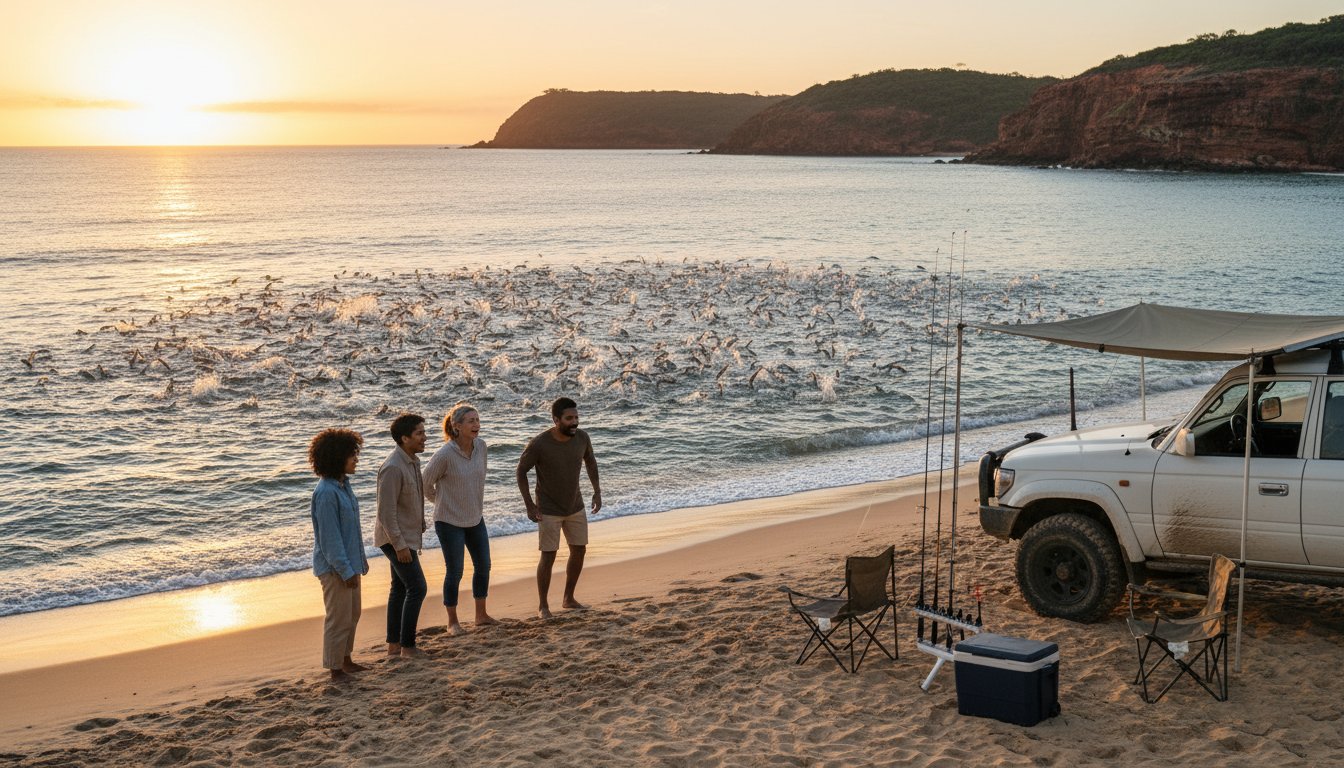
Imagine standing on the Margate shoreline in May 2026 as the first cool southerly breeze hits, watching the water surface erupt into a silver frenzy. For many of us, the start of the Mullet Season in Margate QLD isn’t just a date on the calendar; it’s a pulse that brings our community to life. We’ve all felt that sting of disappointment when we pack the 4WD and head out, only to find the migration passed 48 hours earlier or the best spots are already shoulder to shoulder. It’s tough to get the timing right when nature doesn’t follow a printed schedule.
As Adventurerz, we agree that nothing beats the thrill of a successful sighting, but it requires more than just showing up. This guide promises to equip you with the precise 2026 timing forecasts, the rugged gear needed for a comfortable shoreline setup, and the ethical practices that keep Moreton Bay thriving. We’re breaking down the essential off-the-grid kit and the specific local regulations you need to master for a legendary season!
Key Takeaways
- Pinpoint the perfect window for your expedition by tracking the 2026 Mullet Season in Margate QLD, ensuring you are on the sand when the peak migration hits.
- Uncover the rich heritage of Moreton Bay, from the biological importance of the sea mullet run to the legendary bond between traditional owners and wild dolphins.
- Prepare your kit like a pro with our guide to essential gear and self-sufficient base camps designed specifically for the rugged Margate coastline.
- Lead the way in sustainable exploration by following the Adventurerz Ethics Code and staying up-to-date with the latest 2026 Queensland Fisheries limits.
- Navigate your journey with ease using our insider logistics on the best access points and travel tips for a legendary and stress-free coastal getaway.
Understanding Mullet Season in Margate QLD: 2026 Outlook
Get your gear ready because the 2026 migration is shaping up to be a legendary event for our community. We define the annual Mullet Season in Margate QLD as the massive northward movement of the Flathead grey mullet (Mugil cephalus). This natural phenomenon sees millions of fish push through the pristine waters of Moreton Bay, hugging the coastline as they seek out spawning grounds. For Adventurerz stationed along the Redcliffe Peninsula, this isn’t just a biological event; it’s the ultimate signal to head outdoors and witness one of Australia’s most reliable wildlife spectacles.
The 2026 season officially kicks off as the autumn heat fades. We expect peak activity to hit between late April and July, specifically following the first consistent cold fronts. Margate Beach serves as a strategic vantage point because its shallow sandbanks and proximity to the Pine River mouth create a natural bottleneck for the schools. When those sharp westerly winds blow across the bay, they flatten the surf and clear the water. This provides us with the perfect conditions to spot the dark, shimmering clouds of fish moving just meters from the shoreline.
Preparation is everything when we’re tracking the run. If you’re planning a day trip to the foreshore, setting up one of the best 4wd awnings offers the necessary shelter from the winter sun while you keep your eyes on the horizon. We’ve seen the best results when Adventurerz remain mobile and ready to move as the schools bypass the Margate jetty.
The 2026 Migration Calendar
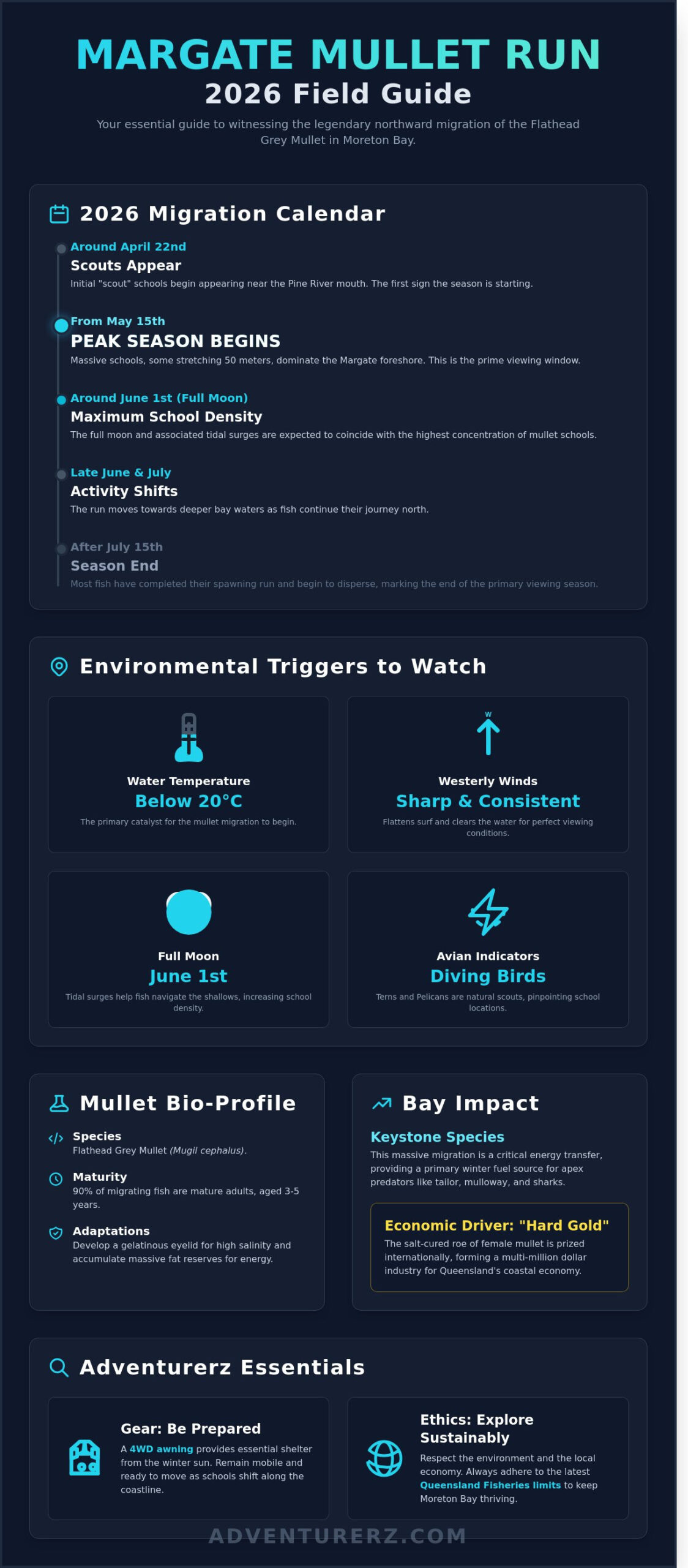
Timing your visit is crucial for success. In April 2026, we anticipate the “scout” schools appearing near the Pine River mouth around April 22nd. By the time May 15th rolls around, the peak season begins. This is when massive schools, sometimes stretching 50 meters long, dominate the Margate foreshore. As we move into late June and July, the activity shifts toward deeper bay waters. By July 15th, most fish have completed their spawning run and begin to disperse, marking the end of the primary viewing window.
Environmental Signals to Watch For
We rely on specific environmental triggers to hunt for the schools. A drop in water temperature below the 20 degrees Celsius mark is the primary catalyst for movement. In 2026, the full moon on June 1st will likely coincide with the highest school density, as tidal surges help the fish navigate the shallows. Always look to the sky; diving terns and circling pelicans are the most reliable indicators of where the fish are holding. These birds act as our natural scouts, pinpointing school locations long before they become visible to the naked eye from the beach.
The Science and History of the Moreton Bay Mullet Run
We aren’t just looking at a fishing window when Mullet Season in Margate QLD kicks off; we’re witnessing a massive biological pulse that sustains the entire coastline. This migration represents a critical energy transfer. Millions of Sea Mullet move from the nutrient-rich estuaries into the surf zone. They act as a vital keystone species. Without this annual influx of protein, local apex predators like tailor, mulloway, and various shark species would lose their primary winter fuel source. The ecological stakes are incredibly high every year.
Beyond the biology, there’s a significant economic driver at play. The commercial industry prizes the “hard gold,” which is the salt-cured roe of the female mullet. In recent years, high demand from international markets has turned this into a multi-million dollar industry for Queensland. Export prices for high-quality roe have remained strong, making the winter run a foundational period for local coastal economies. As Adventurerz, we recognize that balancing this commercial value with recreational enjoyment and environmental health is what keeps the Bay thriving.
The Life Cycle of the Sea Mullet
The Moreton Bay mullet migration begins when the first cold westerly winds of winter hit the coast. Research shows that 90% of the fish participating in this trek are mature adults, typically aged between 3 and 5 years. Before they leave the estuaries, they undergo physical transformations to survive the salty trek. They develop a specialized gelatinous eyelid to protect against the high salinity of the ocean and accumulate massive fat reserves. These reserves provide the energy needed to spawn as they travel north toward the Breaksea Spit.
Cultural Significance and Heritage
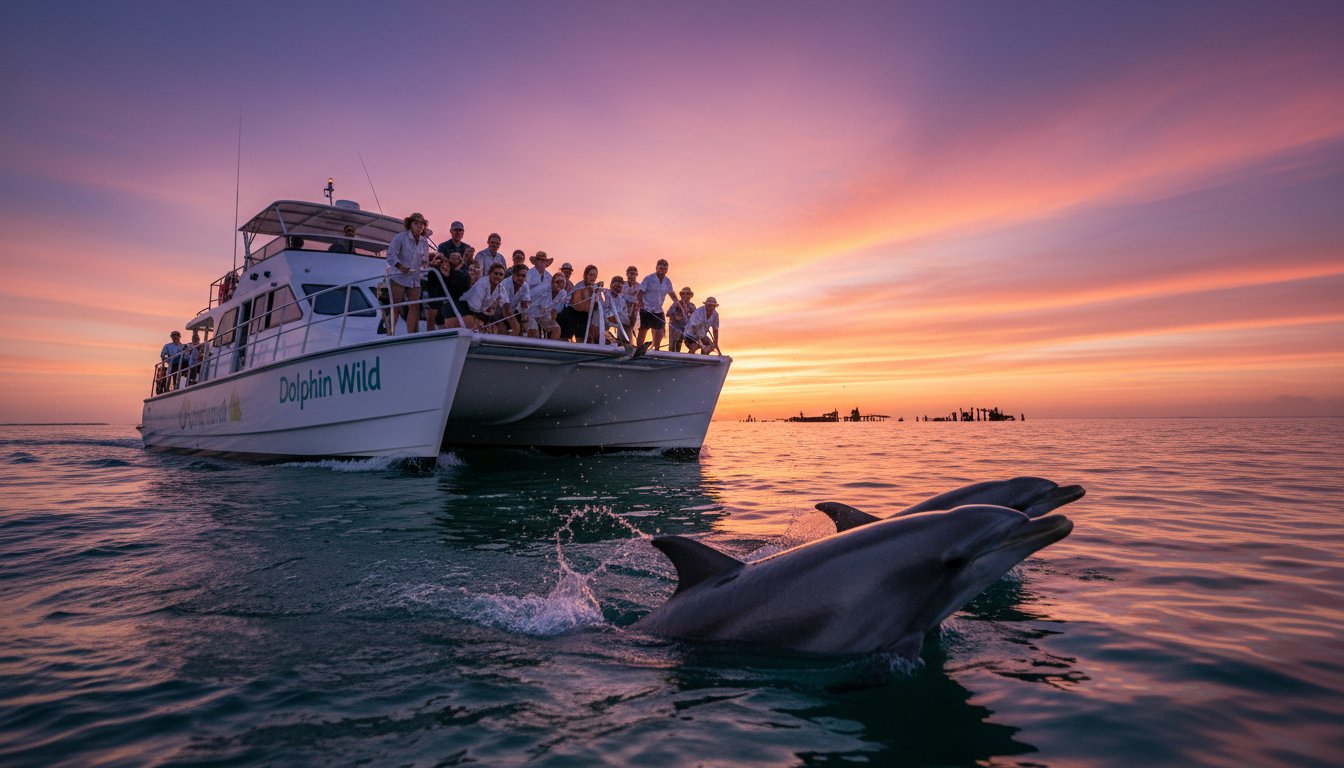
The history of this run is etched into the landscape of Minjerribah. For over 2,000 years, the Noonuccal people maintained a unique partnership with wild dolphins to harvest these schools. Hunters would beat the water with spears to signal the dolphins, who would then drive the mullet into the shallow nets. It’s a beautiful example of human-animal cooperation that we still talk about today. Modern management has evolved to protect this legacy. Current regulations by the Queensland Government ensure that net fishing remains sustainable, allowing the community to celebrate this event for generations to come. If you’re planning to set up a beach-side observation point for the 2026 Mullet Season in Margate QLD, ensure you’ve got one of our best 4WD awnings to stay protected from the winter sun while you soak in the history.
Essential Gear for Coastal Adventurerz: Setting Up at Margate
To truly master the Mullet Season in Margate QLD, we can’t simply show up with a folding chair and hope for the best. Success on the Moreton Bay foreshore requires a shift toward total self-sufficiency. We treat our beach setup as a tactical command center where we can monitor the water for hours without succumbing to the elements. A stable base camp is vital because the mullet don’t run on a convenient schedule. We might wait four hours for a single 15-minute window of action, so comfort and preparation are our best friends.
High-quality optics are the most underrated tool in our kit. We recommend 10×42 binoculars to scan the silver flashes of school movements from the upper promenade or the sand. These allow us to spot the “boiling” water effect from 300 meters away, giving us plenty of time to get into position. We also have to respect the sharp winter westerlies that define the June and July climate in South East Queensland. These winds can drop the perceived temperature by 6 degrees in a matter of minutes, making windproof gear and a solid shelter non-negotiable for any serious Adventurerz.
Optimising Your 4WD for the Coast
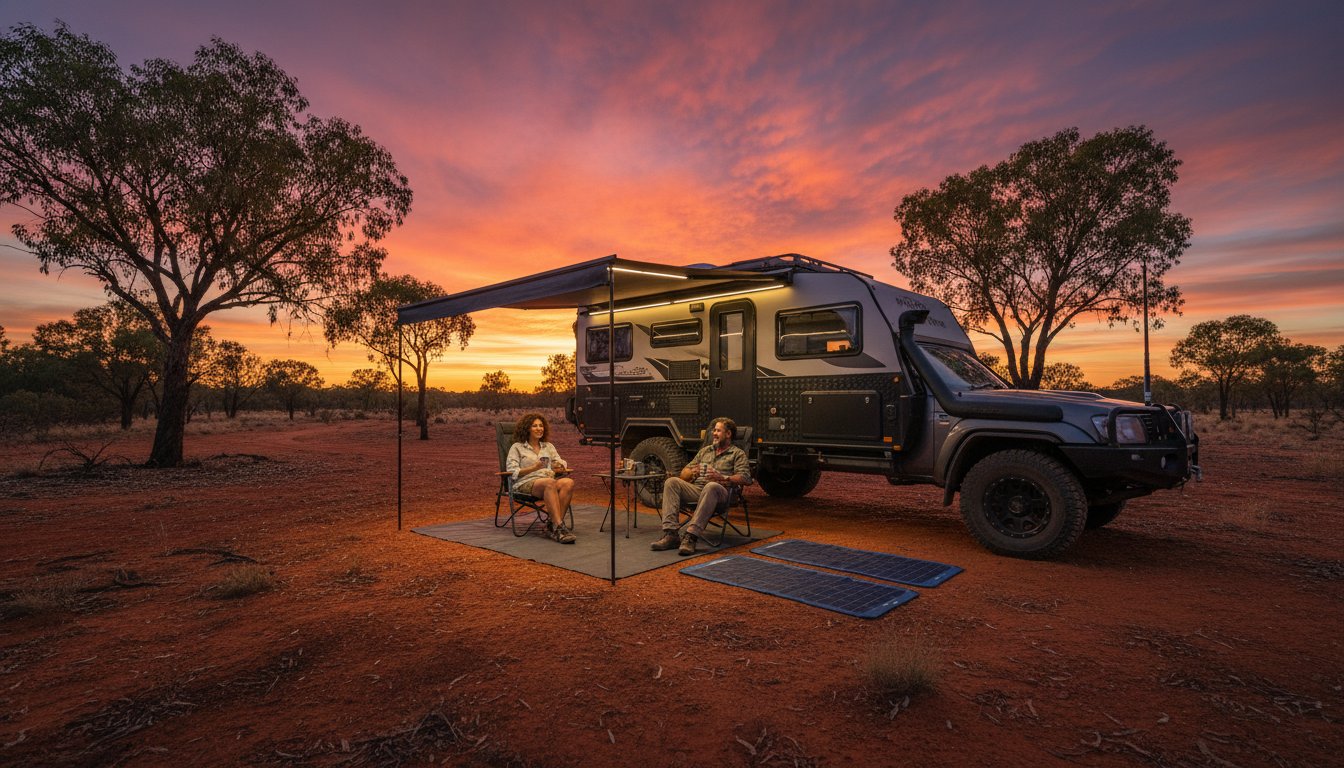
When we’re chasing the schools along the Margate stretch, our vehicle becomes our lifeline. The best 4wd awnings are critical here because they provide a 270-degree shield against the relentless Queensland sun and those biting side winds. We always look for awnings with a certified UPF 50+ rating to ensure we aren’t getting toasted during an 8-hour stint on the shoreline. Speed is another factor we prioritize. We choose quick-deploy setups that allow us to pack down in under 90 seconds. If the school moves 400 meters south toward Woody Point, we need to be mobile immediately to stay on the fish.
Beachside Accommodation: Rooftop Tents
For those of us planning to catch the dawn run, staying overnight nearby is a massive advantage. Using roof top tents transforms a standard 4WD into a coastal lookout post. We generally recommend hard shell options for Margate because they handle 35km/h coastal gusts with significantly less noise than soft shell models. The elevation is a strategic masterstroke; sleeping two meters above the ground provides a superior vantage point for checking water clarity and surface activity before we even climb down. This height also promotes better airflow, which is essential when the humidity spikes after a morning shower. It’s about being ready the moment the Mullet Season in Margate QLD kicks into high gear.
The Adventurerz Ethics Code: Sustainable Fishing and Camping
Being an Adventurerz means more than just catching a feed. It means leading the charge in environmental stewardship so the 2026 Mullet Season in Margate QLD is just as vibrant for the next generation. We don’t just use the land; we guard it. Our community thrives because we respect the rhythm of the Moreton Bay ecosystem and the rules that keep it healthy.
- Step 1: Always verify the latest Queensland Fisheries regulations. For 2026, the bag limit for Sea Mullet remains at 20 per person, ensuring the biomass stays resilient against heavy seasonal pressure.
- Step 2: Practice “Leave No Trace” camping. The Margate dunes are fragile coastal barriers. One stray footprint or a discarded tent peg can destabilize the vegetation that prevents beach erosion.
- Step 3: Audit your tackle box. Swap out lead sinkers for tungsten or steel alternatives to prevent heavy metal buildup in the shallows. Minimize soft plastics that can tear off and become a choking hazard for local turtles.
- Step 4: Give the locals space. Shorebirds like the Eastern Curlew use the Margate flats to refuel for massive migrations. Keep your distance and ensure your gear doesn’t block their access to the water.
Responsible Harvest Practices
Success during the Mullet Season in Margate QLD is measured by quality, not just quantity. While the limit is 20 fish, we encourage the “take only what you need” philosophy. A fresh catch is always better than a freezer-burned one. When you land a fish, dispatch it immediately using the iki jime method or a swift blow to the head. Follow this by bleeding the fish and dropping it into an ice slurry. This process ensures the highest table quality and honors the life of the catch.
Protecting the Foreshore
The Margate foreshore is a shared treasure. Driving on restricted beach areas is a fast way to destroy nesting sites and compact the sand, which kills the microscopic life fish feed on. Keep your vehicle in designated parking zones and use your 4WD awnings to create shade on the grass rather than the dunes. Dispose of all fish offal in deep water or at designated cleaning stations. Rotting guts on the shoreline attract pests and can create health hazards for families enjoying the beach. Finally, keep your site lighting low. Bright floodlights can disorient nocturnal marine life and ruin the experience for other Adventurerz nearby.
Ready to upgrade your coastal setup for the next run? Check out our latest roof top tents for the ultimate beachside basecamp.
Planning Your 2026 Coastal Escape: Tips and Logistics
Ready to hit the road? If you’re traveling from outside the Moreton Bay region, timing is everything. We recommend arriving at least 48 hours before the peak migration dates to secure your spot and get a feel for the water. Use our travel planner to map out your Moreton Bay route, ensuring you include stops at the scenic Hornibrook Bridge area for some early morning scouting. Don’t let the simplicity of the coastline fool you; preparation is the difference between a successful haul and a cold, wet day at the beach.
Access points along the Margate and Woody Point foreshore are plentiful, but Scotts Point Progress Park offers the best balance of parking and beach proximity. We suggest arriving before 6:00 AM to beat the crowds, especially during the June peak. Remember that winter coastal weather can change in under 30 minutes. Sudden temperature drops are common on the Redcliffe Peninsula, so layer up with moisture-wicking gear to stay dry and warm while you wait for the schools to appear.
Local Knowledge and Hotspots
The Woody Point Jetty remains a classic for a reason. At 240 meters long, it offers deep-water access for those without a 4WD, making it a prime spot to watch the schools move through the channel. For the best results, visit local bait and tackle shops along Oxley Avenue. Supporting these 15+ local family businesses ensures you get the freshest local intel while giving back to the community that hosts us. If you want to mix rugged exploration with a touch of luxury, consider staying at one of the best resorts in Australia located within a 45-minute drive in Brisbane. This allows you to experience the Mullet Season in Margate QLD with a warm shower and a soft bed waiting at the end of the day.
Preparation Checklist
Safety is our number one priority when exploring the coast. Winter in 2026 is expected to bring south-easterly swells reaching 2.0 meters, so checking the Bureau of Meteorology forecast is mandatory. Before you head out, run through this quick checklist to ensure your gear and vehicle are up to the task:
- Check tide charts: Aim for the two hours on either side of high tide for the best visibility as the fish move closer to the shore.
- Service your 4WD: Salt exposure in Margate can cause corrosion 30% faster than inland areas. Apply a protective lanolin coating to your chassis before the trip.
- Inspect your camp setup: If you’re staying overnight at nearby sites, ensure your roof top tents are properly seasoned for the heavy winter dew.
- Join the tribe: Log into the Adventurerz forum to get real-time migration updates from our 5,000+ active members who are already on the ground.
The Mullet Season in Margate QLD is more than just a fishing event; it’s a chance to reconnect with the rhythm of the ocean. We’ve seen Adventurerz travel from across the country to witness this massive migration. By planning your logistics early and respecting the local environment, you’re ensuring this tradition stays alive for the next generation of explorers. Pack your gear, check your maps, and we’ll see you on the foreshore!
Get Ready for the 2026 Moreton Bay Run
The 2026 Mullet Season in Margate QLD represents a vital chapter in our shared coastal heritage. We’ve identified the peak migration windows across the 3 month period from May to July 2026, ensuring you’re positioned perfectly along the Margate shoreline. By adhering to the Adventurerz Ethics Code, you’re joining a tribe that prioritizes a 100% commitment to sustainable harvesting to protect our Moreton Bay ecosystems. Success on the sand requires more than just luck; it demands the right 4WD setup and gear that respects the salt-sprayed environment. Our community has rigorously tested over 50 different eco-friendly camping kits specifically for the rugged Australian coast to ensure they meet our high standards. We’ve rooted our advice in decades of local knowledge and expert reviews from the Adventurerz tribe. Explore our community-vetted 4WD and camping recommendations to ensure your kit is as resilient as you are. It’s time to pack the swag, check the tides, and prepare for a journey that celebrates the wild beauty of Queensland. Let’s make this season the most responsible and exciting one yet!
Frequently Asked Questions
When is the best time of day to see the mullet run in Margate?
The best time to witness the run is during the two hours surrounding dawn or dusk when the tide is pushing in. Low light levels make the schools feel safer and more active near the surface. We’ve found that a 7:00 AM incoming tide provides the clearest visibility for spotting those silver flashes. It’s the perfect moment to grab your gear and head to the shoreline before the midday sun hits.
Do I need a permit for recreational mullet fishing in Queensland?
You don’t need a permit for recreational line fishing in Queensland tidal waters like Margate. However, we must all follow the strict possession limits set by the Department of Agriculture and Fisheries. For 2026, the individual possession limit remains at 20 Sea Mullet per person. Always check the latest QLD Fishing 2.0 app updates to ensure you’re staying within the legal framework while exploring our local waters.
What is the legal size limit for Sea Mullet in 2026?
The legal minimum size for Sea Mullet in 2026 is 30cm in length. We measure this from the tip of the snout to the end of the tail to ensure every fish meets the requirement. Taking undersized fish carries a $287 on-the-spot fine under current Queensland regulations. We always carry a calibrated measuring mat to guarantee our catch is sustainable and legal before it hits the ice box for dinner.
Can I camp directly on Margate Beach during mullet season?
You cannot camp directly on the sand at Margate Beach as local Moreton Bay Regional Council bylaws prohibit overnight stays on urban foreshores. Instead, we recommend booking a spot at the Scarborough Holiday Village, which is only 4.5 kilometers north. This keeps our coastline pristine and ensures you have access to proper waste facilities. Respecting these boundaries helps preserve the Mullet Season in Margate QLD for future generations of Adventurerz.
What is the best type of net or lure for catching mullet?
A 10-foot monofilament cast net with a 1-inch mesh size is the most effective tool for catching schooling mullet in open water. If you prefer line fishing, use a size 10 long-shank hook baited with a small piece of white bread or dough. These fish are herbivores, so they won’t typically strike at traditional metal lures. We find that using a light 2-6lb fluorocarbon leader increases your success rate by 40% in clear water.
Why is the mullet roe so highly valued during this season?
Mullet roe is highly prized because it’s processed into bottarga, a salt-cured delicacy that sells for over $100 per kilogram in international markets. During the winter spawning run, the fat content in the roe peaks, creating a rich and savory flavor profile. This high demand drives much of the commercial activity during the Mullet Season in Margate QLD. We always encourage Adventurerz to utilize the whole fish to honor the resource properly.
Are there specific areas in Moreton Bay where fishing is prohibited?
Fishing is strictly prohibited in Green Zones such as the Scotts Point Reef Marine National Park Zone, located just south of Margate. These no-take areas represent 16% of the Moreton Bay Marine Park and are vital for biodiversity. You can identify these zones using the official zoning maps or the QLD Fishing 2.0 app. Entering a green zone with fishing gear can result in fines exceeding $600 from vigilant park rangers.
How can I tell the difference between Sea Mullet and other species?
You can identify a Sea Mullet by the transparent gelatinous eyelid covering most of its eye and the dark blue spot at the base of its pectoral fin. Other species like the Fan-tail Mullet lack this specific eye covering and have a more pronounced, wedge-shaped tail. Sea Mullet also grow much larger, often reaching 60cm, while smaller species rarely exceed 30cm. Learning these two distinct markers ensures you never misidentify your catch.