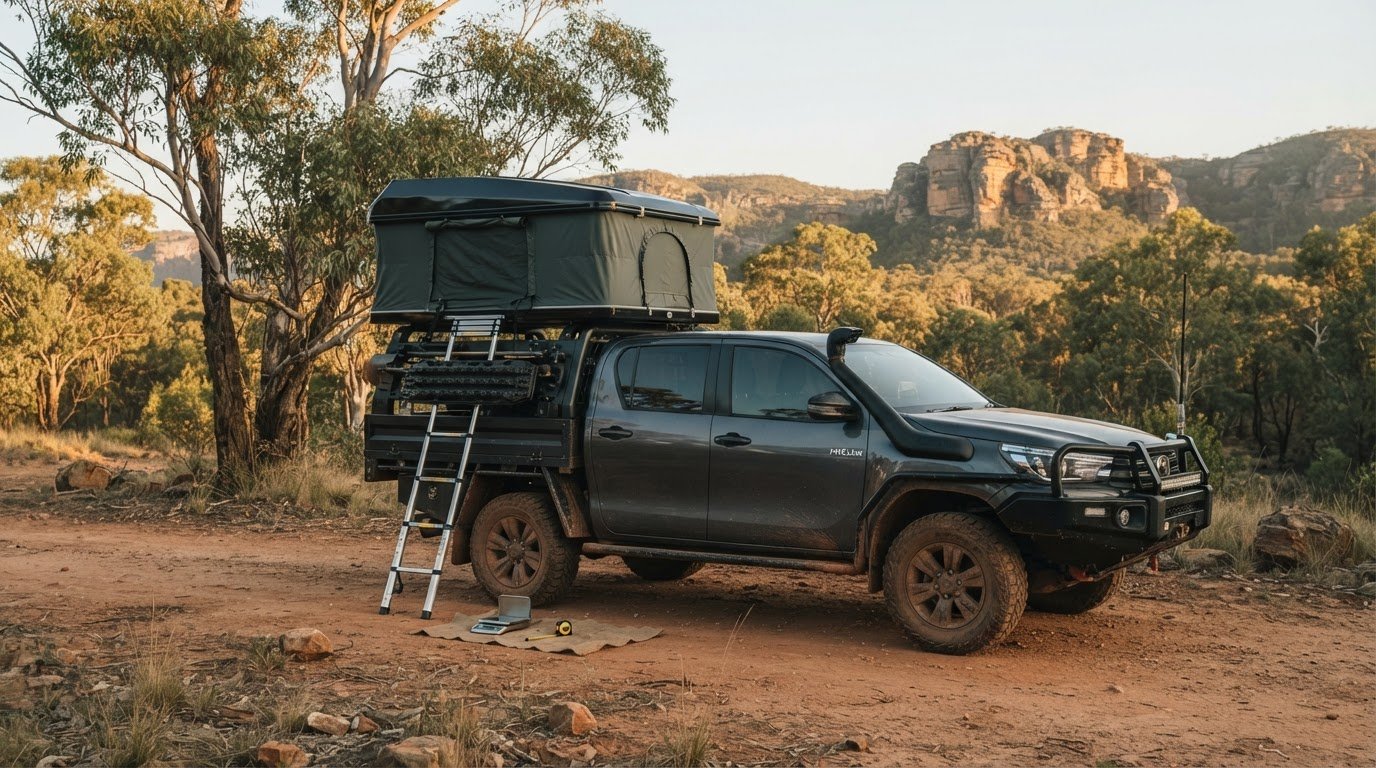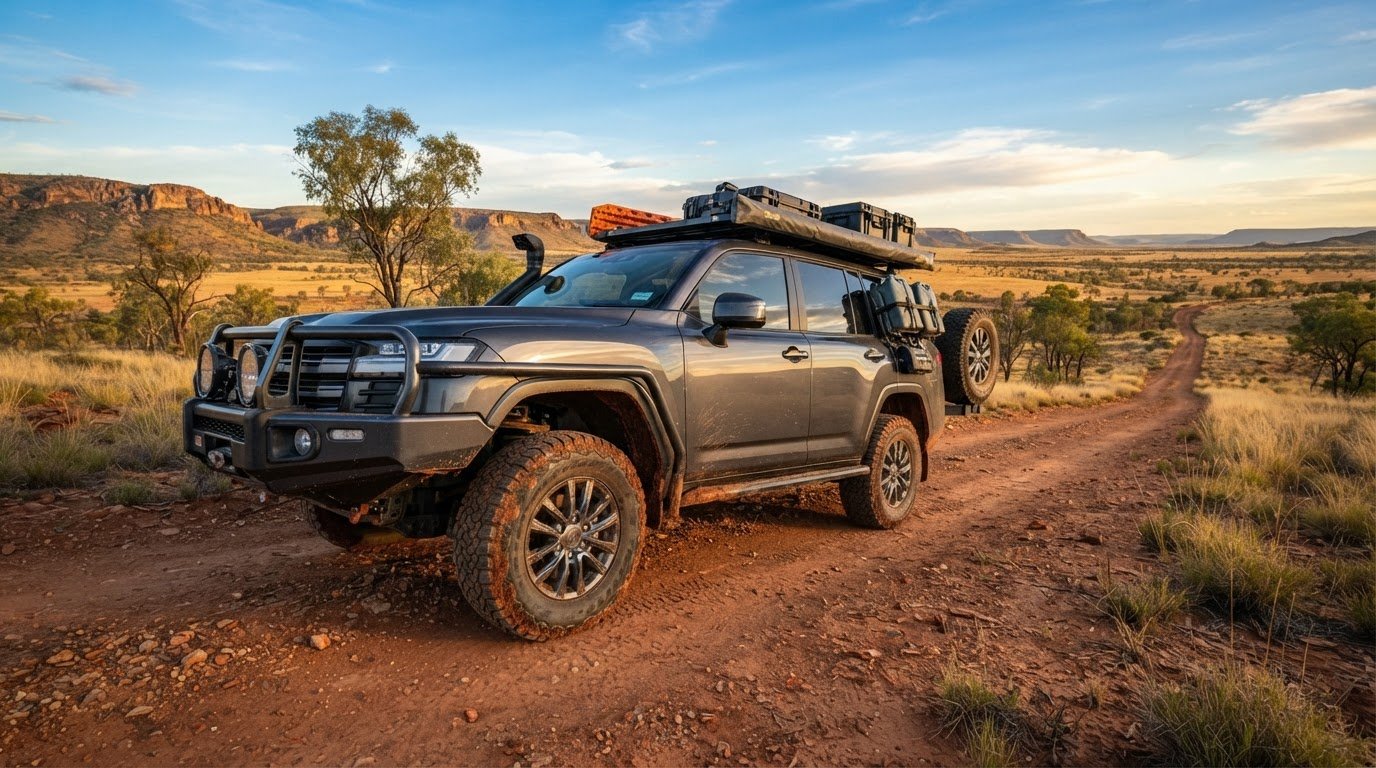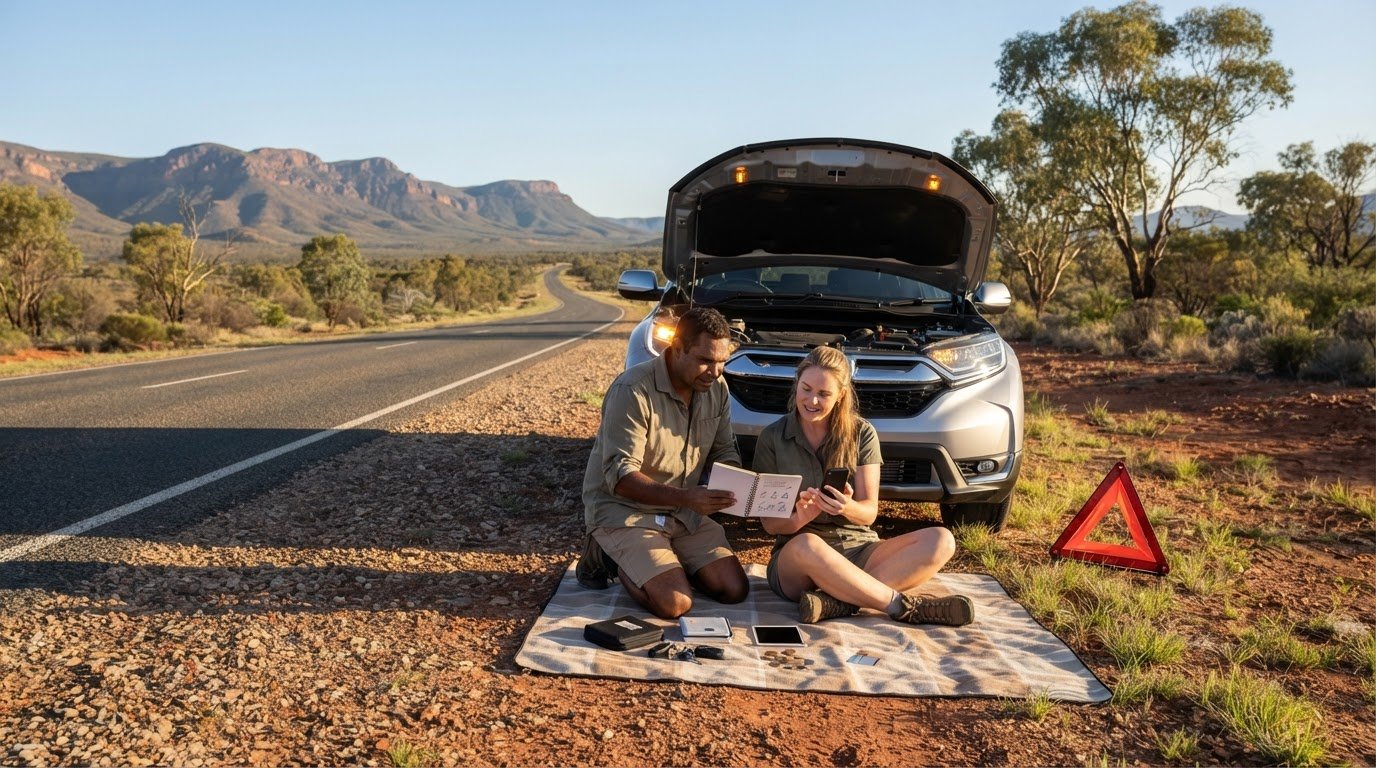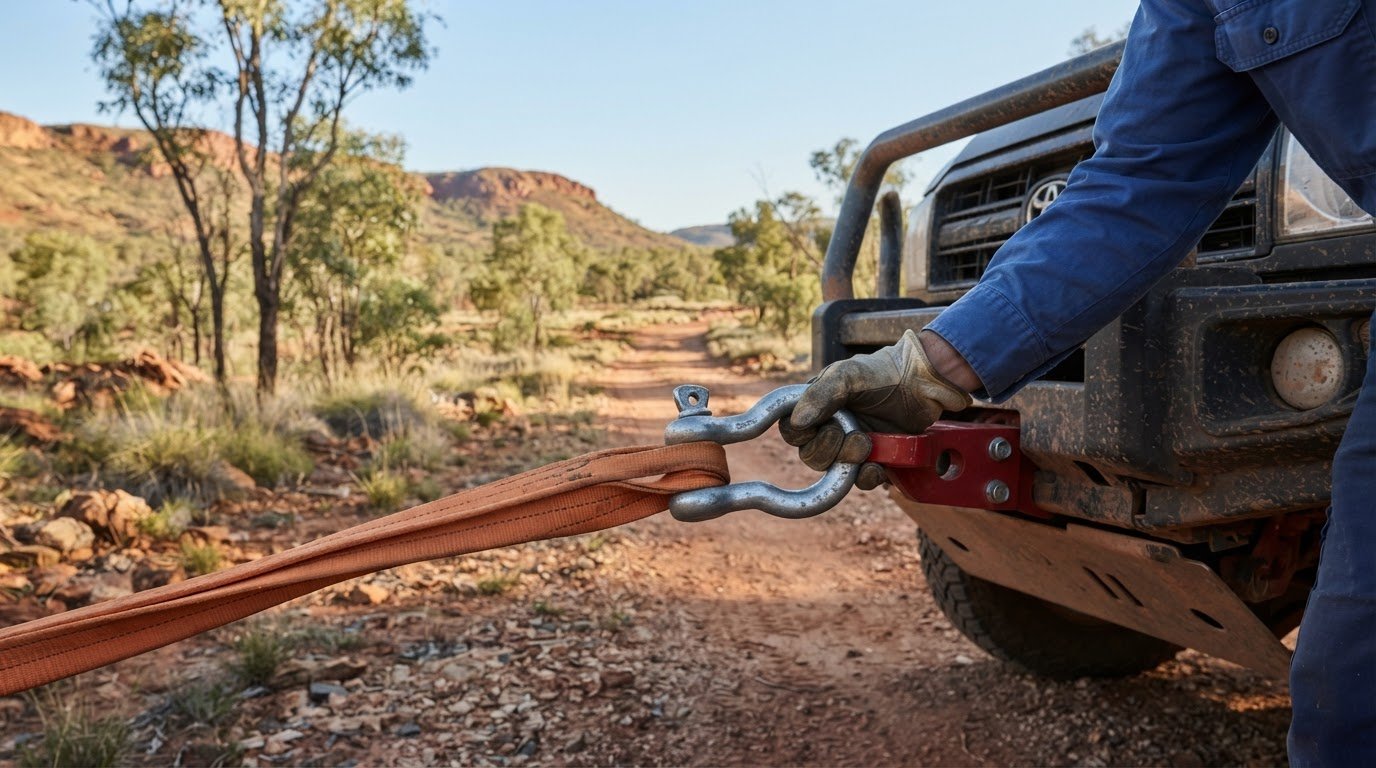
That shiny new A$4,000 hard shell on your mate’s rig might just be the most expensive swag they ever buy. We get it! The allure of a 60-second setup and those epic sunrise views is powerful. Scrolling through Instagram, it feels like every serious Adventurer has one bolted to their roof rack, making it seem like a non-negotiable piece of kit for exploring the Aussie bush.
But before you drop a massive chunk of your adventure budget, we’re here to give you the brutally honest answer to the question: is a roof top tent worth it for your specific setup? Forget the hype. This guide dives deep into the real-world costs beyond the price tag, helps you confidently calculate your vehicle’s GVM tolerance, and breaks down the long-term resale value so you can make a smart, regret-free investment. We’ll cover everything from hard shells versus soft shells to whether buying new or used makes the most financial sense for your future trips.
Key Takeaways
- Go beyond the A$ sticker price to understand the real-world impact an RTT has on your fuel budget and your vehicle’s load capacity.
- Discover how to calculate your ‘cost-per-night’ and see why premium RTT brands hold such high resale value on the Aussie market.
- Finally decide if a roof top tent is worth it for you by comparing your adventure style against our brutally honest pros and cons.
- Learn how a lightning-fast setup can transform your weekend trips, but also what it means to live with a semi-permanent fixture on your roof.
The Roof Top Tent (RTT) Reality Check: What Are You Actually Buying?
Alright team, let’s cut through the noise. A Roof Top Tent (RTT) is more than just a fancy swag; it’s a significant vehicle modification that bolts a ready-made bedroom to your roof rack. This transforms your 4WD into a rapid-deployment basecamp, ready for action wherever you can park it. While the core idea has been around since the 1930s, the modern RTT is a highly engineered piece of gear. If you’re new to the concept, a quick primer on What is a Roof Top Tent? provides a solid historical overview. But for us Adventurerz, the real question is what it does for our trips right now.
The number one reason we see our community making the leap is the incredible convenience factor. Forget spending 20 minutes wrestling with poles and pegs in the dark after a long drive. A quality RTT can be ready for sleeping in under five minutes, and in the case of some hard shells, less than 60 seconds. That’s less time setting up and more time soaking in the sunset with a cold one. This speed is what makes spontaneous trips not just possible, but ridiculously easy.
Beyond speed, there’s the powerful psychological and safety benefit of being elevated. Sleeping two metres off the ground gives you an incredible perspective and peace of mind. You’re up and away from the damp morning ground, out of the path of curious critters, and gifted a superior vantage point of the stunning Aussie landscapes we love to explore. For many, this elevated perspective is the true game-changer that helps answer the question, is a roof top tent worth it?
Here at Adventurerz, we see the RTT as the ultimate gateway to unlocking remote Australia. It’s the key that lets you camp comfortably in the rocky terrain of the Flinders Ranges or on the uneven ground of the Victorian High Country, places where finding a perfect patch for a ground tent is next to impossible. It’s about freedom, pure and simple.
Hard Shell vs. Soft Shell: A Quick Value Comparison
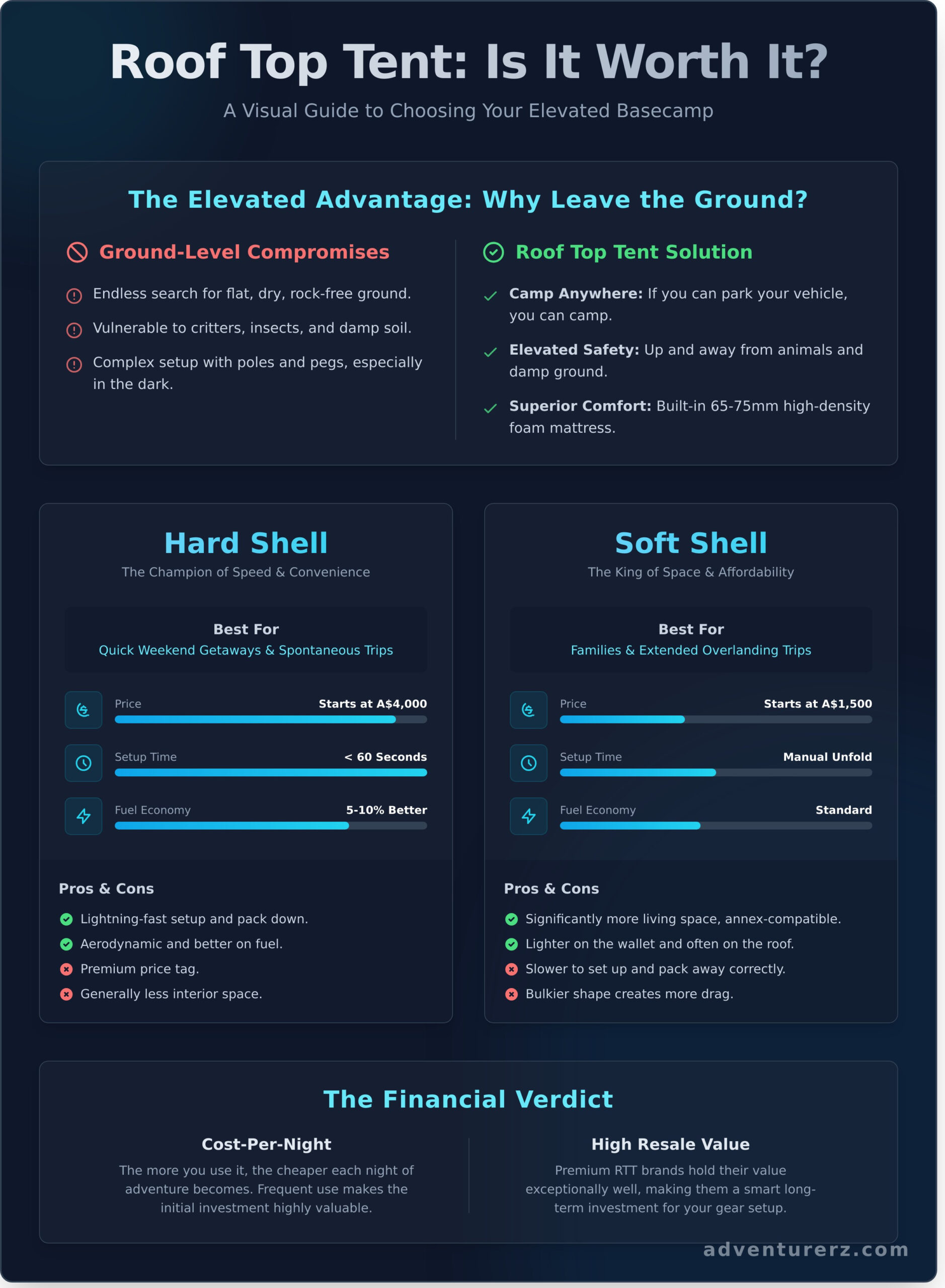
The first big choice you’ll face is between a hard and soft shell RTT. A hard shell, often made of fibreglass or aluminium, is the undisputed champion of speed. Gas struts do the heavy lifting, popping the tent open in seconds. Their aerodynamic shape typically results in 5-10% better fuel economy than a bulky soft shell, but they come with a premium price tag, usually starting around A$4,000. For the “quick weekend getaway” warrior who values speed above all, the hard shell is an unbeatable choice.
A soft shell RTT unfolds like a book, often doubling its footprint and offering significantly more living space, sometimes including a covered annex. They are generally lighter on both the roof rack and the wallet (starting from A$1,500), but require more effort to pack away correctly. This is a fantastic option for families or those on longer trips who appreciate the extra room to stretch out.
The “Ground Tent” Divorce: Why Campers Leave the Dirt
So, why are so many seasoned campers breaking up with their ground tents? It boils down to eliminating compromises. With an RTT, the frustrating 15-minute search for a perfectly level, rock-free, and dry patch of ground is over. If you can park your vehicle there, you can camp there. This opens up a world of epic, previously unusable campsites.
It also means saying a firm “goodnight” to unwanted visitors. Being elevated provides a formidable barrier against Australia’s famous “critters,” from inquisitive snakes and spiders to the general creepy-crawlies that love damp soil. You’ll wake up drier, warmer, and with a whole lot more peace of mind. It’s a simple, effective upgrade to your safety and comfort.
Of course, peace of mind isn’t just about critters. When you’ve invested thousands in your rig and gear, ensuring it’s still there in the morning is paramount. While the standards may differ by country, many explorers now consider advanced security systems like Thatcham approved vehicle trackers UK to be an essential part of their setup to protect their investment.
For the 2026 Adventurer, the Elevated Advantage means trading ground-level compromises for unmatched freedom and a guaranteed five-star view, anywhere your 4WD can park.
The 3 Pillars of Worth: Comfort, Time, and Access
So, you’ve seen the epic photos. The 4WD parked on a remote Aussie cliff edge, a slick tent perched on top, ready for sunset. But beyond the Instagram shot, is a roof top tent worth it for the average Adventurer? We reckon the answer hinges on three massive pillars: unparalleled comfort, reclaimed time, and unbeatable access.
Let’s break down exactly what you’re buying into. It’s not just a tent; it’s a fundamental upgrade to your entire camping system.
Sleep Quality and Thermoregulation
Forget wrestling with a flimsy 10mm self-inflating mat on lumpy ground. Most quality RTTs come standard with a 65-75mm high-density foam mattress. That’s a real bed, off the ground, every single night. For us Adventurerz, a solid 8 hours of sleep isn’t a luxury; it’s a safety requirement for staying alert on challenging tracks the next day. Being elevated also transforms temperature control. In winter, you’re lifted off the freezing ground which can sap warmth by up to 10°C. In summer, you catch every breeze with cross-ventilation windows, something a ground tent rarely achieves. Just remember, a quality anti-condensation mat is non-negotiable to prevent moisture buildup and keep your investment healthy for years, especially in humid coastal regions.
Time: The Ultimate Spontaneity Multiplier
Here’s where the math gets exciting. A traditional ground tent setup can easily chew up 30 minutes: find a flat, clear spot, lay a groundsheet, assemble poles, peg out guylines, inflate mattresses. Do that in the dark or the rain, and it’s even longer. A hardshell RTT? Unclip two to four latches and it pops up in under 60 seconds. A softshell takes maybe 3-5 minutes. Your bedding, pillows and all, is already inside waiting for you.
Over a weekend trip, you’re saving at least 45 minutes on the setup/pack-down cycle. That’s 45 more minutes for fishing, hiking, or just kicking back by the fire. We call this the “Spontaneity Multiplier.” When setting up camp is this effortless, that last-minute Friday decision to head for the hills becomes an irresistible reality. It fundamentally changes *how often* you get out there.
Access and Your Campsite Footprint
This is the pillar that truly separates vehicle-based camping from hiking. An RTT allows you to set up a comfortable camp anywhere your 4WD can park. Think rocky terrain in the Flinders Ranges, soft sand on K’gari (Fraser Island), or a muddy patch by a river where pegging a ground tent would be impossible. Your campsite is level, dry, and secure every time.
But it does more than just give you a place to sleep; it creates a base camp. The area underneath the overhang of a fold-out RTT becomes a perfect sheltered spot for your kitchen setup or a couple of camp chairs. It’s your instant verandah! For the ultimate all-weather hub, pairing your RTT with one of our go-to 4WD Awnings: The Ultimate Guide from Scarborough Experts creates a massive, protected living space. Of course, adding a 60kg+ tent to your roof isn’t without consequences; we’ve seen firsthand the impact on fuel economy and a vehicle’s centre of gravity. So, when we ask, “is a roof top tent worth it?”, we have to weigh this incredible access against the very real performance trade-offs. To see how these elements come together on a real rig, explore the gallery of our community’s builds for some serious inspiration.
The “Hidden” Costs: Fuel, Weight, and Vehicle Wear
Alright, fellow Adventurerz, let’s get real. The A$3,000 to A$6,000+ price tag on a quality roof top tent (RTT) is just the beginning of the investment. To truly answer the question, is a roof top tent worth it, we need to look past the initial purchase and dive into the ongoing costs that can catch you by surprise. These are the details that separate a great gear choice from a 75-kilogram paperweight gathering dust in your garage.
First up, the bowser blues. Bolting a giant, unaerodynamic box to your roof has a direct impact on fuel consumption. We’re not talking small change here. Based on dozens of community tests and our own runs up the coast, you can expect a 10-15% increase in fuel use. If your 4WD normally gets 12L/100km, you’re looking at an extra 1.2 to 1.8 litres for every 100 kilometres. That’s an extra A$20-A$30 on every big tank of diesel. Over a year of weekend trips, that adds up fast!
Then there’s the “Daily Driver Dilemma.” Is your tricked-out rig also the car you use for the school run or the weekly trip to Coles? Taking an RTT on and off isn’t a five-minute job. It’s a two-person lift, requiring a garage hoist or some serious muscle. Leaving it on means you’re carrying that extra weight and aerodynamic drag everywhere, costing you money and making it a pain to get into low-clearance car parks. This is a massive factor in whether an RTT will integrate into your life or become a weekend-only hassle.
Finally, let’s talk about your vehicle itself. Before you even think about buying, you must understand your roof rack’s load limits. There are two numbers to know:
- Dynamic Load: The maximum weight your roof can handle while the vehicle is moving. This is often between 75kg and 100kg for most 4WDs.
- Static Load: The maximum weight your roof can handle when the vehicle is parked. This is much higher, easily supporting the tent, ladders, and a couple of Adventurerz inside.
Exceeding your dynamic load limit isn’t just illegal; it’s incredibly dangerous, putting massive stress on your vehicle’s roof pillars and suspension. As noted in The Camping and Caravanning Club’s 2026 Buyer’s Guide, matching the tent’s weight to your vehicle’s specifications is the absolute first step in a safe purchase.
GVM and Center of Gravity
Adding 80kg to the highest point of your vehicle dramatically raises its center of gravity. On a flat highway, you might not notice. But on a steep, off-camber track in the Victorian High Country, that extra top-heaviness can be the difference between a controlled line and a dangerous vehicle roll. This is why a lightweight hardshell tent, while often more expensive, is a critical safety-first decision for serious off-roaders. On a sketchy, rutted-out track in the Cape, every kilo on your roof feels like ten; for remote QLD adventures, lighter is always better.
The Maintenance Commitment
Your RTT is exposed to Australia’s harshest elements 24/7. In humid climates from the Top End to northern NSW, mold and mildew are relentless enemies. A proper maintenance routine isn’t optional. It involves regular airing out, cleaning zippers, applying UV protectant spray to the canvas and shell, and ensuring it’s 100% bone-dry before closing. A neglected RTT loses its resale value faster than any other piece of camping gear, turning a A$4,000 investment into a A$1,500 headache on Facebook Marketplace.
ROI Analysis: Resale Value and Cost Per Night
Alright Adventurerz, let’s talk brass tacks. A roof top tent is a serious investment for your rig, and the big question always comes down to the numbers. Forget the Instagram shots for a second; we’re diving deep into the return on investment to see if a roof top tent is worth it for your wallet as well as your wanderlust.
We call it the “12-Night Rule,” and it’s a game-changer. The average cost of a decent cabin at a caravan park or a basic motel room in a regional town is hovering around A$200 per night as of late 2025. If you buy a quality A$2,400 soft shell tent, you only need to use it for 12 nights to break even on accommodation costs. Everything after that is pure savings! Think about it. One solid two-week trip up the coast, and your tent has paid for itself. That’s powerful stuff.
Of course, the real value shines through with premium brands. A top-tier unit from Darche, iKamper, or James Baroud consistently holds around 70% of its original value on the second-hand market after two or three years of solid use. Your A$5,000 hard shell isn’t a A$5,000 expense; it’s more like a A$1,500 investment in years of incredible memories, assuming you look after it. Cheaper, unbranded imports? You’d be lucky to get 40% back, and that’s if the zippers haven’t already given up the ghost.
This brings up a critical choice: a used premium tent or a new cheap one? Our advice, nine times out of ten, is to go for the proven, pre-loved gear. A three-year-old James Baroud that’s been cared for will almost certainly outlast and outperform a brand-new budget tent, especially when you’re facing down a southerly buster on a remote track. In terms of durability, expect a premium tent to handle 5-10 years of “Adventurerz-style” use. For a budget model, you might only get 2-3 seasons before fabric fatigue and component failures become a real problem.
Calculating Your Personal Cost Per Night
Ready to do your own sums? It’s simple. Use this framework to find your true cost per night over the life of the tent: (Purchase Price – Estimated Resale Value + Extra Fuel Cost) / Total Nights You Plan to Camp. That final number is what you compare to that A$200 cabin. The extra fuel from wind drag and weight typically adds A$2-A$4 per 100km, so don’t forget to factor that in on a big lap!
Resale Strategy for 2026
Protecting your rig’s original paintwork from trail pinstripes and sun damage is another way to lock in future value. While based in the US, for some great inspiration on how professional vehicle wraps can achieve this while giving your 4WD a unique look, you can visit Yeahgor.
Thinking of upgrading in a few years? Smart move. To maximise what you get back, keep your original receipt and every single piece of mounting hardware in a labelled box. Buyers in 2026 are savvy; they want the complete package. Also, market demand is shifting. We’re seeing hard shell tents gain massive popularity for their quick setup and better weather resistance. Understanding these trends is key. Read our full breakdown on Hard Shell vs Soft Shell Tents for QLD Weather to see which style will likely hold its value better in your area.
Ultimately, investing in a quality roof top tent from a trusted brand isn’t just buying a product; it’s buying an asset that holds its value while enabling priceless adventures. When you look at it that way, the answer to is a roof top tent worth it becomes crystal clear. Ready to find the perfect long-term investment for your rig? Explore our curated range of expedition-proven roof top tents that we trust on our own vehicles.
Final Verdict: Should You Join the Adventurerz RTT Tribe?
So, after all the analysis, is a roof top tent worth it for your 2026 adventures? The brutally honest answer is: it depends entirely on how you explore. An RTT isn’t just a piece of gear; it’s a commitment to a specific style of travel. For some, it’s the ultimate freedom machine. For others, it’s an expensive, impractical burden. Let’s break down exactly who falls into which camp.
The RTT lifestyle is a perfect match for certain Adventurerz. We see them thrive with:
- Touring Couples & Solo Explorers: If you’re constantly on the move, chasing sunsets from one epic spot to the next, the sub-3-minute setup of a hardshell RTT is a game-changer. No more wrestling with poles in the dark. For solo travellers, the added security of being off the ground provides priceless peace of mind.
- Time-Poor Weekenders: Got a 5 PM finish on Friday and a burning desire to be deep in the bush by nightfall? An RTT maximises your precious time. Your bedding is already inside, the setup is lightning-fast, and Sunday’s pack-down is blissfully simple, getting you back on the road before the traffic builds.
However, an RTT is definitely not the holy grail of camping for everyone. We strongly advise against it for:
- Families of 5 or More: Most RTTs sleep 2-3 adults comfortably. While some larger models exist, they push the dynamic roof load limits of many vehicles and can cost over A$6,000. For large families, a quality ground tent or camper trailer offers far more space and practicality for less financial outlay.
- Long-Stay Base-Campers: If your idea of a holiday is setting up at a single campsite for two weeks and using your 4WD for daily trips to the beach or local town, an RTT will drive you mad. Having to pack up your entire shelter just to go for a quick drive is a massive inconvenience. A high-end swag like a Darche Dusk-to-Dawn (around A$700) or a simple Oztent RV-5 offers more flexibility for this style of camping.
The Adventurerz Recommendation
Before you drop A$4,000+ on a new setup, we have one piece of non-negotiable advice: try before you buy. Rent an RTT for a long weekend. We suggest a classic Moreton Island trip from Brisbane; the mix of beach driving and designated campsites is the perfect real-world test. Rental costs from companies like Rooftop Tents Brisbane start around A$90 per night. This small investment can save you from a very costly mistake. Pay close attention to how the tent’s weight (a 75kg hardshell vs. a 55kg softshell) affects your vehicle’s handling, especially on an SUV versus a Dual Cab with a reinforced canopy.
Ready to see how it looks in the wild? Our community forum has a dedicated thread where Adventurerz share their real-world RTT setups, from tricked-out LandCruisers in Scarborough to nimble Jimnys exploring the High Country. It’s the best place to ask questions and get unbiased feedback.
Eco-Conscious Adventure
Choosing an RTT can also be a step toward more responsible exploration. By keeping your campsite contained to your vehicle’s footprint, you minimise soil compaction and vegetation damage, which is crucial in sensitive coastal and alpine environments. Furthermore, investing in premium brands like The Bush Company or iKamper means you’re buying gear built to last. Their focus on repairability, with readily available spare parts from canvas patches to gas struts, means your tent can be maintained for a decade or more, keeping it out of landfill and reducing your long-term environmental impact. It’s the ultimate “buy once, buy right” philosophy.
So, Should You Join the RTT Tribe? The Final Verdict
The decision lands squarely on your adventure style and how often you escape the city. For the dedicated weekend warrior hitting the tracks 15+ times a year, the 5-minute setup and elevated comfort make the A$3,500 average investment a true game-changer. But it’s not just the upfront cost; that extra 80kg on your rig can increase your fuel bill by up to 10% on a long haul from Perth to Exmouth. Ultimately, the answer to is a roof top tent worth it comes down to your personal ROI. With top-tier models from brands like Darche holding over 70% of their resale value after two years, your cost-per-night can quickly become more affordable than a roadside motel.
Making the right gear choice is tough, and that’s exactly why our tribe exists. For brutally honest, eco-conscious gear recommendations and expert 4WD advice from our Scarborough-based locals who explore remote Australia, you need to be part of the community. Join the Adventurerz Community for Expert Gear Reviews!
We’ll see you out there, under the stars. Happy travels!
Frequently Asked Questions About Roof Top Tents
Do roof top tents ruin your car?
No, a correctly installed roof top tent (RTT) will not ruin your car. The key is using a quality roof rack system that’s properly rated for your vehicle’s dynamic weight capacity. Damage like scratches or dents almost always comes from improper installation, such as overtightening bolts past the recommended 7-9 Newton-metres or dragging the tent across the paint. We always tell fellow Adventurerz to use a two-person lift and to double-check those torque specs!
Can any car handle a roof top tent?
Not every car can handle a roof top tent; it all comes down to your vehicle’s specific roof load rating. You need to check your car’s manual for its ‘dynamic weight capacity’—the total weight it can safely carry while in motion. Most RTTs weigh between 45kg and 90kg. For example, a 2024 Subaru Forester has a dynamic roof load limit of 80kg, making it perfect for many popular two-person models.
Is it hard to drive with a roof top tent?
Driving with a roof top tent feels different, but it’s not hard once you get used to it. You will notice a higher centre of gravity, so take corners a bit slower. Your fuel economy will likely increase by about 10-15% due to the added aerodynamic drag. The biggest thing is remembering your new height, which is typically 30-40cm taller, to avoid any nasty run-ins with low-clearance car parks or trails in the Aussie bush.
Are roof top tents actually comfortable to sleep in?
Yes, modern roof top tents are seriously comfortable, often much more than a ground tent. Most come standard with a built-in high-density foam mattress, usually between 50mm and 75mm thick. This is a massive upgrade from a thin sleeping mat on rocky ground! Being elevated also keeps you flat, level, and away from dampness and critters. It’s a complete game-changer for getting a proper night’s sleep out on the tracks.
Do roof top tents get moldy?
A roof top tent can get moldy, but only if you pack it away while it’s still wet. This is the golden rule of RTT care: you must air it out completely before storing it for more than 48 hours. If you have to pack up camp in the rain, just make sure you pop it open as soon as you get home to let it dry thoroughly. A few hours in the sun is all it takes to keep it fresh for your next adventure.
What happens if I need to use my car while the tent is set up?
You must pack down the tent completely before you can drive your car anywhere. This is the biggest trade-off and a crucial point when deciding if a roof top tent is worth it for your travel style. A quick trip to grab firewood or check out a viewpoint requires a full pack-down, which takes between 3 to 10 minutes depending on your tent. It just means you have to be a bit more strategic with your campsite planning!
Is a roof top tent warmer than a ground tent?
Yes, a roof top tent is significantly warmer than a ground tent. You lose a huge amount of body heat to the cold ground through conduction, and being elevated completely eliminates this. The insulated base and thicker canvas walls of most RTTs also retain heat far better than the thin nylon of a typical dome tent. In our winter tests, we found the internal temperature was consistently 5-8°C warmer inside an RTT.
How much weight can a roof top tent actually hold?
Most two-person roof top tents can hold between 250kg and 350kg when you’re parked and sleeping in them. This is the ‘static weight capacity’, which is much higher than the ‘dynamic weight capacity’ for driving because the vehicle’s entire frame supports the load when stationary. For example, a popular hard-shell tent might have a static capacity of 300kg, easily supporting two adults and their gear with plenty of strength to spare.