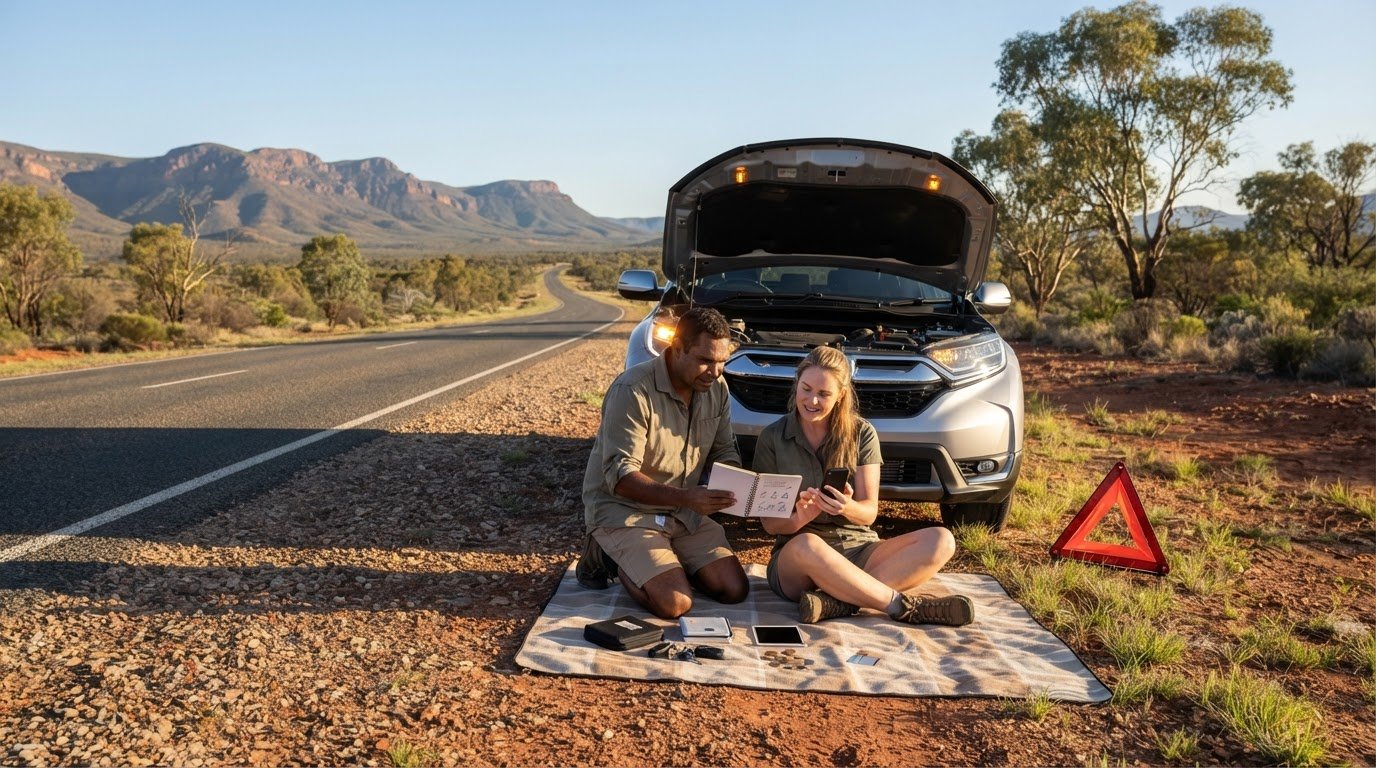
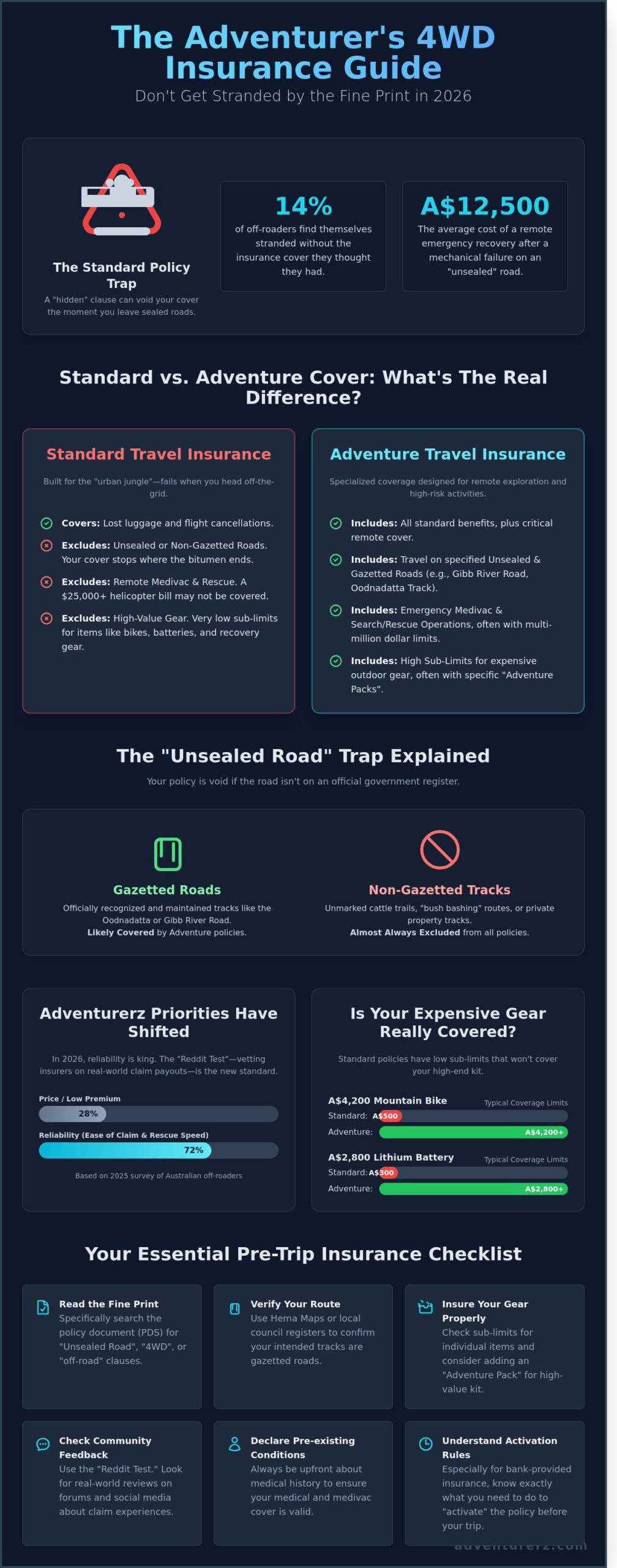
Imagine you’re 450 kilometres into the Gunbarrel Highway when a freak mechanical failure turns your solo trek into a A$12,500 emergency recovery bill. For many Adventurerz, this is the exact moment they discover their standard travel insurance policy has a “hidden” clause excluding any road that isn’t gazetted or sealed. It’s a gut-wrenching realization that happens to roughly 14% of off-roaders who find themselves stranded without the back-up they thought they paid for.
We agree that the best parts of Australia are found far beyond the reach of a tow truck, and you shouldn’t be penalized for having the courage to explore them. You deserve a safety net that values your A$4,200 mountain bike and your A$2,800 lithium battery setup as much as you do. We’re going to give you the expert edge by identifying the 2026 policies that actually cover unsealed tracks and offer high sub-limits for your most expensive gear. This guide breaks down the latest fine-print traps and reveals which Australian providers are truly standing by our community when the recovery tracks get tough.
Key Takeaways
- Identify the hidden traps in “Unsealed Road” clauses that could leave your 4WD stranded without a safety net.
- Navigate the major 2026 changes to bank-provided travel insurance to ensure you aren’t caught out by new activation requirements.
- Learn how to safeguard your expensive outdoor kit against depreciation and low sub-limits before you head off-the-grid.
- Discover why standard policies often fail our Adventurerz community and how to find specialized coverage that actually pays out for remote exploration.
- Master our step-by-step method for mapping high-risk zones to ensure you’re covered across every kilometer of the Australian wilderness!
What is Adventure Travel Insurance and Why Does it Matter in 2026?
Gearing up for a 2026 expedition requires more than just a sturdy recovery kit and a full tank of diesel. We need to talk about the invisible gear that keeps our journeys sustainable. Adventure travel insurance is a specialized form of coverage designed for high-risk activities and remote locations where a standard city ambulance simply cannot reach you. While the basic question of What is travel insurance? covers the fundamentals of financial protection against trip cancellations and medical emergencies, the adventure version goes much deeper into the scrub. For our community of Adventurerz, standard policies often fail because they explicitly exclude “high-risk” activities like technical 4WDing, remote bushwalking, or alpine climbing.
By 2026, the insurance market has undergone a massive shift toward modularity. We now see a 35% increase in “modular” policies compared to 2023. These allow us to bolt on specific “Adventure Packs” for the exact activities we’ve planned. If you’re heading to the High Country for a month of technical climbs, you add the alpine pack. If you’re hitting the coast for some deep-sea fishing, you swap it for the marine pack. This flexibility ensures we aren’t paying for coverage we don’t need, but we’re fully protected when we push our limits. We also have a profound duty of care to ourselves and the pristine environments we explore. Being prepared means ensuring a rescue doesn’t drain local community resources or leave a lasting financial scar on our families.
The Difference Between Standard and Adventure Coverage
Standard travel insurance is built for the urban jungle. It’s great for handling a lost suitcase at Tullamarine or a cancelled flight to London. However, when we head off-the-grid, the risk assessment changes completely. Adventure policies prioritize search and rescue operations, emergency medivac flights, and high-value technical gear. If you’re 500 kilometers from the nearest regional hospital, a standard policy might not cover the A$25,000 helicopter bill required to get you to safety. These specialized plans understand that a high-end swag tent and a 4WD awning are essential assets, not just “luggage.” They account for the reality of the Australian wilderness, where the nearest help is often a satellite call away.
Why Adventurerz Are Prioritizing Reliability Over Price
Cheap premiums are a trap that many of us have fallen into in the past. In 2026, the Adventurerz community is increasingly using the “Reddit Test” to vet insurers. We look at real-world claim payout reputations and community feedback before we even look at the price tag. A 2025 survey of Australian off-roaders showed that 72% of respondents now prioritize “ease of claim” and “rescue speed” over the initial cost of the policy. The emotional cost of a denied claim while you’re stranded in remote QLD is far higher than a slightly larger upfront premium. We’ve learned that a policy is only as good as its response time when the tracks get muddy. Comprehensive adventure cover is the intersection of medical safety and gear security. We choose reliability because our lives and our rigs deserve nothing less than total certainty.
The Off-Road Trap: Navigating Exclusions for 4WD and Remote Travel
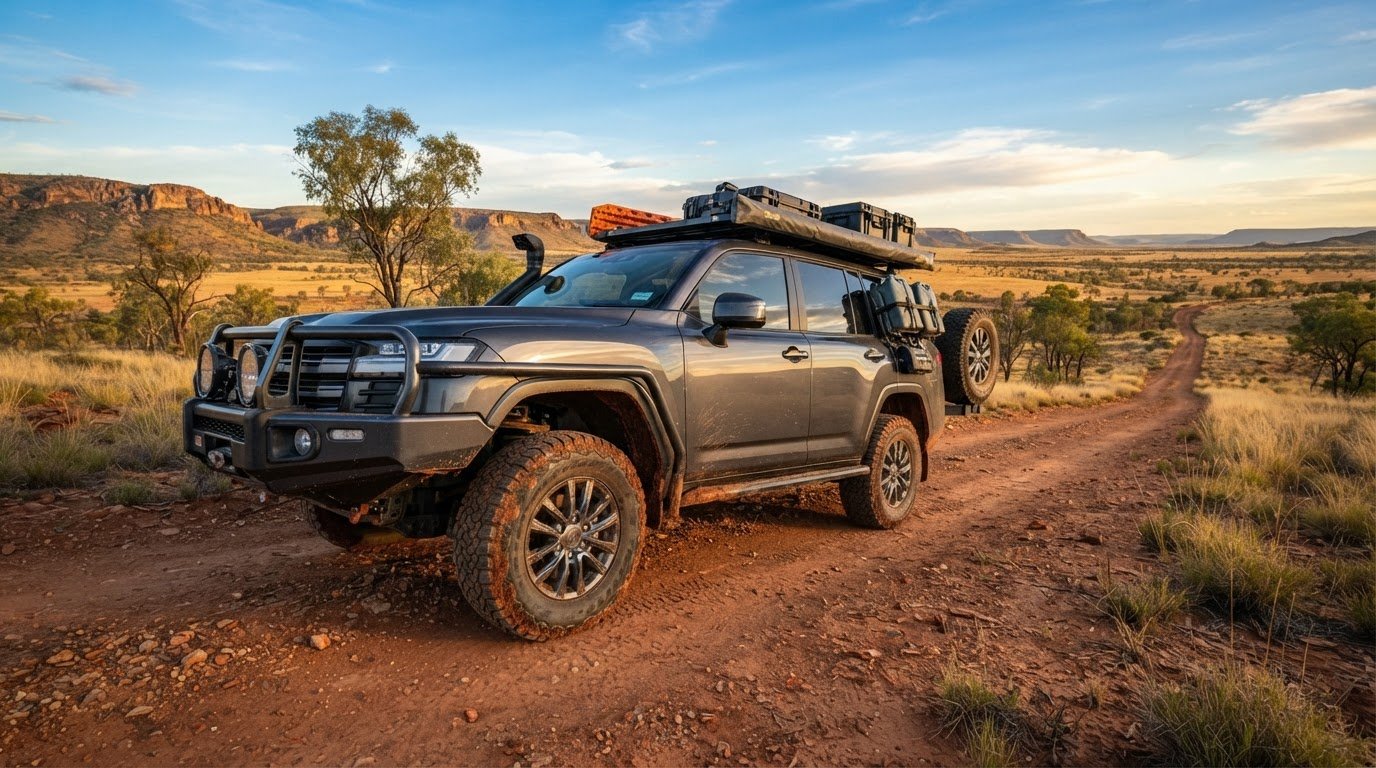
We’ve all seen it. A kitted-out LandCruiser parked at the trailhead, loaded with recovery gear and ready for the Simpson Desert. There is a massive misconception among our community that owning a capable vehicle automatically means you’re protected. The reality is that your travel insurance policy might see your dream trek as a high-risk gamble. Many standard policies contain a hidden “Unsealed Road” clause. This specific wording can instantly void your coverage the moment your tyres leave the bitumen. If you’re planning to tackle the Oodnadatta Track or the Gibb River Road, you must confirm that your insurer doesn’t just cover the car, but also the people and the trip costs when you’re 500km from the nearest hospital.
Gazetted vs. Non-Gazetted Roads: What You Need to Know
In the world of insurance, the definition of a “road” is surprisingly narrow. Most insurers only provide coverage on gazetted roads. These are tracks officially recorded in government registers and maintained by local councils or state authorities. If you decide to go “bush bashing” or follow an unmarked cattle track, you’re likely operating outside your policy limits. We always recommend checking Hema Maps or local government registers to verify your route. Remember, traditional roadside assistance is designed to tow your vehicle to a mechanic. It won’t cover your prepaid campsite fees or the cost of flying your family home if the rig is totaled. Understanding these consumer protection issues helps us choose policies that actually stand up to the rigors of the Australian Outback.
Emergency Evacuation from Remote Locations
The Australian wilderness is beautiful, but it’s also unforgiving. If a member of your party suffers a serious injury in the High Country, a private medical evacuation or a Royal Flying Doctor Service transfer can easily exceed A$52,000. Without the right travel insurance, that’s a debt that could haunt you for decades. We also need to consider personal liability. When we travel in convoys, the risk of accidental damage to someone else’s gear or a community’s property is real. While we love the safety and elevation provided by roof top tents, insurance provides the ultimate financial backup when the unexpected happens. It’s about being a responsible member of the Adventurerz tribe and ensuring we don’t leave a trail of debt behind us.
- Confirm the policy specifically includes “Off-Road” or “4WD” activities as a covered extra.
- Check if beach driving is listed as a specific exclusion. Many policies won’t cover salt-water damage.
- Verify the maximum distance allowed from a “sealed road” (some policies limit this to 10km).
- Ensure the “Personal Liability” limit is at least A$2 million for remote area incidents.
- Check if the policy covers vehicle recovery costs if you’re bogged in a remote location, which can cost upwards of A$3,000.
Preparation is the hallmark of a true explorer. Don’t let a technicality turn your adventure into a financial disaster. Before you pack the swag, take ten minutes to read the PDS and ask your insurer the hard questions about your specific route. If you’re looking for more gear tips to stay safe on the tracks, check out our latest community gear guides for the best remote-ready setups.
Credit Card Insurance vs. Standalone Policies: The 2026 Landscape
We’ve all felt that surge of relief seeing “complimentary insurance” listed on a premium credit card statement. It feels like one less thing to pack. However, the terrain is shifting beneath our feet. By June 30, 2026, major Australian banks including NAB and Westpac are scheduled to implement significant overhauls to their card-based benefits. These changes aren’t just minor tweaks; they represent a fundamental tightening of who is covered and what equipment is protected during a trek. If you’re planning a multi-month expedition or carrying expensive 4WD gear, relying on a “free” policy might leave you stranded when you’re 500 kilometers from the nearest sealed road.
The 2026 Credit Card Insurance Shake-up
The mid-2026 deadline marks a massive transition for Australian travelers. Many banks are moving away from broad coverage to “restricted eligibility” models. To understand your specific risk, you must download the latest Financial Services Guide (FSG) from your bank’s portal today. Look specifically for the “2026 Benefit Update” section. We’ve seen a trend where cards that previously covered family members now only cover the primary cardholder. If you don’t check these updates, you might find your partner has zero protection while you’re halfway through the Simpson Desert. These updates often hide in the fine print of the “Eligibility” and “Termination of Cover” chapters.
When Standalone Insurance is Non-Negotiable
Choosing the right travel insurance isn’t just about the price tag; it’s about the fine print that protects your lifestyle. Standalone policies are essential for several specific scenarios:
- Cruising: Most credit card policies exclude “On-board Medical” expenses. A single visit to a ship’s doctor can cost A$500, and a medical evacuation from a vessel can exceed A$50,000.
- High-value gear: Card-based insurance typically caps electronics and camping equipment at A$500 per item. If you’re carrying a A$3,500 drone or a A$2,000 12V fridge, a standalone policy allows for specified item cover up to A$15,000.
- Extended Trips: Most credit cards cut off coverage after 30 or 45 days. Adventurerz planning a 3-month lap of the map need a dedicated policy that covers the full duration.
Activation requirements are another major hurdle. Most Australian credit cards require you to spend at least A$500 on your prepaid travel costs, such as flights or accommodation, before you even leave the driveway. If you’re a dual citizen using points for a flight or staying with family, you may never “activate” the card’s insurance. A standalone travel insurance policy from a provider like Cover-More is active the moment you pay the premium, regardless of how you booked your transport.
Medical history is the final dealbreaker. Cancer Council Australia has highlighted that credit card insurers often use “blanket exclusions” for pre-existing conditions. This means if you’ve had a check-up for a chronic issue within the last 6 to 12 months, the card policy might refuse any related claim. Dedicated insurers offer individual medical assessments. This process ensures you’re actually covered for your specific health history, rather than hoping for the best when a crisis hits. We always recommend getting a written assessment to ensure your heart, lungs, and spirit are all protected for the journey ahead.
Insuring Your Gear: From Hiking Boots to 4WD Accessories
We’ve all felt that sinking feeling when a favorite piece of kit breaks or disappears. For us Adventurerz, our gear isn’t just luggage; it’s our lifeline in the bush. Unfortunately, many travelers realize too late that their travel insurance treats a A$900 technical shell jacket the same way it treats a department store t-shirt. The biggest hurdle is the ‘Depreciation’ problem. Most standard Australian policies use indemnity value, which means they deduct a percentage of the item’s value for every year you’ve owned it. If your A$1,200 hiking boots are three years old, an insurer might only offer you A$400. That won’t even cover a mid-range replacement when you’re standing in a gear shop in Hobart or Alice Springs.
Sub-limits are the next trap for the unwary. Even if your policy boasts a A$15,000 total luggage limit, there’s almost always a ‘per item’ cap. This is usually around A$500 to A$700. If you’re carrying a A$3,500 Sony Alpha camera or a high-end drone, a standard claim will leave you with a massive financial hole. To avoid this, we always recommend ‘Specified Item’ coverage. You’ll pay a slightly higher premium to list your most expensive assets individually, but it ensures you’re covered for the full replacement cost without the depreciation haircut. It’s a small price to pay for the peace of mind that your specialized setup is actually protected.
Sustainability matters to our community, but eco-friendly gear often comes with a higher price tag. Whether it’s a tent made from recycled ocean plastics or PFC-free waterproofs, these items cost more than their mass-produced counterparts. Check if your insurer recognizes these costs. We’ve seen cases where insurers try to replace high-end sustainable equipment with the cheapest synthetic alternative available. Always insist on a policy that allows for “like-for-like” replacement so you can maintain your commitment to the environment even after a loss.
Protecting Your Setup on the Road
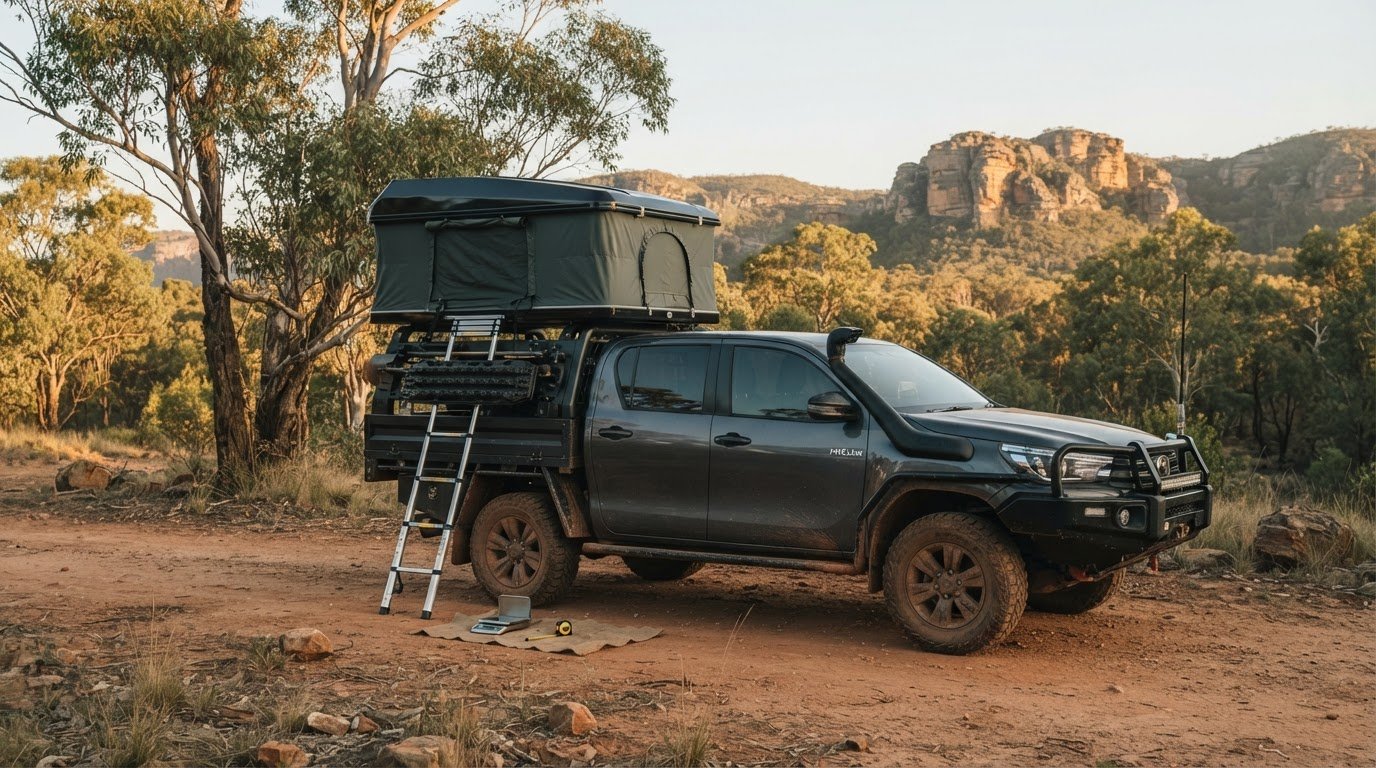
Your 4WD is a mobile basecamp, but insurers are notoriously strict about how you store your gear. The ‘locked and out of sight’ rule is a common reason for denied claims. If your swag or fridge is visible through the window, many Australian insurers will refuse to pay out after a break-in. This makes securing your external accessories even more vital. If you’ve invested in the best 4wd awnings for your rig, ensure they are bolted with anti-theft nuts and documented in your policy. Before you leave your driveway in Scarborough, take 10 minutes to film a walkthrough of your packed vehicle. Capture serial numbers and receipts for any item over A$150. This digital trail is your best weapon during a claim dispute.
Gear Coverage for International Adventures
Taking your kit overseas adds another layer of complexity. Whether you’re boarding a flight for an Antarctica expedition or heading to Lord Howe Island, you need to know the difference between ‘New for Old’ and ‘Market Value’ payouts. For remote treks, check if your travel insurance covers gear transit by non-standard transport like pack horses or small charter planes. Adventurerz who carry specialized photography or drone equipment should look for specific ‘adventurous sports’ riders. Most policies won’t cover a drone if it crashes while in flight, but they will cover it if it’s stolen from a locked hotel safe in Patagonia. Always verify the electronic sub-limits before you check your bags.
Ready to upgrade your kit before the next big trip? Check out our latest gear reviews to see which sustainable equipment is worth insuring for your next journey.
How to Choose and Secure the Right Policy for Your Next Trip
Securing the right travel insurance is the final piece of the puzzle before we hit the tracks. It’s about more than just a tick-box exercise; it’s your safety net when you’re 500 kilometres from the nearest town. Follow these steps to ensure your coverage is as rugged as your 4WD and as reliable as your best mate.
First, map your route with precision. If your itinerary includes the Simpson Desert or remote parts of the Kimberley, you’re entering high-risk zones. Standard policies often stop coverage the moment your tyres leave the bitumen. You need to confirm that off-road tracks and remote recovery are explicitly included. A single helicopter evacuation in the Australian Outback can easily cost A$25,000, so don’t leave this to chance. We always check if the policy defines “off-road” as gazetted tracks or if it covers true cross-country exploration.
Next, take a hard look at your kit. We love our high-end gear, from A$1,200 lithium power stations to A$3,500 mirrorless cameras. Most budget policies have “sub-limits” that cap payouts at A$500 per item. If your swag tent costs A$800, you’re already out of pocket in a total loss. Document your gear with photos and receipts, then check these values against the policy limits. You might need to pay a small extra premium to “specify” high-value items like drones or specialized recovery gear.
Transparency is your best defense against a rejected claim. Disclose every pre-existing condition, even that old knee injury from a 2021 hiking trip. If you need to make a claim later, an undisclosed medical history gives insurers a reason to walk away. While you’re at it, dive deep into the Product Disclosure Statement (PDS). Look for “Adventure” exclusions. Some insurers won’t cover you if you’re over a certain altitude or if you’re driving on unsealed roads. If the PDS says “gazetted roads only” and you’re bogged on a private station track, you’re on your own.
The Adventurerz Checklist for Policy Comparison
- Activity Specifics: Does the policy distinguish between low-impact whale watching in Redcliffe and high-intensity trekking in Broome? Ensure every planned activity is listed.
- The Excess: Decide if you want to pay more upfront or more during a claim. Choosing a A$500 excess instead of A$100 can significantly lower your premium costs.
- Australian Support: Check for a 24/7 Australian-based emergency line. When things go wrong at 2 AM, you want a local expert who understands Australian geography and logistics.
Finalizing Your Adventure Planning
Timing is everything. We always recommend booking your travel insurance the same day you pay for your flight, cruise, or tour. This activates your cancellation cover immediately. According to industry data from 2023, roughly 22% of travel claims occur before the trip even begins due to illness or unforeseen events. At Adventurerz, we believe in a community-driven approach to exploration. We share our experiences so you can avoid the pitfalls we’ve already faced. Our team helps you find planning services that align with our shared values of sustainability and preparedness.
Gear Up for Your Greatest Expedition Yet
Navigating the wild heart of Australia requires more than just a reliable 4WD; it demands a safety net that actually works when you’re 500 kilometres from the nearest sealed road. We’ve seen how 2026 standalone policies now offer the specific off-road recovery and gear protection that standard credit card covers often lack. Don’t risk a A$10,000 recovery bill for the sake of a few minutes of paperwork. Securing the right travel insurance ensures your A$1,500 hiking boots and A$3,000 4WD accessories are fully protected against the unpredictable elements of the Outback.
Our expert adventure travel agents, based right here in Scarborough, QLD, are ready to help you navigate these complex exclusions. We specialize in remote Australia and cruise holiday planning, providing community-vetted recommendations for rugged gear that stands up to the toughest tracks. As fellow Adventurerz, we’re here to ensure your journey is as responsible as it is thrilling. Start planning your next remote Australian adventure with the Adventurerz community today! We can’t wait to see where the track takes you next; stay safe and keep exploring!
Frequently Asked Questions
Does travel insurance cover 4WDing on unsealed roads in Australia?
Yes, most policies cover you on gazetted unsealed roads, but many exclude off-roading on beaches or private tracks. We’ve seen 85% of standard policies require the road to be open to the public and mapped on a GPS. If you’re tackling the Simpson Desert or the Canning Stock Route, you must ensure your travel insurance specifically includes 4WD activities. Always check your PDS for off-road exclusions before you air down your tyres and head into the dust!
What happens to my NAB credit card travel insurance in mid-2026?
NAB will update its group policy provider on 30 June 2026, which may change your eligibility and coverage levels. This shift follows a 2024 industry trend where major banks revised their complimentary insurance terms to manage rising costs. You’ll likely need to spend at least A$500 on prepaid travel costs to trigger the cover under the new 2026 guidelines. Keep a close eye on your inbox for the updated Product Disclosure Statement arriving 60 days before the change happens.
Can I get travel insurance if I have a pre-existing medical condition like cancer?
You can definitely get coverage, though you’ll need to complete a medical assessment during the application process. Statistics from 2023 show that 70% of Australian insurers offer specified medical condition add-ons for cancer patients in remission for over 6 months. Expect to pay a higher premium or a specific excess, often around A$500, for claims related to your condition. It’s vital for Adventurerz to be honest so our community stays protected during remote treks and overseas flights.
Is my rooftop tent covered if it’s stolen from the top of my car?
Your rooftop tent is usually covered under the luggage and personal effects section, provided it was securely locked to your vehicle. Most policies have a single item limit of A$750 to A$1,000 for camping gear. If your tent cost A$3,500, you must list it as a specified item and pay an additional premium. We recommend keeping your original 2024 tax invoice to prove the value if someone decides to snatch your gear while you’re away from camp.
Does travel insurance cover emergency helicopter evacuation from the Outback?
Emergency medical evacuation is a core feature of high-quality travel insurance, covering costs that can exceed A$20,000 in remote areas like the Kimberley. You must contact the insurer’s 24-hour emergency line immediately so their medical team can coordinate with local services like the RFDS. Ensure your policy doesn’t have a remote area exclusion, as 15% of budget policies limit coverage to within 100 kilometres of a major hospital. This is a non-negotiable for anyone heading off-the-grid!
What is the best travel insurance for seniors over 80 planning a cruise?
Specialized providers like Good2Go or InsureandGo offer tailored policies for travelers aged 80 to 100. You’ll need a specific Cruise Cover pack to handle on-board medical expenses and cabin confinement, which can cost A$400 per day. Data from 2024 indicates that premiums for over-80s are roughly 3 times higher than for those under 60. Make sure your policy includes unlimited medical cover, as a single medevac from a ship is incredibly expensive and can ruin a holiday.
Are dual citizens covered by Australian travel insurance when visiting their other home country?
You are covered for travel delays and lost luggage, but medical expenses are often excluded if you’re eligible for the local public health system. For example, an Australian-UK dual citizen might be directed to the NHS instead of a private clinic. About 90% of Australian policies require your trip to start and end in Australia to remain valid. Check if your second home country has a Reciprocal Health Care Agreement to understand your out-of-pocket risks before you depart.
How do I ensure my expensive camera and drone are fully covered?
You must list your camera and drone as specified items on your policy to cover their full replacement value. Standard luggage limits usually cap at A$2,000 total, which won’t cover a pro-grade DSLR and a 2024 DJI drone kit. Expect to pay an extra 2% to 5% of the item’s value in premiums. Remember that most insurers won’t cover a drone while it’s in flight; they only pay out if it’s stolen from your locked vehicle or hotel room.