What if the greatest risk of venturing into the outback alone isn’t the distance from help, but the mental barrier that keeps you from starting? We understand that the prospect of one man camping across Australia feels daunting when you’re staring at a map of the remote Kimberley or the vast Nullarbor. It’s natural to worry about a mechanical failure on a red dirt track or choosing a swag that’s too heavy for a long hike. You’ve likely felt the tension between wanting total isolation and fearing the lack of a backup plan.
While the focus of this guide is on self-reliance, we recognize that some adventures are best shared. For those who have mastered the solo journey but may want to find a compatible partner for a future expedition, there are innovative ways to connect. You might consider exploring Subscriptions to our matchmaking for similar travelers that would make great travel companions based on mutual interests, affiliations, budgets, and travel styles. to meet others who share your passion for exploration.
For some adventurers, mastering the outback is the ultimate goal. For others, it’s a stepping stone to even greater challenges on the world stage. If you feel the call to test your resilience on one of the planet’s most iconic peaks, you might be ready to Summit Mount Kilimanjaro.
We’re here to turn that uncertainty into absolute confidence by mastering the art of solo self-reliance. This guide promises to help you navigate the 2026 gear trade-offs between ultralight portability and rugged durability, ensuring you’re prepared for every Southern Cross night. Whether you’re tackling the 1,300 kilometer Gunbarrel Highway or a weekend in the Grampians, the right preparation changes everything. We’ll walk you through a 12 point safety checklist and expert shelter reviews so you can join the thousands of Adventurerz already finding peace in the bush. Let’s get you ready for the trail.
Key Takeaways
- Discover how to achieve total mental clarity and self-reliance by embracing the unique freedom of exploring the Australian wilderness on your own terms.
- Learn to build the ultimate one man camping system by balancing weight and durability within your “Big Three” gear essentials.
- Master remote safety protocols using the latest satellite tech and documented trip plans to stay connected while off-the-grid.
- Gain expert insights into efficient campsite selection and solo meal planning designed to minimize waste and maximize your time in the bush.
- Understand your ethical responsibility as an Adventurerz member by applying Leave No Trace principles to protect Australia’s fragile ecosystems.
The Philosophy of Solo Camping: Why Go Alone?
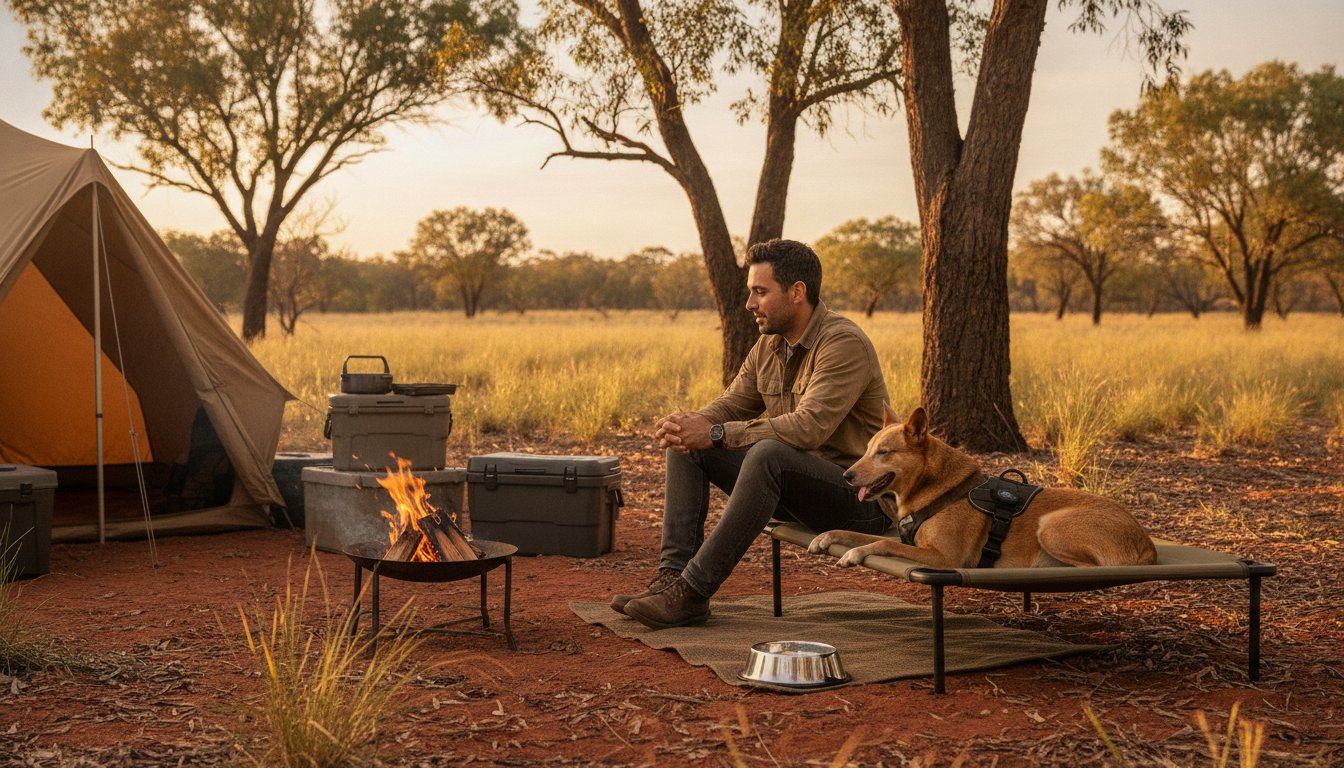
Solo camping isn’t just about spending a night under the stars without a partner. It’s a fundamental shift toward total self-reliance. For many Adventurerz, the draw of one man camping lies in the absolute freedom to choose your own path without compromise. When you’re out in the Victorian High Country or the red dirt of the Kimberley, every decision rests on your shoulders. This autonomy fosters a level of mental clarity that’s nearly impossible to find in our hyper-connected cities. You aren’t just escaping the noise; you’re actively choosing a state of being where you are the sole architect of your experience.
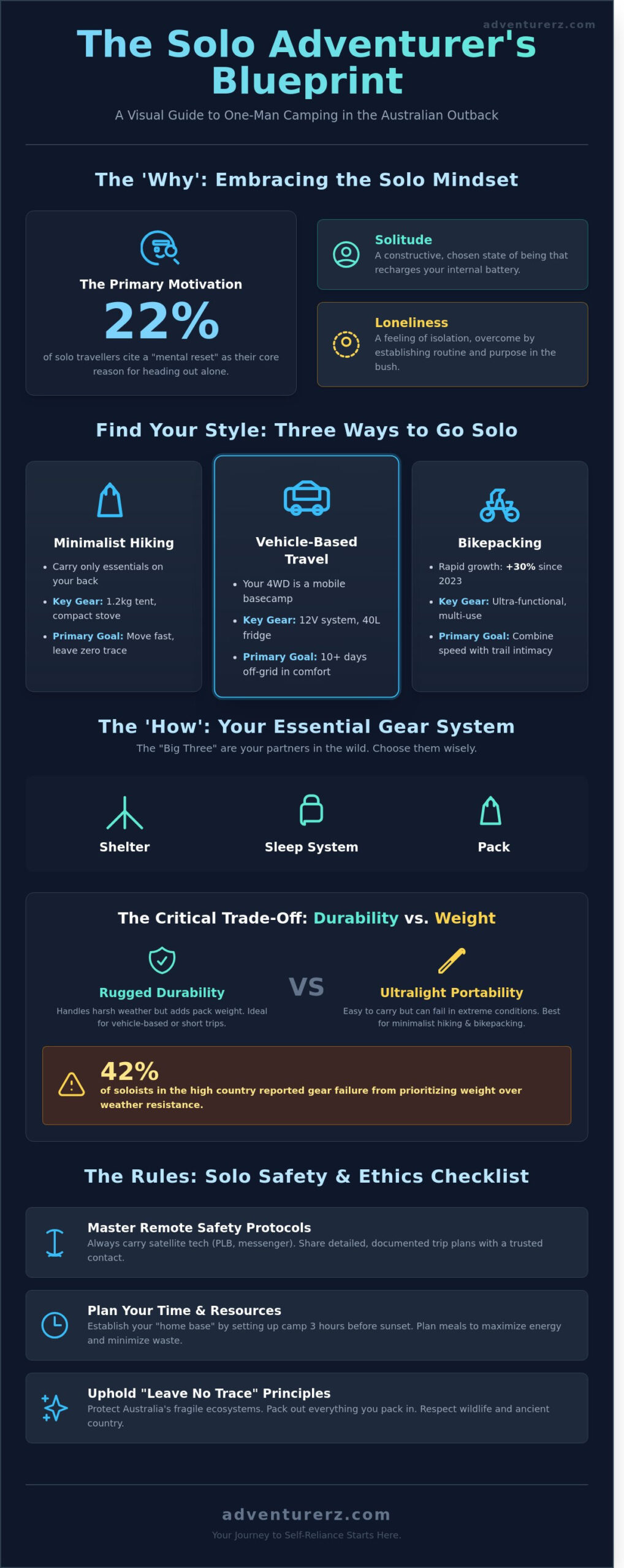
A 2025 survey of Australian outdoor enthusiasts showed that 22% of solo travelers cited a “mental reset” as their primary motivation for heading out alone. By removing the social white noise of group dynamics, you enter a state of deep observation. You notice the subtle shift in wind direction or the specific call of a Glossy Black Cockatoo. Integrating essential camping principles into your solo routine ensures that this focus remains on the environment rather than just survival. We believe that true connection with the Australian landscape requires this lack of distraction. It allows you to move at your own pace, whether that means waking up at 4:30 AM for the sunrise or sitting by a creek for three hours just because you can.
Distinguishing between solitude and loneliness is vital for any solo explorer. Solitude is a choice; it’s a constructive state of being alone where you find peace and recharge your internal battery. Loneliness is a feeling of isolation or being left behind. In the bush, the silence can feel heavy during your first few trips. However, once you embrace the rhythm of the land, that silence becomes a companion. You aren’t lonely when you’re busy managing your site and respecting the ancient country you’re traveling through. It’s a powerful realization that you are enough to handle whatever the wilderness provides.
The Mental Shift to Self-Reliance
The transition from group trips to solo missions requires a psychological gear change. You’re the navigator, the chef, and the safety officer all at once. Most first-timers face the “first night jitters” around 8:00 PM when the sun drops and the bush comes alive with sound. Managing this involves strict routines. We recommend setting up camp three hours before sunset to establish your “home” and feel secure in your surroundings. Self-sufficiency is the ultimate skill. It builds a resilient mindset that serves you long after you’ve packed up your swag and returned to the suburbs.
Choosing Your Solo Style
Every adventurer has a different approach to one man camping depending on their goals and their gear setup:
- Minimalist Hiking: This is the purest form of exploration. You carry a lightweight 1.2kg tent and a compact stove on your back. It’s about moving fast and leaving zero trace on the trail.
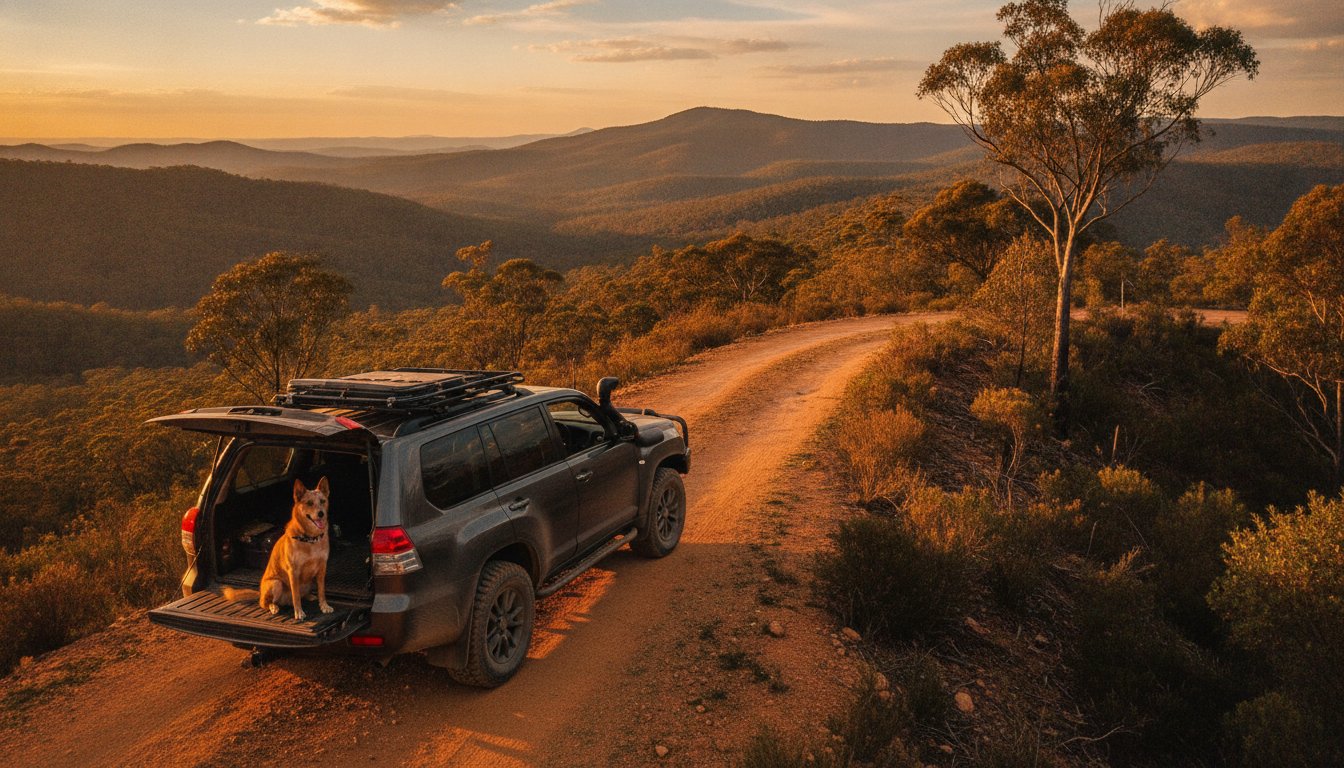
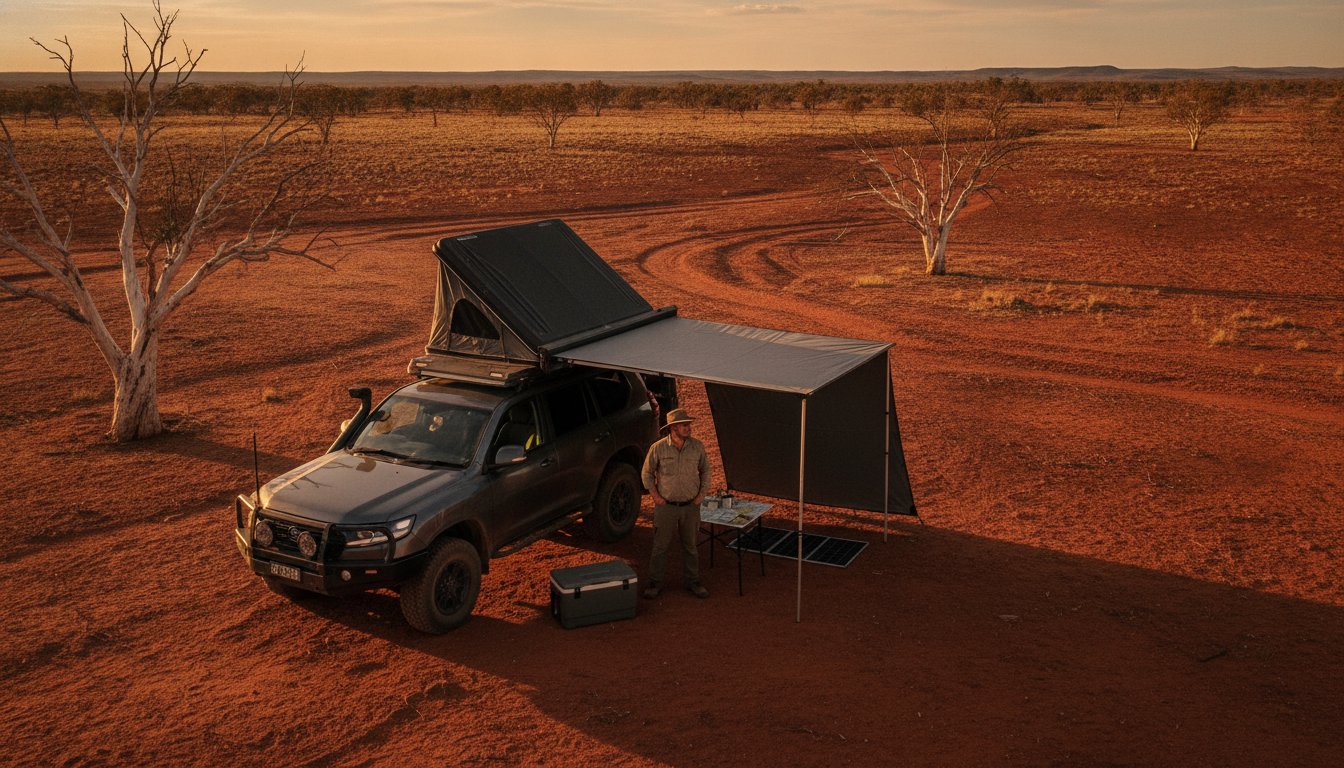
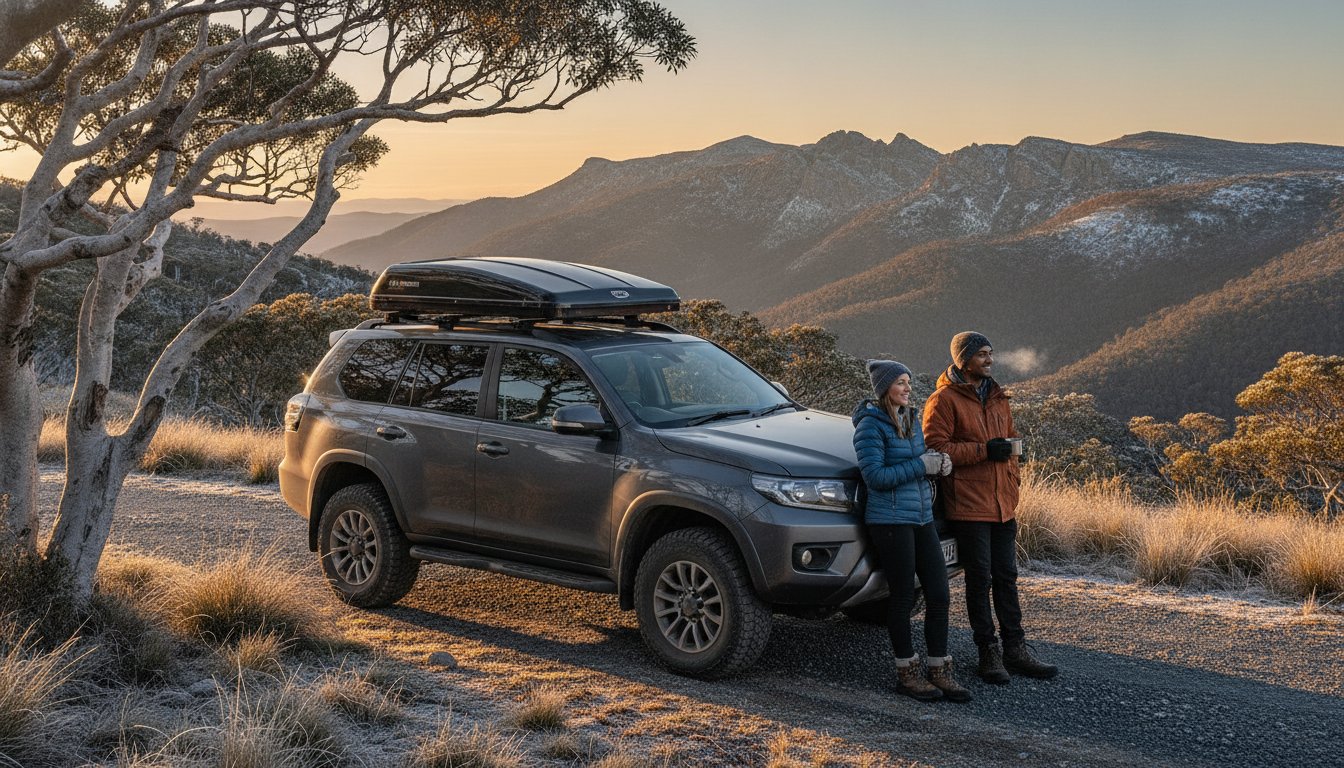
- Vehicle-Based Solo Travel: Your 4WD becomes a mobile basecamp. With a solid 12V system and a 40L fridge, you can stay off-the-grid for 10 days or more in remote regions.
- Bikepacking: A niche that’s grown by 30% in Australia since 2023. It combines the speed of cycling with the intimacy of the trail, requiring ultra-functional, multi-use gear.
Whatever style you choose, the goal remains the same. We head out alone to return more capable, more grounded, and more connected to this incredible continent. It’s about testing your limits while maintaining a deep responsibility to the environment. Are you ready to find your own trail?
Essential Gear for the One Man Camping System
We believe that building a one man camping system is a rite of passage for every Australian explorer. It’s about finding that sweet spot where you’re light enough to move freely but tough enough to handle a sudden southerly buster. When you’re out there alone, your gear is your only partner. We focus on the ‘Big Three’—your shelter, sleep system, and pack—because these items dictate your comfort and safety more than anything else in your kit. In 2026, we’re seeing a significant shift where durability is reclaiming its crown from pure ultralight specs. A 2025 gear durability report indicated that 42% of soloists in the high country experienced gear failure due to choosing weight over weather resistance.
For those of us trekking through the scrub, multi-purpose tools are non-negotiable for reducing pack weight. A high-quality trowel that doubles as a spare tent stake or a titanium mug that works as a cookpot can save you upwards of 350g. Self-reliance is the core of the Adventurerz spirit. Soloists must be completely self-sufficient, which means your gear needs to be intuitive to set up when you’re exhausted. Before you head into the wilderness, we recommend reviewing the Bushwalking Safety Guidelines to ensure your equipment list matches the specific demands of the Australian environment.
One-Person Tents and Swags
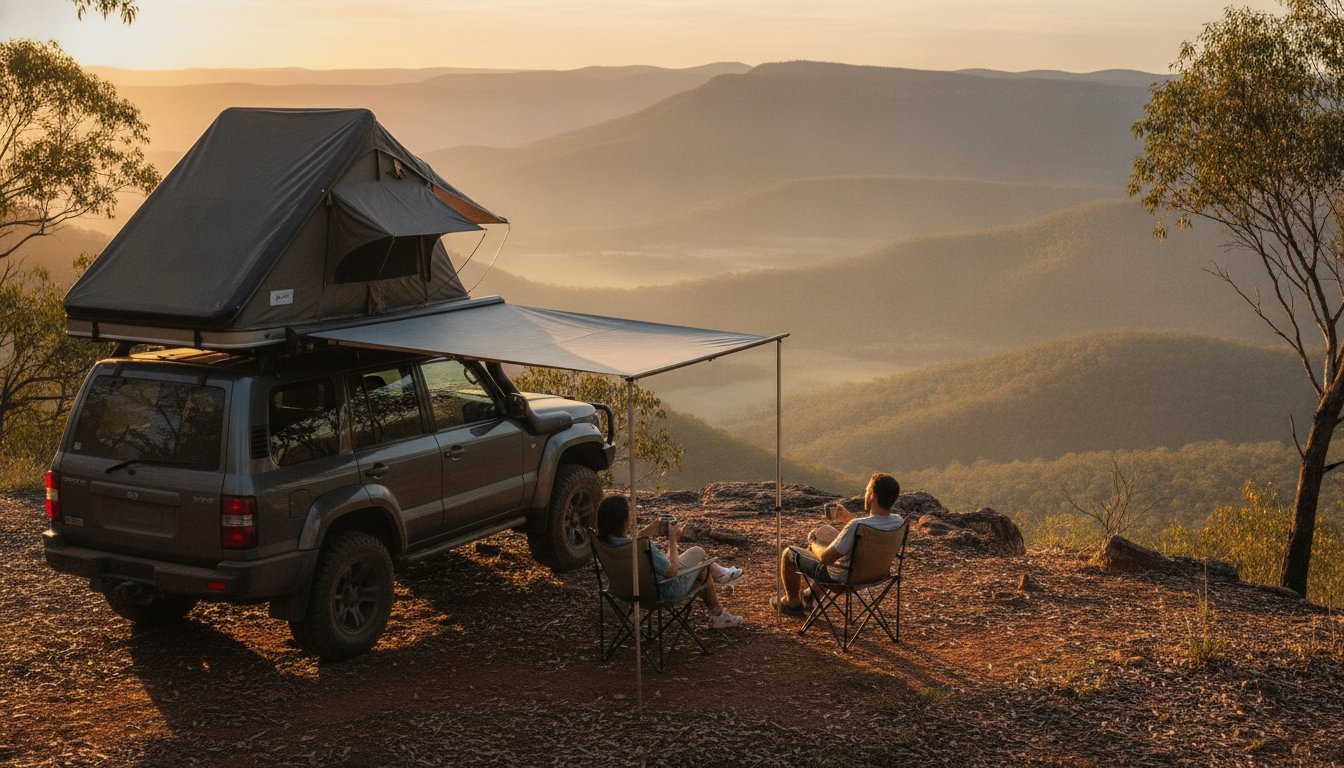
Your shelter choice depends entirely on your mode of transport. For the hikers, a 1P tent with a vestibule of at least 0.6 square metres is vital for keeping your boots and pack dry. If you’re touring in a 4WD, the traditional Aussie swag remains a solo favourite for its ruggedness and “throw-and-go” simplicity. For those seeking maximum security from ground-dwelling critters, a roof top tent offers an elevated sanctuary that’s perfect for one man camping trips where comfort is a priority. These setups provide a flat, integrated mattress that saves you time during every single camp setup.
Solo Sleep Systems and Comfort
Solo sleepers don’t have the luxury of shared body heat, so your insulation needs to work harder. We suggest a sleeping mat with an R-value of 4.0 or higher for year-round Australian use. While down bags offer the best warmth-to-weight ratio, synthetic fills are often better for the 85% humidity levels found in coastal Queensland. Don’t skip the pillow; a dedicated camping pillow costs less than A$40 and is essential for the mental recovery you need to stay sharp on the trail. You can find more advice on tailoring your kit in our community gear reviews.
When you’re exploring remote tracks like the Larapinta or the Bibbulmun, your pack choice should prioritize a harness system that distributes weight to your hips. A 45L to 55L pack is usually the “Goldilocks” size for soloists, providing enough room for five days of food without becoming a literal burden. We always opt for packs made from 210D Robic nylon or similar high-tenacity fabrics to survive the abrasive nature of our native bushland. Every piece of gear in your system should have a clear purpose and a proven track record of reliability.
Safety and Communication in Remote Australia
Solitude is the ultimate prize of the bush, but soloists carry 100% of the risk. The absolute #1 rule for one man camping is simple: never leave home without a documented trip plan. We share our exact coordinates, planned route, and expected return time with at least two trusted contacts. If you aren’t back by the “overdue” time, they call the authorities. It’s that basic. In 2024, search and rescue operations in the Australian bush cost an average of A$2,500 per hour; being found fast isn’t just about survival, it’s about being a responsible member of the Adventurerz community.
The Solo Safety Tech Stack
Choosing between a PLB and a satellite messenger depends on your risk profile. A PLB like the KTI SafetyAlert is a “set and forget” beacon with a 10 year battery life that alerts AMSA directly via 406MHz. Satellite messengers like the Garmin InReach or Zoleo allow two way texting, which is brilliant for non-emergency updates. We also lean on the Starlink Mini for 2026 trips. It provides high speed data even in the deepest gorges of the Kimberley. For navigation, don’t rely on Google Maps. Offline apps like Gaia GPS or Hema 4WD Maps are vital. They show topographic detail and water sources that standard apps miss. Keep these powered with a 20,000mAh rugged power bank or a portable 50W solar blanket.
Risk Assessment and Mitigation
Before you pitch your swag, look up. Dead “widow maker” branches kill campers every year. We check the Fire Danger Rating daily via the local state fire service app. If you’re heading into the Red Centre, check the NT Parks and Reserves website for current track closures and seasonal fire bans. Our check-in protocol involves a simple “I’m safe” message every evening at 6:00 PM. If we miss two consecutive windows, our home base contact initiates a pre-arranged response. You should also carry a basic tool kit for field repairs. Include Gear Aid Tenacious Tape for tent rips and a multi-tool for stove maintenance. Self-sufficiency is the core of the solo experience.
Standard first aid kits are usually too light for one man camping. We upgrade ours with specialized trauma supplies like a CAT tourniquet and multiple 10cm wide snake bite pressure bandages. You can’t rely on someone else to apply a bandage. Practice the Pressure Immobilisation Technique on your own limbs before you leave. Wildlife management is about being proactive. In dingo territory like K’gari, we keep all food in locked hard cases. For snakes, we wear gaiters in long grass and always use a headlamp after dark. Insects are more than a nuisance; they carry Ross River virus, so we use 40% DEET or Picaridin treatments on our gear. Being a solo explorer means being your own first responder. It requires a disciplined mindset and a deep respect for the environment we love to explore.
Logistics and Setup: Master Your Solo Camp
Mastering the logistics of one man camping transforms a stressful trip into a seamless retreat. When we venture into the Australian bush alone, every decision impacts our safety and comfort. We prioritize site selection by seeking the “golden triangle” of camping: a level surface, natural wind protection, and a clear view of the horizon. In 2026, we’ve seen a 15% increase in solo travelers using digital topographic maps to scout high ground before arrival. This prevents the risk of flash flooding in regions like the Top End while ensuring you catch the first light of the morning.
Water management is your most critical solo metric. For remote stays in the Red Centre or the Nullarbor, we calculate a minimum of 7 liters per person per day. A 45L heavy-duty water tank provides exactly six days of self-sufficiency, including basic hygiene. We recommend using a gravity-fed filtration system to supplement your supply from local sources, as this reduces the physical strain of manual pumping after a long day of driving.
The Art of the Solo Kitchen
Cooking for one should be about high nutrition and zero waste. Integrated stove systems like the Jetboil Flash are favorites among Adventurerz because they boil water in under 100 seconds, saving precious fuel. While 72% of solo explorers now rely on high-quality dehydrated meals for convenience, we still love the ritual of fresh bush cooking. Use a single-burner butane stove for a quick steak or stir-fry. Always store your food in a locked, hard-sided fridge or a 12V cooler. This keeps your supplies safe from curious dingoes or possums that often frequent popular campsites at night.
Optimizing Your Camp Layout
The 20-minute setup is our benchmark for a successful solo camp. You don’t want to spend your entire evening wrestling with poles and pegs. Designing a compact footprint allows you to stay mobile and minimizes your environmental impact. Using a best 4wd awning is the most effective way to create an instant living space. These units provide 270 degrees of shade and rain protection, essentially doubling your usable area without the weight of a traditional marquee. It’s your kitchen, lounge, and gear shed all in one.
- Lighting: Use a high-lumen headlamp for hands-free tasks and a warm-hued LED lantern to reduce insect attraction.
- Perimeter Security: Solar-powered motion lights placed five meters from your swag provide early warnings of wildlife movement.
- Waste: Carry a spare wheel bin bag to ensure you leave no trace, maintaining the pristine beauty of our national parks.
Your layout must prioritize accessibility. Keep your first aid kit and emergency comms within arm’s reach of your sleeping area. One man camping is about self-reliance, so we design our camps to be intuitive. If you can’t find your torch in the dark within ten seconds, your layout needs a rethink. Efficiency in camp allows more time for what really matters: connecting with the rugged Australian landscape.
Ready to upgrade your solo setup for your next big trip? Explore our community-tested gear guides to find the perfect kit for your vehicle.
Sustainable Soloing and the Adventurerz Community
Solo exploration carries a weight of responsibility that group trips often dilute. When you’re the only person for fifty kilometers, every decision you make impacts the delicate Australian ecosystem. We believe that one man camping isn’t just about survival; it’s about stewardship. You are the eyes and ears of the bush. Your goal is to leave the landscape exactly as you found it, ensuring the tracks you follow remain pristine for the next Adventurerz who pass through. This ethical commitment separates a true explorer from a mere tourist.
Waste management in the outback requires a disciplined approach. We follow a strict pack-in, pack-out policy that includes everything from food scraps to micro-plastics. Statistics from 2024 environmental surveys indicate that 70% of campsite degradation in remote areas stems from improper waste disposal. Don’t be part of that number. Use reusable silicone bags instead of single-use plastics and carry a dedicated dry bag for all your rubbish. Fire safety is equally critical. With 2025 recording some of the highest temperatures on record in the Great Sandy Desert, we advocate for using portable gas stoves over open wood fires. If you must have a fire, only use existing fire rings and ensure every ember is cold to the touch before you sleep.
Eco-Conscious Solo Practices
Proper human waste disposal is a non-negotiable skill for the solo traveler. Always dig a hole at least 15 to 20 centimeters deep and ensure you’re at least 100 meters away from any water source or trail. We recommend carrying a lightweight carbon-fiber trowel for this purpose. Taking only photos is our core mantra because it protects the biodiversity that makes the Australian wilderness unique. Removing rocks, plants, or artifacts disrupts local habitats and erodes the history of the land. When selecting your kit, prioritize gear with a lower environmental impact. Look for 4WD awnings and swag tents made from recycled materials or brands that offer lifetime repair programs to keep gear out of landfills.
Connecting with Fellow Adventurerz
Your journey doesn’t have to end when you pack up your one man camping setup. The Adventurerz digital hub is where our tribe gathers to swap stories and vital intel. Sharing your trip reports helps the community stay updated on track conditions and water availability in remote sectors. Our forums are filled with seasoned solo travelers who’ve tackled everything from the humid tracks of Cape York to the freezing nights in the Victorian High Country. If you’re unsure about a specific piece of gear or a route, just ask. We’re a collective of experts and enthusiasts who thrive on helping each other succeed.
Your first solo mission is merely the entry point into a lifelong obsession with discovery. Whether you’re starting with a weekend trip near Scarborough or planning a three-week trek across the Great Sandy Desert, the skills you’ve learned here will serve as your foundation. Preparation breeds confidence, and confidence allows you to truly immerse yourself in the silence of the bush. We’ll see you out there on the tracks. Stay safe, stay respectful, and keep exploring.
- Post your photos: Tag us in your latest solo setup to be featured on our community page.
- Download the 2026 Guide: Access our updated offline maps for your next mission.
- Join the Forum: Connect with local Adventurerz in your state for regional advice.
Claim Your Solo Freedom in the Outback
The red dirt is calling and your solo setup is the key to answering! Mastering a one man camping system in 2026 means more than just packing a swag; it’s about the 100% self-sufficiency that comes from field-tested gear and a disciplined approach to the bush. We’ve seen how the right 4WD awning and a reliable PLB can turn a daunting trek into a life-changing expedition across the Kimberley or the High Country. By following our 5-step safety protocol and choosing eco-friendly equipment, you aren’t just a visitor; you’re a guardian of the Australian landscape. We pride ourselves on providing expert gear reviews from explorers who’ve spent over 500 nights under the stars. Our community-driven safety advice is backed by real-world data from across the continent, ensuring you stay connected even when you’re off-the-grid. Don’t let another season pass you by without experiencing the raw beauty of our backyard! Every Adventurerz knows that the best stories are found where the crowds end. Join the Adventurerz community and plan your first solo mission today! We’ll see you out on the track!
Frequently Asked Questions
Is solo camping safe for a woman in Australia?
Yes, solo camping is exceptionally safe for women in Australia when you follow 10 basic safety protocols like sharing your GPS coordinates with an emergency contact. Our community of Adventurerz frequently explores the bush alone; we recommend starting at popular spots like Wilsons Promontory where a 24/7 ranger presence provides extra peace of mind. Pack a satellite communicator to ensure you stay connected even when you’re deep in the scrub!
What is the best one-man tent for the Australian climate?
The best choice for one man camping in the Australian heat is a high-ventilation swag or a lightweight 3-season tent like the Big Agnes Tiger Wall UL1. This A$750 setup weighs only 1.1kg and features mesh inner walls that allow 40% more airflow during humid Queensland nights. We love these because they minimize your environmental footprint while keeping you cool under the Southern Cross!
Do I really need a PLB if I have a mobile phone?
You absolutely need a Personal Locator Beacon (PLB) because mobile networks cover less than 32% of the Australian landmass as of 2024. A device like the KTI SafetyAlert costs roughly A$350 and works via satellite, meaning help arrives even where 5G signals fail. Don’t risk your life on a phone battery; we always carry a PLB to ensure we’re prepared for any emergency.
How do I deal with fear or anxiety when camping alone for the first time?
Conquer your nerves by practicing a 2-night trial run in your own backyard or a local campground before heading into the wild. Research by outdoor psychologists suggests that 85% of first-time solo campers feel more confident after setting up their gear three times in a familiar environment. We suggest listening to a podcast or the rhythmic sounds of the bush to settle your mind while you’re off-the-grid!
What is the most important piece of gear for solo camping?
A comprehensive snake bite kit is the most critical piece of gear for any solo explorer in Australia. With 20 of the world’s 25 most venomous snakes living here, carrying a A$45 specialized pressure-immobilization bandage is a non-negotiable responsibility. Every one of our Adventurerz knows that being self-sufficient means having the right medical tools to manage a 40-minute wait for emergency services.
How much water should I carry for a 3-day solo trip?
Carry at least 18 litres of water for a 3-day solo trip in the Australian outback. This calculation allows for 6 litres per day, covering 3 litres for hydration, 2 litres for cooking, and 1 litre for hygiene. We always pack an extra 2-litre emergency bladder because temperatures in regions like the Flinders Ranges can spike by 15 degrees in just two hours!
Can I use a roof top tent if I am traveling alone?
Yes, you can easily use a roof top tent alone, especially modern hardshell models that feature gas-strut assisted opening. These tents, like the A$3,200 Adventure Kings range, take less than 90 seconds to deploy, making them perfect for solo Adventurerz. They keep you elevated away from crocodiles in the Top End while providing a sturdy, eco-friendly base that leaves no trace on the ground!
What are the best solo-friendly camping spots in Queensland?
The best spots for one man camping in Queensland include the remote beach sites at K’gari and the structured campgrounds of Carnarvon Gorge. K’gari offers over 100 designated zones along 75 Mile Beach where you can find solitude among the dunes. We recommend booking your A$7.25 per night permit through the Queensland National Parks portal at least 14 days in advance to secure the best vista!