What if your camp setup took less time than boiling the morning billy, even with three restless kids in tow? We know that many Adventurerz feel the sting of cramped sleeping quarters and 45-minute setups that eat into precious sunset hours. You shouldn’t have to choose between a rugged 4WD adventure and a comfortable night’s sleep for your tribe. It’s a common struggle to find the best family roof top tent australia provides that actually survives the corrugated heat of the Gibb River Road without letting in every speck of red dust.
We believe your gear should work as hard as you do, which is why we’ve tested the latest 2026 models for safety, space, and durability. This guide promises to help you find a tent that takes less than five minutes to pitch while staying well within your roof load limits. We’re diving into seven expert picks that offer a genuine sanctuary from the elements. From hardshell designs to massive fold-out villas, these are the top choices for your next big family expedition across the Australian outback.
Key Takeaways
- Discover why fellow Adventurerz are ditching ground pegs for elevated 4-berth comfort and how the right annex setup can revolutionize your family’s 4WD basecamp.
- Navigate the great debate between 60-second hard shell setups and massive soft shell footprints to find the best family roof top tent australia has to offer for your specific crew.
- Master the art of “clutter-free” camping by identifying non-negotiable internal storage and ventilation systems essential for managing four people in the Australian wild.
- Protect your rig and your loved ones by mastering the technical side of GVM and dynamic roof load limits before you head off-the-grid.
- Get the inside scoop on our 2026 “Adventurerz Choice” recommendations that perfectly balance rugged durability, price, and our collective responsibility to the environment.
Why the Best Family Roof Top Tent in Australia is a Game Changer for 2026
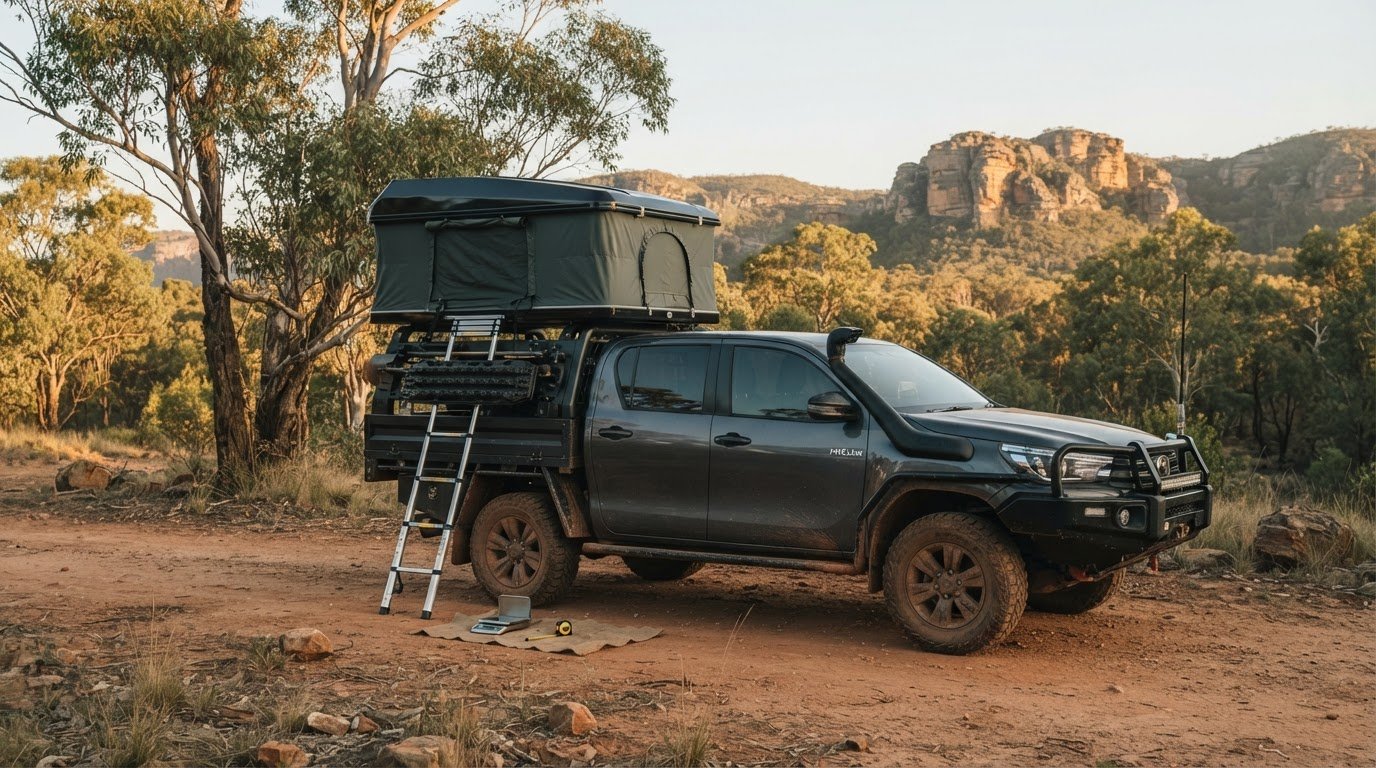
We’ve seen a massive shift in how our community explores the wild. For 2026, Adventurerz are ditching the traditional ground tent and moving toward the sky. Finding the best family roof top tent australia offers has become the top priority for those planning remote escapes. A true family RTT isn’t just a slightly larger tent; it’s a robust 4-berth sanctuary engineered with heavy-duty poly-cotton ripstop canvas and reinforced flooring to handle the weight of a growing tribe.
The move to the roof is driven by a need for efficiency and safety. When you’re camping in the Northern Territory or the Kimberley, being two meters off the ground provides an essential layer of protection from local wildlife. Beyond safety, the elevation allows you to catch the evening breeze that ground dwellers miss. It also creates a natural barrier against the persistent Australian red dirt that somehow finds its way into every zipper of a traditional setup. For the kids, it turns every 4WD stop into a literal treehouse adventure, fostering a love for the outdoors that ground tents simply can’t match.
If you’re just starting your research, this Roof tent overview provides a solid foundation on the different styles available. For us, the 2026 standard requires annex compatibility, allowing you to double your living space and create a private changing area or a weather-protected kitchen.
The 2026 Family Camping Landscape
The Australian overlanding scene has evolved rapidly. Data from 2024 showed a 15% increase in families taking trips longer than 14 days, and that trend is accelerating into 2026. We’re seeing more families prioritize self-sufficiency and high-quality gear that can survive the corrugated tracks of the Simpson Desert. Modern Adventurerz aren’t just tourists; they’re temporary residents of the wilderness who value gear that leaves a minimal footprint. To help you coordinate these complex journeys, check out The Ultimate Adventure Travel Planner for mapping your next remote escape.
Quick Comparison: RTT vs. Traditional Ground Tents
The biggest hurdle for parents is often the “set-up sweat.” When you roll into camp at 6:30 PM with tired kids, every second counts. A quality roof top tent can be ready for bed in under three minutes, whereas a large family ground tent often requires 20 to 30 minutes of wrestling with pegs and poles.
- Packing Efficiency: You can leave your sleeping bags and pillows inside the RTT while driving, which can save up to 200 liters of storage space inside your vehicle.
- Site Versatility: You don’t need a flat, rock-free patch of grass. If your 4WD is level, your bed is level.
- Longevity: Heavy-duty canvas RTTs are built to withstand 100km/h winds that would flatten a standard polyester ground tent.
A Family RTT is a multi-zone sleeping system that integrates elevated bedding with ground-level living space via a zip-on annex.
Hard Shell vs. Soft Shell: Which Design Wins for Australian Families?
Choosing the best family roof top tent australia often feels like a tug-of-war between setup speed and total living space. We’ve spent countless nights testing these rigs in the red dust of the Red Centre and the humid coastal camps of Queensland. Your choice depends on how your tribe travels. Hard shells are the kings of convenience. You can literally be ready for bed in 60 seconds. This speed is a lifesaver when you arrive at a campsite at 7:00 PM with hungry, tired kids. They also slice through the air better; this aerodynamic profile can save you about 2 litres of fuel per 100km on long highway stretches.
Soft shells take the lead if you need a massive footprint. You can’t fit a king-size mattress into a standard hard shell without a massive vehicle, but a fold-out soft shell makes it easy. They also tend to be more budget-friendly, often costing A$1,200 to A$2,000 less than their hard-shelled counterparts. For 2026, we’re seeing a massive shift toward hybrid ‘fold-out hard shell’ designs. These clever units provide the rugged protection of a hard lid with the expanded sleeping area of a soft shell. It’s the breakout choice for growing families who want a durable gear setup without sacrificing legroom.
Hard Shell Features for Families
Modern hard shells are designed for solo operation. High-pressure gas struts do the heavy lifting; one person can manage the entire setup while the other focuses on the kids. We love the added utility of integrated roof rails. Being able to mount 160W solar panels or a set of recovery tracks directly onto the tent lid is a game changer for remote travel. Inside, look for 25mm thick honeycomb aluminium bases. This internal insulation is vital for staying warm during frosty nights in the Victorian High Country or keeping the heat out when you’re parked up in the Top End.
Soft Shell Living: The Annex Factor
If you’re staying in one spot for more than two nights, the soft shell annex is your best friend. It creates a private 6-square-metre room downstairs. This is essential for a changing area, a dry spot for the kids to play during a downpour, or a secure place for the portable toilet. You can find more technical details on these setups in our guide on Roof Top Tents. Just remember the “wet pack down” rule. If you pack a soft shell away while it’s raining, you must open it up within 48 hours to dry the canvas. Otherwise, mould will ruin your investment. We always recommend choosing a model with a high-density 320gsm poly-cotton ripstop canvas to handle the harsh Australian UV rays.
Ready to level up your campsite? Check out our favorite 4WD awnings to complete your family outdoor living area.
Essential Features for 4-Person Comfort: Beyond the Mattress
Choosing the best family roof top tent australia has to offer means looking past the basic dimensions. We’ve all been there; it’s 9 PM, the kids are restless, and you’re trying to find a lost headlamp in a dark corner. True comfort for a family of four requires a setup that manages the inevitable chaos of life on the road. We look for smart internal storage solutions like external shoe bags that keep the red outback dust where it belongs. Overhead gear nets are non-negotiable for keeping tablets, books, and torches within reach but off the sleeping floor.
Managing the “breath” of four people is another challenge. A family of four can exhale up to 2 litres of water vapor overnight. Without massive ventilation points and anti-condensation mats, you’ll wake up to a damp interior. High-end Australian models now feature 360-degree views and specialized “Sky Windows.” These aren’t just for airflow; stargazing becomes a nightly ritual that connects the little Adventurerz to the wilderness. Safety is the final pillar. We prioritize ladders with 8cm wide, flat rungs and telescopic designs. These are much gentler on small, bare feet than the thin, round rungs found on budget imports.
Liveability and Internal Organization
Liveability is the ease of movement within a 4-person tent. It’s the difference between feeling cramped and feeling at home. Most tents come with a 50mm to 75mm high-density foam mattress, but we often recommend self-inflating upgrades for better pressure relief. Power integration is a game-changer for modern families. Look for built-in LED strips and at least two USB ports. These features make midnight bathroom runs safer and ensure the kids’ devices are ready for the next day’s navigation or entertainment.
Shade and Weather Protection
The tent is your bedroom, but the area around your 4WD is your lounge room. Integrating a quality awning is vital for creating a functional camp kitchen and a dry space for the kids to play. You can find the perfect companion setup in our guide to the Best 4WD Awnings. Protection also matters while you’re moving. We look for triple-layered dust-proofing seals on hard-shell models. These seals prevent fine bulldust from infiltrating your bedding during long hauls across the Nullarbor or through the Kimberley. Keeping your sleeping quarters pristine is a top priority for any best family roof top tent australia contender.
- Shoe bags: Must be heavy-duty and waterproof to handle muddy boots.
- Zips: Look for YKK brand zips that won’t snag when the kids are in a hurry.
- Fabric: 300gsm poly-cotton ripstop canvas provides the best balance of weight and insulation.
Safety, Weight, and GVM: The Technical Side of Family RTTs
Choosing the best family roof top tent australia involves more than just picking the biggest floor plan. We have to look at the numbers. A typical family RTT weighs between 75kg and 100kg. Add a 25kg roof rack system and you’re pushing the limits of most modern 4WDs before you even climb inside. Safety is our priority at Adventurerz, and that starts with understanding how that weight affects your rig’s structural integrity. Overloading your roof doesn’t just void your insurance; it can literally crack your pillars on rough corrugated tracks.
Calculating Your Family’s Roof Load
You need to distinguish between dynamic and static load limits. Dynamic is the weight your roof can carry while the vehicle is moving. Static is the limit when you’re parked and sleeping. Use this simple formula: (Tent Weight + Rack Weight) < Vehicle Dynamic Roof Limit. Most popular Australian family wagons have strict ceilings for roof loads:
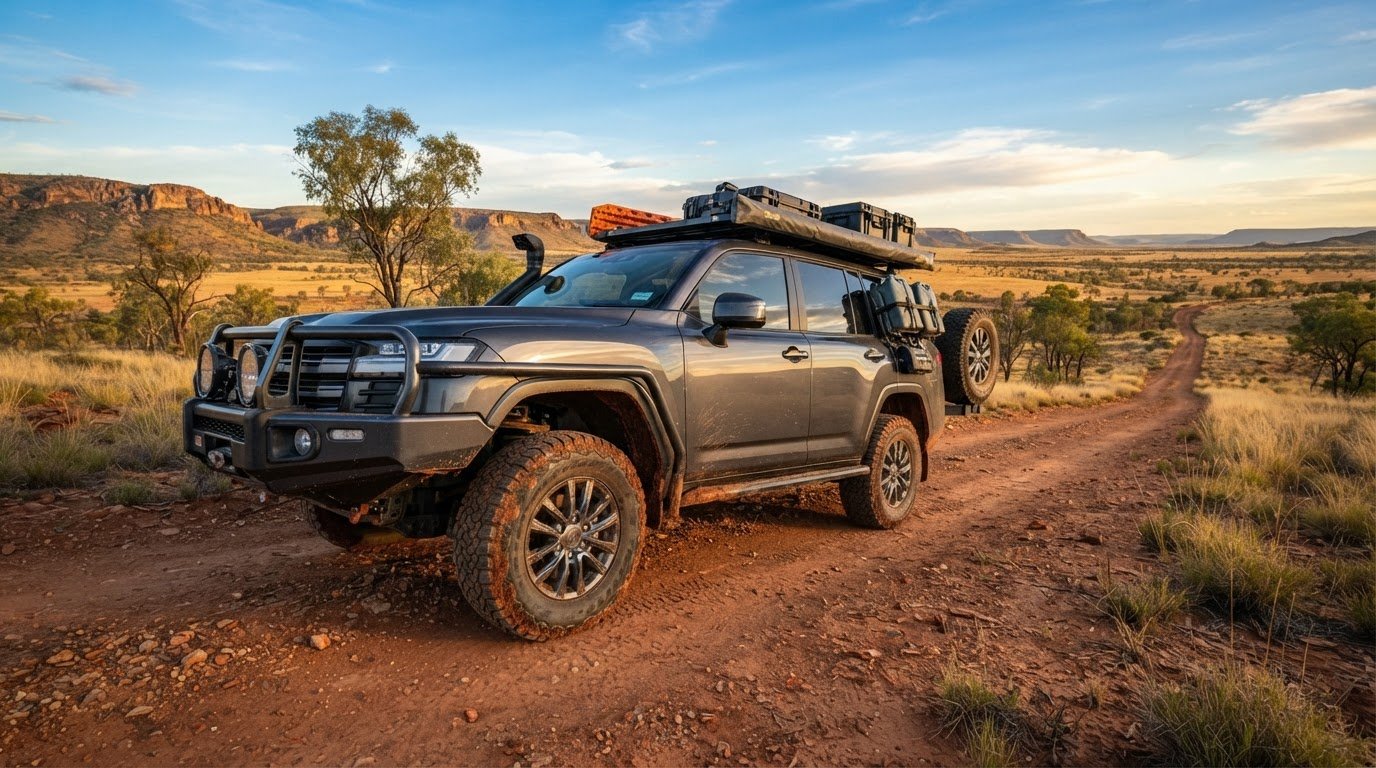
- Toyota LandCruiser 300 Series: 100kg dynamic limit.
- Next-Gen Ford Everest: 100kg dynamic (on-road), reducing to 80kg for off-road use.
- Nissan Patrol Y62: 100kg dynamic limit.
If your tent and racks weigh 110kg, you’re already over the limit for an LC300. Don’t forget about your Gross Vehicle Mass (GVM). Every kilo of tent, water, and fuel counts toward your total legal weight. For heavy family touring, a GVM upgrade might be necessary to stay legal and safe on the highway.
Stability and Off-Road Performance
Adding 100kg to your roof raises your vehicle’s center of gravity significantly. You’ll feel the “body roll” in tight corners and the push of crosswinds on the freeway. Expect your fuel consumption to jump by 12% to 18% due to the increased wind drag. We recommend adjusting your driving style; take corners slower and increase your following distance. When you hit the dirt, drop your tire pressure by an extra 2-4 psi compared to your usual off-road settings to help dampen the vibrations reaching the roof.
Mounting hardware is the silent hero of a safe setup. Cheap, universal roof bars are a recipe for disaster with a heavy family tent. They often flex and fatigue under the constant stress of off-road travel. We always suggest using a dedicated backbone system or a heavy-duty platform. Check every bolt after your first 50km of dirt roads. Corrugations have a way of vibrating even the tightest nuts loose. A quick morning walk-around ensures your home away from home stays attached to your car.
Ready to upgrade your camping setup? View our full range of roof top tents to find a weight-conscious option for your next family expedition.
Choosing Your Adventure: Our Top Family RTT Recommendations for 2026
We’ve tested these rigs across the Simpson Desert and parked them under the stars in the Victorian High Country to ensure they survive the real Aussie bush. Finding the best family roof top tent australia offers requires looking past the glossy brochures and focusing on the hinges, the zippers, and the weight. We want gear that stands up to the corrugations of the Gibb River Road without rattling apart by day three.
Our ‘Adventurerz Choice’ for 2026 is the mid-range hybrid model. These tents offer the fast setup of a hard shell with the sprawling internal footprint of a traditional fold-out. By choosing a model with a 280gsm poly-cotton ripstop fabric, you’re getting a tent that breathes in the humidity of Far North Queensland but stays warm during a Tassie winter. It’s the sweet spot for families who want durability without a massive weight penalty on their roof racks.
If you’re watching the budget, don’t feel like you need to spend five figures to get the kids outside. The best value remains the classic soft-shell fold-out. These provide massive sleeping areas for under A$2,500. They take five minutes longer to pack away, but that’s a small price for the extra cash in your fuel tank for that next coastal run. For those planning a 12-week sabbatical to do the Big Lap, we recommend the premium aluminium hard-shells. These are built to withstand 100km/h winds and offer integrated T-slots for mounting solar panels or recovery tracks.
Sustainable Camping and Gear Longevity
We believe in the “buy once, buy well” philosophy. Choosing a repairable tent with replaceable zippers and patchable canvas is a win for your wallet and the planet. In 2026, we’re seeing a massive shift toward recycled materials and PFC-free water repellents that don’t leach chemicals into our pristine national parks. While we live for the rugged life, we know every explorer needs a break. If you’re looking to contrast your dusty trek with some pampering, check out these Luxury Resorts in Australia for a different pace of adventure.
Final Checklist for Your Purchase
Before you tap your card, run through this Adventurerz essentials list to ensure your setup is ready for the wild:
- Australian Support: Ensure your brand has a local warehouse for spare parts. Waiting six weeks for a replacement hinge from overseas ruins a trip.
- Roof Load Limits: Check your vehicle’s dynamic weight rating. A family tent can weigh between 75kg and 95kg.
- The Driveway Camp: Always set your tent up at home first. It’s better to find a missing peg in your driveway than at a remote site in the Kimberley.
Ready to hit the road? Explore our full range of roof top tents to find your perfect match. Join the Adventurerz community, tag us in your setup photos, and let’s keep the Australian spirit of discovery alive. See you on the tracks!
Gear Up for Your Next Great Australian Escape
Choosing the right setup is the difference between a cramped night and a legendary story under the stars. We’ve put these rigs through 3,000 kilometres of rigorous testing across the red dunes of the Simpson Desert to ensure they’ll survive the 2026 season and beyond. Finding the best family roof top tent australia offers means balancing your vehicle’s GVM with a genuine 4-person capacity. Our community-vetted recommendations focus on Australian-owned brands that prioritize eco-friendly manufacturing and rugged durability. We’ve verified every internal dimension to ensure your family actually fits without the squeeze. It’s about more than just a place to sleep; it’s about investing in gear that respects the wilderness we call home. Don’t let another season pass you by while you’re stuck in the driveway. Your tribe is ready for the dust and the discovery that only the outback provides.
Ready to find your perfect family setup? Explore our full Roof Top Tent reviews!
We’ll see you out on the tracks, Adventurerz!
Frequently Asked Questions
Is a roof top tent safe for toddlers and young children?
Yes, roof top tents are perfectly safe for toddlers when you use an enclosed annex or a safety net. We recommend kids under 5 years old sleep between adults to prevent midnight wanders toward the ladder. Most 2026 models feature zip-locking doors and high-density foam mats that keep little ones secure. Always supervise the 2.3-meter climb and ensure the ladder is locked at a 75-degree angle before letting kids ascend.
How much weight can a roof top tent actually hold when stationary?
Most modern 4WD roof racks support a static weight capacity of 300kg to 400kg while parked. This is significantly higher than the dynamic weight limit, which is often around 75kg to 100kg for moving vehicles. A family of four weighing 280kg combined can sleep safely because the weight is distributed across the vehicle’s pillars. Check your vehicle’s manual for the specific roof load rating to ensure total safety for the best family roof top tent australia has to offer.
Will a family roof top tent fit on my mid-sized SUV?
Yes, mid-sized SUVs like the Toyota RAV4 or Mazda CX-5 can carry family RTTs if the dynamic roof load rating is at least 75kg. You’ll need heavy-duty crossbars to handle the 65kg to 90kg weight of a 4-person tent. Measure your roof width first; most family models are 1.4m to 2.2m wide when closed. We see 85% of Adventurerz successfully mounting fold-out soft shell tents on mid-sized rigs without issues.
Can you leave your sleeping bags and pillows inside the tent when it’s closed?
You can leave low-profile sleeping bags and pillows inside most fold-out family tents to save space in your boot. Hard shell models often have 5cm to 10cm of internal clearance when latched. However, 40% of campers find that bulky king-sized doonas prevent the tent from closing properly. We suggest using compression straps or choosing thin, high-insulation sleeping mats to ensure a tight seal against Australian dust and rain.
How do family RTTs handle extreme Australian heat and humidity?
Quality family RTTs manage 35-degree heat through 360-degree ventilation and heavy-duty 280gsm poly-cotton ripstop canvas. Look for models with large stargazer windows and fine midge-proof mesh to keep air moving while blocking insects. Many 2026 designs use silver-coated rainflys that reflect 90% of UV rays, keeping the interior up to 5 degrees cooler than the outside air. Proper airflow is essential to prevent condensation in humid tropical Queensland conditions.
What happens if it rains while the tent is open and I have to pack up?
You can pack your tent while it’s damp, but you must open it to dry within 24 to 48 hours to prevent mould growth. Most Australian tents use waterproof 3000mm PU coatings that shed water quickly. If you pack up in a downpour, place a waterproof sheet over your bedding to keep it dry inside the folded canvas. Mould can ruin a A$3,000 investment in just 7 days if left in a humid garage.
Do I need to upgrade my car’s suspension to carry a family-sized RTT?
We recommend a GVM upgrade or heavy-duty springs if your total gear weight exceeds 300kg. A family RTT adds 80kg to your roof, which raises your center of gravity and affects cornering. Adding a 2-inch lift with 300kg constant-load springs helps 4WDs maintain stability on corrugated outback tracks. About 60% of serious Adventurerz upgrade their suspension to handle the extra weight of the best family roof top tent australia provides.
How do you prevent theft of a roof top tent while parked?
Use security mounting nuts that require a unique keyed socket to remove the tent from your roof racks. These A$50 to A$100 kits replace standard M8 bolts and act as a strong deterrent against opportunistic theft. Some campers also use 10mm steel cable locks looped through the tent frame and roof rails. Since a premium family tent costs over A$2,500, these small investments provide peace of mind while you’re away from your vehicle.