What if your dream escape to the world’s largest sand island turned into a $2,670 fine or a bogged vehicle simply because you missed one essential piece of gear? We know that the raw beauty of K’gari is a magnet for every Adventurerz member, but the fear of getting stuck in soft sand or failing to secure food from dingoes is a heavy weight to carry. It’s a challenge we’ve all faced when prepping for the dunes. That is why we’ve built this expert-vetted fraser island 4wd packing list to ensure you’re fully prepared for the unique conditions of 2026.
We’ll help you master the art of sand-driving and eco-conscious exploration with total confidence. You’ll get a no-nonsense breakdown of the mandatory high-clearance gear required to navigate inland tracks like the partially closed Moon Point Road. We also include the latest 2026 pricing, such as the $150 Manta Ray barge fare, and the specific dingo-safe storage protocols needed to avoid those steep penalties. From tide-dependent travel tips to sustainable off-the-grid essentials, this guide is your roadmap to a safe, responsible, and legendary island adventure.
Key Takeaways
- Master the “Tide Window” to ensure your gear is always accessible and your vehicle stays clear of the rising surf.
- Discover why our fraser island 4wd packing list prioritizes high-clearance recovery gear and heavy-duty compressors to keep you moving through soft sand.
- Learn the strategic benefits of rooftop tents for superior dingo safety and catching those cooling coastal breezes while camping off-the-grid.
- Implement self-sufficient food and water storage techniques that protect the local dingo population and ensure you remain eco-conscious.
- Prepare for unpredictable weather with the ‘Three Layer’ rule and the right footwear for everything from beach drives to inland hikes.
Why K’gari (Fraser Island) Requires a Specialized 4WD Packing List
K’gari isn’t your average weekend getaway. As the world’s largest sand island, it demands a level of preparation that goes far beyond a standard camping trip. For those of us in the Adventurerz community, we know that a successful journey hinges on a meticulously crafted fraser island 4wd packing list. You aren’t just driving on a beach; you’re navigating an ever-shifting landscape of deep ruts, soft sand blows, and coffee rock outcrops. To understand the scale and ecological importance of this environment, explore this K’gari (Fraser Island) overview. We treat this island with respect because it’s a place where the terrain dictates the rules, not the driver.
The Reality of Sand Driving in 2026
Sand tracks are alive. They change with every southerly blow and heavy rain event. In early 2026, we’ve already seen partial closures on Moon Point Road from January 14 to June 30, and Cornwells Road from March 12 through September 30. These shifts make high-clearance 4WD vehicles a non-negotiable requirement. All-wheel-drive vehicles simply won’t survive the deep inland tracks. We also have to think about weight distribution. Packing heavy recovery gear too high or too far back ruins your traction in soft sand. We aim for a low center of gravity to keep our Adventurerz moving smoothly through the bypasses without getting bogged.
Remote Travel: No Quick Fixes
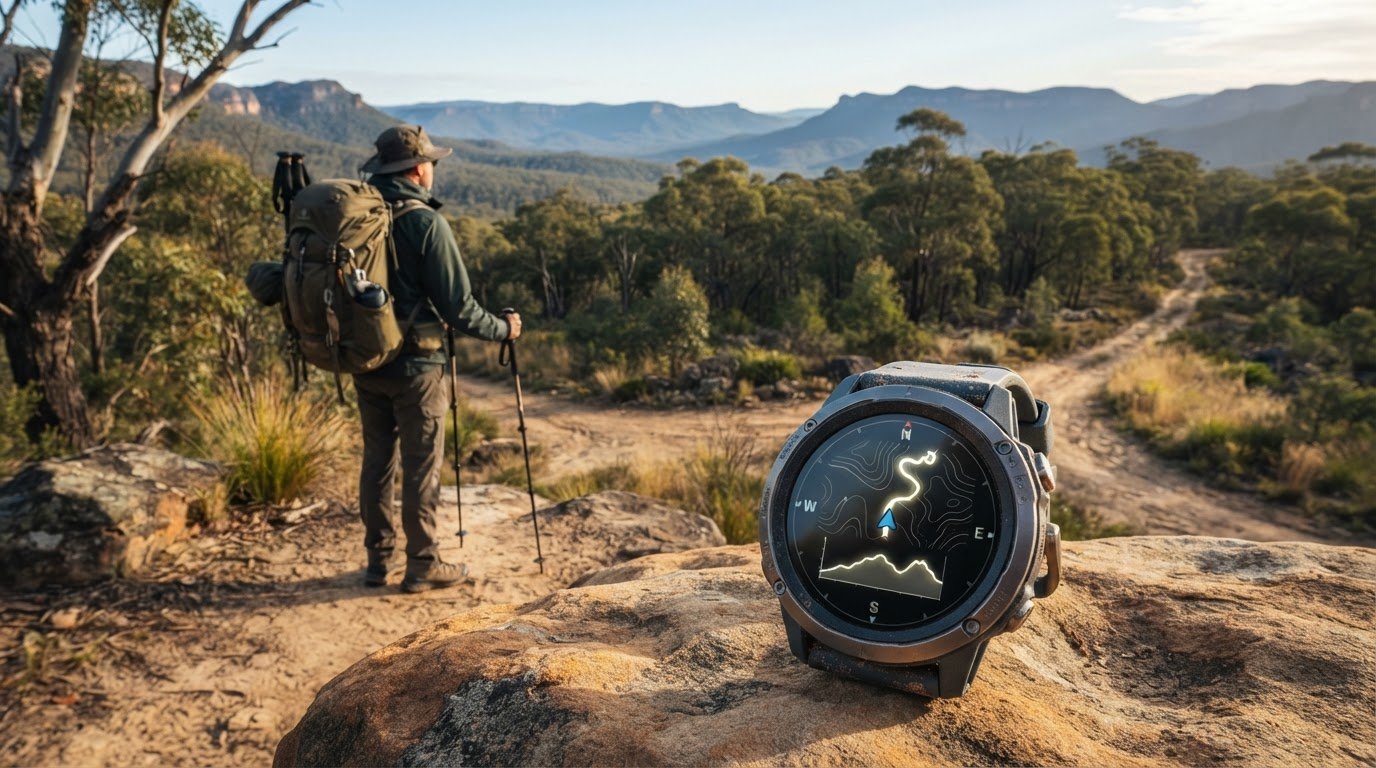
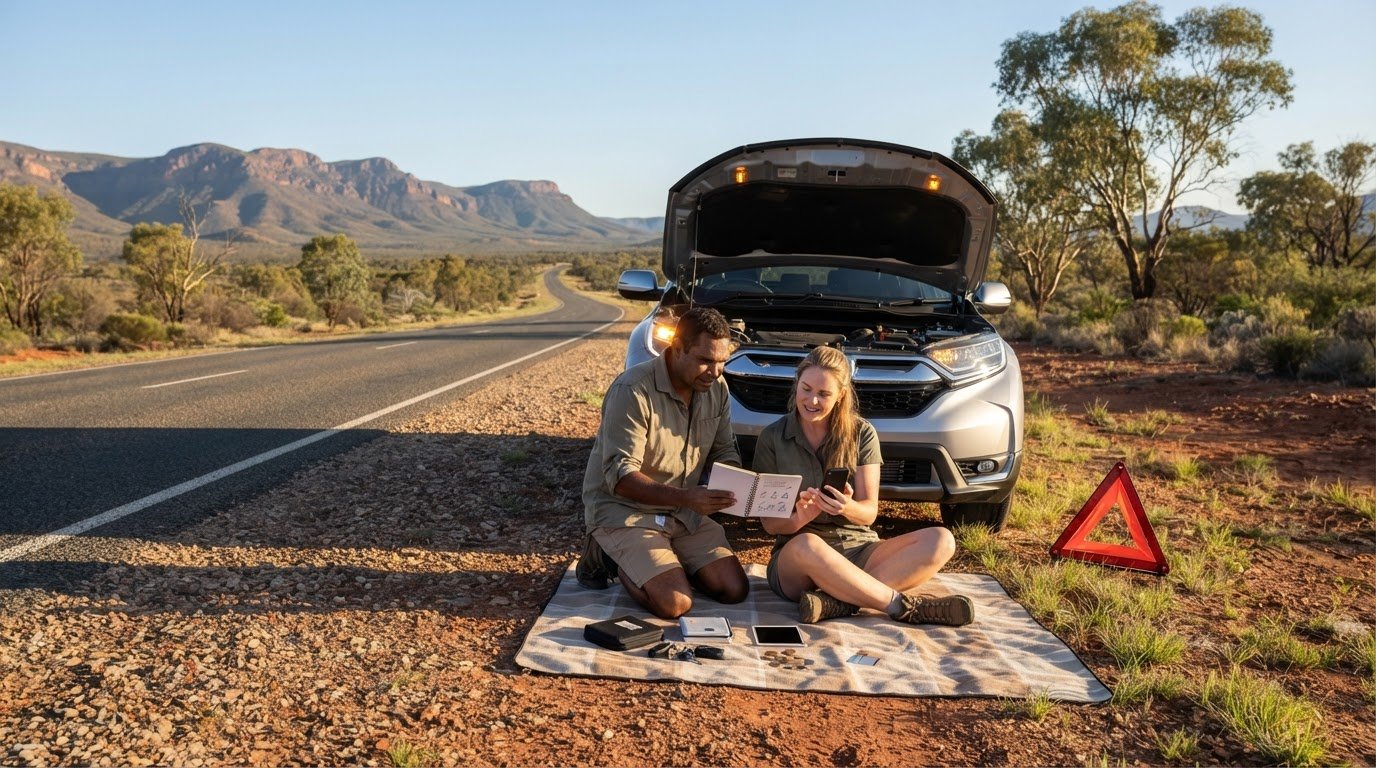
Once you roll off the Manta Ray barge, which sees a fare increase to $150 on July 1, 2026, you’re largely on your own. Mechanical services are limited to a few hubs, and mobile reception drops out the moment you head inland toward Central Station. Carrying “gear insurance” is essential. This means your fraser island 4wd packing list must include tools for self-recovery and offline maps. We don’t rely on signal bars; we rely on our preparation. Every piece of equipment in your rig is a safeguard against the unexpected, ensuring we protect both ourselves and the fragile island ecosystem we love.
Essential 4WD Recovery and Vehicle Gear
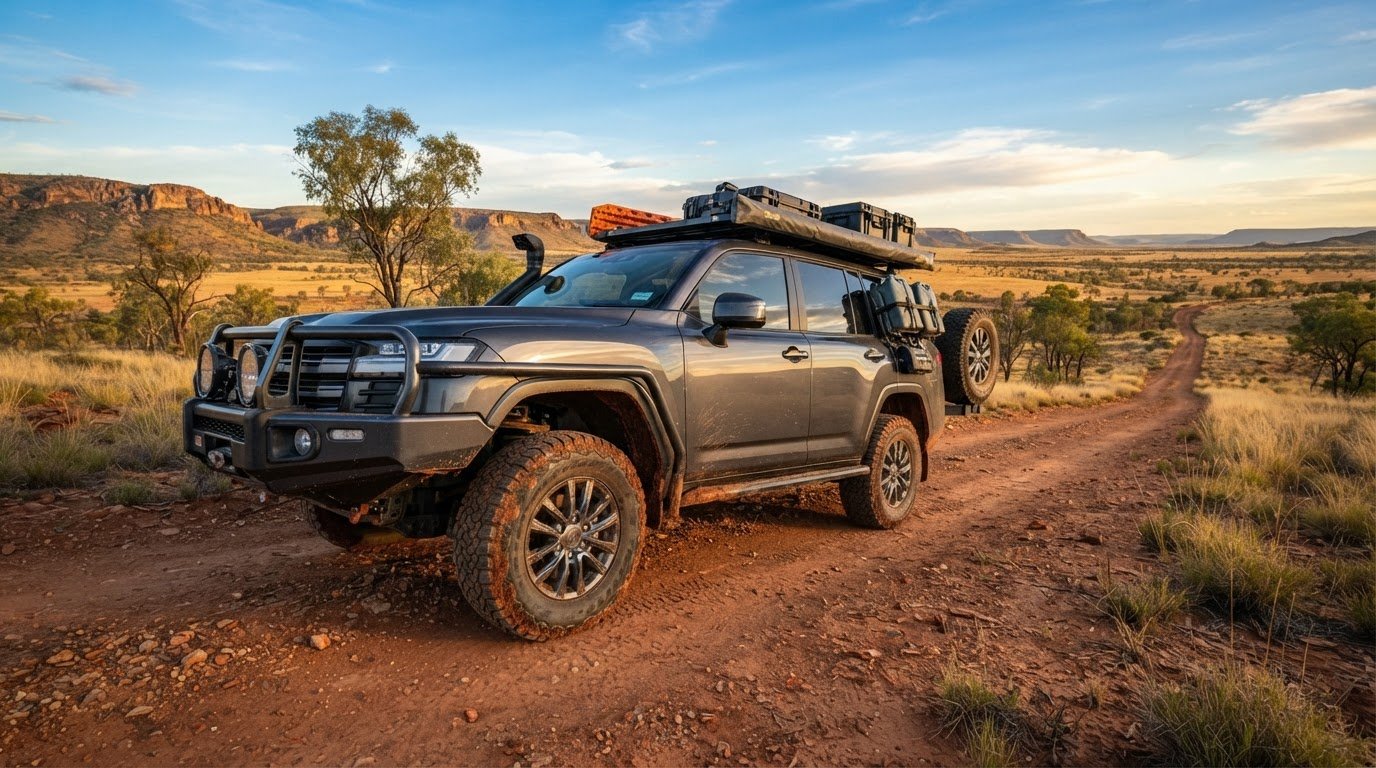
The moment your tires hit the ramp of the Manta Ray barge, the reality of K’gari sets in. You’ve already secured your Vehicle Access Permit for $59.80, but that piece of paper won’t pull you out of a deep rut at Ngkala Rocks. A professional fraser island 4wd packing list must prioritize self-recovery. High-quality recovery boards, such as Maxtrax, are absolutely non-negotiable. We’ve seen too many travelers try to use bits of wood or carpet, only to find themselves deeper in the sand. These boards provide the immediate “bite” needed to get moving when the momentum stops.
Shade is another critical component of vehicle preparation. Whether you’re airing down at Inskip Point or performing a quick track-side check, a well-chosen 4WD awning offers instant protection from the intense Queensland sun. It transforms a hot, dusty recovery into a manageable situation by keeping your team out of the direct glare. If you’re still refining your rig, we recommend browsing our community-tested guides for high-performance 4WD equipment before you head north.
Tire Management Tools
Dropping your tire pressure to 15-18 PSI is the first step toward a successful crossing. This increases your tire’s footprint, allowing you to float over the sand rather than digging through it. You’ll need a dedicated tire pressure gauge and a heavy-duty portable air compressor. Don’t settle for a basic model. In the 30-degree coastal heat, you need a compressor with a high duty cycle that won’t overheat while pumping up four large all-terrain tires. We prefer rapid deflators over manual ones to save time when the tide is chasing us.
The Recovery Kit Essentials
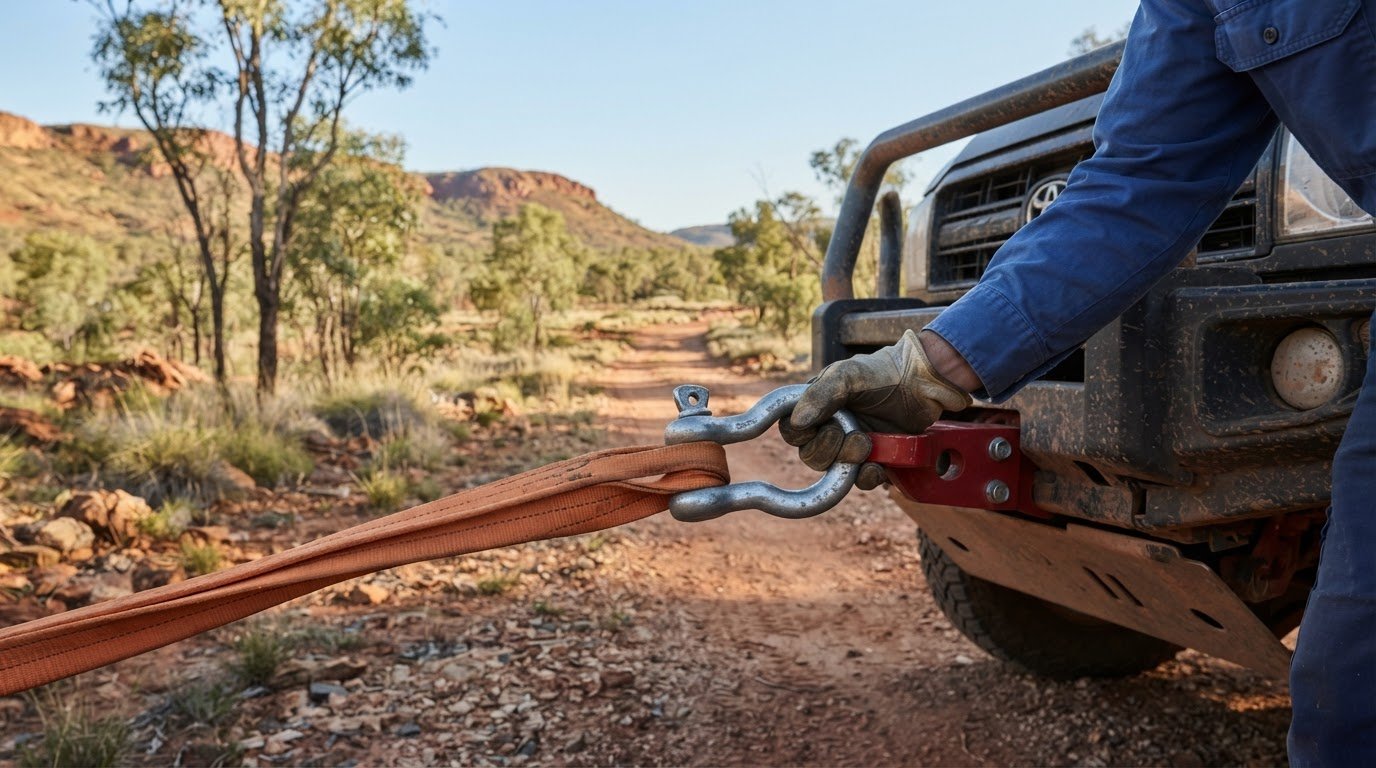
When the boards aren’t enough, a snatch recovery is the next step. This requires a rated snatch strap and rated shackles. Never use a tow ball for recovery. They aren’t designed for the kinetic energy of a snatch recovery and can shear off, becoming lethal projectiles. A long-handled shovel is also vital. It lets you clear sand from under the chassis and create a clear path for the tires without destroying your back. Finally, keep your UHF radio tuned to channel 10. Communication with other Adventurerz is the best way to coordinate a safe recovery and stay informed about track conditions ahead.
The Ultimate Beach Camping Setup: Shelter and Sleep
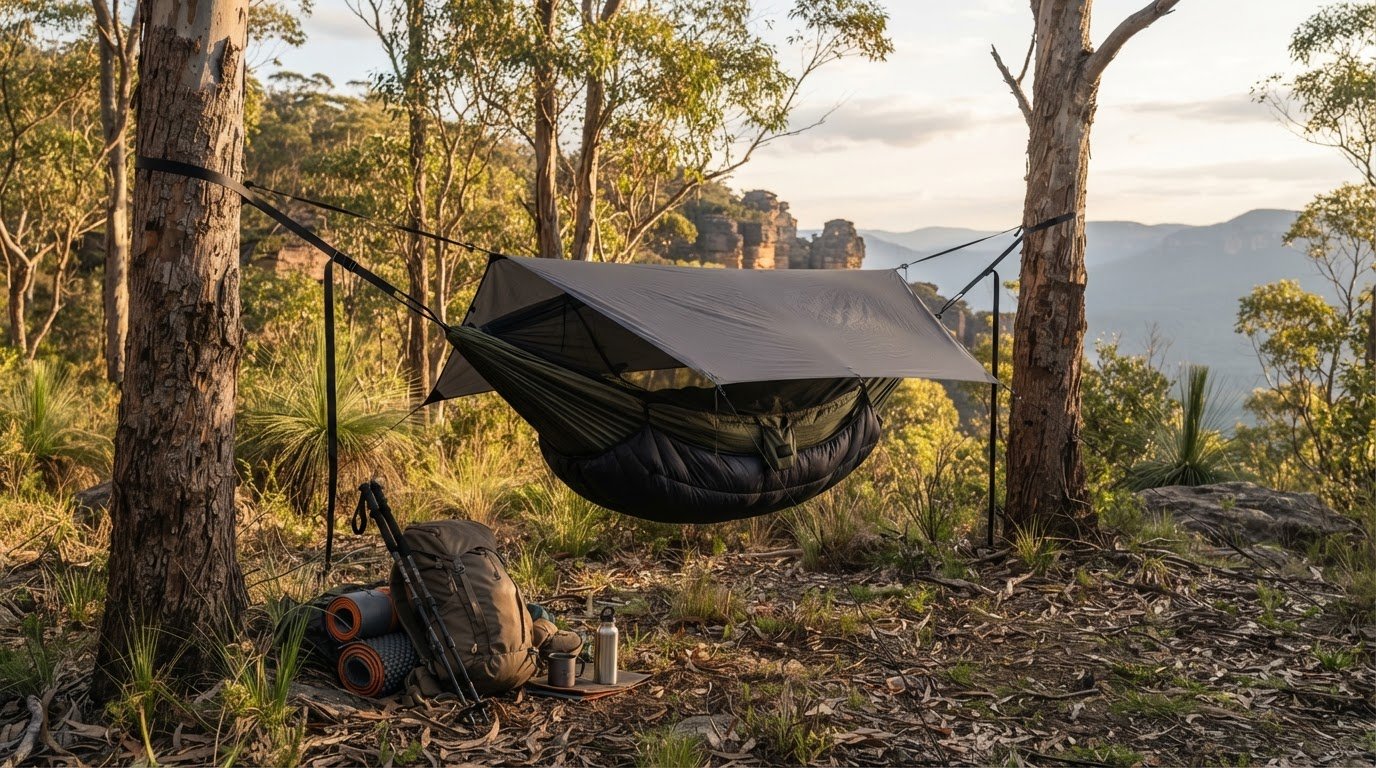
Setting up camp on the shifting sands of K’gari is a highlight for every Adventurerz trip, but it requires a strategic approach to sleep and shelter. When building your fraser island 4wd packing list, the biggest decision you’ll face is where you’ll lay your head. While traditional ground camping has its charms, the unique environment of the island, defined by high coastal winds and the constant presence of dingoes, demands gear that’s up to the task. We don’t just pack for comfort; we pack for resilience and safety.
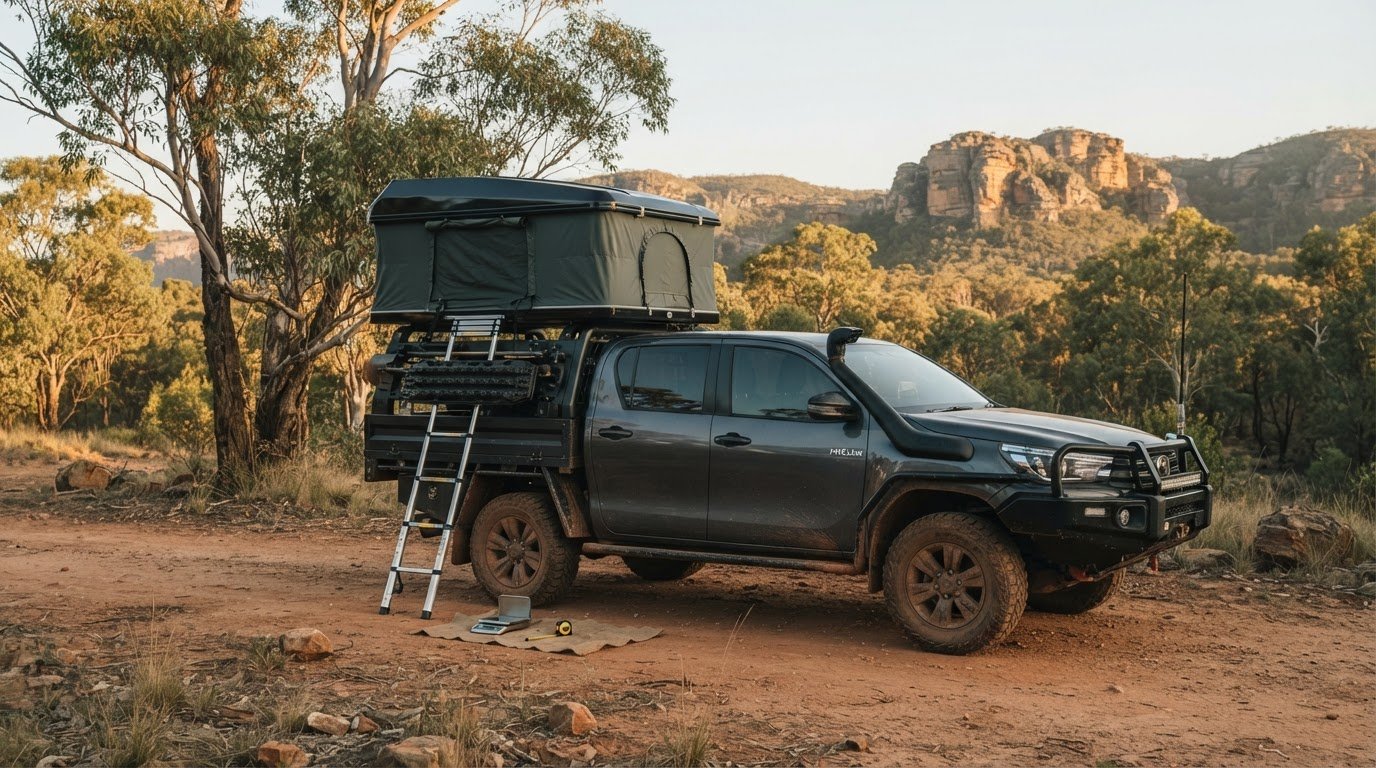
The great debate often comes down to swags versus rooftop tents. For many of us, rooftop tents are the clear winner for sand camping. They offer superior dingo safety by keeping you elevated and well away from curious wildlife. This is especially important given the strict 2026 regulations, where on-the-spot fines for disturbing dingoes start at $2,670. Beyond safety, being off the ground allows you to catch those cooling Pacific breezes that ground-level setups often miss. If you’re using an awning for extra shade, ensure it’s securely tethered with dedicated sand pegs. Standard tent pegs are useless in the dunes; you need those long, wide plastic stakes to ensure your setup doesn’t become a kite during a midnight gust.
Lighting is another essential for a self-sufficient camp. We always carry high-lumen headlamps for hands-free cooking and solar-powered lanterns to illuminate the site. These eco-friendly options are perfect for our off-the-grid lifestyle, as they don’t drain your vehicle’s auxiliary battery while providing a warm glow for the evening.
Shelter Options for K’gari
Ground tents can struggle in the high-wind conditions common on the eastern beach. If you choose a ground setup, look for a low-profile design and always use your vehicle as a windbreak for your camp kitchen. This simple move protects your stove and creates a sheltered living area. Remember that beach camping zones 9, specifically Diray and Carree, remain closed until June 30, 2026, so check your permits carefully before arriving.
Bedding and Comfort
Coastal humidity means heavy cotton blankets are a recipe for dampness. We prefer moisture-wicking sleeping bags that breathe well. A fine-mesh ‘midge-proof’ screen is also vital, as the local sandflies are small enough to fly through standard mosquito netting. Finally, add a compact camping chair to your gear. Sinking into a comfortable seat to watch the stars over the Coral Sea is the ultimate reward after a long day of navigating the tracks.
Sustainable Supplies: Food, Water, and Eco-Ethics
Your fraser island 4wd packing list is incomplete without a plan for total self-sufficiency that respects the island’s residents, specifically the dingoes (wongari). We aren’t just visitors here; we are guardians of a fragile ecosystem. In 2026, authorities have intensified enforcement of dingo safety protocols. You’ll face a minimum on-the-spot fine of $500 for failing to secure food or rubbish. If you’re caught feeding or disturbing them, that penalty jumps to $2,670. We avoid these risks by using heavy-duty, lockable bins or keeping all supplies inside the vehicle at all times. Never leave a cooler bag on a tray or under a 4WD awning; dingoes are clever and will find a way in.
Water is your most precious resource. While there are taps at major campgrounds like Central Station, we recommend carrying 5L of potable water per person per day for remote sites. This ensures you’re covered if a track closure, such as the current work on Woralie Road, delays your progress. Waste management is equally vital. Everything you bring must leave with you. The Woralie Road Dump Ezy is temporarily closed until July 27, 2026, so you’ll need to plan your route to the next available disposal point. We always use biodegradable soaps and avoid washing directly in the perched lakes to keep the water pristine for future Adventurerz.
K’gari-Safe Food Planning
Smart food prep makes for a smoother trip. We avoid “smelly” foods like raw seafood or unsealed meats that can attract wildlife to your camp. A great tip is to use pre-frozen meals as ice-block substitutes in your fridge-freezer. They keep your other supplies cold and provide an easy, heat-and-eat dinner after a long day of sand driving. For cooking, portable gas stoves are the standard. While communal fire rings exist in some fenced areas, many beach zones are strictly no-fire to prevent bushfires and protect the dunes.
The Eco-Adventurerz Toolkit
Protecting K’gari’s iconic perched lakes, like Lake McKenzie (Boorangoora), is a priority. Only use reef-safe, chemical-free sunscreen to prevent oils from damaging the delicate water chemistry. We also pack microfiber towels because they dry quickly in the salt air and take up minimal room in the rig. To stay organized, we recommend using a comprehensive travel planner to map out your waste drop-off points and water refill stations before you leave the mainland. Prep your rig with the right gear by exploring our eco-conscious camping essentials today.
Personal Essentials and the 2026 Checklist Summary
We’ve already dialed in the recovery gear and the ultimate beach camp, but your fraser island 4wd packing list isn’t complete without the personal essentials that keep you comfortable and safe. K’gari is a land of extremes. One moment you’re basking in the sun at Eli Creek, and the next, a southerly buster is whipping sand across the dunes. To handle this, we always follow the ‘Three Layer’ rule. Start with a moisture-wicking base, add a warm mid-layer for those crisp island nights, and keep a windproof outer shell ready for the beach. This system ensures you stay dry and warm without overpacking your rig.
Safety extends to what you wear on your feet. While thongs are fine for the soft sand of your campsite, you’ll need closed-toe shoes for the rocky tracks around the Champagne Pools. Even though the Tukkee Wurroo (Indian Head) walking track is temporarily closed until November 18, 2026, other inland trails still require sturdy footwear to protect against uneven ground and local wildlife. We also pack a specialized first aid kit. Beyond the standard bandages, we include a bottle of vinegar for marine stings and multiple high-compression bandages. These are vital for the remote sections of the island where help is a satellite message away.
Clothing and Skin Protection
The Queensland sun is relentless on the open beach. We prioritize long-sleeve UPF 50+ shirts to block UV rays and provide a barrier against march flies. A wide-brimmed hat is mandatory, but make sure it has a sturdy chin strap. The wind on the eastern beach can be intense, and we’ve seen many a good hat lost to the Pacific. For the drivers in our Adventurerz community, polarized sunglasses are a critical safety tool. They cut through the glare on the sand, allowing you to spot deep washouts, coffee rock, or soft patches before they become a problem for your suspension.
The Final Pre-Departure Checklist
Before you roll onto the barge at Inskip Point, run through this final checklist to ensure a seamless transition to island life. We never leave the mainland without confirming our permits and checking the latest track conditions. With Moon Point Road and Cornwells Road facing partial closures throughout much of 2026, knowing your route is essential for staying on schedule.
- Permits: Ensure your $59.80 Vehicle Access Permit is clearly displayed.
- Digital Prep: Download offline maps and the latest tide charts. Mobile reception is non-existent once you leave the coast.
- Tech: Check that your power banks are charged and your satellite messenger has an active subscription.
- Community Intel: Check the latest Adventurerz track reports for any last-minute alerts on beach conditions or dingo activity.
Preparation is the difference between a stressful trip and a legendary adventure. By checking these boxes, you’re ready to explore K’gari with the respect and readiness this world-class destination deserves!
Ready to Master the Dunes of K’gari?
You’re now equipped with the technical knowledge to tackle the world’s largest sand island with total confidence. We’ve covered everything from the technical necessity of high-clearance recovery gear to the life-saving benefits of elevated rooftop tents for dingo safety. Following this fraser island 4wd packing list ensures you aren’t just another tourist. Instead, you’re a prepared member of our tribe who respects the $2,670 dingo safety fines and the fragile beauty of the island’s perched lakes.
As sustainable travel advocates, we’re committed to helping you explore the Australian wilderness responsibly. Our platform offers expert reviews on 4WD awnings and rooftop tents alongside real-time, community-driven trail reports to keep you ahead of the 2026 track closures. This is about more than just gear; it’s about a shared passion for the great outdoors and the resilience of the Adventurerz lifestyle. Join the Adventurerz community and gear up for your next escape!
The tracks are waiting, the tides are turning, and the ultimate sand-driving experience is finally within reach. We’ll see you out there on the sand!
Frequently Asked Questions
Do I really need a 4WD for Fraser Island?
Yes, a high-clearance 4WD vehicle is mandatory for all K’gari tracks and beach driving. All-wheel-drive (AWD) vehicles and low-clearance 4WDs are not suitable and will likely get bogged in the deep sand. We recommend a vehicle with a low-range transfer case to safely navigate the soft inland tracks and the bypasses around coffee rock outcrops.
What is the best time of year to visit K’gari in terms of packing?
May to August offers the most stable weather for camping, with mild days and cool nights that require warm layers. If you visit during the summer whelping season, you must be extra vigilant with dingo safety. Your packing should reflect the season; winter requires 10-degree rated sleeping bags, while summer demands high-quality insect repellent for the active midge population.
How much fuel should I carry for a 3-day trip?
We recommend carrying enough fuel for double your normal consumption, as sand driving is incredibly fuel-intensive. For a standard 3-day trip, most Adventurerz ensure they have at least 60 to 80 liters depending on the vehicle’s engine size. While fuel is available at hubs like Eurong and Orchid Beach, prices are higher than the mainland, so filling up at Inskip Point is a smart move.
Are there dingo-safe areas for camping?
Yes, K’gari has several dingo-fenced campgrounds including Central Station, Dundubara, and Waddy Point. These are the best options for families with children under 14 years of age. If you choose a beach camping zone, you must follow strict storage rules to avoid the $500 fine for unsecured food. These fenced areas provide a safe haven for your camp kitchen and sleeping quarters.
Can I bring a trailer or caravan to K’gari?
Only heavy-duty off-road trailers and campers are permitted, but we don’t recommend them for first-time visitors. The soft sand tracks are narrow and often have deep ruts that can easily ground a trailer. If you do bring one, it must be towed by a powerful, high-clearance 4WD. Check the latest track reports, as some inland roads are too tight for any towed setup.
What happens if I get bogged and don’t have recovery gear?
Getting bogged without gear is a costly mistake that can result in expensive commercial recovery fees. This is why a fraser island 4wd packing list must include recovery boards and a long-handled shovel. If you’re stuck, use your UHF radio on channel 10 to call for assistance from fellow Adventurerz. Most travelers are happy to help, but relying on others isn’t a substitute for self-sufficiency.
Is there drinking water available on the island?
Potable water is available at major campgrounds like Central Station and Dundubara, but it’s often untreated bore water. We recommend carrying at least 5 liters per person per day of your own fresh water. If you use the island’s taps, boil the water for at least one minute or use a high-quality filtration system to ensure it’s safe for consumption before drinking.
What are the essential 4WD tire pressures for K’gari sand?
We find that 15 to 18 PSI is the “sweet spot” for most 4WD vehicles on K’gari’s soft sand. Lowering your pressure increases the tire’s footprint, allowing you to float over the sand rather than digging in. Always use a high-quality gauge to check your levels on the barge. Remember to reinflate your tires once you return to the mainland bitumen to avoid damaging your sidewalls or losing control.