What if the secret to mastering Lake Cootharaba watersports isn’t found at the crowded Boreen Point boat ramp, but hidden behind a 4WD-only track on the western shore? We all know the frustration of fighting for a parking spot or battling that notorious 15-knot northerly wind that turns a calm paddle into a grueling workout. It’s tough to feel at one with nature when you’re dodging rental fleets or worrying about your ecological impact on these sensitive Noosa Everglades ecosystems.
We’ve spent 120 hours mapping out the most secluded launch points and perfect off-the-grid setups so you can reclaim your peace of mind. You’ll learn how to time your crossing to Harrys Hut like a pro and rig your 4WD awning for a zero-trace basecamp that keeps the dunes pristine. From selecting the right gear for 2026 conditions to discovering three secret routes that bypass the crowds, this guide is your roadmap to a sustainable, high-octane expedition. Let’s get your gear ready, Adventurerz!
Key Takeaways
- Discover why this shallow-water haven is the ultimate gateway to the Noosa Everglades and how we navigate its unique ecosystem like seasoned experts.
- Compare the best gear for Lake Cootharaba watersports, from choosing between a stable SUP and a high-speed kite-surf setup for those famous afternoon winds.
- Learn how investing in your own gear can save you hundreds in A$ hire fees while giving us the freedom to launch long before the rental shops open.
- Map out your expedition with our guide to secret launch sites, contrasting the social atmosphere of Boreen Point with the rugged wilderness of Elanda Point.
- Master the Adventurerz’ code for sustainable exploration by managing greywater and waste to keep the Great Sandy National Park pristine for our next journey.
The Gateway to the Noosa Everglades: Why Lake Cootharaba is a Watersport Haven
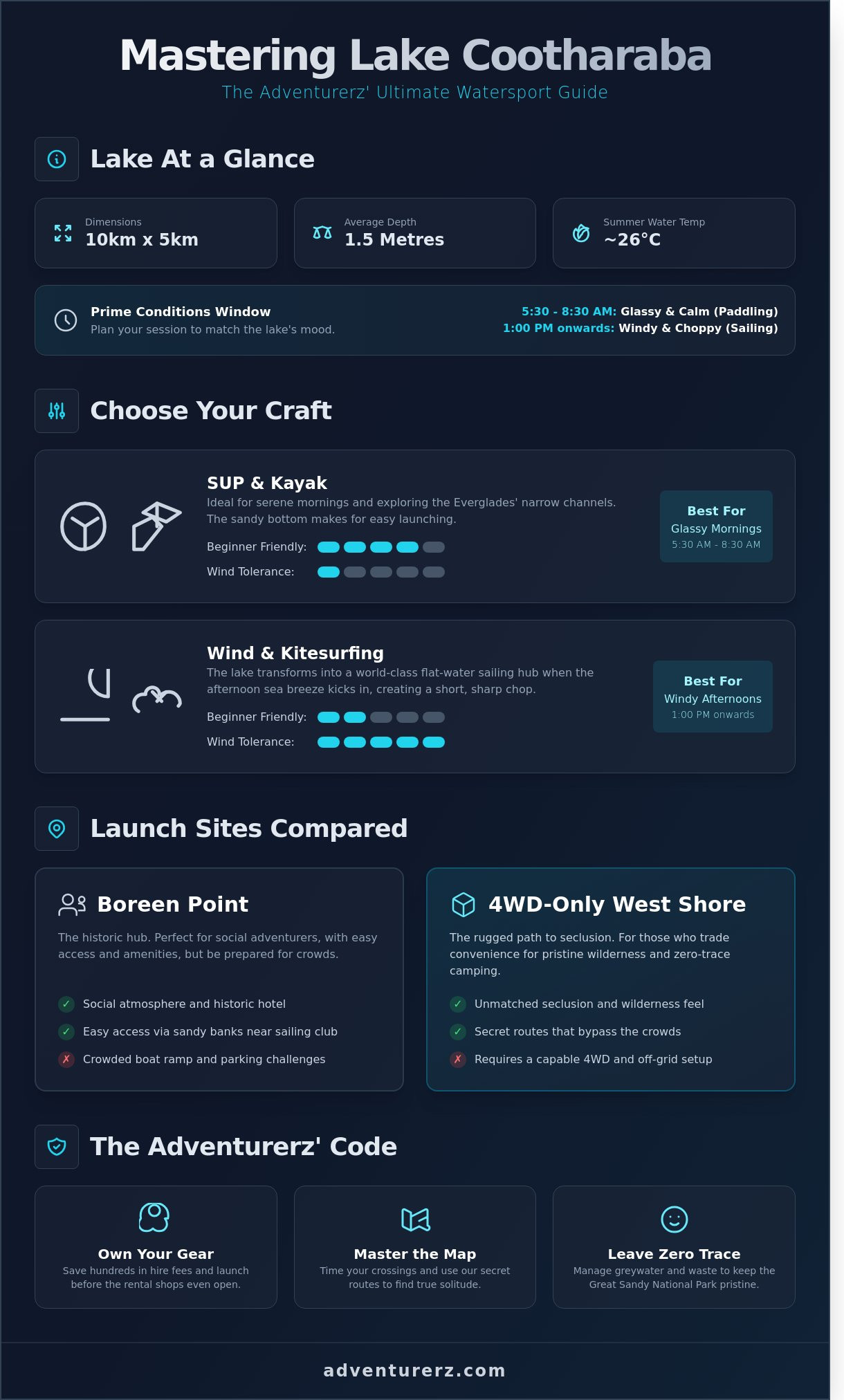
We’re heading to the heart of the Sunshine Coast’s wilderness to explore a location that defines the Australian outdoor spirit. As the largest lake on the Noosa River system, Lake Cootharaba stretches roughly 10 kilometres long and 5 kilometres wide. It serves as the primary gateway to the world-famous Noosa Everglades, one of only two Everglades systems on the planet. For us Adventurerz, this isn’t just a body of water; it’s a 3,800-hectare playground where the wild meets the water. The lake sits within the Great Sandy National Park, a protected region that ensures the ecosystem remains pristine for every paddler and sailor.
The average depth is a mere 1.5 metres. This shallow profile creates a unique environment for Lake Cootharaba watersports. While it sounds easy, that depth presents a real challenge for those used to deep-sea conditions. You’ll find yourself navigating a vast expanse where you can often stand up right in the middle of the lake. This makes it incredibly accessible for families, yet technical enough to keep experienced sailors on their toes.
Boreen Point is the historic township on the western shore and it has served as a hub for adventurers since the 1870s. The town’s cultural heartbeat is the Apollonian Hotel, a timber building originally constructed in 1868 that was moved here in 1987. It acts as the unofficial base camp for the community, providing a place to swap stories after a day on the water. The connection between the town and the Great Sandy National Park creates a sense of responsibility to protect this landscape while we enjoy it.
The Geography of Adventure
The water here carries a distinct tannin hue, looking like a giant pot of brewed tea. These tannins leach from the surrounding melaleuca trees, creating a natural acidity that keeps the water clean and supports a diverse range of aquatic life. As you move north, you’ll hit the transition zone where the wide-open lake narrows into the tight, mirror-like channels of the Everglades. The sandy bottom is a dream for beginners. Launching a SUP or kayak is simple because you don’t have to worry about sharp rocks or deep drop-offs near the shore. We recommend launching from the sandy banks near the sailing club for the easiest access.
The Micro-Climate: Wind and Water Conditions
Don’t let the shallow depth fool you into thinking it’s always calm. Around 1:00 PM or 2:00 PM, the afternoon sea breeze often kicks in from the coast. Because the lake is so shallow, these winds can whip up a short, sharp chop in minutes. This makes it a world-class destination for flat-water sailing and Lake Cootharaba watersports like windsurfing, but it can be a struggle for inexperienced kayakers. Planning your session is key to a successful trip.
- Glassy water window: 5:30 AM to 8:30 AM is the prime time for reflections.
- Wildlife peak: Early morning is when you’ll spot some of the 300 bird species recorded in the area.
- Safety tip: Always check the Bureau of Meteorology (BOM) for wind gusts exceeding 15 knots before heading out.
- Temperature: Summer water temperatures hover around 26°C, making it perfect for all-day immersion.
We’ve found that the best way to experience the lake is to respect its moods. Whether you’re chasing the wind or seeking the silence of the upper reaches, Lake Cootharaba demands a blend of preparation and passion. It’s a place where we can disconnect from the digital noise and reconnect with the raw beauty of the Queensland bush.
Choosing Your Craft: A Guide to Paddling, Sailing, and Powering Across the Lake
Lake Cootharaba is a massive, shallow playground that demands respect and the right equipment. With an average depth of just 1.5 metres, your choice of vessel determines whether you’ll be gliding gracefully or dragging your hull through the coffee-coloured silt. We’ve spent countless hours testing different setups on these waters, and the local conditions are truly unique. The lake’s 10km length makes it susceptible to a short, sharp chop when the wind picks up, so you need a craft that handles both glassy mornings and blustery afternoons. Lake Cootharaba watersports require a bit of tactical thinking before you launch from the sandy shores of Boreen Point.
For those who prefer wind power, this is Queensland’s premier destination. The consistent northeasterlies that typically kick in around 1:30 PM or 2:00 PM during the summer months make it a magnet for kite-surfers and catamaran sailors. If you’re bringing a motorised vessel, or “tinnie,” keep it light and check your propeller depth. Heavy boats with deep draughts will struggle in the northern reaches where the water depth often drops below 0.8 metres. Stick to the 6-knot speed limit in the designated conservation zones to ensure we’re all doing our part for the local ecosystem. It’s about being a considerate explorer while enjoying the thrill of the open water.
Kayaks vs. Canoes: The Expedition Choice
We often get asked which craft is better for a long-distance haul across the expanse. Sit-inside kayaks are the superior choice for open lake crossings because they offer significantly better protection against the wind and spray. A rudder system is non-negotiable for a 10km trek; it keeps you on track when the crosswinds try to push your bow toward the eastern mangroves. However, if you’re planning a multi-day trip to Harry’s Hut, a traditional canoe is the undisputed king of cargo. You can easily pack a 60-litre dry bag, a compact camping stove, and a heavy-duty swag for an overnight stay. When navigating the Upper Noosa River, the open deck of a canoe allows for easy access to your camera or binoculars as you move into the tighter, mirrored channels of the Everglades.
Stand-Up Paddleboarding (SUP) on the Lake
Beginner SUP enthusiasts should stick to the sheltered bays around Boreen Point or the southern lee of Elanda Point. These areas offer protection from the main wind fetch, providing a stable surface to find your feet. We love using SUPs as “scouting” craft because the standing position gives you a 360-degree view of the underwater terrain. This vantage point is incredibly helpful for spotting submerged logs or shifting sandbars in the tea-tree stained water. Safety is a priority for every Adventurerz member. Always wear a coiled leg leash and carry at least 2 litres of hydration for any paddle longer than 60 minutes. A PFD is a legal requirement and a life-saver if the wind shifts and creates a difficult paddle back to shore. Before you hit the water, make sure you have the right adventure gear to keep your equipment secure and your spirits high.
BYO Gear vs. Local Hire: Maximising Your Adventure Efficiency
Deciding between local hire and bringing your own kit changes how we approach Lake Cootharaba watersports. For occasional visitors, hiring from local operators at Boreen Point makes sense. Typical hire rates in 2024 sit around A$25 per hour for a single kayak or A$95 for a full day on a small catamaran. However, the math shifts quickly for regular Adventurerz. If you plan to visit the lake more than five times a year, investing in your own gear pays dividends. A quality mid-range paddleboard costs approximately A$850; this means your equipment is fully amortized after just nine full-day trips. Beyond the wallet, owning your kit means you aren’t tethered to someone else’s maintenance standards or equipment availability during peak school holiday periods.
Owning your gear unlocks the lake’s best hours. Most hire sheds don’t open until 8:30 AM and require returns by 4:00 PM. This rigid schedule misses the glass-out conditions at dawn and the stunning golden hour sunsets that define the Noosa Everglades. By bringing your own craft, you can launch from the Elanda Point car park at 5:15 AM, beating the wind and the crowds. Just remember that Lake Cootharaba contains brackish water. The mix of salt and tea-tree tannins is incredibly corrosive to moving parts. We recommend a thorough fresh-water washdown within 60 minutes of exiting the water. Pay close attention to rudder cables, paddle joins, and stainless steel bolts to prevent the inevitable “frozen” joints that ruin a weekend.
Setting Up Your Lakeside Base
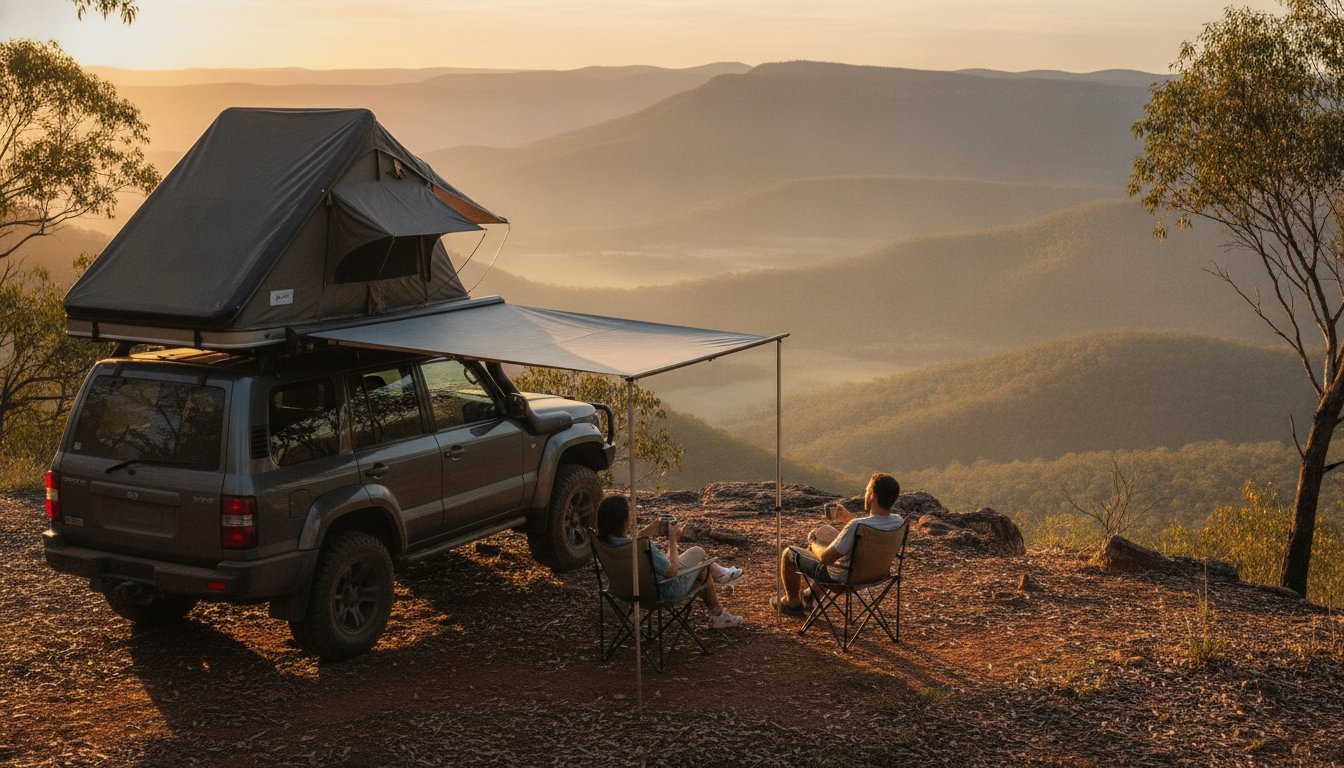
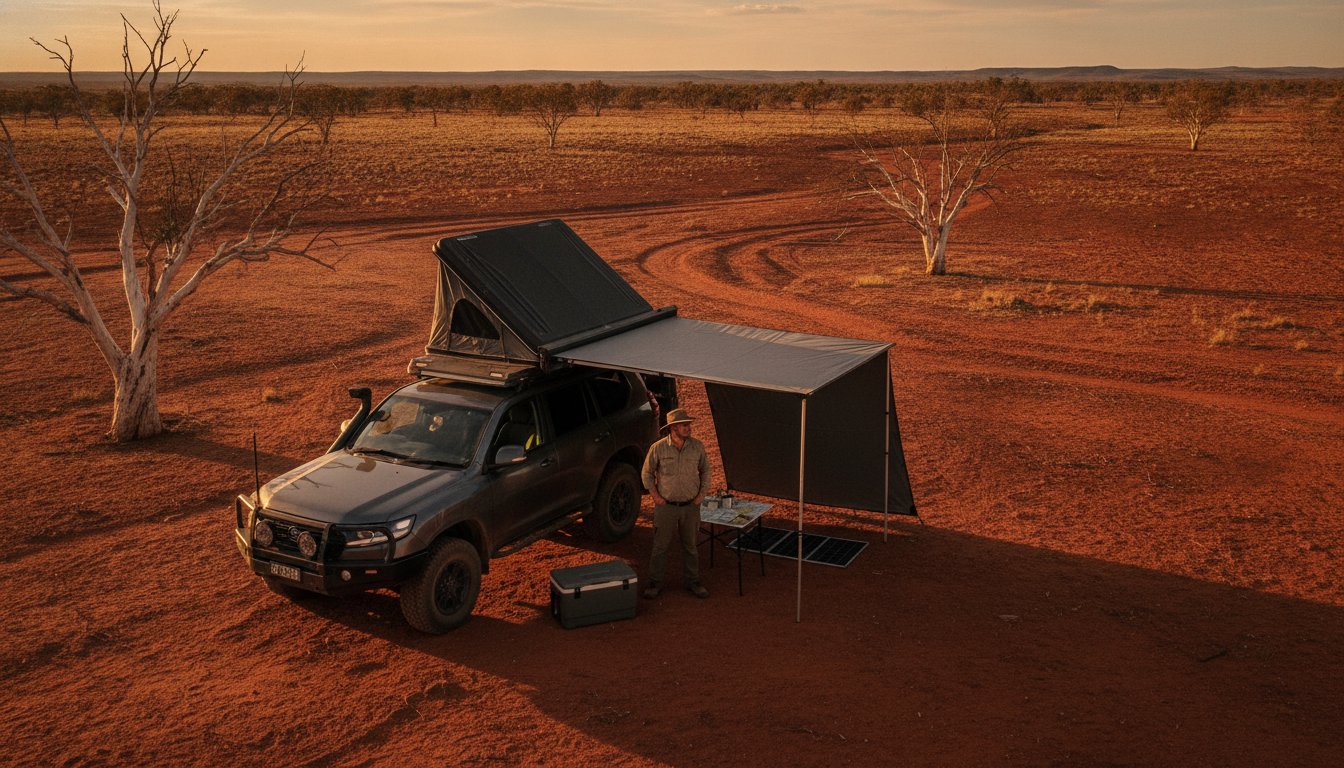
Efficiency starts at the vehicle. We love using vehicle-mounted solutions to keep our expensive gear off the abrasive sand and away from trampling feet. Installing high-quality 4WD awnings provides essential UV protection for both your skin and your inflatable SUPs, which can delaminate if left in the 32-degree Queensland sun. A well-organized 4WD allows for a 15-minute transition from the road to the water. Use heavy-duty 60L plastic bins to separate wet lifejackets from dry camping gear, ensuring your interior stays mildew-free and ready for the drive home.
To take that interior protection a step further, especially from the inevitable sand and water you’ll track in, custom-fit flooring like Tru-Fit Carpets by Vision Auto can be a game-changer for quick cleanups after a long day at the lake.
Logistics of Transporting Large Craft
Transporting heavy canoes requires a focus on roof rack weight limits. Most standard SUV factory rails are rated for 75kg to 100kg. A 16-foot Canadian canoe often weighs 45kg, leaving little room for additional gear if you’re carrying two. If you’re navigating the corrugated sandy tracks leading toward the Noosa Hinterland, a dedicated kayak trailer offers better stability than a high roof-mount. For security at remote launch sites like Harry’s Hut, use 10mm stainless steel locking cables. While the community is generally respectful, a physical deterrent provides peace of mind while you’re five kilometers downstream exploring the narrow reaches of the upper Noosa River.
The Best Launch Sites and Hidden Corners: An Adventurerz’ Route Map
We know that a successful day on the water starts with a solid plan at the ramp. For Lake Cootharaba watersports, your choice of launch site dictates the entire vibe of your session. Whether you’re rigging up a high-performance windsurfer or sliding a lightweight kayak off the roof of your 4WD, these two main hubs offer vastly different experiences for the modern Adventurerz community.
Boreen Point and the Southern Shores
Boreen Point serves as the primary social heartbeat of the lake. If you’re hauling a heavy trailer with your 4WD, the area near the sailing club is your best bet. During the December and January peak season, the 40 designated trailer spots often fill by 8:30 AM. We suggest arriving early to avoid the frustration of tight maneuvers in the crowds. The launch conditions here are heavily influenced by the southern wind fetch. When the breeze kicks up over the 10-kilometre expanse, you’ll face a consistent 30cm to 50cm chop that tests your balance and gear durability.
After a grueling session on the water, nothing beats the local atmosphere. The Apollonian Hotel, a historic timber building dating back to 1868, is just a short 400-metre walk from the main beach. It’s the perfect spot for a post-paddle brew and a legendary wood-fired spit roast. We often gather here to swap stories about the day’s conditions and plan our next off-the-grid mission.
Elanda Point to the Everglades Entry
For those seeking a more rugged experience, Elanda Point is the definitive gateway to the Wilderness Area. The 2.5km paddle from the Elanda shore to the Kinaba Information Centre is a genuine test of endurance. This stretch is exposed to the elements, so check the Bureau of Meteorology (BOM) Noosa coastal forecast before you head out. Once you reach the Kinaba Centre, the environment shifts dramatically. You’ll enter the “narrows,” a transition zone where the 3,800-hectare lake constricts into the tea-tree stained waters of the upper Noosa River.
- Kinaba Milestone: A raised boardwalk offers a 360-degree view of the wetlands.
- Wildlife Spotting: Look for the Eastern Ground Parrot in the wallum heath; only about 3,000 of these birds remain in the wild.
- Sea Eagles: Watch for White-bellied Sea Eagles nesting in the tall Melaleucas along the western bank.
The journey continues another 3.5km north to Fig Tree Point. This reach is where the water turns into a black mirror, reflecting the ancient forests. It’s a 6km total trip from Elanda Point, so ensure you’ve packed at least 3 litres of water and a reliable GPS device. The upper reaches are spectacular but unforgiving if you’re under-prepared. Since the 2021 track upgrades, the landing at Fig Tree Point provides excellent facilities for a mid-day break before the return leg against the afternoon northeasterly wind. Make sure your vehicle is ready for the sandy access tracks by checking your essential 4WD recovery gear before you leave home.
Every Adventurerz member knows that Lake Cootharaba watersports require respect for the environment. As we move through these sensitive “hidden corners,” we maintain a strict “leave no trace” policy. The shallow nursery grounds for local fish species are easily disturbed, so keep your speed down and your impact lower. It’s about preserving this pristine Queensland backyard for the next generation of explorers who crave the silence of the Everglades.
Essential Setup and Sustainability: Preparing for Your Lakeside Expedition
Being an Adventurerz means more than just hitting the water; it’s about protecting the wild places we love. Lake Cootharaba sits within the Great Sandy National Park, a delicate ecosystem that demands our respect. We follow a strict ‘leave no trace’ code every time we head out. This isn’t just a suggestion. It’s the standard for our community. When you’re planning your Lake Cootharaba watersports trip, your setup should reflect this commitment to the land. We want the next generation of explorers to see this place exactly as it is today.
Waste management is a critical factor because the lake is remarkably shallow, with an average depth of only 1.5 metres. This means any runoff or greywater stays in the system longer, affecting the water quality for everyone. Use a portable greywater tank if you’re in a van or camper. Never dump soapy water into the lake or onto the sandy banks. We suggest using biodegradable soaps sparingly and always at least 50 metres from the water’s edge to allow the soil to filter out impurities.
The Queensland sun doesn’t play around. During peak summer months, the UV index regularly exceeds 11 by 10:00 AM. We recommend a minimum of 3 to 4 litres of water per person daily when you’re active on the lake. For safety, don’t rely on your phone for navigation or emergencies. Telstra coverage drops significantly once you paddle into the upper Noosa River and the Everglades. A Personal Locator Beacon (PLB) or a satellite communication device is a non-negotiable for those heading deep into the tea-tree stained waters where signal bars disappear.
This level of preparation is key to any successful adventure. It’s a principle that extends beyond personal trips; businesses in tourism and recreation also develop extensive emergency plans, often with guidance from compliance experts like ShieldComply, to ensure everyone stays safe.
Off-the-Grid Comfort for Multi-Day Trips
Ground conditions around the lake can get soggy after a high tide or heavy rain. We love the advantage of rooftop tents for staying high and dry above the damp lakeside ground. They keep you away from the mud and provide better ventilation for those humid QLD nights. For power, a 100Ah lithium battery paired with a 160W solar blanket usually keeps cameras and GPS units charged for a 4 day stint. Stick to portable gas stoves for cooking. Wood fires are strictly prohibited in many park zones to prevent bushfires and protect local timber habitats.
Respecting the Ecosystem
Bank stability is a major concern in the Noosa Everglades. We practice “wash-free” paddling, ensuring our hulls don’t create wakes that eat away at the fragile sandy banks. Between September and April, be extra mindful of migratory birds like the Eastern Curlew. These birds fly over 10,000 kilometres to reach these shores. Give them space and respect all seasonal exclusion zones. Always choose “reef-safe” sunscreens. Standard chemical sunscreens contain oxybenzone, which can harm the aquatic life that makes Lake Cootharaba watersports so unique. Your gear choices define your impact on the wild.
Gear Up for Your Next Lake Cootharaba Expedition
Lake Cootharaba is more than just a gateway; it’s a 3,800-hectare playground waiting for you to dive in. Whether you’re navigating the 1.5-meter average depths in a lightweight kayak or harnessing the afternoon northeasterlies on a catamaran, preparation is everything. We’ve seen how choosing the right launch site at Boreen Point can save you 30 minutes of hauling gear, allowing more time to explore the pristine Noosa Everglades. Our fellow Adventurerz understand that mastering Lake Cootharaba watersports means balancing a thirst for adrenaline with a 100% commitment to preserving this Biosphere Reserve.
Our team at Scarborough has spent over 15 years testing the latest 4WD awnings and eco-friendly camping setups to ensure your QLD trips are seamless. We don’t just review gear; we live the lifestyle and share the local secrets that make every outing legendary. Join the Adventurerz community for more expert QLD gear reviews and guides! We’ll see you out on the water, keeping it wild and sustainable.
Frequently Asked Questions
Do I need a permit for watersports on Lake Cootharaba?
You don’t need a permit for private, non-motorised Lake Cootharaba watersports such as kayaking, stand-up paddleboarding, or sailing. However, if you plan to camp at any of the 15 designated sites within the Cooloola Recreation Area, you must purchase a permit through the Queensland National Parks service for A$7.25 per person per night. We always recommend checking the latest Maritime Safety Queensland notices for any temporary restrictions before you launch your gear.
Can I take a motorised boat into the Noosa Everglades?
You can take a motorised boat into the Noosa Everglades, but you must adhere to a strict 6-knot speed limit to protect the riverbanks. This 60-kilometre stretch of water is a delicate ecosystem, so we encourage Adventurerz to use electric motors or modern 4-stroke engines to reduce noise and pollution. Staying under the speed limit prevents erosion and ensures that the local birdlife remains undisturbed by your wake.
Is Lake Cootharaba safe for swimming with children?
Lake Cootharaba is very safe for children because its average depth is only 1.5 metres across most of its 3,800-hectare surface. The sandy bottom stays shallow for over 200 metres from the Boreen Point shoreline, creating a massive, calm wading area. While the water is tea-coloured from natural tannins, it’s clean and generally free from strong currents. We suggest wearing water shoes to protect little feet from the occasional stray shell or twig.
What is the best time of year for kayaking the Everglades?
The best time for kayaking the Everglades is between August and November when the average daily temperature sits at a comfortable 24 degrees Celsius. During these spring months, the wind speeds typically stay below 10 knots, which keeps the water surface glassy for those famous mirror reflections. We find that a 6:00 AM launch provides the most stable conditions before the afternoon sea breeze kicks in around 1:00 PM.
Are there crocodiles in Lake Cootharaba or the Noosa River?
There are no established populations of saltwater or freshwater crocodiles in Lake Cootharaba or the Noosa River system. The region is located well south of the Great Sandy Marine Park boundary, which is the typical southern limit for crocodile habitats in Queensland. While the Department of Environment and Science has recorded zero confirmed sightings in the last 10 years, we still practice “Croc Wise” behaviour as a standard safety precaution in all northern Australian waterways.
How long does it take to paddle from Boreen Point to Harrys Hut?
It typically takes 3 to 4 hours to paddle the 10-kilometre distance from the Boreen Point boat ramp to Harrys Hut. Your travel time depends heavily on the wind; a 15-knot southerly can push you along, but a northerly headwind will make the journey much more strenuous. We suggest allowing a full day for the return trip so you can enjoy a 45-minute lunch break at the historic hut before heading back.
Can I camp anywhere on the shores of Lake Cootharaba?
You can’t camp anywhere on the shoreline; you must use the official Boreen Point Campground or one of the remote National Park sites. The Boreen Point site offers 50 unpowered bush sites and 8 powered sites for your 4WD or caravan setup. If you want a more rugged experience, the Upper Noosa River campsites must be booked up to 6 months in advance for peak periods like the December school holidays.
What should I do if the wind picks up while I am in the middle of the lake?
You should immediately head for the nearest western shoreline if the wind exceeds 15 knots while you’re on the water. Because the lake is so shallow, it can turn from calm to choppy in less than 20 minutes, creating short, steep waves that are difficult to navigate. If you’re in a kayak, keep your bow pointed into the wind and stay close to the bank where the water is flatter. We always carry a mobile phone in a dry bag to check the Bureau of Meteorology radar every 60 minutes.