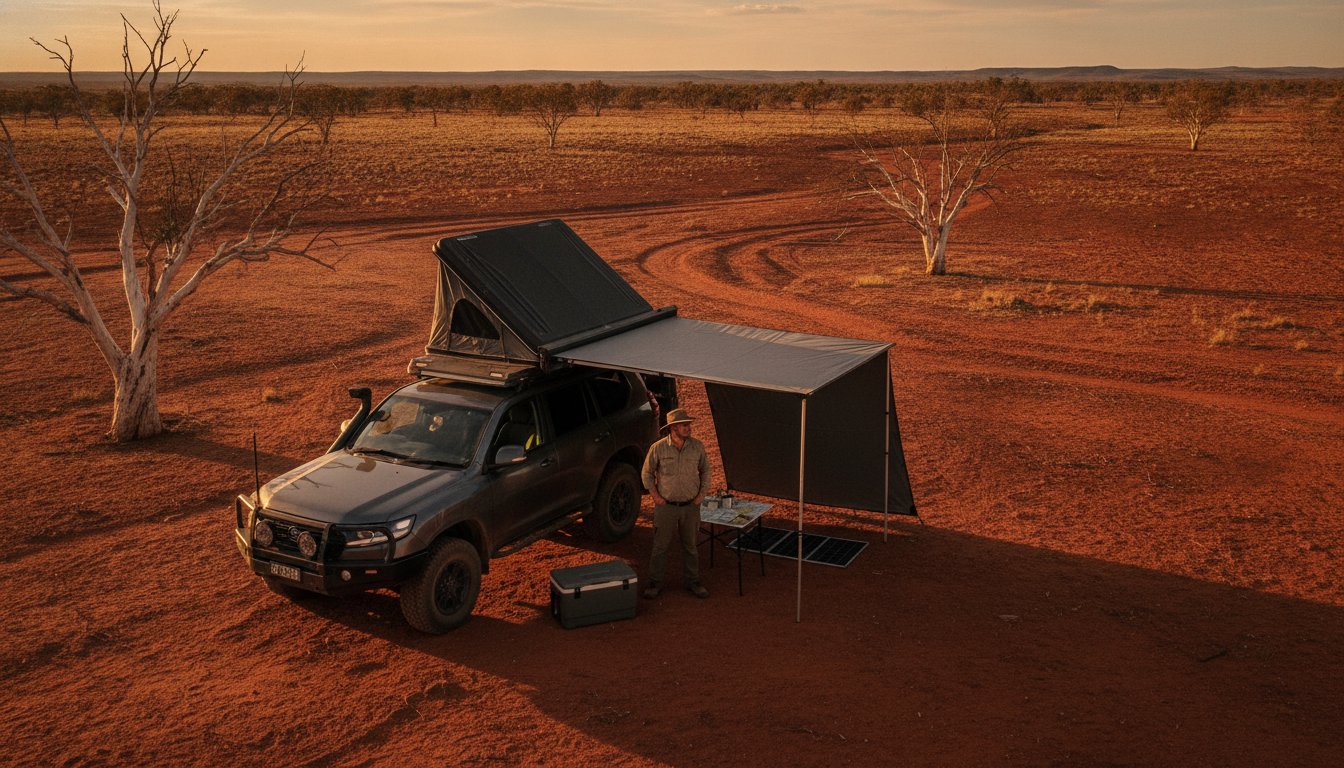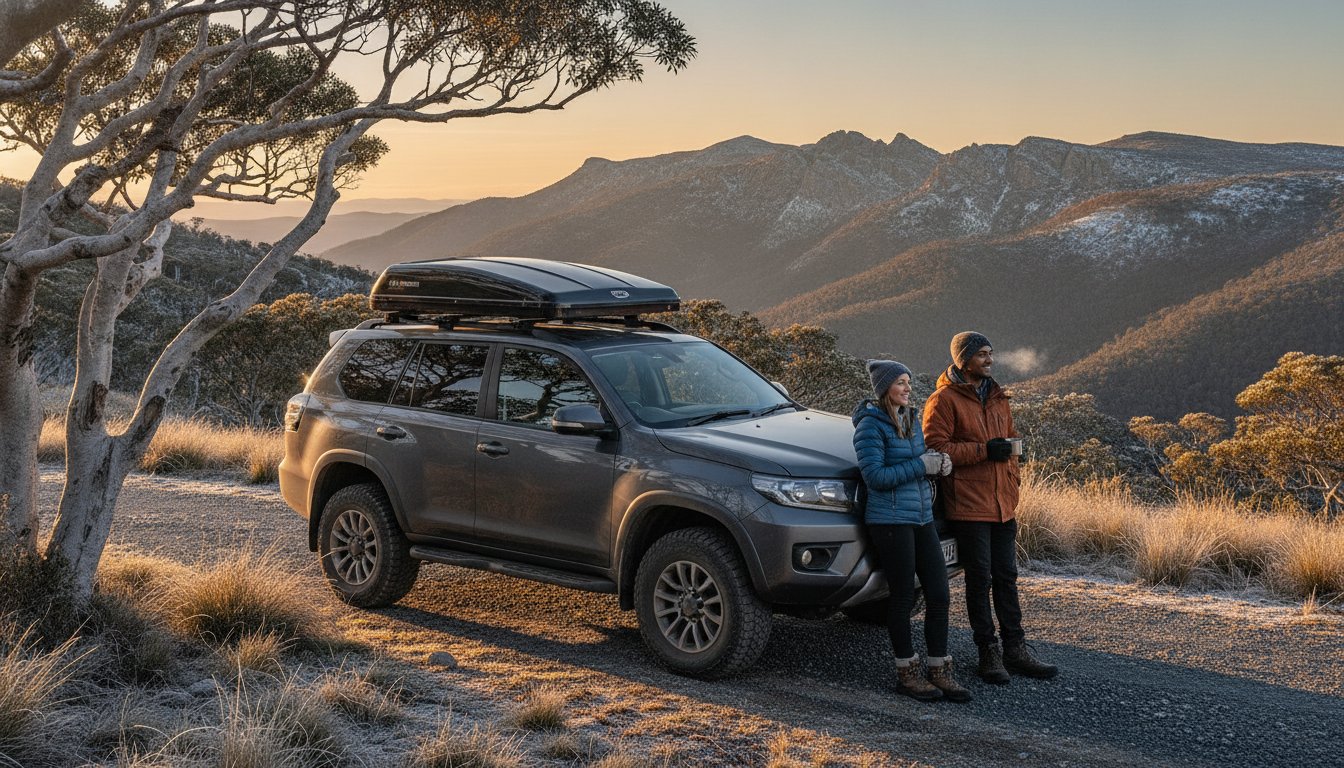
What if the most breathtaking views of the Victorian High Country are actually hidden behind a layer of morning frost? Many of us assume that Camping in Winter is a feat reserved for extreme survivalists, yet 65% of experienced Australian campers now prefer the quiet solitude of the off-season. We’ve all felt that midnight chill when a sleeping bag fails, or woken up to a damp swag because of poor ventilation. It’s frustrating when your gear isn’t rated for the conditions; however, we believe every explorer deserves to feel warm and capable regardless of the forecast.
We’re here to turn those shivering nights into cozy, off-the-grid successes. You’ll master sub-zero comfort with our expert insulation hacks and discover gear rated specifically for the 2026 season. As Adventurerz, we pride ourselves on being prepared and responsible while exploring our beautiful, remote landscapes. This guide provides a complete roadmap for your next cold-weather mission, covering everything from rooftop tent setups to essential safety advice for the modern nomad.
Key Takeaways
- Discover why the Australian winter offers the ultimate escape for Adventurerz, providing crowd-free tracks and crystal-clear night skies from the desert to the High Country.
- Master the science of R-values and insulation to ensure your setup for Camping in Winter keeps you toasty when the mercury drops below zero.
- Evaluate the thermal performance of rooftop tents versus traditional swags to choose the most resilient shelter for your next cold-weather expedition.
- Learn essential 2026 power management hacks to prevent battery drain and discover the high-calorie “winter tucker” needed to keep your internal furnace burning.
- Navigate seasonal road closures and find hidden gems using the latest digital planning tools tailored for the modern Australian explorer.
Why Camping in Winter is the Ultimate Test for Adventurerz
For many, the arrival of May signals the end of the outdoor season, but for the true Adventurerz community, it marks the beginning of the most rewarding time of year. Camping in Winter isn’t just about enduring the cold; it’s a specialized skill set that transforms the bush into a private sanctuary. In the Australian landscape, this experience varies wildly. You might find yourself pitching a tent in the alpine snow of the Victorian High Country or bracing for a 2°C night in the heart of the Simpson Desert. We trade the relentless summer flies and crowded campsites for crisp air, crystal-clear Milky Way views, and a profound sense of accomplishment that only comes from mastering the elements.
The core challenge of any winter expedition is thermal regulation. It’s a delicate balance between your body’s heat production and the performance of your gear. We focus on the transition from surviving to thriving. Shivering through a night in a sub-par sleeping bag is a rite of passage we’ve all faced, but true expertise lies in staying warm, dry, and energized. By understanding the science of insulation and choosing the right equipment, you turn a potential ordeal into a comfortable off-the-grid escape. Check your setup against an Essential Winter Camping Checklist to ensure you’re prepared for the mercury to drop.
The Diverse Faces of the Australian Winter
Australia doesn’t have just one winter. The “dry cold” of the Red Centre is a different beast compared to the “damp cold” of the Great Dividing Range or Tasmania. In the desert, the lack of moisture means your gear stays dry, but the temperature can plummet by 20 degrees the moment the sun vanishes. Conversely, high humidity in coastal or mountainous regions makes the air feel much colder because damp air transfers heat away from your body 25 times faster than dry air. This humidity dictates your insulation choices; synthetic fills often outperform down in wet conditions because they retain loft when damp. Hypothermia remains a critical life-threatening risk in remote Australian regions where overnight temperatures frequently drop below 0°C without warning during the winter months.
Mindset: Preparing for the Short Days and Long Nights
Success when Camping in Winter requires a total psychological shift. With the sun often setting by 5:00 PM, you only have about 9 or 10 hours of usable daylight. Efficiency is your best friend. You need to have your roof top tents deployed and your kitchen stations organized before the light fades and the frost settles. This forced downtime is a gift. It encourages us to embrace the silence of the off-season, spend more time around a sustainable campfire, and connect with our fellow travelers. We find that the solitude of a winter track offers a level of reflection that’s impossible to find during the summer rush. It’s about being disciplined, staying active, and respecting the rhythm of the season.
The Science of Staying Warm: Insulation and R-Values
We’ve all felt that bone-chilling dampness during a night in the Victorian High Country or the Tasmanian wilderness. Understanding the physics of heat is what separates a miserable night from a legendary one when you’re Camping in Winter. Heat escapes your body through three main channels: conduction, convection, and radiation. Conduction is the most aggressive thief, sucking warmth directly from your body into the frozen ground. Radiation is the heat your body naturally emits, while convection involves cold wind stripping away the warm air layer near your skin.
Your sleeping mat is the most overlooked piece of kit in any setup. In 2026, we use the ASTM F3340-18 standard to measure R-values with precision. For true winter conditions in Australia, we recommend a mat with an R-value of 4.0 or higher. If you’re heading into sub-zero territory, stacking a closed-cell foam mat under an inflatable one can push your total R-value to 6.0, providing a massive 50% increase in thermal resistance. When gathering your essential gear for winter camping, treat your mat as your foundation rather than an afterthought.
We also swear by the 3-layer rule for clothing. Your base layer must be moisture-wicking merino wool or synthetic fabric to keep sweat off your skin. The mid-layer provides the loft to trap air, while the outer shell protects you from the elements. If you’re sleeping in one of our roof top tents, you’re already ahead of the game by being off the frozen ground, but these layering principles still apply to keep your core temperature stable throughout the night.
Sleeping Systems: Beyond the Sleeping Bag
Don’t be fooled by the ‘Limit’ or ‘Extreme’ ratings on your bag. For Adventurerz, the ‘Comfort’ rating is the only number that guarantees a solid night of rest. A bag rated for a -5°C comfort level is perfect for most Australian alpine spots. You can boost this by 3 to 5 degrees using a thermal silk or fleece liner. Before you climb in, fill a BPA-free plastic bottle with hot water and tuck it near your femoral artery. It acts as a radiator for your entire circulatory system for up to 8 hours.
Managing the Internal Climate
A sealed tent is a recipe for a damp morning. Every person exhales roughly 30ml of water vapor per hour while sleeping. Without proper ventilation, this moisture condenses on the cold tent walls and drips back onto your gear. Keep your vents open, even if it feels counterintuitive. Never breathe inside your sleeping bag; the moisture from your breath will collapse the down clusters and ruin your insulation. Always change into a fresh, dry set of thermal pajamas the second you stop moving for the day. Even a 5% moisture level in your hiking clothes will make you feel 20% colder once your heart rate drops.
Choosing the Right Shelter: Rooftop Tents vs. Swags
Choosing your base of operations is the biggest decision you’ll make for Camping in Winter. We’ve spent countless nights testing gear in the Victorian High Country and the Tasmanian wilderness to settle the debate between being elevated or staying low. Both setups have loyal fans among Adventurerz, but the right choice depends on your specific travel style and how much wind you expect to face during the colder months.
The Rooftop Advantage for Winter Explorers
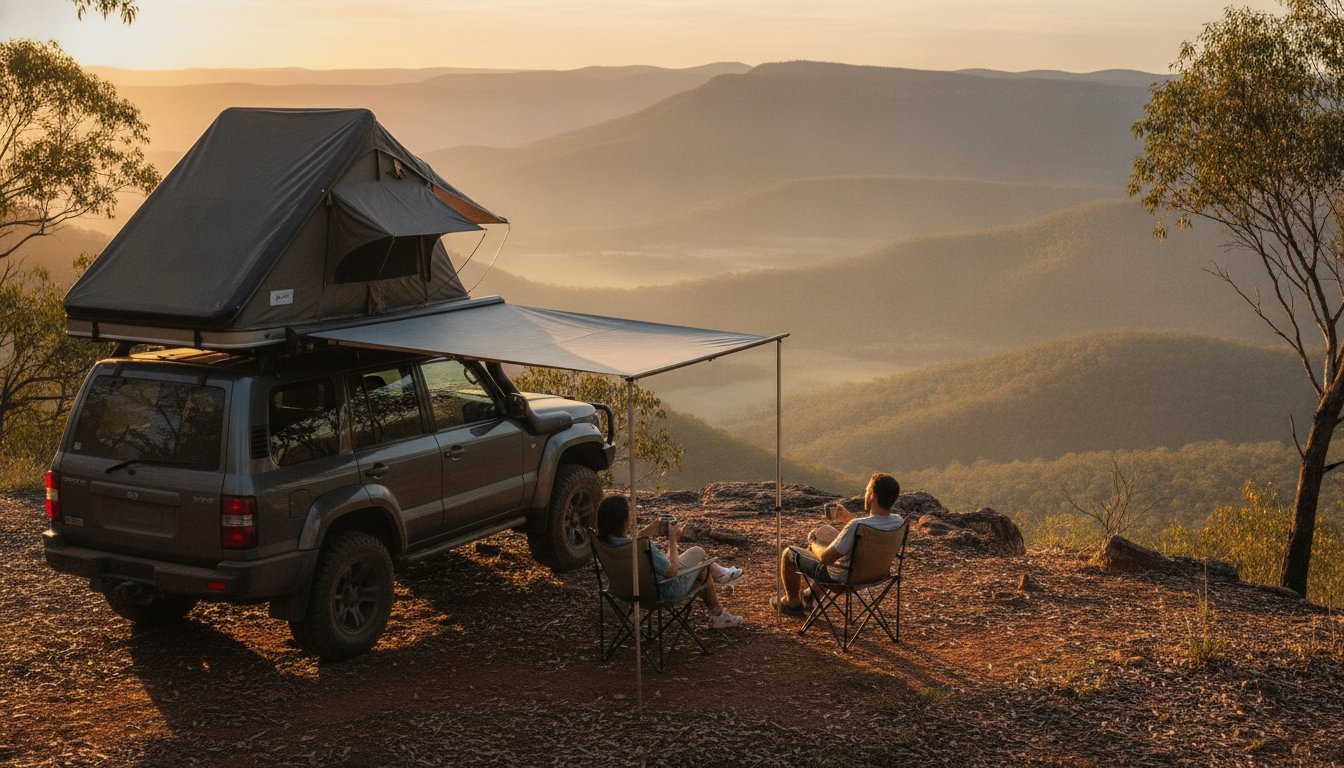
Being off the ground is a massive win when the soil temperature drops below 5 degrees. Rooftop tents create a crucial air gap between you and the frozen earth, which acts as a natural insulator. In 2026, hard-shell models have become the gold standard for high-wind resistance. Their rigid fiberglass or aluminum structures don’t flap in 40km/h gusts like soft-shell versions. This stability keeps the internal air pocket still, which helps retain your body heat much more effectively. We find that setup speed is a safety factor too. Being able to pop your roof in under 60 seconds means you spend less time exposed to sleet or biting winds while prepping your bed. You can explore our deep-dive into roof top tents to see which models offer the best thermal liners for those sub-zero nights.
Winter Swag Camping: Rugged and Reliable
Don’t write off the humble swag just yet. The heavy-duty canvas used in premium Aussie swags, typically 400gsm or higher, provides incredible insulation that thin synthetic tents just can’t match. Because a swag has a smaller internal volume, your body heat warms the space up very quickly. The trick to a successful winter swag setup is creating a dry transition zone. We always pair our swags with a solid 270-degree awning to create a ‘mud room.’ This allows you to peel off wet outer layers and leave muddy boots outside the sleeping area. You can find the best 4wd awnings for creating a sheltered winter kitchen and gear area in our community reviews.
If you’re sticking with a standard ground tent, you must focus on ‘winterizing’ the interior. Adding an internal quilted liner can increase the internal temperature by up to 8 degrees Celsius. We also suggest these quick fixes to keep the chill at bay:
- Double-layer your floor: Use a closed-cell foam mat under your self-inflating mattress to break the thermal bridge to the ground.
- Manage condensation: Keep a small vent open to prevent moisture from your breath turning into frost on the inside of your fly.
- Internal Liners: Use custom-fit fabric liners to add an extra layer of still air between you and the outer shell.
Successful Camping in Winter is all about managing these small thermal leaks. Whether you choose the height of an RTT or the ruggedness of a canvas swag, staying dry and isolated from the frozen ground is your first priority for a restful night.
The Essential Winter Camping Checklist for 2026
Camping in Winter transforms the Australian bush into a serene, quiet landscape, but it demands a higher level of preparation. Your gear faces unique stresses when the mercury drops, starting with your power supply. Batteries lose efficiency rapidly in the cold because chemical reactions slow down; a standard 100Ah lithium battery might only provide 70% of its usable capacity if temperatures hit 0°C. We solve this by insulating battery boxes with closed-cell foam or using 12V heating blankets to maintain an optimal operating temperature.
Your body is the primary furnace on any trip. You’ll need roughly 3,500 to 4,500 calories daily to stay warm in alpine conditions. Focus on high-fat “winter tucker” like macadamia nuts, fatty cuts of steak, and butter-enriched stews. Water logistics are equally vital. To prevent frozen pipes in your 4WD, drain external lines at night or wrap exposed taps in neoprene. Keep your main drinking supply inside the vehicle cabin where it stays slightly warmer than the outside air.
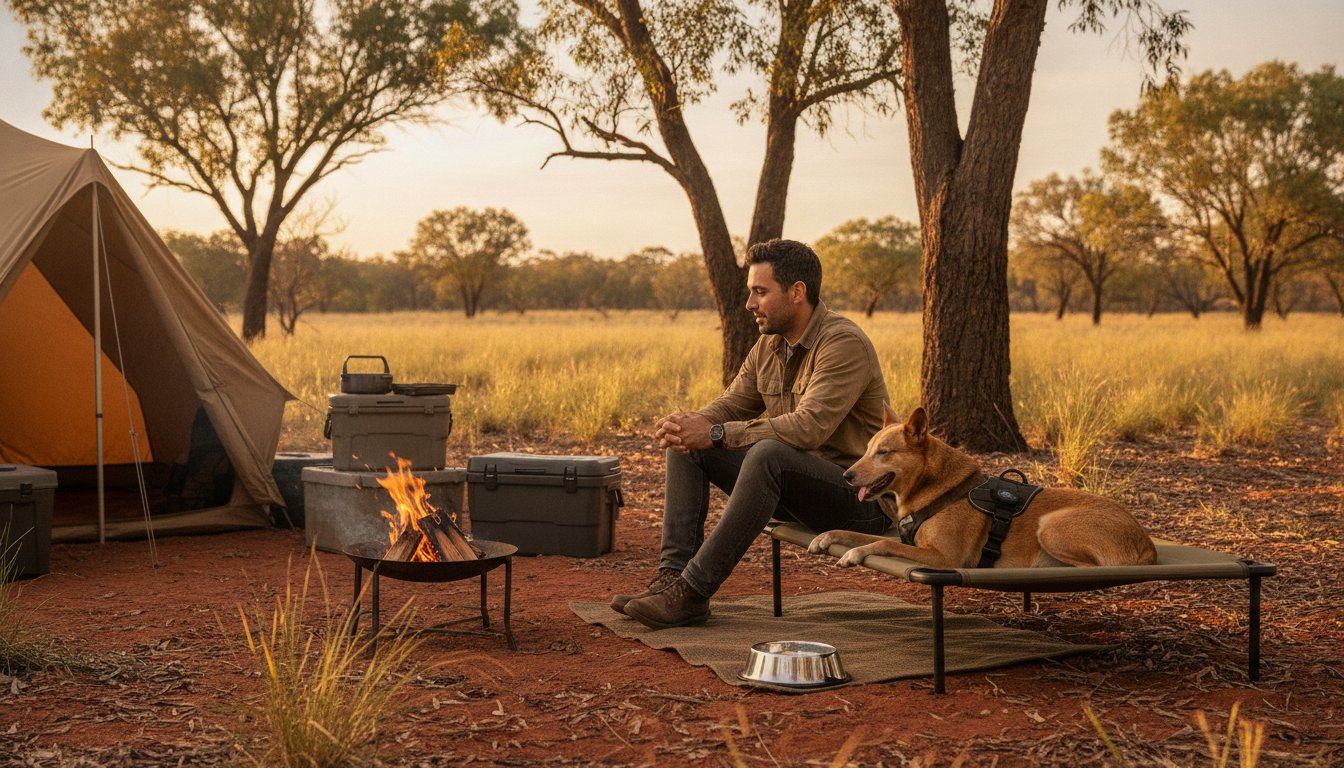
Fire safety remains a core responsibility for every Adventurerz member. In 2026, we’re seeing more sensitive ecosystems in regions like the Blue Mountains and the High Country. Always use a raised fire pit to prevent scarring the earth. When you’re done, ensure every coal is extinguished with water, not just buried in dirt, to follow strict Leave No Trace principles.
Tools and Recovery Gear
Check your 4WD’s coolant mix before leaving; it must be rated for sub-zero temperatures to avoid a cracked block. Lower your tyre pressures by an extra 3 psi when tackling slushy tracks to increase your footprint. A long-handled shovel is your most versatile asset for clearing snow or digging out of winter mud. Since winter nights in Tasmania or the Victorian Alps can last 14 hours, ensure you have at least 2,000 lumens of area lighting to keep your site safe and functional.
The ‘Adventurerz’ Kitchen Setup
Standard butane stoves often fail in the cold because the gas won’t vaporise. We recommend propane or multi-fuel stoves for reliable morning coffee. Wind is the enemy of heat, so use a dedicated windbreak to keep your stove efficient. Integrating one of the best 4wd awnings with side walls provides the ultimate sheltered cooking space. To prevent your vegetables and liquids from freezing overnight, store your esky inside the vehicle and wrap it in a heavy woollen blanket to trap the existing ambient heat.
Planning Your 2026 Winter Escape
Success during Camping in Winter isn’t just about having the right sleeping bag; it’s about the hours we spend at the kitchen table with a map before the engine even turns over. For the 2026 season, digital tools have made finding those secluded, frost-covered gems easier than ever. We need to be meticulous. In alpine regions like the Victorian High Country, seasonal road closures typically kick in from mid-June and don’t reopen until early October. Missing these dates can turn a weekend getaway into a dangerous U-turn on a narrow, icy track. Preparation is the mark of a true explorer.
Mapping Your Route
We recommend using the ultimate adventure travel planner to identify sites that remain accessible but uncrowded during the colder months. When you’re pushing into remote territory, standard mobile reception often fails by the time you hit the trailhead. Carry a Personal Locator Beacon (PLB) or a satellite messenger like a Garmin inReach. These devices are non-negotiable for 2026 safety standards. Always use a ‘Check-In’ protocol: leave your exact GPS coordinates and expected return time with a reliable contact at home. If you aren’t back by the agreed hour, they have the data needed to alert emergency services. It’s a simple step that saves lives.
Luxury vs. Remote: Finding the Balance
Not every winter trip needs to be a battle against the elements from start to finish. Many Adventurerz find success by using established resorts in Australia as a strategic base. This allows you to tackle demanding winter day-trips or technical 4WD tracks while knowing a warm shower and a dry bed await you at night. It’s a great way to build your resilience before transitioning to a full off-the-grid setup. Whether you’re sleeping under a rugged awning or in a luxury lodge, the goal remains the same: respect the wild and test your limits safely. You are now ready to join the ranks of winter-hardened Adventurerz!
As you head out, remember that we are guests in these fragile ecosystems. Stick to marked tracks to prevent soil erosion during the wet season and pack out every piece of rubbish you bring in. We want to see your journey! Share your frost-covered rigs and sunrise photos with the community. Tag your posts to inspire fellow Adventurerz to explore responsibly. You’ve got the knowledge and the gear; now it’s time to embrace the chill and make Camping in Winter your most legendary experience yet. Let’s get out there and explore the 2026 wilderness with heart and discipline.
Gear Up for Your Next Frosty Expedition
Your 2026 cold-weather journey starts with mastering the science of heat retention. We’ve seen how choosing a sleeping mat with an R-value above 5.0 makes the difference between a restless night and a cozy recharge. Whether you’re mounting a hard-shell rooftop tent for maximum airflow control or rolling out a heavy-duty canvas swag, the right shelter is your first line of defense against the elements. Camping in Winter isn’t just about surviving the cold; it’s about thriving in the quiet beauty of the Australian bush while leaving zero impact on the land we love.
At Adventurerz, we’ve tested the latest 2026 4WD recovery gear and lithium power systems across the Victorian High Country to ensure you’re prepared for sub-zero mornings. Our guides are built on real-world testing by local explorers who understand the unique demands of our rugged terrain. We’re committed to sustainable ‘Leave No Trace’ principles, ensuring these wild places remain pristine for the next generation of Adventurerz. We’ve updated our 2026 resources to include the latest 4WD telemetry apps and solar efficiency ratings to keep you off-the-grid longer.
Join the Adventurerz community and gear up for your next winter escape!
Grab your keys, check your tyre pressures, and let’s head out into the crisp morning air together!
Frequently Asked Questions
Is it safe to camp in a tent during winter?
Yes, it’s safe to camp in a tent during winter if you’ve got the right thermal layers and a 4-season shelter. We recommend checking the Bureau of Meteorology (BOM) for 2026 weather patterns before heading out. Proper preparation prevents the three stages of hypothermia when temperatures drop below 5°C. Adventurerz always pack a high-quality emergency blanket and a PLB for remote locations to ensure total peace of mind.
What is the best type of tent for winter camping in Australia?
A 4-season tent or a heavy-duty 400gsm ripstop canvas swag is the best choice for Australian conditions. Look for a tent with a minimum 3,000mm waterhead rating to handle heavy alpine rain or sleet. These rugged shelters feature reinforced poles that withstand wind gusts up to 80km/h. We love the durability of canvas because it breathes better than polyester, keeping you dry and cozy throughout the night.
How do I stop condensation in my tent during winter?
You stop condensation by creating cross-ventilation, even when it’s freezing outside. Leave your tent vents open at least 10cm to allow moist air from your breath to escape. Camping in winter often results in damp gear if you seal the tent completely. We suggest using a moisture-absorbing pack or a small battery-powered fan to keep the air moving. This simple step keeps your sleeping bag dry and warm.
Can I use a normal sleeping bag for winter camping?
No, a standard summer bag won’t keep you warm when temperatures dip toward 0°C. You need a sleeping bag with a “lower limit” rating of at least -5°C for most Australian winter spots. Check for the EN ISO 23537-1 certification on the label to ensure accuracy. Adventurerz often pair their bags with a thermal liner to add an extra 5°C of warmth during those frosty Victorian High Country nights.
What R-value do I need for a winter sleeping mat?
You need a sleeping mat with an R-value of 4.0 or higher to block the ground’s chill. Ground temperatures in the Snowy Mountains can sit at 2°C while the air is much colder, sucking heat from your body. A mat rated under the ASTM F3340-18 standard ensures you’re getting tested insulation. We often stack a closed-cell foam mat under an inflatable one to boost the total R-value to 6.0.
How do I keep my 4WD battery from dying in the cold?
Protect your 4WD battery by using a 20-amp DC-DC charger and insulating the battery box. Cold weather can reduce a lead-acid battery’s capacity by 30% once temperatures hit 0°C. We recommend carrying a portable lithium jump starter rated for at least 1,000 amps. It’s a vital piece of gear for off-the-grid trips where a dead battery could leave you stranded in remote bushland without any way to call for help.
What should I eat while winter camping to stay warm?
Focus on high-fat and high-protein meals that provide sustained energy for thermogenesis. Your body burns up to 40% more calories just to stay warm when camping in winter. We love cooking a hearty beef stew or a 500-calorie dehydrated meal before bed. Eating a small, fatty snack like macadamia nuts right before sleep helps your internal furnace run all night long, keeping your core temperature stable.
Is it legal to have a campfire during winter in Australian national parks?
Campfires are generally legal in designated fire pits within Australian national parks during winter, but you must check the local NPWS or Parks Victoria website first. Total Fire Bans can still occur in dry winter months; some parks like Kosciuszko have strict 100% fuel-collection bans. We always bring our own sustainably sourced firewood to avoid disturbing local habitats. Always extinguish your fire with 10 litres of water until it’s cool.