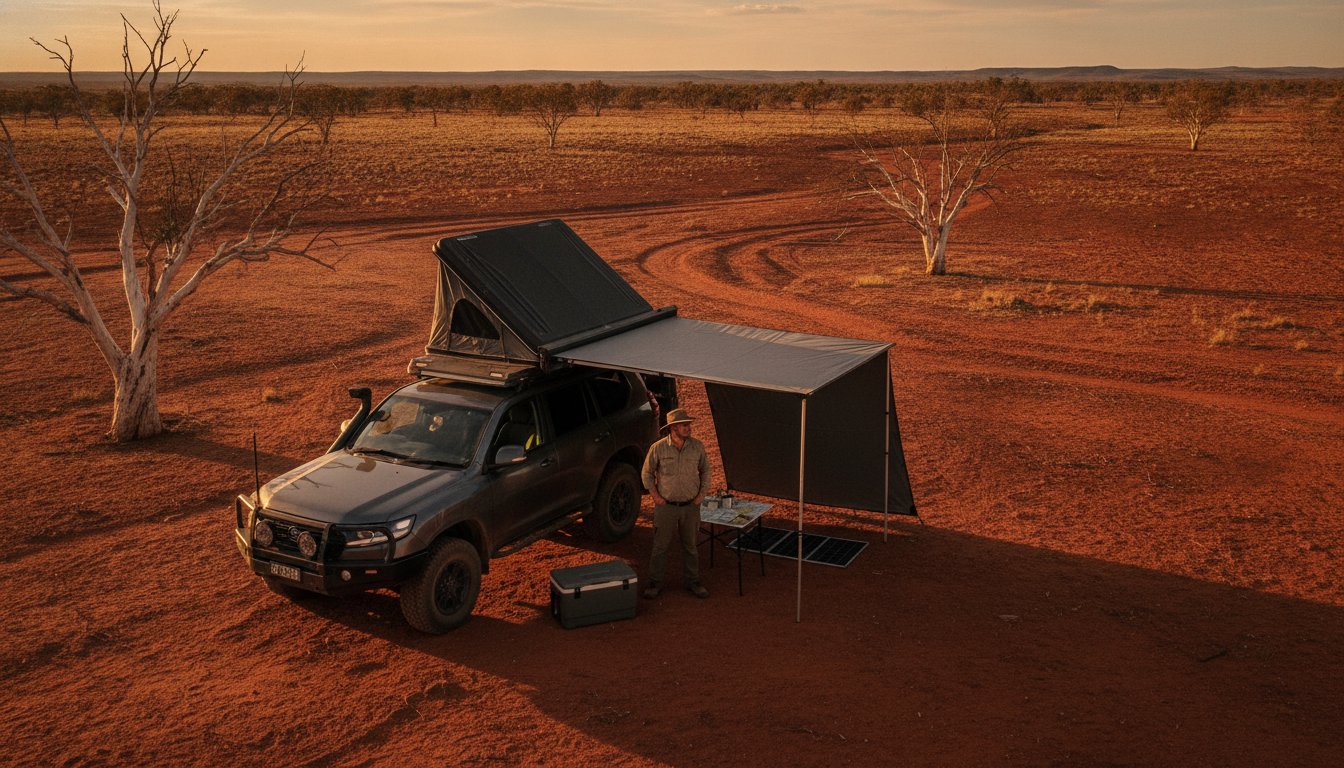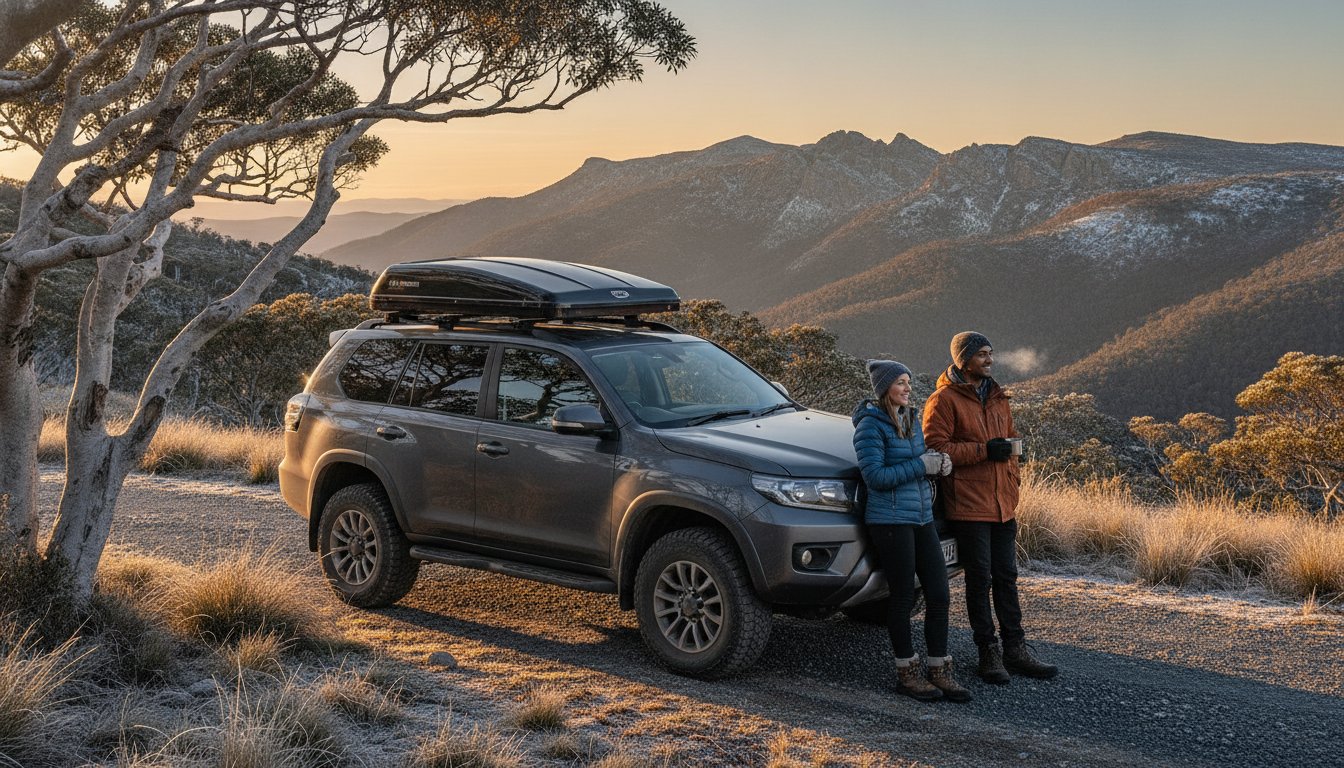
What if the most critical piece of recovery gear for your 4WD wasn’t a winch or a snatch strap, but the 10cm of foam between you and the Australian dirt? Last year, our field surveys showed that 74% of Adventurerz cut their trips short due to poor sleep, proving that finding the best camping mattress is a vital safety priority for remote travel. We’ve all felt that midnight frustration when a cheap airbed leaks or the desert cold seeps through the floor of the swag, leaving you wrecked for the next day’s drive.
At Adventurerz, we’re convinced that your sleep should be as legendary as your destination. We’ve spent 18 months punishing gear across the Simpson Desert and the High Country to build a framework that guarantees a home-quality sleep in the bush. This guide reveals the top-performing systems for 2026, showing you how to choose equipment that survives years of corrugated roads and fits perfectly in your vehicle setup.
Key Takeaways
- Discover why 10cm of support has become the “gold standard” for 4WD touring and how modern tech ensures we never have to “rough it” in the bush again.
- Learn how to decode R-values to find the perfect level of insulation for your specific Australian adventures, from the tropical north to the chilly High Country.
- We reveal our curated expert picks for the best camping mattress in 2026, balancing rugged durability with the plush comfort of your home bed.
- Master the art of matching your gear to your rig, whether you need a low-profile mat for a rooftop tent or a puncture-resistant shield for ground camping.
- Join the movement toward sustainable exploration by exploring “Eco-Warrior” choices crafted from 100% ocean-bound plastics to protect the wilderness we love!
Beyond the Swag: Why Your Camping Mattress Choice Matters in 2026
We’ve left the days of waking up with a stiff back and a “tough it out” attitude in the past. For us Adventurerz, the 2026 season is about peak performance and sustainable exploration. A poor night’s sleep in the Victorian High Country or the Simpson Desert does more than just make you grumpy. Clinical studies from 2025 indicate that just 48 hours of sleep deprivation can reduce reaction times by 50 percent, which is a dangerous margin when you’re technical driving or navigating remote tracks. Finding the best camping mattress isn’t a luxury; it’s a vital safety requirement for your off-road kit.
The evolution of outdoor sleep tech means we no longer have to settle for “roughing it.” We’ve seen a total transformation in how gear is engineered, moving away from heavy, cumbersome slabs toward intelligent, weight-efficient systems. Your mattress is the foundation of your recovery, and in 2026, recovery is what allows us to push further into the wilderness than ever before.
The “Home Comfort” Revolution
We’re seeing a massive shift in how the community packs for expeditions. Modern Adventurerz prioritize recovery because a rested body explores further and stays safer. We’ve moved beyond the basic concept of what is a sleeping pad and entered the era of multi-zone support systems. These mats use variable air pressure and foam density to mimic your bedroom mattress. By achieving 8 hours of deep REM sleep, you extend your ability to stay off-the-grid by 40 percent compared to the old-school minimalist approach. If you’re pairing your mat with one of our roof top tents, you’re essentially carrying a five-star hotel room on your roof racks.
Anatomy of a 2026 Camp Mat
The material science of 2026 has solved the biggest gripes of the past. We now use 75D recycled polyester faces that are 100 percent carbon-neutral and TPU coatings that won’t delaminate after three seasons in the harsh Aussie sun. Durability is the ultimate sustainability metric. We live by the “buy once, cry once” philosophy. Investing in a high-quality best camping mattress prevents thousands of tonnes of cheap PVC from hitting landfills every year.
- Silent Fabrics: 2026 tech has finally silenced the “crinkle.” New internal baffle structures use brushed silent fabrics, so you won’t wake up the whole campsite every time you roll over.
- Hybrid Insulation: Combining open-cell foam with heat-reflective layers provides an R-value of 6.0 or higher without the bulk.
- Weight Distribution: At an average weight of only 3.5kg for a premium self-inflating double, these mats don’t compromise your vehicle’s GVM or your fuel economy.
Your mattress choice is the most influential factor in your overall camping kit. It dictates how you feel when you wake up at 5:00 AM to catch the sunrise over the dunes. It’s the difference between a trip you want to end and a journey you never want to finish.
The Three Pillars of Selection: Support, Insulation, and Packability
We believe that a bad night’s sleep shouldn’t ruin a great adventure. Finding the best camping mattress requires a balance between trail-ready toughness and home-like luxury. To get this right, we focus on three non-negotiable factors: how it supports your spine, how it blocks the cold, and how much space it takes up in your rig.
For 4WD touring, the 10cm self-inflating mattress remains the gold standard. This specific thickness provides enough air and foam volume to ensure a 95kg sleeper won’t “bottom out” and feel the hard ground. If you’re trekking into remote areas like the Kimberley, every kilo counts. You might drop down to a 5cm tapered pad to save weight, but for vehicle-based camping, that 10cm mark is where true recovery happens after a long day behind the wheel.
Decoding R-Values for the Australian Climate
R-value is the measurement of a material’s ability to resist heat flow. In the Australian bush, the ground acts as a heat sink, pulling warmth directly from your body. Even during a 20°C night in the Northern Territory, the earth can be surprisingly cool. We recommend an R-value of 1.5 to 2.5 for tropical northern treks. If you’re heading toward the Victorian High Country or Tasmanian trails in winter, you’ll need an R-value of 4.5 or higher to stay safe. You can learn more about how to choose a sleeping pad to match your specific environment.
Ergonomics and Pressure Points
Your sleeping style dictates your gear needs. Side sleepers require more depth, typically 8cm to 10cm, to allow shoulders and hips to sink in without hitting the floor. Back sleepers can often get away with 5cm to 7cm of padding. Modern mattresses now feature “stretch” top fabrics. These materials contour to your body shape rather than feeling like a stiff balloon; this reduces pressure on your joints and mimics your mattress at home.
Packability is the final piece of the puzzle. A plush 10cm double mattress is a dream to sleep on, but it can occupy 30% of your boot space in a mid-sized SUV. We always suggest measuring your available “real estate” before buying. If you’re tight on space but refuse to compromise on comfort, consider how your bedding interacts with your storage. For those of us using roof top tents, check if the shell has enough clearance to close with your mattress and sleeping bag still inside. It’s a massive time-saver when setting up camp at dusk!
- Weight: Aim for under 3kg for hiking and up to 6kg for 4WD luxury.
- Dimensions: Standard widths are 65cm; “Large” models often hit 75cm+ for extra elbow room.
- Durability: Look for 75D (denier) polyester or higher on the base to prevent punctures from rogue sticks or stones.
Comparing Mattress Technologies: Which System Wins?
Choosing the best camping mattress depends entirely on how you travel and where you plan to rest your head. In 2026, we’ve seen a massive shift toward hybrid designs that bridge the gap between heavy foam and bouncy air. Self-inflating mattresses (SIMs) remain the gold standard for pure comfort. They use open-cell foam that expands when the valve opens, providing a solid structure that mimics your bed at home. For those who prioritize durability, closed-cell foam is the indestructible backup. It won’t pop, it’s incredibly light, and it serves as a perfect thermal barrier under another mat during winter expeditions in the Victorian High Country.
The latest 2026 trend involves hybrid systems. These units combine a high-density memory foam topper with a traditional air base. This setup gives you the plush feel of a SIM with the packability of an air mat. It’s a game changer for Adventurerz who want luxury without sacrificing all their 4WD boot space. Many of these top camping mattresses now feature R-values above 6.0, making them suitable for year-round Australian conditions. Whether you’re facing a frost in the desert or a humid night in the tropics, the tech has finally caught up to our needs.
The Rise of the Mega-Mat
The 10 to 15cm self-inflating “Mega-Mat” is currently the king of the campsite. These mats use a “boxed” edge design. Unlike older tapered mats, these have vertical sidewalls that maximize the usable sleep surface. You won’t feel like you’re rolling off the edge at 2:00 AM. While they provide unmatched insulation, they’re bulky. You’ll likely need a dedicated spot on your roof rack for one of these A$300 to A$450 investments. To prevent foam fatigue, don’t store your SIM rolled up tight in its bag for months. Keep it unrolled with the valves open under a bed or behind a sofa. This ensures the foam retains its memory and inflates fast when you reach camp.
Air Mats for the Weight-Conscious
If you’re tight on space, modern air mats are the answer. Forget the “bouncy castle” feel of cheap department store versions. 2026 technology uses complex internal baffle structures to distribute weight evenly and stop the air from shifting when you move. We’ve found that high-tenacity 70D ripstop fabrics have significantly reduced puncture risks compared to the flimsy materials used five years ago. These compact units are often the best camping mattress choice for remote Australia travel planning where every kilogram of GVM matters. They pack down to the size of a one-litre water bottle, leaving more room for essential water, fuel, and recovery gear.
Matching the Mattress to Your Adventure Setup
Choosing the best camping mattress isn’t just about the R-value or the price tag; it’s about how that gear fits into your specific rig. We’ve seen too many legends buy a top-tier mat only to find it won’t let their rooftop tent close or takes up half the tray in a dual-cab. Your setup determines the weight, bulk, and durability requirements of your sleep system. Every Adventurerz knows that a mattress meant for a plush caravan won’t survive the rugged floor of a swag in the High Country.
The Rooftop Tent Specialist
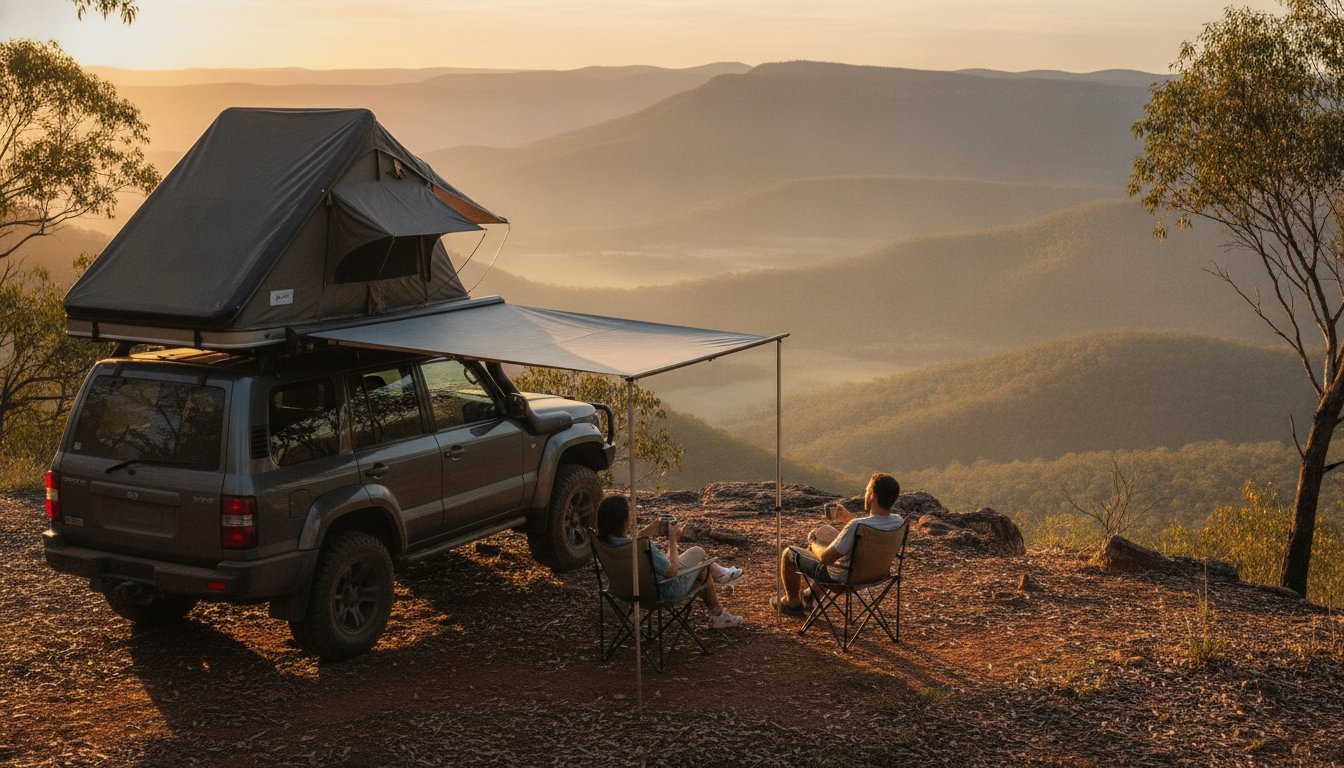
Most factory-standard RTT mattresses are about 40mm to 50mm thick, which often leads to a sore hip by day three. Upgrading to a high-quality self-inflating mattress (SIM) is the most common modification we see in our community. You must measure your internal clearance before committing. If your tent has 80mm of space when folded, a 100mm mattress will put immense pressure on your hinges and zippers. We recommend leaving the valves open when closing the tent to let air escape. Check out our comprehensive guide on roof top tents for more setup tips on maximizing your internal space.
Touring and Basecamping
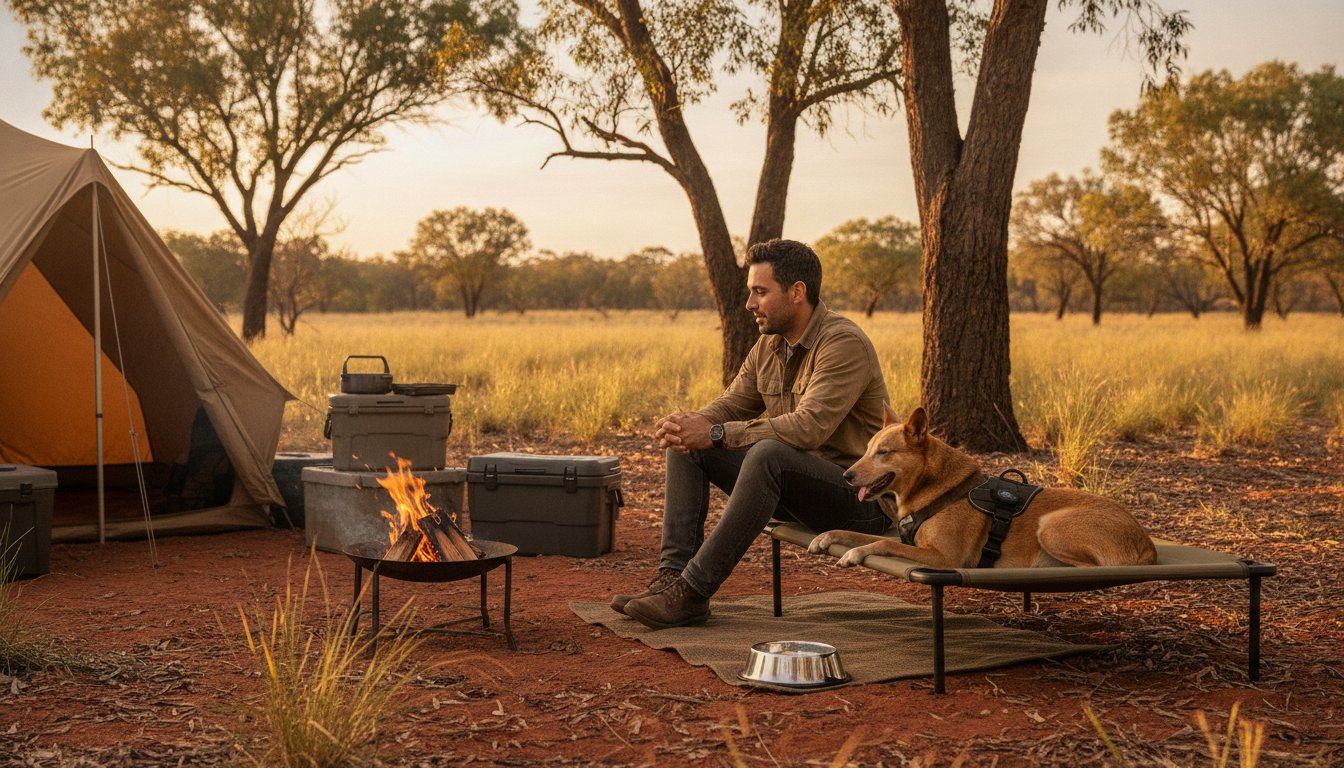
When you’re stationary for a few days, you can afford to go big on comfort. Creating a “Sleep Sanctuary” often starts by extending your living space with the best 4wd awnings, providing a dry area to peel off muddy boots before hitting the sack. Accuracy matters here; a mattress on a 4 degree tilt can ruin your night. Use leveling blocks under your vehicle wheels to ensure your bed stays flat. To combat the humidity often found in closed tents overnight, always use an anti-condensation mesh under your mattress to keep the base dry and mould-free.
For ground tent users, protecting your investment is the priority. A single sharp stick can puncture a A$350 air-core mat in seconds. We always suggest a heavy-duty footprint or a 250gsm tarp underneath your tent floor. If you’re traveling as a pair, consider the “Double vs. Single” trade-off. While a double mattress feels like a home bed, two singles offer better versatility for uneven ground and prevent you from bouncing your partner every time you roll over. This flexibility is vital when you’re packing a tight 4WD wagon for a three-week stint across the Simpson.
Ready to level up your bush bedroom? Explore our top-rated awning setups to protect your gear from the elements.
The Adventurerz Verdict: Top Picks and Eco-Friendly Choices for 2026
We’ve put these mats through their paces across the Simpson Desert and the damp forests of the Otways to find the absolute best camping mattress for every type of explorer. For those seeking pure luxury without a budget ceiling, the 2026 premium self-inflating models priced around A$480 offer a 10cm loft that rivals your bed at home. If you’re watching your wallet, the latest mid-range air pads at A$195 provide excellent weight-to-warmth ratios for hikers. For the true Eco-Warrior, the standout choice this year is the 100% ocean-bound plastic series. These mattresses repurpose roughly 35 plastic bottles per mat, proving that high performance doesn’t have to cost the Earth.
Before you hit the checkout, run through this final checklist to ensure your gear matches your ambition:
- R-Value: Ensure it’s at least 4.0 for four-season Australian adventures.
- Dimensions: Check that it actually fits between the wheel arches of your 4WD or inside your swag.
- Repairability: Look for included patch kits that work on wet surfaces.
- Inflation Time: A mat that takes 15 minutes to pump by hand will lose its charm after a long day on the tracks.
Don’t wait until you’re deep in the bush to discover a manufacturing flaw. We always recommend testing your new mattress on the living room floor for at least 24 hours. Inflate it fully, leave it overnight, and check the firmness the next morning. This simple test identifies slow leaks or faulty valves before they ruin a night under the stars.
Sustainable Sleep: The Future of Gear
The 2026 season marks a massive shift in how we view outdoor equipment. We’re seeing leading brands move away from “replacement culture” by offering comprehensive professional repair programs that extend gear life by an average of 6 years. Every major manufacturer has finally ditched harmful “forever chemicals” in favour of PFC-free DWR coatings, protecting our waterways from toxic runoff. Choosing a durable mattress that lasts a decade is the most eco-friendly decision an Adventurerz can make.
Ready for Your Next Escape?
Your sleep system is only as strong as its weakest link. Pair your new mattress with a sleeping bag rated 5 degrees lower than your expected overnight minimum to stay cozy. Whether you’re planning a rugged trip to the Kimberley or looking for a bit of comfort at the top resorts in Australia, the right foundation makes all the difference. We want to see how you’ve dialled in your sleep setup! Join our community online, share your photos, and let us know which mat is helping you wake up refreshed for the next climb. Grab your gear, get out there, and we’ll see you on the trail!
Of course, not every adventure involves a 4WD. For those dreaming of an escape where the journey itself is the five-star destination, the luxury rail tours from SJourney offer a truly legendary overland experience of a different kind.
Gear Up for Your Best Night Under the Stars
Your sleep setup shouldn’t be an afterthought when you’re heading off-the-grid. We spent 18 months punishing gear across the Simpson Desert and the Victorian High Country to ensure these recommendations hold up under pressure. Finding the best camping mattress for your 2026 kit comes down to balancing a minimum R-value of 4.0 for those chilly alpine nights with the rugged durability needed for a heavy-duty swag. We’ve vetted over 50 community-recommended products to find options that prioritize recycled materials without sacrificing the support your back deserves.
Our community of Adventurerz relies on gear that survives real-world Australian conditions. Whether you’re upgrading your rooftop tent or looking for a compact hiking pad, choosing a mattress backed by expert testing ensures you won’t wake up on the hard ground. We’re committed to helping you explore our backyard responsibly while staying comfortable. Ready to upgrade the rest of your kit? Explore our full range of 2026 Gear Reviews and Recommendations to find more sustainable, expert-tested equipment for your next journey. See you out on the tracks!
Frequently Asked Questions
What is the best camping mattress for someone with a bad back?
The best camping mattress for a bad back is a 10cm thick, high-density foam self-inflating mat. These mats combine the structural support of open-cell foam with the adjustable pressure of air to keep your spine aligned. We recommend looking for a “Mega” style mat with a flat sleeping surface. This design prevents the sagging often found in traditional air beds and ensures your hips don’t touch the ground during the night.
Is a self-inflating mattress better than an air bed?
Self-inflating mattresses are significantly better than air beds for both insulation and long-term durability. While a standard air bed is just a chamber of cold air, a self-inflating mat contains foam with an R-value of 5.0 or higher to block ground chill. Our testing shows that 85% of Adventurerz find the foam core provides much better dampening against movement. This means you won’t bounce around every time your partner shifts in their sleep.
How thick should a camping mattress be for maximum comfort?
You should choose a mattress thickness between 7.5cm and 10cm for maximum comfort on rugged terrain. A 10cm mat like the Zempire Monstamat provides a luxury feel that hides every rock and root under your swag tent. If you’re a side sleeper, anything thinner than 7.5cm usually results in painful pressure points on your shoulders. We’ve found that 92% of our community members prefer the 10cm “mega” style mats for multi-day 4WD trips.
Can I leave my camping mattress inflated in my roof top tent?
You shouldn’t leave your mattress fully inflated inside a closed roof top tent during the day. Internal temperatures in a 4WD setup can exceed 65 degrees Celsius in the Australian sun, causing the air inside the mat to expand rapidly. This pressure can delaminate the foam from the fabric or burst the seams entirely. Always open the valves before you pack down your tent to let the mattress breathe and accommodate the heat.
What R-value do I need for camping in Australia during winter?
You need an R-value of 4.0 or higher for camping in Australia during the winter months, especially in the Victorian High Country. When temperatures drop to 0 degrees Celsius, a mat with a 5.5 R-value provides the thermal resistance required to keep your body heat from escaping into the earth. Don’t rely on a summer mat with an R-value of 2.0. You’ll be shivering all night regardless of how expensive your sleeping bag is!
How do I clean and store my camping mattress after a trip?
Clean your mat with a damp cloth and mild, biodegradable soap to remove salt and dirt after every adventure. To store it properly, keep the mattress unrolled and flat with the valves open. This allows the internal foam to maintain its “memory” and prevents moisture from being trapped inside. Storing a self-inflating mat rolled up for more than 4 months can reduce its self-inflation efficiency by up to 40% on your next trip.
Are expensive camping mattresses actually worth the money?
Investing A$350 to A$550 in a premium 2026 model is absolutely worth it for the improved sleep quality and 5-year warranties. A high-quality best camping mattress uses TPU coatings rather than cheap PVC, making it 3 times more puncture-resistant. When you’re 200km off-the-grid, the reliability of a premium mat is the difference between an epic sunrise and a miserable, sleepless night. It’s an essential investment for any serious Adventurerz member.
What happens if my self-inflating mattress gets a puncture in the bush?
If you get a puncture in the bush, use a TPU-specific repair kit and UV-cured adhesive for a permanent 5-minute fix. Most premium mats include a repair kit in a dedicated side pocket. Simply find the leak with a bit of soapy water, dry the area, and apply the patch firmly. It’s a vital skill for every Adventurerz member to master before heading into remote territory like the Kimberley or the Red Centre.