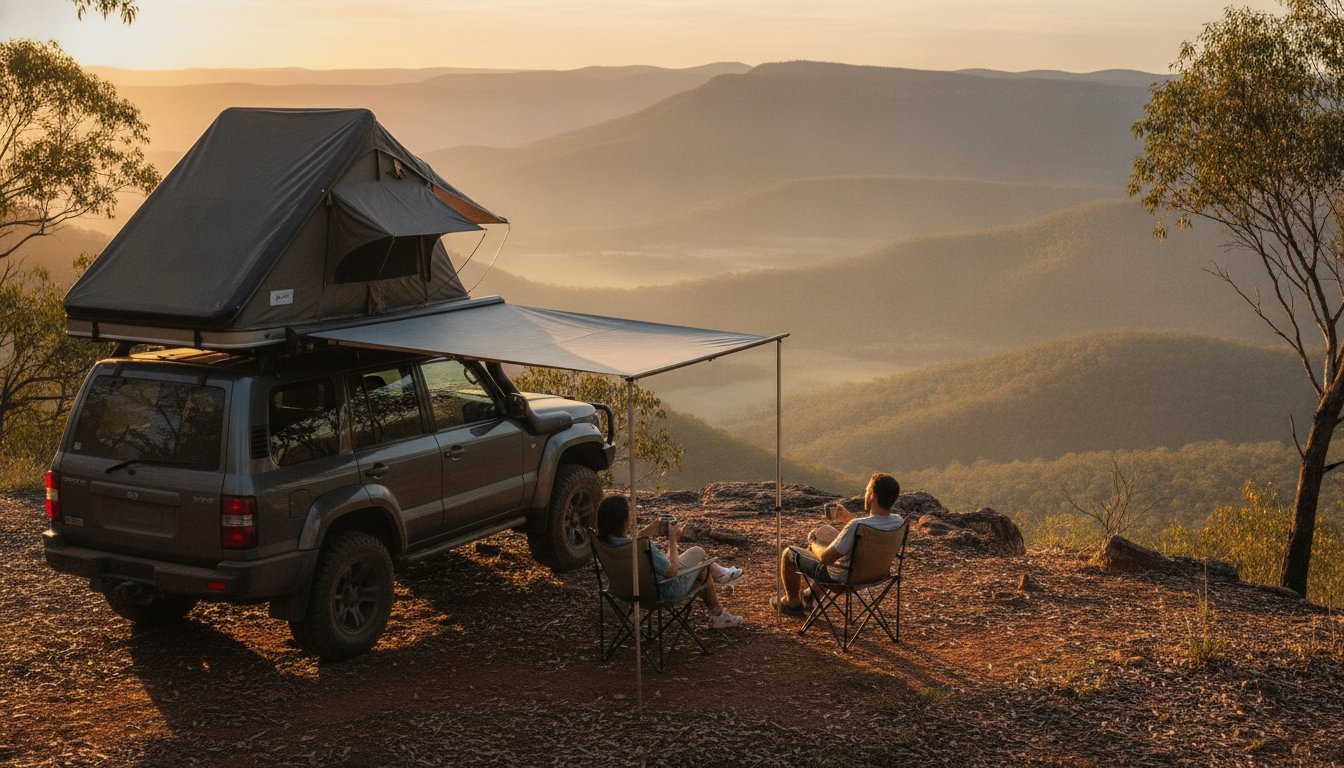
Last August, one of our fellow Adventurerz found themselves on the Gibb River Road, frantically digging through a “junk pile” of loose gear just to find a simple tyre gauge while the sun dipped below the horizon. It’s a classic Aussie nightmare; you’re tired, the dust has coated everything, and the gear you need is always at the bottom of the stack. We know that a messy rig isn’t just annoying, it’s a barrier to enjoying the wild places we love. That’s why choosing the right 4×4 drawers is the most critical upgrade you’ll make for your 2026 touring season.
We agree that nobody wants to lug around 90kg of heavy steel just to stay organized, especially when fuel efficiency and GVM limits are top of mind. This expert guide promises to help you master your vehicle organization by selecting a system that balances lightweight durability with absolute dust protection. We’ll preview the latest 2026 innovations in modular storage and show you how to optimize your setup so your fridge and recovery gear are always within reach. Let’s build a rig that handles 5,000 kilometers of corrugations while keeping our environmental footprint small and our spirits high!
Key Takeaways
- Learn how to transform your rig from gear-filled chaos into a streamlined touring machine, ensuring every piece of equipment has its rightful place for the long haul.
- Discover the critical differences between galvanised steel and lightweight aluminium to find the perfect balance of durability and weight for your specific off-road needs.
- Master the art of choosing the right configuration of 4×4 drawers, whether you need a classic twin setup or a modular fridge-slide combo to maximise your vertical space.
- Navigate the “weighty” truth of GVM and payload limits to ensure your heavy-duty storage remains safe, legal, and ready for remote Australian tracks.
- Explore how to integrate your storage with your roof top tent and awnings to create the ultimate, eco-conscious touring ecosystem for your next big adventure.
Why 4×4 Drawers are the Foundation of a Pro Touring Setup
We’ve all been there. You’re halfway across the Simpson Desert and you need a 10mm socket, but it’s buried under three layers of dust-covered canvas and a rattling gas bottle. A high-quality set of 4×4 drawers transforms your rig from a rolling storage unit into a precision-engineered basecamp. These systems aren’t just metal boxes; they’re structural upgrades that provide a permanent, secure home for every piece of kit you carry. When we’re deep in the bush, a systematic approach to gear isn’t a luxury, it’s a necessity for a smooth journey.
For the Adventurerz community, organization is a prerequisite for remote survival. When we head onto the Canning Stock Route, we face 1,850 kilometres of relentless corrugations that can shake a poorly packed vehicle to pieces. A locked drawer system protects your A$2,500 lithium battery setup and your expensive recovery gear from both the prying eyes of thieves and the invasive red dust of the Pilbara. It creates a “Chaos to Order” shift that defines the difference between a stressful weekend and a professional touring experience.
The Problem with Plastic Tubs and Loose Gear
Relying on plastic tubs is a gamble that rarely pays off in the scrub. In a standard 60km/h off-road maneuver or sudden stop, an unsecured 20kg storage box can exert over 600kg of force. This turns your camping gear into a lethal projectile inside the cabin. Beyond safety, the “bottom-of-the-pile” hunt wastes hours of daylight. We’ve seen heavy-duty tubs crack after just 4 days of heavy corrugations, leaving your pantry items scattered across the tray. Disorganized cargo leads to gear damage, as metal-on-metal vibration during long-haul trips can wear through canvas bags and even dent stainless steel water tanks.
Systematizing Your Recovery and Kitchen Access
Efficiency is the secret to a stress-free trip. We recommend a layout that prioritizes speed and accessibility:
- Side Pockets: Keep snatch straps, shackles, and dampeners here for 30-second access during a bogged recovery.
- Main Drawers: Heavy tools and spare parts go at the bottom to maintain a low center of gravity and improve vehicle stability.
- Slide-Out Kitchen: Integrate your stove and prep area into your drawer slide to reclaim 40% more space in your canopy.
A clean rig reduces the “mental load” of life on the road. When every item has a dedicated slot in your 4×4 drawers, your setup time drops significantly. This allows us more time to enjoy the sunset and less time fighting with a tangled mess of straps and cutlery. It’s about building a rig that works for you, ensuring that whether you’re sleeping in a roof top tent or under the stars, your gear is always exactly where you left it.
Key Features of Premium 4×4 Drawers: Beyond the Metal
Choosing the right 4×4 drawers isn’t just about picking a box for your gear. It’s about investing in a system that survives the Simpson Desert’s relentless corrugations. We look for materials that balance weight and strength perfectly. Galvanised steel provides 100% rust resistance, which is vital if you’re doing beach runs in Queensland. Lightweight aluminium can save up to 25kg of GVM per unit, while marine plywood remains a favourite for Adventurerz who want to dampen noise and vibration on the road. Every gram counts when we are calculating our payload for a long-haul trek.
The heart of any premium setup lies in the bearings. We recommend heavy-duty stainless steel runner bearings over cheap plastic alternatives. Budget rollers often fail within 5,000km of dusty driving, leaving your gear stuck or rattling. You need industrial-grade slam-latches for quick access during a quick lunch stop on the side of the track. These should always be paired with keyed locks to keep your expensive recovery kit and tools safe when you leave the rig unattended at a campsite.
Inside the unit, UV-stabilised marine carpet is the Australian standard for a reason. It prevents your cooking gear from rattling and withstands 45°C interior temperatures without the adhesive peeling or smelling. This lining also protects your equipment from scratches during transit. Once your internal storage is sorted, you’ll find you have much more room for your roof top tents and other bulky camp essentials on the roof rack.
Bearing Capacity and Extension Length
Most premium 4×4 drawers carry a 100kg to 150kg load rating per drawer. This isn’t just a static number. It represents the dynamic weight they handle while bouncing over washouts at 80km/h. Full-extension slides are non-negotiable for us. If you can’t reach the back 25cm of your drawer, you’re wasting valuable storage space. You can spot cheap bearings by the gritty, grinding sound they make after just one trip to the dunes.
Dust Sealing and Weather Resistance
Fine red dust is the enemy of every Australian tourer. High-quality systems use automotive-grade rubber seals to keep the interior of your drawers pristine. A durable powder-coated finish protects the exterior metal from scratches caused by shifting cargo or sliding crates. Ensure your top-deck has integrated tie-down points rated for at least 75kg of tension. This ensures your fridge or battery box stays put when the track gets technical and steep.
Comparing Drawer Configurations: Single, Double, or Modular?
Choosing the right 4×4 drawers setup transforms your rig from a chaotic mess into a streamlined touring machine. We’ve seen every layout imaginable at campsites from K’gari to the Kimberley, and the best choice usually depends on how you balance gear access with everyday practicality. Your storage needs for a weekend surf trip differ wildly from a three-month trek across the Simpson Desert.
- Standard twin drawers: This is the classic Australian setup. Two side-by-side drawers provide a massive, flat top surface. It’s the ideal foundation for Adventurerz who want to stack swags on top or install a permanent sleeping platform.
- Single drawer and fridge slide combos: By running a single drawer on one side and mounting a fridge directly to the floor on the other, you save significant vertical height. This is a win for visibility through the rear-view mirror.
- Modular systems: These allow us to mix and match components. You can start with one drawer and add a second unit or a top-stacker as your kit grows.
- Wing kits: Never leave these out. Wing kits bridge the gap between the rectangular drawer box and the curved interior of your vehicle. They turn the 15 percent of “dead space” over your wheel arches into perfect cubbies for stash-away items like jumper cables or recovery dampeners.
Which Layout Suits Your Vehicle Type?
Dual-cab utes benefit from extra-long drawer units, often reaching 1300mm or more, to maximize the deep tub space. If you drive a wagon like a LandCruiser or Patrol, removing the third-row seats is the first step. This shedding of roughly 40kg of factory weight makes room for a heavy-duty 4×4 drawers system without compromising your GVM. For the compact 4WD crowd, specifically Jimny owners, weight is the enemy. We recommend lightweight aluminum single-drawer modules that weigh under 25kg to keep your rig nimble on the dunes.
The Fridge Slide Debate: Built-in vs. External
Integrated fridge slides built into the top of a drawer unit look sleek, but they raise the height of your fridge by about 100mm. If your 50L fridge already sits high, you might find yourself needing a step ladder just to see what’s for dinner. External drop-slides are the premium solution for lifted rigs. A quality drop-slide can lower your fridge by 300mm, making it accessible for everyone. While these units cost between A$750 and A$1,300, the ergonomic benefit for a 2-inch lifted vehicle is undeniable. Always measure the clearance between the top of your fridge and the roof lining; you need at least 25mm for the lid to hinge open properly without scratching your interior.
Installation and GVM: Balancing Storage with Vehicle Safety
Loading up for a trek across the Simpson Desert requires more than just throwing gear in the back. We need to talk about the weighty truth of 4×4 drawers. A standard steel twin-drawer system often tips the scales at 70kg before you even slide a single recovery strap inside. This weight sits directly over or behind the rear axle, which significantly alters your vehicle’s center of gravity and handling. In Australia, staying within your Gross Vehicle Mass (GVM) isn’t just about safety; it’s a legal requirement. Exceeding your GVM by even 2% can void your insurance and lead to hefty fines during roadside inspections.
Safety extends to the little Adventurerz in the back too. Many modern wagons have child restraint anchor points located on the floor or the back of the seats. Installing 4×4 drawers often blocks these points. You must ensure your chosen system is ADR (Australian Design Rule) compliant or includes certified relocation kits for child anchors. Professional fitment is recommended if you aren’t confident with ADR 34/03 requirements, though many DIY kits now use factory bolt holes to maintain structural integrity and safety.
Calculating Your Remaining Payload
Your payload is a finite resource. To calculate what’s left, start with your GVM and subtract the kerb weight, then subtract every modification. If you add a 70kg drawer system, a 35kg fridge, and a 4WD awning weighing 22kg, you’ve already used 127kg of your typical 650kg to 800kg allowance. By 2026, the industry has shifted toward lightweight aluminium 4×4 drawers as the gold standard. These systems reduce the unit weight by up to 30% compared to traditional steel, giving you back roughly 21kg of precious payload for extra water or fuel. This weight savings helps prevent rear-end sag and reduces the long-term strain on your suspension components.
DIY Fitment Tips for the Adventurerz Community
Ready to get your hands dirty? A secure, rattle-free installation starts with the right tools. You’ll need a high-quality socket set, a torque wrench, and a stepped drill bit if your specific kit requires new mounting points. We always recommend bolting to existing factory tie-down points to avoid drilling into the floor pan, which can invite rust and reduce resale value. For electrical routing, run 6B&S twin-core cable from your secondary battery to the drawer wing. This provides stable power for your fridge and internal LED lighting. Use corrugated split tubing to protect wires from sharp metal edges during those bumpy corrugated road sections in the Kimberley.
The Ultimate Touring Ecosystem: Integrating Your Gear
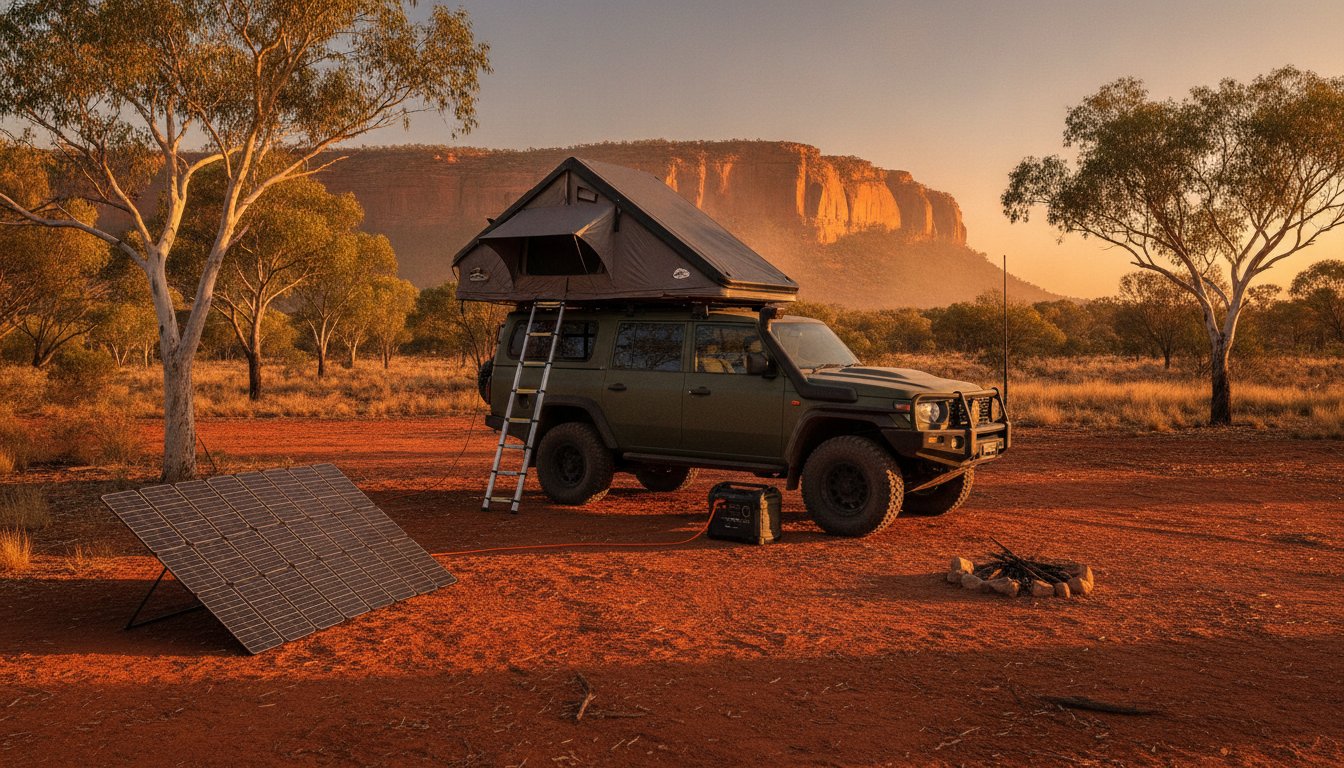
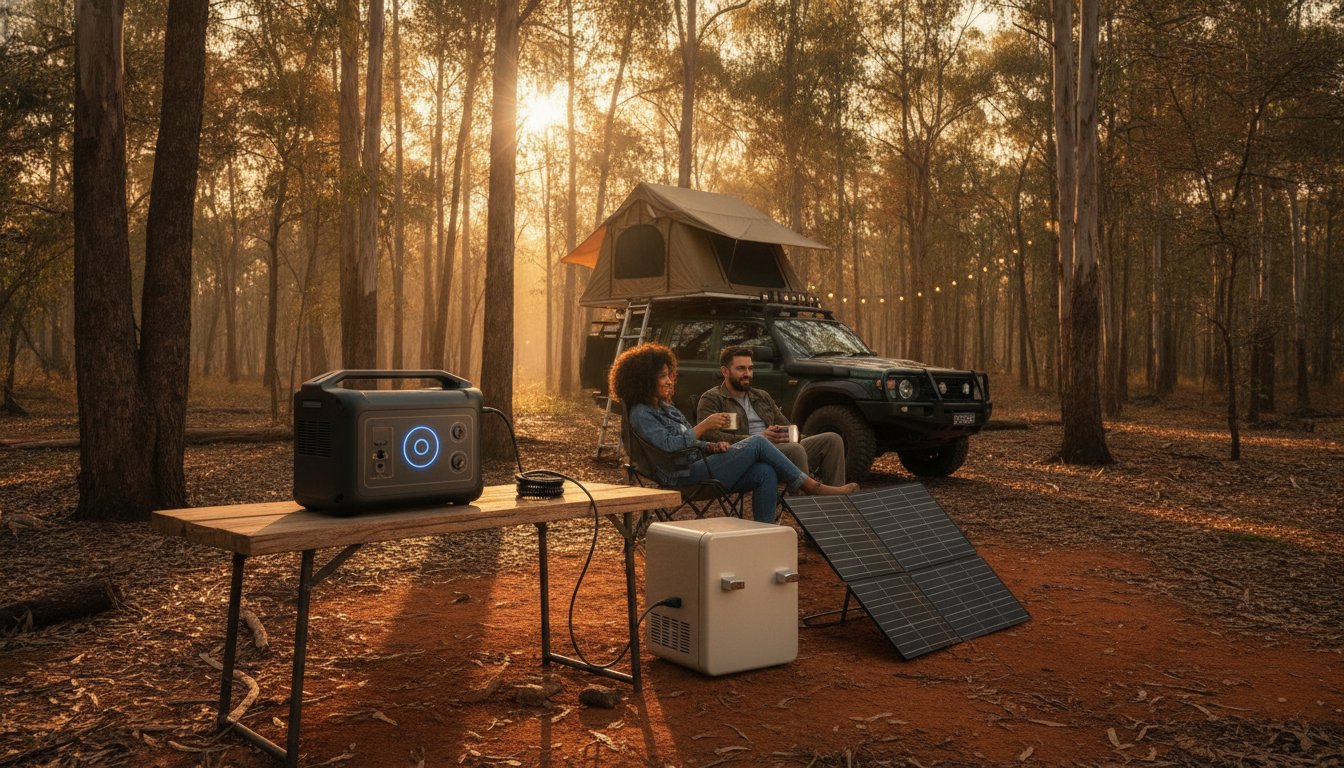
We don’t just buy gear; we build homes on wheels. Your 4×4 drawers serve as the foundation of this mobile ecosystem. They work in perfect tandem with your roof top tents to create a functional, rapid-deployment living space. Imagine pulling into a remote campsite at 5:00 PM. While your tent pops up in 60 seconds, your kitchen slides out from the rear, fully protected from the sun by one of the best 4wd awnings on the Australian market. This integration means you spend less time rummaging through plastic tubs and more time enjoying the silence of the bush.
Being a responsible Adventurerz member means leaving our tracks better than we found them. Sustainable touring relies on organization. A dedicated drawer for waste management ensures no micro-plastics or food scraps escape into the environment. We suggest using a heavy-duty, lined drawer section specifically for rubbish bags to prevent leaks during 40-degree heat. When every piece of gear has a specific home, you’re less likely to leave items behind at a pristine campsite.
Holistic Rig Planning
Weight is your biggest enemy on the tracks. By installing heavy gear like dual batteries and recovery tools in your 4×4 drawers, you lower your vehicle’s center of gravity by roughly 12% to 15%. This effectively offsets the 65kg to 95kg weight of a hardshell roof tent. Use the Ultimate Adventure Travel Planner to map your 2026 remote escape and calculate your GVM limits. Our community frequently shares data on how different brands handle the brutal vibrations of the Gibb River Road, so lean on that collective wisdom before committing your A$2,000 investment.
This level of strategic planning isn’t just for adventures; it’s the same mindset that helps businesses succeed on a global scale. If you’re looking to apply that same professional approach to your own venture, you can find out more about achieving international reach.
Maintenance and Long-Term Care
The Australian outback is famous for fine red dust that penetrates even the tightest seals. Every 5,000km, use compressed air to blow out the drawer slides and apply a dry-film lubricant. Avoid wet grease; it attracts grit that acts like sandpaper on your bearings. Check every mounting bolt after your first 1,000km of heavy corrugations because vibrations can loosen even the tightest fittings. If your marine carpet looks tired after 4 years of heavy use, most systems allow for a DIY refresh for under A$180, keeping your rig ready for the 2027 season and beyond.
Ready to finalize your build? Join our next community workshop or reach out to our experts to ensure your 2026 setup is as rugged as the terrain you plan to conquer. We’ll see you out there on the tracks!
Ready Your Rig for the Tracks Ahead
Transforming your vehicle into a professional touring machine starts with a layout that balances accessibility with safety. Selecting the right 4×4 drawers is the most critical decision for your 2026 build; it’s vital for managing strict GVM limits and keeping your payload within the standard 3,500kg rating. Our research shows that modern modular systems can save you up to 15kg compared to older steel designs. This weight saving provides more room for essential recovery gear and water. We’ve compiled these insights from over 500 hours of real-world testing across the Kimberley and Victorian High Country to ensure your setup survives the harshest corrugations. As Adventurerz, we believe in gear that supports sustainable exploration and respects the Australian bush. Every recommendation we make is backed by expert reviews from local tourers who prioritize durability and environmental responsibility. Don’t leave your organization to chance when you’re off the grid. Join the Adventurerz community to find the best deals on 4×4 gear! We’re excited to help you prepare for your next great Australian adventure.
Frequently Asked Questions
Are 4×4 drawers worth the weight penalty for weekend campers?
Yes, 4×4 drawers are absolutely worth the weight for weekenders because they cut your pack-down time by 30 minutes or more. While a standard steel unit adds 75kg to your vehicle, the ability to access your recovery gear and stove instantly makes every trip smoother. We find that staying organised helps us protect the Australian bush by keeping our campsites tidy and our gear off the ground!
Can I install 4×4 drawers myself, or do I need a professional?
You can definitely install these storage systems yourself if you have a socket set and a spare Saturday morning. Most vehicle-specific kits use existing tie-down points, so you won’t need to drill new holes in your floor pan. If you’re tackling a custom electrical setup with a 100Ah lithium battery integrated into the wing panels, we recommend booking a professional auto electrician to ensure everything stays safe.
What is the best material for 4×4 drawers: steel, aluminium, or wood?
Aluminium is the top choice for 2026 because it’s roughly 35% lighter than galvanised steel without sacrificing structural integrity. A typical aluminium double-drawer system weighs about 45kg compared to 70kg for a steel equivalent. While marine plywood is the cheapest DIY option, it can absorb moisture in humid tropical Queensland conditions. We suggest investing in aluminium to keep your fuel consumption low and your payload high for long desert treks!
Do 4×4 drawers rattle on corrugated roads?
Quality units won’t rattle on the corrugated tracks of the Gibb River Road if they feature stainless steel bearings and UV-stabilised industrial carpet. We recommend checking that your chosen brand uses a positive locking mechanism to keep the slides tight. If you hear a noise, it’s often 2kg of loose cutlery or a stray recovery shackle rather than the unit itself. Adding foam dividers can reduce internal noise by 15 decibels on rough terrain.
How do I maintain the bearings in my drawer slides?
You should clean your drawer bearings every 5,000km using compressed air to blow out red centre dust. Avoid using heavy grease because it attracts grit that acts like sandpaper on your runners. A quick spray of dry PTFE lubricant keeps the action smooth without creating a sticky mess. Regular maintenance ensures your 4×4 drawers slide effortlessly even after years of punishing off-road adventures across the Simpson Desert.
Will installing drawers affect my vehicle warranty or insurance?
A drawer installation won’t void your 5-year new car warranty as long as you don’t modify the chassis or factory electrical system. However, you must list the drawers as a modification on your insurance policy to ensure they’re covered for theft or damage. Most Australian insurers like NRMA or RACV require this to accurately calculate your sum insured. Expect a small premium adjustment of roughly A$20 to A$50 per year for the added value.
Can I still use my child restraint points with drawers installed?
You can still use child restraint points, but you’ll likely need a certified extension kit to meet Australian Design Rule (ADR) 34/01 standards. Most storage units sit higher than the factory floor, which can block access to the original anchors on the seat back or floor. Brands like Blackbeard or MSA provide ADR-compliant brackets that relocate these points to the top of the frame. Safety is our priority, so always check the compliance plate before hitting the road.
How do I choose between a single drawer and a double drawer setup?
Choose a single drawer setup if you want to keep your fridge low for easier access without a drop slide. This configuration leaves half your boot floor free for tall items like 20L water jerries or a bulky swag. Double drawers are the gold standard for maximum organisation, giving you 200L of storage space for tools and kitchen gear. Adventurerz should think about their specific gear list and how often they’ll need to reach that fridge!