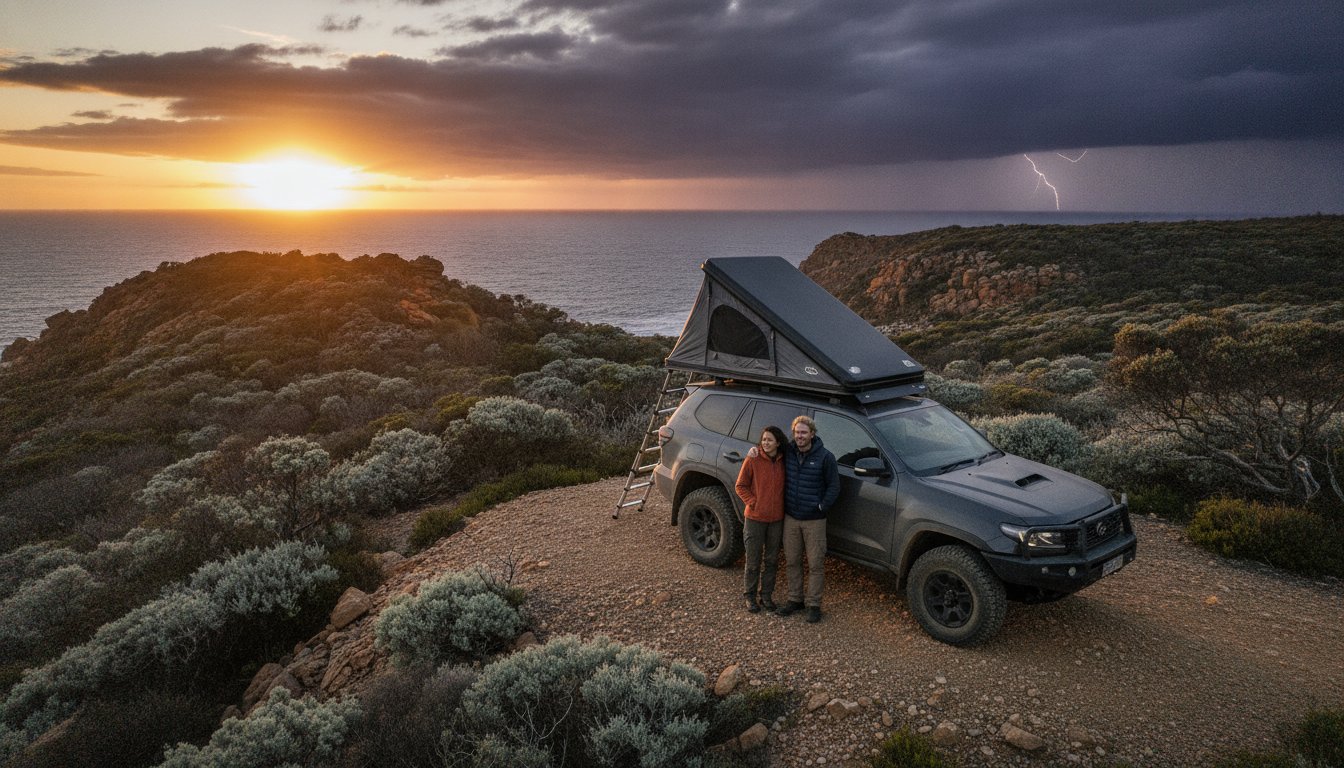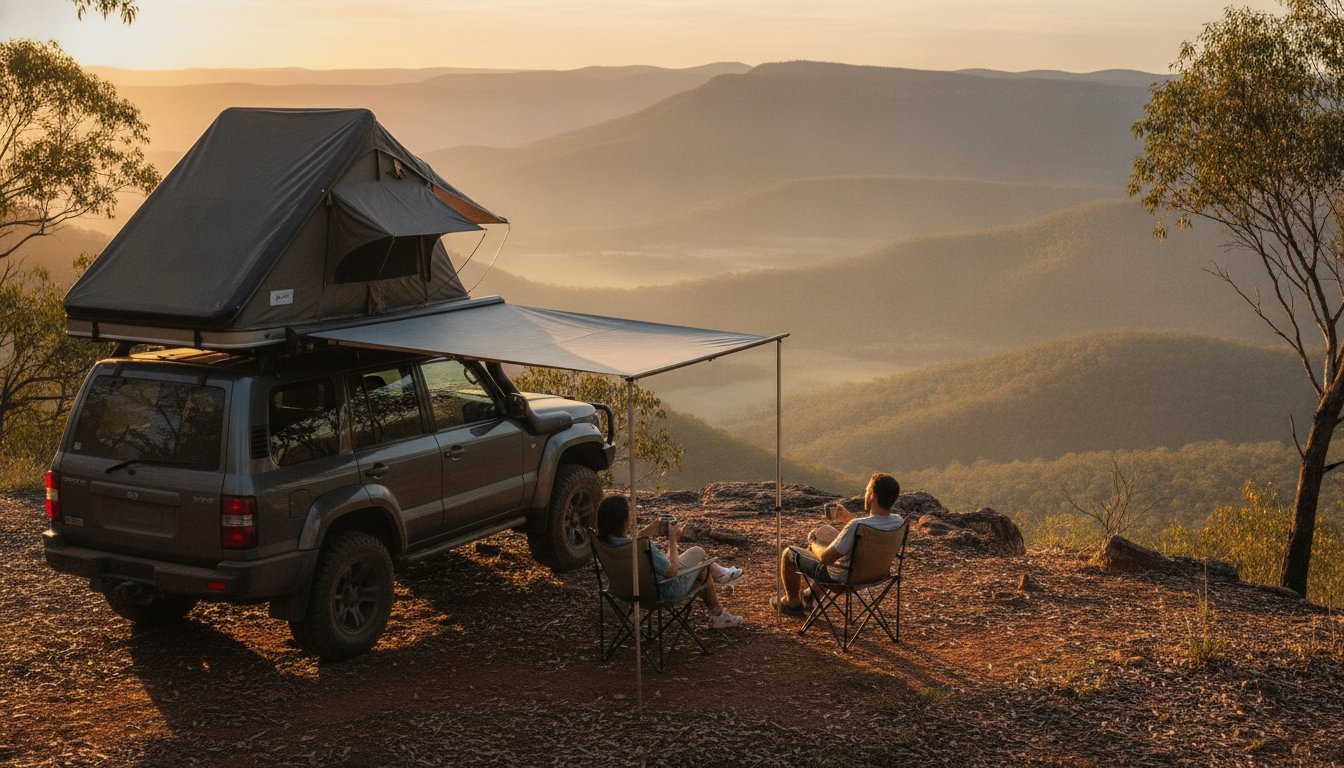
What if the very gear you bought to make camping easier is actually the thing stopping you from reaching the most remote corners of the Kimberley? We’ve all felt that frustration when the sun dips below the horizon and there is still an hour of canvas wrestling ahead, or the nagging worry that our GVM is creeping into the danger zone. Deciding between a roof top tent vs camper trailer is a massive crossroads for every Aussie explorer heading into 2026. We know you’re searching for that sweet spot where comfort meets off-road capability without sacrificing your morning coffee time.
For those of us who live for the “fast and light” movement, the roof top tent remains the undisputed king of the tracks. We love the freedom of knowing our bedroom is always with us, perched safely above the mud and the local wildlife. There is a real psychological win when you’re sleeping two meters off the ground in the Kimberley, far from the reach of curious crocs or crawling critters—a strategy also used by My African Adventures to provide safety and comfort during their guided expeditions in Southern Africa. In the great roof top tent vs camper trailer debate, the RTT wins every time for the solo traveler or couple who prioritizes movement over a massive floor plan.
We’ve done the hard yards to compare these setups so you can invest with confidence. You’ll discover exactly how each choice impacts your rig, from the 5 to 15 percent fuel spike of a roof top tent to the specific registration fees across the states. We’ll show you how to pick a setup that allows for lightning-fast departures and keeps your vehicle safe on the tracks. Let’s look at the weights, the costs, and the off-road realities to find the setup that turns you into a true Adventurerz legend.
Key Takeaways
- Master the critical decision between a roof top tent vs camper trailer by evaluating your vehicle’s GVM and legal roof load limits for 2026.
- Learn why the “Basecamp” philosophy offers a massive advantage for families who want to unhitch their gear and explore technical tracks with a lighter rig.
- Understand the mobility benefits of staying elevated and how a streamlined setup can reduce setup fatigue and get you on the tracks faster.
- Compare the long-term financial commitment of both options, including updated state-by-step registration fees and hidden maintenance costs.
- Identify your specific explorer profile using our Adventurerz Decision Framework to ensure your investment matches your remote travel goals.
Table of Contents
Roof Top Tent vs Camper Trailer: The Great Australian Debate
We’ve all seen the convoy: half the crew with hardshells bolted to their racks and the other half pulling heavy-duty trailers through the dust. It’s the ultimate showdown on the tracks. Choosing between a roof top tent vs camper trailer isn’t just a gear decision; it’s a lifestyle choice that dictates where your wheels can actually go. In 2026, the stakes are higher as we push deeper into the bush with more tech and less time to waste. We want gear that respects the land and our need for a good night’s sleep.
On one side, you have the integrated Roof tent, a streamlined solution that turns your 4WD into a mobile bedroom. On the other, the camper trailer offers a towed “home away from home” with all the trimmings. The debate of roof top tent vs camper trailer often comes down to your touring rhythm. Do you want to be packed up in three minutes, or do you want a kitchen that rivals your house? Matching your setup to the rugged Australian wilderness is the difference between a trip you’ll remember forever and one you’ll want to forget.
The Shift in Modern Touring
Materials in 2026 have changed the game for us. Carbon fiber and ultra-light alloys mean our rigs aren’t as sluggish as they used to be, even with a full setup. Many Adventurerz now balance remote work with exploration, meaning the “office” needs to be as sturdy as the suspension. We’re seeing a massive shift away from traditional ground tents because we value our time. Why spend an hour wrestling with poles when you could be watching the sunset? If you’re looking for the latest gear, check out our curated roof top tents recommendations to see how far the tech has come.
Defining Your Camping Philosophy
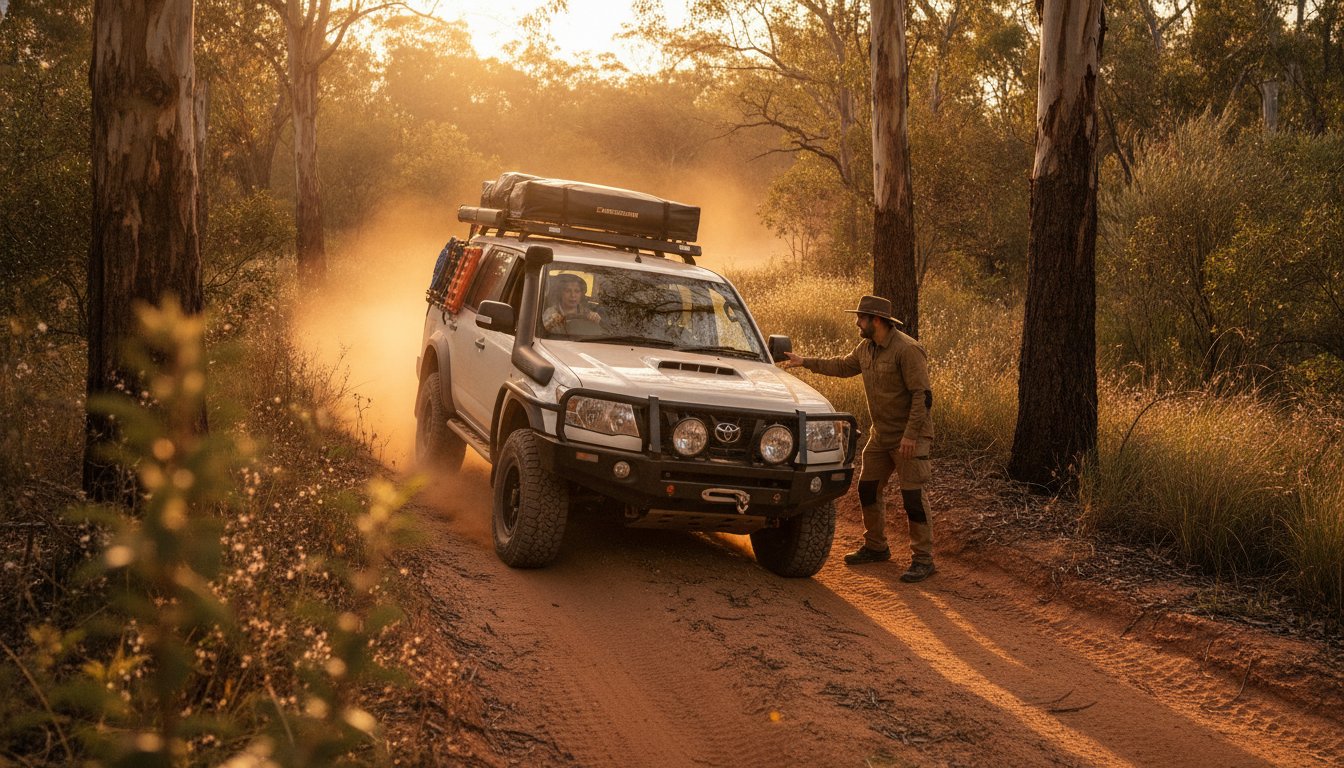
We need to be honest about how we actually spend our time off-road. Are you a “one-night-stand” camper who hits a new spot every single evening? If so, mobility is your best friend. Or are you a “basecamp” enthusiast who loves to unhitch and tackle technical 4WD terrain with a lighter vehicle? Sustainability plays a huge role here too. We believe in choosing long-lasting equipment that doesn’t end up in a landfill after two seasons. Consider these factors before you commit:
- Track Access: Trailers can be a liability on tight, overgrown tracks or steep shale climbs.
- Setup Fatigue: If you’re moving every day, a five-minute setup is a non-negotiable.
- Comfort Levels: Families often need the extra floor space that only a trailer provides.
The Roof Top Tent: Ultimate Mobility for the Solo Adventurerz
For those of us who live for the “fast and light” movement, the roof top tent remains the undisputed king of the tracks. We love the freedom of knowing our bedroom is always with us, perched safely above the mud and the local wildlife. There is a real psychological win when you’re sleeping two meters off the ground in the Kimberley, far from the reach of curious crocs or crawling critters. In the great roof top tent vs camper trailer debate, the RTT wins every time for the solo traveler or couple who prioritizes movement over a massive floor plan.
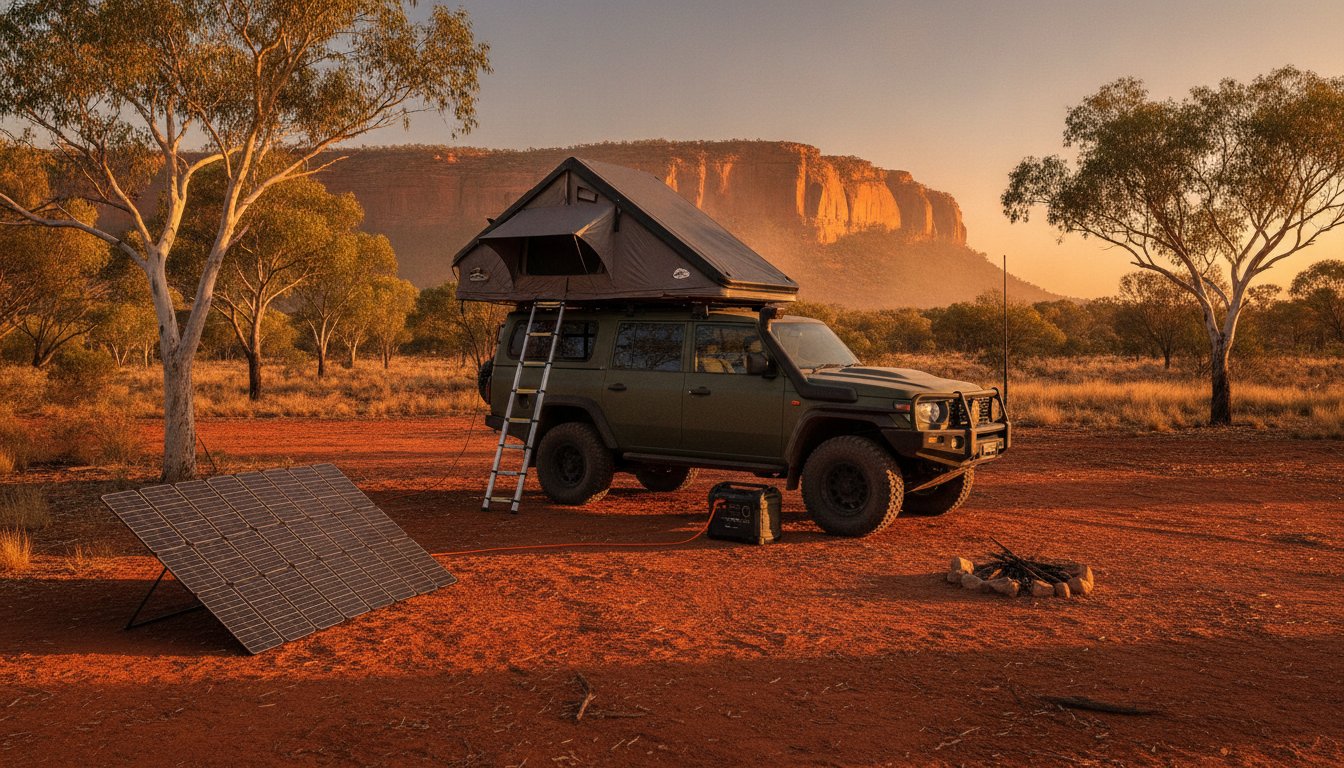
By 2026, we’ve seen a massive evolution in design. While entry-level soft shells are still great for budgets around $800 to $1,500, premium hardshell models priced between $2,500 and $6,000 have become the community standard for durability. These hardshells often feature integrated tracks for mounting solar panels or 4WD awnings, creating a compact, all-in-one adventure hub. If you’re looking for the best gear to complete your rig, take a look at our latest roof top tents recommendations to see which models are surviving the harshest Aussie conditions this year.
Pros of the RTT Lifestyle
- Lightning Speed: Modern gas-strut hardshells let you move from “parked” to “pillows” in under 60 seconds, which is a lifesaver when you roll into camp after dark.
- Tight Footprint: You can camp anywhere your 4WD fits. This is a huge advantage in the Victorian High Country where campsites are often narrow and carved into the side of a ridge.
- Heightened Security: Being elevated offers a sense of peace in remote areas, keeping you away from damp ground and providing a better vantage point of your surroundings.
Cons and Considerations
The biggest hurdle is the “pack-up” penalty. Because your house is attached to your car, you can’t just zip to the local shop for a bag of ice without folding the whole tent down first. You also need to be mindful of your vehicle’s center of gravity. Adding 50kg to 100kg to your roof changes how your rig tilts on off-camber tracks. Staying within manufacturer limits and following general RV safety regulations regarding weight distribution is essential to avoid a rollover. The aerodynamic drag of a roof top tent can increase your fuel consumption by 5 to 15 percent, a cost that adds up quickly at 2026 pump prices.
The Camper Trailer: Luxury Basecamps for Remote Exploration
Modern trailers in 2026 are light-years ahead of the heavy steel boxes of the past. We’re seeing high-end hybrid models, which can range from $45,000 to $85,000, featuring independent suspension and massive lithium power banks. These setups allow for sophisticated, eco-friendly waste systems and enough water storage to stay off-the-grid for weeks. For a deeper look at how these setups compare in real-world conditions, this in-depth comparison highlights the trade-offs between luxury and simplicity.
Why Families Choose the Trailer
Living space is the primary driver for families. Having a sheltered area to escape a week of rain in the High Country makes the difference between a fun trip and a miserable one. We also use trailers to solve the Gross Vehicle Mass (GVM) puzzle. By moving the weight of your water, tools, and kitchen from the car to the trailer axle, you keep your vehicle within legal limits and improve its handling on the road. It’s a strategic way to carry more gear without overloading your roof racks.
The Challenges of Towing
Towing isn’t without its hurdles. You’ll need to master reversing on narrow, tree-lined tracks and learn specific sand driving techniques to avoid getting bogged with a trailer in tow. Maintenance is another factor to consider. You’re looking at annual costs between $150 and $400 to service wheel bearings, brakes, and canvas. Registration fees also vary wildly across Australia. For example, a trailer in Victoria costs a flat $66.70 per year, while in New South Wales, you might pay closer to $560 depending on weight. Before you commit, think about where you’ll park the rig at home. A seven-meter hybrid trailer takes up a lot of driveway real estate.
Weight, GVM, and Fuel: The 2026 Reality Check
We often get caught up in the excitement of new gear, but the most critical stat for any Aussie explorer isn’t the thread count of the mattress; it’s the Gross Vehicle Mass (GVM). In 2026, regulatory scrutiny on overloaded 4WDs has never been higher. When weighing up a roof top tent vs camper trailer, you aren’t just choosing a bed. You’re choosing how much stress you put on your vehicle’s chassis and your insurance policy. We’ve seen a concerning rise in rollover accidents lately, often linked to top-heavy rigs that ignore manufacturer limits.
A quality roof top tent usually tips the scales between 50 and 100 kg. While that fits within the stationary limits of most rigs, the dynamic load rating (when you’re actually driving) is where things get dicey. Most modern vehicles have a dynamic roof limit between 50 and 100 kg. If your tent and racks weigh 85 kg, you’ve already hit the ceiling before adding a single recovery track or fuel jerry can. This is why we advocate for a “less is more” philosophy. It protects the tracks we love and keeps our community safe.
Calculating Your Real Payload
We need to be disciplined about what we pack. Your payload isn’t just your gear; it’s the weight of your family, the full tank of diesel, and the bull bar up front. Gross Vehicle Mass (GVM) is the maximum legal weight your vehicle can reach when fully loaded, as set by the manufacturer to ensure road safety and structural integrity. Many Adventurerz are shocked to find their “lightweight” RTT setup pushes them over the limit once the kids and the fridge are inside. If you’re nearing that limit, moving the heavy items to a trailer axle is a smart legal move.
Fuel Efficiency and Eco-Impact
In 2026, managing our carbon footprint is part of the journey. A roof-mounted setup typically increases fuel consumption by 5 to 15 percent due to aerodynamic drag. Towing a camper trailer can have an even larger impact, especially when pulling through soft sand or steep ranges. To offset this, we look for gear made from sustainable, lightweight materials that reduce the strain on our engines. Whether you choose to tow or carry, keeping your rig streamlined is the best way to respect the environment while exploring the wild. If you’re ready to see how the latest models stack up, check out our roof top tent reviews for the most efficient options on the market.
Finding Your Perfect Match: The Adventurerz Decision Framework
We’ve broken down the weights, the costs, and the off-road realities of both setups. Now comes the moment of truth. Choosing between a roof top tent vs camper trailer is about aligning your gear with your personal “why.” We believe the best investment is the one that gets you out into the bush more often while respecting the fragile ecosystems we explore. Whether you’re a solo wanderer or a family tribe, your choice should feel like a natural extension of your 4WD, not a burden that keeps you on the bitumen.
Budgeting for the long haul requires a clear-eyed look at the numbers. While a quality hardshell RTT might set you back $2,500 to $6,000, a premium off-road camper trailer can easily range from $20,000 to $40,000, with hybrids reaching $85,000. Beyond the purchase, remember that trailers demand annual maintenance costs between $150 and $400 for wheel bearings and brakes. If you want the best of both worlds, some Adventurerz are now opting for a “hybrid” approach: a small, lightweight utility trailer with an RTT mounted on top. This keeps the heavy gear off your vehicle’s roof while maintaining a compact footprint on the tracks.
The 3-Question Decision Matrix
- Question 1: How many people are in your tribe? Couples and solo travelers thrive in the simplicity of an RTT, while families usually need the floor space and kitchen facilities of a trailer.
- Question 2: How technical are the tracks? If you live for tight, overgrown ridges in the Victorian High Country, a roof-mounted setup is your best friend. For beach camping or open desert tracks, a trailer is much more manageable.
- Question 3: How often do you move campsites? If you’re a “one-night-stand” camper, the 60-second setup of a hardshell RTT is unbeatable. If you prefer to stay put for a week, the trailer’s basecamp advantage wins every time.
Planning Your Next Escape
Before you commit to a major purchase, we recommend using a travel planner to map out your 2026 expeditions. This helps you visualize your gear needs based on the specific terrain and duration of your trips. Joining the Adventurerz community is your best first step to getting real-world feedback from people who’ve already tested these setups in the red dust. Start your journey by diving into our detailed gear reviews and find the setup that turns your remote Australian dreams into reality. We’ll see you out there on the tracks!
Ready to Hit the Tracks?
The choice between a roof top tent vs camper trailer ultimately boils down to how you want to experience the Australian wilderness. We’ve seen that while a roof-mounted setup offers unmatched mobility and rapid setup times, the camper trailer provides a luxurious basecamp that keeps your vehicle’s GVM within legal limits. Managing your weight isn’t just about following the law; it’s about protecting your rig and the remote tracks we all love to explore. By choosing gear that matches your specific touring rhythm, you ensure every trip is a sustainable, long-term investment in your outdoor lifestyle.
We are proud to be an Australian-owned and operated team dedicated to expert 4WD gear reviews and sustainable outdoor practices. We don’t just review equipment; we live the journey alongside you. If you’re still weighing up your options or need more specific advice for your 2026 expeditions, we’re here to help you navigate the gear landscape with confidence. Join the Adventurerz community and find your perfect camping setup today!
Your next great Australian escape is waiting just over the horizon. Pack smart, stay safe, and we’ll see you out there where the bitumen ends!
Frequently Asked Questions
Is a roof top tent or camper trailer better for beach camping?
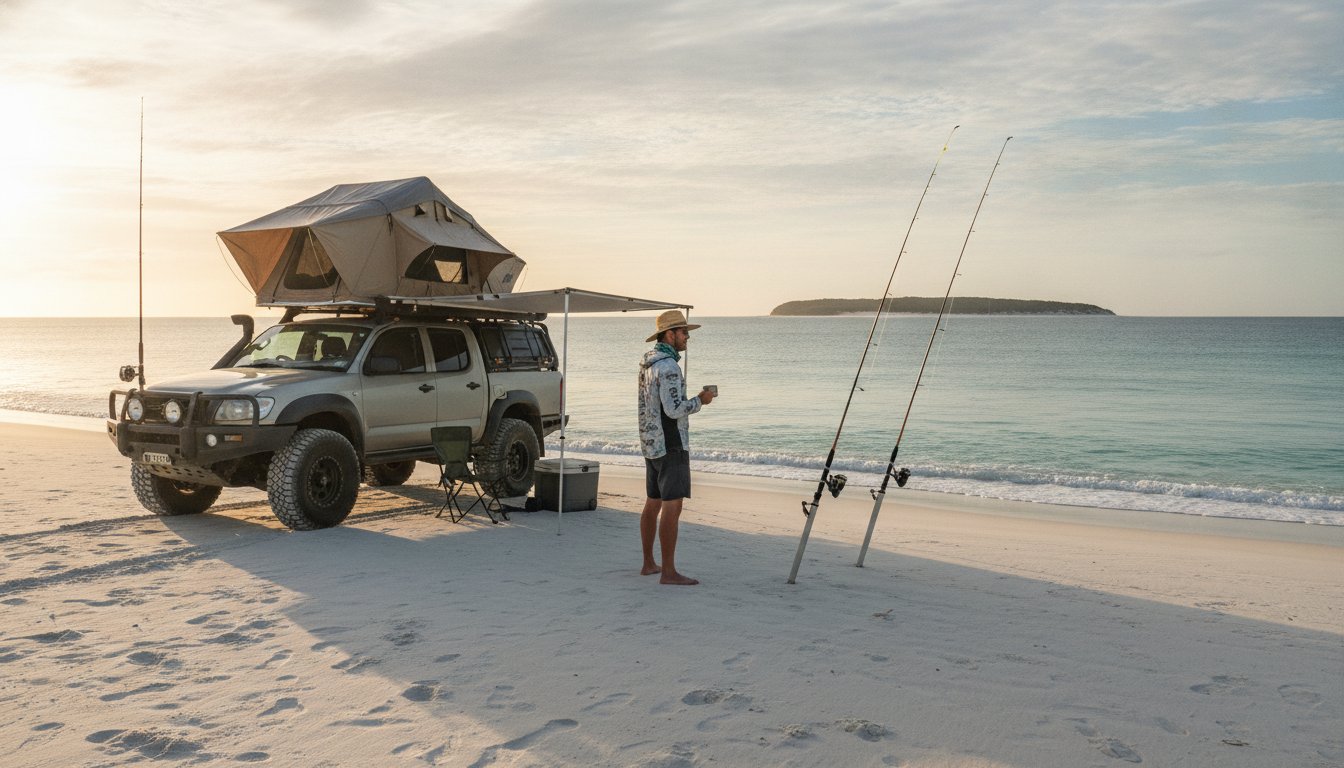
A roof top tent is usually the smarter choice for beach camping because towing a trailer on soft sand significantly increases your risk of getting bogged. We find that a lighter vehicle stays on top of the dunes much better than a rig pulling a heavy camper. If you are a solo traveler or couple, the mobility of the RTT allows you to reach those secluded coastal spots that trailers simply can’t access.
Can any vehicle support a roof top tent in 2026?
Not every vehicle is equipped to handle a roof top tent. You must verify your manufacturer’s dynamic roof load rating, which typically sits between 50kg and 100kg for most modern 4WDs. We recommend weighing your tent and roof racks together to ensure you aren’t compromising your vehicle’s structural integrity or safety. In the roof top tent vs camper trailer decision, vehicle compatibility is the first box you need to tick.
Do I need a special license to tow a camper trailer in Australia?
You generally don’t need a special license to tow a standard camper trailer in Australia as long as your Gross Combination Mass (GCM) stays within the limits of your class C license. However, we always advise checking your specific state’s transport authority, especially if you are towing a heavy hybrid model. Understanding your towing capacity is a responsibility we take seriously to keep our community safe on the road.
How does a roof top tent affect my car’s fuel economy?
Adding a roof top tent to your rig will typically increase fuel consumption by 5% to 15%. This spike is caused by the extra weight and the aerodynamic drag created by the tent sitting in the airflow. We’ve noticed that hardshell models are often more streamlined than softshell versions, which can help slightly reduce the impact on your wallet and the environment during long highway stretches.
What are the legal GVM requirements for 4WDs with heavy camping gear?
Every vehicle in Australia has a legal Gross Vehicle Mass (GVM) which is the maximum weight it can safely carry. This includes your bull bar, passengers, fuel, and all your camping gear. We must stay within these limits to ensure our insurance remains valid and our vehicles handle correctly. If your gear is pushing you over the limit, moving weight to a trailer axle is a common solution.
Is it possible to fit a roof top tent on top of a camper trailer?
Fitting a roof top tent on top of a camper trailer is a fantastic hybrid solution that many Adventurerz love. It allows you to unhitch your “bedroom” at the campsite while keeping your vehicle light and capable for exploring technical tracks. This setup also helps keep your center of gravity lower than if the tent were on your car roof, which is a massive win for safety on off-camber tracks.
How do I maintain my camping setup for maximum sustainability?
Sustainability in camping starts with buying quality gear and maintaining it to last a lifetime. We recommend regularly cleaning your canvas to prevent mold and servicing your trailer’s wheel bearings to ensure efficiency. By choosing durable equipment and looking after it, we reduce our environmental footprint and ensure our gear doesn’t end up in a landfill after just a few seasons in the bush.
What happens if I exceed my vehicle’s roof load rating?
If you exceed your vehicle’s dynamic roof load rating, you significantly increase the risk of a rollover during sudden maneuvers. The extra weight high up changes how your 4WD handles on corners and off-camber tracks. It can also lead to structural damage like cracked pillars or roof rails. Most importantly, insurance companies may reject your claim if they find your roof was overloaded at the time of an accident.