What if the heavy steel shackles you’ve been lugging across the Simpson Desert are actually the most dangerous items in your vehicle? We’ve all felt that gut-sinking moment when the tyres stop spinning and the red dust settles in a remote corner of the outback. It’s natural to worry about getting stranded or feel overwhelmed by technical ratings while choosing your 4wd recovery gear essentials. We understand that anxiety because we’ve been there too. We know that your priority is getting home safely without leaving a mark on the rugged tracks we love.
This guide will help you master the kit required to explore the Australian wilderness responsibly. We’re going to show you how to build a setup that prioritises the “softer is safer” revolution, using synthetic materials that protect your chassis and the environment. You’ll learn the latest 2026 safety protocols, including why a kinetic rope with 30% stretch is superior to traditional straps. We’ll also provide a prioritised list of must-have gear and clear instructions on how to perform a recovery that keeps everyone out of harm’s way while you explore with total confidence.
Key Takeaways
- Understand why your recovery kit is a vital safety system rather than just a collection of accessories for your next outback expedition.
- Discover why we’re swapping steel for synthetic and how to select high-quality 4wd recovery gear essentials like kinetic ropes and soft shackles.
- Master the “Big Four” essentials, including traction boards and long-handled shovels, to handle solo recoveries without putting unnecessary strain on your vehicle.
- Identify the critical difference between shipping tie-downs and rated recovery points to ensure your vehicle is truly ready for a safe winch or snatch.
- Explore how to use tree trunk protectors and smart techniques to protect the environment and keep our iconic Australian tracks open for everyone.
Table of Contents
Why 4WD Recovery Gear is a Non-Negotiable Safety Protocol
We view 4wd recovery gear essentials as more than just a box of tools tucked away in the back of the tray. They’re a life-saving system designed to protect you, your passengers, and the fragile Australian landscape. When you venture out to explore What is Off-Roading?, you’ll encounter everything from the shifting coastal sands of Fraser Island to the greasy, deep mud of the Victorian High Country. Each of these environments demands a specific, calculated response. We have a collective duty of care to ourselves and other travellers on the track. If you’re unprepared, you aren’t just risking your own trip; you’re potentially putting others in danger who might have to step in and assist with inadequate equipment.
Modern off-roading has moved away from the “brute force” methods of the past. We no longer rely on heavy chains and rigid pulling that can snap chassis rails or turn metal components into lethal projectiles. Instead, our community has embraced kinetic management. This approach uses the stored energy in flexible, modern materials to gently but effectively move a stuck vehicle. It’s a smarter, safer way to travel that treats our vehicles and our mates with the respect they deserve. Your recovery kit isn’t just for your own 4WD; it’s a resource for the entire community of explorers we share the tracks with every weekend.
The “When, Not If” Mindset
The High Stakes of Poor Preparation
The consequences of using the wrong gear can be catastrophic. We’ve seen the horror stories of tow balls shearing off and flying through windscreens because they were used as recovery points; they simply aren’t designed for those massive loads. Minimum Breaking Strength (MBS) is the certified lowest force at which a piece of recovery equipment is expected to break under testing. If your gear’s MBS doesn’t significantly exceed the weight of your loaded vehicle, you’re taking an unnecessary gamble with your safety. Beyond the physical risks, a professional remote recovery service can cost thousands of dollars, making a quality kit a very wise investment for your peace of mind.
The “Softer is Safer” Revolution: Kinetic Ropes and Soft Shackles
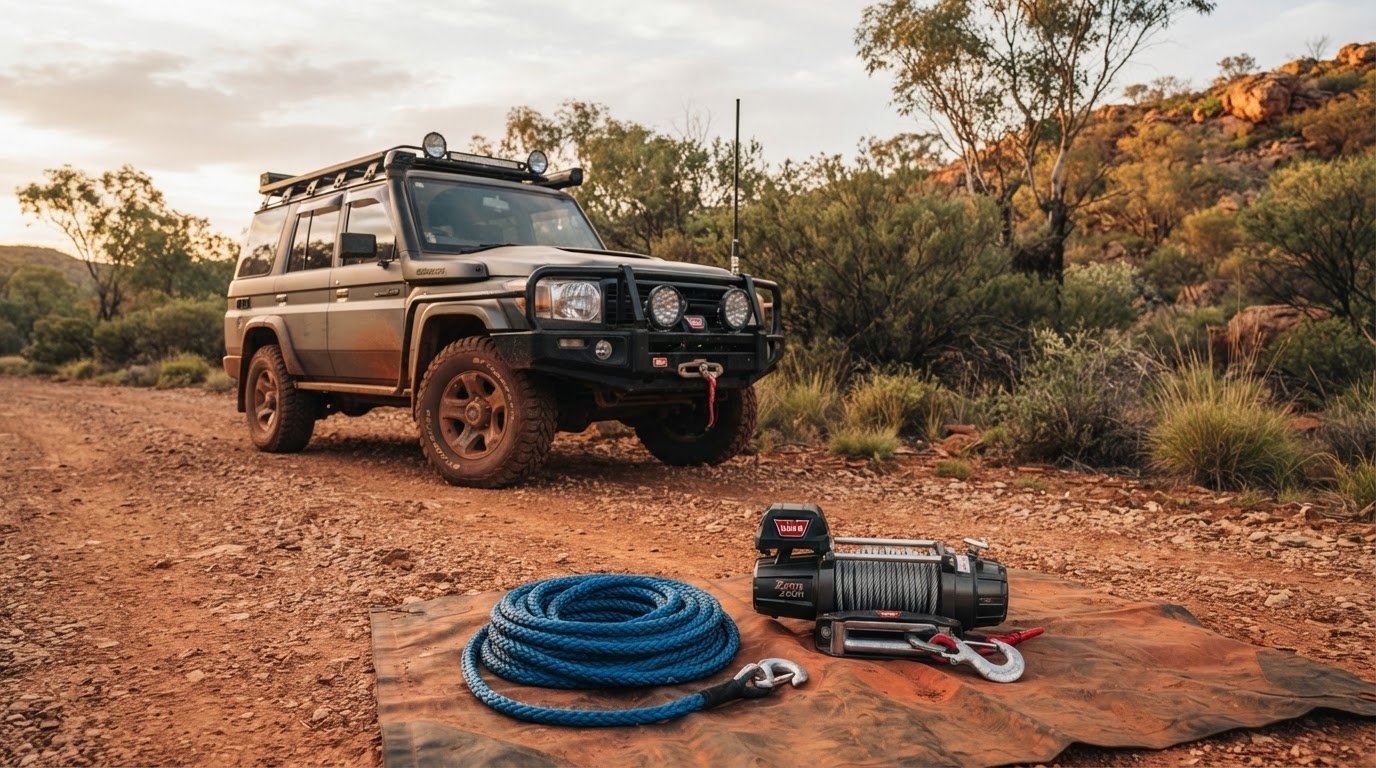
We’ve seen a massive shift in how our community handles vehicle recoveries over the last few years. The old days of heavy steel chains and rigid pulling are long gone. In 2026, the heart of any 4wd recovery gear essentials kit is built on advanced synthetic fibers. This transition isn’t just about following a trend; it’s about managing the immense physics of stored energy. When a recovery component fails under tension, the weight of that component determines how dangerous it becomes. By removing heavy metal from the recovery “string,” we’ve significantly reduced the risk of lethal projectiles if something snaps. It’s a smarter, lighter, and far more responsible way to explore the outback.
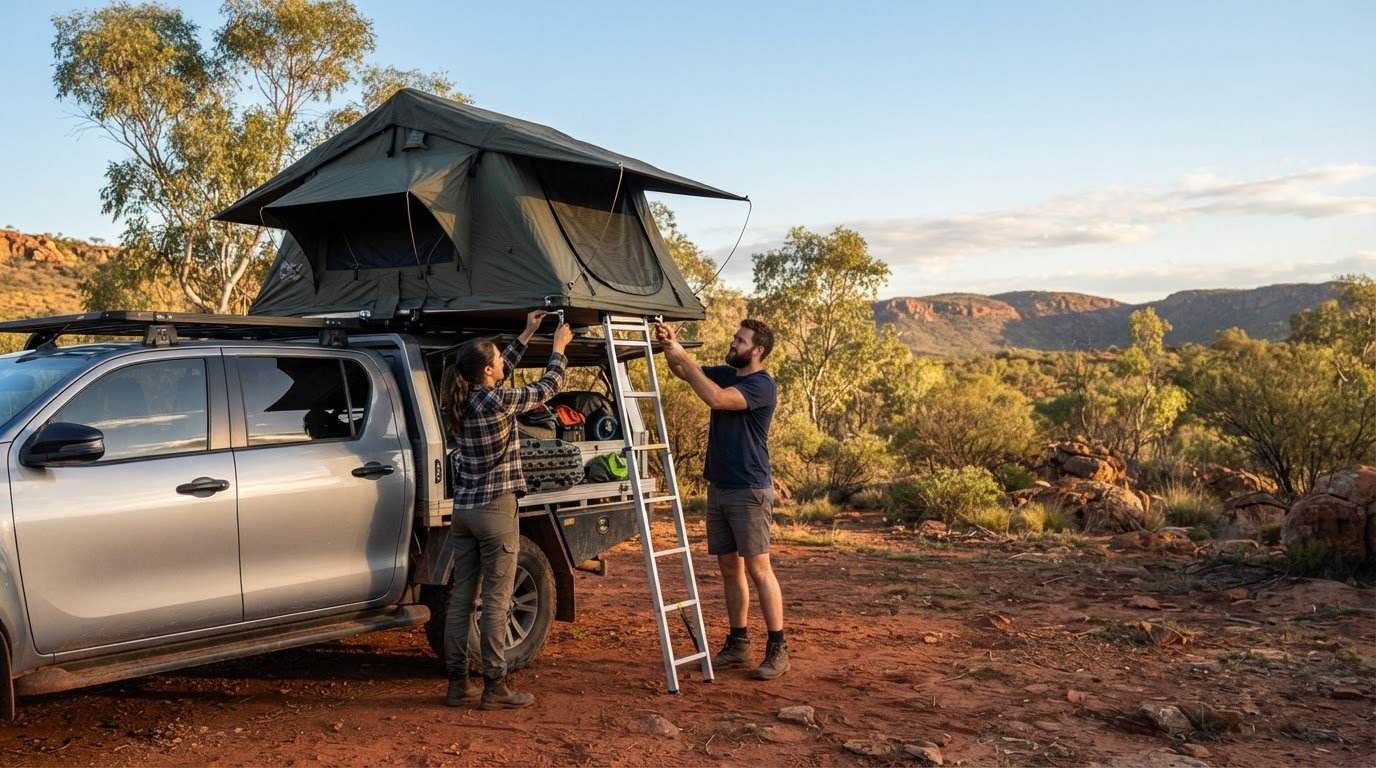
Transitioning to synthetic gear also means we’re more mindful of our vehicle’s longevity. These materials are designed to absorb shock rather than transmit it directly into your chassis rails. To keep this gear in top shape, we must be diligent with maintenance. Always inspect your ropes and shackles for fraying, cuts, or “fuzziness” beyond the normal surface wear. If the internal core is visible or the rope feels stiff and crunchy from salt and grit, it’s time to retire it. A quick rinse with fresh water after a muddy weekend is all it takes to keep these high-tech fibers performing for years. If you’re looking for more ways to upgrade your camp setup while keeping weight down, check out our roof top tents reviews for the latest in lightweight touring.
Kinetic Ropes vs. Snatch Straps
Kinetic ropes are the new gold standard for a reason. While a traditional snatch strap typically offers about 20% stretch, a high-quality kinetic rope can stretch up to 30%. That extra 10% stretch results in a 50% smoother transfer of energy. This reduces the violent “jerk” that can damage recovery points or cause a vehicle to bounce uncontrollably. However, we still carry static straps for specific tasks. When you’re winching or towing a disabled mate down a long track, you need a strap that doesn’t stretch, as the “bungee” effect of a kinetic rope would make those situations dangerous.
Why Soft Shackles Win Every Time
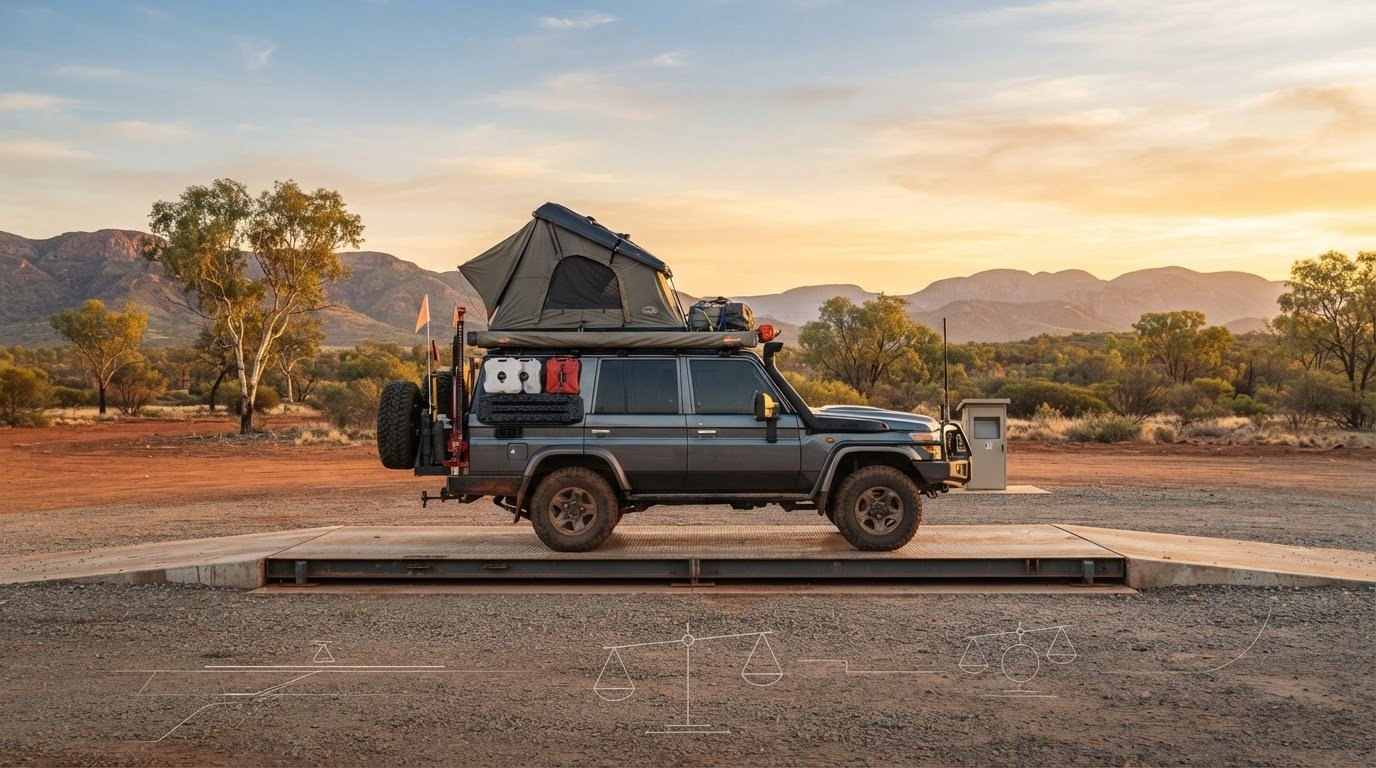
Soft shackles have completely changed the game for us. They weigh a fraction of a traditional steel D-shackle, which helps us stay under our Gross Vehicle Mass (GVM) when fully loaded for a big trip. Because they have almost no mass, they don’t become high-velocity missiles if a strap breaks. They’re also incredibly easy to use. You don’t need tools to undo a seized pin, and they actually float in water or deep mud. This means you won’t be diving into a murky bog hole searching for a dropped piece of steel when the light is fading.
The “Big Four” Essentials for Every Australian Track
We’ve all seen the flashy winches and heavy-duty bars, but the real workhorse of the outback is often the humblest. The long-handled shovel is easily the most underrated tool in any kit. It allows you to clear the path for your tyres or dig out a buried axle without breaking your back. A basic kinetic kit, including a high-quality rope, two soft shackles, and a dampener bag, forms the backbone of your 4wd recovery gear essentials. This kit ensures you’re ready for a snatch recovery while keeping your equipment organized and protected from the harsh Australian sun. Remember, the bag itself often doubles as a winch dampener, adding another layer of safety to your setup.
Having these tools on hand isn’t just about your own vehicle. It’s about being a reliable member of the off-roading community. We carry this gear so we can help a mate in a pinch or clear a track that’s become impassable for others. When we’re prepared, we’re not just tourists; we’re stewards of the tracks we love. This mindset of self-reliance and community support is what makes the Australian 4WD culture so unique and enduring.
Traction Boards: The First Line of Defence
Traction boards are your best friend for solo travel. They provide an immediate surface for your tyres to grip when the ground beneath them fails. Instead of just tossing them under a spinning tyre, which usually melts the plastic teeth, we use them as a ramp. This means digging a clear path with that shovel so the board sits at an angle, allowing the tyre to climb up and out of the hole. Much like roof top tents, a reliable set of boards is a foundation of a self-sufficient setup. They allow you to get moving again without needing a second vehicle or a winch anchor, keeping you in control of your own journey.
Tyre Management: The Recovery You Don’t Have to Do
Prevention is always better than a high-stakes recovery. Dropping your tyre pressures to between 15 and 18 PSI can often be more effective than any other tool in your bag. It increases the “footprint” of your tyre, spreading the vehicle’s weight over a larger area and providing significantly more grip on soft sand or slippery mud. To get back on the bitumen safely, a high-volume 12V compressor is a non-negotiable requirement for re-inflation. Maintaining a “low and slow” approach is the golden rule for sand driving, as it preserves the track surface and keeps your vehicle on top of the soft stuff rather than digging in. This simple habit protects the environment and saves you from the physical toll of a heavy recovery.
Vehicle Readiness: Rated Recovery Points and Winch Basics
Even the best 4wd recovery gear essentials are only as reliable as the points where they connect to your vehicle. We see many new explorers mistake factory shipping tie-downs for actual recovery points. These thin loops are designed only to hold a vehicle still on a boat or truck; they aren’t built to withstand the massive, dynamic loads of a snatch recovery. Attaching a kinetic rope to a tie-down is a recipe for disaster. Before you head out, crawl under your rig and verify you have dedicated, rated points. These are the physical foundation of every safe recovery we perform.
We also advocate for the “Triangle of Safety” during every operation. This means establishing clear communication between drivers, maintaining a strictly enforced clear zone where no one stands, and ensuring tension is applied in a controlled, steady manner. Using a winch isolator switch is another vital habit. It prevents the winch from being accidentally activated while you’re handling the line, protecting your fingers and your gear. We’ve found that a methodical approach always beats a rushed one when the pressure is on.
How to Identify Rated Recovery Points
True rated points are easy to spot once you know what to look for. They’re usually painted in a bright, contrasting colour like red or yellow and will have a stamped Working Load Limit (WLL) or Minimum Breaking Strength (MBS) clearly visible on the plate. These points must be bolted directly to the chassis using high-tensile hardware, specifically Grade 8.8 bolts or higher. We often see people using “equaliser straps” to spread the load across two points. While this is a great technique, it’s dangerously misleading if those points aren’t individually rated to handle the force. If you don’t see a stamp, don’t trust the point.
Winching for Beginners
A 12V winch is your insurance policy when kinetic recovery isn’t the right answer. If you’re stuck in deep, heavy mud that creates a suction effect, or if you’re tackling a steep, technical climb where a snatch is too violent, the winch is your best friend. We always recommend synthetic winch lines over traditional steel cable. Synthetic is lighter, easier to handle, and doesn’t store the same lethal energy as steel if it breaks. To make your winch work even harder, you can use a winch ring or a traditional snatch block to double your pulling power.
Technical recoveries can take time, especially in the heat of the day. If you’re managing a complex winch setup, having one of the 4WD awnings deployed on a support vehicle provides essential shade for the crew. It keeps everyone cool and focused, which is critical for making safe decisions under pressure. If you’re ready to complete your setup, check out our 4WD awnings reviews and recommendations to find the perfect shade solution for your next trip.
Sustainable Recovery: Leaving No Trace on the Trail
We carry a heavy responsibility every time we air down and leave the bitumen behind. Our playground is the rugged, fragile Australian outback, and the way we handle a recovery can determine whether a track remains open for the next generation of explorers. Spinning your wheels until the chassis rests on the sand isn’t just a recovery nightmare; it’s a disaster for the track surface. This aggressive digging creates deep ruts that fill with water during the wet season, leading to massive erosion and eventual track closures. We believe that a successful recovery isn’t finished until the ground is restored. This means taking five minutes with your long-handled shovel to fill in the holes and smooth out the ruts you’ve created. It’s a small effort that pays massive dividends for the community.
Responsible exploration also means knowing when to call it. Sometimes, the wisest decision we can make is to turn back before a track becomes a muddy bog hole. If the terrain is so soft that even the best 4wd recovery gear essentials are struggling to keep you moving, you’re likely causing permanent damage to the environment. We pride ourselves on being hardy and daring, but we must also be methodical and contemplative. Protecting these iconic locations is part of our identity as modern off-roaders. We aren’t just visiting these places; we’re their temporary guardians.
The Ethics of the Winch
When we reach for the winch remote, our first thought must be for the anchor point. You must never wrap a winch line or a chain directly around a tree. This narrow, high-tension contact causes “ring-barking,” which effectively starves the tree and kills it over time. Instead, we always use a wide-webbing tree trunk protector. This essential piece of kit spreads the load across a larger surface area, protecting the delicate bark. We always select the strongest, most stable trees for anchor points, ensuring we don’t disturb younger saplings or unstable flora. Treading lightly is the only way we keep our favourite tracks open to the public.
Building Your 2026 Recovery Kit
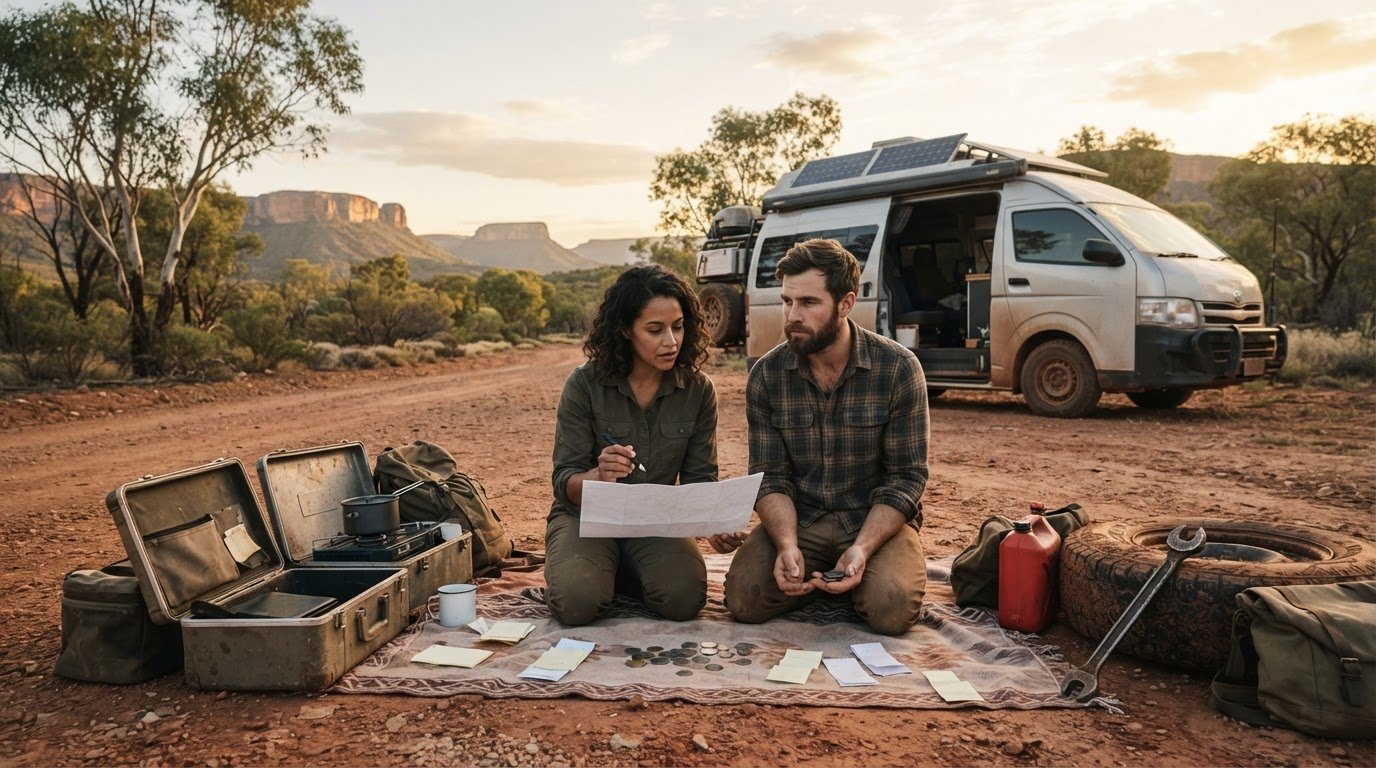
As we finalize our setup, we always prioritise quality over quantity. It’s far better to own one certified, high-performance kinetic rope than three cheap, unrated alternatives that might fail when the stakes are high. Your 4wd recovery gear essentials should be viewed as a long-term investment in your safety. Once you’ve gathered your gear, store it in a dedicated, ventilated gear bag. This allows moisture to escape, preventing the mould and rot that can degrade synthetic fibres over time. Ready to put your kit to the test? Plan your next remote escape with our ultimate travel planner and explore the outback with total confidence.
Ready Your Rig for the Rugged Path Ahead
Mastering the outback requires more than just a capable rig. It’s about the technical knowledge of your gear and a deep commitment to the land we share. We’ve explored the “softer is safer” revolution, where synthetic components reduce lethal risks, and the vital importance of identifying true rated recovery points. These 4wd recovery gear essentials aren’t just tools; they’re the bridge between a dangerous situation and a safe return to the campfire. By prioritising sustainable practices like track restoration and tree protection, we ensure these wild spaces remain open for every explorer in our community.
We’re constantly testing and refining our methods to keep you safe and responsible on the trail. Ready to refine your setup even further? Join the Adventurerz community for more expert gear reviews and expert 4WD gear recommendations. We focus on community-vetted recovery techniques and sustainable outdoor practices that respect the Australian environment. We’re here to help you navigate every technical challenge with confidence. Grab your shovel, check your tyre pressures, and let’s get out there!
Frequently Asked Questions
Can I use a tow ball for a 4WD recovery?
Absolutely not. You must never use a tow ball as a recovery point because they are designed for towing, not the massive dynamic loads of a vehicle recovery. A tow ball can shear off and become a lethal projectile if it fails under tension. We always insist on using engineered, rated recovery points that are specifically designed to handle the forces involved in getting a vehicle unstuck safely.
What is the difference between a snatch strap and a kinetic rope?
The primary difference lies in their elasticity and energy transfer. A traditional snatch strap typically offers about 20% stretch, while a modern kinetic rope can stretch up to 30%. This extra flexibility results in a much smoother, lower-impact recovery that reduces stress on your vehicle’s chassis. Because kinetic ropes provide a more controlled release of energy, they have quickly become a cornerstone of our 4wd recovery gear essentials kits.
Do I really need a winch for beach driving?
While a winch is a fantastic insurance policy, it’s often not the first tool you’ll reach for on the sand. Beach driving usually calls for tyre pressure management and traction boards, which are often enough to clear a soft patch. However, a winch becomes vital if you’re travelling solo in remote areas where there are no other vehicles to provide a snatch recovery. We find that being prepared for every scenario is key to responsible exploration.
How do I clean my recovery gear after a muddy trip?
You should always rinse your synthetic ropes and shackles with clean, fresh water after every muddy outing. Grit and salt can work their way into the fibres, acting like sandpaper and weakening the material from the inside out. Once rinsed, hang your gear to air dry in a shaded spot away from direct UV light. We avoid using harsh detergents or high-pressure washers, as these can damage the protective coatings on high-tech fibres.
Is a high-lift jack essential for my recovery kit?
We no longer consider a high-lift jack an essential item for most modern off-roaders. While they were once common, they are notoriously unstable and dangerous to use on uneven terrain. Most recovery tasks can be handled more safely with traction boards, an exhaust jack, or a bottle jack with a base plate. We prefer tools that minimise risk to the operator while still providing the lifting power needed to clear an obstacle or change a tyre.
What weight rating should my recovery gear have for a 3-tonne vehicle?
For a 3-tonne vehicle, we recommend choosing a kinetic rope with a Minimum Breaking Strength (MBS) between 9,000 kg and 15,000 kg. This follows industry best practice of a 3 to 5 times safety factor relative to your Gross Vehicle Mass. While some guidelines suggest a minimum of two times the GVM, we always prefer the higher rating. This ensures your equipment can handle the increased loads of a deep mud or sand recovery safely.
How often should I replace my soft shackles and ropes?
There isn’t a fixed expiry date, so you must replace your synthetic gear based on its physical condition. Inspect your ropes and shackles for significant fraying, deep cuts, or a crunchy texture caused by internal grit. If you notice the internal core through the outer sheath, it’s time to retire that piece of equipment. Most active explorers find that their 4wd recovery gear essentials last several years with proper cleaning and storage after every trip.
Can I use recovery gear on a vehicle without rated recovery points?
You should never attempt a recovery on a vehicle that doesn’t have properly engineered and rated recovery points. Standard tie-down points or chassis holes can easily tear or fail, leading to catastrophic damage or injury. If a vehicle isn’t equipped with rated points, your first priority should be using a shovel and traction boards to clear a path. We believe that vehicle readiness is the first step in any responsible off-roading adventure.