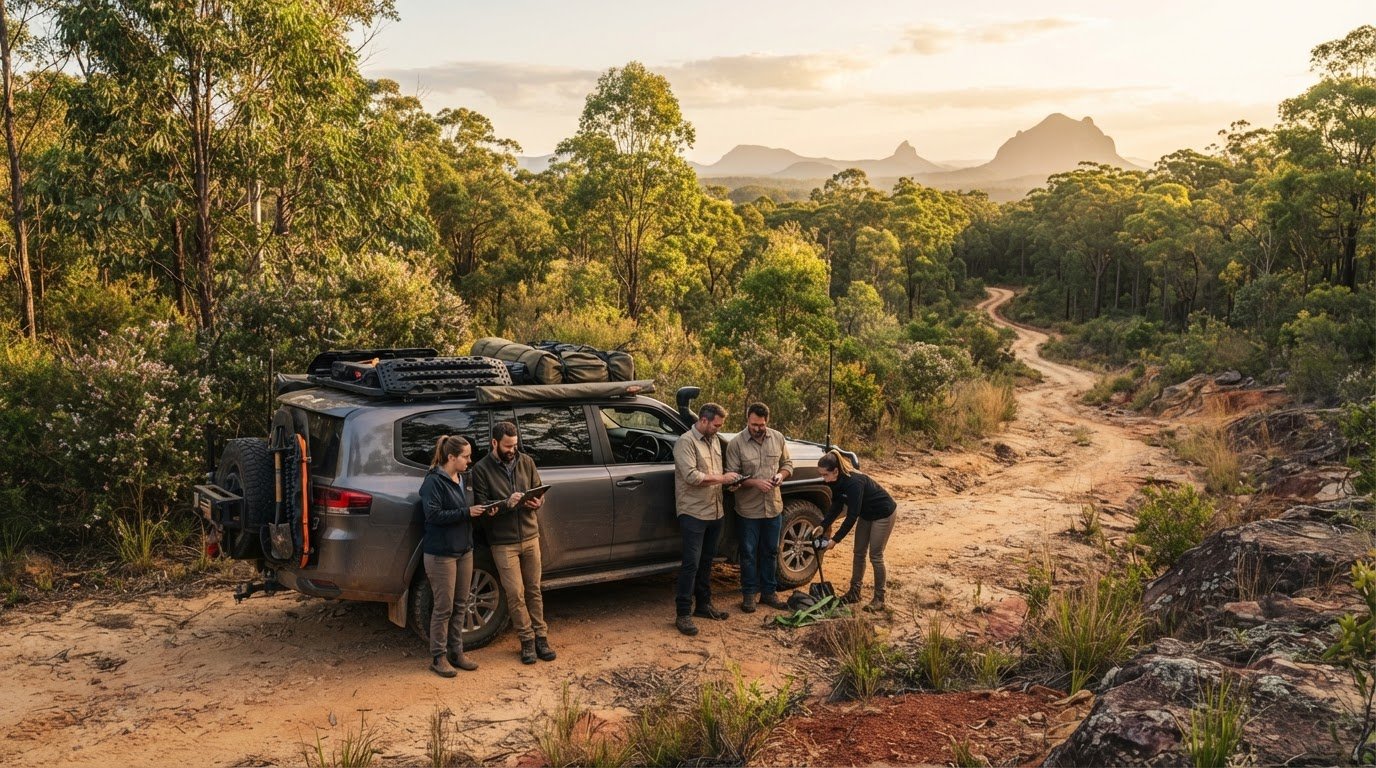
What if the only tracks you saw for three days were the ones you left behind in the red dust? We know the frustration of pulling into a supposedly secluded campsite only to find it packed with generators and crowds. You’re searching for that raw, soul-stirring connection with the land that only the deep outback provides, but finding it is getting harder every year. Our community of explorers believes that true adventure shouldn’t come with a crowd, and we’re here to help you reclaim that sense of genuine discovery. This guide to the best remote Australian 4wd trip ideas for 2026 is designed to get you off the beaten path and into the heart of the wild.
You’ll discover breathtaking expeditions that offer total isolation across our vast continent. We’ll show you how to prepare for the 2026 season with the high-spec gear and recovery knowledge needed to handle the deep outback with confidence. From navigating the latest permit requirements in the Northern Territory to understanding the environmental protocols that keep these tracks open, we’ve got the expert insights you need. Let’s gear up for a journey that supports conservation and tests your self-reliance in the most spectacular landscapes on Earth.
Key Takeaways
- Discover the most secluded remote Australian 4wd trip ideas for 2026, including navigating the iconic Gibb River Road and accessing the restricted landscapes of Arnhem Land.
- Learn how to optimize your 2026 expedition setup with expert advice on solar power integration and why a rooftop tent is essential for remote comfort.
- Evaluate the trade-offs between self-drive logistics and the risk-management benefits of local guides when exploring flood-prone northern regions.
- Understand the shift toward “Slow Adventure” and how to prepare for true isolation without sacrificing safety or reliability on the track.
- Adopt the Leave No Trace philosophy and find out how to select eco-certified operators to ensure our wild spaces remain pristine for future generations.
Table of Contents
Defining Remote Adventure in Australia for 2026
Timing your expedition is more critical than ever. With the fuel excise cut ending on June 30, 2026, and prices expected to jump by up to 32 cents per litre, your budget needs to be as robust as your bull bar. We also have to respect the seasonal windows. For instance, the Canning Stock Route remains the gold standard for isolation, but it demands a level of preparation that respects its history and its environment. Balancing the thrill of discovery with conservation is our core mission. Whether it’s paying the A$154 fine for camping without a permit in Queensland or navigating the new NT Parks Visitor Pass system, being a responsible explorer means following the rules that keep these tracks open for the next generation.
The 2026 Remote Travel Ethos
We’re seeing our community move away from “Instagrammable” hotspots in favour of deep-desert immersion. The goal in 2026 is a total digital detox. New regulations are also playing a huge role in protecting sensitive ecosystems. For example, the Northern Territory now requires a visitor pass for most reserves, with annual passes for families costing A$150. These fees directly fund the conservation of the very tracks we love to drive. It’s about leaving the land better than we found it while seeking that rare, quiet solitude.
Safety and Connectivity in the Middle of Nowhere
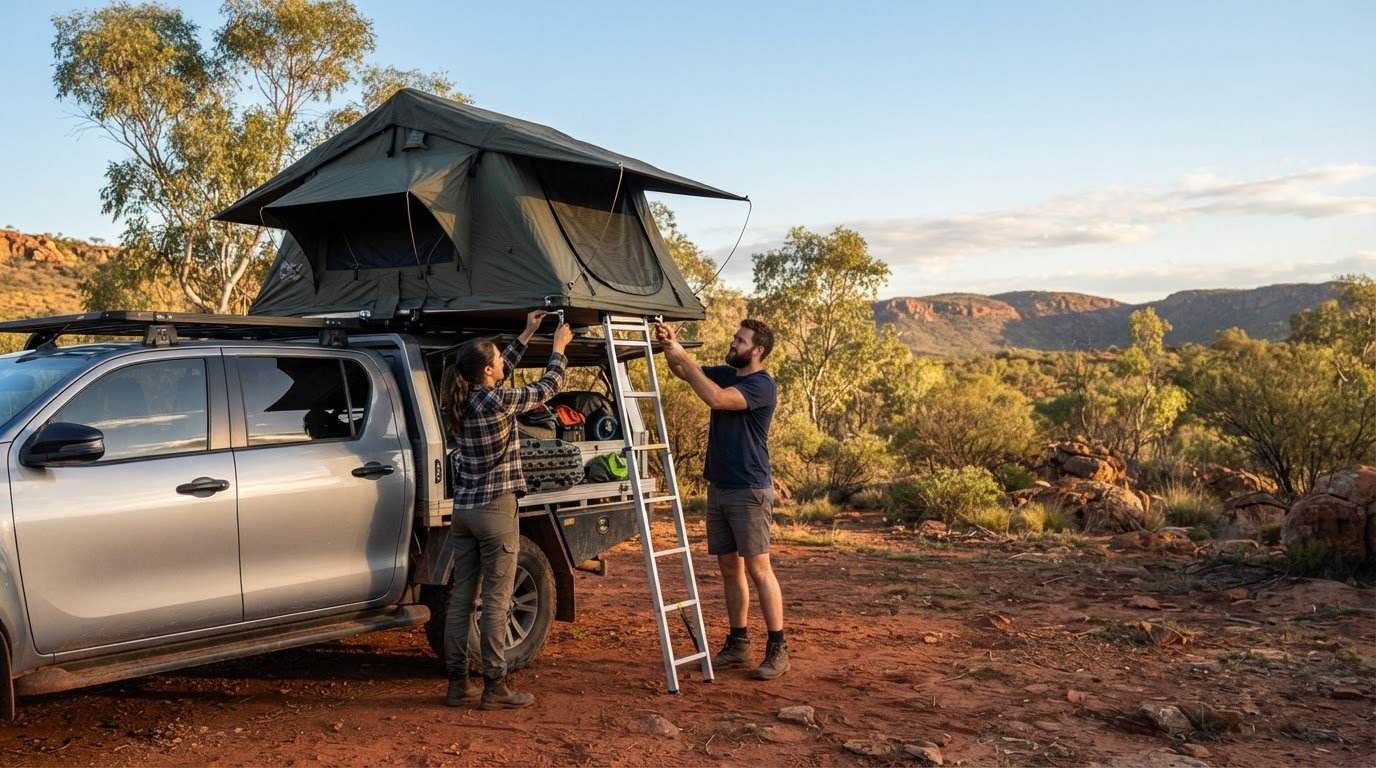
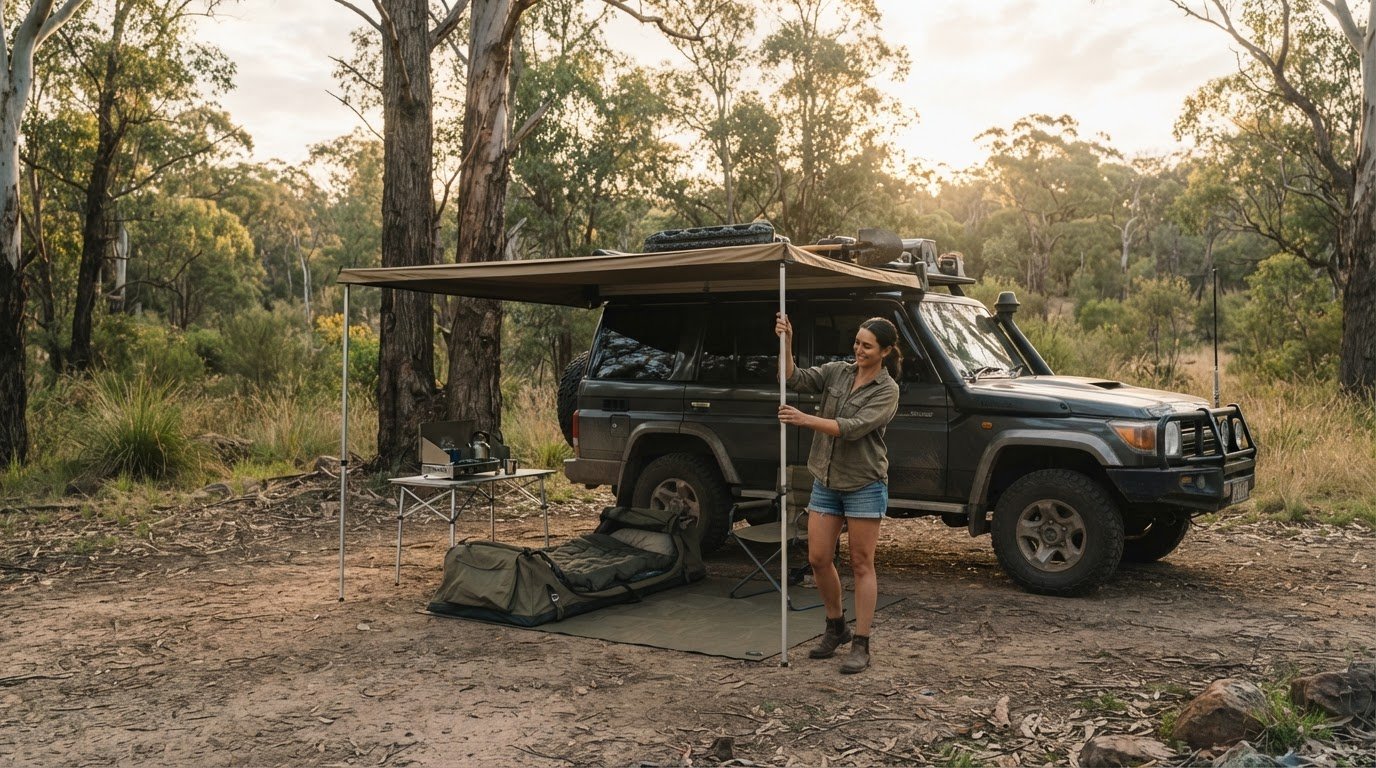
Being remote doesn’t mean being reckless. While traditional UHF radio is still a staple for convoy chatter, 2026 is the year of satellite integration. We don’t leave home without reliable comms that work when the bars disappear. Safety also includes your camp setup. We often recommend high-quality roof top tents because they keep you off the ground away from nocturnal visitors and provide a consistent, sturdy shelter in unpredictable outback weather. Our community thrives on shared safety protocols; we look out for each other by staying methodical, daring, and always prepared for the unexpected.
Top Regions for Remote Australian 4WD Expeditions
Australia’s vastness offers a lifetime of discovery, but some corners remain more elusive than others. If you’re hunting for remote Australian 4wd trip ideas in 2026, the diversity of our continent is your greatest asset. From the corrugated tracks of the Kimberley to the temperate rainforests of Tasmania’s Western Wilds, each region demands specific respect and preparation. We often see travellers underestimate the Simpson Desert. It’s the ultimate test of endurance where crossing over 1,100 sand dunes requires precise tyre pressure management and a reliable recovery kit. Meanwhile, Arnhem Land offers a rare chance to access restricted cultural landscapes, though you’ll need to coordinate closely with traditional owners or join specialized tours to respect these sensitive areas. These remote Australian 4wd trip ideas are about more than just the drive; they’re about the legacy we leave behind.
The Kimberley and North West Cape
Navigating the Gibb River Road in 2026 means factoring in Western Australia’s park entry fees, which currently sit at A$17 per vehicle. If you’re heading further south to Ningaloo, swimming with whale sharks remains a top conservation priority. 2026 updates emphasize stricter visitor caps to protect these gentle giants. For those who enjoy a shared journey, guided 4WD convoys through the Bungle Bungles provide expert navigation through the Purnululu sandstones. Don’t discount the wet season either; while many tracks close, it creates unique fly-in remote opportunities to see the falls in full force. To stay comfortable during those humid northern nights, we suggest you check out our reviews of best 4wd awnings to create that essential shaded living space.
The Red Centre and Beyond
The heart of the country is about more than just Uluru. Walking the Larapinta Trail has evolved, with many of our community members opting for supported treks that allow for a lighter pack while still conquering the rugged West MacDonnell Ranges. If you want a deep cultural connection, remote Aboriginal art tours in the APY Lands offer a perspective few tourists ever see. We also love the challenge of Corner Country. Standing at the intersection of three states is a milestone for any serious explorer. Just remember that NT park passes now range from A$10 for a day to A$150 for an annual family pass, so plan your budget before you hit the dirt.
Guided Tours vs. Self-Drive Remote Expeditions
Deciding how to approach your remote Australian 4wd trip ideas is a choice between total autonomy and expert-led security. Both paths offer incredible rewards, but they demand different types of investment. In 2026, the financial side is a moving target. Diesel prices currently sit around A$1.936 per litre at major stations, but outback premiums can easily push that up by another 20 to 40 cents. When you add the cost of high-spec recovery gear and vehicle maintenance, the upfront fee of a guided tour starts to look like a savvy hedge against rising costs. However, for our community, the “Slow Adventure” ethos often leans toward the self-drive model where the challenge of self-reliance is part of the reward.
Risk management is where the divide gets sharp. Local knowledge is the best insurance policy in the north. A guide knows when a creek crossing is a simple splash or a vehicle-swallowing trap. They also provide a bridge to First Nations land that is otherwise restricted. If you want to dive deep into the cultural history of Arnhem Land, a guided tour is often the only legal way to stand on those ancient landscapes. On the flip side, self-driving wins for the spontaneous adventurer. You aren’t tied to a group schedule, and you can linger at a hidden waterhole for as long as you like.
When to Book a Guided Tour
We recommend booking a guide when the paperwork gets overwhelming. Navigating the multiple permits required for the Canning Stock Route or restricted areas in the Northern Territory takes significant lead time. Guided options are also perfect for time-poor travellers who want to fly into a remote camp and start exploring immediately. It’s a respectful way to support local economies and learn First Nations history directly from Traditional Owners who have managed this land for millennia.
The Case for the Self-Drive Expedition
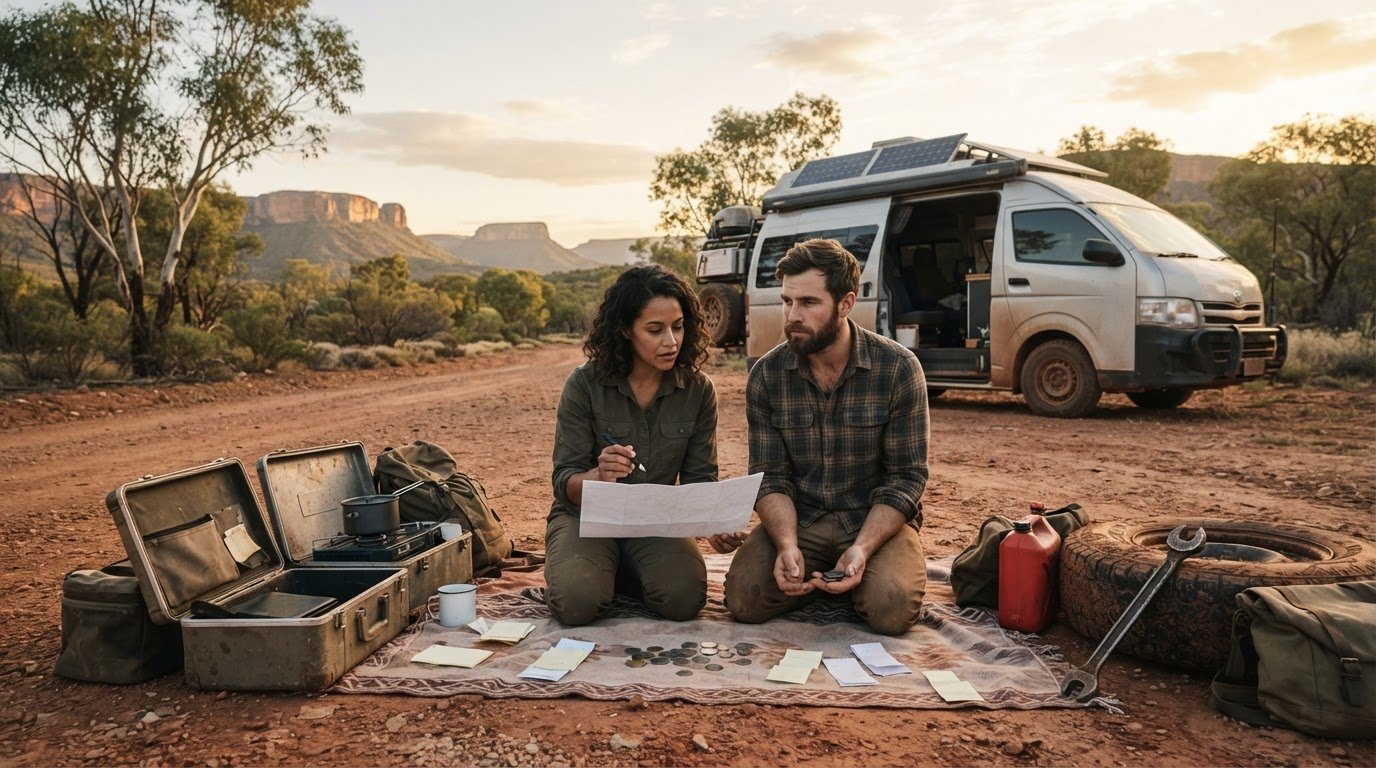
There’s no substitute for the feeling of being the master of your own destiny. Building self-reliance through meticulous planning is a badge of honour in the 4WD world. We find that many in our community enjoy the middle ground of tag-along tours where you bring your own rig but follow an experienced lead vehicle. To ensure you don’t miss a vital fuel stop or permit deadline, use The Ultimate Adventure Travel Planner to map your 2026 escape. It keeps your logistics sharp so you can focus on the horizon ahead.
Essential Gear and Preparation for Isolated Landscapes
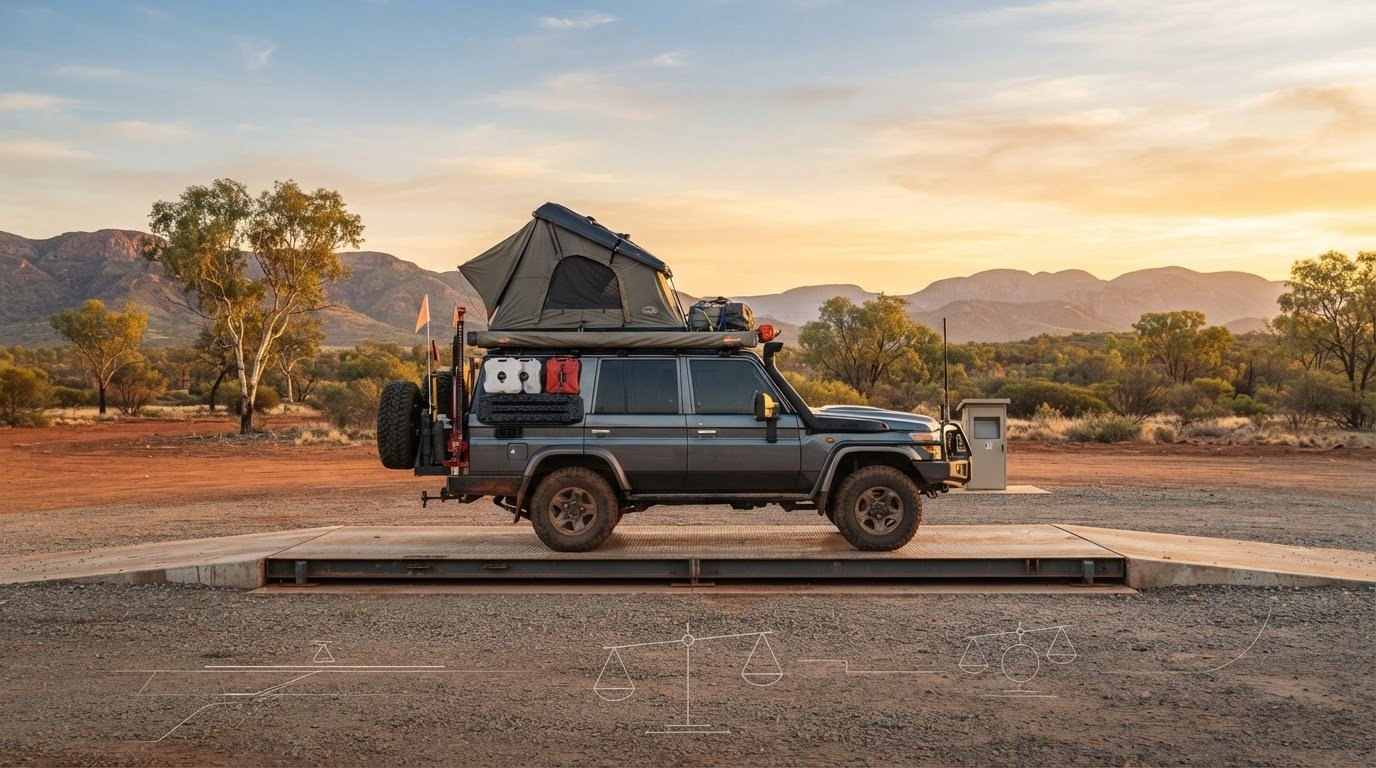
Planning the perfect route is only half the battle. To successfully execute your remote Australian 4wd trip ideas, your vehicle needs to be a self-sustaining ecosystem. In 2026, we’re seeing a massive move toward sophisticated power management. Relying on your alternator isn’t enough when you’re stationary for days. We recommend a dual-battery system paired with at least 200W of fixed or portable solar panels to keep your fridge and sat-comms running. Water security is your next priority. For 10 or more days of isolation, aim for a minimum of five to seven litres per person, per day. We carry our water in multiple tanks or bladders; if one leaks, you don’t lose your entire life-support system. Food prep follows the same logic. Vacuum-sealing meals and using a high-efficiency 12V fridge allows us to eat well without the bulk of traditional eskies.
Rooftop Tents and Awnings
Your choice of shelter can make or break an outback expedition. In high-wind areas like the Nullarbor or the Kimberley coast, hard-shell designs often outperform soft-shell tents because they’re quieter and faster to deploy. They’re built for the durability we value. Before you invest, we recommend checking our rooftop tents reviews to find a model that handles the corrugations. Shade is equally vital. The Australian sun is relentless, and a quality awning is your only respite. We’ve tested dozens to find the best 4WD awnings that offer quick setup and UV protection. Don’t leave home without a way to escape the heat.
Vehicle Recovery and Maintenance
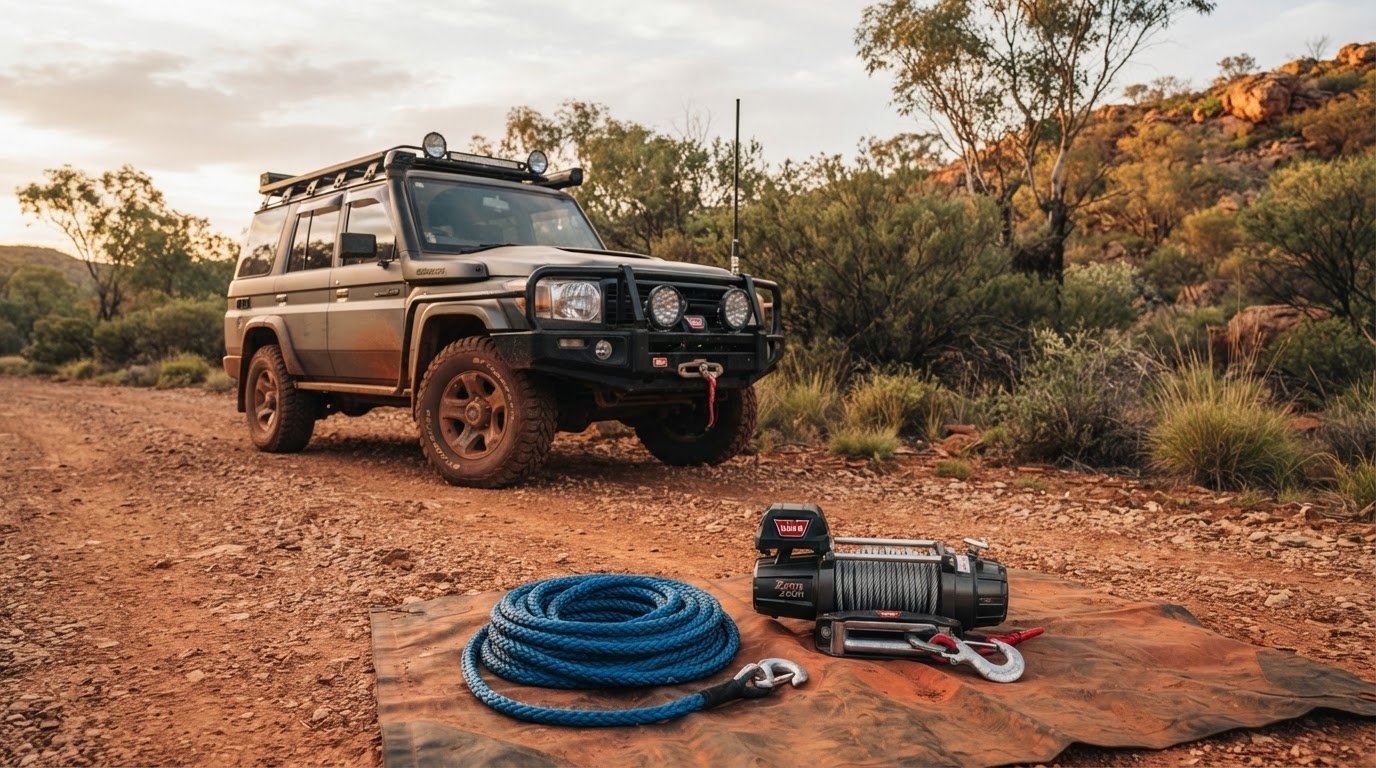
Remote travel means being your own mechanic. We never hit the track without a comprehensive spares kit including radiator hoses, fan belts, and a full set of filters. Even if you aren’t a pro, having the parts means a passing traveller can help you. Recovery boards are essential for sandy desert crossings where a snatch strap is useless without a second vehicle. We’ve found that managing your tyre pressure is the most underrated skill in the bush. Dropping your PSI not only protects the track but also prevents the heat build-up that leads to blowouts. It’s a simple, methodical habit that keeps us moving forward.
Ready to build your ultimate off-grid setup? We’ve done the hard yards so you don’t have to. Read our expert gear recommendations to ensure your 2026 rig is truly outback-ready.
Booking Your 2026 Remote Escape: Ethics and Sustainability
Our journeys through the outback are a privilege, not a right. As we look for the best remote Australian 4wd trip ideas for the 2026 season, we have to prioritize the health of the landscapes that give us so much. Choosing an eco-certified tour operator is the first step for those not going solo. These certifications aren’t just badges; they guarantee that the business meets rigorous standards for carbon reduction and cultural respect. We also encourage our community to seek out Supply Nation certified tours. By booking with Indigenous-owned businesses, you ensure your travel spend directly supports the Traditional Owners who have managed these lands for over 60,000 years. It turns a simple holiday into a meaningful contribution to local economies and cultural preservation.
The “Slow Adventure” movement in 2026 isn’t just about speed; it’s about impact. We’ve seen a clear trend toward digital passes and online bookings across all states to manage visitor numbers in fragile zones. Whether you’re paying the A$154 fine in Queensland for camping without a permit or navigating the new NT digital system, following these protocols is essential. Before you head out, ask yourself: Are you ready for the silence? Preparation isn’t just about having the right recovery boards; it’s about the mental shift required to exist in a space where you are a guest of nature.
Responsible Exploration Protocols
In 2026, “pack it in, pack it out” is the bare minimum. We now advocate for a “leave it better” approach. This means managing your waste with total containment, including greywater and human waste, especially in arid desert environments where decomposition takes decades. Sacred sites and First Nations protocols must be respected without exception; if a track is closed for cultural reasons, we don’t push through. We also need to talk about campfires. While they’re iconic, the impact on fragile desert biodiversity is significant. We often opt for efficient gas stoves to preserve fallen timber, which serves as vital habitat for native reptiles and small mammals.
Planning Your Next Step
Launch Your 2026 Outback Expedition
The tracks are calling, and the 2026 season promises the most authentic isolation we’ve seen in years. We’ve explored how the shift toward Slow Adventure allows us to truly connect with the land, provided we have the technical preparation and ethical mindset to back it up. From mastering your tyre pressures in the Simpson Desert to respecting the cultural protocols of Arnhem Land, your journey is defined by the care you take. Our community thrives when we combine expert 4WD gear recommendations with a deep commitment to the Leave No Trace philosophy.
Don’t let these remote Australian 4wd trip ideas stay on your screen. It’s time to check your dual-battery setup, pack the recovery boards, and head where the pings of the digital world can’t find you. We’re here to ensure your rig is ready and your route is respectful. You can plan your 2026 remote Australian escape with Adventurerz and access our community-vetted remote itineraries designed for the hardy explorer. Let’s make this the year you find true silence under the southern stars. See you on the track!
Frequently Asked Questions
What is the best time of year for remote 4WD trips in Australia?
The cooler months from April to October are the prime window for exploring the north and the red centre. During the wet season, many tracks become impassable due to flooding, and heat in the desert can reach dangerous levels. We always check local alerts before heading out. For example, rainfall can close routes like the Anne Beadell Highway with very little notice, as we saw with the May 2024 closures.
Do I need a special licence to drive a 4WD in the outback?
You don’t need a special licence to drive a standard 4WD in Australia; a regular C-class driver’s licence is sufficient. However, we strongly encourage new explorers to take a specialized off-road driving course. Handling deep sand or rocky inclines is a methodical skill that’s best learned in a controlled environment before you’re miles from help. Experience is the best gear you can carry.
Is it safe to travel to remote parts of Australia alone?
Solo travel is possible but carries significantly higher risks in isolated landscapes. We recommend joining a convoy or using tag-along tours for safety. If you do go alone, a satellite communicator is non-negotiable. Our community always shares trip itineraries with reliable contacts back home so someone knows exactly where to look if we don’t check in. Self-reliance is key, but having a backup is smarter.
What are the most essential items for a remote Australian 4WD tour?
Beyond your recovery boards and a high-lift jack, a satellite communication device and a comprehensive first aid kit are the most vital tools. You also need a reliable way to store at least 10 days of water and fuel. These essentials turn risky remote Australian 4wd trip ideas into successful, well-managed expeditions that respect the harshness of the outback. Preparation is what separates an adventure from a disaster.
How do I get permits for remote Aboriginal lands?
You must apply for permits through the relevant Land Councils, such as the Northern or Central Land Councils, well in advance of your departure. These permits ensure you’re respecting Traditional Owners and sensitive cultural sites. While many are low-cost, the processing time can take several weeks. We always include permit applications in our early planning stages to avoid being turned back at the gate. Respecting the land starts with the paperwork.
Can I take a standard rental car on remote adventure tracks?
Standard rental cars are strictly prohibited on unsealed or remote adventure tracks by almost all rental agreements. Taking a non-4WD vehicle into these areas often voids your insurance and risks a total mechanical failure. If you don’t own a rig, you’ll need to seek out specialized 4WD hire companies that explicitly allow off-road use. These vehicles come equipped for the corrugations that shake standard cars apart.
What happens if my vehicle breaks down in a remote area?
The golden rule is to always stay with your vehicle. It is much easier for search parties to spot a car than a person walking in the heat. Use your satellite phone or EPIRB to call for help and wait. This is why we carry 10 or more days of water; it buys you the time needed for a successful recovery in deep outback locations where help is days away.
How much does a typical 10-day remote 4WD tour cost in 2026?
Budgeting for 10 days in 2026 means accounting for fuel, which is roughly A$1.936 per litre at Costco fuel stations but much higher in the outback. Expect to pay a 20 to 40 cent premium per litre in remote areas. Add in NT park passes at A$150 for a family or QLD camping fees at A$30 per family per night, and you’ll find that logistics are the biggest expense. Always carry a financial buffer.