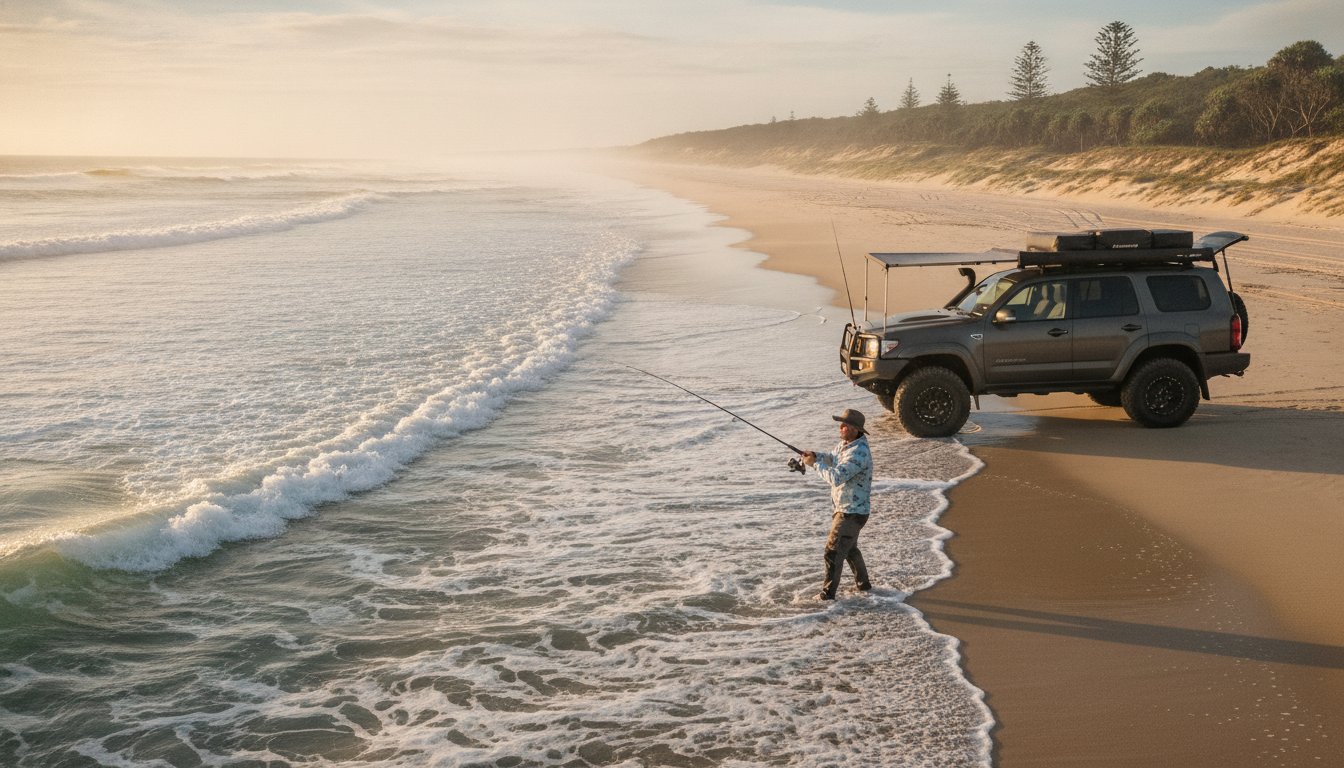
What if the secret to unlocking more weekend getaways isn’t a more powerful engine, but a superior night’s sleep? We’ve all been there; you’re ready to hit the tracks, but your partner is picturing damp sleeping bags, spiders in boots, and thirty minutes of arguing over tangled tent poles. It’s a common hurdle for our community of explorers, yet it’s one we can solve with the right approach. If you’re currently focused on convincing your partner on a roof top tent, you aren’t just selling a piece of gear; you’re proposing a total upgrade to your shared lifestyle.
We know that a successful trip requires everyone to feel secure and rested before the next day’s trek. This guide is designed to help you transform that “maybe” into an enthusiastic “yes” by focusing on the three pillars of comfort, safety, and simplicity. We’ll dive into the technical specs that truly matter to a skeptic, from 3.5-inch high-density mattresses to premium hard shell models with 45-second setup times. You’ll learn how to pitch a hotel-level experience that sits right on your roof rack, ensuring your next Australian adventure is defined by relaxation rather than frustration.
Key Takeaways
- We’ll show you how to trade “tent pole tension” for 45-second deployments, keeping the focus on relaxation rather than setup arguments.
- Master the art of convincing your partner on a roof top tent by highlighting the safety of being elevated away from ground-dwelling wildlife like snakes and spiders.
- Learn how our community views these setups as financial wins, comparing long-term savings against the rising costs of traditional Australian resorts.
- Follow our strategic three-step plan to move from sharing a vision of the lifestyle to hands-on testing at local showrooms.
- Discover whether a compact hard-shell or a family-sized soft-shell model provides the perfect balance of interior space and aerodynamic performance for your vehicle.
Table of Contents
Why a Roof Top Tent is the Ultimate Relationship Upgrade
We’ve all seen that couple at the campsite. The sun is setting, the wind is picking up, and they’re currently three rounds into a heated debate over which fiberglass pole goes into which grommet. It’s the classic “tent pole tension” that can turn a romantic getaway into a silent drive home. We believe camping shouldn’t be an endurance test. By focusing on the relationship benefits, convincing your partner on a roof top tent becomes much easier. You aren’t just buying a piece of canvas; you’re investing in a mobile bedroom that prioritizes shared joy over logistics. If they’re still unsure about the concept, you can start with a neutral overview of What is a Roof Top Tent? to show them it’s a globally recognized way to travel. Our community often highlights that the right roof top tents act as a gateway to refined exploration, moving you away from “roughing it” and toward a lifestyle of spontaneous, stress-free discovery.
Eliminating the “Tent Pole Tension”
The Psychology of the “High Ground”
There is a deep, emotional security that comes with sleeping off the ground. For many partners, the fear of damp earth or unexpected visitors like snakes and spiders is a dealbreaker. We’ve found that being elevated offers an immediate sense of safety and cleanliness. It’s like having an adult treehouse that stays dry and bug-free. This “high ground” perspective also does wonders for your morning mindset. Waking up to a panoramic view of the Australian bush or a coastal sunrise from your elevated perch is far more inspiring than staring at a nylon wall six inches from the dirt. This shift in perspective helps foster a positive, adventurous spirit that keeps both of you excited for the next destination. Convincing your partner on a roof top tent is really about promising them a better view and a more peaceful night’s sleep.
Busting the Comfort and Safety Myths
The biggest hurdle in convincing your partner on a roof top tent is often the “home bed” comparison. Many of our fellow explorers worry that swapping a bedroom for a vehicle roof means sacrificing a good night’s rest. We’ve found the opposite is true. Disconnecting from the digital world and sleeping in the fresh air helps many couples revitalize their relationships through shared experiences. When you’re high above the terrain, the quality of your sleep changes for the better. You aren’t just camping; you’re elevating your entire outdoor experience to something more refined and secure.
The Mattress and Bedding Revolution
Forget the thin, crinkly mats of your scouting days. Modern engineering has transformed the interior of these tents into genuine sanctuaries. While a standard ground mat might leave you feeling every pebble, modern roof top tents offer high-density foam mattresses ranging from 1.8 to 3.5 inches thick. If your partner needs extra plushness, adding a self-inflating mat on top creates a sleep system that rivals many guest rooms. One of the best “selling points” is the convenience of bedding. Most hard shell models allow you to leave your real pillows and a full duvet inside the tent when it’s closed. You simply pop the latches, and your bed is already made. A condensation mat creates an essential air gap under your mattress to eliminate the damp, clammy feeling often found in ground-level setups. To see how these features vary across different models, you can explore our latest roof top tents reviews for more details.
Safety From the Ground Up
Safety concerns often center on two things: the local wildlife and the midnight bathroom run. In the Australian bush, being two meters above the ground is your best defense against nocturnal visitors like snakes, spiders, or even curious dingoes. It provides a literal and psychological barrier that ground tents simply can’t match. For the ladder, we recommend choosing a model with wide, flat rungs rather than narrow round ones to ensure a steady grip. Adding a small, motion-activated LED light to the top of the ladder makes those late-night exits much safer. You’ll also find that the structural integrity of a modern RTT is vastly superior to a traditional tent. They’re designed to handle high Australian winds without the flapping and sagging that keeps people awake at night. This stability, combined with the privacy of an elevated view, ensures your campsite feels like a private retreat rather than a public display.
The Financial Logic: Why an RTT Saves Money
Let’s address the elephant in the room: the price tag. When you’re in the process of convincing your partner on a roof top tent, the initial cost can feel like a major hurdle. We recommend reframing the conversation around long-term value. If you spend ten nights in a mid-range Australian hotel or coastal resort, you’ve likely already spent the equivalent of a solid entry-level tent. Unlike a hotel receipt, a high-quality RTT holds its value remarkably well on the Australian second-hand market. It’s an asset, not just an expense. Plus, it transforms your daily driver into a capable explorer without the headache of a second registration or expensive insurance premiums. Your vehicle remains your commuter during the week, yet it’s ready to bolt at a moment’s notice on Friday afternoon. This simplicity is a core value of our community; we prefer gear that works with us, not against us.
RTT vs. Caravans and Camper Trailers
The hidden costs of towing often catch people off guard. Between increased maintenance, specialized storage fees, and the significant fuel penalty of dragging a heavy trailer, the bills add up fast. While a roof top tent might impact your highway fuel economy by approximately 10% to 17%, it’s still far more efficient than towing a heavy load. We also love the “Go Anywhere” advantage. You aren’t restricted by tight tracks, steep beach entries, or the “No Caravans” signs at your favorite hidden spots. When the trip is over, your setup fits right back into a standard garage rather than requiring a dedicated storage lot. This makes it a much more sustainable choice for those with limited space.
The Long-Term Adventure ROI
A roof top tent encourages the kind of spontaneous, low-cost weekend trips that ground camping often discourages. We’re big believers in the “buy once, cry once” philosophy for premium gear. Investing in durability means you won’t be replacing broken poles or leaking zippers every second season. When you’re convincing your partner on a roof top tent, showing them a concrete plan for the next year of travel is the most persuasive tool you have. To prove the point, use this travel planner to map out your next three escapes. Once you see the savings on accommodation and the freedom to explore remote locations, the financial logic becomes undeniable. It’s about investing in your future memories while keeping your travel budget sustainable for the long haul.
How to Pitch the Idea: A Strategic 3-Step Plan
Step 1: Focus on the Destination, Not the Gear
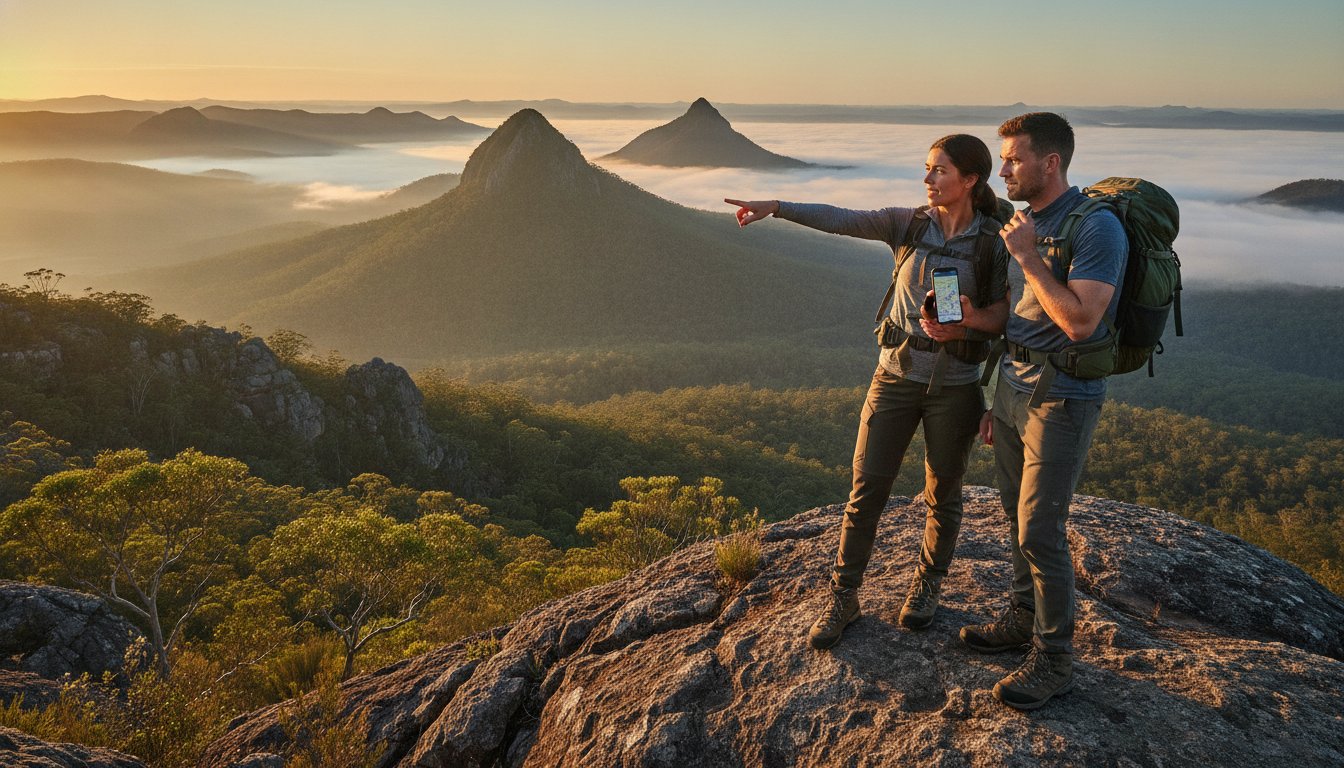
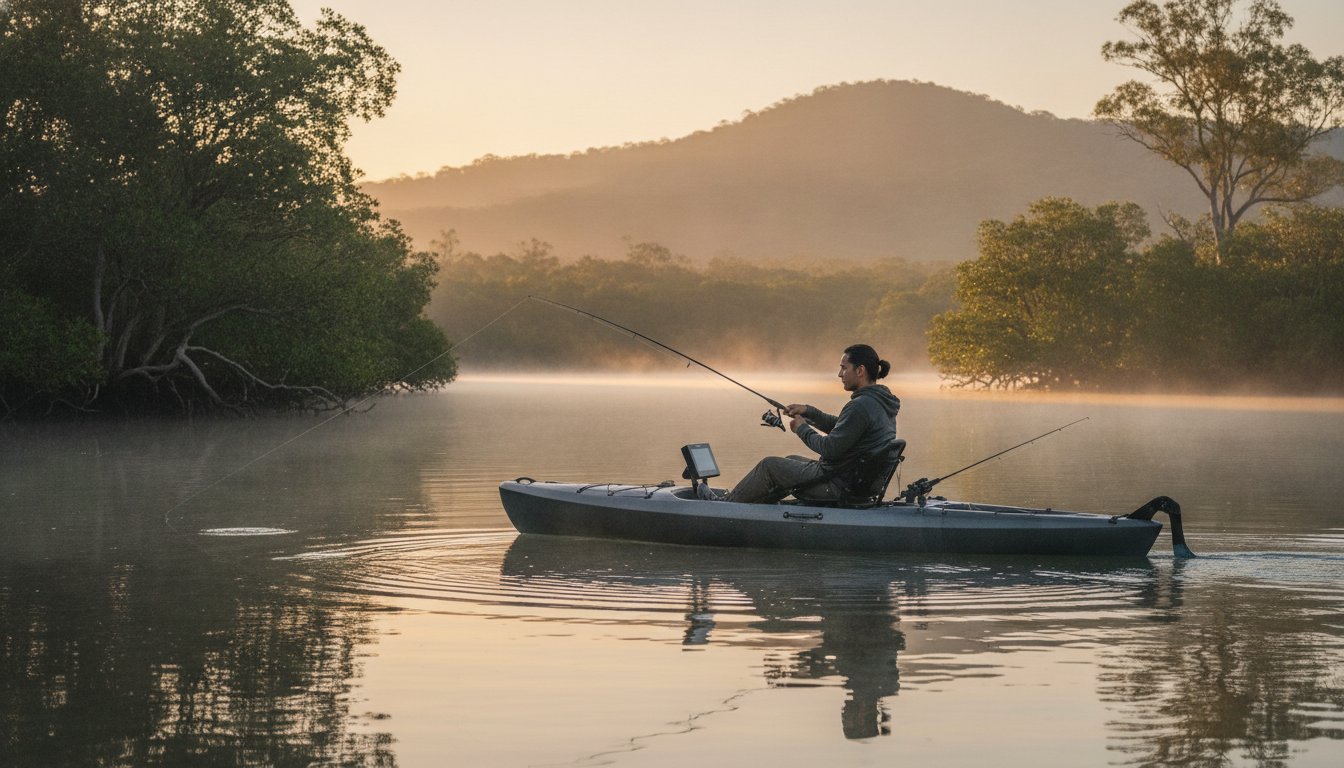
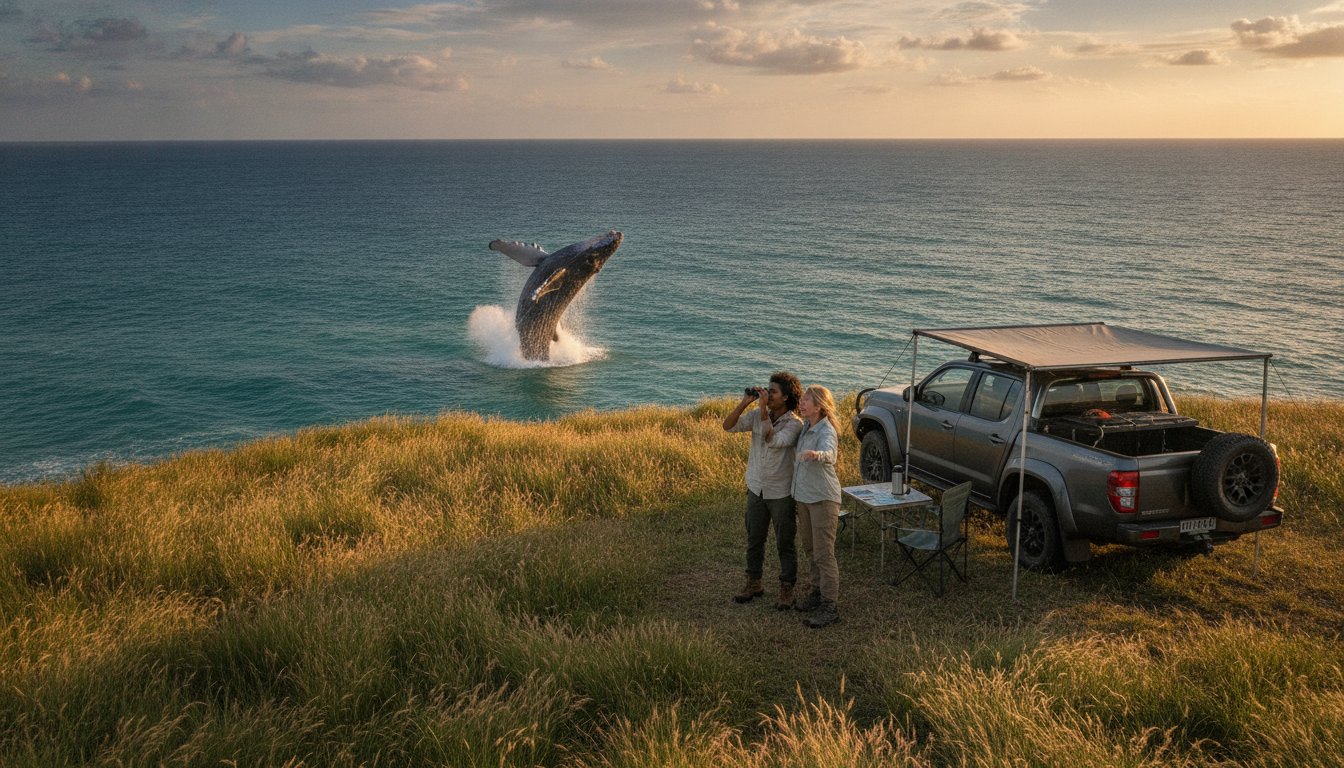
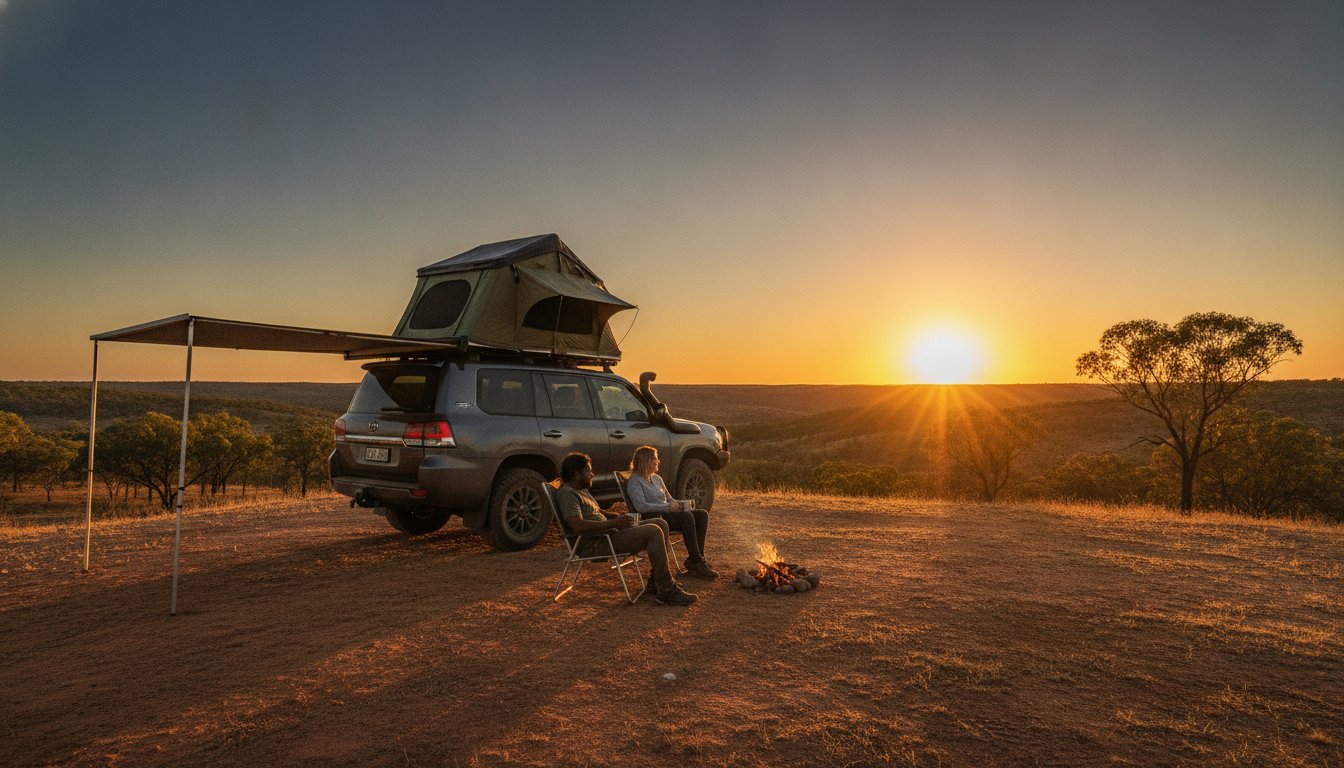
Start with the “Visual Phase.” Instead of scrolling through spec sheets and weight ratings, start curating a vision of where you’ll go. Show photos of remote coastlines, hidden bush camps, and red desert sunsets. We often suggest looking at top resorts together and then explaining how a roof top tent offers those exact same million-dollar views for free. Ask a simple, supportive question: “What is the one thing that stops you from enjoying our current camping setup?” Listen closely. If the answer is “sleeping on the ground” or “spiders,” you’ve just found your strongest selling point for an elevated bedroom.
Step 2: The Showroom Date
Once the vision is set, move to the “Tactile Phase.” Go to a showroom or an outdoor expo together. This is where the theory becomes reality. Climb the ladder, lie down on the mattress, and test the zippers. We recommend checking the ease of use together; if your partner sees that a hard-shell model pops up in 45 seconds without any heavy lifting, their anxiety about “arguing over tent poles” usually vanishes. This is also the best time to discuss adding a 4WD awning. Creating a complete “outdoor living room” with shade and weather protection often turns a skeptic into a believer by showing that you’ve prioritized their comfort at the campsite.
Step 3: The Rental Test Drive
The final step is the “Trial Phase.” We believe spending $300 on a weekend rental is the best insurance you can buy against a $4,000 mistake. It’s the ultimate proof of concept. Choose an “easy” first location with decent facilities and a beautiful view to ensure the trip is a success. Use this trial to identify those small “must-have” accessories that make a big difference, such as internal LED lighting or shoe storage bags. If you’re ready to start comparing the best setups for your vehicle, check out our latest roof top tents reviews to find your perfect match.
Choosing Your Perfect Match: RTT Styles for 2026
Once you’ve succeeded in convincing your partner on a roof top tent, the final step is selecting the specific model that aligns with your travel style. We believe this is the most exciting part of the journey! It’s where you match technical specs to your shared needs, ensuring every weekend away is as seamless as possible. In 2026, the market is split into two primary categories, each offering distinct advantages for our community of explorers. Whether you prioritize rapid transit or maximum living space, there’s a setup designed for your vehicle. We’ve seen that the right choice here is what keeps a partner excited for the next trip rather than dreading the pack-down.
Hard-Shell Tents: The Speed Kings
Hard-shell tents are the ultimate choice for partners who value efficiency above all else. Most of these models deploy in a staggering 45 to 90 seconds. This allows you to pull into a camp late and be in bed before the kettle even boils. Beyond the speed, their slimline profiles are much more aerodynamic than traditional designs. This helps mitigate the typical 10% to 17% fuel economy impact seen with bulkier setups. They also offer superior durability against low-hanging branches on those tight, overgrown tracks in the Victorian High Country or the Daintree. If your partner’s main concern was the “setup struggle” we discussed earlier, a hard-shell is your strongest play.
Soft-Shell Tents: The Space Savers
Soft-shell tents remain a favorite for those who need room to spread out. While they take slightly longer to set up, usually 3 to 5 minutes, they often provide a larger footprint that can comfortably fit two adults and a child or pet. The real winner for many partners is the “under-tent” annex option. This creates a private, ground-level changing room or a sheltered spot for a chemical toilet, which can be a deal-breaker for many. With budget-friendly soft shells starting around $1,000, they’re also a fantastic way to start your journey without a massive initial investment. They offer that classic camping feel with a significant comfort boost over sleeping on the dirt.
Before you commit, we must talk about vehicle compatibility. It’s vital to check your owner’s manual for the dynamic load capacity, which is the weight your roof can handle while moving. While your vehicle’s static load capacity is much higher, you must ensure the tent and your rack system don’t exceed these limits. Don’t forget to account for your Gross Vehicle Mass (GVM) when adding heavy gear. For a deep dive into the specific models we trust, head over to our full roof top tent reviews. We’ve tested them against the harshest Australian conditions to help you make the right call for your next shared escape!
Your Next Great Australian Escape Awaits
The path to a more adventurous life together starts with a single, collaborative decision. We’ve explored how moving your basecamp to the roof rack eliminates setup stress and provides a secure, elevated sanctuary away from the elements. By reframing the conversation around shared comfort and long-term financial freedom, the process of convincing your partner on a roof top tent becomes a journey you take together. You’re trading the “roughing it” mentality for a refined, sustainable way to explore the rugged beauty of the Australian outback.
Our community of 4WD enthusiasts has tested this gear in the harshest conditions to ensure you’re getting recommendations that actually hold up. Whether you choose a rapid-deploy hard shell or a spacious soft shell for the family, you’re investing in years of stress-free weekend getaways. Ready to find your perfect setup? Explore our expert Roof Top Tent reviews here for gear that prioritizes responsible exploration and absolute durability. It’s time to stop dreaming about those hidden coastal tracks and start driving toward them. We’ll see you out there!
Frequently Asked Questions
Is a roof top tent actually more comfortable than a ground tent?
Yes, it’s a massive upgrade. Unlike ground tents where you’re at the mercy of the terrain, an RTT provides a flat, consistent surface. Most models feature high-density mattresses up to 3.5 inches thick. You’re effectively sleeping on a real bed that stays dry and clean, which is often the winning point for a comfort-focused skeptic.
Will a roof top tent make my car tip over or affect fuel economy?
Your vehicle won’t tip over as long as you stay within the manufacturer’s dynamic load limits. You will notice a fuel economy impact of roughly 10% to 17% due to the extra weight and wind resistance. Choosing an aerodynamic hard-shell model can help minimize this drag and keep your highway cruising quiet and efficient.
How do you go to the bathroom at night in a roof top tent?
You use the ladder, which we recommend lighting with a small motion-sensor LED for safety. If the thought of a midnight climb is a dealbreaker, adding an annex provides a private ground-level space for a portable toilet. This creates a secure ensuite feel that keeps you sheltered and private even in busy Australian campsites.
Are roof top tents safe from snakes and spiders?
Being elevated is your best defense against snakes, spiders, and other ground-dwelling wildlife. By sleeping two meters up, you’re far away from the damp earth where these creatures usually roam. A fully zipped tent and a clean ladder ensure your sleeping area remains a protected, bug-free sanctuary while you’re exploring the bush.
Can one person really set up a roof top tent alone?
Yes, one person can easily manage the setup and pack-down of most modern models. Hard-shell tents are particularly impressive, often deploying in under 90 seconds with the help of gas struts. This independence is a major advantage when convincing your partner on a roof top tent, as it removes any setup stress from your holiday.
What happens if it rains while we are camping in an RTT?
You’ll stay much drier and cleaner than you would on the ground. Because you’re high above the terrain, there’s no risk of groundwater or mud flooding your sleeping space. High-grade waterproof canvas and integrated rainflies keep the interior bone-dry, while a condensation mat prevents that clammy feeling from developing under your mattress.
Do I need a special roof rack for a roof top tent?
You definitely need a rack system rated for the weight of your tent and the dynamic forces of travel. Always check your vehicle’s owner’s manual for the dynamic load limit before mounting anything. We suggest using a heavy-duty platform or reinforced crossbars to ensure a stable and safe connection to your vehicle’s roof.
Are roof top tents worth the money if we only go once a month?
We believe the investment is worth it because it significantly increases how often you actually get outdoors. If you replace just one hotel stay a month with a free campsite, the tent pays for itself in a very short time. This financial logic is often the final step in convincing your partner on a roof top tent and unlocking more frequent adventures.