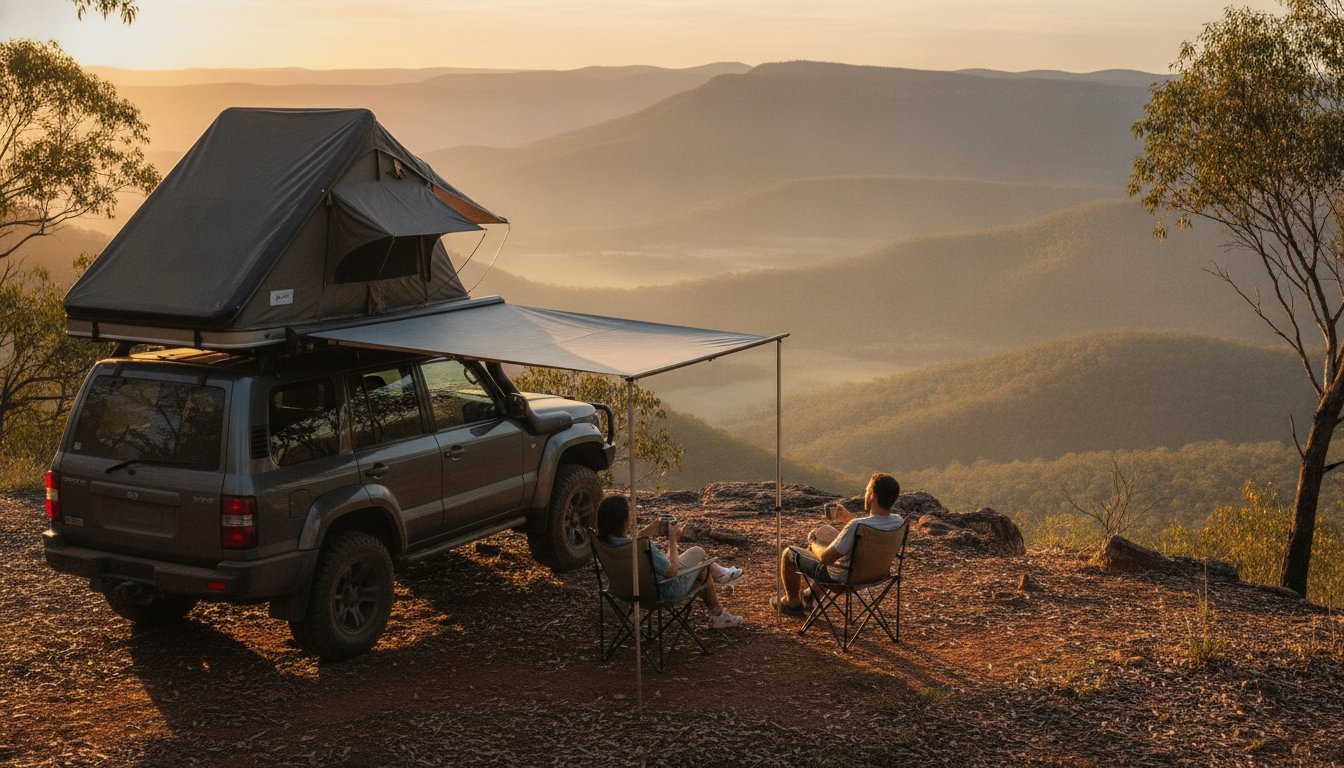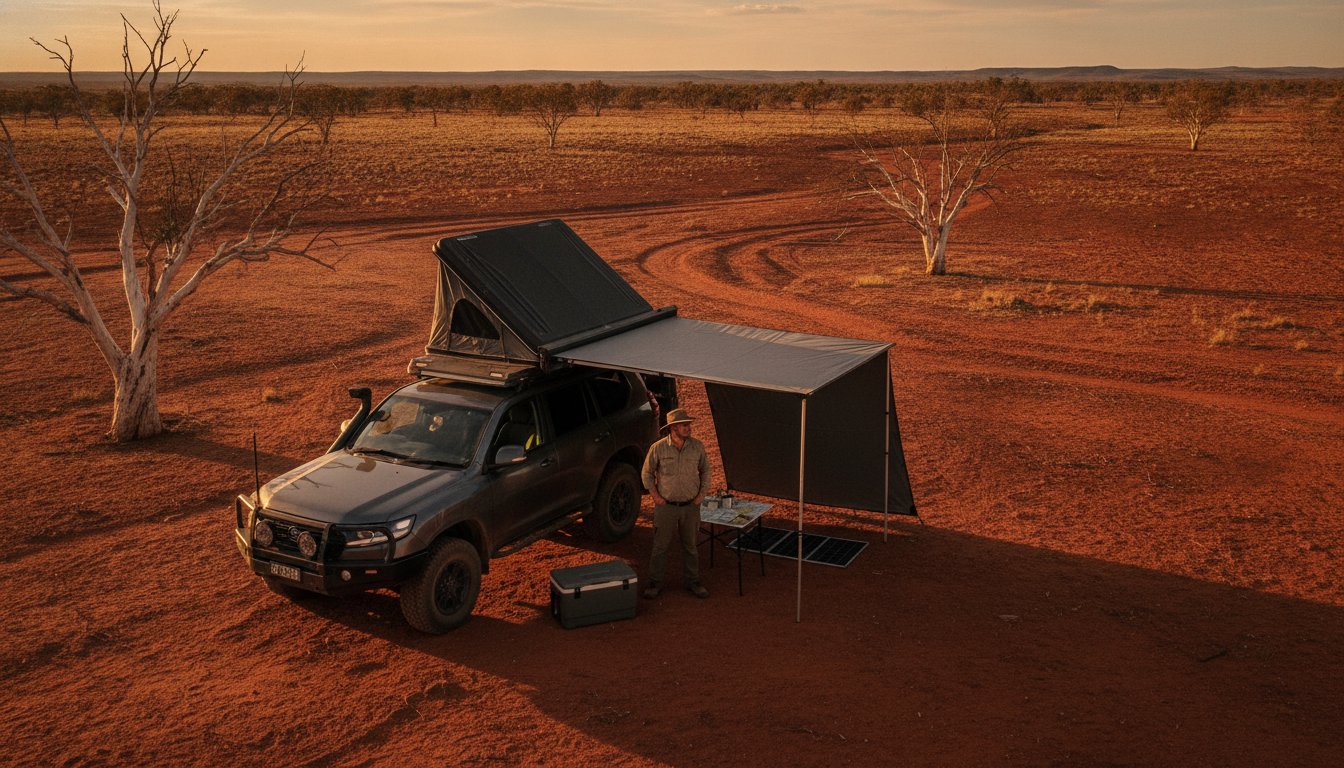
You’re huddled in your rooftop tent while a sudden downpour lashes the canvas, trying to peel off wet jeans without dragging half the mud from the track onto your clean bedding. It’s a cramped, frustrating dance that many of us in the community have performed. While over 33% of Australian off-road vehicle owners now use rooftop tents, many still struggle with the lack of “living room” space when the weather turns. This roof top tent with annex room review dives deep into whether adding a “downstairs” level is the right move for your specific camping style and comfort.
We understand the hesitation. You want the luxury of a private changing room and a secure spot for the portable toilet, but you don’t want to double your setup time at every camp. We’ll show you how an annex can transform your rig from a simple sleeping pod into a functional, multi-story home for every Adventurerz member. You’ll learn which models, like the San Hima CapeTop or the Adventure Kings Tourer X, offer the best balance of space and simplicity. Let’s find out if that extra room is the missing piece for your next remote adventure!
Key Takeaways
- Discover how shifting to a “Basecamp” philosophy transforms your setup from a simple sleeping pod into a weather-proof living space for extended remote stays.
- Learn why heavy-duty materials like 420D poly-oxford and secure attachment systems are non-negotiable for withstanding harsh Australian conditions.
- Our roof top tent with annex room review breaks down the “One-Night Stand” rule so you’ll know exactly when that extra setup time is worth the effort.
- Master the “Mudroom” layout to keep red dust out of your bedding while ensuring your camp setup follows Leave No Trace principles on fragile terrain.
- Stay safe and legal by matching annex size to your crew and verifying your vehicle’s static versus dynamic load ratings before you head out.
Table of Contents
- The Evolution of the Roof Top Tent: Why the Annex Room is a Game-Changer
- Evaluating the Best Roof Top Tents with Annexes: Our Expert Review Criteria
- The Setup Challenge: Is the Extra Space Worth the Effort?
- Maximising Your Annex: Practical Layouts for Australian Remote Travel
- Finding Your Perfect Setup: Choosing a Roof Top Tent for Your Next Adventure
The Evolution of the Roof Top Tent: Why the Annex Room is a Game-Changer
We’ve watched the outdoor scene shift dramatically over the last few years. What started as a niche way to stay off the ground has become a staple of the Australian touring scene. The Evolution of the Roof Top Tent shows that while the core concept remains simple, the accessories are where the real innovation happens. An annex room is essentially a detachable fabric “skirt” that zips or slides onto the overhang of your tent, creating a fully enclosed ground-level room. This simple addition is the foundation of the “Basecamp” philosophy. Instead of just having a place to sleep, you suddenly have a multi-story home that allows you to settle into a location for days rather than just hours. If you are researching a roof top tent with annex room review, you’ll quickly see that this extra space is about more than just square footage; it’s about versatility.
In 2026, we’re seeing a massive surge in integrated annex designs. While some competitors claim these are only for soft-shell models, modern hard-shell tents now feature dedicated tracks for quick-attach rooms. This roof top tent with annex room review highlights why this shift matters. Psychologically, having a “downstairs” area changes your relationship with the campsite. You aren’t confined to a 1.4-metre wide mattress when the flies get thick or the wind picks up. It gives us a sense of permanence and security, especially in exposed coastal spots or the wide-open interior where the horizon feels endless.
Living Space vs. Storage: How You’ll Actually Use It
An annex isn’t just for extra beds. We often use ours to solve the common pain points of remote travel. Here is how that extra space typically functions in the wild:
- The Sheltered Kitchen: Keep your stove out of the wind and the cook dry during sudden afternoon storms.
- The Privacy Hub: A dedicated changing room where you can stand up fully, which is essential for family camping or busy caravan parks.
- Secure Storage: Stash your recovery gear, fridge, and boots overnight to keep them out of the vehicle’s cabin without leaving them exposed to dingoes or the elements.
Weather Protection Beyond the Rain
While most people think of rain, the annex is a champion against the wind and sun. By enclosing the ladder area, you significantly reduce the wind-chill effect on the tent floor; this makes those cold desert nights much more bearable. In high-UV environments like the Kimberley or the Pilbara, the annex provides a shaded sanctuary that breathes better than the inside of a car. It acts as a massive windbreak, allowing us to socialise or check maps without fighting a flapping gazebo. If you’re looking for the best roof top tents for long-term travel, an annex-ready model is often the smartest choice to avoid gear regret after your first dusty week on the road.
Evaluating the Best Roof Top Tents with Annexes: Our Expert Review Criteria
We don’t just look at the floor plan when we test gear. We look at the build quality that keeps you safe and comfortable in the bush. In any roof top tent with annex room review, the first thing we inspect is the material thickness. For the harsh Australian sun, 420D poly-oxford or a heavy-duty ripstop canvas is non-negotiable. Anything thinner will likely degrade under the intense UV we face in the outback. We also look for attachment systems that don’t fail when the wind picks up. While velcro is okay for light use, we prefer sail-track or heavy-duty zippers to ensure the annex stays connected to the main tent body during a coastal gale.
The “Ground Gap” is a common frustration we see in the community that many generic reviews miss. If you’ve modified your rig with a lift kit and larger tyres, a standard annex might hang 20cm off the ground. We always recommend checking the “drop height” of the annex before buying. A secure, removable PVC floor is great for keeping out snakes and scorpions, but it’s useless if it doesn’t reach the dirt. Some brands offer extension skirts; these are worth investigating if your vehicle sits high. Even when looking at official park regulations for roof top tents overseas, the emphasis is often on having a contained, professional setup that fits the environment properly. This principle applies at home too. A well-fitted annex helps us maintain a tidy camp and minimises our footprint on fragile terrain.
Fabric and Durability in Remote Conditions
We demand a high Hydrostatic Head (HH) rating of at least 2000mm for our gear. Taped seams on the annex roof are a must to prevent those annoying drips during a midnight storm. You also need to balance this durability with your vehicle’s roof load limits. Remember that the combined weight of your tent, annex, and rack must stay within the manufacturer’s dynamic load rating while you’re moving. It’s a delicate balance between a hardy shelter and a safe vehicle.
Ventilation and Insect Protection
There is nothing worse than a humid annex filled with sandflies. We look for midge-proof mesh that is fine enough to keep the tiny biters out but strong enough to withstand years of use. High-level vents are critical to prevent condensation from building up “downstairs” when you have the doors zipped shut. If you find the full annex is too much work for a quick lunch stop, you might prefer the open airflow of the best 4wd awnings instead. For those committed to the full setup, we suggest browsing our latest roof top tents recommendations to find a model that prioritises superior airflow and reliable protection.
The Setup Challenge: Is the Extra Space Worth the Effort?
We’ve all seen those fast-forwarded videos where a full camp setup happens in seconds. In reality, adding an annex is a commitment that requires a bit of sweat equity. While a standard RTT might pop open in three minutes, adding the “downstairs” usually requires an additional 10 to 15 minutes of work. This includes zipping the panels, pegging out the floor, and adjusting the tension to suit uneven ground. In our roof top tent with annex room review process, we’ve found that this extra time is the biggest hurdle for new campers. That’s why we live by the “One-Night Stand” Rule: if we’re moving camp every single morning, the annex stays in the bag. If we’re staying for two nights or more, the comfort of that extra room becomes essential for our sanity.
Managing the bulk of the fabric is the primary objection we hear from the community. A heavy-duty annex can be cumbersome, especially when it’s wet or covered in red dust. However, the trade-off is a weather-proof sanctuary that keeps your sleeping area pristine. We’ve found that the key to a successful setup is having a clear workflow. Don’t rush the pegging process. If the floor isn’t taut, you’ll trip over the fabric all night. Taking that extra five minutes to square everything up makes the space feel like a room rather than a flapping bag.
Zippers vs. Tracks: Which is Faster?
Zippers are the gold standard for weather sealing. They create a near-seamless barrier against wind and rain, which is vital in coastal camps. However, they can be finicky if sand or salt spray gets into the teeth. Slotted track systems are often more durable and easier to align on uneven ground, though they might leave small gaps where a draft can sneak through. We always keep a stick of beeswax or a can of dry silicone spray in the glovebox. A quick wipe down the zipper teeth prevents those “stuck-in-the-bush” moments when you’re trying to pack up in a hurry before a storm hits.
Managing the Pack-Down Workflow
Managing the bulk is where most people struggle. We recommend the “Clean and Dry” method. If your annex is wet from morning dew or rain, do not fold it into the main tent. It will cause mould to grow on your mattress, which is a nightmare to clean. Instead, store it in a separate heavy-duty bag. This also helps with vehicle weight distribution; you can stash the heavy fabric lower in the car rather than adding more weight to the roof rack. For those looking at integrated models that simplify this process, our guide on roof top tents highlights the latest designs that make packing away a breeze. Being methodical during the pack-down ensures your gear stays in top condition for years of exploration.
Maximising Your Annex: Practical Layouts for Australian Remote Travel
An annex isn’t just about adding square metres; it’s about tactical organisation. When we conduct a roof top tent with annex room review, we focus heavily on how that ground-level space serves as a barrier between the harsh Australian environment and your pristine sleeping quarters. We call this the ‘Mudroom’ concept. By establishing a dedicated zone for shedding dusty boots and sandy recovery gear, you ensure that your mattress remains a sanctuary. This layout is especially vital for Leave No Trace camping. Using an annex with a heavy-duty floor allows us to contain our daily footprint, preventing greywater or food scraps from impacting the fragile topsoil of our beautiful national parks.
The Mud-Free Zone Strategy
We’ve found that a multi-layer matting system is the secret to success. Place a recycled plastic mesh mat outside the annex door to catch the bulk of the grit, then use a soft, absorbent mat inside for final foot-cleaning. This setup creates a transition zone that keeps the ‘upstairs’ area significantly cleaner. It’s also the perfect spot to stash wet gear or bulky items that would otherwise clutter your vehicle. If you’re currently in the mapping phase of your trip, check out The Ultimate Adventure Travel Planner to find the best spots for testing your new layout. Keeping your gear organised on the road reduces stress and lets you focus on the horizon.
Safe Cooking and Ventilation
While the annex offers a fantastic sheltered kitchen area during a blow, safety is paramount. We must emphasize that you should never use gas heaters in an enclosed annex due to carbon monoxide risks. When cooking, always position your stove near a window or door to ensure maximum airflow. Most high-quality annexes are built with fire-retardant materials, but constant vigilance is still required. Creating a self-contained ensuite is another popular layout; it provides much-needed privacy for a portable toilet or a quick sponge bath away from prying eyes. This level of utility makes the extra setup time feel like a minor trade-off for a major lifestyle upgrade. If you are still weighing up your options, our roof top tent with annex room review findings suggest that the added privacy alone often justifies the investment.
Ready to dial in your remote setup? We invite you to explore our latest gear recommendations to find the perfect match for your vehicle and travel goals.
Finding Your Perfect Setup: Choosing a Roof Top Tent for Your Next Adventure
Choosing the right gear is the final step in your journey toward self-reliance on the road. When you dive into a roof top tent with annex room review, it’s easy to get lost in the technical specs, but we always start with the size of your crew. A 2-person tent with a compact annex is perfect for a solo explorer or a couple who wants a private changing room. However, if you’re travelling as a family of four, that ground-level space becomes a vital second bedroom. We’ve seen many families successfully use the annex to house extra stretchers for the kids, which keeps the “upstairs” area exclusively for the parents. Matching the annex volume to your group size ensures you aren’t carrying more weight than you actually need.
Vehicle height is the most common technical hurdle we see in our community. Large 4WDs with suspension lifts and oversized tyres require annexes with a longer “drop” to reach the ground properly. Conversely, if you’re mounting a tent on a small SUV, a standard annex might bunch up at the bottom, creating a trip hazard and a messy camp. We also urge you to double-check your roof rack ratings. You must stay within the manufacturer’s dynamic load rating while driving, but don’t forget the static load rating. This is the weight the rack can support when the vehicle is stationary and your family is tucked into bed. It’s a critical safety check that prevents expensive damage to your roof gutters or rails.
Matching the Tent to Your Vehicle
The size of your rig dictates the size of your camp. While a large 4WD can handle a massive “L-shaped” annex, it also increases your total camp footprint. This can be a challenge in tight, timbered campsites or popular coastal spots. We’ve found that a more streamlined setup often allows us to access more secluded locations. If you find that the setup process or the height restrictions are becoming a burden, you might occasionally prefer the ease of the Best Resorts in Australia for those trips where you want a solid roof over your head. Finding the balance between rugged exploration and comfort is what keeps the adventure alive.
The Adventurerz Perspective on Gear Longevity
Our verdict on any roof top tent with annex room review always comes down to durability and repairability. We advocate for brands that provide readily available spare parts, such as replacement zippers, poles, and ladders. The environmental cost of “disposable” camping gear is too high for our fragile landscapes. We believe in buying gear that lasts a decade, not just a season. By choosing high-quality materials and maintaining them properly, we reduce our impact and stay safer in isolated locations. We want to see your setups in the wild! Join our community today to share your own roof top tents reviews and help your fellow explorers avoid gear regret on their next big escape.
Ready to Elevate Your Remote Basecamp?
Adding an annex room is a strategic move that shifts your setup from a simple sleeping pod to a fully functional multi-story home. We’ve explored how a dedicated downstairs area serves as a critical “Mudroom” to keep red dust out of your bedding while protecting fragile environments from your camp footprint. While the extra 10 to 15 minutes of setup time might feel like a hurdle, the psychological benefit of a private changing space and a sheltered kitchen is undeniable for extended stays. This roof top tent with annex room review highlights that the right choice always balances your vehicle’s load limits with the need for high-quality, repairable materials.
We are dedicated to providing expert 4WD gear analysis and community-vetted recommendations that focus on sustainable Australian travel. By choosing gear that prioritises longevity over low entry prices, we ensure our community explores the landscape responsibly. Are you ready to dial in your rig for the next crossing?
Explore our expert Roof Top Tent reviews and community recommendations
Stay safe on the tracks, and we’ll see you out there under the stars!
Frequently Asked Questions
Can I leave the annex attached to the roof top tent when I fold it up?
Generally, you cannot leave the annex attached when folding your tent. Most annexes are far too bulky to fit inside a hard or soft shell without stressing the zippers or preventing the latches from closing properly. We recommend storing the annex in a separate heavy-duty bag. This keeps your mattress dry and allows you to stash the weight lower in your vehicle to improve your centre of gravity on the tracks.
Will an annex room fit on any brand of roof top tent?
Most annex rooms are proprietary and won’t fit a different brand of tent. Zipper lengths, teeth sizes, and track heights vary wildly between manufacturers. While some aftermarket “universal” walls exist, we’ve found they rarely provide a weather-proof seal. During our roof top tent with annex room review, we noted that a factory-matched annex is always the most reliable way to ensure your downstairs area stays dry and secure.
How do I stop my annex from leaking during heavy rain?
Seasoning your canvas is the first step to preventing leaks. Thoroughly soak the material with a hose and let it dry completely; this makes the threads swell and seal the needle holes. If you still notice drips, apply a quality seam sealer to the internal joins. Always peg the annex out tightly so water runs off easily instead of pooling on the roof and putting pressure on the seams.
Is it safe to sleep in the annex room on the ground?
Sleeping on the ground in an annex is safe provided you have a model with a fully zipped-in PVC floor. This barrier keeps out dampness and local insects. We remind our community that ground sleeping doesn’t offer the same protection from curious wildlife as the “upstairs” mattress. If you have extra guests, ensure they use high-quality stretchers to stay off the cold ground and maintain a clean camp footprint.
What is the best way to clean a canvas annex after a dusty trip?
Clean your annex with a soft-bristled brush and cold water only. Never use soaps or detergents as they strip the waterproofing and can harm the local soil when you rinse. If you’ve been through heavy red dust, a thorough hose-down once you’re back home is essential. Most importantly, ensure every panel is bone-dry before packing it away for the season to prevent mould from destroying the canvas.
Do I need a special roof rack to support a tent with an annex?
You must verify that your roof rack can support the combined static and dynamic loads of your tent and annex. While a standard rack might handle the tent alone, the extra weight of the annex and the people inside requires a robust system. We recommend heavy-duty platforms that distribute weight across the vehicle’s gutters or rails. This setup ensures your rig remains stable during high-speed highway travel and rugged off-road sections.
How do I handle an annex if my vehicle is extra high or lifted?
If your 4WD is lifted, you’ll need an annex with an extension skirt or adjustable height. Standard annexes are designed for factory-height vehicles and may hang short on a rig with a suspension lift and larger tyres. Check the manufacturer’s “drop height” before buying. In our roof top tent with annex room review, we found that using extension panels is the only way to ensure a proper seal against wind and dust.