The most expensive rooftop tent in the world won’t help you when you’re bogged in a remote wash with no one to call for a winch. You’ve likely spent hours prepping your rig and scouting maps, yet the transition from a solo explorer to a member of a trusted convoy often feels like a steep climb. It’s natural to feel intimidated by “hardcore” groups or worry about accidentally breaking an unwritten trail rule. We understand that loneliness on a remote track can dampen even the most spectacular sunset. If you’re wondering how to make friends in the overlanding community without feeling like an intruder, you aren’t alone.
We believe that true fellowship is built on a shared commitment to self-reliance and environmental stewardship. This guide will show you how to find your tribe by focusing on authentic connection and responsible exploration. You’ll learn the essential trail etiquette that earns respect from veterans and discover where to find reliable partners who share your values. From understanding the 2026 updates to public land access to joining local meetups, we’re helping you move from the sidelines to the heart of the Adventurerz circle.
Key Takeaways
- Understand the vital safety and psychological benefits of transitioning from a solo explorer to a member of a reliable overlanding convoy.
- Master the “Lurk then Leap” strategy on digital forums to learn how to make friends in the overlanding community before you even hit the trail.
- Earn immediate respect from veterans by practicing the Overlander’s Code, which prioritizes environmental stewardship and helpful trail etiquette.
- Identify the most effective 2026 overlanding expos and local clubs to turn your digital connections into real-world adventures across Australia.
- Leverage expert gear reviews and our travel planner to find a tribe that shares your commitment to high-quality equipment and sustainable exploration.
Table of Contents
Why Community is the Ultimate Overlanding Accessory
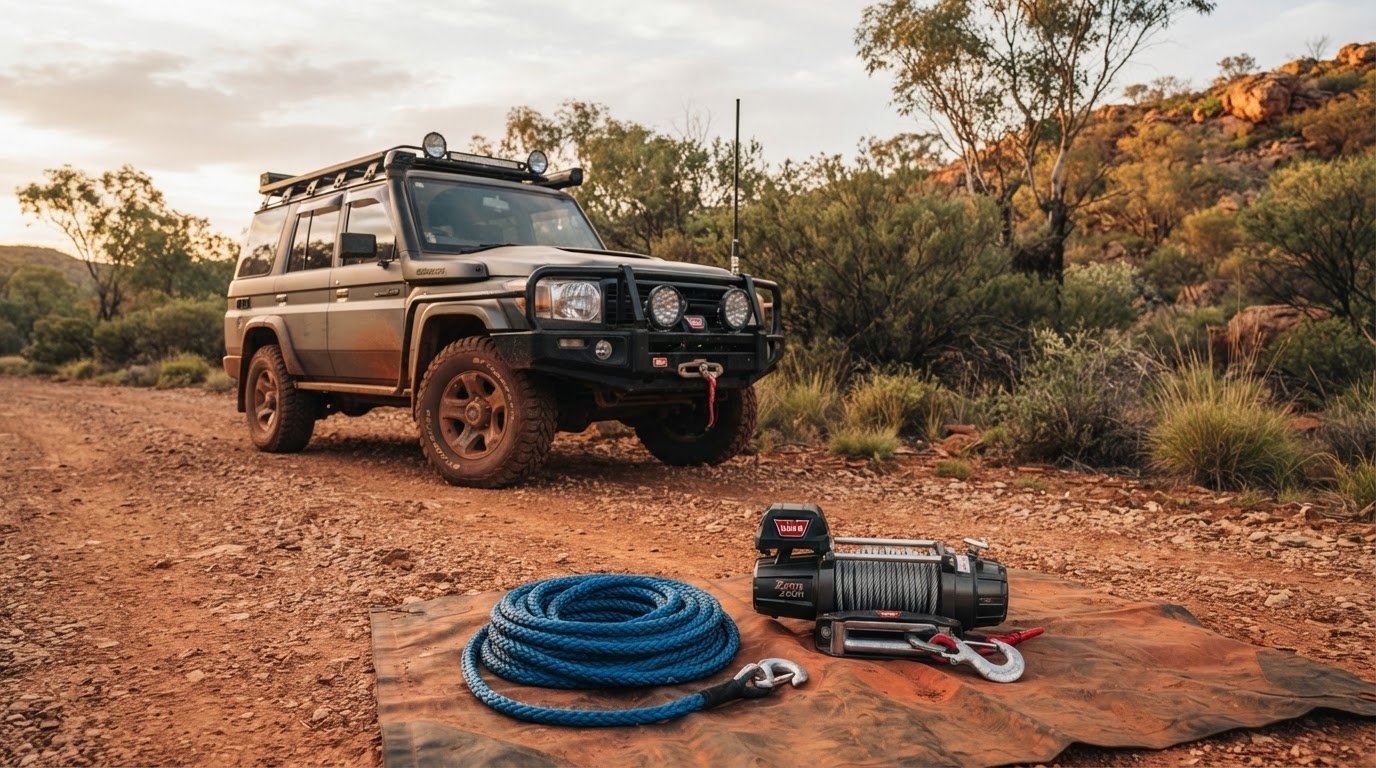
Solo exploration has its charms, but a profound psychological shift happens when you join a convoy. You move from being an isolated traveler to part of a collective. This sense of belonging is a core part of What is Overlanding? as a lifestyle. Beyond the campfire stories, a community is your best insurance policy. In the remote Australian Outback, a mechanical failure or a tricky bogging isn’t just an inconvenience; it can be a genuine emergency. Having a reliable group means you have a winch, a second set of tools, and a second brain to troubleshoot navigation errors. Learning how to make friends in the overlanding community isn’t just about social hour. It’s about building a safety net of shared expertise that keeps everyone moving forward.
At Adventurerz, we believe that your tribe is as essential as your recovery boards. Our philosophy centers on building a lifestyle identity through shared outdoor ethics. We aren’t just driving through the dirt. We’re protecting the tracks we love. When you travel with a group that shares these values, the experience becomes more meaningful. You aren’t just checking off a destination. You’re participating in a tradition of self-reliance and environmental respect. It’s about knowing that the person in the rig behind you has your back, whether you’re swapping stories or swapping a tire.
The Role of Shared Values in Modern Overlanding
Environmental accountability is the new social currency in 2026. Trust is earned the moment you see a fellow traveler pick up stray litter or stick strictly to the established track. We’ve seen a massive transition from a “tourist” mindset to a “steward” mindset. Immediate bonds form when you realize your camp neighbors also live by “Leave No Trace” principles. This shared commitment creates a foundation of respect that transcends gear or experience levels. It proves you’re out there for the right reasons.
Overcoming the ‘Rig Envy’ Barrier
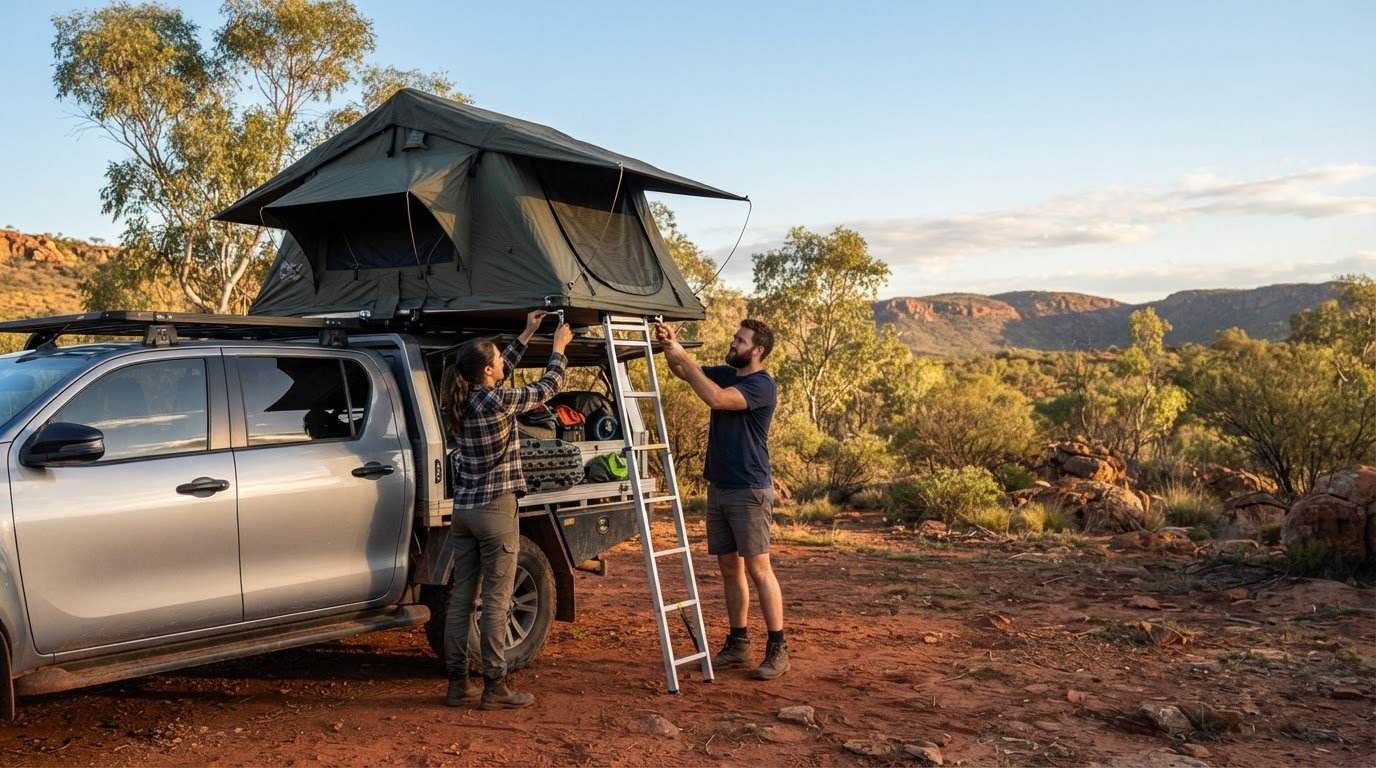
Rig envy is real, but it’s a trap. You don’t need a $100k vehicle to find your place in the circle. In fact, a well-used, modest setup often earns more respect than a “pavement princess” that’s never seen a corrugated road. We value capability and self-reliance over expensive modifications. Whether you’re sleeping in one of the latest roof top tents or a simple swag, your attitude matters more than your invoice. When you’re figuring out how to make friends in the overlanding community, focus on your skills and your willingness to help others. That’s what builds a lasting reputation on the trail.
Digital Basecamps: Where to Connect Online First
Before you air down your tires for the first time, your journey starts at the digital basecamp. We’ve found that the most successful way to learn how to make friends in the overlanding community is to begin in the online spaces where veterans share their hard-won knowledge. High-value forums like Expedition Portal or Australian-specific hubs provide a wealth of technical and social data. These aren’t just places to ask about tire pressures; they’re the front porch of the community. By engaging here, you build a digital presence that makes that first in-person handshake feel like a reunion rather than a cold introduction.
We recommend the ‘Lurk then Leap’ strategy. Spend time reading threads and understanding the local culture before you start posting. This helps you grasp the nuance of specific groups and avoids the common pitfalls of asking questions that have been answered a thousand times. When you finally do leap, you’ll be doing so with context and respect. It’s a methodical approach that mirrors the way we prepare for a remote track. You wouldn’t head into the Simpson Desert without checking the latest reports, and your social approach should be just as prepared.
Social media is a powerful tool for real-time updates, but don’t let it become a comparison trap. Your rig’s journey is your own. We use these groups to monitor track conditions or find spontaneous meetups, not to measure our worth by someone else’s build list. If you’re looking for expert advice on what gear actually survives the rigors of the bush, checking out our community gear guides is a great place to start your research.
Top Digital Platforms for Overlanders in 2026
In 2026, the landscape of connection has evolved. While Facebook groups remain active for local weekend runs, specialized 4WD forums are where the deep technical conversations happen. We’re also seeing the rise of community-driven apps that integrate social networking with navigation, allowing you to see which fellow Adventurerz are on the trail near you in real-time. Digital spaces are also the best way to track major events like Overland Expo Mtn West, happening August 21-23, 2026, or Overland Expo East on October 23-25, 2026. These rallies are the ultimate physical manifestation of our digital connections.
Building Digital Credibility
Your reputation starts with what you contribute. Sharing honest trip reports or insights on equipment, like your experience with 4wd awnings, adds genuine value to the collective. Be authentic about your experience level; there’s no shame in being a novice. In fact, the community often rallies around those who are eager to learn. To maintain a positive reputation, avoid ‘keyboard warrior’ tropes. Instead, ground your interactions in the Tread Lightly! T.R.E.A.D. Principles. When you demonstrate that you value the land as much as the drive, you’ll find that the community opens its doors much wider.
Trail Etiquette: The Unwritten Rules of Social Overlanding
Respect on the trail isn’t just about following the law; it’s about the unwritten code that keeps our community thriving. Learning how to make friends in the overlanding community starts with demonstrating that you’re a responsible, observant traveler. This “Overlander’s Code” is built on three pillars: respect for the land, assistance to others, and environmental stewardship. It’s the difference between being a transient visitor and a valued peer. When you show up with the right attitude, you’ll find that doors open and campfires are shared more freely.
Your actions on the track speak louder than any gear list. Following established BLM guidelines for off-road travel ensures you’re protecting the environment while respecting other users. This includes staying on designated tracks and managing your waste with total accountability. If you see someone struggling with a recovery or a flat tire, stop. Offering a hand with a compressor or a jack is the single most effective way to forge a lifelong bond. These moments of mutual aid are where real friendships are born; they prove you’re someone to be counted on when the going gets tough.
Campsite Boundaries and Social Cues
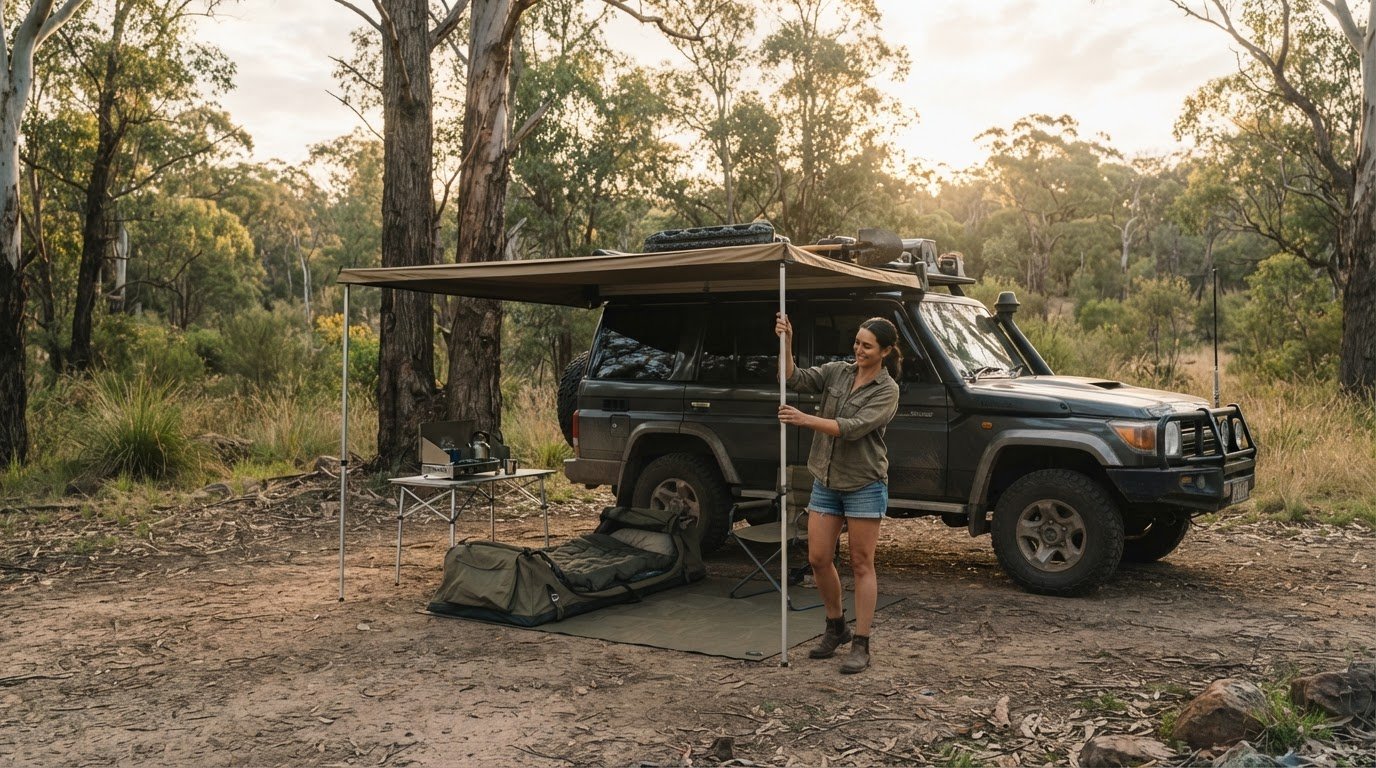
Approaching a campsite is an art form. The golden rule is distance. If you can hear their music or smell their fire, you’re likely too close. Aim to park far enough away to maintain privacy, yet close enough for a friendly wave. Read the vibe before you walk over. A solo traveler with a book probably wants solitude. A group with their 4wd awnings deployed and chairs in a circle is often open to a chat. Offer help if you see them working on their rig, but avoid unsolicited advice. Let the conversation flow naturally over shared interests.
Communication on the Move
Your UHF radio is your social lifeline. Use Channel 40 for general highway travel and truckie alerts. On the tracks, Channel 10 is often the standard for convoys or within national parks. Keep your transmissions brief and professional. Signal your intent clearly when passing and always offer a quick “thank you” when someone pulls over to let you through. When you’ve found a great spot for the night, deploying your awning can act as a visual signal for a social “happy hour.” This proactive communication is key to how to make friends in the overlanding community while ensuring everyone stays safe and informed on remote tracks.
Real-World Meetups: Transitioning from Screen to Sand
Moving from digital forums to the actual track is where the real magic happens. While online groups build the foundation, nothing beats the camaraderie of a shared campfire or a difficult recovery. If you’re looking for how to make friends in the overlanding community, national events are your best entry point. Major rallies like Overland Expo Mtn West (August 21-23, 2026) or Overland Expo East (October 23-25, 2026) offer a concentrated dose of community. With day passes starting as low as $29 for Friday or Sunday at Mtn West, these shows are accessible spaces to meet experts and fellow enthusiasts. You’ll find thousands of people who share your passion for remote travel and specialized gear.
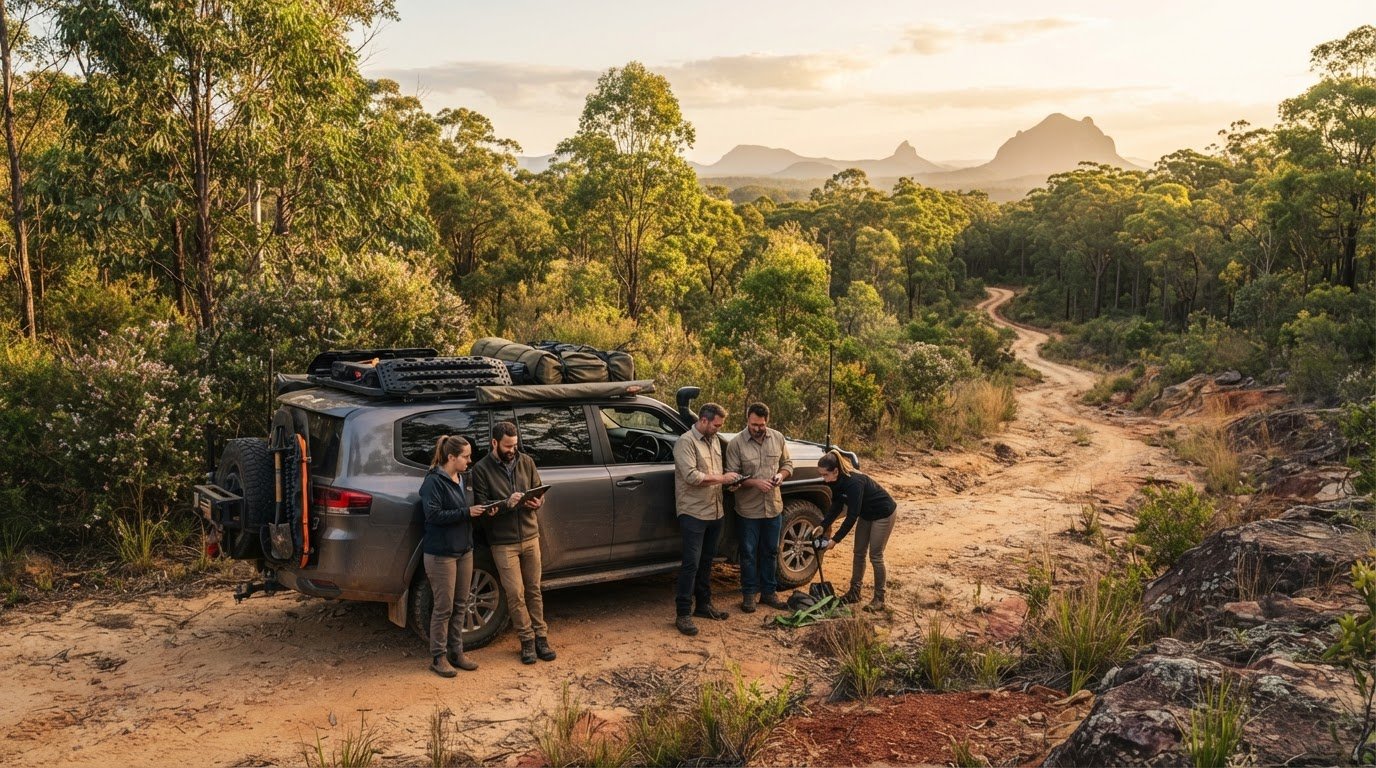
Participating in a track cleanup day is perhaps the fastest way to earn respect. When you volunteer your time to maintain the trails we all love, you signal that you’re a steward, not just a tourist. This aligns perfectly with the “Leave No Trace” ethics we discussed earlier. It’s a low-pressure environment where the focus is on a shared goal, making conversation feel natural and unforced. Once you’ve made a few connections, consider organizing a low-stakes ‘Tag-Along’ trip. Keep the itinerary inclusive and focus on a well-known route to build confidence within your new tribe.
Finding the Right Club for Your Style
Not all clubs are created equal. Some focus on ‘hardcore’ rock-crawling and technical challenges, while others prioritize long-distance touring and family-friendly camping. Before you join, ask about their culture. Do they have formal training programs? What are their views on environmental accountability? The benefits of a structured club often include group insurance, expert-led recovery training, and a calendar of pre-vetted itineraries. It’s a great way to bridge the gap between solo travel and the safety of a convoy.
Conversation Starters for the Trail
Gear is the universal language of our community. Asking a neighbor about their setup, particularly their choice in roof top tents, is an easy ice-breaker. People love sharing why they chose specific modifications or how their equipment handles the Australian bush. Swapping ‘beta’ on track conditions or hidden gems you’ve discovered creates immediate value. Finally, never underestimate the power of a shared meal. Inviting someone to join your communal fire for a coffee or a quick snack is how the most durable bonds are forged. For more ideas on where to take your new tribe, explore our latest Australian adventure guides.
Building a Sustainable Adventure Tribe with Adventurerz
Finding your people is just the first step. Creating a lasting, sustainable tribe requires a commitment to the same principles that brought you together. We’ve seen that the most resilient groups are those that align on gear standards and environmental accountability. By using our expert reviews on equipment like roof top tents and 4wd awnings, you ensure your convoy is equipped for durability and minimal impact. When everyone in the group values high-quality, reliable gear, you spend less time on trailside repairs and more time enjoying the destination. Knowing how to make friends in the overlanding community is a skill that evolves into leadership as you begin to coordinate your own journeys.
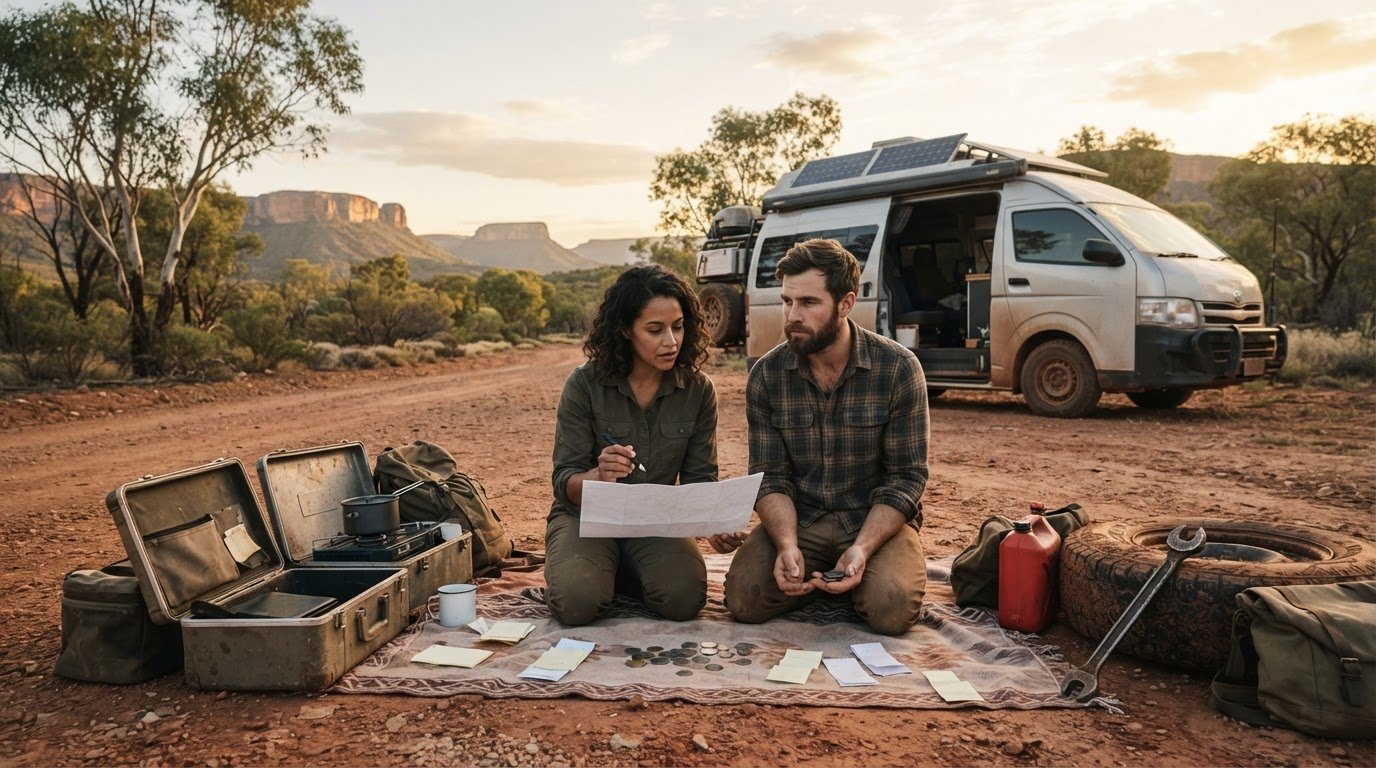
Coordination is the backbone of any successful remote escape. To help bridge the gap between a casual chat and a fully realized expedition, we’ve developed a comprehensive travel planner. This tool is designed to help you map out fuel stops, water requirements, and “Leave No Trace” campsites, ensuring your first group trip is as safe as it is memorable. It’s about moving beyond the screen and into the sand with a clear, methodical plan that everyone can follow. This level of preparation builds trust within your new circle, proving you’re a reliable partner for the most isolated tracks.
Planning Your First Group Expedition
Success lies in the details. When you lead your first trip, set clear expectations regarding pace and environmental impact from the start. We recommend choosing routes that accommodate the least experienced member of your convoy. This inclusive approach builds confidence and prevents the “hardcore” intimidation factor that often keeps people on the sidelines. Use our Australian adventure guides to find isolated locations that foster deep connection away from the crowds. Remember, a well-paced trip with frequent social stops is often more rewarding than a high-speed dash to the finish line.
Becoming a Mentor in the Community
The health of our community depends on the cycle of mentorship. As you gain experience, look for opportunities to guide those who are just starting out. Share your knowledge of track navigation or gear maintenance without being condescending. Welcome newcomers with open arms and teach them the sustainable practices that keep our tracks open. By contributing your trip reports and lessons learned back to the Adventurerz hub, you help maintain the vibrant, supportive atmosphere that makes this lifestyle so rewarding. You were once the solo explorer looking for a tribe; now, you’re the one helping others figure out how to make friends in the overlanding community.
The best part of overlanding isn’t the rig or the view; it’s the person sitting across the fire from you. The friendships forged in the dust of a remote track are some of the most durable you’ll ever have. We’re proud to be your guide on this shared path toward responsible, community-driven exploration. Whether you’re swapping recovery stories or planning your next 2026 escape, remember that we’re all in this together. See you on the trail!
Hit the Track with Your New Tribe
Transitioning from a solo explorer to a member of a trusted convoy is about more than just equipment. It’s about a shared commitment to self-reliance and protecting the rugged environments we love. By mastering digital connection and following the unwritten rules of trail etiquette, you’ve already laid the groundwork for lasting fellowship. You’ve learned that the secret to how to make friends in the overlanding community lies in authentic contribution and a willingness to lend a hand when the tracks get tough.
We’re here to support every stage of your journey with expert gear recommendations for self-reliant travel and a deep dedication to sustainable Australian exploration. Our community-first approach ensures you’re never truly alone on a remote adventure. Now that you have the social tools to build your circle, it’s time to map out the route and find your people.
Start planning your next group adventure with our 2026 Travel Planner!
The dust is waiting, and your tribe is out there. Let’s get moving!
Frequently Asked Questions
What is the best way to approach a group at a campsite if I’m solo?
Approach during the day, preferably when the group isn’t busy with a meal or a complex camp setup. A simple “G’day” and a wave from a distance is the best way to gauge their interest in a chat. If they seem open, walk over to introduce yourself, but don’t linger too long unless you’re invited to stay for a coffee or a fire.
Do I need an expensive 4WD to be accepted in the overlanding community?
You absolutely don’t need a high-end vehicle to find your place in the circle. Reliability and a respectful attitude are far more valuable than a massive price tag or a long list of modifications. Many veterans started with basic builds and genuinely appreciate a rig that actually sees the dirt. Focus on self-reliance and trail skills rather than your bank balance.
How do I find local overlanding clubs that focus on touring rather than rock crawling?
Look for clubs that explicitly mention “touring” or “remote camping” in their mission statements on social media or community forums. You can usually tell their focus by looking at their past trip reports and gallery photos. Avoid clubs that only post content of deep mud pits or vertical rock climbs if you prefer the long-distance, scenic travel style.
What are the unwritten rules of using a UHF radio to make friends?
Keep your transmissions short and professional to ensure the airwaves stay clear for safety and emergency alerts. Use Channel 40 for general highway alerts and Channel 10 for national park tracks. A quick “thanks for the pass” or a warning about an upcoming hazard is a great way to start building a positive social reputation on the move.
Is it okay to ask someone about their rooftop tent or 4WD awning setup?
Most overlanders are proud of their rigs and love discussing their gear choices with fellow travelers. Asking someone about the durability of their rooftop tent or how their 4WD awning handles a coastal breeze is a fantastic icebreaker. Just be mindful of their privacy and try to ask your questions while they’re already active outside their vehicle.
How can I find travel buddies who prioritize environmental sustainability?
Join groups that prioritize “Leave No Trace” principles and participate in volunteer track cleanup days. These events are magnets for travelers who value environmental accountability and responsible exploration. It’s a natural way to learn how to make friends in the overlanding community while protecting the tracks we all love to use.
What should I do if I see another overlander struggling with a recovery?
Stop safely and offer your assistance immediately. Ask if they already have a recovery plan in place and if they need a second vehicle, a winch, or a specific piece of gear like a snatch strap. Being the person who stops to help in a difficult situation is the fastest way to build trust and forge a lifelong bond on the trail.
Are there specific overlanding events in Australia for beginners?
Australia hosts several major “Adventure Shows” and 4WD expos annually that are perfect entry points for newcomers. Many local 4WD clubs also hold “open days” or “beginner training weekends” specifically designed to welcome and educate new members. These structured environments take the pressure off and help you meet experienced mentors in a safe, supportive setting.