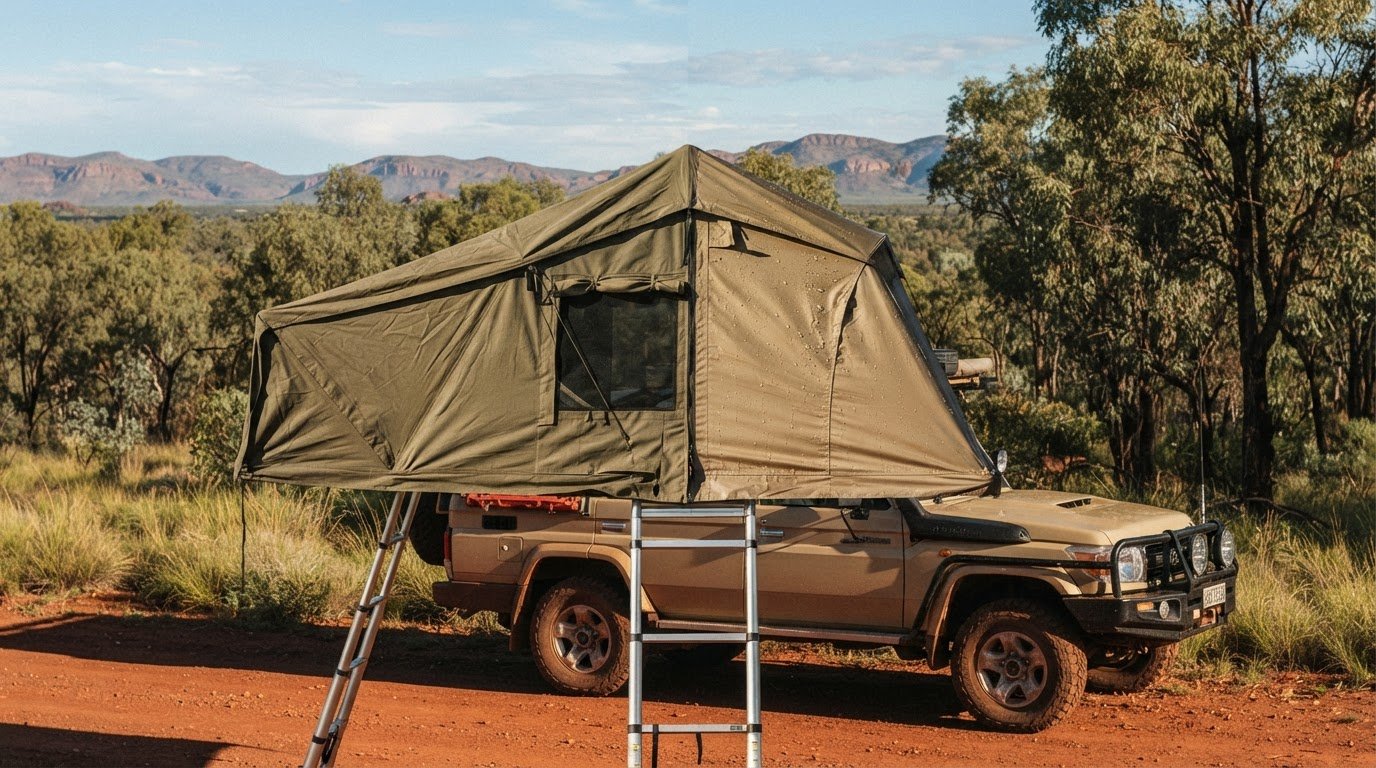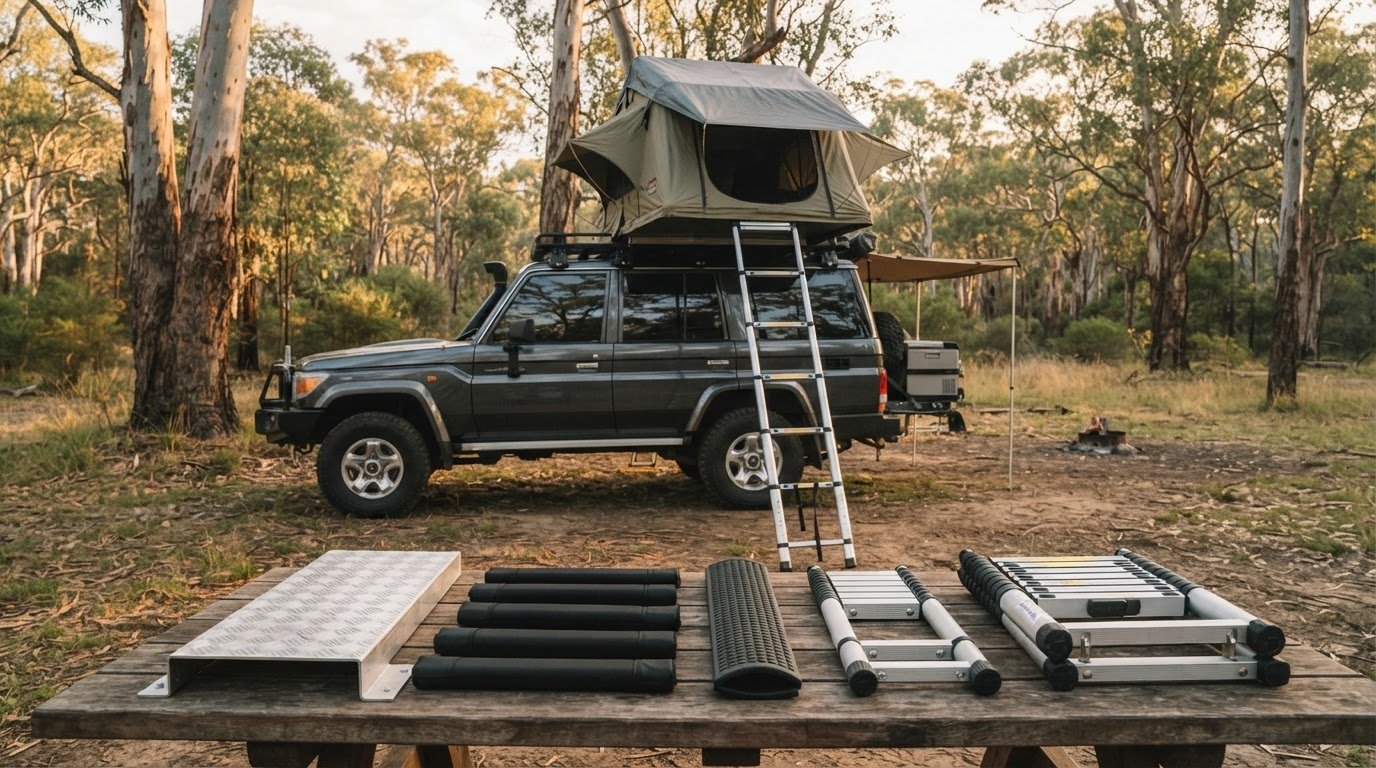
Can you really trust a $1,200 piece of canvas to protect you when a sudden southerly buster hits your remote campsite? We’ve all scrolled through endless listings for the best budget roof top tent Australia can provide, feeling that familiar mix of excitement and skepticism. It’s a common worry among our fellow Adventurerz: will a cheaper model leave you soaked in a midnight downpour or, worse, compromise your vehicle’s safety on a corrugated track? We know the pressure of trying to balance a tight budget with the rugged demands of our unique environment.
Finding a reliable setup in 2026 isn’t about chasing the absolute lowest price tag; it’s about identifying gear that won’t let you down when you’re hundreds of kilometres from the nearest sealed road. We’ve rigorously vetted the latest entry-level options to ensure they meet our standards for UV resistance and structural integrity. In this guide, we’ll show you how to manage dynamic roof load ratings and setup times so you can invest in a durable, waterproof setup that respects both your wallet and our wild places. Get ready to discover which value-driven tents are truly bush-ready for your next adventure.
Key Takeaways
- Define the 2026 “value sweet spot” between $1,500 and $2,000 to help you identify the best budget roof top tent Australia offers without sacrificing your safety.
- Navigate the weight and durability trade-offs between modern budget hard shells and traditional soft shell designs to protect your vehicle’s roof load limits.
- Master the technical must-haves, from minimum 2000mm PU waterproofing ratings to the high-tensile hardware upgrades required for corrugated outback tracks.
- Implement pro-active maintenance habits like canvas seasoning and red-dirt dust sealing to ensure your entry-level investment lasts for years of rugged exploration.
- Learn why we advocate for choosing gear based on durability and environmental ethics rather than just the lowest price tag on the shelf.
Table of Contents
- Redefining Value: Is a Budget Roof Top Tent Right for Your Setup?
- Hard Shell vs. Soft Shell: Decoding Budget Options for Aussie Tracks
- The 5 Essential Criteria for a Reliable Budget Tent
- Maximising Longevity: How to Make Your Budget RTT Last 5+ Years
- Choosing Your Path: Why Adventurerz Values Practicality Over Price Tags
Redefining Value: Is a Budget Roof Top Tent Right for Your Setup?
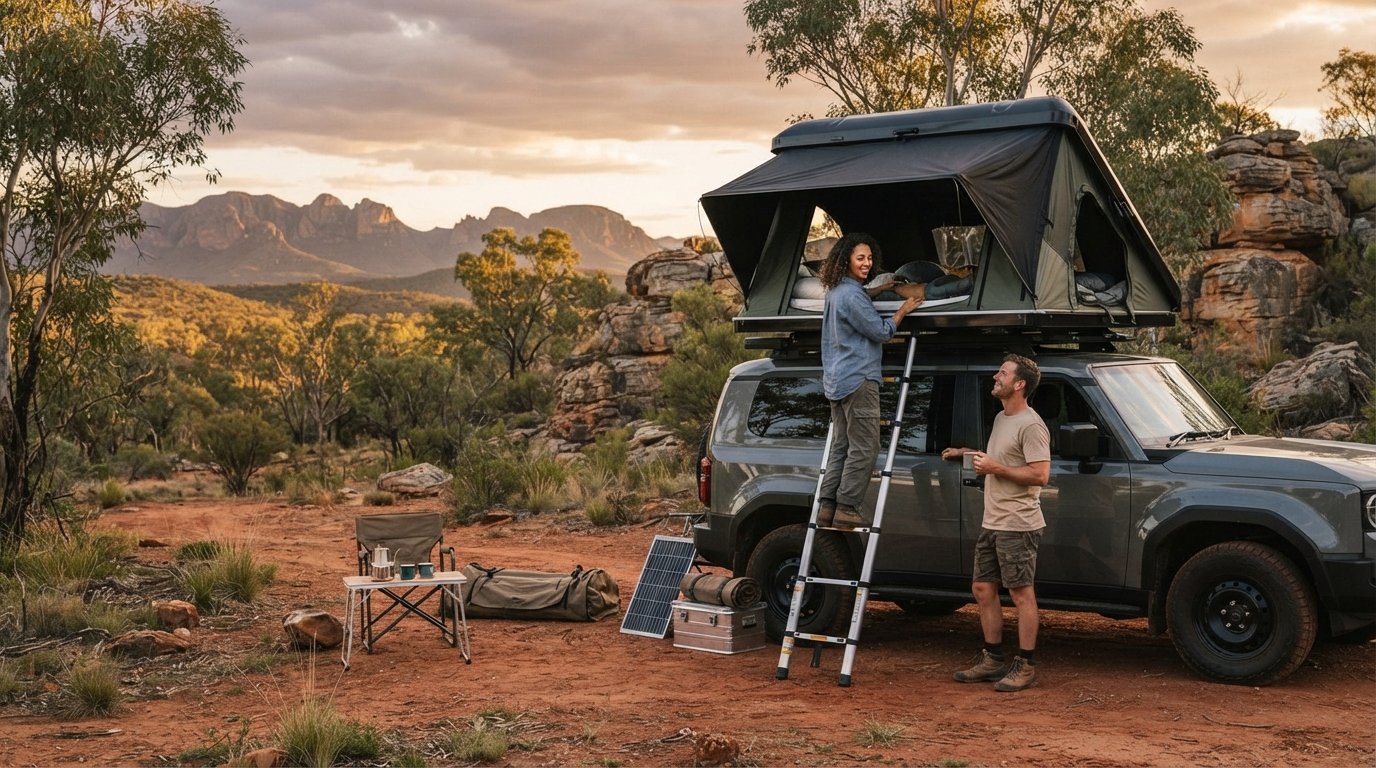
What does “budget” actually mean for us in 2026? We’ve seen the market shift significantly over the last few years. Finding the best budget roof top tent Australia has to offer is no longer about hunting for the absolute lowest price on a generic marketplace. Instead, we define the budget sweet spot as the sub-$1,500 to $2,000 bracket. For most of us, this represents a major entry point into Overlanding, where we swap the hassle of ground tents for the safety and convenience of an elevated sleep. It’s a psychological shift from buying a “cheap” accessory to making a long-term travel investment that enables deeper exploration of our backyard.
We need to think about our camping frequency before we commit. Are you an occasional weekender hitting the local tracks once a month, or are you planning a long-haul trek across the red centre? Choosing a tent that suits your specific rhythm is vital for your vehicle’s performance and your own comfort. We also believe that durability is the ultimate sustainability metric. A “cheap” tent that ends up in a landfill after one season is an environmental disaster we should all strive to avoid. We want gear that survives the corrugations and the sun, trip after trip.
To see how these value principles look in practice, watch this detailed review of a setup that balances cost and performance:
The ‘Cost Per Sleep’ Framework
Calculating the true value of your gear requires looking past the initial checkout price. We use a simple framework to determine if a tent is actually a bargain. Consider this: a $1,200 tent that fails after two years costs you $600 per year. Conversely, a $2,000 model that lasts a decade costs only $200 per year. When you factor in the higher resale value of reputable budget brands, the “expensive” option often wins. We recommend looking for high-quality roof top tents that offer replaceable parts like zips or covers, ensuring your investment stays on the road longer.
Budget vs. Premium: Where Do the Savings Come From?
Understanding where manufacturers cut costs helps us decide which compromises we can live with. Often, the best budget roof top tent Australia provides will use a slightly lighter poly-cotton canvas or generic gas struts rather than name-brand alternatives. While premium tents might offer higher UV-resistance ratings, many budget models still provide excellent protection if you maintain them properly. We always check for 280GSM canvas weight and sturdy aluminium mounting tracks. Most importantly, we look for a local Australian distributor; having someone to call for a warranty claim mid-trip is a hidden value that saves you a fortune in the long run.
Hard Shell vs. Soft Shell: Decoding Budget Options for Aussie Tracks
Choosing between a hard shell and a soft shell design is the first major fork in the road for anyone hunting for the best budget roof top tent Australia has available. In 2026, we’ve seen a massive resurgence in budget-friendly hard shells, which were once the exclusive domain of premium brands. While the price gap is narrowing, the technical trade-offs remain significant. We’ve found that budget hard shells often use heavier ABS plastics or thicker aluminium to keep costs down, whereas premium versions utilise expensive carbon fibre. This means a budget shell might weigh 85kg compared to a 55kg premium model, pushing you closer to your vehicle’s dynamic roof load limit, which typically sits between 50kg and 100kg for most modern 4WDs.
The “Dust Factor” is another reality we must face on corrugated outback roads. Soft shell tents rely on heavy-duty PVC covers secured by zippers or velcro. On remote desert tracks, that fine red dust finds every microscopic gap in a zipper, often resulting in a gritty mattress by the time you reach camp. Hard shells, even budget ones, usually feature a rubber automotive seal that offers superior protection against dust ingress and tropical downpours. Before you commit to either style, you can explore our full range of roof top tent reviews to see how specific 2026 models perform in these harsh conditions.
The Budget Soft Shell: Pros and Cons
Budget soft shells remain the champions of internal volume. Because they fold out, they often provide a sleeping area larger than a king-sized bed, and most include an annexe for extra sheltered living space. This is a huge win for families or those of us who value a bit of room to move. However, you pay for that space with your time. Wrestling with a dusty PVC cover and manually adjusting poles can turn a quick stop into a 15-minute chore. Despite this, their 360-degree ventilation makes them the superior choice for the humid, tropical conditions found in the north.
The Budget Hard Shell: Is it Worth the Extra Spend?
Is the extra investment in a hard shell justified? For many of us, the answer lies in aerodynamics and fuel range. A slimline hard shell reduces drag, which is vital when you’re covering thousands of kilometres between fuel stops. We do suggest caution regarding gas strut reliability; cheaper struts can struggle to hold the shell open in the near-freezing temperatures of the high country. Also, be mindful of the “slimline” trend. Some budget shells are so thin they only accommodate a 40mm mattress, which might leave you feeling every corrugation in the morning. We always recommend checking our community-driven insights at Adventurerz to ensure your chosen shell doesn’t compromise on sleep quality.
The 5 Essential Criteria for a Reliable Budget Tent
When we’re scouring the market for the best budget roof top tent Australia offers, it’s easy to get distracted by shiny ladders or free LED strips. We’ve learned that the real value lies in the technical specs that keep you dry and safe when the weather turns. We look for a minimum 2000mm to 3000mm PU (Polyurethane) rating on the canvas and fly-sheet. This isn’t just a number; it’s the difference between a restful night and a soggy mattress during a sudden tropical deluge. We also pay close attention to seam sealing. If those seams aren’t heat-taped, even the best fabric won’t save you from a persistent leak.
Hardware is another area where manufacturers often save a few dollars. Most budget setups come with generic mild steel bolts that can shear under the constant vibration of outback corrugations. We strongly recommend replacing these with high-tensile alternatives before your first trip. It’s a small upgrade that provides massive peace of mind. Similarly, don’t overlook UV resistance. Our sun destroys cheap plastics and thin fly-sheets within a single season. We look for materials treated with UV-stabilisers to ensure the outer shell doesn’t become brittle and crack under the intense Australian light.
Mattress quality is often the first casualty of a low price point. While you can always add a foam topper later, the one extra you shouldn’t skip is an anti-condensation mat. This mesh layer sits under your mattress and allows air to circulate, preventing body heat from turning into a pool of water on the cold tent floor. Without it, you’ll likely wake up to a damp bed, regardless of how waterproof your tent is.
Weight and Roof Load Limits
Understanding the difference between dynamic and static load limits is critical for your safety. Dynamic Roof Load refers to the maximum weight your vehicle’s roof can safely carry while in motion; however, this limit often effectively halves when travelling on rough, off-road tracks due to increased G-forces. We must also consider our Gross Vehicle Mass (GVM). A heavy budget tent combined with a steel roof rack can quickly push your 4WD over its legal weight limit, which can void your insurance and compromise your vehicle’s handling on the highway.
Ventilation and Condensation Management
Managing condensation is just as important as keeping rain out. We always look for a “Double Fly” system that creates an air gap between the tent body and the outer cover. This airflow is vital for reducing the moisture that builds up inside while you sleep. Additionally, ensure the tent features high-quality midge-proof mesh. If you’ve ever camped near a coastal lagoon or a river, you’ll know that standard fly-screen is no match for our tiny biting insects. To create a more comfortable outdoor living area, you might also want to complement your setup with the best 4WD awnings we’ve reviewed for 2026.
Maximising Longevity: How to Make Your Budget RTT Last 5+ Years
Score a win for the environment and your wallet by making your gear last. We believe that the best budget roof top tent Australia provides is only a true bargain if it doesn’t end up as scrap metal after three trips. To ensure longevity, you must start with the seasoning process. Before your first outing, set the tent up in the backyard and soak the canvas thoroughly with a hose. As the poly-cotton fibres dry, they expand and seal the needle holes in the seams, creating a natural watertight barrier. Skip this step, and you’ll likely face a leaky first night in the bush.
Dust is the silent killer of budget gear. On corrugated tracks, that fine red bull-dust acts like sandpaper on zippers and hinges. We recommend applying a dry silicone lubricant to all zips and moving parts every few months. Unlike grease, dry silicone won’t attract more grit. Our golden rule for mould prevention is absolute: never leave your tent packed away damp. If you’ve survived a rainy weekend, you must open the tent back up as soon as you get home to let the Australian humidity clear out. Even 48 hours in a sealed PVC cover can start a mould colony that is nearly impossible to remove without damaging the fabric.
After-Market Upgrades for Budget Tents
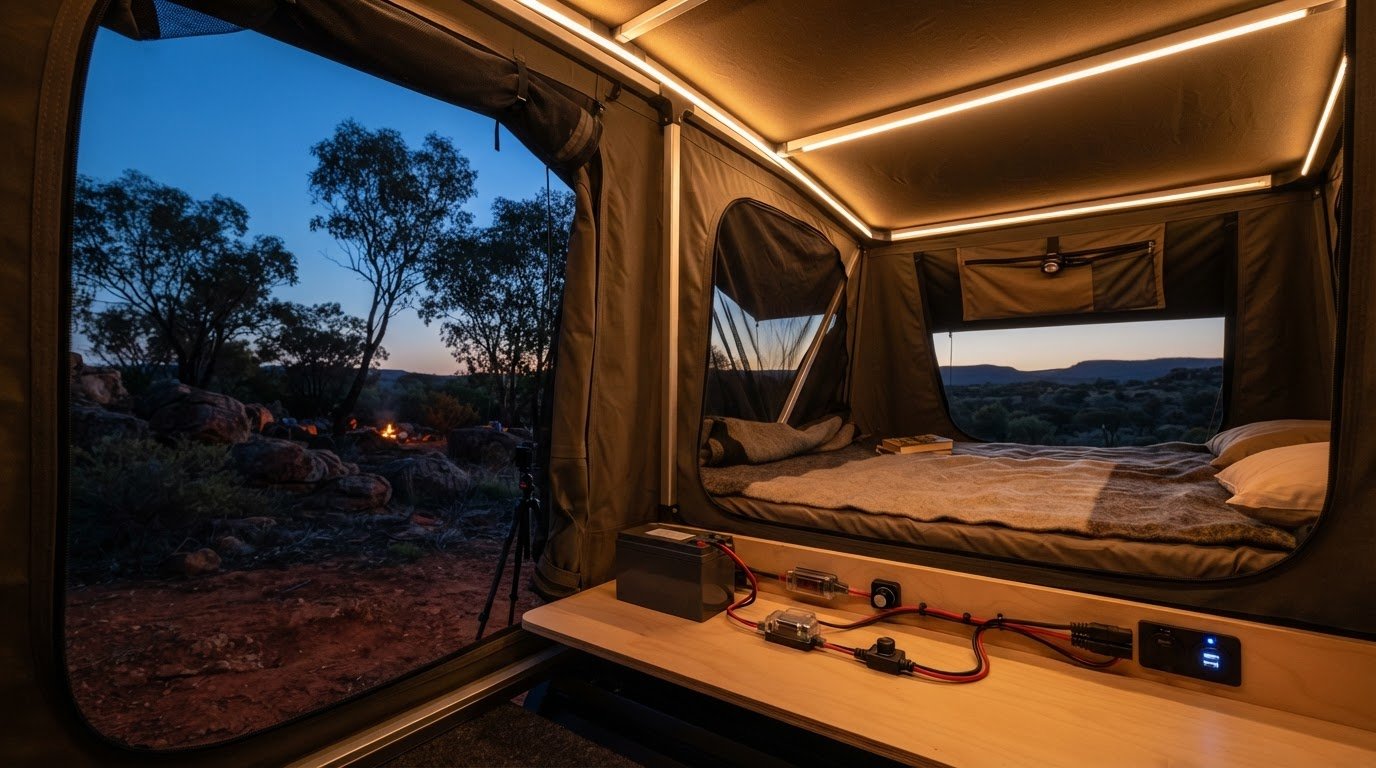
You don’t need a $5,000 setup to sleep like royalty. Most budget mattresses are fairly basic, so we often switch them out for a high-quality self-inflating foam option. This single change can transform your sleep quality. For better camp visibility, you can easily install DIY LED strip lighting with a simple USB connection. If you’ve opted for a hard shell, consider mounting a thin, flexible solar panel to the top. It’s a budget-friendly way to keep your auxiliary battery topped up while you’re parked up at your favourite hidden beach.
Safe Storage When Not in Use
Protecting your investment means thinking about where it lives between adventures. We suggest using a pulley system in your garage to lift the tent off your vehicle; this prevents the shell from warping and saves your fuel economy during the work week. Leaving an RTT on your roof year-round accelerates UV damage to the cover and seals, shortening its lifespan significantly. Before the winter rains arrive, run a damp cloth over all automotive seals and check for any cracks or perishing to ensure your internal mattress stays bone-dry during storage. To see how different models hold up over time, check out our community-driven roof top tent reviews and care guides.
Choosing Your Path: Why Adventurerz Values Practicality Over Price Tags
At Adventurerz, our mission is simple: we want to enable responsible exploration for every Australian, regardless of their bank balance. We believe the best budget roof top tent Australia offers is the one that actually gets you out into the bush safely and reliably. Starting with a quality entry-level model is often a far smarter move than “going pro” immediately. It allows you to discover your unique camping style and specific needs without the weight of a massive financial commitment. We’ve seen countless members of our community take a standard budget tent and transform it with clever modifications and hacks that rival the most expensive setups on the market.
Practicality always beats prestige when you’re 200 kilometres from the nearest sealed road. Once you’ve secured a reliable setup that fits your vehicle’s weight limits, you can plan your next remote escape with our 2026 travel planner to ensure you’re heading to the right spots for your vehicle’s capability. Focus on the experience of the journey rather than the labels on your gear.
The Adventurerz Community Ethos
Our community thrives because we share the technical truth about our equipment. By sharing honest gear reviews, we help each other avoid costly mistakes and dangerous gear failures in isolated locations. This fellowship is built on a foundation of environmental accountability. We advocate for the “Leave No Trace” principle, which applies just as much to your equipment choices as it does to your campfire. Choosing a durable budget tent that won’t end up as landfill after a single season is a vital part of being a responsible explorer. We invite you to join our active forums to swap stories and find the latest 2026 gear deals with fellow Adventurerz who value grit over glamour.
Final Verdict: The Best Budget RTT for 2026
Gear Up for Your Next Remote Escape
Ready to hit the tracks? Securing the best budget roof top tent Australia provides is just the beginning of your journey toward self-reliance and discovery. We’ve explored how technical specs like PU ratings and high-tensile hardware are far more critical than a flashy brand name. By prioritising proper maintenance, such as canvas seasoning and seal care, you ensure your entry-level setup remains a durable companion for years of rugged exploration.
We believe that responsible travel starts with gear that lasts. Choosing value over “disposable” equipment reduces our environmental footprint while keeping our remote tracks accessible for everyone. Our expert reviews for the Australian bush and community-tested 4WD gear recommendations are here to help you make the right call for your specific vehicle and travel style.
Are you prepared to join a fellowship of like-minded explorers? Join the Adventurerz community to find the latest budget gear reviews and travel tips. We’ll see you out where the bitumen ends and the real adventure begins!
Frequently Asked Questions
Is a budget roof top tent safe for high-speed highway driving in Australia?
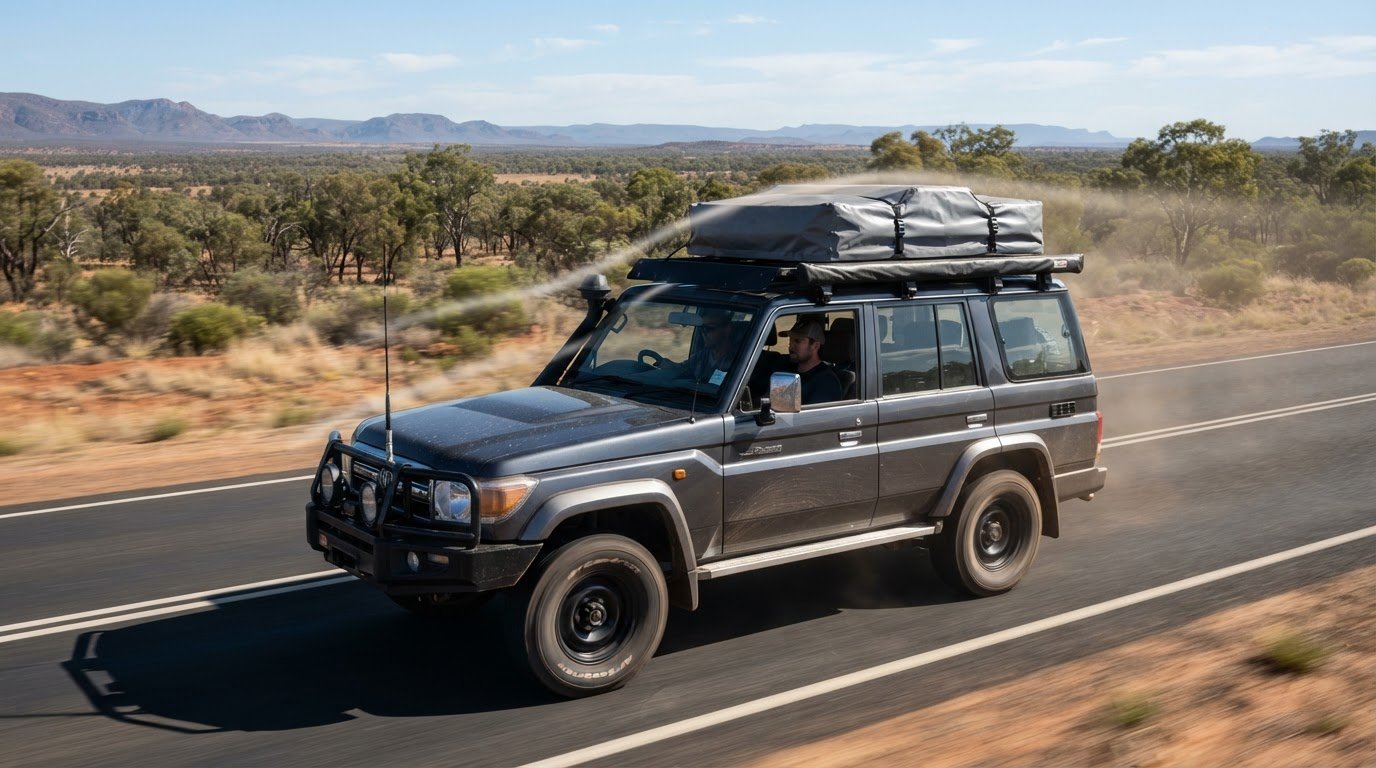
Yes, budget models are safe for highway speeds if they’re mounted correctly to a rack that meets your vehicle’s dynamic load rating. While soft shells create more wind drag and noise than premium versions, they remain structurally sound at 110km/h. We always recommend checking your mounting bolts after the first 100km of any trip to ensure nothing has vibrated loose during high-speed transit across our vast highway networks.
Can I install a budget RTT on a small SUV or just a large 4WD?
You can install one on a small SUV provided the tent’s weight doesn’t exceed your vehicle’s specific dynamic roof load limit. Many modern SUVs have limits between 50kg and 75kg. Since the best budget roof top tent Australia offers might be a heavier soft shell, you must calculate the combined weight of the tent and your roof racks to stay within legal and safety boundaries for stable handling.
What is the life expectancy of a budget poly-cotton canvas tent?
With consistent care, a budget poly-cotton canvas tent should last between five and seven years of regular use. The key to longevity is preventing UV damage and moisture build-up. We suggest using a UV-protective spray on the fly-sheet and never storing the tent while it’s damp. Regular maintenance of the zippers and ensuring the PVC cover remains intact will help you get the most out of your investment.
Do budget roof top tents come with a warranty in Australia?
Most reputable budget brands sold through Australian distributors offer a 12-month to 24-month warranty. While you might find cheaper imports online, these often lack local support. We always recommend purchasing from a brand with a local presence so you can easily access replacement parts or assistance if a gas strut or hinge fails while you’re exploring remote regions where gear reliability is paramount.
How do I prevent condensation build-up in a cheaper RTT?
Effective ventilation is the best way to manage condensation in any tent. Keep your window flaps slightly open, even in cold weather, to allow moist air to escape. We also consider an anti-condensation mat an essential upgrade for budget setups. This mesh layer creates an air gap under your mattress, preventing body heat from turning into moisture on the tent’s base during those chilly nights in the bush.
Are budget hard shell tents better than expensive soft shell tents?
It depends on your travel style rather than just the price tag. Budget hard shells offer faster setup times and better aerodynamics, which is great for those moving camp every day. However, a premium soft shell often provides more internal space and better ventilation for tropical conditions. We suggest weighing the convenience of a hard shell against the superior living space and lower weight of a soft shell.
Will a budget roof top tent affect my vehicle’s fuel consumption significantly?
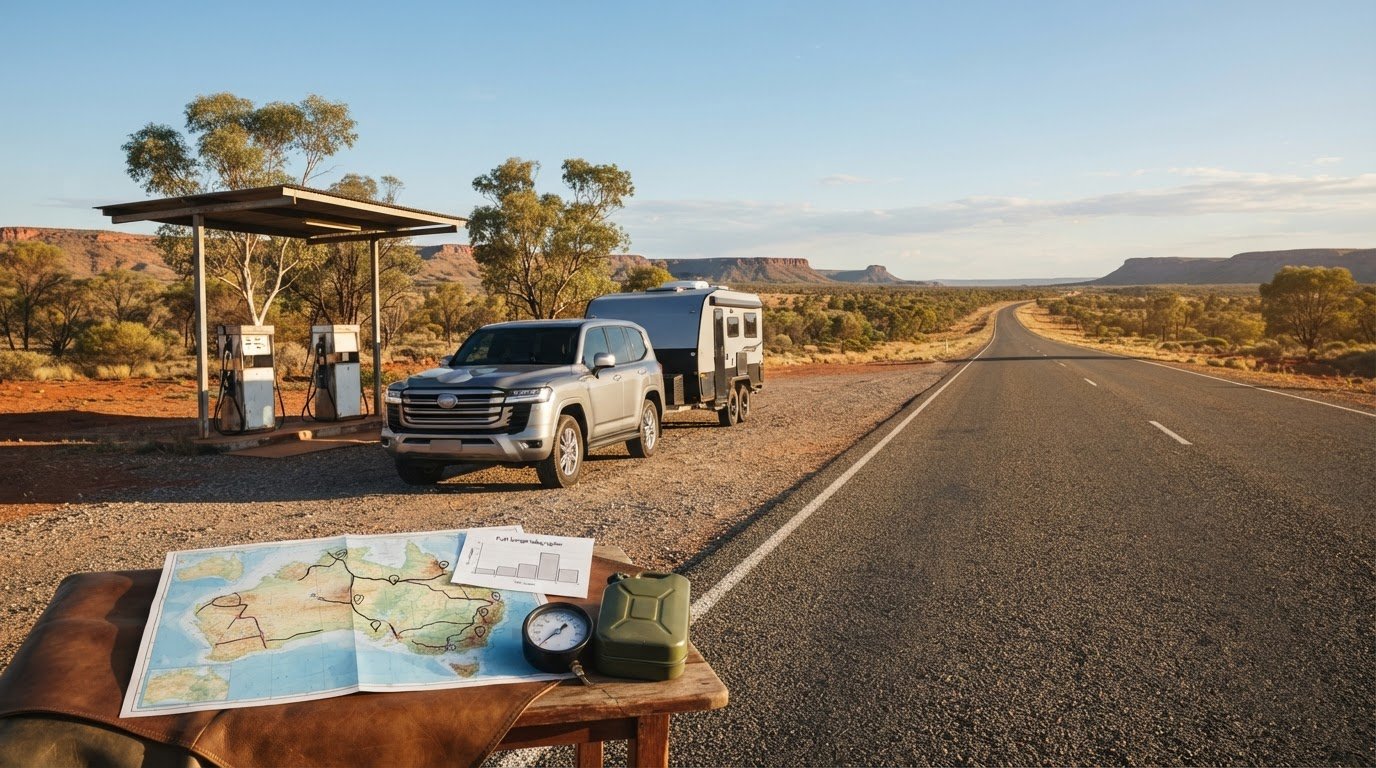
Yes, adding any load to your roof increases fuel consumption due to increased wind resistance. Soft shell tents usually have a higher profile and can increase fuel usage by 10% to 15%. If you’re looking for the best budget roof top tent Australia provides for long-distance travel, a slimline hard shell is often the more fuel-efficient choice, helping you extend your range between those expensive remote fuel stops.
Can I fit a budget RTT by myself or do I need a professional?
You can certainly fit a roof top tent yourself, but you’ll need at least one or two extra sets of hands to lift it onto the roof safely. Most budget tents use a simple bolt-and-rail system that attaches directly to your roof bars. While a professional install ensures everything is torqued correctly, many of us in the community prefer the DIY approach to better understand our gear’s mounting hardware.