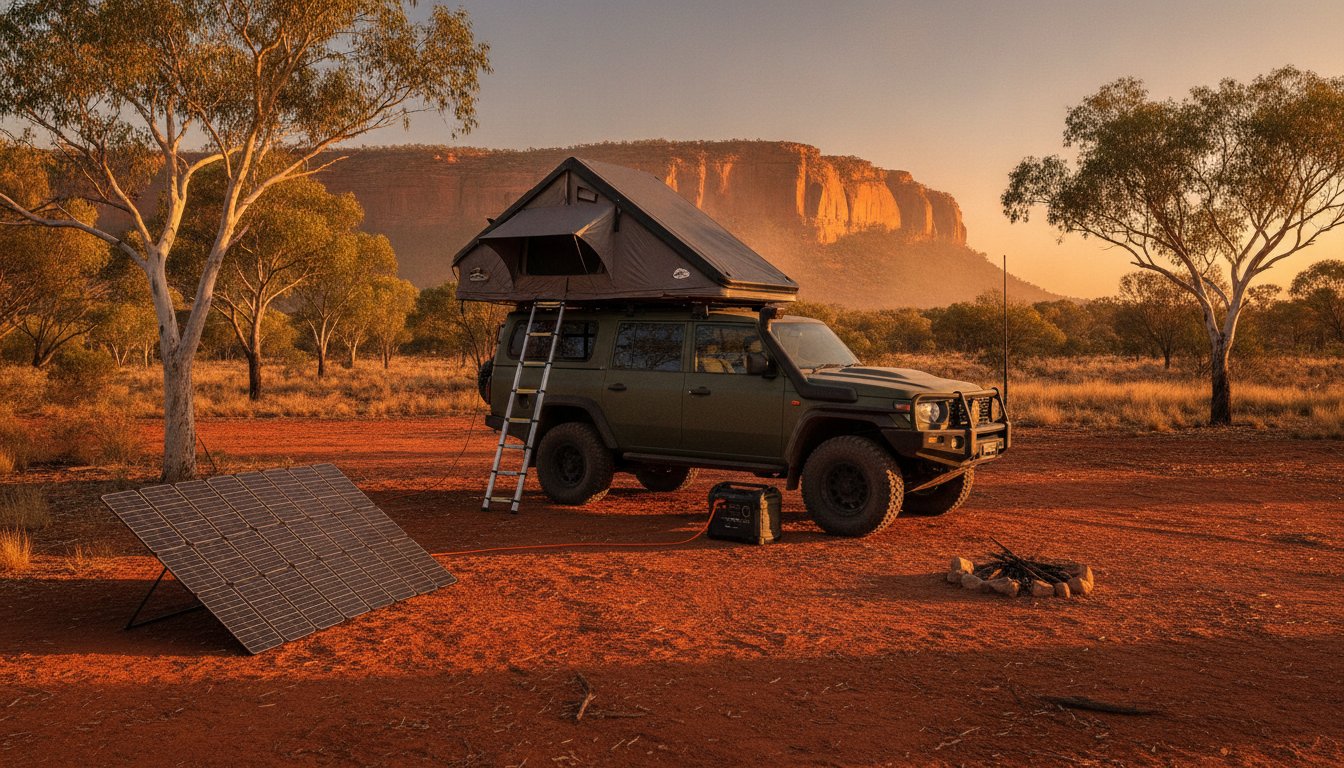
Did you know that by August 2026, emergency responders had already conducted 15 rescue missions across the Glasshouse Mountains? We all feel that magnetic pull toward these jagged volcanic plugs, but let’s be honest; staring up at the sheer vertical face of a Grade 5 scramble can be as intimidating as it is inspiring. It’s natural to feel a bit of gear-envy or uncertainty when planning your Glasshouse Mountains camping trip, especially when you’re trying to balance technical requirements with strict national park regulations and the latest facility closures.
We believe that every adventurer should feel prepared to conquer these trails without compromising safety or environmental ethics. That’s why we’ve put together this guide to help you navigate the peaks with confidence, ensuring you have the right technical footwear and the sustainable strategies needed to explore this sacred landscape responsibly. We’ll show you how to set up the perfect 4WD basecamp at Coochin Creek for just A$7.75 per person, which technical gear is non-negotiable for volcanic rock, and how to honor the cultural requests of the Jinibara and Kabi Kabi people while enjoying the bush. It’s time to gear up and step out with the respect these ancient summits deserve.
Key Takeaways
- Respect the sacred heritage of the Jinibara and Kabi Kabi people by following specific cultural protocols and understanding the spiritual significance of these ancient volcanic peaks.
- Match your fitness level to the right trail, ranging from the accessible Mount Ngungun to technical Grade 5 scrambles that require advanced climbing skills.
- Optimise your Glasshouse Mountains camping trip by pairing a robust 4WD basecamp setup with technical gear like high-grip footwear for slippery volcanic rock.
- Prioritise safety by avoiding summits during wet weather and adhering to Leave No Trace principles to protect this fragile ecosystem.
- Learn how to choose the best hydration strategies and recovery gear, including roof top tents, to sustain your energy across multiple days of exploration.
Table of Contents
The Glasshouse Mountains: A Sacred Landscape for Modern Adventurers
These 25-million-year-old volcanic plugs aren’t just geological anomalies; they’re a true national treasure and one of Australia’s most awe-inspiring natural landmarks. For adventurers across the country, reaching these summits feels like a true rite of passage that tests both our physical limits and our environmental awareness. Whether you’re planning a Glass House Mountains National Park expedition or a weekend of Glasshouse Mountains camping, you’re stepping into a living museum of ancient earth history that demands our full attention and care.
We approach these peaks with a genuine sense of awe and a commitment to preservation. They demand respect, not just for their vertical scrambles but for the ancient stories they hold within the stone. Approaching this landscape with a mindful, community-first perspective ensures we preserve the trails for the next generation of explorers who follow in our footsteps. It’s about being hardy yet contemplative in our exploration, recognising that our presence has a lasting impact. To better understand this concept, watch this helpful video:
The Cultural Heart of the Peaks
The mountains are a family in the Dreamtime stories of the Jinibara and Kabi Kabi people. We must listen to the Traditional Owners who, in 2026, continue to request that visitors refrain from climbing sacred peaks like Mount Beerwah and Mount Tibrogargan. Respecting these boundaries is a core value of our collective identity as responsible adventurers. These summits are not just physical challenges; they are deeply spiritual sites that represent the ancestral connection between the land and its traditional custodians.
Why 2026 is the Year for Responsible Exploration
This year marks a vital shift toward more intensive conservation. With trail maintenance updates and a focus on the risks of social media-fuelled adventurism driving a sharp spike in rescue missions across the national park, we’re seeing a strong push for better education to reduce incidents on the trails. We recommend timing your visit for autumn or winter, when the cooler months offer the best grip on the rhyolite rock. By sharing tips on sustainable travel and highlighting the best roof top tents for a respectful basecamp setup, our community ensures our impact remains minimal. Let’s make 2026 the year we master the art of the responsible Glasshouse Mountains camping trip together, focusing on safety and heritage.
Choosing Your Summit: A Comparison of the Top Hikes
Choosing the right peak is the first step in planning your Glasshouse Mountains camping adventure. We see hikers often underestimate the verticality of these volcanic plugs, so it’s vital to match your gear and experience to the specific track grade. The trails range from the well-maintained Grade 4 paths of Mount Ngungun to the punishing, technical Grade 5 scrambles of Tibrogargan and Beerwah. For the latest trail alerts and safety classifications, always check the official park information before you leave your basecamp.
Our community values self-reliance, but knowing when to push and when to pivot is what defines a seasoned explorer. These mountains are unforgiving to the unprepared. Whether you’re looking for a casual morning walk or a technical vertical challenge, understanding the terrain is non-negotiable for a successful trip.
The Beginner-Friendly Circuit
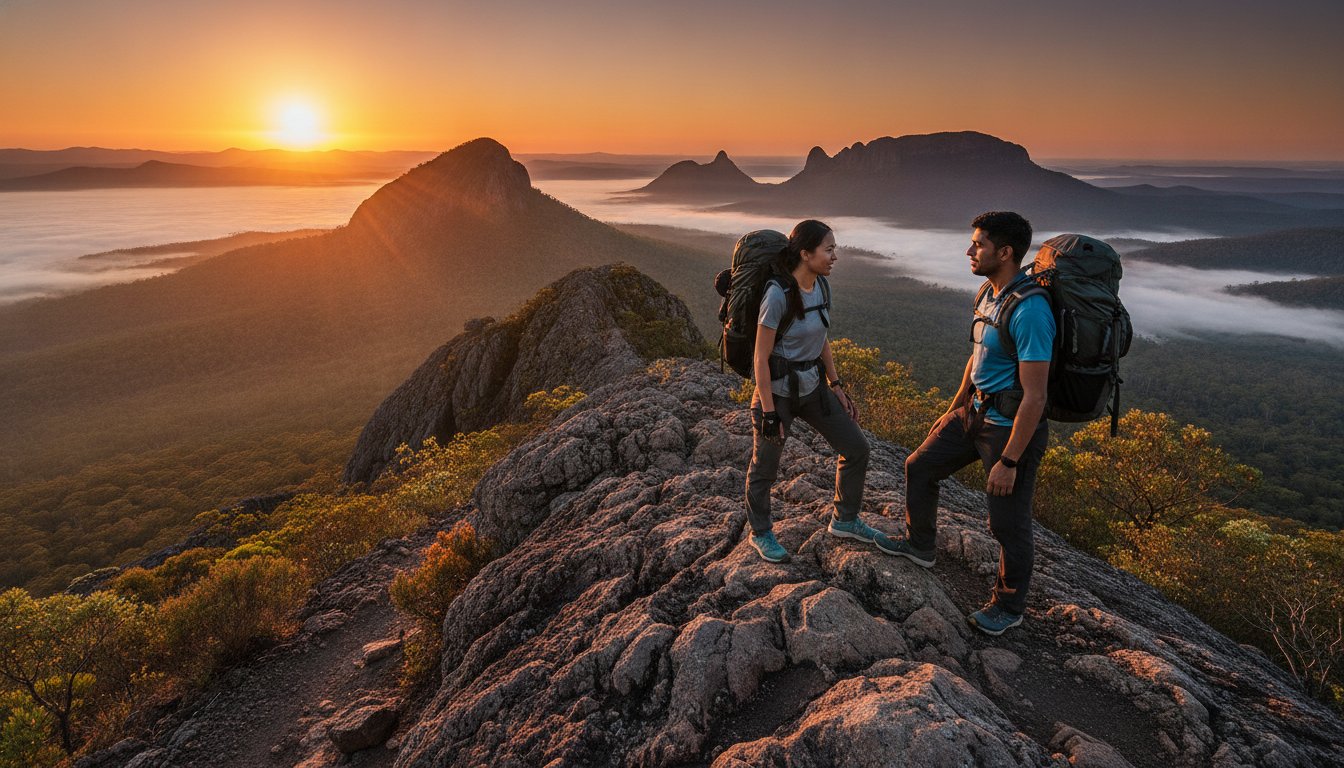
Mount Ngungun stands as our favorite all-rounder. It offers a 2.8km return journey that provides a fantastic workout without requiring specialized rock-climbing skills. To get the most out of this peak, we recommend hitting the trail for a sunrise or sunset ascent. This timing helps you avoid the intense midday heat and the heavy weekend crowds that often saturate the lower sections. Once you reach the summit, you’re rewarded with spectacular 360-degree views of the surrounding peaks, making it the perfect spot for some contemplative photography before heading back to your 4WD setup.
The Scrambler’s Challenge: Tibrogargan and Beerwah
Stepping up to Mount Tibrogargan or Mount Beerwah is a different beast entirely. These aren’t traditional hiking trails; they’re vertical scrambles on rhyolite rock that require three points of contact at all times. Tibrogargan is famous for its ‘Gorilla’ profile and a heart-pumping summit route that demands high-grip technical footwear. Meanwhile, Beerwah, the highest peak in the range, features the daunting ‘organ pipe’ sections that test even the most experienced members of our community.
Mental preparation is just as important as your physical kit. You’ll need a head for heights and the ability to navigate steep, exposed sections where a slip has serious consequences. Given the 15 rescue missions recorded as of August 2026, we urge you to never attempt these scrambles alone if it’s your first time. If you’re planning a multi-day trip to tackle several peaks, ensuring you have a comfortable place to recover is essential. After a day of technical scrambling, nothing beats the convenience of resting in one of the roof top tents we recommend to recharge for the next summit.
Gear Up for the Peaks: Essential Equipment for Rugged Terrain
Packing for a Glasshouse Mountains camping trip requires more than just a tent and a sense of adventure. We’ve seen too many hikers attempt these vertical scrambles in standard gym trainers; this is a recipe for disaster on polished volcanic rock. Your gear is your lifeline here. High-grip footwear is non-negotiable because the rhyolite surfaces can be incredibly slick, even when dry. We recommend technical apparel that balances breathability with enough durability to withstand the abrasive rock surfaces you’ll encounter during a scramble.
Hydration is another critical factor. We suggest carrying a minimum of 3 litres of water for any summer summit attempt. The heat radiates off the rock, and there is zero shade once you begin the vertical sections. Given the 15 rescue missions recorded as of August 2026, we also urge every member of our community to carry a Personal Locator Beacon (PLB). Mobile reception is notoriously patchy between the peaks, and a PLB is the most reliable way to signal for help in a remote emergency. For current safety alerts, always consult the Queensland Parks and Wildlife Service before you set off from your basecamp.
Footwear and Grip Technology
Choosing between technical hiking boots and approach shoes often comes down to personal preference, but grip is the common denominator. Approach shoes offer superior rock contact for technical moves, while boots provide the ankle support needed for the uneven base trails. High-friction rubber compounds like Vibram are the only reliable way to maintain traction on the steep, polished rhyolite faces found across the range. Don’t forget to pair your shoes with high-quality moisture-wicking socks. These are essential for preventing blisters during the steep, jarring descents that put immense pressure on your feet.
Pack Essentials for the Glasshouse Climber
Your daypack needs to be ergonomic and low-profile. A bulky pack that shifts while you’re reaching for a handhold can throw off your balance on exposed sections. Inside, your first aid kit should include compression bandages specifically for treating rock rash or the sprains common on these jagged trails. Before you leave home, use a travel planner to audit your gear list and ensure nothing is missing. Being methodical in your preparation is what allows us to explore these isolated locations with confidence and self-reliance.
Sustainable Hiking & Safety: Respecting the Peaks
We’ve tackled the technical scrambles and the gear lists, but the true mark of a seasoned explorer is the ability to move through a landscape without leaving a trace. The Glasshouse Mountains are a fragile volcanic ecosystem where every off-track step or forgotten piece of rubbish compromises the integrity of this ancient site. For those of us enjoying a Glasshouse Mountains camping trip, our responsibility extends far beyond the summit. We must act as stewards of the land, ensuring our presence doesn’t degrade the very environment we’ve come to admire.
Approaching these peaks with a community-first perspective means understanding the ethical ‘why’ behind the regulations. It isn’t just about avoiding fines; it’s about preserving a 25-million-year-old legacy. When we refine our Glasshouse Mountains camping ethics, we ensure these trails remain open and healthy for the next generation of adventurers.
Leave No Trace Principles for 2026
Managing waste is non-negotiable. We pack out everything we pack in, including organic scraps like fruit peels that can disrupt the natural diet of native wildlife. Staying on designated paths is critical for protecting rare volcanic plant species that cling to these rhyolite faces. We also need to address social media ethics. Posting photos from off-track locations might look great on a feed, but it encourages erosion and leads less-experienced hikers into dangerous territory. Let’s lead by example and keep our exploration within the boundaries that protect this sacred land.
Tactical Safety and Weather Monitoring
Weather wisdom is your best friend out here. Rain makes the Glasshouse peaks a ‘no-go’ zone instantly. When moisture hits that polished rock, it becomes as slick as ice, making even simple descents life-threatening. We always check localized weather patterns before leaving our basecamp. Summit fever is a dangerous mindset; knowing when to turn back is a sign of strength and experience, not weakness. Always ensure an emergency contact knows your expected return time and has your general location.
If you find yourself stuck on a technical ledge, stay calm. Panic leads to poor foot placement and rushed decisions. Stay put, use your PLB, and wait for professional assistance. With 15 rescue missions already recorded by August 2026, we don’t want to add to that statistic through avoidable errors. While you’re waiting out a weather front or planning your next move, having a reliable basecamp setup makes all the difference. Check out our recommendations for the best 4wd awnings to keep your gear dry and your team protected while you monitor the conditions.
Turning Your Hike into an Overnighter: Camping & Basecamp Setup
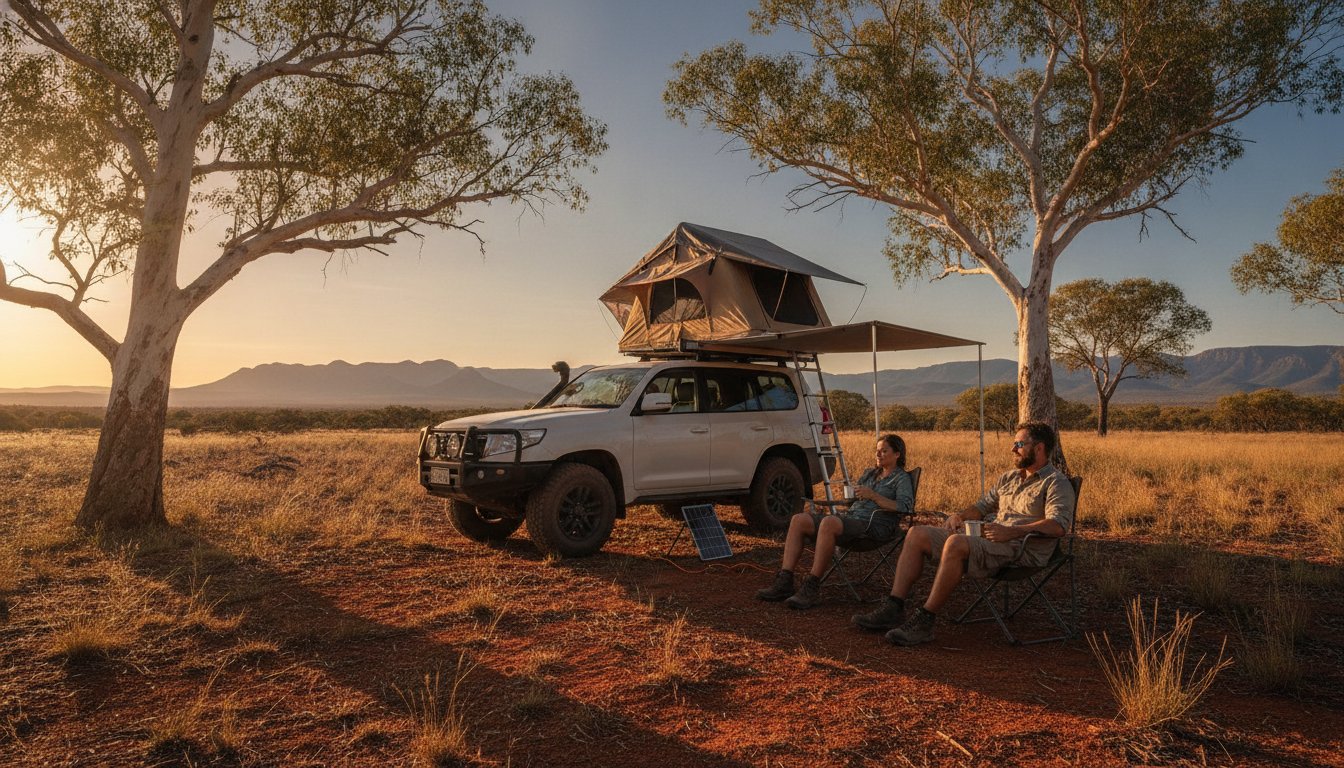
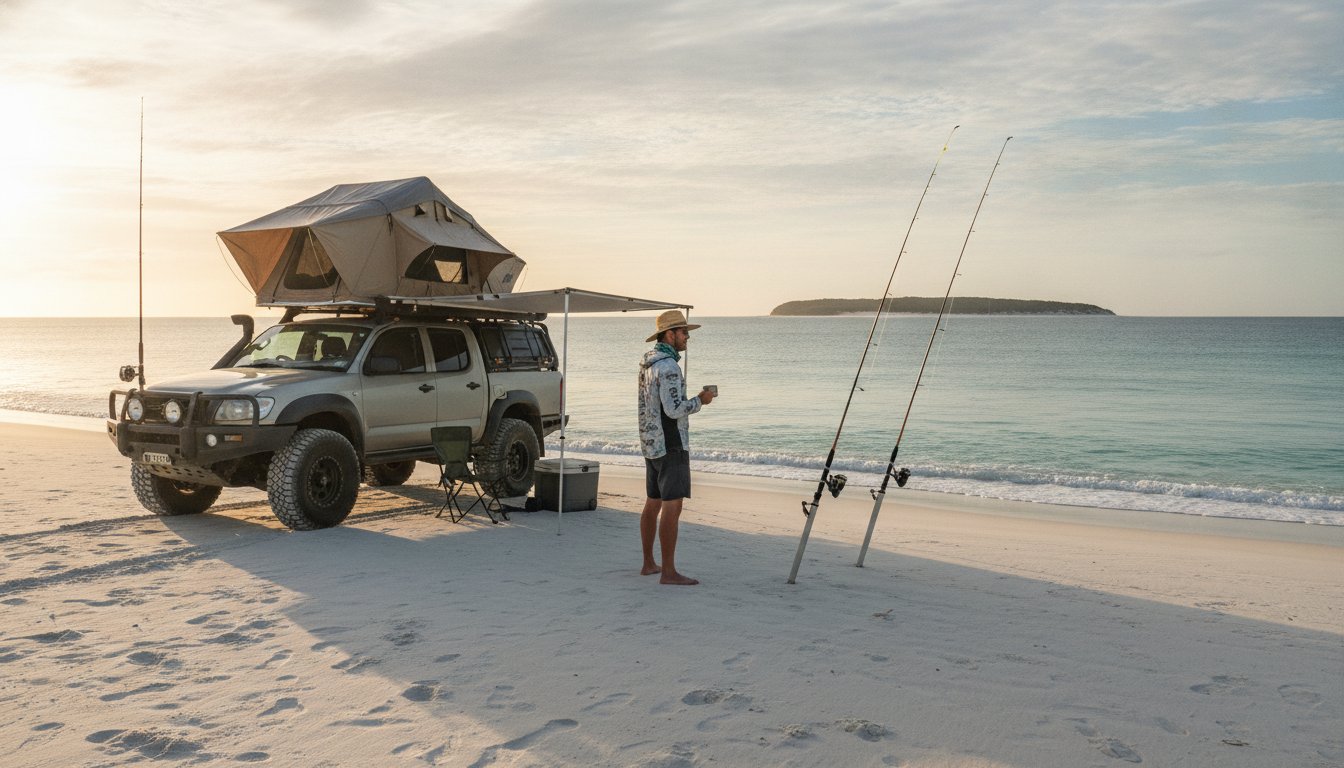
After a grueling vertical scramble on Tibrogargan or Beerwah, your body needs more than a cramped car seat for recovery. We’ve found that a well-engineered 4WD setup is the gold standard for Glasshouse Mountains camping. It turns a simple day trip into an immersive expedition where you can stay close to the trailheads and beat the sunrise crowds. By choosing an elevated roof top tent, you’re prioritizing deep recovery and better airflow, which is essential after the humid summer summit attempts we’ve already tackled.
Fueling up is just as vital as the technical gear you carry. While the BBQ facilities at the Glasshouse Mountains Lookout day-use area are closed from August 20, 2026, to February 21, 2027, your self-reliant 4WD kitchen becomes your best asset. We love preparing nutrient-dense meals under the protection of the best 4wd awnings, creating a shaded sanctuary where you can audit your technical packs and let your high-grip boots dry out away from the direct sun. This setup ensures you aren’t just surviving the trip; you’re thriving in the environment.
The Ultimate 4WD Basecamp
An organized basecamp is the foundation of a successful mountain mission. When we set up our remote camps, we focus on three core pillars: efficiency, protection, and comfort. A 4WD setup allows you to keep your technical scrambling gear and hydration supplies accessible without digging through a cluttered boot.
- Elevated Sleeping: Staying off the ground provides better protection from local wildlife and significantly improved ventilation during still, muggy nights.
- Gear Prep Zone: Use your awning to create a weather-protected area where you can check your PLB batteries and first aid supplies before the next dawn ascent.
- Quick Deployment: Most quality roof top setups take less than five minutes to deploy, giving you more time to focus on recovery and less on wrestling with tent poles.
Community and Responsible Camping
Remember that camping is strictly prohibited within the Glasshouse Mountains National Park itself. To stay responsible, we head to designated areas like the Coochin Creek camping area in the nearby Beerwah State Forest. As of July 1, 2026, the fee is A$7.75 per person per night. This small contribution supports the conservation efforts we’ve discussed. Engaging with the Adventurerz community is the best way to find the latest site reviews and ensure your basecamp meets our collective standards for environmental mindfulness. Let’s keep our camps clean, our fires in communal pits, and our respect for this sacred land at the forefront of every trip.
Step Up to the Summit with Confidence
We’ve explored how technical gear and cultural awareness are the foundation for any successful trip. Remember that mastering these peaks requires more than just physical strength; it’s about the methodical preparation of your 4WD basecamp and a deep respect for the sacred history held by the Jinibara and Kabi Kabi people. Whether you’re planning your first Glasshouse Mountains camping expedition or you’re a seasoned scrambler returning for a winter ascent, your impact on this fragile landscape matters.
Ready to elevate your next adventure? Join the Adventurerz community and find your perfect hiking gear today! We provide expert reviews of high-performance hiking boots and comprehensive guides to sustainable 4WD camping to ensure you’re ready for whatever the trail throws your way. These mountains have stood for 25 million years; let’s ensure they remain as majestic for the next generation of explorers who share our passion for the rugged outdoors. See you on the summit!
Frequently Asked Questions
Which Glasshouse Mountain is the easiest to hike for beginners?
Mount Ngungun is the premier choice for beginners or those with moderate fitness levels. It’s a Grade 4 track that offers a well-defined path without the vertical technicality of the larger peaks. While it’s a steady climb, you won’t need specialized rock-scrambling skills to reach the summit. We love this trail for its 360-degree views, making it the perfect introduction before you consider more rugged Glasshouse Mountains camping adventures in the surrounding state forests.
Can I hike Mount Tibrogargan if I have no rock climbing experience?
We strongly advise against attempting Mount Tibrogargan without scrambling experience or a high head for heights. This is a Grade 5 route, meaning it’s a technical vertical scramble on exposed rock faces rather than a walking trail. Given that emergency responders have already tackled 15 rescue missions as of August 2026, it’s vital to be honest about your abilities. Always prioritize safety and respect the cultural requests of the Traditional Owners before attempting this peak.
Do I need a permit for Glasshouse Mountains camping in 2026?
You don’t need a permit to enter the National Park, but you must secure a permit for any Glasshouse Mountains camping at state-managed sites. Camping is prohibited within the National Park itself. Most explorers head to the nearby Coochin Creek camping area, where fees are A$7.75 per person per night as of July 2026. We recommend booking these permits well in advance through the official government portal to ensure your basecamp is secured.
What is the best time of year to visit the Glasshouse Mountains?
The cooler months between April and September offer the most reliable conditions for exploration. During autumn and winter, the temperatures are far more manageable for strenuous summit attempts, and the rhyolite rock provides the best grip for your technical footwear. We generally avoid the summer months due to the intense humidity and the sudden storm risks that can turn a dry rock face into a dangerous, slippery slide within minutes.
Are dogs allowed on the hiking trails in the National Park?
Dogs are strictly prohibited on all hiking trails within the National Park to protect the local ecosystem. These peaks are home to rare volcanic plant species and sensitive native wildlife that can be easily disrupted by domestic animals. If you’re traveling with a pet, you’ll need to look at private campgrounds in the surrounding area. Some local spots allow small dogs, though they often have specific restrictions on breeds and behavior to maintain peace.
What should I do if it starts raining while I am on a summit?
If rain begins while you’re on a summit, you should start a slow and methodical descent immediately. Moisture makes the volcanic rhyolite rock exceptionally slick, significantly increasing the risk of a fall. Stay calm and maintain three points of contact at all times. If the conditions become too dangerous to move, stay put on a stable ledge and use your PLB to signal for help rather than risking a life-threatening slip on the descent.
How long does it typically take to hike Mount Ngungun?
Most hikers complete the Mount Ngungun summit track in approximately 1 to 2 hours return. The 2.8km journey is a steady uphill climb on a well-maintained path, though we always suggest allowing extra time to soak in the views at the top. If you’re planning to catch a sunrise or sunset, factor in an additional 30 minutes to ensure you aren’t rushing your descent in fading light without a reliable headlamp.
Is Mount Beerwah currently open for hikers in 2026?
Mount Beerwah is currently open for experienced scramblers in 2026, but it comes with significant technical and cultural warnings. It’s a Grade 5 track that features steep ‘organ pipe’ sections requiring advanced climbing skills. We also remind our community that the Jinibara and Kabi Kabi people specifically request that visitors refrain from climbing this sacred peak. Always check the official Queensland Parks and Wildlife Service website for real-time alerts regarding any temporary trail closures.