Finding a truly empty campsite isn’t just about how many kilometres you put on the odometer; it’s about having the grit and the gear to leave the bitumen far behind. We’ve all felt that sinking feeling when a supposed “hidden gem” turns out to be an overcrowded clearing full of noisy generators. You’re craving the silence of the bush and the challenge of a technical track that leads to somewhere spectacular. At Adventurerz, we understand that drive because we live for it too.
In this guide, we’re sharing our expert advice for tackling the best Queensland 4WD camping spots on your 2026 expeditions. Whether you’re navigating remote access permits, dialling in your tyre pressures for soft coastal sand, or prepping your rooftop tent for punishing inland corrugations, we’ve got you covered. We’ll show you how to choose the right awnings for high-wind conditions and how to maintain the “leave no trace” ethics that protect fragile wilderness ecosystems. Get ready to build your confidence, refine your touring kit, and discover secluded destinations that everyday travellers will never reach.
Key Takeaways
- Learn why 4WD-only access is the ultimate way to bypass overcrowded tourist hubs and find true solitude in the 2026 landscape.
- Discover our handpicked selection of the most secluded Queensland 4WD camping spots, ranging from remote coastal dunes to rugged inland ranges.
- Get expert advice on the “Holy Trinity” of off-road gear; we’ll explain why hardshell rooftop tents are the superior choice for fast-paced remote travel.
- Master the art of responsible exploration with specific “Leave No Trace” techniques designed to protect Queensland’s unique and fragile ecosystems.
- Join our community of Adventurerz as we break down the vehicle requirements for different terrains, from soft sand to rocky inland tracks.
Table of Contents
The Evolution of Queensland 4WD Camping in 2026
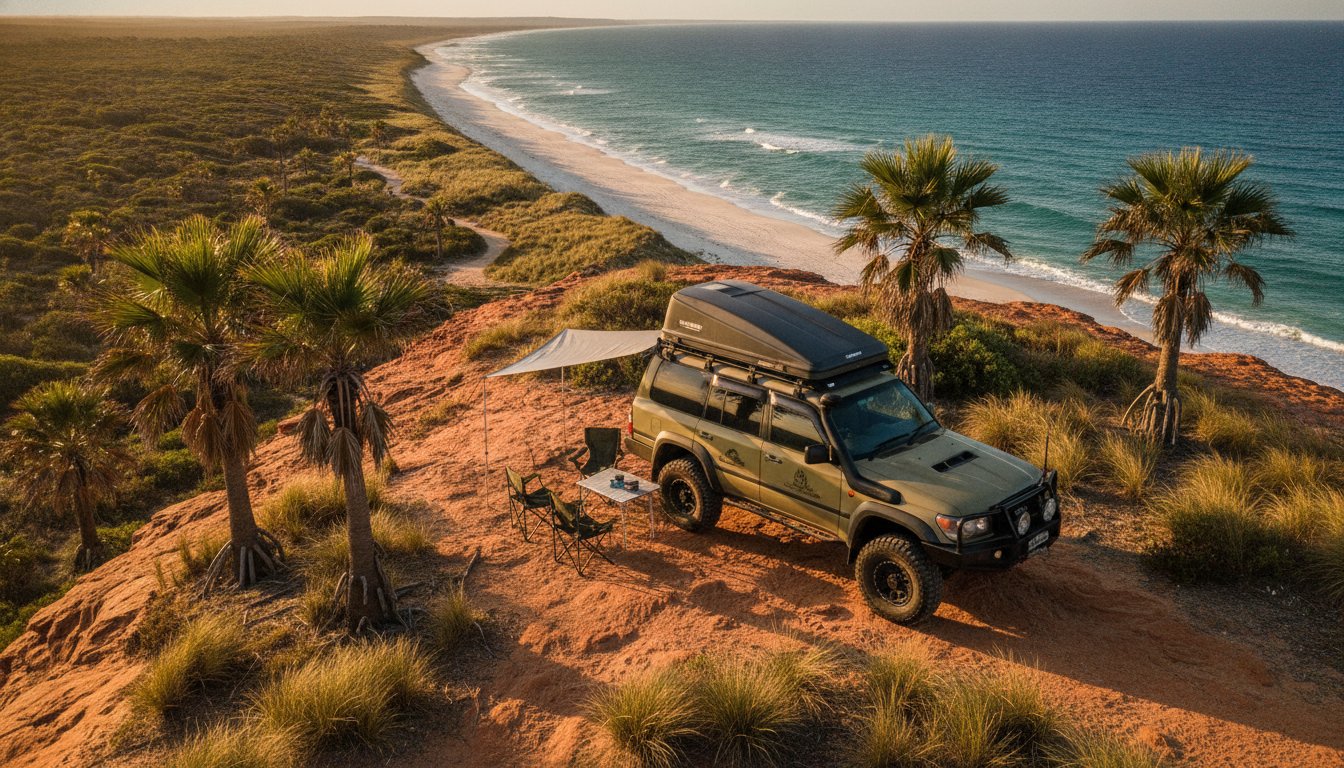
Queensland’s map is a playground of extremes. In 2026, the shift toward remote exploration has accelerated as more travellers seek the solitude that only the deep bush can provide. We’ve seen a massive rise in people ditching the bitumen for the red dirt and salt spray. The most iconic Queensland 4WD camping spots are now the only places left where you can truly hear the silence of the wilderness. Reaching these locations requires more than just a GPS; it demands a capable vehicle and a mindset rooted in total self-reliance.
Why Remote Queensland is the Ultimate 4WD Frontier
Driving across the Sunshine State feels like crossing entire continents in a single week. You can wake up under the dense, humid canopy of a tropical rainforest and, within a few days of hard driving, find yourself staring at an endless horizon in the arid outback. The sheer scale of the state is humbling. In 2026, the travel climate favours those who are prepared to go beyond the reach of mobile towers and service stations. Using four-wheel drive vehicles isn’t just a hobby here; it’s the specific tool required to unlock landscapes that remain untouched by the masses. We believe that 4WD-only access acts as a natural filter, ensuring that the most pristine environments are reserved for those who respect the journey and the land.
The Role of Specialized Gear in Remote Success
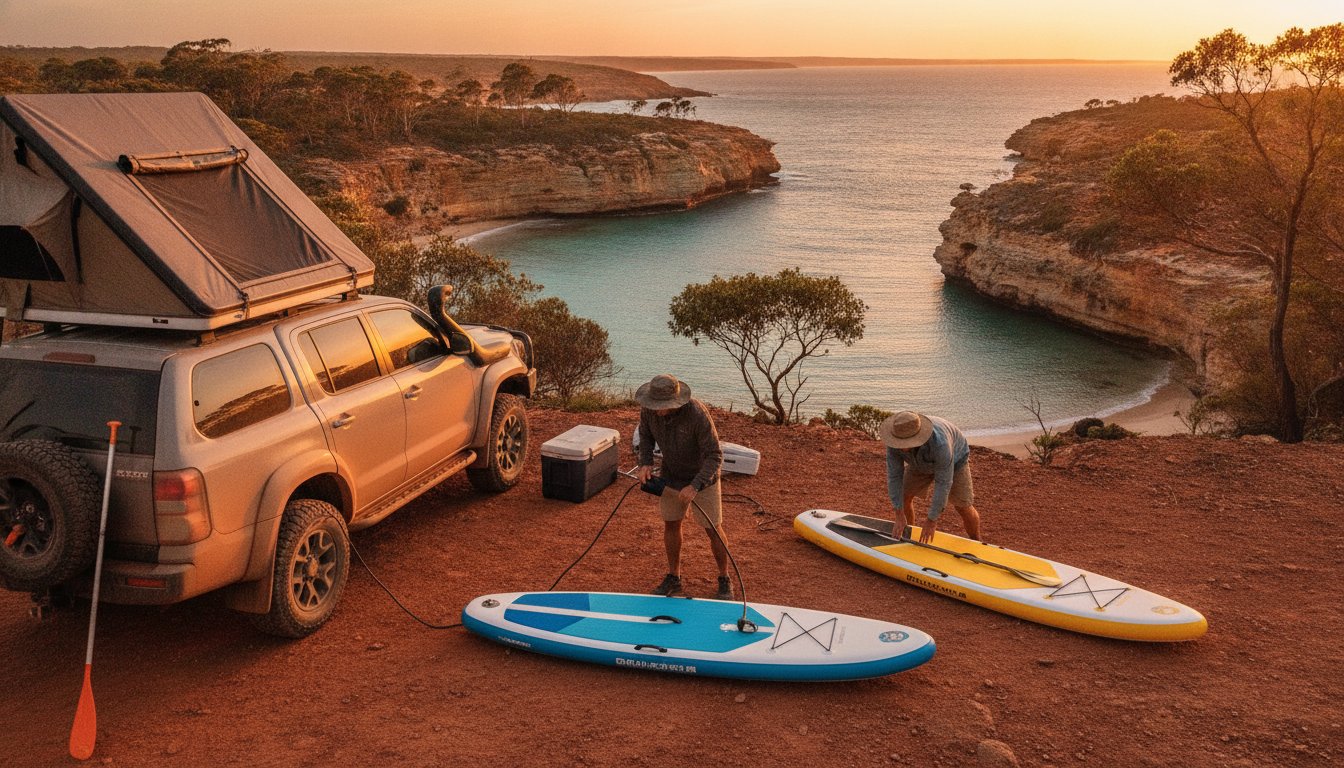
We don’t just camp; we explore with purpose. This “Adventurerz-style” approach means our rigs are extensions of our homes, built to withstand the punishing heat and corrugated tracks of the north. High-quality gear isn’t a luxury when you’re 200 kilometres from the nearest town. It’s a critical investment in your safety and the longevity of your trip. We’ve found that roof top tents have become the gold standard for 2026 travel because they keep you off the damp ground and away from curious wildlife while offering a breeze that ground tents simply can’t match.
Shade is your best friend when you’re exploring the north. Whether you’re parked on a shimmering salt pan or a white-sand beach, the QLD sun is relentless. Integrating the best 4WD awnings into your setup provides an instant sanctuary, allowing you to stay cool while you plan the next leg of your trek. Choosing the right Queensland 4WD camping spots is only half the battle; the other half is ensuring your kit is up to the task. We carry everything out that we carry in, ensuring these remote frontiers stay wild for the next generation of explorers. It’s about finding that perfect balance between rugged durability and environmental accountability.
Categorizing Queensland’s 4WD Terrains: Beach, Bush, and Outback
Queensland offers three distinct ecosystems, each demanding a specific approach to vehicle setup. Whether you’re chasing the sun on the coast or the dust in the west, your success depends on matching your gear to the ground. Managing tyre pressure is the most vital skill you’ll carry. Dropping to 18 to 20 PSI for soft sand increases your footprint, while keeping around 25 to 30 PSI on rocky inland tracks helps prevent sidewall punctures. Timing is just as critical. We recommend heading North to Cape York during the dry season, typically between May and October. If you’re exploring the South, the shoulder seasons offer the best balance of clear skies and manageable temperatures at popular Queensland 4WD camping spots.
Coastal Sand Driving and Island Escapes
Sand driving is the ultimate QLD experience, but it’s brutal on machinery. The salt air and fine grit find their way into every crevice, making a thorough post-trip underbody wash mandatory. We’ve found that a roof top tent is the superior choice for these environments. Being elevated keeps you away from high-tide surges and the curious dingoes common on K-gari. Always pack a full recovery kit, including traction boards and a rated snatch strap, because even the best drivers get caught out by shifting dunes. Self-reliance on our islands means being your own mechanic and your own rescue crew.
Tropical Rainforest and Hinterland Tracks
Moving inland to the Great Dividing Range or the Daintree introduces steep gradients and deep mud. These tracks require high clearance, and a winch is often a smart insurance policy for the solo explorer. Rainforest floors are incredibly fragile; track braiding, which is driving around puddles, destroys root systems and causes permanent erosion. We always stay on the designated path to protect these ancient environments. In these humid zones, your gear needs to be resilient. Quick-drying 4wd awnings are essential here to prevent mould from setting in during those sudden tropical downpours. If you’re looking to upgrade your setup for the wet, check out our latest reviews on the best 4WD awnings to find a model that handles the humidity as well as it handles the sun. It’s about being prepared for the environment so you can focus on the adventure, not the equipment failure.
Top 5 Queensland 4WD Camping Spots for 2026
We’ve scoured the state to find the elite destinations that define the 2026 off-road experience. Every location on this list demands a high-clearance 4WD and a completely self-contained setup. These aren’t your average weekend caravan parks. These are the Queensland 4WD camping spots where self-reliance is the currency of the realm. Whether you’re chasing red desert dunes or ancient rainforest canopies, these spots offer the isolation we crave as Adventurerz.
The Tip of Cape York: The Ultimate Pilgrimage
Reaching the northernmost point of the Australian continent remains the ultimate rite of passage. The Punsand Bay area serves as a spectacular base camp after you’ve conquered the technical challenges of the Overland Telegraph Track. Prepare your vehicle for deep river crossings and relentless corrugations. It’s a bucket-list journey that requires meticulous logistics, making it a prime candidate for our Ultimate Adventure Travel Planner. Standing at the tip as the sun sets is a moment that stays with you forever.
K-gari (Fraser Island): Sand Driving Paradise
While the southern end of the island attracts the crowds, we head to the remote northern beach campsites for true solitude. Driving on the world’s largest sand island is a masterclass in reading tides and managing momentum. We always recommend roof top tents for K-gari; they provide a secure, dingo-safe sanctuary well above the sand. It makes the transition from a day of heavy sand driving to a night under the stars both seamless and safe.
The Carnarvon Ranges: Inland Sandstone Wonders
This is where the outback meets the mountains. The hidden 4WD tracks leading into the remote gorge campsites are rugged and rarely visited by the masses. You’ll need robust bedding gear because those sandstone canyons hold the cold long after the sun drops. The reward is a landscape of towering white cliffs and ancient Aboriginal rock art that feels completely disconnected from the modern world.
To round out our top five, we can’t ignore the 2026 Adventurerz community favorite: the Simpson Desert. Crossing the red dunes toward Poeppel Corner is a test of endurance and vehicle prep that defines the desert experience. For those in the south, Sundown National Park offers some of the most challenging, rock-hopping Queensland 4WD camping spots for those who love technical low-range work. Each of these destinations requires total respect for the environment and a commitment to carrying out every scrap of rubbish you bring in.
Essential Gear for Queensland 4WD Expeditions
Heading into the wild requires a kit that’s as hardy as the tracks themselves. We break down our gear into the “Holy Trinity” of remote travel: Shelter, Shade, and Storage. In the sweltering heat of northern Queensland, these aren’t just conveniences. They’re what keep us out in the field longer. When you’re jumping between different Queensland 4WD camping spots, your setup needs to be fast and functional. If it takes an hour to pack up your camp every morning, you’re cutting into your exploration time. We prioritize gear that balances rugged durability with rapid deployment.
Rooftop Tents: The High-Ground Advantage
Hardshell tents are dominating the 2026 scene for good reason. They handle the tropical humidity far better than canvas-heavy softshells, which can struggle with mould if they aren’t dried out properly. We’ve found that hardshell models also offer superior wind resistance on exposed beaches like those on K-gari. They provide a secure, elevated sanctuary away from ground-dwelling wildlife and damp soil. We love how they facilitate multi-stop itineraries where you’re moving camp frequently. If you want to see which models survived our latest Cape York torture test, dive into our roof top tents reviews.
4WD Awnings: Creating a Mobile Basecamp
Shade is survival in the Sunshine State. A 270-degree wraparound awning provides massive UV protection and covers your kitchen area during those sudden afternoon deluges common in the tropics. While side-out models are lighter and easier on the budget, the extra coverage of a 270-degree model is worth every cent for a true remote escape. We always look for awnings with high-quality, UV-rated fabrics that can withstand the salt spray of the coast and the abrasive dust of the outback. You can compare the latest models in our best 4WD awnings guide to find the perfect fit for your rig.
Keeping your fridge running when it’s 35 degrees outside is the final piece of the puzzle. We rely on high-output solar blankets and lithium dual-battery systems to stay self-sufficient. This power management is what allows us to stay at the most remote Queensland 4WD camping spots for days on end without needing to turn the key. It’s about being gear-ready and eco-conscious, ensuring your footprint is small while your adventure is massive. Before you head out on your next trek, make sure your kit is up to the task by checking out our expert gear recommendations and reviews.
Responsible Exploration: Sustainable 4WD Practices
We believe that exploring the wild is a privilege, not a right. As we push deeper into the scrub, our responsibility to the land grows. Every time we visit iconic Queensland 4WD camping spots, we’re making a choice about the legacy we leave behind. Sustainable exploration isn’t just a buzzword; it’s the only way to ensure these tracks remain open for the next generation of Adventurerz. We’ve seen too many great locations closed due to poor behaviour, so it’s up to us to set the standard.
Track braiding is one of the most visible forms of damage we see in the bush. When a track gets boggy, it’s tempting to drive around the mud to avoid getting stuck. This creates parallel tracks, destroys native vegetation, and widens the impact zone. We always stay on the designated path, even if it means getting the recovery boards out. It’s better to spend twenty minutes winching or digging than to permanently scar a fragile ecosystem. Real off-roaders embrace the challenge of the track rather than trying to bypass it.
Waste management in remote areas is non-negotiable. We carry every scrap of rubbish out with us, no exceptions. This includes organic waste like fruit peels or eggshells, which can disrupt local wildlife diets and take years to decompose in arid environments. For human waste, we use portable toilets where required or follow strict burial protocols at least 100 metres from water sources and tracks. Keeping our wild places pristine is a collective effort that starts with individual accountability at every campsite.
Minimizing Your Environmental Footprint
Fire management is critical in the Australian bush. We always check for seasonal fire bans before lighting a match and use existing fire rings where possible. Ensure every coal is dead cold with water before moving on; burying a fire with sand can leave it smouldering for days. Our gear choices also play a role in conservation. Choosing durable, long-lasting equipment reduces the amount of broken plastic and canvas that ends up in landfill. It’s about investing in quality over convenience to protect the places we love.
Planning Your 2026 Adventure Responsibly
Mapping your route is the first step toward a low-impact journey. We recommend using our Ultimate Adventure Travel Planner to find established tracks and avoid sensitive zones. If you’re transitioning between remote Queensland 4WD camping spots, consider booking a night at one of the best resorts in Australia that prioritize sustainability. It’s a fantastic way to recharge your own batteries while supporting eco-conscious tourism. We want to see how you’re exploring our backyard responsibly. Join the Adventurerz community and share your 2026 Queensland 4WD photos with us so we can continue to inspire mindful exploration across the state.
Gear Up for Your Next Great Escape
The remote tracks of the Sunshine State are calling. We’ve explored the rugged diversity of Queensland 4WD camping spots, from the shifting dunes of K-gari to the ancient sandstone of the Carnarvon Ranges. Success in these environments depends on the perfect harmony between your vehicle’s capability and your commitment to preserving the land. By choosing specialized gear that withstands the tropical heat and following strict sustainable practices, you’re not just a tourist; you’re a guardian of the outback.
Our community thrives on shared expertise and a deep respect for the Australian wilderness. Whether you’re planning a bucket-list pilgrimage to the Tip or a technical low-range challenge, we’re here to guide your preparation with expert-led reviews and local insights. Ready to elevate your setup? Check out our expert Rooftop Tent Reviews for your next QLD trip and join our mission for responsible, world-class exploration. We’ll see you on the tracks!
Frequently Asked Questions
What are the best 4WD camping spots in Queensland for beginners?
For beginners, we recommend starting with Bribie Island or the Cooloola Recreation Area near Double Island Point. These locations provide a fantastic introduction to sand driving without being as daunting as the far north. They’re popular Queensland 4WD camping spots because they’re relatively close to help if you get bogged. Always check the tides before you head out, as even beginner tracks can become treacherous when the water rises.
Do I need a permit for 4WD camping in Queensland National Parks?
You absolutely need permits for almost all 4WD camping in Queensland National Parks. This usually involves two separate bookings: a vehicle access permit and a specific camping permit. In 2026, these are easily managed through the Queensland National Parks online booking system. We suggest booking well in advance for high-demand areas like K-gari and Cape York, as site caps are strictly enforced to protect these natural environments from overcrowding.
Is a rooftop tent better than a ground tent for Queensland 4WD trips?
We strongly believe rooftop tents are superior for most QLD expeditions. Being elevated keeps you away from ground-dwelling wildlife like dingoes on K-gari or crocodiles in the far north. Hardshell models also handle the tropical humidity better than traditional ground tents. They allow for faster setup times during multi-stop tours, meaning you spend less time wrestling with poles and more time enjoying the sunset at your chosen Queensland 4WD camping spots.
What is the best time of year for a 4WD trip to Cape York?
The dry season, running from May to October, is the only reliable time for a Cape York pilgrimage. During the wet season, many tracks become impassable due to deep river crossings and extreme mud. We’ve seen entire sections of the Overland Telegraph Track closed for months between December and April. Planning for the shoulder months of May or September often provides a great balance of manageable water levels and fewer crowds on the tracks.
Can I take a 2WD vehicle to K-gari (Fraser Island)?
No, you cannot take a 2WD vehicle to K-gari. The island is composed entirely of sand, and the inland tracks are often deep and soft. You need a high-clearance 4WD vehicle with a low-range transfer case to navigate the terrain safely. Attempting to drive a 2WD or even an All-Wheel Drive (AWD) vehicle on the island will almost certainly result in an expensive recovery and potential damage to the fragile track systems.
How do I manage tyre pressure for Queensland sand driving?
Managing your tyre pressure is the most important skill for sand driving. For most vehicles, dropping your pressure to between 18 and 20 PSI provides the necessary footprint to float over soft sand. If you find yourself struggling in particularly powdery sections, you can safely drop even lower, provided you maintain low speeds and avoid sharp turns. Always remember to reinflate your tyres once you return to harder surfaces to avoid sidewall damage.
What recovery gear is essential for remote Queensland tracks?
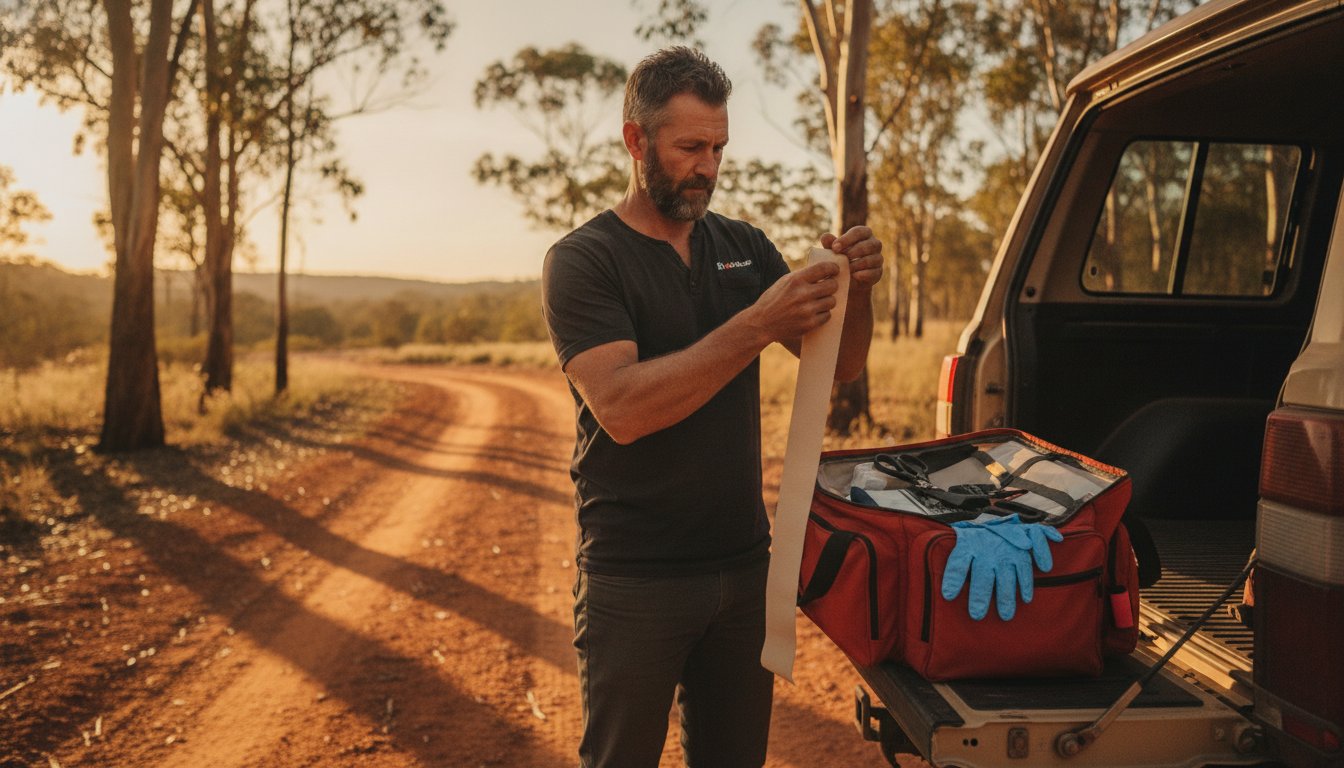
Every remote rig should carry a basic “big four” recovery kit. This includes a pair of high-quality traction boards, a rated snatch strap with shackles, a sturdy long-handled shovel, and a reliable air compressor with a tyre pressure gauge. In the remote outback, we also recommend a winch and a satellite communication device like a Zoleo or Starlink. These tools aren’t just for your own safety; they allow you to help others in our community.
Are there any free 4WD camping spots left in Queensland in 2026?
While many coastal destinations require paid permits, plenty of free 4WD camping opportunities still exist in the western outback. Many councils provide free or low-cost rest areas and bush camps along major stock routes and near inland river systems. These spots usually offer fewer facilities, so being completely self-contained is essential. We always encourage checking local regulations and respecting the “leave no trace” principles to keep these remaining free spots open for everyone.