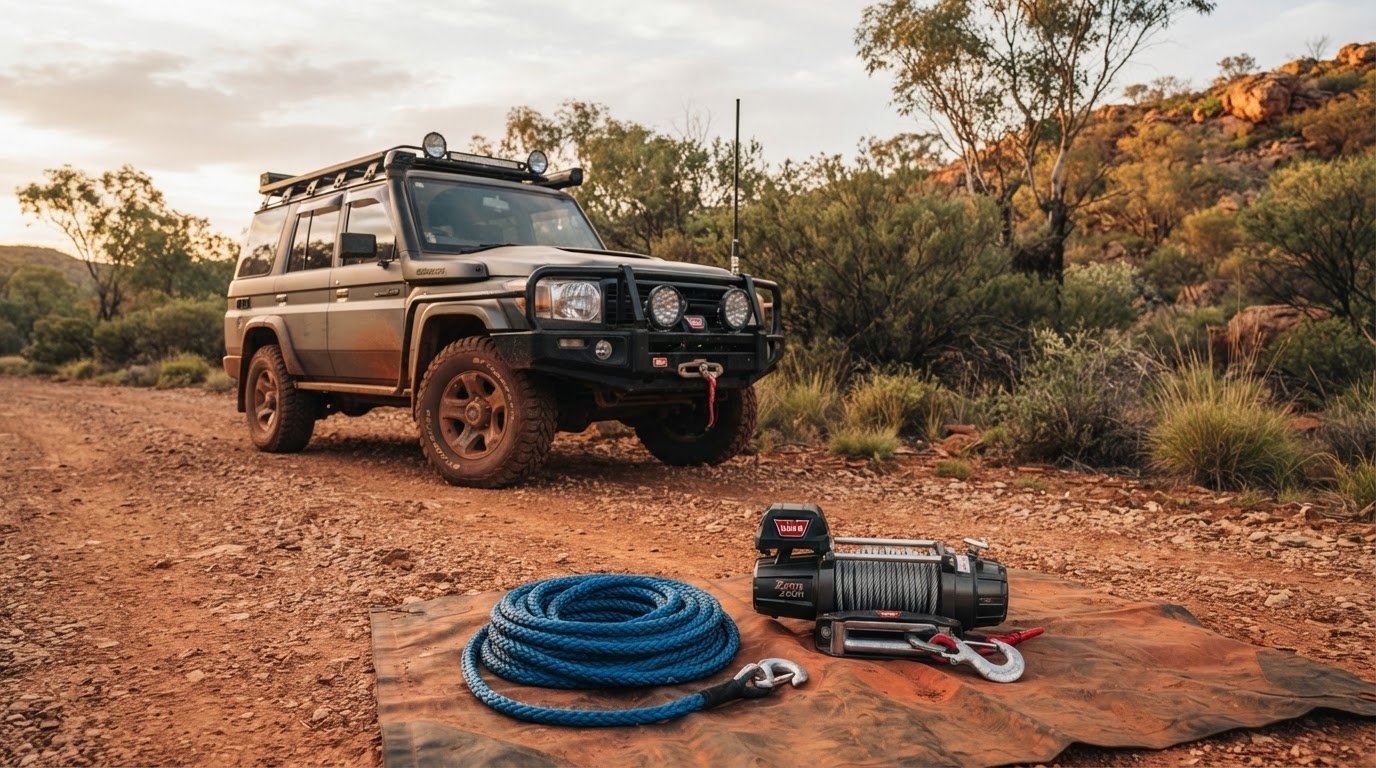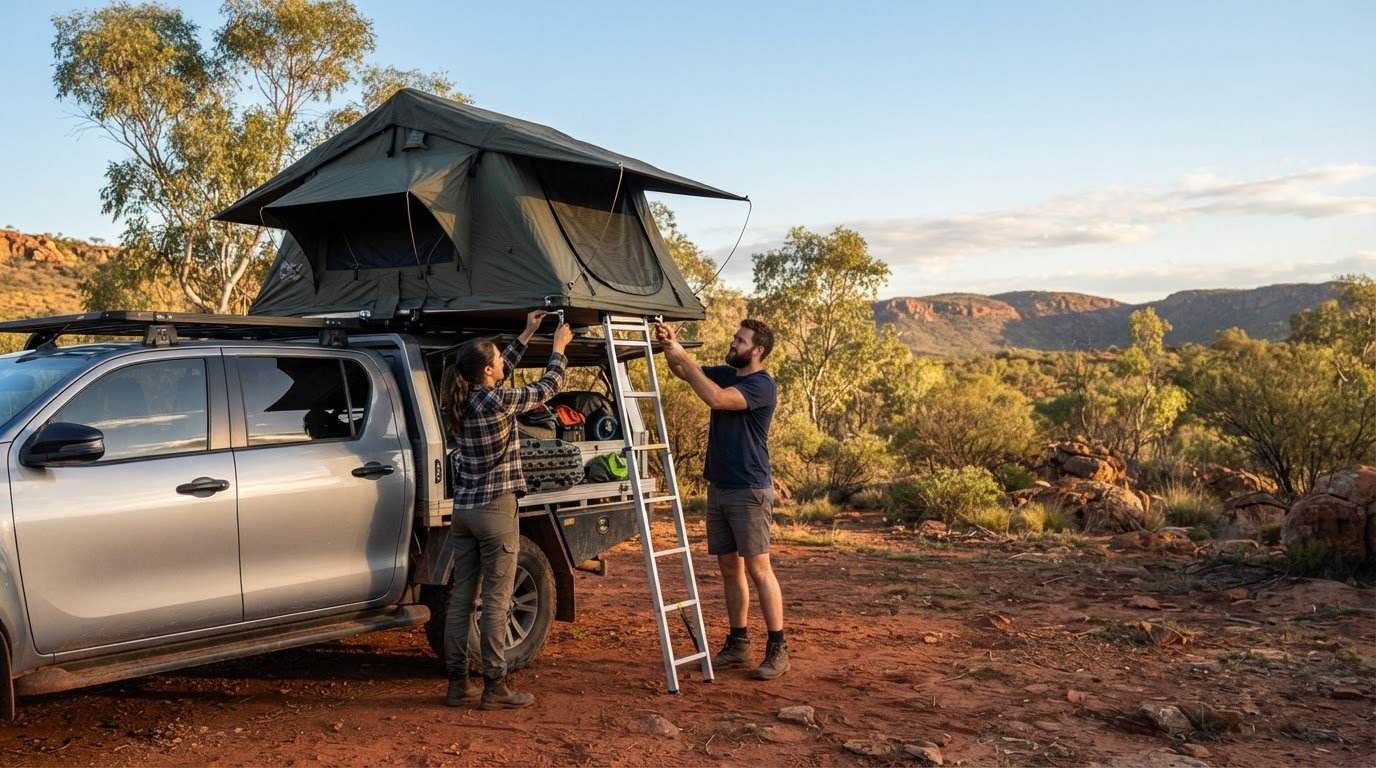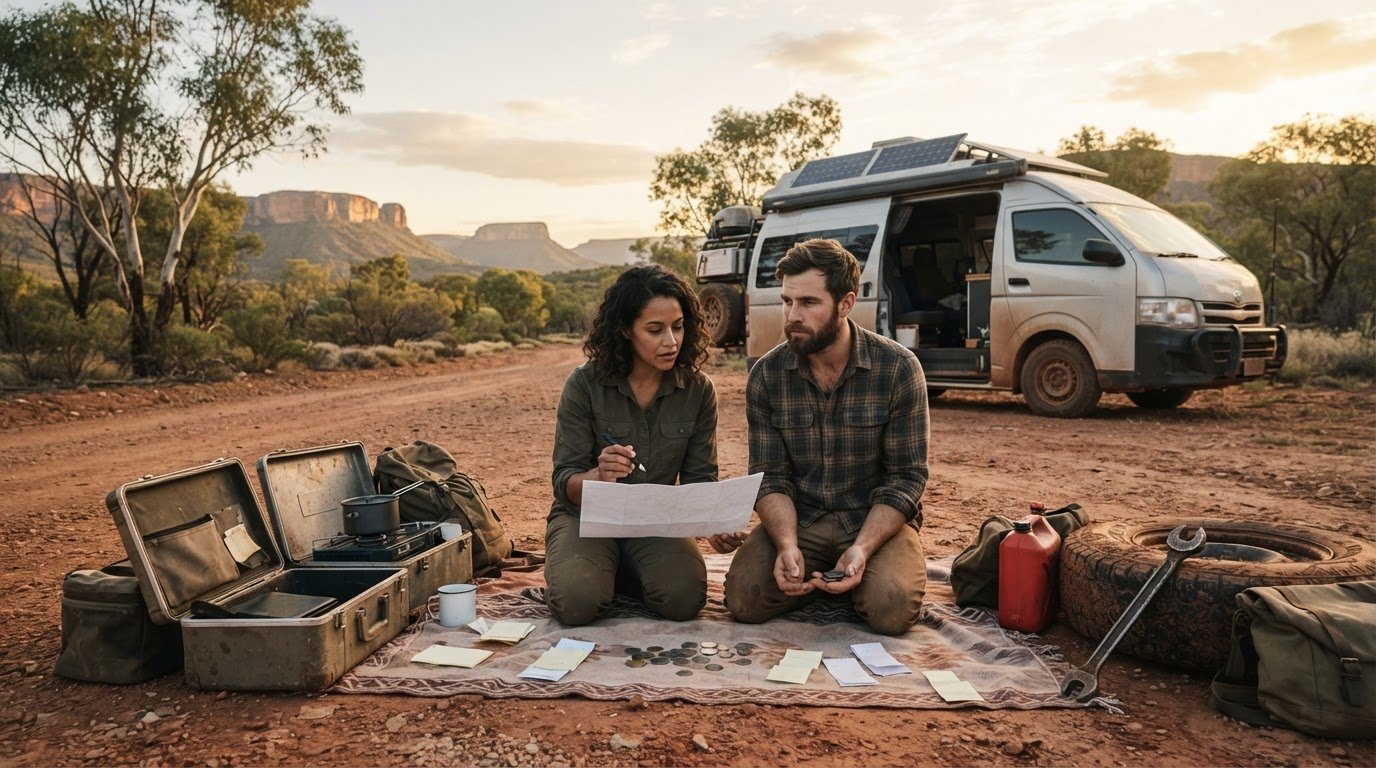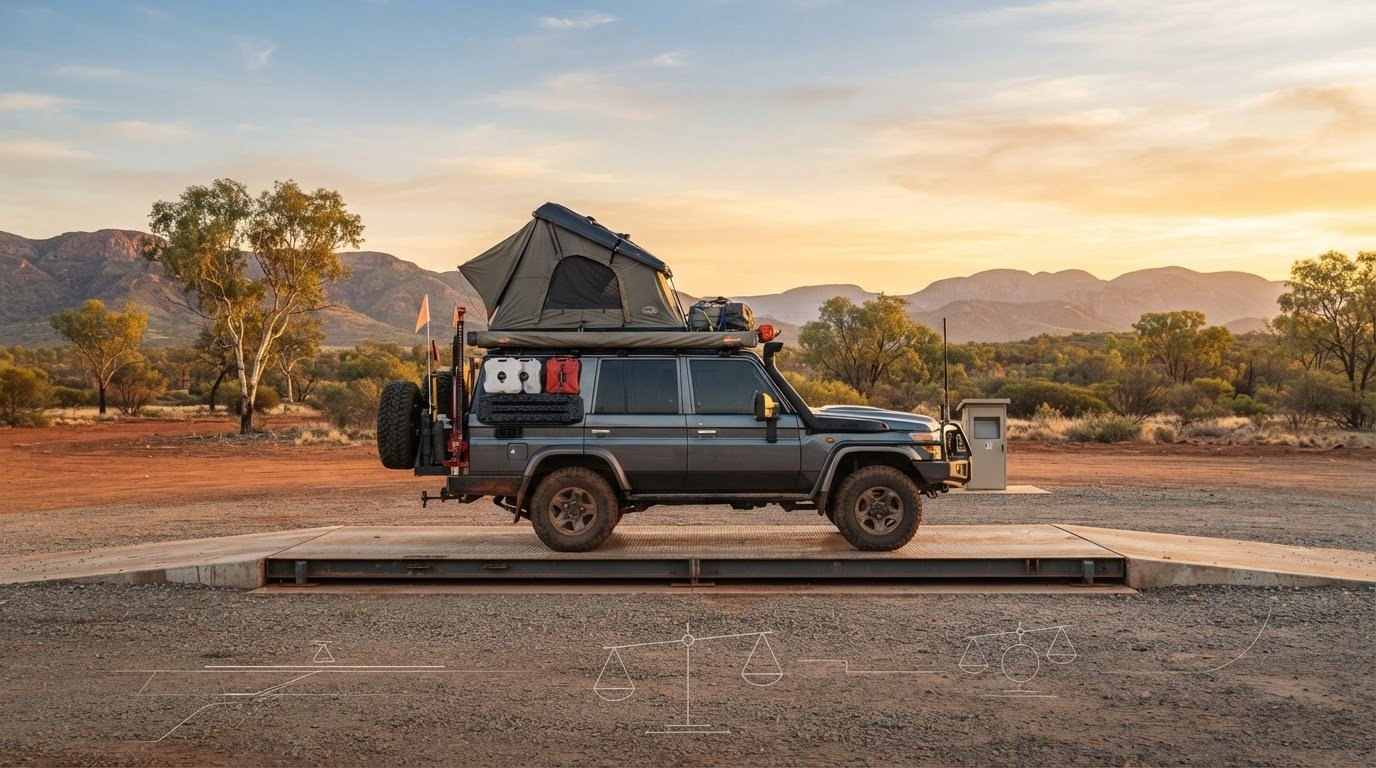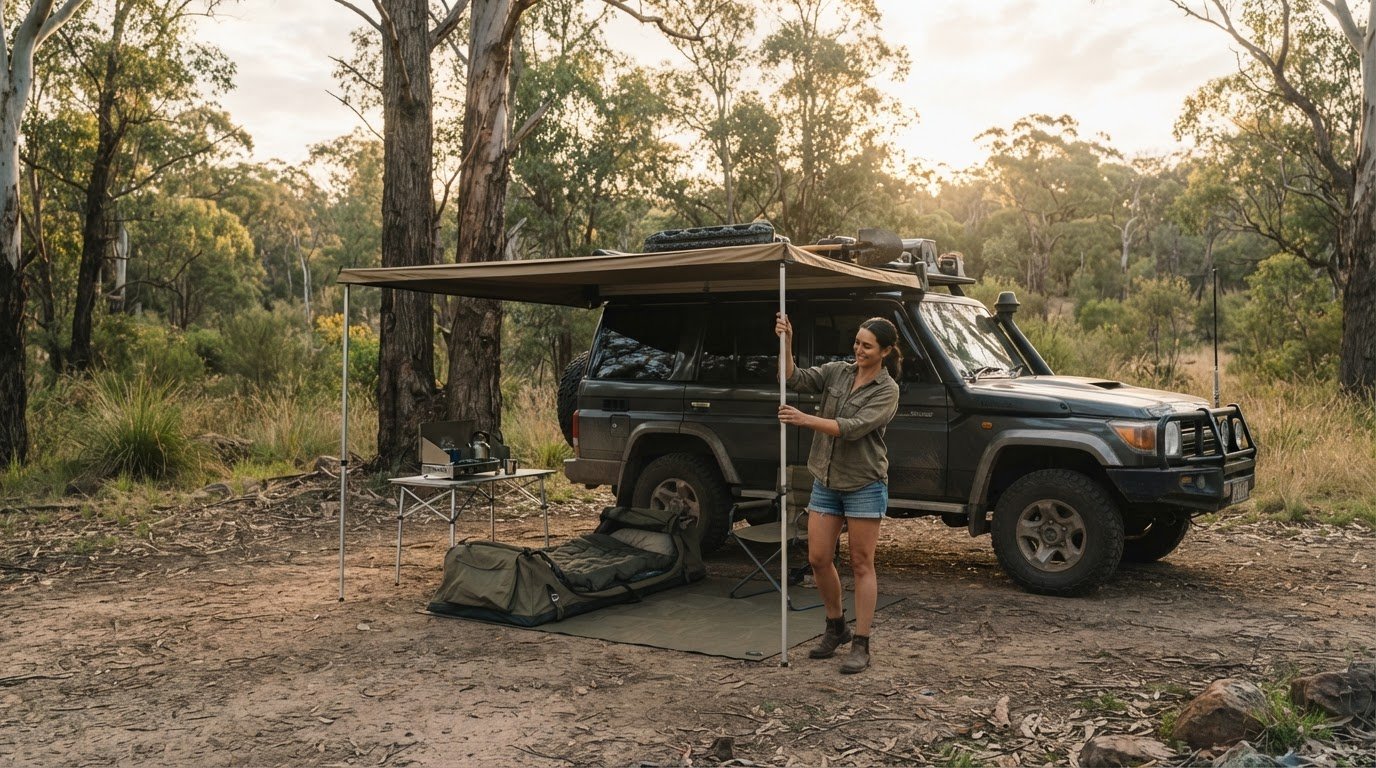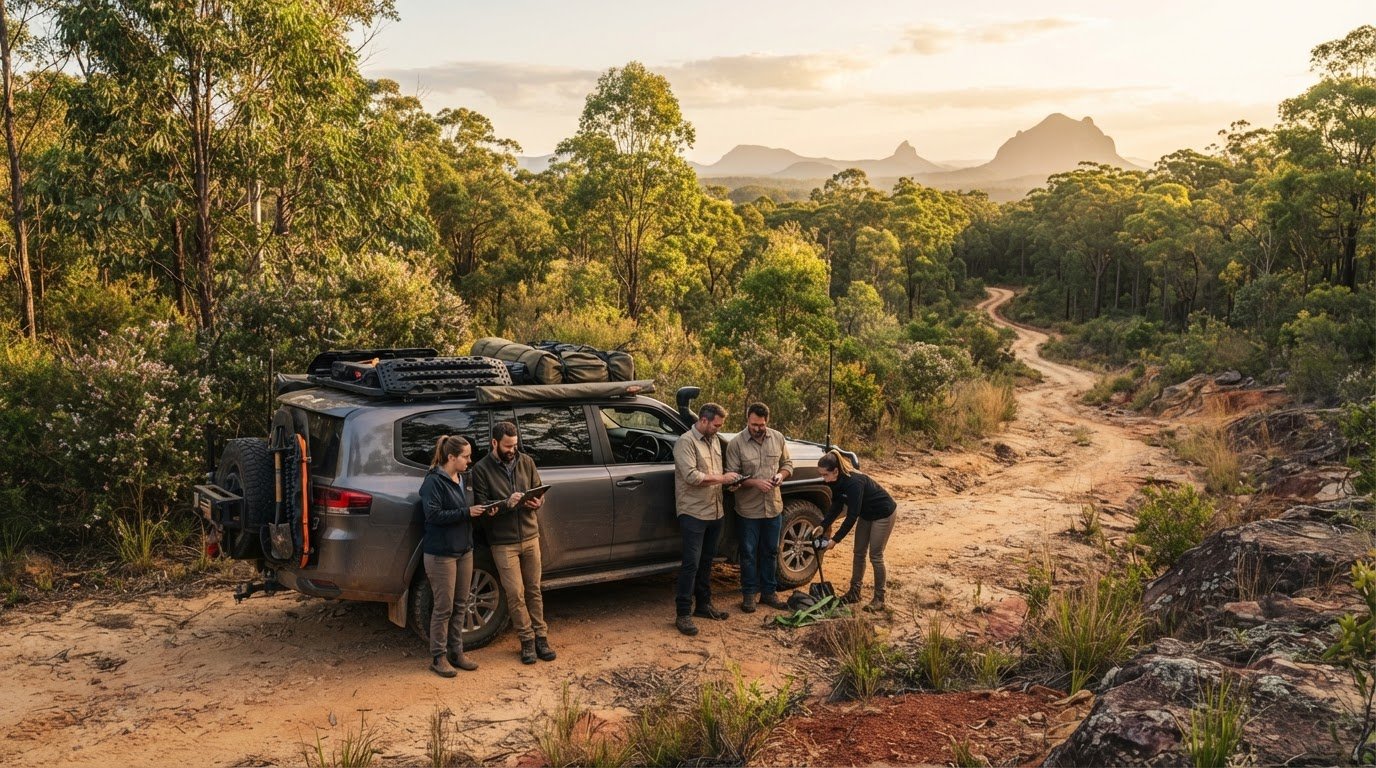
What if the smartest way to truly escape the digital grind is actually to pack more intelligence into your kit? We all love that feeling of pointing the bullbar toward the horizon to leave the noise behind, but the nagging fear of a flat battery or a ‘no service’ icon can quickly sour the spirit of adventure. It’s a tension every member of our Adventurerz community knows well. We crave the silence of the rugged bush, yet we need the certainty that we can call for help or find our way home when the tracks disappear.
In this guide, you’ll learn how to master the latest 12V systems and Tech for Outdoor enthusiasts to stay powered and protected across Australia’s most remote landscapes. We’re moving past the confusion of changing specs to build a setup that actually works when the bitumen ends. We will walk you through reliable off-grid power configurations, emergency communication backups, and digital navigation tools that don’t need a single bar of cellular data. It’s time to gear up with confidence and explore our backyard more responsibly than ever before.
Key Takeaways
- Learn how the latest Tech for Outdoor enthusiasts has evolved into specialized, durable hardware that prioritizes safety and connectivity without sacrificing the raw adventure experience.
- Evaluate the rise of portable power stations as a flexible, high-performance alternative to traditional dual-battery systems for managing your off-grid 12V needs.
- Compare high-speed satellite internet options with dedicated emergency messengers to ensure you can stay connected and call for help even beyond the black stump.
- Master digital navigation and real-time vehicle diagnostics to monitor your rig’s health and find your way across Australia’s most rugged terrain.
- Discover how smart water purification and energy management tools help us protect the fragile environments we love to explore by reducing our environmental footprint.
Table of Contents
What is Tech for Outdoor Exploration in 2026?
We’ve moved well beyond the days when “outdoor technology” just meant a brighter torch or a slightly better weather radio. In 2026, Tech for Outdoor enthusiasts refers to a specialized ecosystem of hardware designed to thrive where standard consumer electronics fail. We aren’t just talking about gadgets; we’re talking about tools that extend our range and keep us safe when we’re hundreds of kilometers from the nearest town. The old mindset was all about “unplugging” to find peace. While we still value that silence, we now recognize that smart exploring is responsible exploring. Connectivity has become a core safety requirement rather than a luxury.
Modern adventure tech rests on three critical pillars: Power, Communication, and Navigation. These systems work together to support our traditional setups and make them more efficient. For instance, when we’re reviewing roof top tents, we now look for how easily they integrate with 12V power hubs or whether they can support solar arrays for long-term stays. Remote Adventure Tech is the intersection of survival gear and digital innovation. It allows us to push further into the wild while maintaining a safety net that our predecessors could only dream of.
Ruggedization: Why Consumer Tech Fails in the Bush
Have you ever seen a standard tablet screen die after three hours on a corrugated track? We have. The vibration from Australia’s backroads acts like a jackhammer on delicate circuit boards. That’s why we look for IP67 or IP68 ratings, which ensure gear is dust-tight and can survive a dunking in a creek crossing. Beyond water, the heat is our biggest enemy. Most home electronics throttle or shut down at 35°C, but specialized Tech for Outdoor use is rated for the 45°C+ days we often face in the red center. We need hardware that’s as hardy as our 4WDs.
The Role of Tech in Modern Self-Reliance
Self-reliance used to mean carrying three paper maps and a compass. While those skills remain vital backups, we now utilize the Global Positioning System (GPS) to get high-resolution topographical data in real-time. This tech does more than just show us the track; it provides telemetry on vehicle health and environmental conditions. We can monitor our battery levels, water purity, and even local fire risks through integrated sensors. It’s about having the data we need to make informed decisions before a situation becomes an emergency. This proactive approach helps us respect the land by ensuring we don’t get stranded in fragile ecosystems.
Off-Grid Power: The Foundation of Your Remote Setup
Think of your power system as the heartbeat of your remote camp. Without a reliable way to store and distribute energy, all the high-end Tech for Outdoor travel we discussed earlier becomes useless the moment your phone or GPS dies. Power management is the most critical technical decision you’ll make when building your rig. In 2026, we’re seeing a massive shift toward high-capacity Portable Power Stations (PPS). These units serve as a versatile alternative to traditional fixed dual-battery systems, allowing us to move our power source from the back of the 4WD straight into our camp kitchen or tent.
Harvesting that power has also become more efficient. Modern solar blankets now utilize shingled cell technology, which provides better performance when parts of the panel are in the shade. This is a massive win for those of us who like to camp under the cover of trees. We can now integrate these power sources directly with our 4WD awnings to run integrated LED lighting and high-speed USB-C charging ports right where we relax. If you’re planning your next shelter upgrade, take a look at our 4WD awnings recommendations to see which models best support these tech integrations.
Lithium LiFePO4 vs. Traditional AGM Batteries
If you’re still lugging around heavy AGM batteries, it’s time for an upgrade. Lithium LiFePO4 cells have revolutionized how we pack. They offer a weight-to-power ratio that is roughly half the weight of lead-acid alternatives while providing nearly double the usable energy. An AGM battery typically shouldn’t be drained past 50%, but lithium can safely reach an 80% or 90% depth of discharge without damage. These modern cells also include a Smart Battery Management System (BMS) that handles the technical heavy lifting, protecting the battery from extreme Australian temperatures and overcharging.
Smart Charging: DCDC and Solar MPPT Controllers
To keep those batteries healthy, you need smart charging. A DCDC charger is essential for modern vehicles with smart alternators; it ensures your house battery gets a full, staged charge while you’re driving. When you’re parked up, an MPPT solar controller acts as the brain of your solar harvest, maximizing efficiency even in weak sunlight. Most of this Tech for Outdoor setups now include app-based monitoring. We can check our exact state-of-charge and power consumption from our phones, ensuring we never run out of juice in the middle of the night. This level of visibility makes remote travel safer and much more sustainable.
Satellite Communication: Connectivity Beyond the Black Stump
Forget about backyard Wi-Fi extenders or signal boosters. When we’re deep in the Kimberley or crossing the Simpson, we’re operating in a world where cellular towers simply don’t exist. In 2026, the landscape of Tech for Outdoor communication has shifted from “hope for the best” to “always connected.” We’ve seen a revolution in Low Earth Orbit (LEO) satellite technology that brings high-speed internet to the most isolated corners of the continent. Tools like the Starlink Mini have become staples for the modern nomad, offering the ability to check weather overlays or send high-res photos from a remote riverbed. However, with this power comes the responsibility of managing our digital footprint. We use these tools to enhance our safety and flexibility, not to let the noise of the city drown out the silence of the bush.
While modern smartphones now offer “SOS via Satellite” features, we don’t view these as primary safety tools. A phone is a multi-purpose device with a fragile screen and a battery that might not last a cold night in the desert. Dedicated satellite hardware remains the gold standard for anyone serious about remote travel. These devices are built to survive the same dust and vibrations that we discussed in our section on ruggedization. They provide a dedicated lifeline that works when everything else fails.
Satellite Internet for Remote Work and Safety
The rise of LEO satellite constellations has changed the game for high-speed connectivity. Unlike old geostationary satellites that suffered from massive lag, these newer systems offer low latency that makes video calls and real-time mapping possible. We’ve found that the biggest challenge isn’t the signal; it’s the power. These terminals can be hungry, which is why we emphasize the robust 12V systems we covered earlier. Many providers now offer flexible, pay-as-you-go subscription models. This allows us to activate our high-speed data only when we’re heading off-grid for a big trip, keeping costs down during the off-season.
Emergency Beacons and Two-Way Messaging
Understanding the difference between a traditional Personal Locator Beacon (PLB) and a Satellite Messenger is vital. A PLB is a one-way “break glass in case of emergency” device with a massive battery life, while a messenger like a Garmin InReach or Zoleo allows for two-way texting. We love the two-way option because it lets us tell rescuers exactly what’s wrong or let family know we’re just running a day late. Every remote adventurer needs a dedicated GPS-enabled rescue device. For a deeper look at how to coordinate your safety gear, check out The Ultimate Adventure Travel Planner for more on safety logistics. This Tech for Outdoor survival ensures we can push our limits while staying accountable to those waiting for us back home.
Digital Navigation and 4WD Diagnostic Tech
We’ve all seen the horror stories of travelers relying on standard smartphone apps only to find themselves staring at a blue dot on a blank screen. Google Maps is fine for the suburbs. However, it lacks the topographical detail and offline reliability required for the high country or the desert. In 2026, Tech for Outdoor navigation has evolved into a sophisticated blend of high-resolution vector maps and real-time vehicle feedback. We don’t just follow a line on a screen anymore; we analyze the terrain before we even put the rig into low range. This shift toward digital precision ensures we can explore deeper while staying well within the limits of our equipment and our skills.
Off-Grid Mapping Apps and Hardware
We often get asked whether a dedicated GPS unit is better than a ruggedized tablet. While dedicated units are bulletproof, many in our community are moving toward ten-inch tablets running specialized apps like Hema, Gaia, or OnX. These allow us to toggle between vector maps for track detail and high-resolution satellite imagery for finding that perfect hidden campsite. Because these high-res files are massive, 128GB of internal storage is the new minimum for remote travel. You don’t want to realize you’re missing the next 500 kilometers of map data when you’ve already lost your 5G signal. We recommend downloading your entire route at multiple zoom levels before you leave the driveway.
Vehicle Telemetry: Preventing Breakdowns Before They Happen
Modern Tech for Outdoor travel isn’t just about where you’re going; it’s about how your vehicle is handling the stress of the track. We now use Bluetooth OBDII dongles to pipe real-time data straight to our dashboards. Monitoring Exhaust Gas Temperatures (EGTs) and transmission fluid heat is vital when towing a heavy camper through soft sand or climbing steep grades. Digital telemetry allows us to identify and address potential mechanical issues before they escalate into catastrophic failures on remote tracks.
We also rely heavily on Smart Tyre Pressure Monitoring Systems (TPMS). These sensors do more than just alert us to a slow leak; they monitor tyre heat, which is often the first sign of an impending blowout caused by under-inflation. To round out our scouting kit, many of us now carry sub-250g drones. These are incredible tools for checking if a creek crossing is washed out or if a track is blocked by fallen timber, saving us hours of difficult U-turns. If you want to keep your rig in peak condition for these technical tracks, explore our remote travel advice and gear guides for the latest community-tested tips.
Sustainable Exploration: Tech for the Eco-Conscious Adventurer
As we push further into the most fragile corners of the Australian outback, our responsibility to protect these environments grows. We’ve talked about how power and navigation keep us safe, but 2026 is also the year where Tech for Outdoor travel becomes our greatest tool for stewardship. Technology isn’t just a convenience; it’s a way to minimize our footprint and ensure these tracks remain open for the next generation of the Adventurerz community. By integrating smart systems into our kits, we can reduce waste, lower our energy consumption, and even contribute to vital environmental research while we camp.
One of the most impactful shifts we’ve seen is the move toward high-efficiency LED lighting. By using programmable, low-draw LEDs, we drastically reduce light pollution that disrupts nocturnal wildlife. We also see more adventurers using citizen science apps to report invasive weed sightings or track the health of remote water sources. This data goes directly to land managers, turning every 4WD trip into a mission for conservation. We aren’t just visitors; we are active participants in the health of the bush.
Waste and Water Management Tech
Eliminating single-use plastics is a major goal for our community. In 2026, we’ve moved past carrying dozens of plastic water crates. Instead, we use integrated UV-C filtration systems or hollow-fiber filters that can turn murky creek water into safe, crisp drinking water. UV-C tech is particularly impressive as it neutralizes 99.9% of bacteria and viruses without changing the taste of the water. For more ethical exploration advice, read our guide on Sustainable Travel Tips to see how we balance luxury with accountability. We also utilize tech-enabled portable toilets with specialized seals and eco-friendly enzymes to ensure we leave absolutely no trace behind at our campsites.
The Future of Electric 4WDing and Remote Travel
The horizon of remote travel is changing with the rise of electric 4WDs. While the infrastructure is still growing, the impact on remote camping is already visible. Vehicle-to-Load (V2L) technology allows us to use the massive battery bank of an EV to power our entire camp, from induction cooktops to the Tech for Outdoor communication hubs we rely on. This eliminates the need for noisy generators and reduces our reliance on fossil fuels in the wild. It’s a bold new chapter for our community. While the gear evolves, the raw spirit of adventure remains the same. We use these tools to enhance the experience, not to replace the grit and wonder of the great outdoors. Let’s keep exploring, keep testing, and keep protecting the land we love.
Gear Up for Your Next Remote Frontier
Building a reliable off-grid setup is about more than just buying the latest gadgets. It’s about creating a cohesive system where high-capacity lithium power, precision satellite communication, and real-time vehicle diagnostics work together to extend your range. We’ve seen how these tools don’t just keep us connected; they make us more resilient and responsible as we navigate Australia’s most sensitive environments. By mastering your 12V management and digital navigation, you aren’t just preparing for a trip. You’re ensuring that every kilometer traveled is safer for you and better for the land we love.
The right Tech for Outdoor exploration allows us to push the boundaries of what’s possible in a 4WD while maintaining that essential connection to the wild. We’re here to help you navigate these choices with expert gear reviews and a deep commitment to sustainable travel. Are you ready to refine your rig? Join the Adventurerz community and share your 2026 gear setup! We can’t wait to see where your next journey takes you. Let’s get out there and explore with confidence!
Frequently Asked Questions
Is Starlink worth it for remote Australian travel in 2026?
Yes, it’s an incredible tool for those who need high-speed, low-latency internet across the continent. It makes remote work and real-time weather updates possible in areas where cellular service doesn’t exist. You just need to ensure your 12V system can handle the constant power draw, as these terminals are hungrier than traditional GPS units. For most nomads, the connectivity it provides is a total game-changer.
What is the best way to power a laptop while camping off-grid?
The most efficient method is using a 12V USB-C PD (Power Delivery) charger connected directly to your lithium battery system. This setup avoids the energy loss you’d get from running an inverter to convert DC to AC power. If your laptop doesn’t support USB-C charging, a small pure sine wave inverter is your next best bet. Always monitor your state-of-charge via a smart battery app to manage your energy levels.
Do I really need a satellite messenger if my phone has satellite SOS?
Absolutely. While phone SOS is a great backup, a dedicated messenger like a Garmin InReach is far more durable and reliable for the bush. These devices are built to withstand the extreme vibrations and heat of the outback. They offer much longer battery life and reliable two-way messaging, which is vital for coordinating a rescue or simply updating family. Don’t rely on a fragile smartphone as your only lifeline.
How do I protect my electronics from outback dust and heat?
Look for hardware with IP67 or IP68 ratings to ensure it’s sealed against fine bulldust and water. Store your devices in hard-shell, gasket-sealed cases during transit to prevent vibration damage. Heat is the biggest killer of batteries, so keep your tech in the lower, cooler parts of your vehicle. Never leave tablets or phones on the dashboard under the Australian sun, as they’ll likely throttle or shut down permanently.
What are the must-have 4WD apps for remote navigation?
Hema Maps and Gaia GPS are the top choices for remote Australian tracks. These apps offer detailed topographical layers and vector maps that work perfectly without cellular data. They are the most reliable Tech for Outdoor navigation tools available today. We also recommend FuelMap Australia for tracking remote diesel stops and Wikicamps for finding community-verified campsites with specific facilities. Always download your maps before leaving the bitumen.
Can I rely on solar power alone for a two-week remote trip?
It’s possible if you have a large LiFePO4 battery bank and at least 300W of high-efficiency solar panels. You’ll need clear skies and good panel positioning every day to stay on top of your usage. However, we always advise having a DCDC charger as your primary backup. If you hit a week of overcast weather or camp in heavy shade, your vehicle’s alternator is the only reliable way to top up your system.
What is an OBDII scanner and why do I need one for 4WDing?
An OBDII scanner is a small dongle that plugs into your vehicle’s diagnostic port to read engine data. It’s essential for monitoring critical stats like Exhaust Gas Temperatures (EGTs) and transmission heat in real-time. This tech allows you to see fault codes and clear minor errors that might otherwise put your car into “limp mode.” It’s a proactive tool that helps prevent mechanical disasters in isolated areas.
How does tech help with ‘Leave No Trace’ camping?
Modern Tech for Outdoor travel supports sustainability by replacing single-use items with durable solutions. UV-C water purifiers mean you don’t need to carry plastic water bottles into fragile ecosystems. High-efficiency LED lighting reduces light pollution that can disturb local wildlife. Additionally, citizen science apps allow us to record and report environmental data, helping land managers protect the very tracks we love to explore.