Last summer, a fellow explorer discovered how quickly a remote dip can turn into a medical emergency when they encountered a Box Jellyfish far from any patrolled zone. As Adventurerz, we’ve all felt that prickle of unease when visiting rugged reaches where mobile reception doesn’t exist. Mastering Australian beach safety isn’t just about swimming between flags; it’s about having the specialised knowledge to handle what the ocean throws at you when you’re off the grid. With Irukandji-related hospitalisations rising by 34% annually, staying informed is our best defence.
We understand that conflicting advice surrounding jellyfish stings can be as confusing as the species themselves. This guide will empower you to master the essentials of Australian beach safety by teaching you how to identify, avoid, and treat jellyfish stings during your remote coastal adventures. We’ll walk through the 2026 first aid protocols for tropical and non-tropical species, clarify stinger seasons across the country, and help you build a clear, remote-ready response plan so our community can explore with total confidence.
Key Takeaways
- Identify the “Big Two” tropical threats and the common Blue Bottle to ensure you can distinguish between a minor irritation and a life-threatening emergency.
- Master the essentials of Australian beach safety by learning the “Vinegar Rule” and how first aid protocols differ between tropical and non-tropical regions.
- Build a remote-ready first aid kit designed specifically for coastal camping where mobile reception and professional medical help are unavailable.
- Practise sustainable exploration by respecting stranded marine life and applying Leave No Trace ethics to every shoreline we visit as a community.
- Optimise your coastal basecamp by using rooftop tents and 4WD awnings as elevated sanctuaries and sheltered first aid stations during your journey.
Table of Contents
Ancient Invertebrates: Understanding the World of the Jelly Fish
Jellyfish have drifted through our oceans for over 500 million years, making them some of the oldest survivors on the planet. While we often call them “jelly fish”, they aren’t actually fish at all. They lack a backbone, brain, and heart; they are technically sea jellies belonging to the phylum Cnidaria. Understanding these ancient drifters is a cornerstone of Australian beach safety, as it helps us respect their biology rather than just fearing their presence. Their anatomy is built for passive survival, using microscopic stinging cells called nematocysts. These cells act like spring-loaded harpoons that fire on contact, injecting venom into prey or unsuspecting swimmers in a fraction of a second. Even a detached tentacle on the sand can fire these cells, so our community must always remain cautious.
To better understand how these creatures behave in our waters, watch this helpful video:
How Sea Jellies Move and Feed
Sea jellies don’t swim in the traditional sense. Instead, they use a rhythmic pulsation of their bell to create a low-pressure zone that pulls them forward. This movement allows them to navigate ocean currents and tides as they search for food. Most species are opportunistic feeders, snagging microscopic plankton or small baitfish with their trailing tentacles. In many of our remote coastal spots, you might even witness bioluminescence; a stunning natural light show caused by chemical reactions within the jelly’s body. This glow isn’t just for show; it often serves as a defence mechanism to startle predators or attract prey in the deep.
Understanding Jellyfish Blooms
When we explore the coastline in our 4WDs, we might notice “blooms”, which are sudden explosions in the jelly population. These events usually happen when water temperatures rise or nutrient levels spike due to runoff. Spotting a bloom from the dunes is an essential skill for Australian beach safety. Look for clusters of bells near the surface or an unusual amount of debris in the water. These blooms are often linked to climate shifts and can indicate a healthy ecosystem, as jellies serve as a vital food source for Australian sea turtles. Identifying specific Australian jellyfish species helps our community prepare for different sting protocols before hitting the water. By observing these blooms responsibly, we contribute to the long-term health of our marine environments.
Common Australian Species: Identification and Risks
Identifying what is floating in the surf is the first step toward true Australian beach safety. While our coastlines are world-class, they host a range of stingers that require very different responses. In warmer, tropical waters, the “Big Two” (the Box Jellyfish and the Irukandji) demand the highest level of caution. Irukandji are particularly tricky because they’re tiny, often no bigger than a fingernail, making them nearly impossible to see in the water. These species are most prevalent during the official stinger season, which typically runs from November to May when these waters are at their warmest. For 2026, experts predict these dates will remain consistent across various tropical coastal areas, though species like Blue Bottles, often found in more temperate zones, can appear year-round depending on the wind.
The Box Jellyfish: A National Safety Priority
The Box Jellyfish is a national safety priority for any coastal camper. You can recognise them by their transparent, box-shaped bell and clusters of long tentacles trailing from each corner. They prefer calm, murky waters near estuaries and creek mouths, especially after heavy rain. The Box Jellyfish is the most venomous marine animal on the planet. Because their stings can cause cardiac arrest within minutes, immediate jellyfish sting first aid is critical before professional help arrives. Always look for warning signs at beach entry points, as these are often updated daily by local rangers.
Blue Bottles and Surface Drifters
Most of us are familiar with the bright blue bubble of a Blue Bottle washed up on the sand. These aren’t actually single jellyfish; they are colonial organisms known as siphonophores. Onshore breezes often push these surface drifters onto our national beaches in massive numbers. While less lethal than some of their more dangerous relatives, they still pack a painful punch. It is important to distinguish the common Blue Bottle from the larger Pacific Man o’ War, which has a much larger float and more potent venom. If you see blue bubbles on the tide line, it is a clear signal that more are likely bobbing in the waves.
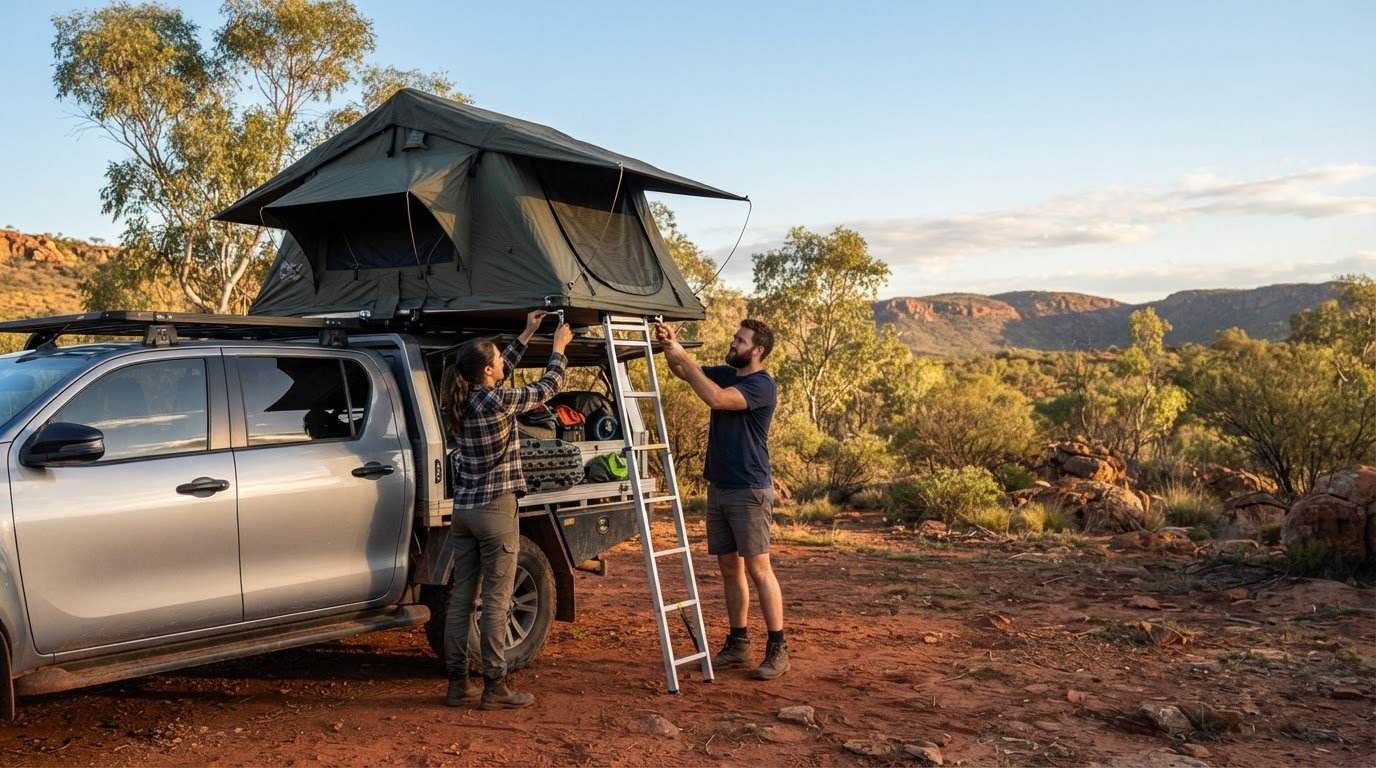
Not every jelly is a threat. Moon Jellies, with their four horseshoe-shaped rings, and the firm, cauliflower-like Jelly Blubbers are common sights that are generally harmless to humans. Moon Jellies are often found in large numbers in sheltered bays, while Jelly Blubbers are commonly found in estuaries along many of our coastlines. Recognising these beauties allows us to appreciate marine biodiversity without unnecessary panic. As you plan your route through stinger territory, consider how your camp setup affects your safety. Setting up a roof top tent provides an ideal elevated sanctuary, keeping you well away from the high-tide line and any stranded stingers on the beach.
Beach Safety and First Aid: Managing Stings in Remote Locations
If you suspect a Box Jellyfish or Irukandji sting, you must act with speed and precision. First, safely extract the person from the water to prevent further stings or drowning. Call for emergency assistance immediately using your satellite tech. Douse the affected area with vinegar for at least 30 seconds to neutralise any un-fired stinging cells. This is a critical step in Australian jellyfish sting first aid because it stops more venom from entering the bloodstream. Stay alert for signs of Irukandji Syndrome, which can include severe back pain, vomiting, and respiratory distress. Keep the patient calm and still while waiting for help; physical exertion can speed up the spread of venom.
Treating Blue Bottle Stings Correctly
There is a lot of confusion about Blue Bottles, but the “Vinegar Rule” is simple: never use it on these stings. In our southern and temperate waters, vinegar can actually cause Blue Bottle stinging cells to fire, making the pain much worse. Instead, follow these steps:
- Rinse the area thoroughly with seawater to wash away loose tentacles. don’t use fresh water, as this can trigger the stingers.
- Carefully remove any remaining tentacles using tweezers or your fingernails. Avoid rubbing the site.
- Immerse the sting in hot water (ideally 40 to 45°C) for 20 to 45 minutes. This heat denatures the protein-based venom and provides rapid pain relief.
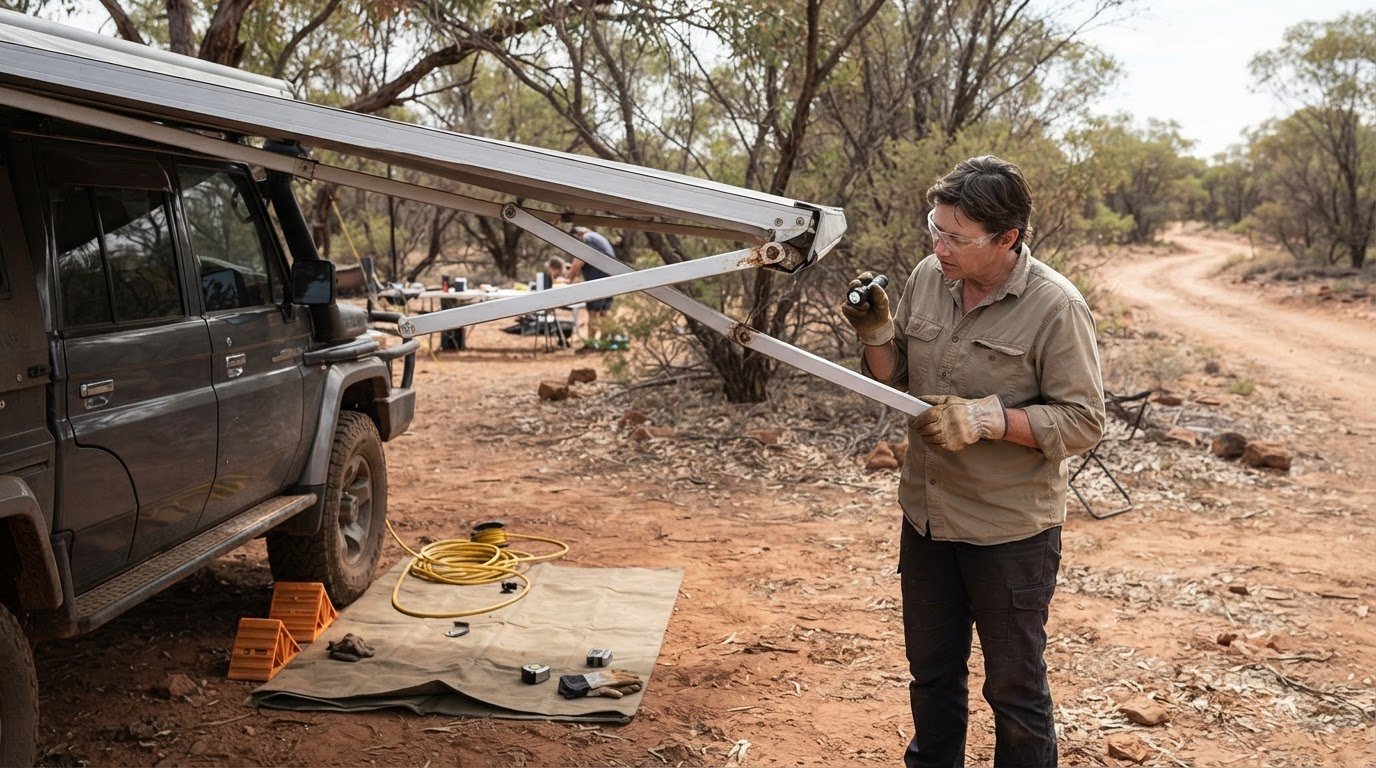
Setting up your best 4wd awnings creates the perfect shaded station for this process. Having a protected, out-of-the-sun area to manage first aid and keep the patient hydrated is essential for Australian beach safety in the heat of the day. By staying methodical and using the right gear, we can handle these encounters and get back to the adventure safely.
Sustainable Exploration: Observing Marine Life Responsibly
As we push further into the remote corners of our coastline, our responsibility to the environment grows. Responsible Australian beach safety involves more than just personal protection; it requires us to act as stewards of the marine world. Applying “Leave No Trace” principles to the shoreline means leaving every shell and jellyfish exactly where we found it. We must be particularly careful with stranded jellies on the sand. Even when they appear dead or dried out, their stinging cells can remain active and potent for days. Never touch a washed-up specimen with your bare hands or feet, and keep a close eye on your pets during beach walks.
Our impact on these ancient invertebrates also affects the larger creatures that rely on them. Plastic pollution is a massive threat to our national marine life. Floating plastic bags and burst balloons look identical to sea jellies in the water, leading many animals to ingest them with fatal results. By securing our campsites and ensuring no rubbish escapes into the wind, we protect the very ecosystems we’ve travelled so far to see.
Turtles and Jellies: A Delicate Balance
Leatherback and Green turtles are the ocean’s natural population controllers, consuming vast quantities of jellies every year. When we allow marine debris to enter the water, we disrupt this delicate balance. To help, we can adopt simple habits at our beach basecamps:
- Swap single-use plastics for durable, reusable containers.
- Use mesh bags for rubbish to prevent items from blowing away.
- Always conduct a “micro-trash” sweep of your site before moving on.
Responsible Photography and Observation
Capturing the beauty of a pulsating jelly is a highlight for any coastal photographer. We recommend wearing high-quality polarised sunglasses to cut through the surface glare; this helps you spot drifters from the shore or your boat, enhancing both your photos and your Australian beach safety awareness. While observing, avoid disturbing the water or the animal’s natural movement. It’s also vital to respect the surrounding habitat. Stay on designated tracks to protect fragile dunes and seagrass beds, which are essential nurseries for many marine species.
We can also contribute to national research by using citizen science apps to report sightings of unusual blooms or rare species. This data helps scientists track how climate shifts affect our waters. To make your next trip even more sustainable, check out our guide on how a roof top tent helps you camp responsibly by keeping your footprint off the sensitive coastal vegetation.
Coastal Basecamp Essentials: Gear for Your Next Adventure
Rooftop Tents for Coastal Breezes
Choosing the right shelter is a game-changer for coastal camping. We’ve found that a roof top tent is the ideal sanctuary for these environments. Staying elevated keeps us well above the high-tide line and away from the sand where stingers might wash up. These tents also offer superior ventilation, allowing us to catch those vital ocean breezes during humid northern nights. Beyond comfort, they help us maintain a Leave No Trace footprint by keeping our sleeping area off sensitive coastal vegetation. They provide a secure, hardy retreat that can withstand sudden coastal weather shifts, ensuring we stay dry and rested for the next day’s exploration.
Creating a Safety Zone with 4WD Awnings
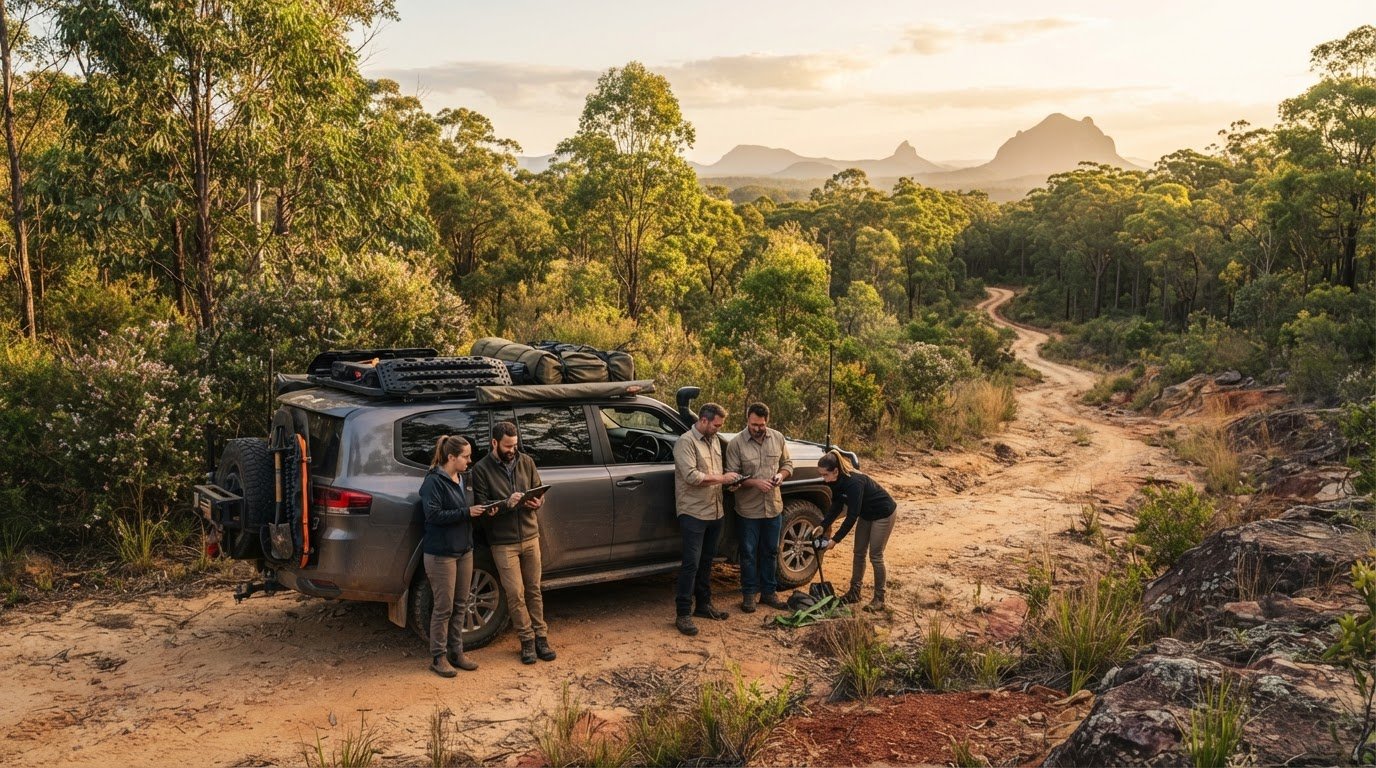
Our vehicle setup should always include a dedicated area for first aid and hydration. Setting up under the best 4wd awnings creates a shaded medical bay where we can treat stings or manage heat exhaustion away from the harsh Australian sun. This shaded zone is crucial for Australian beach safety, providing a controlled environment to perform the vinegar drench or hot water immersion techniques we discussed earlier. It’s also the perfect spot to review our routes and conditions. By integrating our gear with the 2026 Travel Planner, we can map out safe coastal escapes and stay organised throughout the journey. A well-prepared basecamp isn’t just about luxury; it’s about building a foundation for responsible and daring exploration.
Ready for Your Next Coastal Expedition?
Mastering Australian beach safety is about more than just avoiding risks; it is about building the confidence to explore our most rugged shorelines responsibly. We’ve covered how to distinguish lethal tropical species from common surface drifters and established that your first aid response must change based on the latitude. By pairing this knowledge with expert reviews of 4WD and coastal camping gear, you transform your vehicle into a hardy, self-reliant basecamp. Our community is dedicated to sustainable Australian exploration, ensuring we leave these ancient environments pristine for the next generation of adventurers.
Preparation is the key to any successful remote escape. We use community-led safety protocols to ensure every trip is as secure as it is daring. If you’re ready to hit the tracks and find that perfect isolated bay, we’re here to help you navigate the journey with precision. Map out your safe coastal route with our 2026 Adventure Travel Planner and start your next chapter of responsible exploration today. See you out on the sand!
Frequently Asked Questions
What is the best treatment for a blue bottle sting?
The best treatment for a Blue Bottle sting is to rinse the area with seawater and immerse it in hot water (40 to 45°C) for 20 to 45 minutes. You should never use vinegar on these stings, as it can trigger more venom release in Australian siphonophores. Carefully remove any remaining tentacles using tweezers or your fingernails. This heat-based method is the most effective way to denature the protein-based venom and provide rapid pain relief.
When is stinger season in Northern Australia?
Stinger season in Northern Australia typically runs from November through to May each year. During this window, warmer water temperatures and specific current patterns bring dangerous species like the Box Jellyfish closer to the shore. For our 2026 expeditions, experts predict these dates will remain the standard across the Northern Territory and Queensland. Always check local ranger reports before entering the water, as these dates can shift slightly based on regional environmental conditions.
Can a dead jellyfish still sting you on the beach?
Yes, a dead jellyfish can still sting you if you step on it or touch it. The stinging cells, or nematocysts, can remain active and pressurised for several days even after the animal has washed up and dried out on the sand. This is a critical part of Australian beach safety awareness for families and pet owners. Always wear footwear when walking along the tide line and never attempt to move a stranded specimen by hand.
Are there any lethal jellyfish in Southern Australia?
Lethal jellyfish species are almost exclusively found in the tropical waters of Northern Australia. While Southern Australia doesn’t typically host the deadly Box Jellyfish or Irukandji, you will still encounter painful stingers like the Blue Bottle. These southern species can cause significant distress and require proper first aid, but they are rarely life-threatening. Understanding these regional differences is vital for maintaining Australian beach safety as you travel between different latitudes on your coastal adventures.
Does urine actually help with a jellyfish sting?
No, urine does not help with a jellyfish sting and can actually make the injury worse. This is a persistent myth that our community should avoid. The chemical composition of urine can trigger un-fired stinging cells to release more venom into your skin. Instead, stick to proven methods: use vinegar for tropical stings to neutralise the cells, or hot water for Blue Bottle stings. Always prioritise medical-grade first aid over folk remedies when you’re in remote locations.
How can I tell the difference between a Box Jellyfish and a Moon Jelly?
You can tell the difference by looking at the shape and the tentacles. A Box Jellyfish has a distinctive cube-shaped bell with clusters of long, ribbon-like tentacles trailing from each of the four corners. A Moon Jelly has a flat, saucer-shaped bell with four horseshoe-shaped rings in the centre. They also have a very short, fine fringe of tentacles around the edge rather than the long, dangerous ones found on a Box Jelly.
What are the symptoms of Irukandji Syndrome?
Symptoms of Irukandji Syndrome usually appear 5 to 45 minutes after a sting and can be incredibly severe. Victims often experience intense lower back pain, muscle cramps, vomiting, and a rapid heart rate. Some people also report a feeling of “impending doom” alongside profuse sweating and difficulty breathing. Because these symptoms can lead to heart failure, it’s vital to seek emergency medical help immediately via satellite communication if you’re in a remote area.
Is it safe to swim during a jellyfish bloom?
It is generally not safe to swim during a jellyfish bloom, as the high density of animals significantly increases your risk of multiple stings. Even if the species present are considered harmless like Jelly Blubbers, a high concentration of nematocysts in the water can still cause skin irritation or allergic reactions. When you spot a bloom from your 4WD or boat, it’s best to stay on the sand and observe these creatures responsibly from a distance.